

What Is 6013 Rod Used For | Durable Welding Electrodes from China

What Is 6013 Rod Used For | Durable Welding Electrodes from China
Dec . 04, 2025 01:22
What Is 6013 Rod Used For is a key solution in the industry, specifically within welding and fabrication sectors. This article explores how Jinlong Welding Electrode supports professionals with durable, high-performance products, and explains why this product is an ideal choice for businesses in these sectors.
Table of Contents
- What Is 6013 Rod Used For Overview
- Benefits & Use Cases of What Is 6013 Rod Used For
- Cost, Maintenance & User Experience
- Sustainability & Market Trends
- Frequently Asked Questions
- Conclusion on What Is 6013 Rod Used For from China
What Is 6013 Rod Used For Overview
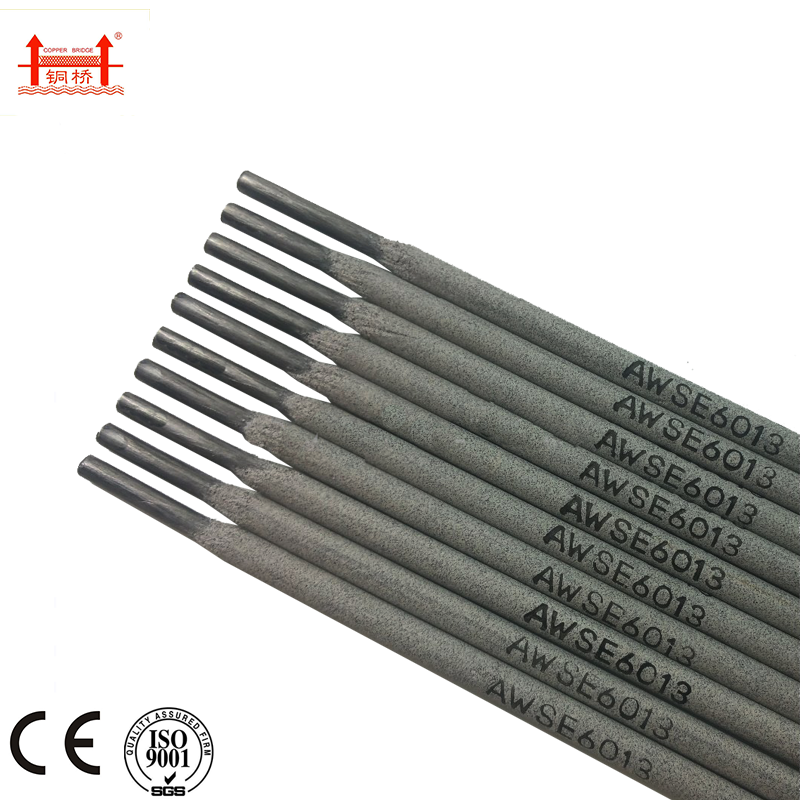
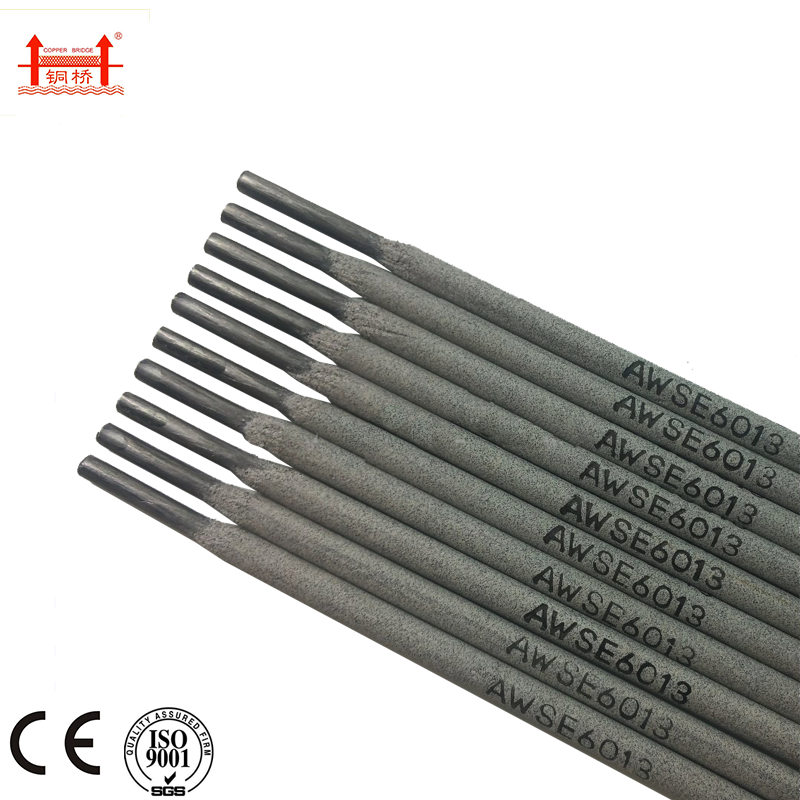
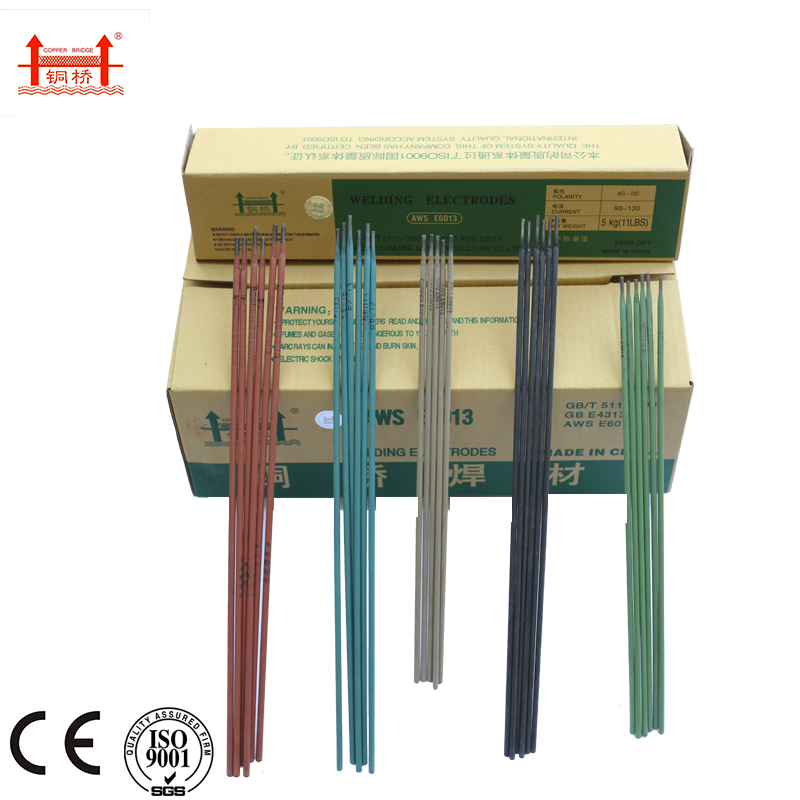
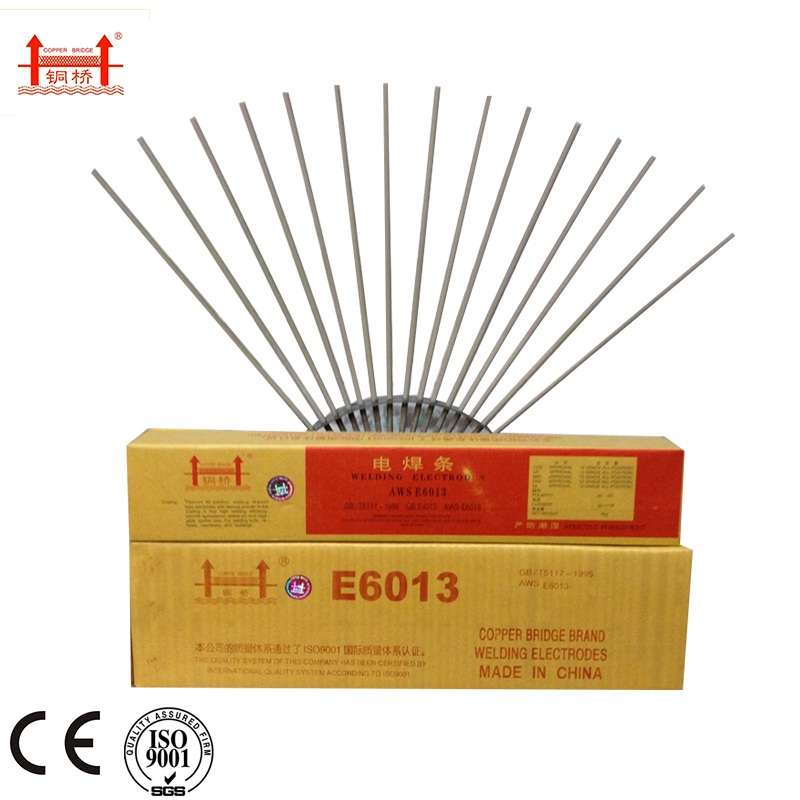
The 6013 welding rod is a versatile, general-purpose electrode that many fabricators and welders depend on. Frankly, it feels like the “go-to” for most mild steel welding tasks due to its smooth arc and medium penetration. Technically, the 6013 rod is classified by the American Welding Society as an E6013 electrode, which means it has a tensile strength of 60,000 psi and moderate penetration characteristics.
In real terms, these rods are flux-coated and typically designed for AC or DC welding, providing a stable arc and smooth weld bead with moderate spatter. You often see them used in sheet metal fabrication and light repair work. A good example is automotive bodywork or machinery maintenance, where precision and weld appearance matter.
| Specification | Details |
|---|---|
| Tensile Strength | 60,000 psi |
| Current Type | AC & DC+ |
| Flux Coating | Titania potassium type |
| Weld Appearance | Smooth, shallow penetration with light slag |
Benefits & Use Cases of What Is 6013 Rod Used For
So why do so many welding professionals opt for the 6013 rod? Oddly enough, it balances ease of use with reliable welds - even when you’re a bit off with technique. Its smooth arc means less cleaning up afterward and faster workflow, which frankly makes a huge difference on large projects.
Industries that lean heavily on this product include light manufacturing, agricultural equipment repair, HVAC framework, and automotive work. For example, in light construction, 6013 rods come in handy for sheet metal joints or structural steel that doesn’t demand deep penetration welds. One client at Jinlong shared how switching to these rods improved their time efficiency by 15% during routine equipment repairs.
The key features that stand out are its adaptability to both AC and DC current, excellent slag removal, and versatile welding positions. Compared to other electrodes, it's a bit more forgiving on rusty or painted metal, which again saves prep time — always a big plus on busy job sites.
Cost, Maintenance & User Experience
Real-world cost of ownership for the 6013 rod is surprisingly low. Not only are these electrodes priced competitively, but their ease of welding and reduced need for rework translate to lower overall expenses. You’re basically paying for reliability and steady performance without complicated procedures.
From a maintenance perspective, cleaners and operators appreciate less slag residue and the minimal distortion in thin metals. This means fewer touch-ups and less filler material is required. Across feedback from Jinlong's B2B customers, many report that training time also shortens since the rods are so easy to handle – a bonus for companies onboarding less experienced welders.
In terms of ROI, imagine the saved hours on prep and finishing phases—these silvery rods might seem simple but are quietly boosting productivity and reducing scrap rates. It all adds up remarkably well.
Sustainability & Market Trends
Sustainability is becoming harder to overlook in industrial sectors, and welding is no exception. While welding rods inherently generate some waste, advancements at companies like Jinlong Welding Electrode have optimized flux coatings to minimize harmful emissions and material waste. Moreover, 6013 rods support lean manufacturing efforts by reducing rework and conserving metal resources through precision welds.
New regulations are nudging suppliers to adopt greener materials and improve recycling where possible. Interestingly, the flexible qualities of 6013 rods also make them a go-to in trending light-gauge steel applications essential for the growing solar and electric vehicle industries. The welding community seems to be taking these rods as a practical bridge toward more eco-conscious fabrication.
| Feature | Jinlong Welding Electrodes | Competitor A | Competitor B |
|---|---|---|---|
| Tensile Strength | 60,000 psi | 60,000 psi | 58,000 psi |
| Arc Stability | Excellent | Good | Moderate |
| Spatter Levels | Low | Moderate | High |
| Flux Emission | Optimized Low Emission | Standard | Standard |
| Price Per Unit | $$ | $ | $$$ |
Frequently Asked Questions about What Is 6013 Rod Used For
- What is What Is 6013 Rod Used For and how does it work?
- It’s a welding electrode designed to create consistent, smooth welds on carbon steel, using flux coating to stabilize the arc and protect the molten metal. It works well with AC or DC currents and is prized for its user-friendly properties.
- What are the main benefits of using What Is 6013 Rod Used For in industrial applications?
- Key benefits include ease of use, smooth arc, reduced spatter, versatility across welding positions, and suitability for thin or painted metals—all of which translate to lower maintenance and cost savings.
- How does What Is 6013 Rod Used For compare to traditional alternatives?
- Compared to older rods, the 6013 offers better arc stability and cleaner welds with less post-weld cleaning. It’s a bit more forgiving on imperfect surfaces too, making it favorable for quick repairs.
- What industries can benefit most from What Is 6013 Rod Used For implementation?
- Industries like automotive repair, HVAC, light manufacturing, structural fabrication, and agricultural equipment maintenance find 6013 rods particularly useful because of their adaptability and performance.
Conclusion on What Is 6013 Rod Used For from China
To wrap it up, the 6013 welding rod stands out as an efficient, dependable solution for many everyday welding challenges. Its balance of strength, ease of handling, and cost-effectiveness is exactly why so many B2B customers choose Jinlong Welding Electrode as their vendor. The rods are not just tools but partners in productivity.
- Recap the value of What Is 6013 Rod Used For.
- - Visit our website: https://www.jinlongweldingelectrode.com
Personally, I've noticed how fundamental such welding rods are to efficient manufacturing processes. They’re small, often overlooked pieces — but they truly keep the wheels turning across industries.
References:
1. American Welding Society, AWS E6013 Specification
2. Industry feedback collected by Jinlong Welding Electrode (2023)
3. Market trends on welding consumables, Global Fabrics News (2024)

Related Video

Related News


2026-04-16 02:35:10
Precision Guide for e312 16 welding rod and Dissimilar Steel Welding
In the demanding world of industrial fabrication and repair, selecting the correct filler metal is the difference between a structural failure and a lifetime bond. The e312 16 welding rod is specifically engineered to meet the rigorous needs of welding dissimilar steels, offering an exceptional balance of strength and corrosion resistance. Whether you are working on high-pressure pipelines or heavy machinery components, understanding the nuances of this specialized electrode is key to achieving professional-grade results. This guide explores the technical advantages and practical applications of the E312 series to help you optimize your welding workflow.
2026-04-09 02:35:17
Choosing the Right cs to ss welding rod number Professional Guide
Joining carbon steel (CS) to stainless steel (SS) is a common challenge in industrial fabrication, requiring a precise understanding of metallurgy to avoid weld failure. The most critical decision in this process is identifying the correct cs to ss welding rod number to ensure a strong, corrosion-resistant bond. Using the wrong filler metal can lead to cracking or premature oxidation due to the different thermal expansion rates of the two materials. In this comprehensive guide, we will break down the technical specifications and selection criteria to help you achieve a professional-grade weld every time.
2026-04-07 02:25:29
Comprehensive Guide to 409 Welding Rod Selection and Optimal Usage
When it comes to welding applications requiring corrosion resistance and good weldability, the 409 welding rod is a frequently chosen option. This article provides a detailed overview of this versatile welding rod, exploring its composition, applications, benefits, and considerations for optimal use. Whether you’re a seasoned professional or new to welding, understanding the properties of 409 welding rod is crucial for achieving high-quality, durable welds. We’ll cover everything you need to know to make informed decisions for your welding projects.
2026-04-04 02:35:28
Comprehensive Guide to 330 Stainless Steel Welding Rod Applications and Techniques
330 stainless steel welding rods are a crucial component in various industries, offering exceptional corrosion resistance and high-temperature strength. This article provides an in-depth look at these rods, covering their properties, applications, choosing the right rod, welding techniques, safety precautions, and where to find high-quality options. Whether you're a seasoned welding professional or new to the field, this guide will offer valuable insights.
2026-03-31 02:35:08
Comprehensive Guide to 312 Stainless Tig Rod for Superior Welding Performance
When choosing the right filler metal for your TIG welding projects, especially in demanding applications, 312 stainless steel tig rod stands out for its exceptional corrosion resistance and high-temperature strength. This comprehensive guide will explore its composition, applications, benefits, and how it compares to other stainless steel rods. We'll also point you to resources for sourcing high-quality rods.
2026-03-28 02:45:04
Comprehensive Guide to 312 17 Welding Rod Applications and Technical Details
Welding rods are essential consumables in the welding process, and selecting the right one is crucial for achieving strong, durable, and high-quality welds. The 312 17 welding rod is a popular choice for many applications due to its unique properties and versatility. This article delves into the characteristics, applications, benefits, and considerations when using 312 17 welding rods, providing a comprehensive resource for welders and engineers alike. Choosing the right rod directly impacts the success and longevity of any welding project.
2026-03-26 02:35:10
Comprehensive Guide to the 312 16 Welding Rod for Superior Steel Welding
The 312 16 welding rod is a versatile and widely-used electrode in various welding applications. Known for its excellent weldability and strong mechanical properties, it's a go-to choice for professionals and hobbyists alike. This article delves into the specifics of this electrode, covering its composition, applications, advantages, and how to choose the right one for your projects. Understanding the nuances of the 312 16 welding rod is crucial for achieving high-quality, durable welds. The designation "312 16" provides key information about the welding rod. "312" refers to the type of flux coating, specifically a low-hydrogen, iron powder coating. This coating is designed to produce welds with excellent mechanical properties and good resistance to cracking. The "16" indicates the diameter of the rod in 32nds of an inch – so a 312 16 rod has a diameter of 16/32 or 1/2 inch. This combination makes it suitable for a wide range of steel welding applications. The low-hydrogen nature of the flux minimizes hydrogen-induced cracking, a common issue in welding certain steels.
2026-03-24 02:45:07
Comprehensive Guide to 309LSI TIG Rod Welding Applications and Best Practices
The 309LSI TIG rod is a versatile welding consumable widely used across various industries for its exceptional corrosion resistance and weldability. This article will explore the properties, applications, advantages, and best practices associated with using 309LSI TIG rods. Whether you're a seasoned welding professional or new to the field, this guide will provide you with valuable insights into maximizing the performance and longevity of your welds. The 309LSI TIG rod is a stainless steel electrode specifically designed for Gas Tungsten Arc Welding (GTAW), commonly known as TIG welding. The "309LSI" designation indicates the alloy composition: 309 signifies the chromium-nickel content, 'L' denotes low carbon content for enhanced corrosion resistance, and 'SI' signifies stabilized with silicon for improved resistance to carbide precipitation during welding.

 English
  Arabic
  Bengali
  China
China  French
  German
  Hausa
Hausa  Indonesian
  Italian
  Japanese
  Javanese
  Malay
Malay  Persian
  Portuguese
  Punjabi
  Russian
  Spanish
  Swahili
  Telugu
  Vietnamese