

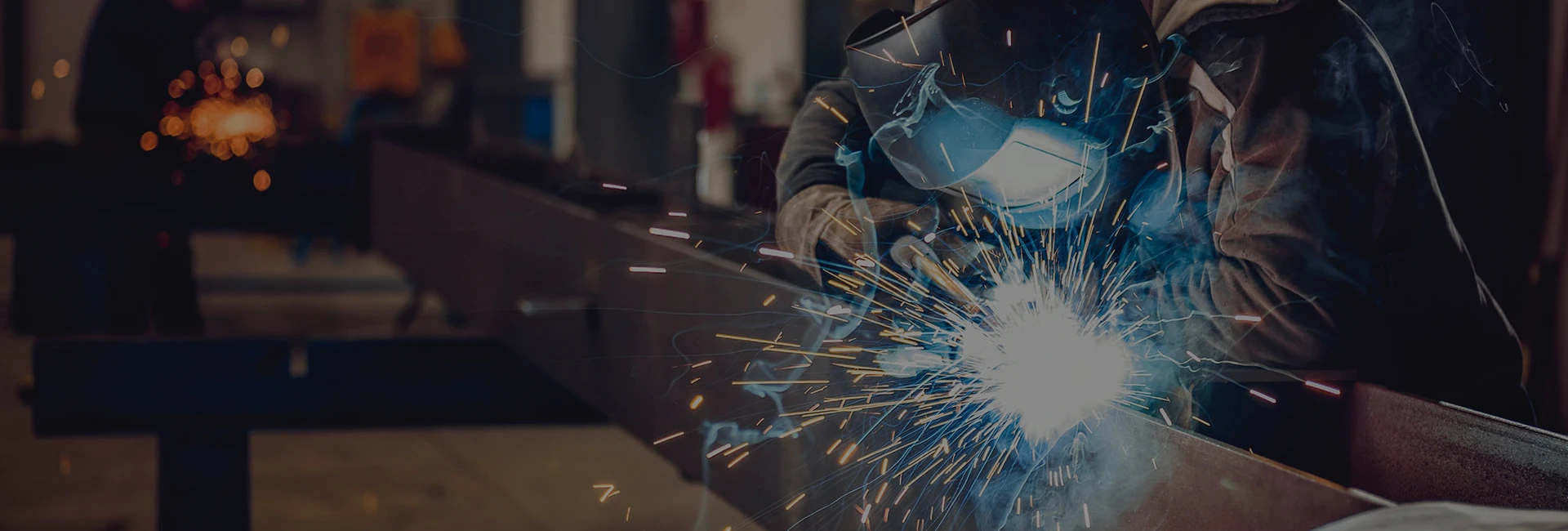
What Are 6013 Rods Used For? Key Applications, Benefits, and Industry Insights

What Are 6013 Rods Used For? Key Applications, Benefits, and Industry Insights
Dec . 03, 2025 20:30
What Are 6013 Rods Used For? Exploring Their Vital Role in Modern Welding
Welding might sound like a niche technical skill, but it’s really a backbone technology globally. One fascinating element within this world is the 6013 welding rod. Understanding what are 6013 rods used for isn’t just for welders—it’s relevant for industries spanning construction, manufacturing, and repairs worldwide. These rods offer unique benefits in versatility and ease of use that make a difference in efficiency and quality. So, why exactly do they matter?
Global Importance of 6013 Welding Rods
Globally, the construction and metal fabrication industry is expected to reach a market size of over $700 billion by 2026 (source: MarketsandMarkets). Welding electrodes like 6013 rods contribute significantly to infrastructure development—from bridges and pipelines to repair services. Oddly enough, despite their essential role, many are unaware which rod type to choose for specific applications. The challenge is selecting a suitable electrode that balances weldability with strength and appearance. That’s precisely where 6013 rods shine.
Definition & Meaning: The Basics of 6013 Welding Rods
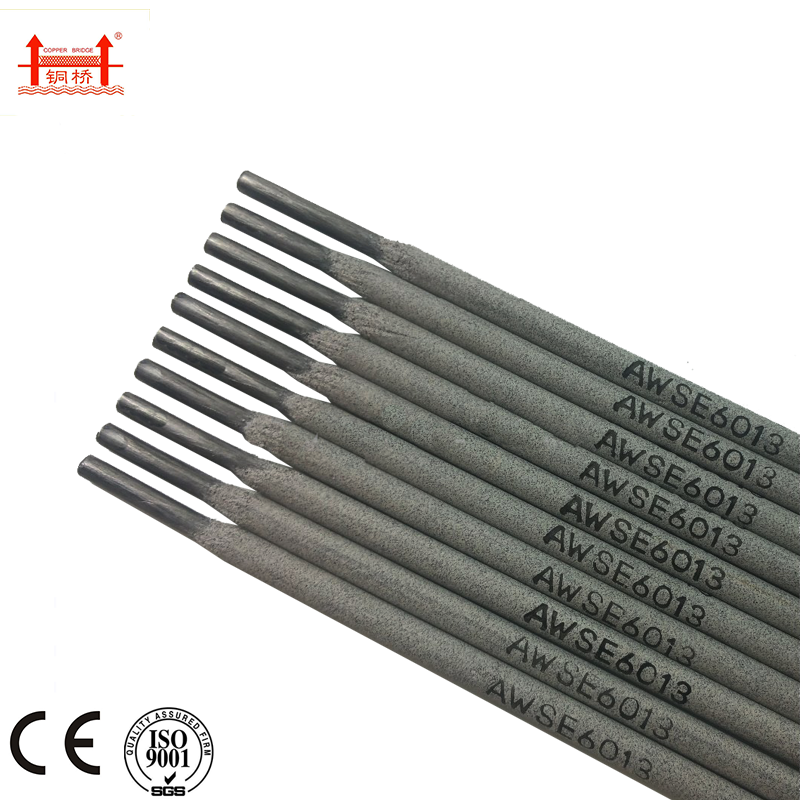
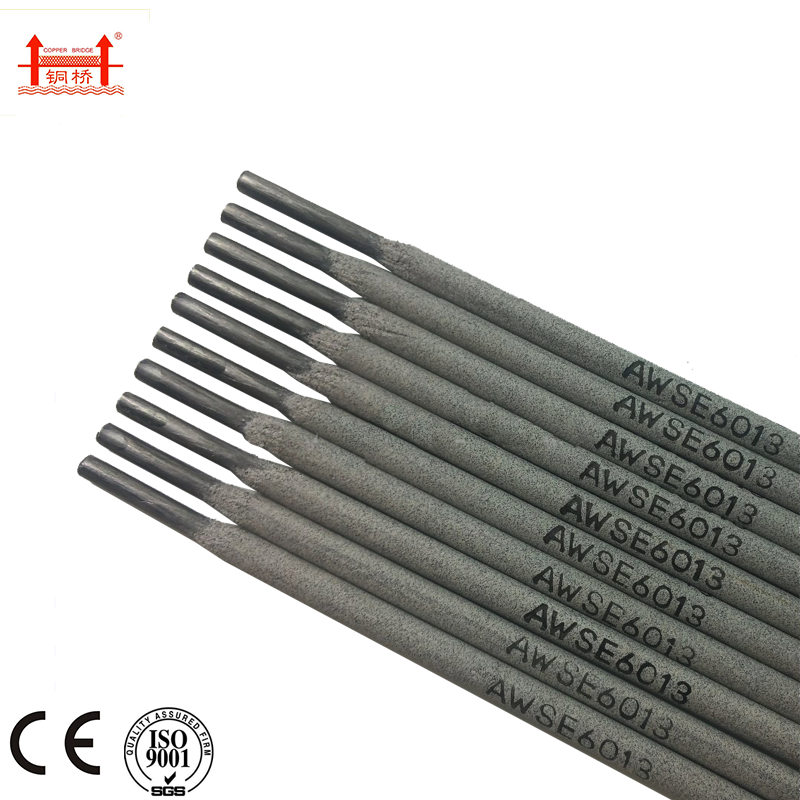
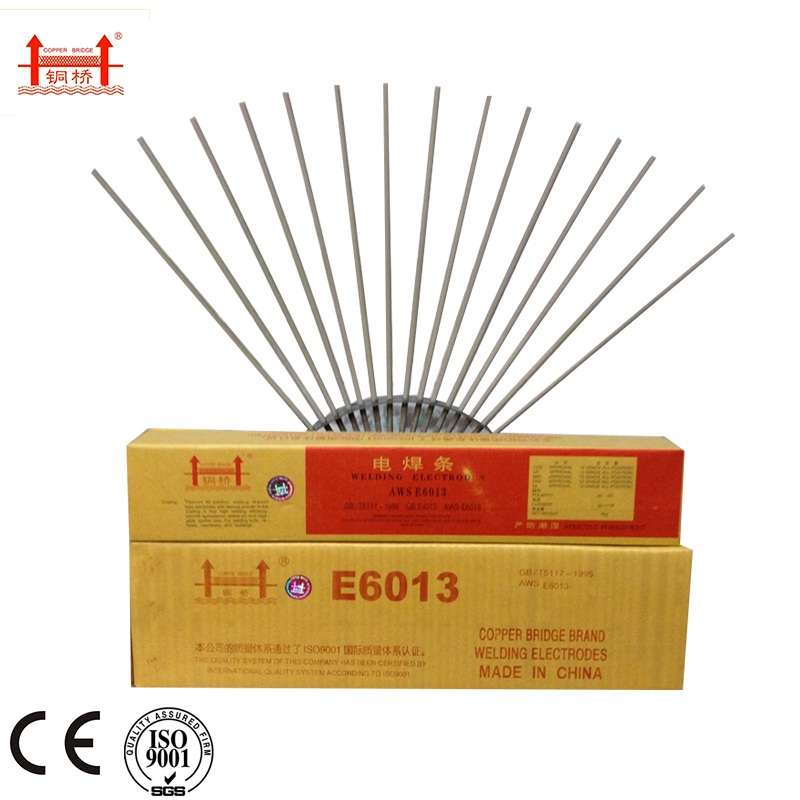
In essence, a 6013 rod is a type of mild steel stick electrode, primarily designed for welding thin metals and light-duty applications. The “6013” classification stems from standards set by the American Welding Society and AWS A5.1 specs. It’s known for its smooth arc, medium penetration, and a light to moderate slag that peels off easily. This electrode type excels in welding galvanized steel, sheet metals, and piping, often preferred for projects requiring neat and clean welds. For anyone interested in what are 6013 rods used for, grasping this fundamental understanding is a great start.
Key Characteristics of 6013 Electrodes
1. Versatility
6013 rods tend to be versatile because they work well in all welding positions—flat, vertical, horizontal, and overhead—giving beginners and pros alike flexibility.
2. Easy to Use
The electrode coating produces a stable arc with minimal spatter, making it suitable for less experienced welders or quick repair jobs.
3. Appearance of Welds
They provide a smooth, aesthetically pleasing finish which is often critical for surface-quality sensitive projects.
4. Penetration Depth
6013 rods offer medium penetration. This aspect makes them ideal for thin to medium gauge metals but not always the best choice for very heavy-duty structural welds.
5. Slag Removal
The slag flows off easily after welding, which speeds up post-weld cleanup and reduces surface defects.
6. Alloy Composition
Containing mild steel with rutile flux, the rods contribute to improved slag properties and stable arc control.
Specification Snapshot: 6013 Rods
| Specification | Description |
|---|---|
| AWS Classification | E6013 |
| Current Type | AC or DC (+) |
| Typical Applications | Sheet metal, mild steel, galvanized metal work |
| Welding Positions | All except vertical-down (flat, horizontal, vertical-up, overhead) |
| Coating Type | Rutile |
| Recommended Thickness Range | Thin to medium gauge metals (up to ~1/4 inch) |
Mini takeaway: 6013 rods strike a balance of versatility and ease, ideal for thinner metal projects requiring clean welds.
Global Applications & Real-World Use Cases
Many manufacturing districts in Asia and North America rely on 6013 electrodes for routine maintenance and light fabrication. In post-disaster relief operations, the rods are favored for rapid repair of damaged infrastructure due to their ease of use and visual quality. Oddly enough, small workshops in remote industrial zones appreciate these rods because they do not require complex power setups, working well on AC machines. Furthermore, NGOs involved with rebuilding efforts in rural areas find 6013 electrodes practical given their balanced weld strength and simple slag removal.
Advantages & Long-Term Value
- Cost efficiency: Affordable price point and low equipment needs reduce overhead.
- Sustainability: Easy slag removal cuts down cleanup time and material wastage.
- Reliability: Consistent arc stability ensures dependable quality.
- Safety & Appearance: Lower spatter reduces hazards; neat welds uphold structural dignity.
As an engineer once put it to me, these rods feel like “the Swiss Army knife” of welding electrodes—handy for many jobs without fuss.
Looking Ahead: Future Trends and Innovations
The welding industry is evolving with the adoption of greener materials and digital diagnostics. While 6013 rods remain standard, ongoing research explores low-hydrogen coatings to improve corrosion resistance, potentially extending their industrial lifespan. Plus, automation and robotic welding are adapting to use similar rods for standardized, quality output. It’s fascinating to see traditional rods like 6013 blending with tomorrow’s tech. For sustainability-minded industries, this means more efficient resource use and less environmental impact overall.
Challenges & Practical Solutions
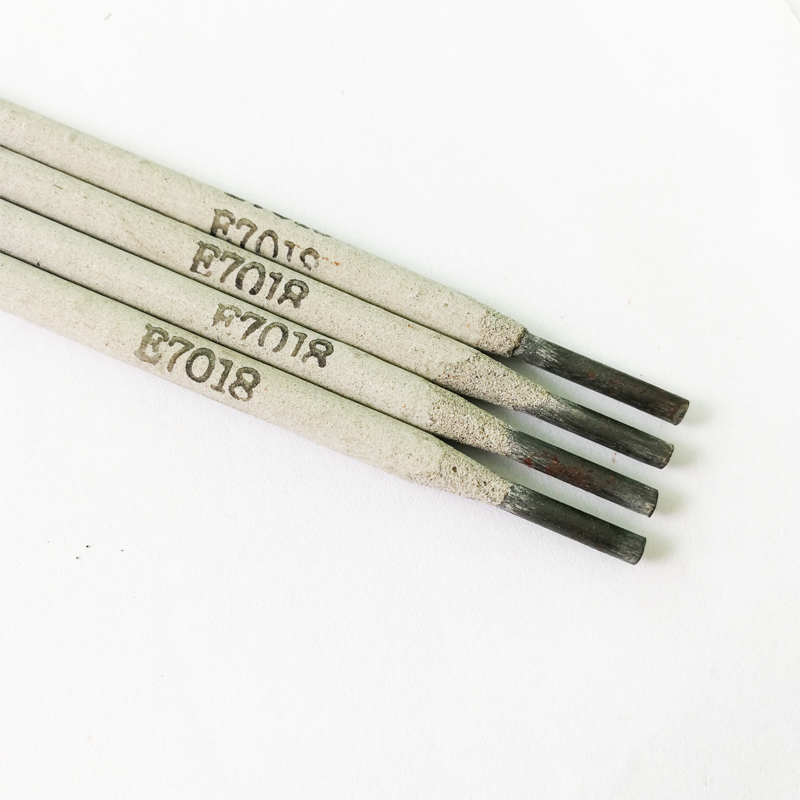
That said, 6013 rods aren’t perfect everywhere. They aren’t suited for welding thick sections or high-stress structural components where deep penetration and higher strength are mandatory. Users must avoid vertical-down welding to prevent defects. To overcome these, experts recommend pairing 6013 rods with other electrode types in multi-pass welds or switching to E7018 rods for heavy-duty applications. Proper training in technique and electrode choice is still king when it comes to weld quality.
FAQ: Frequently Asked Questions About What Are 6013 Rods Used For
- What metals can 6013 rods weld effectively?
- 6013 rods are best for mild steel, sheet metal, and galvanized steel. They perform well on thin to medium thickness metals but should be avoided for heavy structural work.
- Are 6013 rods easy for beginners to use?
- Yes, they’re often recommended for novice welders due to their smooth arc, low spatter, and weld consistency in multiple positions.
- Can 6013 welding rods be used with AC power sources?
- Absolutely. 6013 electrodes work with both AC and DC currents, making them flexible for different welding setups.
- How do 6013 rods compare to other common electrodes like 6011 or 7018?
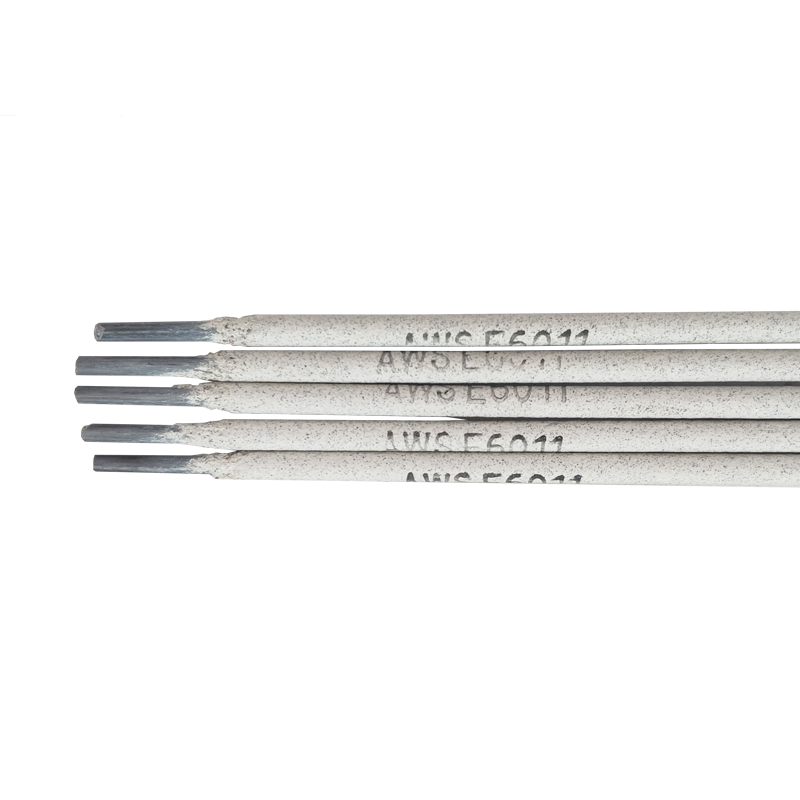
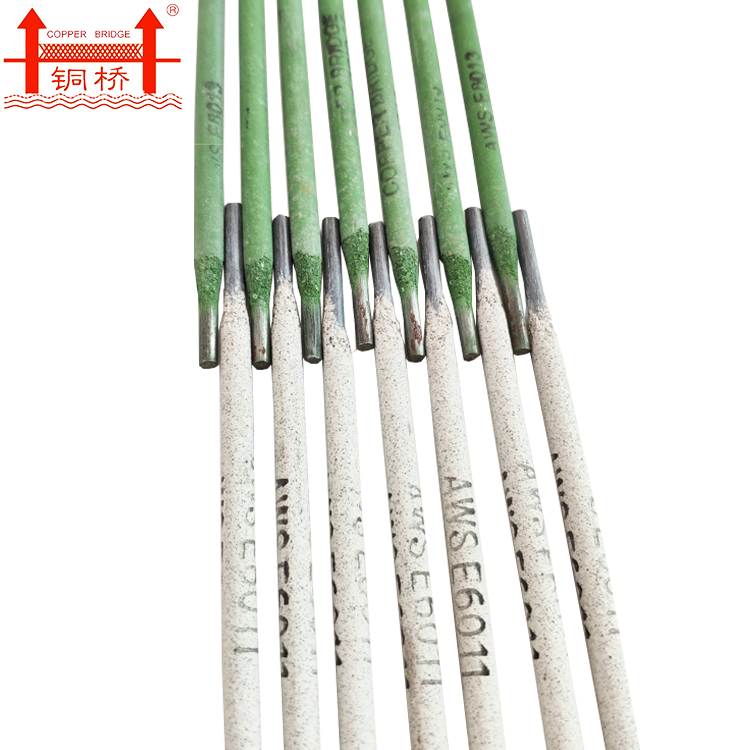
- Compared to 6011 (deep penetration, all-position rods), 6013 has lighter penetration and cleaner finish but isn’t ideal for dirty/rusty metals. Versus 7018, which is low-hydrogen and stronger, 6013 is simpler for maintenance and thin metals.
- What industries benefit most from 6013 rods?
- Construction, auto body repair, pipe fitting, and light manufacturing heavily rely on 6013 rods due to their adaptability and clean weld results.
Comparing Popular Vendors of 6013 Electrodes
| Vendor | Specification Range | Price Range (per lb) | Notable Features |
|---|---|---|---|
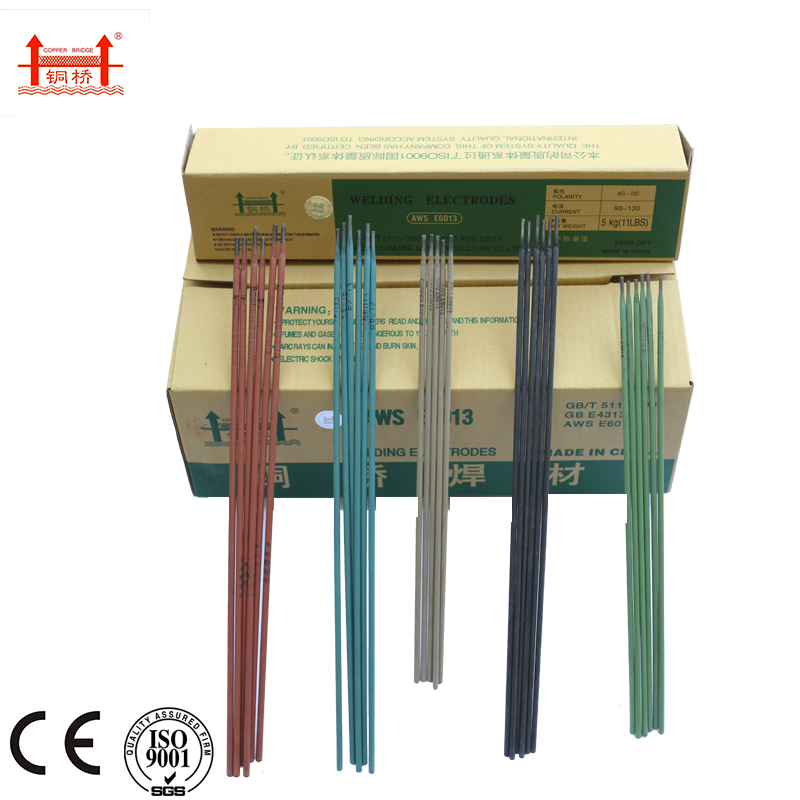
| Jinlong Welding Electrode | E6013, 2.5-4.0 mm | $2.20 - $2.50 | Consistent arc, low slag, widely trusted in Asia industries |
| Lincoln Electric | E6013, 1/16-5/32 inch | $2.80 - $3.20 | Reliable brand, suited for multiple metal thicknesses |
| ESAB | E6013, 2.5-3.2 mm | $2.50 - $2.90 | Good slag removal, balanced arc stability |
Just a small nugget to tuck away: choosing the right rod often makes the difference between a weld that lasts decades and one that needs early fixes—6013’s a great go-to for lighter, cleaner work.
References

Related Video

Related News


2026-04-16 02:35:10
Precision Guide for e312 16 welding rod and Dissimilar Steel Welding
In the demanding world of industrial fabrication and repair, selecting the correct filler metal is the difference between a structural failure and a lifetime bond. The e312 16 welding rod is specifically engineered to meet the rigorous needs of welding dissimilar steels, offering an exceptional balance of strength and corrosion resistance. Whether you are working on high-pressure pipelines or heavy machinery components, understanding the nuances of this specialized electrode is key to achieving professional-grade results. This guide explores the technical advantages and practical applications of the E312 series to help you optimize your welding workflow.
2026-04-09 02:35:17
Choosing the Right cs to ss welding rod number Professional Guide
Joining carbon steel (CS) to stainless steel (SS) is a common challenge in industrial fabrication, requiring a precise understanding of metallurgy to avoid weld failure. The most critical decision in this process is identifying the correct cs to ss welding rod number to ensure a strong, corrosion-resistant bond. Using the wrong filler metal can lead to cracking or premature oxidation due to the different thermal expansion rates of the two materials. In this comprehensive guide, we will break down the technical specifications and selection criteria to help you achieve a professional-grade weld every time.
2026-04-07 02:25:29
Comprehensive Guide to 409 Welding Rod Selection and Optimal Usage
When it comes to welding applications requiring corrosion resistance and good weldability, the 409 welding rod is a frequently chosen option. This article provides a detailed overview of this versatile welding rod, exploring its composition, applications, benefits, and considerations for optimal use. Whether you’re a seasoned professional or new to welding, understanding the properties of 409 welding rod is crucial for achieving high-quality, durable welds. We’ll cover everything you need to know to make informed decisions for your welding projects.
2026-04-04 02:35:28
Comprehensive Guide to 330 Stainless Steel Welding Rod Applications and Techniques
330 stainless steel welding rods are a crucial component in various industries, offering exceptional corrosion resistance and high-temperature strength. This article provides an in-depth look at these rods, covering their properties, applications, choosing the right rod, welding techniques, safety precautions, and where to find high-quality options. Whether you're a seasoned welding professional or new to the field, this guide will offer valuable insights.
2026-03-31 02:35:08
Comprehensive Guide to 312 Stainless Tig Rod for Superior Welding Performance
When choosing the right filler metal for your TIG welding projects, especially in demanding applications, 312 stainless steel tig rod stands out for its exceptional corrosion resistance and high-temperature strength. This comprehensive guide will explore its composition, applications, benefits, and how it compares to other stainless steel rods. We'll also point you to resources for sourcing high-quality rods.
2026-03-28 02:45:04
Comprehensive Guide to 312 17 Welding Rod Applications and Technical Details
Welding rods are essential consumables in the welding process, and selecting the right one is crucial for achieving strong, durable, and high-quality welds. The 312 17 welding rod is a popular choice for many applications due to its unique properties and versatility. This article delves into the characteristics, applications, benefits, and considerations when using 312 17 welding rods, providing a comprehensive resource for welders and engineers alike. Choosing the right rod directly impacts the success and longevity of any welding project.
2026-03-26 02:35:10
Comprehensive Guide to the 312 16 Welding Rod for Superior Steel Welding
The 312 16 welding rod is a versatile and widely-used electrode in various welding applications. Known for its excellent weldability and strong mechanical properties, it's a go-to choice for professionals and hobbyists alike. This article delves into the specifics of this electrode, covering its composition, applications, advantages, and how to choose the right one for your projects. Understanding the nuances of the 312 16 welding rod is crucial for achieving high-quality, durable welds. The designation "312 16" provides key information about the welding rod. "312" refers to the type of flux coating, specifically a low-hydrogen, iron powder coating. This coating is designed to produce welds with excellent mechanical properties and good resistance to cracking. The "16" indicates the diameter of the rod in 32nds of an inch – so a 312 16 rod has a diameter of 16/32 or 1/2 inch. This combination makes it suitable for a wide range of steel welding applications. The low-hydrogen nature of the flux minimizes hydrogen-induced cracking, a common issue in welding certain steels.
2026-03-24 02:45:07
Comprehensive Guide to 309LSI TIG Rod Welding Applications and Best Practices
The 309LSI TIG rod is a versatile welding consumable widely used across various industries for its exceptional corrosion resistance and weldability. This article will explore the properties, applications, advantages, and best practices associated with using 309LSI TIG rods. Whether you're a seasoned welding professional or new to the field, this guide will provide you with valuable insights into maximizing the performance and longevity of your welds. The 309LSI TIG rod is a stainless steel electrode specifically designed for Gas Tungsten Arc Welding (GTAW), commonly known as TIG welding. The "309LSI" designation indicates the alloy composition: 309 signifies the chromium-nickel content, 'L' denotes low carbon content for enhanced corrosion resistance, and 'SI' signifies stabilized with silicon for improved resistance to carbide precipitation during welding.

 English
  Arabic
  Bengali
  China
China  French
  German
  Hausa
Hausa  Indonesian
  Italian
  Japanese
  Javanese
  Malay
Malay  Persian
  Portuguese
  Punjabi
  Russian
  Spanish
  Swahili
  Telugu
  Vietnamese