

Essential Guide to 1 8 Welding Rod Metal Thickness for Durable Welds

Essential Guide to 1 8 Welding Rod Metal Thickness for Durable Welds
Dec . 03, 2025 20:08
Understanding the 1 8 Welding Rod Metal Thickness
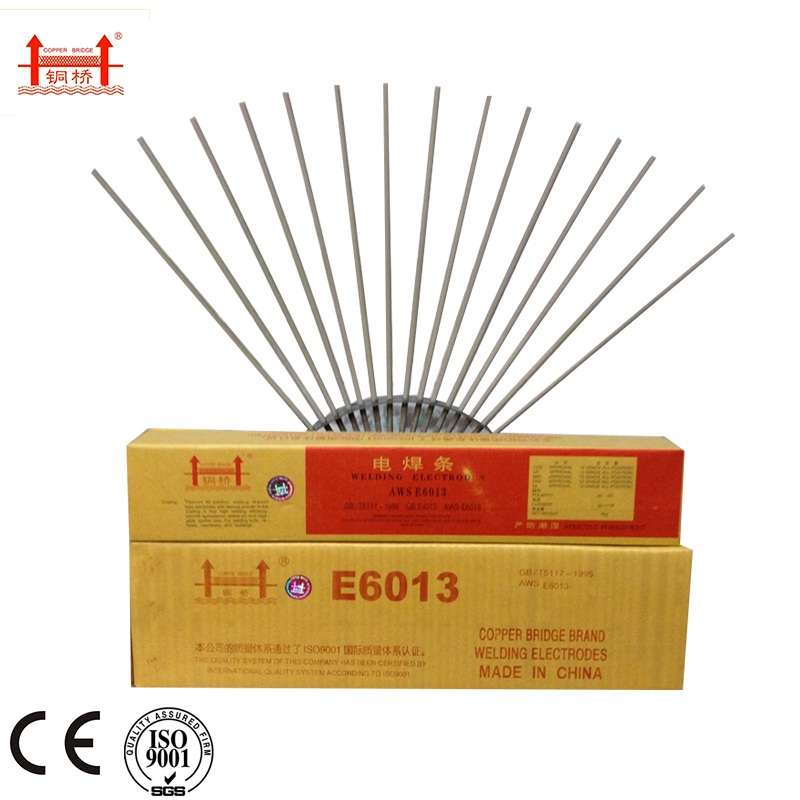
Having spent well over a decade in the industrial equipment sector, one thing I’ve learned is that welding — even down to the thickness of the rod — can make or break a project. The 1 8 welding rod metal thickness is a detail that at first blush might seem insignificant, but frankly, it’s a cornerstone of quality welds and structural integrity.
Now, when people ask me why thickness matters, I usually remind them of this: welding rods aren’t all created equal, and the 1/8 inch diameter rods (yes, that’s the traditional sizing shorthand) offer a versatile balance. It’s thick enough to feed the weld pool steadily, yet thin enough to provide control over heat input — essential for most steel fabrication tasks.
Oddly enough, some newer welders underestimate just how much this diameter impacts final results — I suppose because the word “rod” sounds generic. But I’ve seen cases where shifting the rod diameter by a tiny fraction either cured or caused defects like spatter, porosity, or weak penetration.
Why Choose 1/8" Diameter Welding Rods?
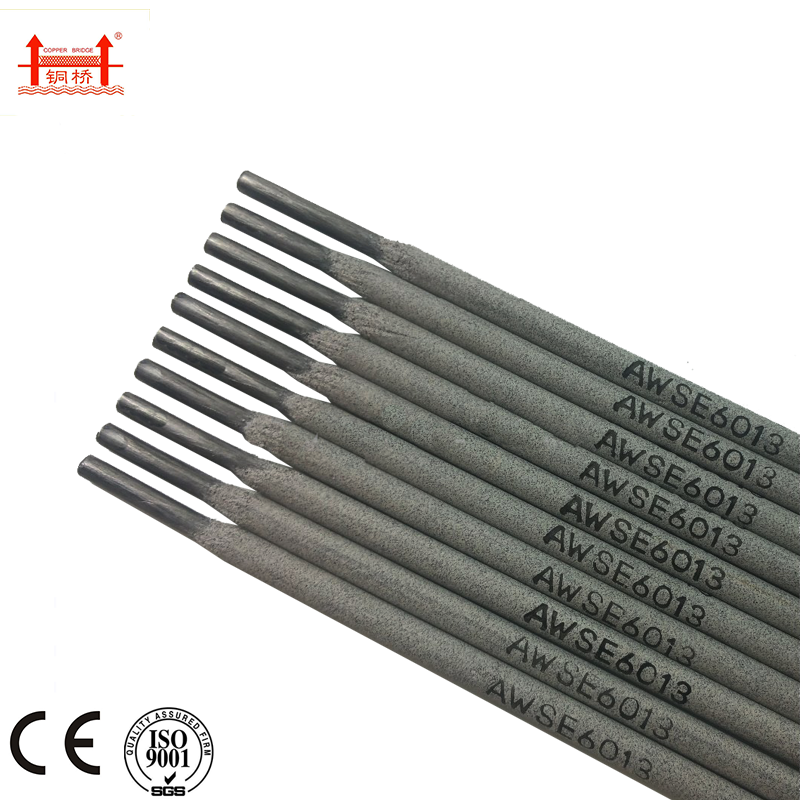
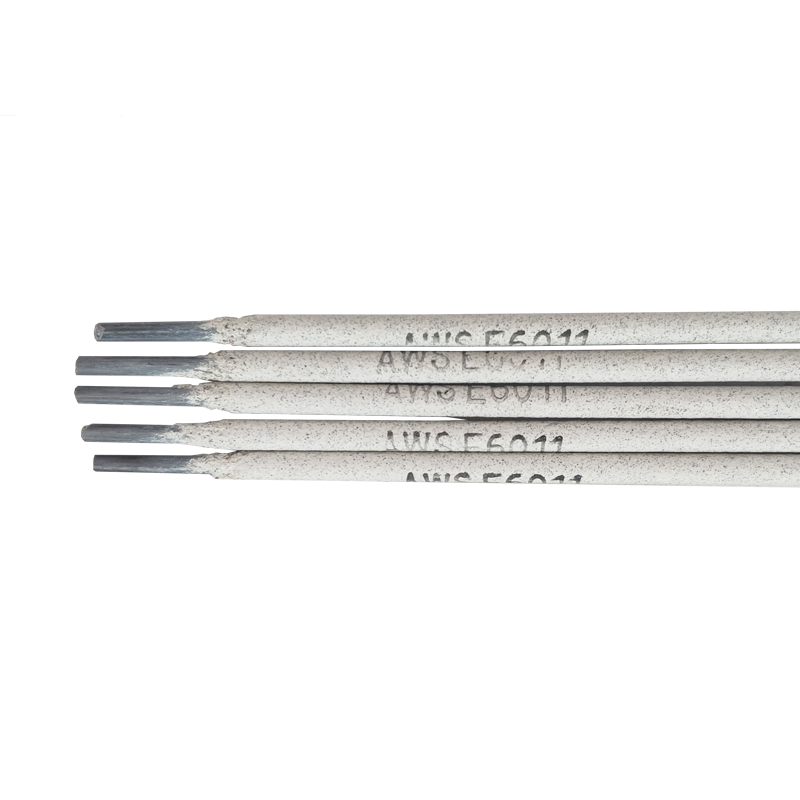
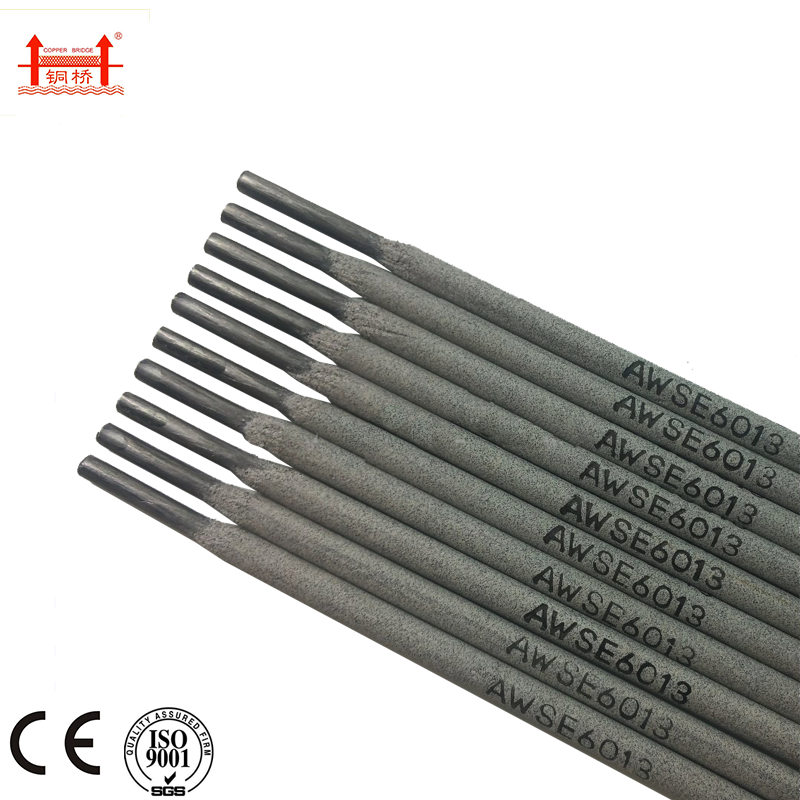
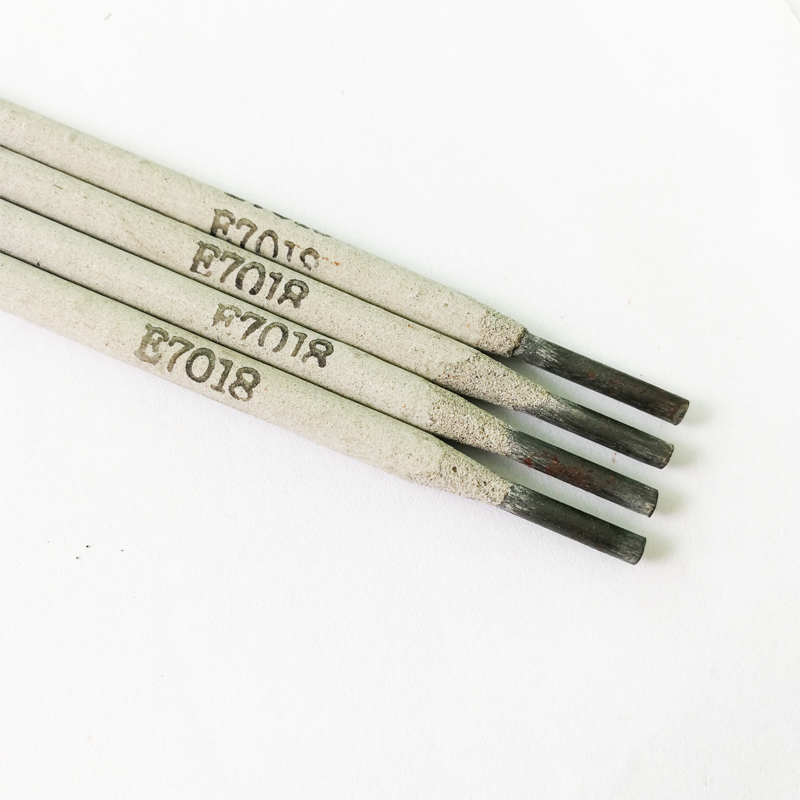
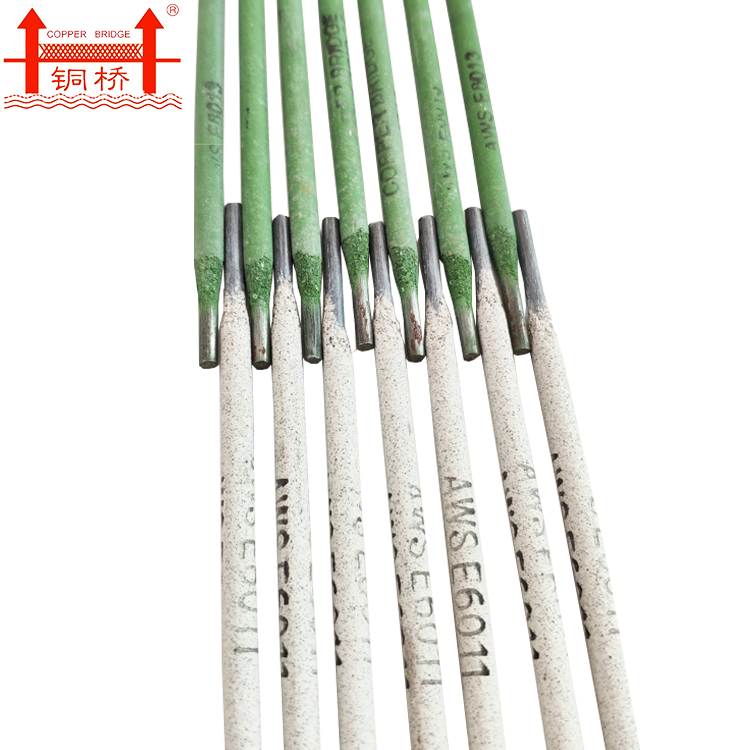
The 1/8" rods, predominantly mild steel or low alloy variants, have been staples in workshops from shipyards to automotive garages. They’re compatible with both AC and DC welding setups and often shine in applications requiring intermediate weld penetration.
From personal experience, I noticed that jobs involving thicker metal sections — around 1/4” to 1/2” thick — benefited from the steady arc provided by these rods without excessive burn-through. Of course, the exact welding parameters, including amperage, depend on the welding equipment and the consumables' composition.
A little nugget I often share with newbies: the TIG or MIG process isn’t always king. Stick welding with 1/8" rods still holds its ground, especially on field jobs where simplicity and portability count.
| Parameter | Specification |
|---|---|
| Rod Diameter | 1/8 inch (3.2 mm) |
| Typical Alloy | Mild Steel / Low Alloy Steel |
| Common Coating Type | Rutile or Cellulose |
| Recommended Current Range | 70 - 130 Amps |
| Metal Thickness Range (Ideal Welding) | 1/8” to 1/2” (3mm to 13mm) |
| Applications | Structural, repair, automotive, heavy equipment |
Comparing Vendors: What to Look For
One detail I’ve stressed countless times to clients: not all rods from different manufacturers behave identically, even with the same diameter. The chemistry, bonding process for the flux coating, and quality control vary.
| Vendor | Flux Composition | Arc Stability | Spatter Tendency | Price per Kg |
|---|---|---|---|---|
| Jinlong Welding Electrodes | Balanced Rutile | Excellent | Low | Competitive |
| Vendor B | Cellulose Heavy | Good | Medium | Moderate |
| Vendor C | Basic High Iron | Fair | High | Lower |
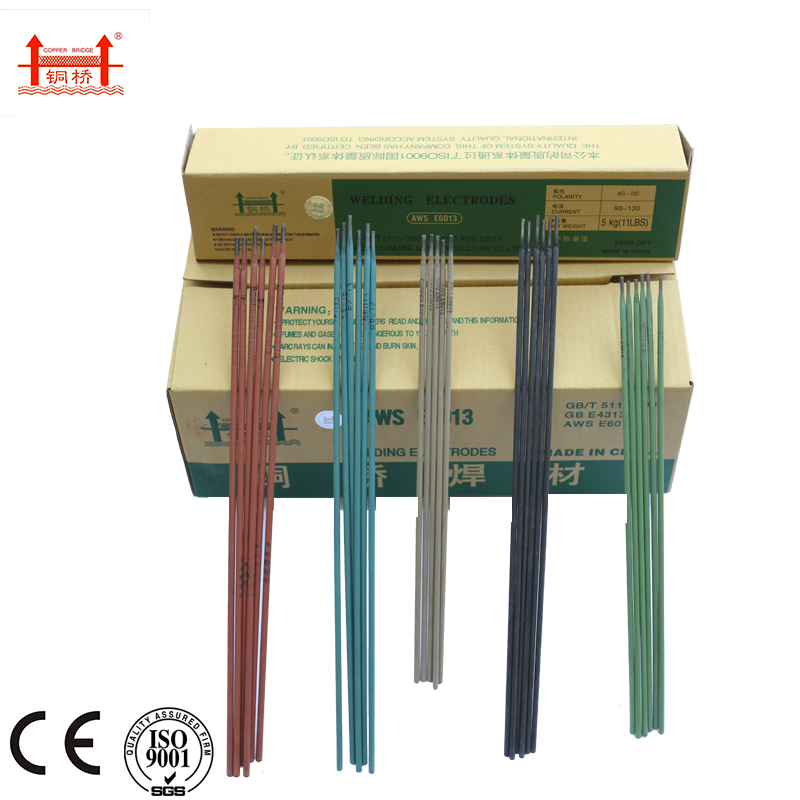
In my experience, Jinlong Welding Electrodes consistently deliver a smooth arc and less spatter — which, by the way, makes finishing the weld so much easier and quicker. In a recent project repairing farm machinery, their 1/8” rods made a noticeable difference. The welds held firm without the usual surge of slag cleanup that tends to slow work down.
It’s worth noting: the rod thickness combined with the right flux coating influences weld bead appearance and weld quality as much as the welder’s skill level. If you’re unsure about what thickness to use, the 1/8" rod is a reliable middle ground that you can confidently reach for in many industrial applications.
To wrap up, if you’re diving into an intermediate to heavy welding job, trusting a known, tested 1/8" welding rod is more than just a safe choice — it can save you time, money, and a headache or two.
After all, decades in this trade have shown me that some details, like welder technique, equipment, and materials quality — especially what feels like tiny details such as rod thickness — actually have outsized influence.
Feel free to check out the available rods at Jinlong Welding Electrodes to get started on your next welding project right.
— Reflections from a long-time equipment specialist
References:
1. AWS A5.1 Standard for Carbon Steel Electrodes for Shielded Metal Arc Welding
2. Personal Industrial Welding Experience, 2008–Present
3. Jinlong Welding Electrode Technical Datasheets and User Feedback

Related Video

Related News


2026-04-16 02:35:10
Precision Guide for e312 16 welding rod and Dissimilar Steel Welding
In the demanding world of industrial fabrication and repair, selecting the correct filler metal is the difference between a structural failure and a lifetime bond. The e312 16 welding rod is specifically engineered to meet the rigorous needs of welding dissimilar steels, offering an exceptional balance of strength and corrosion resistance. Whether you are working on high-pressure pipelines or heavy machinery components, understanding the nuances of this specialized electrode is key to achieving professional-grade results. This guide explores the technical advantages and practical applications of the E312 series to help you optimize your welding workflow.
2026-04-09 02:35:17
Choosing the Right cs to ss welding rod number Professional Guide
Joining carbon steel (CS) to stainless steel (SS) is a common challenge in industrial fabrication, requiring a precise understanding of metallurgy to avoid weld failure. The most critical decision in this process is identifying the correct cs to ss welding rod number to ensure a strong, corrosion-resistant bond. Using the wrong filler metal can lead to cracking or premature oxidation due to the different thermal expansion rates of the two materials. In this comprehensive guide, we will break down the technical specifications and selection criteria to help you achieve a professional-grade weld every time.
2026-04-07 02:25:29
Comprehensive Guide to 409 Welding Rod Selection and Optimal Usage
When it comes to welding applications requiring corrosion resistance and good weldability, the 409 welding rod is a frequently chosen option. This article provides a detailed overview of this versatile welding rod, exploring its composition, applications, benefits, and considerations for optimal use. Whether you’re a seasoned professional or new to welding, understanding the properties of 409 welding rod is crucial for achieving high-quality, durable welds. We’ll cover everything you need to know to make informed decisions for your welding projects.
2026-04-04 02:35:28
Comprehensive Guide to 330 Stainless Steel Welding Rod Applications and Techniques
330 stainless steel welding rods are a crucial component in various industries, offering exceptional corrosion resistance and high-temperature strength. This article provides an in-depth look at these rods, covering their properties, applications, choosing the right rod, welding techniques, safety precautions, and where to find high-quality options. Whether you're a seasoned welding professional or new to the field, this guide will offer valuable insights.
2026-03-31 02:35:08
Comprehensive Guide to 312 Stainless Tig Rod for Superior Welding Performance
When choosing the right filler metal for your TIG welding projects, especially in demanding applications, 312 stainless steel tig rod stands out for its exceptional corrosion resistance and high-temperature strength. This comprehensive guide will explore its composition, applications, benefits, and how it compares to other stainless steel rods. We'll also point you to resources for sourcing high-quality rods.
2026-03-28 02:45:04
Comprehensive Guide to 312 17 Welding Rod Applications and Technical Details
Welding rods are essential consumables in the welding process, and selecting the right one is crucial for achieving strong, durable, and high-quality welds. The 312 17 welding rod is a popular choice for many applications due to its unique properties and versatility. This article delves into the characteristics, applications, benefits, and considerations when using 312 17 welding rods, providing a comprehensive resource for welders and engineers alike. Choosing the right rod directly impacts the success and longevity of any welding project.
2026-03-26 02:35:10
Comprehensive Guide to the 312 16 Welding Rod for Superior Steel Welding
The 312 16 welding rod is a versatile and widely-used electrode in various welding applications. Known for its excellent weldability and strong mechanical properties, it's a go-to choice for professionals and hobbyists alike. This article delves into the specifics of this electrode, covering its composition, applications, advantages, and how to choose the right one for your projects. Understanding the nuances of the 312 16 welding rod is crucial for achieving high-quality, durable welds. The designation "312 16" provides key information about the welding rod. "312" refers to the type of flux coating, specifically a low-hydrogen, iron powder coating. This coating is designed to produce welds with excellent mechanical properties and good resistance to cracking. The "16" indicates the diameter of the rod in 32nds of an inch – so a 312 16 rod has a diameter of 16/32 or 1/2 inch. This combination makes it suitable for a wide range of steel welding applications. The low-hydrogen nature of the flux minimizes hydrogen-induced cracking, a common issue in welding certain steels.
2026-03-24 02:45:07
Comprehensive Guide to 309LSI TIG Rod Welding Applications and Best Practices
The 309LSI TIG rod is a versatile welding consumable widely used across various industries for its exceptional corrosion resistance and weldability. This article will explore the properties, applications, advantages, and best practices associated with using 309LSI TIG rods. Whether you're a seasoned welding professional or new to the field, this guide will provide you with valuable insights into maximizing the performance and longevity of your welds. The 309LSI TIG rod is a stainless steel electrode specifically designed for Gas Tungsten Arc Welding (GTAW), commonly known as TIG welding. The "309LSI" designation indicates the alloy composition: 309 signifies the chromium-nickel content, 'L' denotes low carbon content for enhanced corrosion resistance, and 'SI' signifies stabilized with silicon for improved resistance to carbide precipitation during welding.

 English
  Arabic
  Bengali
  China
China  French
  German
  Hausa
Hausa  Indonesian
  Italian
  Japanese
  Javanese
  Malay
Malay  Persian
  Portuguese
  Punjabi
  Russian
  Spanish
  Swahili
  Telugu
  Vietnamese