

What Are 7018 AC Rods? Complete Guide to Uses, Benefits & Future Trends

What Are 7018 AC Rods? Complete Guide to Uses, Benefits & Future Trends
Dec . 02, 2025 14:36
7018 AC Rods: The Backbone of Reliable Welding in Industry
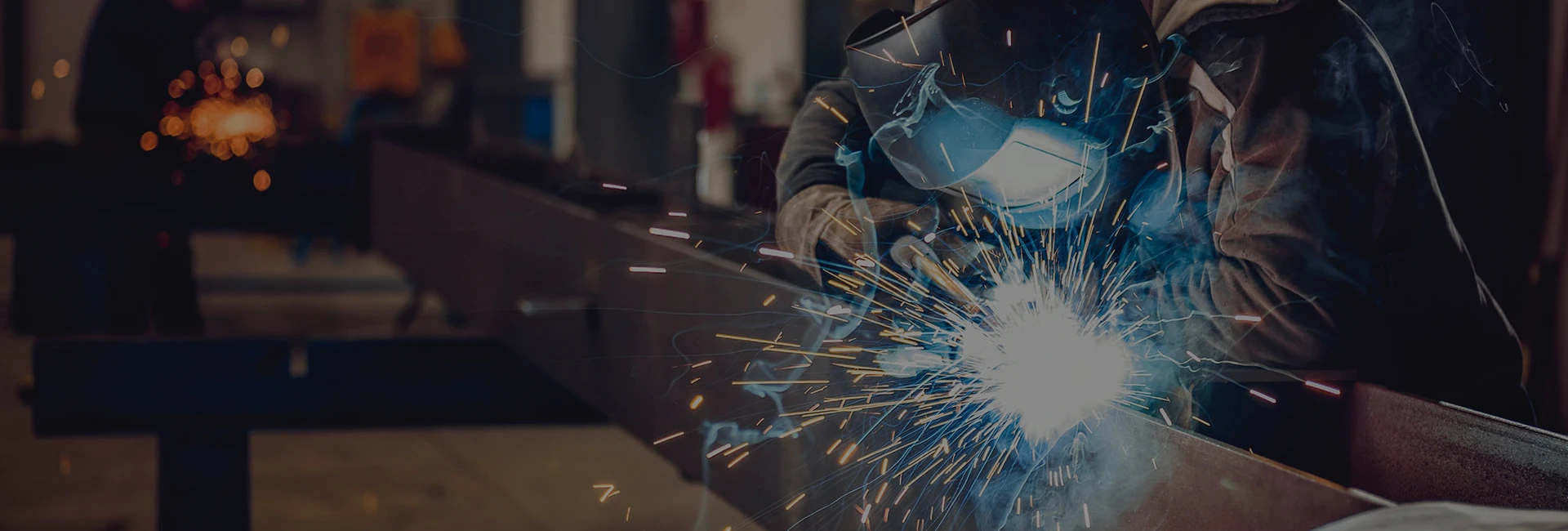
Whether you’re knee-deep in heavy construction or maintaining industrial infrastructure, 7018 ac rods are an unsung hero worth understanding. These welding electrodes represent a standard—durable, versatile, and trusted worldwide. But what makes 7018 so widely preferred? And why does this matter beyond the weld shop? Oddly enough, this simple piece of metal connects innovation, safety, and the global economy in a way few materials do.
Global Context: Why 7018 AC Rods Matter Worldwide
Welding itself is a cornerstone of modern industry—think bridges, pipelines, and power plants. According to the International Institute of Welding, close to 1.3 million metric tons of welding consumables are utilized globally each year, with a significant chunk linked to structural and pipeline construction, often using electrodes like 7018 rods. Yet in many developing regions or remote areas, access to reliable welding resources remains a challenge. In fact, poor welding quality can lead to catastrophic failures, jeopardizing lives and causing billions in damage annually, as reported by global safety bodies.
Here’s where the 7018 AC rod steps in—offering a balance of strength, ease of use on alternating current (AC), and reliability that meets global industry standards (refer to ISO 2560-A: E7018 classification). For industries eyeing growth, sustainability, and safety, understanding 7018 rods is no longer optional; it’s essential.
What Are 7018 AC Rods?
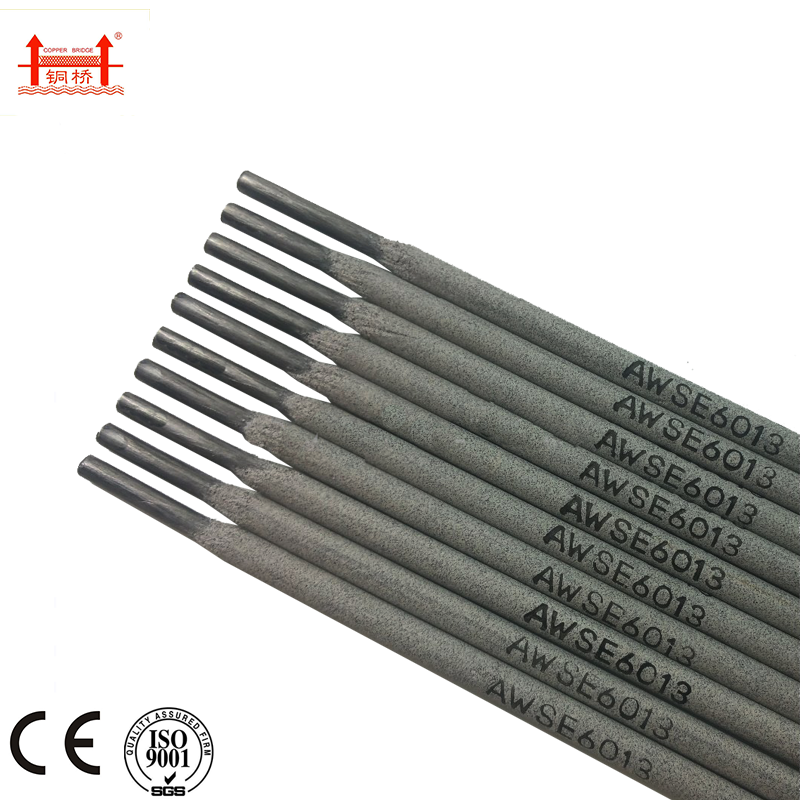
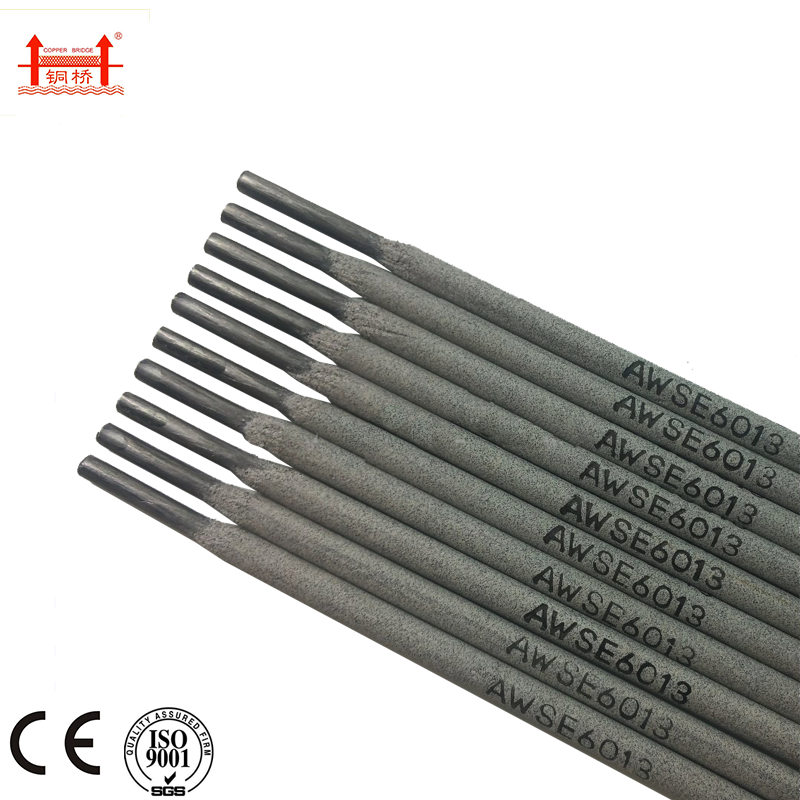
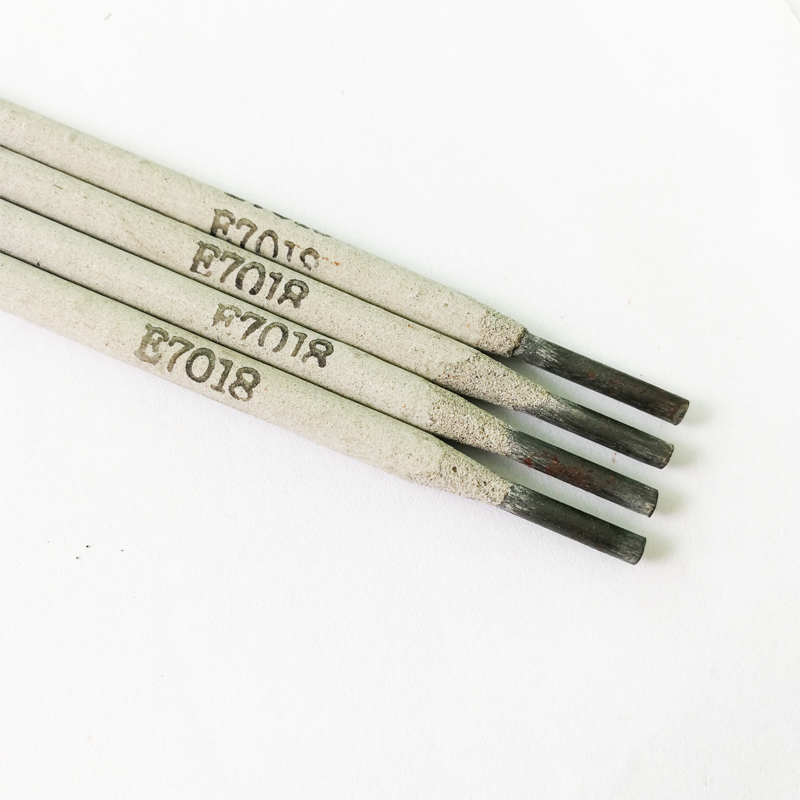
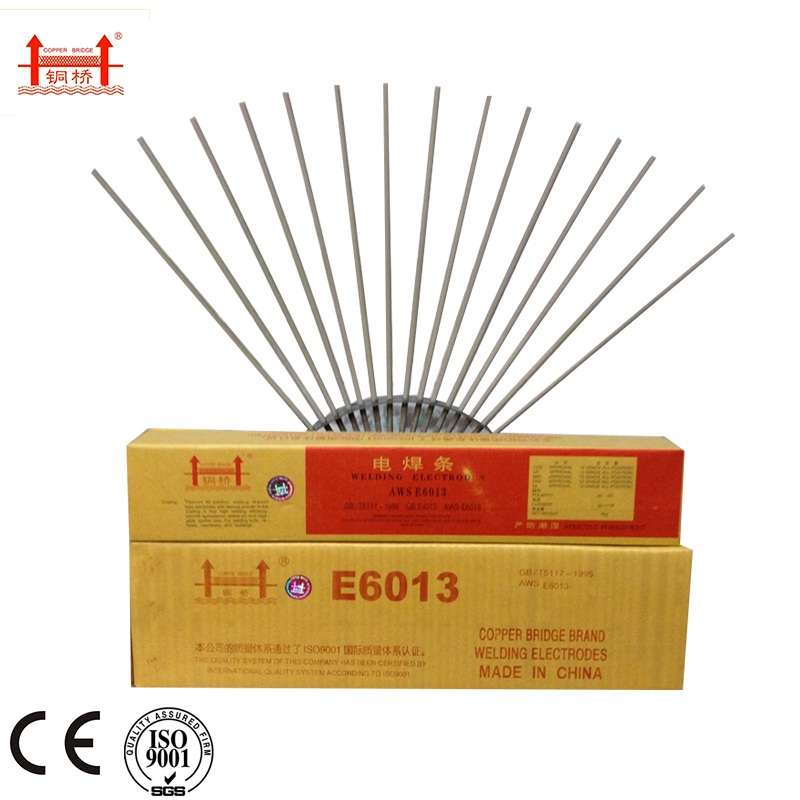
Simply put, 7018 AC rods are low-hydrogen, iron powder-coated welding electrodes designed primarily for welding carbon steel and alloy steel structures. The "70" stands for minimum tensile strength of 70,000 psi, "1" means it’s suited for all positions, and "8" means it’s a low-hydrogen rod, suited for AC and DC current. These rods produce a smooth weld bead with excellent impact and crack resistance, vital for structural integrity.
They essentially serve as a “welding fuse,” ensuring the joint holds tight under mechanical stress and environmental challenges—be it a freezing winter on a pipeline or a sweltering desert factory.
Core Components of 7018 AC Rods
- Durability: The low hydrogen coating reduces the risk of weld cracking, making these rods very durable in harsh environments.
- Versatility: Suitable for welding in all positions—flat, horizontal, vertical, or overhead—making it a “go-to” for complex fabrication.
- Ease of Use on AC: Unlike many low-hydrogen rods that prefer DC, 7018 AC rods work effectively with AC current, giving flexibility for sites with limited setup.
- High Tensile Strength: Ensures welded structures meet or exceed safety requirements for load-bearing applications.
- Smooth Arc and Slag Removal: The iron powder coating facilitates a stable arc with minimal spatter and easy slag removal, speeding up workflow.
Mini takeaway: 7018 rods combine mechanical excellence with practical usability, a rare blend that has made them the welding industry’s staple.
Product Specifications of a Typical 7018 AC Rod
| Specification | Detail |
|---|---|
| Tensile Strength | 70,000 psi (minimum) |
| Rod Diameter | 3/32", 1/8", 5/32" (common sizes) |
| Current Type | AC & DC (+/-) |
| Welding Positions | All positions (flat, vertical, overhead) |
| Hydrogen Level | Low |
Comparing Leading Vendors of 7018 AC Rods
| Vendor | Price per kg | Packaging Size | Certifications | Global Reach |
|---|---|---|---|---|
| Jinlong Welding Electrode | $5.50 | 10kg/carton | ISO 9001, CE | Asia, Europe, North America |
| Lincoln Electric | $7.00 | 8kg/carton | AWS, ISO | Global |
| ESAB | $6.80 | 12kg/carton | AWS, CE | Global |
Global Applications & Use Cases
The industrial footprint of 7018 AC rods is vast. In manufacturing zones across Southeast Asia and Eastern Europe, these rods support everything from shipbuilding to energy pipelines. In post-disaster zones, engineers often rely on them to rebuild destroyed infrastructure swiftly, ensuring safety in temporary or permanent structures.
In North America, construction companies favor 7018 rods because they provide welds strong enough to meet strict municipal codes, making them a default choice for bridges and highways. Oddly enough, even hobbyists and small-scale fabricators appreciate the rod’s user-friendly nature when working on custom projects.
Mini takeaway: Wherever steel meets stress, 7018 rods are quietly ensuring strength and stability.
Advantages & Long-Term Value
- Cost Efficiency: Considering longevity and low defect rates, these rods save rework costs and downtime.
- Sustainability: Reliable welds mean infrastructure lasts longer, reducing waste and environmental impact.
- Enhanced Safety: The low-hydrogen nature dramatically cuts cracking risk, boosting structural reliability.
- Innovation-Ready: Compatible with modern welding equipment and techniques, ready for automation and digital monitoring.
Frankly, you want a welding rod that works right the first time, every time—especially in life-critical contexts. The 7018 rod fits that bill.
Future Trends in 7018 AC Rod Technology
Emerging research focuses on further lowering hydrogen content and alloy enhancements to meet stricter environmental and performance standards. Green welding practices are becoming a thing—using electrochemically enhanced electrodes and optimizing arc stability to save energy.
We’re also seeing digital integration: welding stations capable of monitoring rod usage and predictively maintaining equipment remotely, a game-changer for remote industrial sites. Such innovations keep the humble 7018 rod relevant well into the future.
Challenges & Solutions
Despite their many advantages, 7018 AC rods do have a learning curve—especially with moisture control. Improper storage can cause weld defects due to hydrogen pickup, so rods need to be baked in a drying oven before use. However, manufacturers increasingly provide packaging innovations to help.
Experts advise strict quality assurance and on-site training to overcome skill barriers, particularly in developing markets. Also, coupling 7018 rods with emerging welding automation can drastically reduce operator error and improve consistency.
Frequently Asked Questions About 7018 AC Rods
- Q: Can 7018 rods be used with AC power sources?
A: Absolutely. One of the 7018 rod’s key features is its compatibility with both AC and DC currents, making it versatile for various job sites without specialized equipment. - Q: How should 7018 rods be stored?
A: They must be kept dry, typically stored in rod ovens at around 250°F (120°C) to prevent moisture absorption, which can cause weld cracking. - Q: What thickness of steel can 7018 rods effectively weld?
A: 7018 rods work well with medium to thick steel sections, typically starting from 3/16" thickness up to several inches, making them suitable for structural work. - Q: Are 7018 rods suitable for outdoor welding?
A: They can be used outdoors, but wind and weather can affect arc stability. Using windshields and appropriate gear improves results.
Conclusion
In real terms, understanding and utilizing 7018 ac rods unlocks stronger, safer, and more efficient welding outcomes across industries. The rod’s long-standing reputation, technical reliability, and adaptability to evolving industry standards make it a truly indispensable tool.
If you’re working on industrial or construction projects that demand quality welds, I suggest visiting our website to explore premium 7018 electrodes, technical data, and expert support.
After all, welding isn’t just joining metal — it’s building trust in infrastructure that supports our daily lives.
Quick takeaway: When strength matters, 7018 AC rods hold the line—literally.
References:
1. International Institute of Welding (IIW)
2. Wikipedia: Welding Electrode
3. ISO 2560 Standard Documentation (available through official ISO channels)

Related Video

Related News


2026-04-16 02:35:10
Precision Guide for e312 16 welding rod and Dissimilar Steel Welding
In the demanding world of industrial fabrication and repair, selecting the correct filler metal is the difference between a structural failure and a lifetime bond. The e312 16 welding rod is specifically engineered to meet the rigorous needs of welding dissimilar steels, offering an exceptional balance of strength and corrosion resistance. Whether you are working on high-pressure pipelines or heavy machinery components, understanding the nuances of this specialized electrode is key to achieving professional-grade results. This guide explores the technical advantages and practical applications of the E312 series to help you optimize your welding workflow.
2026-04-09 02:35:17
Choosing the Right cs to ss welding rod number Professional Guide
Joining carbon steel (CS) to stainless steel (SS) is a common challenge in industrial fabrication, requiring a precise understanding of metallurgy to avoid weld failure. The most critical decision in this process is identifying the correct cs to ss welding rod number to ensure a strong, corrosion-resistant bond. Using the wrong filler metal can lead to cracking or premature oxidation due to the different thermal expansion rates of the two materials. In this comprehensive guide, we will break down the technical specifications and selection criteria to help you achieve a professional-grade weld every time.
2026-04-07 02:25:29
Comprehensive Guide to 409 Welding Rod Selection and Optimal Usage
When it comes to welding applications requiring corrosion resistance and good weldability, the 409 welding rod is a frequently chosen option. This article provides a detailed overview of this versatile welding rod, exploring its composition, applications, benefits, and considerations for optimal use. Whether you’re a seasoned professional or new to welding, understanding the properties of 409 welding rod is crucial for achieving high-quality, durable welds. We’ll cover everything you need to know to make informed decisions for your welding projects.
2026-04-04 02:35:28
Comprehensive Guide to 330 Stainless Steel Welding Rod Applications and Techniques
330 stainless steel welding rods are a crucial component in various industries, offering exceptional corrosion resistance and high-temperature strength. This article provides an in-depth look at these rods, covering their properties, applications, choosing the right rod, welding techniques, safety precautions, and where to find high-quality options. Whether you're a seasoned welding professional or new to the field, this guide will offer valuable insights.
2026-03-31 02:35:08
Comprehensive Guide to 312 Stainless Tig Rod for Superior Welding Performance
When choosing the right filler metal for your TIG welding projects, especially in demanding applications, 312 stainless steel tig rod stands out for its exceptional corrosion resistance and high-temperature strength. This comprehensive guide will explore its composition, applications, benefits, and how it compares to other stainless steel rods. We'll also point you to resources for sourcing high-quality rods.
2026-03-28 02:45:04
Comprehensive Guide to 312 17 Welding Rod Applications and Technical Details
Welding rods are essential consumables in the welding process, and selecting the right one is crucial for achieving strong, durable, and high-quality welds. The 312 17 welding rod is a popular choice for many applications due to its unique properties and versatility. This article delves into the characteristics, applications, benefits, and considerations when using 312 17 welding rods, providing a comprehensive resource for welders and engineers alike. Choosing the right rod directly impacts the success and longevity of any welding project.
2026-03-26 02:35:10
Comprehensive Guide to the 312 16 Welding Rod for Superior Steel Welding
The 312 16 welding rod is a versatile and widely-used electrode in various welding applications. Known for its excellent weldability and strong mechanical properties, it's a go-to choice for professionals and hobbyists alike. This article delves into the specifics of this electrode, covering its composition, applications, advantages, and how to choose the right one for your projects. Understanding the nuances of the 312 16 welding rod is crucial for achieving high-quality, durable welds. The designation "312 16" provides key information about the welding rod. "312" refers to the type of flux coating, specifically a low-hydrogen, iron powder coating. This coating is designed to produce welds with excellent mechanical properties and good resistance to cracking. The "16" indicates the diameter of the rod in 32nds of an inch – so a 312 16 rod has a diameter of 16/32 or 1/2 inch. This combination makes it suitable for a wide range of steel welding applications. The low-hydrogen nature of the flux minimizes hydrogen-induced cracking, a common issue in welding certain steels.
2026-03-24 02:45:07
Comprehensive Guide to 309LSI TIG Rod Welding Applications and Best Practices
The 309LSI TIG rod is a versatile welding consumable widely used across various industries for its exceptional corrosion resistance and weldability. This article will explore the properties, applications, advantages, and best practices associated with using 309LSI TIG rods. Whether you're a seasoned welding professional or new to the field, this guide will provide you with valuable insights into maximizing the performance and longevity of your welds. The 309LSI TIG rod is a stainless steel electrode specifically designed for Gas Tungsten Arc Welding (GTAW), commonly known as TIG welding. The "309LSI" designation indicates the alloy composition: 309 signifies the chromium-nickel content, 'L' denotes low carbon content for enhanced corrosion resistance, and 'SI' signifies stabilized with silicon for improved resistance to carbide precipitation during welding.

 English
  Arabic
  Bengali
  China
China  French
  German
  Hausa
Hausa  Indonesian
  Italian
  Japanese
  Javanese
  Malay
Malay  Persian
  Portuguese
  Punjabi
  Russian
  Spanish
  Swahili
  Telugu
  Vietnamese