

Comprehensive Guide to 7018 A1 Electrode: Features, Uses & Suppliers

Comprehensive Guide to 7018 A1 Electrode: Features, Uses & Suppliers
Dec . 02, 2025 14:10
Understanding the 7018 A1 Electrode: A Global Welding Solution
If you’ve ever looked into welding electrodes, chances are you heard about the 7018 A1 electrode. But why does it matter so much, worldwide? Welding is literally the backbone of infrastructure — bridges, buildings, pipelines — all depend heavily on reliable joints. The 7018 A1 electrode stands out as a favored choice, balancing strength, versatility, and durability. For engineers, designers, and industries globally, understanding this welding rod means safer structures, cost savings, and longer-lasting projects.
Global Context: Why the 7018 A1 Electrode Is More Relevant Than Ever
Global steel production topped 1.9 billion metric tons in 2022 according to the World Steel Association, with a significant portion requiring welding. This translates to enormous demand for electrodes that deliver consistent, high-quality results. In infrastructure-heavy regions like Asia and North America, the 7018 A1 electrode is a staple — it addresses challenges like crack resistance and weld strength that many structural projects face.
Oddly enough, despite advances in automation and robotic welding, manual and semi-automatic welding using electrodes such as 7018 A1 remain critical in remote zones, developing economies, and even disaster relief reconstruction sites (think: rebuilding earthquake-damaged bridges or oil pipelines). The “low-hydrogen” nature of this electrode specifically helps minimize weld defects in variable environmental conditions.
What Is the 7018 A1 Electrode?
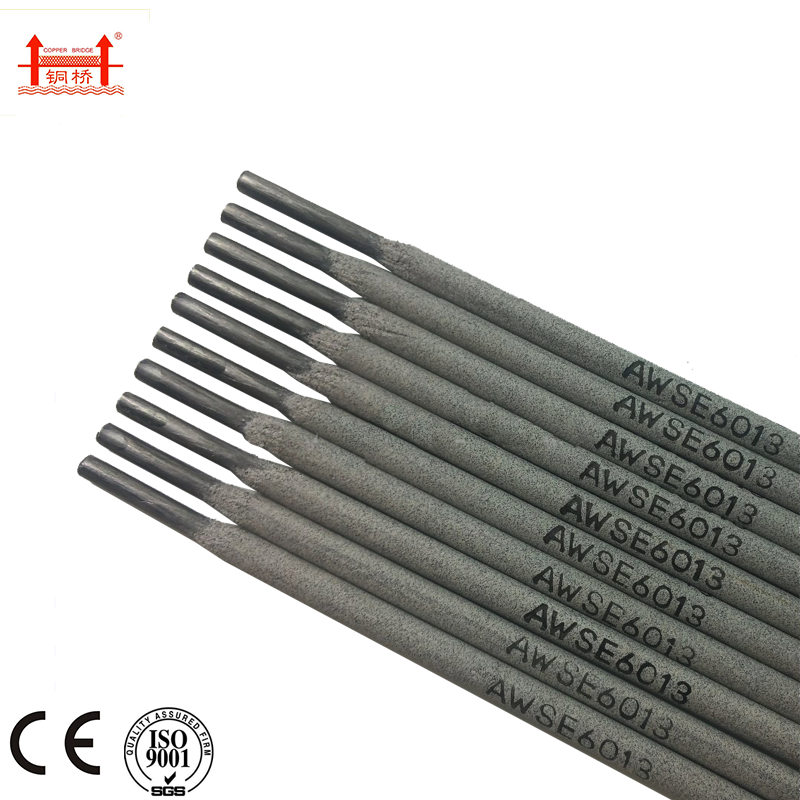
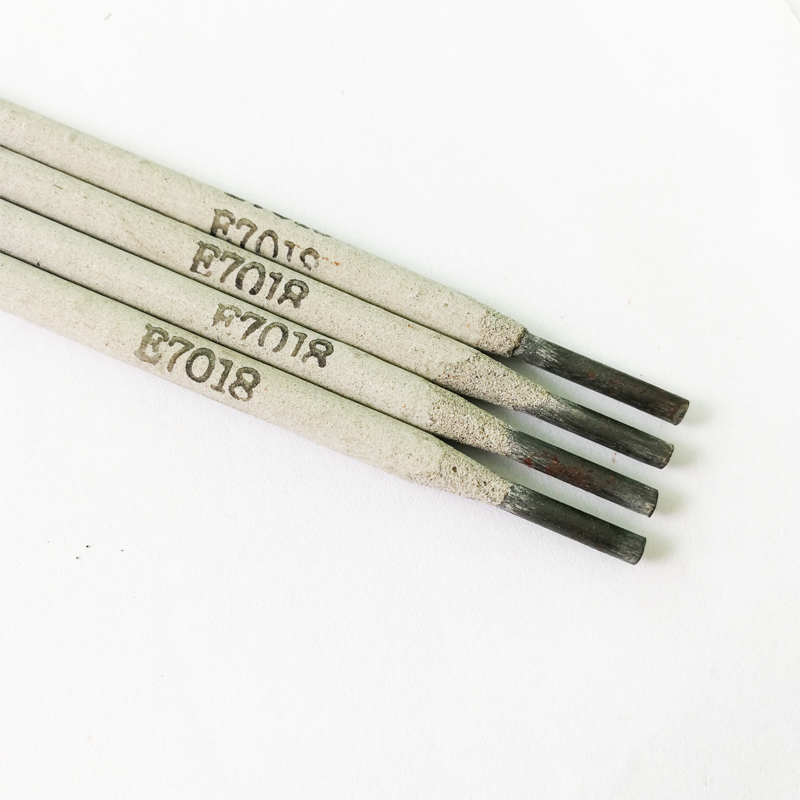
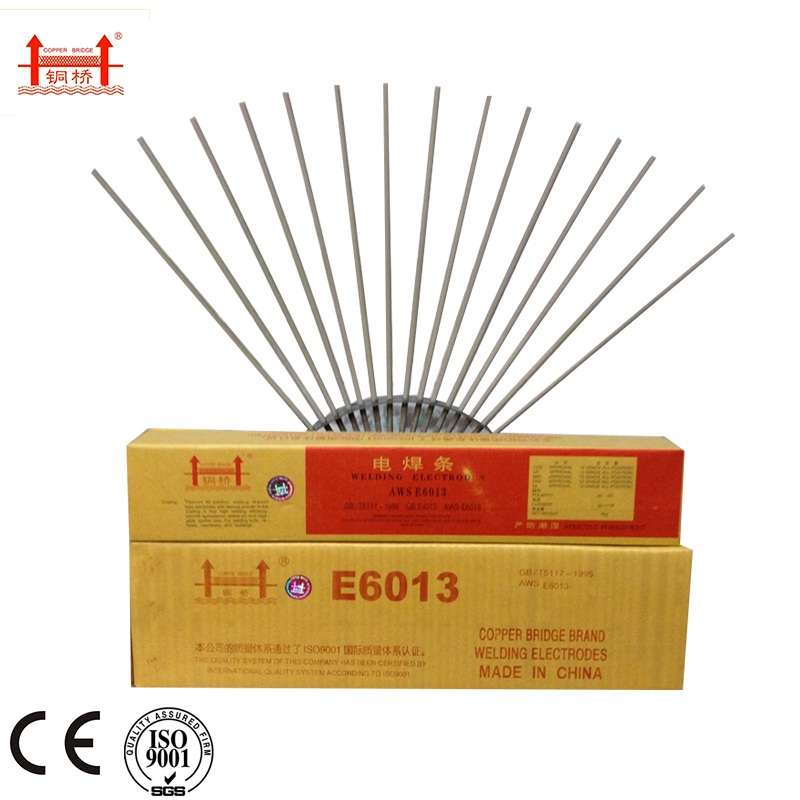
Put simply, the 7018 A1 electrode is a low-hydrogen, iron powder-coated welding rod primarily used for shielded metal arc welding (SMAW). Its name breaks down like this:
- 70 indicates a tensile strength of at least 70,000 psi.
- 1 tells you it can be used in all welding positions (flat, vertical, overhead, etc.).
- 8 means it uses a low-hydrogen potassium iron powder coating.
- A1 identifies the type of binding and coating consistency.
In real terms, the electrode deposits a weld bead with excellent mechanical properties, minimal spatter, and high crack resistance — essential qualities for modern steel construction projects, especially when safety is paramount.
Core Features of the 7018 A1 Electrode
1. Durability
The low-hydrogen coating limits weld porosity and hydrogen-induced cracking. This makes the welds more reliable under stress or sudden temperature changes — a big deal for load-bearing structures.
2. All-Position Usability
The 7018 A1 is truly versatile. Whether you need to weld overhead or in tight vertical spaces, it adapts, so fabricators don't need multiple wire types, which simplifies inventory and reduces training overhead.
3. Smooth Arc and Easy Handling
Engineers often mention the rod’s smooth striking arc and controllable slag formation. This means less cleanup and better bead aesthetics — a subtle but important perk onsite, especially where inspections are frequent.
4. High Tensile Strength
With 70,000 psi tensile strength, it’s suitable for structural steel frameworks, pipeline welding, and heavy equipment manufacturing.
5. Cost Efficiency
While not the cheapest electrode out there, its fewer defects and rework save time and money, especially in large-scale or safety-critical projects.
| Specification | Value |
|---|---|
| Tensile Strength | ≥ 70,000 psi |
| Electrode Diameter | 1/8", 3/32”, 5/32” |
| Current Type | AC/DC |
| Welding Positions | Flat, horizontal, vertical, overhead |
| Coating | Low hydrogen potassium iron powder |
How Is the 7018 A1 Electrode Used Globally?
From skyscrapers in Dubai to bridges in the United States, the 7018 A1 rod is a favorite. Industries that rely heavily on this electrode include:
- Construction: Steel framework and bridges
- Pipeline Manufacturing and Repair
- Shipbuilding and Offshore Platforms
- Heavy Equipment and Automotive Manufacturing
- Infrastructure Rehabilitation, especially in disaster-prone areas
In post-disaster relief operations—for instance after severe earthquakes or floods—welders use rods like the 7018 A1 to quickly restore critical infrastructure with reliable and safe welds, even under non-ideal conditions. In remote industrial zones, where robotic welding isn’t feasible, these electrodes are essential for maintaining operations.
Advantages and Long-Term Impact of Using 7018 A1 Electrode
The benefits go beyond just technical specs. Yes, the reduced porosity and improved tensile strength mean the welds are safer and last longer — but there’s also a human element. Workers feel more secure knowing their joints won’t fail. There’s dignity in crafting something built to last. For companies, it’s about innovation and trust, reducing liability and improving brand reputation.
Environmentally, better weld quality translates to less material waste and fewer repairs or rebuilds. Over time, this supports sustainability and cost savings.
Future Trends: What’s Next for 7018 A1 and Welding Technology?
Welding is evolving with automation, but oddly enough, electrodes like the 7018 A1 remain vital. There’s ongoing research into alloy modifications, coating improvements for even lower hydrogen content, and hybrid welding methods combining SMAW with flux-cored wires.
Plus, as green energy infrastructure expands—think wind turbines and hydrogen pipelines—standards for weld quality get more stringent. Expect 7018 A1 variations to adapt, offering specialized formulations tailored for extreme climates or materials.
Challenges and Expert Solutions
Some issues still persist, like sensitivity to moisture, which can cause hydrogen-induced cracking if rods aren’t properly stored and baked before use. Also, welding skill levels can influence outcomes. But best practices—like electrode storage cabinets and training—significantly mitigate these. There’s also an increase in equipment designed to monitor weld quality live, reducing guesswork.
| Vendor | Supply Consistency | Price Range | Special Features |
|---|---|---|---|
| Jinlong Welding Electrode | High - Export-ready stock | Competitive | ISO certified, low moisture packaging |
| ABC Electrodes Co. | Moderate - seasonal fluctuations | Mid-range | Custom diameter options |
| Global Weld Supplies | Reliable - global logistics | Premium | Enhanced low hydrogen coating technology |
Common Questions About 7018 A1 Electrodes
- Q: How do I properly store 7018 A1 electrodes to avoid defects?
- A: Storing them in a dry, temperature-controlled environment is crucial. Use rod ovens or cabinets with humidity control. Moisture leads to hydrogen embrittlement and crack risks.
- Q: Can I use 7018 A1 electrodes for stainless steel welding?
- A: No, 7018 A1 rods are designed for carbon and low-alloy steels. Stainless steel welding requires specific rods, like 308 or 309 types.
- Q: What current type is best for the 7018 A1 electrode?
- A: Both AC and DC currents can be used, but DC with reverse polarity (DCEP) often gives the best penetration and arc stability.
- Q: How does the 7018 A1 electrode compare with other low-hydrogen rods?
- A: It often offers a more consistent arc and easier slag removal, making it a go-to choice for many fabricators, balancing cost and performance well.
Conclusion and Next Steps
From safety to strength, the 7018 A1 electrode remains a linchpin in modern welding. Its combination of durability, versatility, and cost-efficiency makes it a top pick worldwide. If you’re sourcing reliable electrodes, consider 7018 A1 electrode from reputable suppliers who match quality with service.
If you want to ensure your next project withstands time and elements, investing in good electrodes like the 7018 A1 is non-negotiable. Visit our website to learn more or place an order today.
A quick takeaway? Quality welds save lives, money, and stress—so choosing the right rod is no small decision.

Related Video

Related News

2026-04-16 02:35:10
Precision Guide for e312 16 welding rod and Dissimilar Steel Welding
In the demanding world of industrial fabrication and repair, selecting the correct filler metal is the difference between a structural failure and a lifetime bond. The e312 16 welding rod is specifically engineered to meet the rigorous needs of welding dissimilar steels, offering an exceptional balance of strength and corrosion resistance. Whether you are working on high-pressure pipelines or heavy machinery components, understanding the nuances of this specialized electrode is key to achieving professional-grade results. This guide explores the technical advantages and practical applications of the E312 series to help you optimize your welding workflow.
2026-04-09 02:35:17
Choosing the Right cs to ss welding rod number Professional Guide
Joining carbon steel (CS) to stainless steel (SS) is a common challenge in industrial fabrication, requiring a precise understanding of metallurgy to avoid weld failure. The most critical decision in this process is identifying the correct cs to ss welding rod number to ensure a strong, corrosion-resistant bond. Using the wrong filler metal can lead to cracking or premature oxidation due to the different thermal expansion rates of the two materials. In this comprehensive guide, we will break down the technical specifications and selection criteria to help you achieve a professional-grade weld every time.
2026-04-07 02:25:29
Comprehensive Guide to 409 Welding Rod Selection and Optimal Usage
When it comes to welding applications requiring corrosion resistance and good weldability, the 409 welding rod is a frequently chosen option. This article provides a detailed overview of this versatile welding rod, exploring its composition, applications, benefits, and considerations for optimal use. Whether you’re a seasoned professional or new to welding, understanding the properties of 409 welding rod is crucial for achieving high-quality, durable welds. We’ll cover everything you need to know to make informed decisions for your welding projects.
2026-04-04 02:35:28
Comprehensive Guide to 330 Stainless Steel Welding Rod Applications and Techniques
330 stainless steel welding rods are a crucial component in various industries, offering exceptional corrosion resistance and high-temperature strength. This article provides an in-depth look at these rods, covering their properties, applications, choosing the right rod, welding techniques, safety precautions, and where to find high-quality options. Whether you're a seasoned welding professional or new to the field, this guide will offer valuable insights.
2026-03-31 02:35:08
Comprehensive Guide to 312 Stainless Tig Rod for Superior Welding Performance
When choosing the right filler metal for your TIG welding projects, especially in demanding applications, 312 stainless steel tig rod stands out for its exceptional corrosion resistance and high-temperature strength. This comprehensive guide will explore its composition, applications, benefits, and how it compares to other stainless steel rods. We'll also point you to resources for sourcing high-quality rods.
2026-03-28 02:45:04
Comprehensive Guide to 312 17 Welding Rod Applications and Technical Details
Welding rods are essential consumables in the welding process, and selecting the right one is crucial for achieving strong, durable, and high-quality welds. The 312 17 welding rod is a popular choice for many applications due to its unique properties and versatility. This article delves into the characteristics, applications, benefits, and considerations when using 312 17 welding rods, providing a comprehensive resource for welders and engineers alike. Choosing the right rod directly impacts the success and longevity of any welding project.
2026-03-26 02:35:10
Comprehensive Guide to the 312 16 Welding Rod for Superior Steel Welding
The 312 16 welding rod is a versatile and widely-used electrode in various welding applications. Known for its excellent weldability and strong mechanical properties, it's a go-to choice for professionals and hobbyists alike. This article delves into the specifics of this electrode, covering its composition, applications, advantages, and how to choose the right one for your projects. Understanding the nuances of the 312 16 welding rod is crucial for achieving high-quality, durable welds. The designation "312 16" provides key information about the welding rod. "312" refers to the type of flux coating, specifically a low-hydrogen, iron powder coating. This coating is designed to produce welds with excellent mechanical properties and good resistance to cracking. The "16" indicates the diameter of the rod in 32nds of an inch – so a 312 16 rod has a diameter of 16/32 or 1/2 inch. This combination makes it suitable for a wide range of steel welding applications. The low-hydrogen nature of the flux minimizes hydrogen-induced cracking, a common issue in welding certain steels.
2026-03-24 02:45:07
Comprehensive Guide to 309LSI TIG Rod Welding Applications and Best Practices
The 309LSI TIG rod is a versatile welding consumable widely used across various industries for its exceptional corrosion resistance and weldability. This article will explore the properties, applications, advantages, and best practices associated with using 309LSI TIG rods. Whether you're a seasoned welding professional or new to the field, this guide will provide you with valuable insights into maximizing the performance and longevity of your welds. The 309LSI TIG rod is a stainless steel electrode specifically designed for Gas Tungsten Arc Welding (GTAW), commonly known as TIG welding. The "309LSI" designation indicates the alloy composition: 309 signifies the chromium-nickel content, 'L' denotes low carbon content for enhanced corrosion resistance, and 'SI' signifies stabilized with silicon for improved resistance to carbide precipitation during welding.

 English
  Arabic
  Bengali
  China
China  French
  German
  Hausa
Hausa  Indonesian
  Italian
  Japanese
  Javanese
  Malay
Malay  Persian
  Portuguese
  Punjabi
  Russian
  Spanish
  Swahili
  Telugu
  Vietnamese