

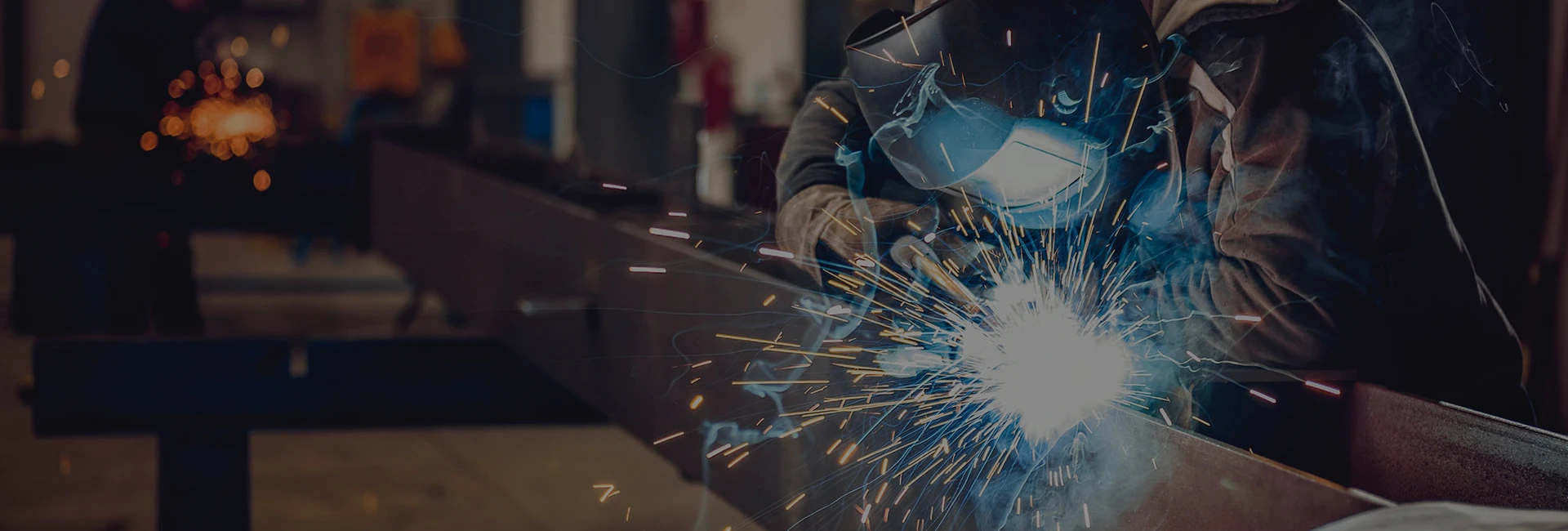
Stainless Steel Welding Rod: Essential Guide for Industry & Innovation

Stainless Steel Welding Rod: Essential Guide for Industry & Innovation
Dec . 07, 2025 12:25
Understanding Stainless Steel Welding Rods: Backbone of Modern Metalwork
Today, stainless steel welding rods aren’t just another tool in the workshop—they’re a crucial element shaping industries worldwide. Whether we're constructing a skyscraper in Dubai, reinforcing pipelines in Canada, or repairing medical devices in Japan, these rods serve as the unsung heroes ensuring strength, reliability, and resilience. But why all the fuss about stainless steel welding rods? Pretty simply, they make sure our welded joints last longer, resist corrosion, and maintain structural integrity in challenging environments. That’s a big deal, especially when safety and durability take center stage globally.
Global Context: Why Stainless Steel Welding Rods Matter Now More Than Ever
The World Steel Association notes that global steel production surpassed 1.9 billion tonnes in 2023, with stainless steel accounting for roughly 10% of that figure. Notably, the demand for stainless steel welding rods grows hand-in-hand with sectors like energy, infrastructure, transportation, and even food processing. Oddly enough, the durability and corrosion resistance they deliver are key in everything from offshore oil rigs battling harsh sea environments to food-grade equipment requiring hygienic welds.
Yet, challenges remain. Welding stainless steel requires expertise and proper material selection—mistakes here can lead to brittle joints or premature failure. The complexity drives a global need for better rods and processes to ensure both safety and longevity. So, this isn’t just about metal artistry; it’s industrial security on a global scale.
What Exactly Is a Stainless Steel Welding Rod?
In simple terms, a stainless steel welding rod is a filler material used in arc welding processes designed specifically to join stainless steel pieces. Imagine you’re stitching two metal sheets together—this rod melts and fills the gap, forming a strong, seamless weld with resistance to rust and heat. Depending on the alloy composition, these rods can match or even enhance the properties of the base metal.
This connection is increasingly important in industries where reliability isn’t optional—think chemical plants handling hazardous materials or hospitals requiring sterile environments. These rods enable the creation of tough, precise joints that hold under pressure, temperature fluctuations, and environmental exposure.
Key Components of Stainless Steel Welding Rods
1. Alloy Composition
The blend of chromium, nickel, molybdenum, and other elements defines corrosion resistance and mechanical strength. For example, 316 rods, rich in molybdenum, excel in marine atmospheres, while 309 rods are good for joining dissimilar metals.
2. Durability
The rods must withstand repeated thermal cycles without cracking—this requires optimized chemical formulation and manufacturing standards.
3. Ease of Use
While still technical, a good rod offers smooth arc initiation and stable weld pools, making lives easier for welders who deal with all kinds of environmental and positional challenges.
4. Heat Resistance
Given stainless steel’s common applications around high temperatures, these rods must resist oxidation and maintain structural integrity even after heating.
5. Compatibility
Not all stainless steel rods are interchangeable—selecting the right grade ensures weld quality and longevity, especially when joining dissimilar metals or specialized alloys.
Mini takeaway: Every little tweak in composition or design nuances how well the rod performs in specific environments—from aerospace frames to kitchen appliances.
Global Applications of Stainless Steel Welding Rods
Where are these rods actually used? Pretty much everywhere. Here’s a snapshot:
- Energy Sector: Welding pipelines for oil, gas, and renewables—think wind turbines or solar farm structures.
- Infrastructure & Construction: Bridges, high-rises, and transport hubs requiring corrosion-resistant joints.
- Food & Pharmaceuticals: Tanks and containers that must stay hygienic and corrosion-free.
- Automotive & Aerospace: Engine parts, exhaust systems, and structural frames exposed to heat and corrosive substances.
- Disaster Relief & Remote Sites: Field repairs or temporary structures in harsh conditions where durability is critical.
For instance, in Chile’s mining operations, stainless steel rods ensure equipment runs reliably underground where moisture and chemicals threaten steel integrity. Likewise, many NGOs lean on these materials for rapid deployment shelters in disaster zones—they literally weld resilience into relief efforts.
Mini takeaway: Different industries and regions demand tailored rods to match environment and performance needs.
Advantages and Long-Term Value of Using Stainless Steel Welding Rods
Okay, so why choose stainless steel rods over others?
- Cost-Effectiveness: Though they may cost a bit more upfront, the lifetime savings from corrosion resistance and fewer repairs pay off.
- Sustainability: Longevity means less waste. Many stainless steel rods today are also produced with eco-friendly manufacturing protocols.
- Safety & Trust: Welds made with quality rods are trusted in safety-critical applications, from nuclear reactors to food processing.
- Innovation: New metallurgy advances foster rods that are easier to use, weld faster, and perform in previously challenging environments.
Frankly, this combination of logical benefits and peace of mind makes stainless steel welding rods an indispensable choice for serious fabricators.
Product Specification Table for Stainless Steel Welding Rod (316 Grade)
| Specification | Details |
|---|---|
| Alloy Type | 316 Stainless Steel |
| Diameter Range | 1.6 mm to 5.0 mm |
| Carbon Content | Max 0.08% |
| Tensile Strength | 550 MPa |
| Corrosion Resistance | Excellent in chloride environments |
| Typical Applications | Food processing equipment, marine environments, chemical tanks |
Comparing Leading Stainless Steel Welding Rod Vendors
| Vendor | Product Range | Certifications | Global Reach | Additional Services |
|---|---|---|---|---|
| Jinlong Welding Electrode | Stainless steel rods, nickel alloys | ISO 9001, ISO 14001 | Asia, Europe, Americas | Custom alloy formulation, technical support |
| Lincoln Electric | Wide range including stainless, mild steel rods | AWS Certified, ISO | Global | Training, welding equipment packages |
| Esab | Specialty stainless rods, flux-cored | ISO, CE | Europe, Americas, Asia | Welding automation solutions |
Future Trends and Innovations in Stainless Steel Welding Rods
Looking ahead, stainless steel welding rods are evolving—fast. Increasingly, manufacturers explore eco-friendly production techniques minimizing CO₂ emissions. There’s also a push for rods compatible with automation and robotic welding, which enhances consistency and reduces human error. Coupled with digital monitoring systems, weld quality is set to reach new heights.
Furthermore, innovations in alloy chemistry aim to extend resistance against novel corrosive environments, like those found in green hydrogen plants or next-gen nuclear reactors. I suppose this kind of innovation is a reminder that what might seem like just a rod is actually a catalyst for entire industrial revolutions.
Challenges and Solutions
Of course, challenges remain. Welders often struggle with contamination—trace impurities can cause weld defects. Also, incorrect rod selection sometimes leads to brittle joints or lack of fusion.
Experts recommend rigorous training and testing, combined with consulting trusted suppliers such as stainless steel welding rod manufacturers for custom advice. Advanced surface treatments and post-weld heat treatments also mitigate many issues. So, solutions do exist but require diligence and partnership.
FAQ: Frequently Asked Questions About Stainless Steel Welding Rods
- Q: How do I choose the right stainless steel welding rod for my project?
- A: Consider the base stainless steel grade, operating environment (corrosive, high temp), and mechanical requirements. Consulting product datasheets or suppliers like stainless steel welding rod vendors can help match alloys precisely.
- Q: Can I use stainless steel rods to weld dissimilar metals?
- A: Yes, but choose specially designed rods such as 309-grade that bridge gaps between stainless steel and carbon steel, preventing cracking and corrosion issues.
- Q: What are common causes of weld failure using stainless steel rods?
- Poor surface prep, contamination, or wrong rod selection often cause failures. Proper cleaning, selecting compatible rods, and welding controls are essential to ensure sound joints.
- Q: Are stainless steel welding rods environmentally friendly?
- Modern production increasingly focuses on environmental standards. Plus, the durability they provide reduces the need for replacements, indirectly benefiting sustainability.
- Q: How can I import stainless steel welding rods internationally?
- Check customs regulations for welding materials in your country and source rods from certified global vendors. Working with experienced distributors, such as this supplier, eases import complexities.
Conclusion: Why Investing in Quality Stainless Steel Welding Rods Pays Off
In real terms, stainless steel welding rods are more than just consumables—they’re investments in safety, longevity, and innovation. By choosing quality rods tailored to your needs, you benefit from reduced maintenance, enhanced structural integrity, and peace of mind. If you’re ready to explore the best stainless steel welding rod options for your project, take the next step and visit the suppliers' site for detailed specs and expert support.
Final takeaway: A smart welding rod choice today is a durable, reliable joint tomorrow—and probably a few decades beyond.
- World Steel Association, World Steel in Figures 2023, https://worldsteel.org
- ISO Standards for Stainless Steel Welding Products, International Organization for Standardization, https://www.iso.org
- Welding Handbook, American Welding Society, https://www.aws.org

Related Video

Related News


2026-04-16 02:35:10
Precision Guide for e312 16 welding rod and Dissimilar Steel Welding
In the demanding world of industrial fabrication and repair, selecting the correct filler metal is the difference between a structural failure and a lifetime bond. The e312 16 welding rod is specifically engineered to meet the rigorous needs of welding dissimilar steels, offering an exceptional balance of strength and corrosion resistance. Whether you are working on high-pressure pipelines or heavy machinery components, understanding the nuances of this specialized electrode is key to achieving professional-grade results. This guide explores the technical advantages and practical applications of the E312 series to help you optimize your welding workflow.
2026-04-09 02:35:17
Choosing the Right cs to ss welding rod number Professional Guide
Joining carbon steel (CS) to stainless steel (SS) is a common challenge in industrial fabrication, requiring a precise understanding of metallurgy to avoid weld failure. The most critical decision in this process is identifying the correct cs to ss welding rod number to ensure a strong, corrosion-resistant bond. Using the wrong filler metal can lead to cracking or premature oxidation due to the different thermal expansion rates of the two materials. In this comprehensive guide, we will break down the technical specifications and selection criteria to help you achieve a professional-grade weld every time.
2026-04-07 02:25:29
Comprehensive Guide to 409 Welding Rod Selection and Optimal Usage
When it comes to welding applications requiring corrosion resistance and good weldability, the 409 welding rod is a frequently chosen option. This article provides a detailed overview of this versatile welding rod, exploring its composition, applications, benefits, and considerations for optimal use. Whether you’re a seasoned professional or new to welding, understanding the properties of 409 welding rod is crucial for achieving high-quality, durable welds. We’ll cover everything you need to know to make informed decisions for your welding projects.
2026-04-04 02:35:28
Comprehensive Guide to 330 Stainless Steel Welding Rod Applications and Techniques
330 stainless steel welding rods are a crucial component in various industries, offering exceptional corrosion resistance and high-temperature strength. This article provides an in-depth look at these rods, covering their properties, applications, choosing the right rod, welding techniques, safety precautions, and where to find high-quality options. Whether you're a seasoned welding professional or new to the field, this guide will offer valuable insights.
2026-03-31 02:35:08
Comprehensive Guide to 312 Stainless Tig Rod for Superior Welding Performance
When choosing the right filler metal for your TIG welding projects, especially in demanding applications, 312 stainless steel tig rod stands out for its exceptional corrosion resistance and high-temperature strength. This comprehensive guide will explore its composition, applications, benefits, and how it compares to other stainless steel rods. We'll also point you to resources for sourcing high-quality rods.
2026-03-28 02:45:04
Comprehensive Guide to 312 17 Welding Rod Applications and Technical Details
Welding rods are essential consumables in the welding process, and selecting the right one is crucial for achieving strong, durable, and high-quality welds. The 312 17 welding rod is a popular choice for many applications due to its unique properties and versatility. This article delves into the characteristics, applications, benefits, and considerations when using 312 17 welding rods, providing a comprehensive resource for welders and engineers alike. Choosing the right rod directly impacts the success and longevity of any welding project.
2026-03-26 02:35:10
Comprehensive Guide to the 312 16 Welding Rod for Superior Steel Welding
The 312 16 welding rod is a versatile and widely-used electrode in various welding applications. Known for its excellent weldability and strong mechanical properties, it's a go-to choice for professionals and hobbyists alike. This article delves into the specifics of this electrode, covering its composition, applications, advantages, and how to choose the right one for your projects. Understanding the nuances of the 312 16 welding rod is crucial for achieving high-quality, durable welds. The designation "312 16" provides key information about the welding rod. "312" refers to the type of flux coating, specifically a low-hydrogen, iron powder coating. This coating is designed to produce welds with excellent mechanical properties and good resistance to cracking. The "16" indicates the diameter of the rod in 32nds of an inch – so a 312 16 rod has a diameter of 16/32 or 1/2 inch. This combination makes it suitable for a wide range of steel welding applications. The low-hydrogen nature of the flux minimizes hydrogen-induced cracking, a common issue in welding certain steels.
2026-03-24 02:45:07
Comprehensive Guide to 309LSI TIG Rod Welding Applications and Best Practices
The 309LSI TIG rod is a versatile welding consumable widely used across various industries for its exceptional corrosion resistance and weldability. This article will explore the properties, applications, advantages, and best practices associated with using 309LSI TIG rods. Whether you're a seasoned welding professional or new to the field, this guide will provide you with valuable insights into maximizing the performance and longevity of your welds. The 309LSI TIG rod is a stainless steel electrode specifically designed for Gas Tungsten Arc Welding (GTAW), commonly known as TIG welding. The "309LSI" designation indicates the alloy composition: 309 signifies the chromium-nickel content, 'L' denotes low carbon content for enhanced corrosion resistance, and 'SI' signifies stabilized with silicon for improved resistance to carbide precipitation during welding.

 English
  Arabic
  Bengali
  China
China  French
  German
  Hausa
Hausa  Indonesian
  Italian
  Japanese
  Javanese
  Malay
Malay  Persian
  Portuguese
  Punjabi
  Russian
  Spanish
  Swahili
  Telugu
  Vietnamese