

Stainless Steel Electrode: Essential Guide for Industry & Innovation

Stainless Steel Electrode: Essential Guide for Industry & Innovation
Dec . 06, 2025 01:40
Stainless Steel Electrode: The Backbone of Modern Welding
The stainless steel electrode might sound like dry industrial jargon, but its impact stretches far beyond factory floors. It’s a core component in constructing everything from skyscrapers to surgical tools, offshore rigs, and even space stations. Understanding stainless steel electrodes offers insight into how industries worldwide can build stronger, safer, and more sustainable infrastructures — crucial for our expanding, globalized world.
Introduction: Why Stainless Steel Electrodes Matter Globally
Welding itself is one of the most fundamental fabrication processes, and stainless steel electrodes make it possible to join stainless steel components reliably. According to the International Stainless Steel Forum, global stainless steel production exceeded 58 million metric tons in 2023, underlining the massive scale on which these electrodes operate. Yet, welding stainless steel is trickier than mild steel due to its sensitivity to heat and corrosion, which means the electrodes used need to be specially engineered.
The challenge? Ensuring robust, corrosion-resistant, and long-lasting welds in harsh environments — from saltwater offshore platforms to sterile medical device production. Failing this can lead to premature equipment failure or safety risks.
What Is a Stainless Steel Electrode?
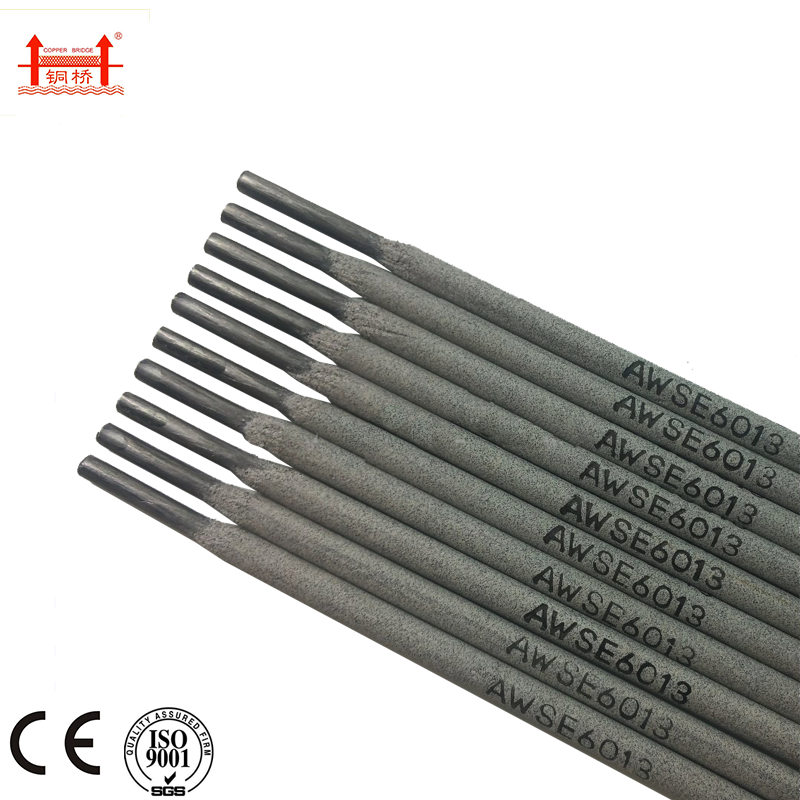
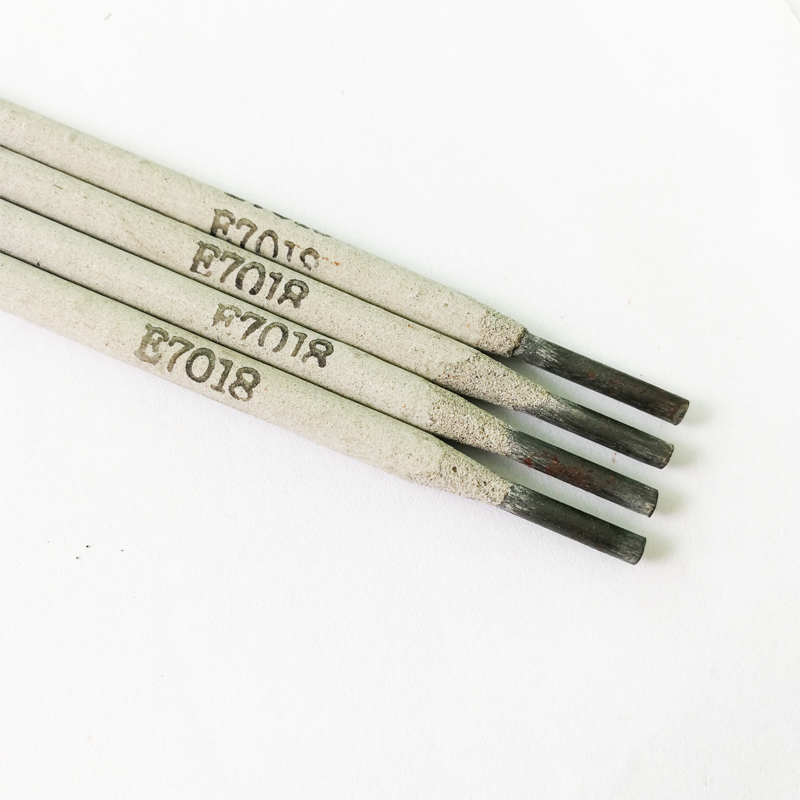
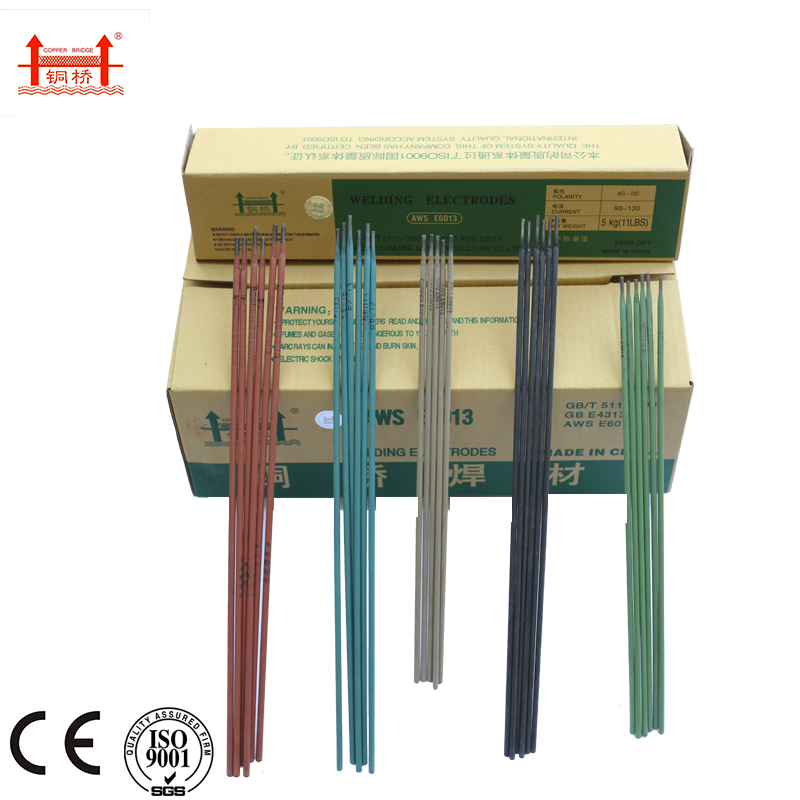
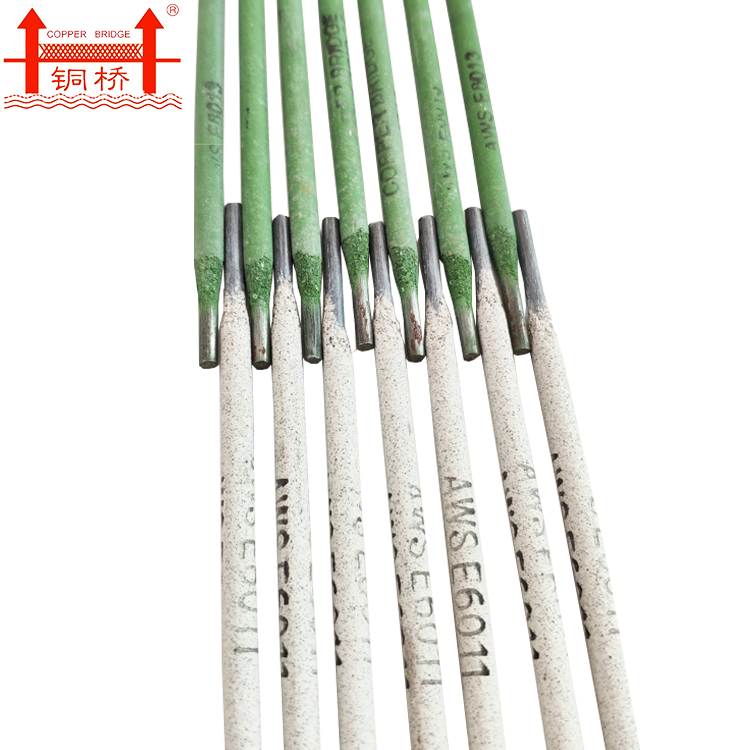
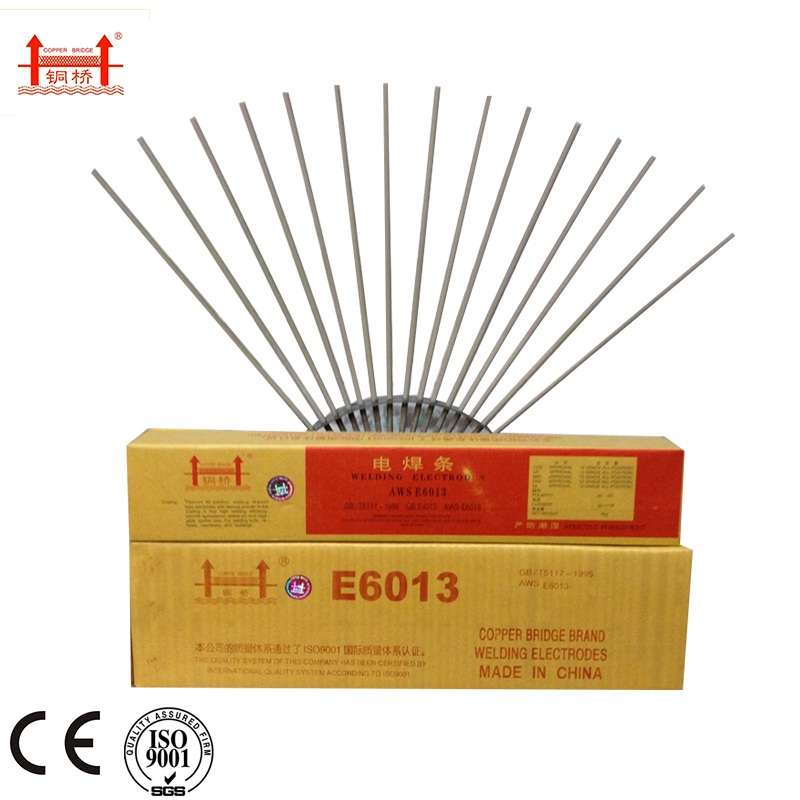
At its core, a stainless steel electrode is a consumable welding rod designed specifically to join stainless steel metals. It conducts electric current and melts during welding, depositing molten metal that solidifies into a strong joint. Unlike regular electrodes, these have flux coatings and chemical compositions that cater to stainless steel’s unique properties, such as high chromium and nickel content.
Simply put, stainless steel electrodes enable modern industries to build durable and corrosion-resistant products essential to infrastructure, healthcare, transport, and energy sectors.
Key Attributes of Stainless Steel Electrodes
1. Corrosion Resistance
This is arguably the biggest selling point. The electrode's chemistry is formulated to maintain stainless steel’s famed resistance to oxidation and rust — vital for outdoor or moisture-exposed applications.
2. Durability and Strength
Welds made with stainless steel electrodes exhibit high tensile strength and resistance to wear, extending the service life of welded components.
3. Heat Resistance
Because stainless steel can distort or weaken with heat, electrodes are developed to minimize warping or heat-affected zones during welding.
4. Versatility
They cater to diverse stainless steel grades (304, 316, 321, etc.), enabling a range of industrial applications.
5. Ease of Use
High-quality electrodes offer stable arcs and less spatter, making welder jobs more efficient and less error-prone.
Mini takeaway: When choosing a stainless steel electrode, the balance of corrosion resistance, heat management, and usability often tips the scales.
Global Applications & Real-World Use Cases
The reach of stainless steel electrodes spans continents and industries. Consider the following:
- Maritime and Offshore Engineering: Around the North Sea, stainless steel electrodes contribute to corrosion-proofing oil rigs that battle saltwater and stormy weather year-round.
- Medical Equipment Manufacturing: In countries like Germany and Japan, high-precision welding using stainless steel electrodes enables the fabrication of surgical tools and implants.
- Food and Beverage Industry: Stainless steel is fundamental for hygienic processing lines globally — from breweries in Belgium to dairy processors in New Zealand.
- Infrastructure: The construction of transportation hubs, bridges, and buildings in rapidly urbanizing cities of Asia relies heavily on durability afforded by these electrodes.
In a post-disaster rebuild or remote industrial zone set-up, the reliability of stainless steel welds prevents costly failures and guarantees safety — truly crucial.
Specifications of a Typical Stainless Steel Electrode
| Attribute | Typical Range | Notes |
|---|---|---|
| Diameter | 2.5 mm – 4.0 mm | Varies by welding thickness and position |
| Flux Type | Rutile, Basic | Affects weld quality and arc stability |
| Current Type | AC/DC | Depending on electrode composition |
| Applications | Pipe welding, structural, food grade tanks | Widely versatile |
Comparing Leading Stainless Steel Electrode Vendors
| Vendor | Product Range | Price Range | Special Features |
|---|---|---|---|
| Vendor A | Wide (304,316L, 321) | Mid | Low spatter, stable arc |
| Vendor B | Focused on 316L grades | High | Enhanced corrosion resistance |
| Vendor C | Economical 304 electrodes | Low | Good for entry-level projects |
Advantages & Long-Term Value of Stainless Steel Electrodes
Beyond simply holding metals together, stainless steel electrodes boost safety and product longevity — especially where human lives rely on sturdy equipment. Their corrosion resistance results in less maintenance and downtime. Cost-wise, while they might be pricier upfront compared to carbon steel electrodes, the life cycle cost is often lower due to fewer replacements and repairs.
On a more emotional level, for engineers and welders, reliable electrodes mean peace of mind — knowing the work won’t fail in critical applications. It’s an innovation that safeguards not just structures but also livelihoods.
Future Trends & Innovations
The quest for greener, more efficient welding solutions is ongoing. Recently, electrode manufacturers have introduced low-waste fluxes and formulations tailored for automation — robotic welding in factories demands consistent, high-quality electrodes. Materials science advances hint at ultra-low hydrogen stainless electrodes and additives improving weld toughness in cryogenic environments.
Oddly enough, as electric arc welding processes evolve towards green energy sources, the electrodes will need to be compatible with variable power inputs — an exciting frontier!
Challenges & Expert Solutions
Welding stainless steel does have its pitfalls: distortion, weld cracking, or contamination can undermine quality. Many engineers recommend strict pre-welding cleaning protocols, selecting appropriate electrode chemistry for the base metal grade, and controlling heat input.
Additionally, ongoing training and certifications keep welders sharp in technique — which frankly, no electrode alone can fix.
FAQ: Stainless Steel Electrode Essentials
- Q: What grades of stainless steel can these electrodes weld?
A: Most are designed for common grades like 304, 316, and 321 — but specialized electrodes exist for duplex and superalloys. - Q: Can stainless steel electrodes be used outdoors?
A: Yes, many are flux-coated to improve arc stability and resist moisture, making them suitable for outdoor sites. - Q: How do I store stainless steel electrodes to maintain quality?
A: Keep them dry, ideally in a rod oven or sealed container to prevent flux degradation that causes weld defects. - Q: Are stainless steel electrodes more expensive than carbon steel ones?
A: Typically yes, but their superior corrosion resistance provides better value over time. - Q: Where can I source high-quality stainless steel electrodes internationally?
A: Trusted vendors and websites such as stainless steel electrode suppliers offer worldwide shipping and certifications.
Conclusion
Stainless steel electrodes form a quiet but critical element in making our modern world possible — from health and safety to sustainability. Their corrosion resistance, strength, and innovation potential keep industries running smoothly and safely. For anyone involved with welding or metal fabrication, investing in quality electrodes is investing in longevity and peace of mind.
Ready to enhance your welding practice? Visit our website: https://www.jinlongweldingelectrode.com for trusted stainless steel electrode options tailored to your needs.
Oddly enough, it’s the tiny electrode that often holds the biggest weight in engineering — sometimes, it’s the unsung hero of steel.
References:

Related Video

Related News


2026-04-16 02:35:10
Precision Guide for e312 16 welding rod and Dissimilar Steel Welding
In the demanding world of industrial fabrication and repair, selecting the correct filler metal is the difference between a structural failure and a lifetime bond. The e312 16 welding rod is specifically engineered to meet the rigorous needs of welding dissimilar steels, offering an exceptional balance of strength and corrosion resistance. Whether you are working on high-pressure pipelines or heavy machinery components, understanding the nuances of this specialized electrode is key to achieving professional-grade results. This guide explores the technical advantages and practical applications of the E312 series to help you optimize your welding workflow.
2026-04-09 02:35:17
Choosing the Right cs to ss welding rod number Professional Guide
Joining carbon steel (CS) to stainless steel (SS) is a common challenge in industrial fabrication, requiring a precise understanding of metallurgy to avoid weld failure. The most critical decision in this process is identifying the correct cs to ss welding rod number to ensure a strong, corrosion-resistant bond. Using the wrong filler metal can lead to cracking or premature oxidation due to the different thermal expansion rates of the two materials. In this comprehensive guide, we will break down the technical specifications and selection criteria to help you achieve a professional-grade weld every time.
2026-04-07 02:25:29
Comprehensive Guide to 409 Welding Rod Selection and Optimal Usage
When it comes to welding applications requiring corrosion resistance and good weldability, the 409 welding rod is a frequently chosen option. This article provides a detailed overview of this versatile welding rod, exploring its composition, applications, benefits, and considerations for optimal use. Whether you’re a seasoned professional or new to welding, understanding the properties of 409 welding rod is crucial for achieving high-quality, durable welds. We’ll cover everything you need to know to make informed decisions for your welding projects.
2026-04-04 02:35:28
Comprehensive Guide to 330 Stainless Steel Welding Rod Applications and Techniques
330 stainless steel welding rods are a crucial component in various industries, offering exceptional corrosion resistance and high-temperature strength. This article provides an in-depth look at these rods, covering their properties, applications, choosing the right rod, welding techniques, safety precautions, and where to find high-quality options. Whether you're a seasoned welding professional or new to the field, this guide will offer valuable insights.
2026-03-31 02:35:08
Comprehensive Guide to 312 Stainless Tig Rod for Superior Welding Performance
When choosing the right filler metal for your TIG welding projects, especially in demanding applications, 312 stainless steel tig rod stands out for its exceptional corrosion resistance and high-temperature strength. This comprehensive guide will explore its composition, applications, benefits, and how it compares to other stainless steel rods. We'll also point you to resources for sourcing high-quality rods.
2026-03-28 02:45:04
Comprehensive Guide to 312 17 Welding Rod Applications and Technical Details
Welding rods are essential consumables in the welding process, and selecting the right one is crucial for achieving strong, durable, and high-quality welds. The 312 17 welding rod is a popular choice for many applications due to its unique properties and versatility. This article delves into the characteristics, applications, benefits, and considerations when using 312 17 welding rods, providing a comprehensive resource for welders and engineers alike. Choosing the right rod directly impacts the success and longevity of any welding project.
2026-03-26 02:35:10
Comprehensive Guide to the 312 16 Welding Rod for Superior Steel Welding
The 312 16 welding rod is a versatile and widely-used electrode in various welding applications. Known for its excellent weldability and strong mechanical properties, it's a go-to choice for professionals and hobbyists alike. This article delves into the specifics of this electrode, covering its composition, applications, advantages, and how to choose the right one for your projects. Understanding the nuances of the 312 16 welding rod is crucial for achieving high-quality, durable welds. The designation "312 16" provides key information about the welding rod. "312" refers to the type of flux coating, specifically a low-hydrogen, iron powder coating. This coating is designed to produce welds with excellent mechanical properties and good resistance to cracking. The "16" indicates the diameter of the rod in 32nds of an inch – so a 312 16 rod has a diameter of 16/32 or 1/2 inch. This combination makes it suitable for a wide range of steel welding applications. The low-hydrogen nature of the flux minimizes hydrogen-induced cracking, a common issue in welding certain steels.
2026-03-24 02:45:07
Comprehensive Guide to 309LSI TIG Rod Welding Applications and Best Practices
The 309LSI TIG rod is a versatile welding consumable widely used across various industries for its exceptional corrosion resistance and weldability. This article will explore the properties, applications, advantages, and best practices associated with using 309LSI TIG rods. Whether you're a seasoned welding professional or new to the field, this guide will provide you with valuable insights into maximizing the performance and longevity of your welds. The 309LSI TIG rod is a stainless steel electrode specifically designed for Gas Tungsten Arc Welding (GTAW), commonly known as TIG welding. The "309LSI" designation indicates the alloy composition: 309 signifies the chromium-nickel content, 'L' denotes low carbon content for enhanced corrosion resistance, and 'SI' signifies stabilized with silicon for improved resistance to carbide precipitation during welding.

 English
  Arabic
  Bengali
  China
China  French
  German
  Hausa
Hausa  Indonesian
  Italian
  Japanese
  Javanese
  Malay
Malay  Persian
  Portuguese
  Punjabi
  Russian
  Spanish
  Swahili
  Telugu
  Vietnamese