

Premium AWS E309 Electrodes for Dissimilar Metal Welding

Premium AWS E309 Electrodes for Dissimilar Metal Welding
Aug . 31, 2025 06:20
Industry Trends and the Strategic Importance of AWS E309 Electrodes
The landscape of B2B manufacturing, particularly within heavy industries, is increasingly characterized by demands for materials that offer superior performance under extreme conditions. This trend is acutely observed in welding consumables, where the integrity of a weld directly impacts the operational lifespan and safety of critical infrastructure. Stainless steel welding electrodes, specifically the aws e309 classification, stand at the forefront of this evolution, offering unparalleled solutions for challenging applications involving dissimilar metal joining and cladding.
Current industry trends point towards a heightened focus on durability, corrosion resistance, and high-temperature stability in fabricated components across sectors such as petrochemical, power generation, and heavy manufacturing. As aging infrastructure requires maintenance and new projects demand advanced material solutions, the demand for electrodes like aws e309 continues to grow. This growth is driven by the need for robust welds that can withstand aggressive chemical environments, high thermal cycling, and significant mechanical stress, thereby extending the service life of expensive equipment and reducing downtime. Furthermore, stringent regulatory standards for safety and environmental protection compel engineers to select welding consumables that guarantee the highest levels of integrity and reliability. The development and refinement of welding processes, coupled with advanced metallurgical research, continue to elevate the performance benchmarks for stainless steel electrodes, making the E309 series a cornerstone for critical fabrication and repair operations globally.
Technical Specifications and Material Composition
The aws e309 electrode is a fundamental choice for welding stainless steels to themselves, for joining stainless steels to carbon or low-alloy steels, and for surfacing or cladding operations. Its core strength lies in its balanced chemical composition, which typically features a chromium content of approximately 22% and a nickel content of about 12%. This provides a ferrite content that enhances crack resistance, especially crucial when welding dissimilar metals where differing coefficients of thermal expansion can induce significant stress.
Variants like e309l 15 and e309 16 offer specific advantages. The 'L' in E309L denotes a lower carbon content (typically e309l 15 electrode features a low-hydrogen, lime-titania coating suitable for DC reverse polarity, offering excellent arc stability and puddle control, and is generally used for all-position welding. Conversely, the e309 16 electrode typically has a titania coating, allowing it to be used with both AC and DC welding currents, offering a smoother arc and finer ripple, which is often preferred for general-purpose welding where arc characteristics are paramount. Understanding these nuances is vital for selecting the optimal electrode for a specific application, ensuring both metallurgical integrity and operational efficiency.
Typical Chemical Composition (Wt%)
| Element | E309 (Typical) | E309L (Typical) |
|---|---|---|
| Carbon (C) | 0.08 max | 0.04 max |
| Chromium (Cr) | 22.0 - 25.0 | 22.0 - 25.0 |
| Nickel (Ni) | 12.0 - 14.0 | 12.0 - 14.0 |
| Manganese (Mn) | 0.5 - 2.5 | 0.5 - 2.5 |
| Silicon (Si) | 0.3 - 1.0 | 0.3 - 1.0 |
| Molybdenum (Mo) | 0.75 max | 0.75 max |
| Sulfur (S) | 0.03 max | 0.03 max |
| Phosphorus (P) | 0.04 max | 0.04 max |
Typical Mechanical Properties of Deposited Metal
| Property | Value |
|---|---|
| Tensile Strength | > 550 MPa (80 ksi) |
| Yield Strength | > 380 MPa (55 ksi) |
| Elongation | > 35% |
| Impact Strength (Charpy V-notch at -196°C) | > 32 J |
Precision Manufacturing Process Flow of AWS E309 Electrodes
The production of high-quality aws e309 welding electrodes is a meticulous process demanding stringent quality control at every stage. Our manufacturing paradigm integrates advanced metallurgy with precise engineering to ensure optimal performance and consistency. The entire process adheres to international testing standards such as ISO 2560 and ANSI/AWS A5.4, guaranteeing product reliability and safety for various target industries including petrochemical, metallurgy, power generation, and water supply & drainage.
Schematic Steps of Electrode Manufacturing:
1. Raw Material Procurement & Inspection
High-purity core wire (e.g., specific stainless steel alloys) and flux ingredients (minerals, ferroalloys, binders) are sourced from certified suppliers. Each batch undergoes rigorous chemical analysis and physical testing to meet our exacting specifications.
2. Wire Drawing & Straightening
The core wire is precision drawn to the specified diameter, ensuring dimensional accuracy and uniformity. It is then straightened and cut to the standard electrode length, preparing it for flux application.
3. Flux Mixing & Blending
Flux ingredients are precisely weighed and thoroughly mixed in high-speed blenders to achieve a homogeneous compound. This critical step ensures consistent arc characteristics and metallurgical properties in the finished weld metal.
↓
4. Extrusion & Coating
The flux mixture is extruded onto the core wire under high pressure. Advanced extrusion techniques ensure uniform coating thickness and concentricity, which are vital for stable arc performance and consistent weld bead appearance.
5. Baking & Drying
Coated electrodes are meticulously baked in controlled ovens at specific temperatures and durations. This process removes moisture, cures the flux, and enhances coating strength, preventing hydrogen-induced cracking and ensuring optimal service life.
6. Marking & Final Inspection
Each electrode is marked with its AWS classification and batch number. A comprehensive final inspection includes visual checks for coating integrity, dimensional accuracy, and random sampling for welding performance tests, X-ray analysis, and mechanical property verification.
↓
7. Packaging & Logistics
Electrodes are packaged in moisture-proof, durable container111s to prevent absorption of atmospheric moisture, maintaining their quality during storage and transport. Efficient logistics ensure timely delivery to clients worldwide.
This rigorous process flow underscores our commitment to delivering welding electrodes with an exceptional service life and consistent performance, contributing to energy saving through reduced rework and prolonged component durability in harsh industrial environments.
Technical Advantages and Performance Metrics
The inherent technical advantages of aws e309 electrodes make them indispensable in scenarios demanding high integrity and longevity. These advantages are primarily derived from the carefully controlled metallurgical composition and advanced flux formulations:
- Superior Corrosion Resistance: The high chromium and nickel content provides excellent resistance to general corrosion, pitting, and crevice corrosion, particularly important in chemical processing, petrochemical, and marine environments. For applications requiring enhanced intergranular corrosion resistance, the low-carbon variant, e309l, is specifically designed to mitigate carbide precipitation.
- High-Temperature Strength and Oxidation Resistance: The alloy composition of E309 allows for exceptional mechanical properties at elevated temperatures, making it suitable for furnace components, heat exchangers, and steam piping in power generation facilities. It effectively resists oxidation and scaling under sustained high thermal loads.
- Excellent Crack Resistance: When welding dissimilar metals (e.g., stainless steel to carbon steel), the weld metal's ability to accommodate differential thermal expansion is critical. The balanced ferrite content in e309 weld deposits provides superior resistance to hot cracking, ensuring sound and durable joints.
- Versatile Weldability: Depending on the coating type (e.g., e309 16 for AC/DC or e309l 15 for DC), these electrodes offer excellent arc stability, smooth bead appearance, and good slag detachability across various welding positions. This versatility reduces complexity and increases productivity in demanding fabrication environments.
- Energy Saving and Cost Efficiency: By providing exceptionally strong, durable, and corrosion-resistant welds, these electrodes contribute to longer component service life and reduced maintenance. This minimizes the need for premature repairs or replacements, translating into significant energy and operational cost savings over the entire lifecycle of industrial assets.
The robust performance characteristics of these electrodes are consistently verified through rigorous internal testing and independent third-party certifications, affirming their role as a critical component in high-performance industrial applications.
Diverse Application Scenarios and Target Industries
The versatility and superior performance of aws e309 electrodes make them indispensable across a spectrum of demanding industrial applications. Their unique metallurgical properties allow them to address critical challenges in sectors where material integrity and operational reliability are paramount.
- Petrochemical Industry: Used extensively in the fabrication and repair of pressure vessels, heat exchangers, reformers, and piping systems that handle corrosive chemicals or operate at elevated temperatures. The ability to weld dissimilar metals is crucial for joining stainless steel components to carbon steel substrates, a common practice in refinery and chemical plant construction.
- Power Generation: Employed in power plants (fossil fuel, nuclear, and renewable energy facilities) for welding boiler components, steam lines, turbine casings, and flue gas desulfurization (FGD) systems. The high-temperature strength and corrosion resistance ensure the longevity and efficiency of critical power infrastructure.
- Metallurgical and Heavy Manufacturing: Ideal for repair and cladding applications on high-alloy steel components, rolls, and industrial machinery where wear resistance and strength are essential. It is also used in the manufacturing of specialized industrial equipment that requires robust stainless steel fabrication.
- Water Supply & Drainage / Wastewater Treatment: For welding stainless steel pipes, tanks, and structural elements exposed to corrosive water or effluent. The corrosion resistance ensures the hygiene and structural integrity of water processing infrastructure.
- Food & Beverage Processing: In environments requiring strict hygiene and corrosion resistance, such as storage tanks, processing equipment, and pipelines, E309L (low carbon) variants are often preferred to prevent sensitization and ensure compliance with food safety standards.
- Offshore and Marine Engineering: Used for components exposed to saltwater and harsh marine climates, where corrosion resistance is paramount for structural integrity and operational safety.
These varied applications underscore the electrodes' critical role in ensuring the integrity and longevity of industrial assets, contributing significantly to operational efficiency and safety across diverse heavy industries.
Vendor Comparison and Supplier Selection
In the procurement of critical welding consumables like aws e309 electrodes, selecting the right vendor is as important as the product itself. B2B decision-makers must evaluate suppliers based on a comprehensive set of criteria that extend beyond mere price points, focusing on quality, reliability, technical support, and the ability to deliver customized solutions. While various manufacturers produce E309 electrodes, key differentiators emerge in areas such as consistency, certifications, and service excellence.
Key Factors for Vendor Evaluation:
- Consistent Quality & Batch Control: A reputable vendor will demonstrate rigorous quality control protocols throughout their manufacturing process, ensuring minimal variance between production batches. This is crucial for predictable welding performance and metallurgical integrity in critical applications.
- Certifications and Compliance: Adherence to international standards (e.g., ISO 9001, CE, TUV, DNV, GL) is non-negotiable. These certifications validate a manufacturer's commitment to quality management and product performance.
- Technical Expertise & Support: The ability to provide in-depth technical assistance, including guidance on welding procedures, material compatibility, and problem-solving, adds significant value. A vendor with strong R&D capabilities can offer insights into optimal application techniques for E309 and its variants like e309l 15 or e309 16.
- Supply Chain Reliability: Timely delivery and robust logistics are vital to avoid project delays. Assessing a vendor's production capacity, lead times, and distribution network is critical for sustained operational efficiency.
- Customization Capabilities: For highly specialized projects, the option to request tailored electrode specifications (e.g., specific alloy adjustments, unique coating formulations, or specialized packaging) can provide a competitive edge.
By prioritizing these factors, businesses can forge partnerships with suppliers who not only provide high-quality aws e309 electrodes but also contribute to enhanced project success and long-term operational reliability.
Customized Solutions and Tailored Offerings
Recognizing that standard products may not always meet the unique demands of highly specialized engineering projects, we offer comprehensive customized solutions for our stainless steel welding electrodes, including the aws e309 series. Our in-house metallurgical and engineering teams collaborate closely with clients to develop tailored welding consumables that precisely match their specific application requirements.
Customization options can include:
- Modified Chemical Compositions: Adjustments to alloy content (e.g., slightly altering chromium, nickel, or molybdenum levels) to enhance specific properties such as elevated corrosion resistance in particular chemical media or improved creep strength at extreme temperatures. This is particularly relevant when standard e309 or e309l compositions require fine-tuning for exotic material combinations.
- Specialized Flux Formulations: Developing unique flux coatings to optimize arc characteristics, improve slag detachability, enhance positional weldability, or reduce fume emissions to meet specific operational or environmental standards. For instance, a bespoke flux could be formulated to deliver an even smoother bead profile for aesthetic-critical applications or to provide a specific arc force for deep penetration requirements.
- Varied Electrode Diameters and Lengths: While standard sizes are widely used, some applications, particularly in repair or confined spaces, may necessitate non-standard dimensions for optimal maneuverability and control.
- Specialized Packaging: Tailored packaging solutions to meet specific storage conditions, transport requirements, or to integrate with automated welding systems, ensuring product integrity from our facility to your production line.
- Performance Verification: All customized electrodes undergo rigorous testing to verify that the modified properties meet or exceed the client's performance criteria, often including weldability trials, mechanical testing, and advanced non-destructive examinations.
Our capability to provide these tailored solutions ensures that even the most complex welding challenges can be addressed with precision-engineered consumables, driving efficiency and success in your projects.
Application Case Studies & Real-World Experience
Our extensive experience in providing high-performance welding consumables is best exemplified through successful application case studies. These real-world scenarios demonstrate how our aws e309 electrodes deliver tangible benefits in terms of reliability, extended service life, and operational efficiency for our clients.
Case Study 1: Petrochemical Furnace Repair
- Client: Major petrochemical refinery in Southeast Asia.
- Challenge: Repairing a critical high-temperature furnace component fabricated from carbon steel, which required a stainless steel overlay for corrosion and oxidation resistance. The challenge involved welding dissimilar metals under strict operational continuity requirements.
- Solution: Our technical team recommended a multi-pass cladding procedure using aws e309 electrodes (specifically e309l 15 for improved corrosion resistance and better arc control in various positions) to create a robust stainless steel layer on the carbon steel substrate. The low carbon content was crucial to prevent sensitization in the heat-affected zone.
- Outcome: The repair successfully extended the component's service life by an additional 5 years, significantly beyond initial projections. The weld overlay demonstrated excellent metallurgical integrity, resisting thermal fatigue and corrosive attack, thereby preventing costly unscheduled downtime and millions in potential revenue loss. Customer feedback highlighted the exceptional weldability and consistent performance of the electrodes under challenging field conditions.
Case Study 2: Power Plant Boiler Component Fabrication
- Client: Large-scale power generation facility in Europe.
- Challenge: Fabricating new boiler tubes where carbon steel pipes needed to be joined to austenitic stainless steel sections. The welds had to withstand high pressure, high temperature, and cyclic thermal stresses characteristic of boiler operations.
- Solution: We supplied aws e309 16 electrodes, chosen for their balanced ferrite content, which effectively accommodates the thermal expansion differences between the carbon and stainless steel components, mitigating the risk of hot cracking. The titania coating provided a smooth arc and fine bead appearance, desirable for high-quality boiler tube welds.
- Outcome: The project was completed on schedule, with all welded joints passing stringent non-destructive testing (NDT), including X-ray inspections. The welds exhibited excellent mechanical properties, ensuring the boiler's long-term operational integrity and contributing to efficient energy production. The client praised the consistent quality and ease of use of our electrodes, which contributed to higher welder productivity.
Authoritativeness, Trustworthiness, and Customer Support
Our commitment to excellence is deeply embedded in our operational philosophy, ensuring that every product, including our aws e309 electrodes, meets the highest standards of quality, reliability, and technical support. This dedication builds the foundation of our Authoritativeness and Trustworthiness in the global B2B market.
Certifications and Industry Recognition
We operate under a robust quality management system, holding key international certifications such as ISO 9001:2015, which underscores our adherence to globally recognized quality standards. Our products are also certified by authoritative bodies including CE (European Conformity), TUV Rheinland, DNV GL, and other major classification societies. These certifications are a testament to the consistent quality, safety, and performance of our welding consumables, providing our clients with absolute confidence in our offerings.
Partner Clients and Years of Service
With decades of specialized experience in the welding consumables industry, we have cultivated long-standing partnerships with leading engineering firms, fabricators, and contractors across various heavy industries worldwide. Our extensive client portfolio, spanning from petrochemical giants to infrastructure developers, reflects our proven track record and consistent delivery of high-quality products and services.
Warranty and Lead Time Commitments
We stand behind the quality of our products with a comprehensive warranty against manufacturing defects, ensuring peace of mind for our clients. Our advanced manufacturing capabilities and efficient supply chain management enable us to offer competitive lead times, typically ranging from 7 to 21 business days depending on order volume and customization requirements. Expedited shipping options are available for urgent project timelines.
Dedicated Customer Support
Our commitment extends beyond product delivery. We provide robust after-sales support, including expert technical assistance for welding procedure optimization, troubleshooting, and material selection. Our global network of technical representatives ensures prompt and effective support, minimizing downtime and maximizing project efficiency for our partners.
Frequently Asked Questions (FAQ)
Q1: What is the primary application difference between E309 and E309L?
A1: E309L has a lower carbon content, making it less susceptible to intergranular corrosion and ideal for applications requiring post-weld heat treatment or where sensitization is a concern. E309 is suitable for general-purpose welding of similar and dissimilar stainless steels, and for cladding carbon steel.
Q2: Can AWS E309 be used for welding dissimilar metals?
A2: Yes, aws e309 is highly regarded for welding stainless steels to carbon or low-alloy steels due to its ability to accommodate the differences in thermal expansion and provide good crack resistance.
Q3: What testing standards do your E309 electrodes meet?
A3: Our electrodes comply with international standards such as ISO 2560 and ANSI/AWS A5.4, in addition to being certified by major classification societies like CE, TUV, and DNV GL.
Q4: How do I ensure proper storage for E309 electrodes to maintain quality?
A4: Electrodes should be stored in their original sealed packaging in a dry, well-ventilated area. Once opened, they should be stored in a heated cabinet (oven) at recommended temperatures (typically 100-150°C) to prevent moisture absorption, especially for low-hydrogen types like e309l 15.
Global Reach and Production Capacity
Our state-of-the-art manufacturing facilities boast an impressive annual production capacity of over 50,000 metric tons of welding consumables, including a significant volume of stainless steel electrodes such as the aws e309 series. This substantial capacity, coupled with advanced automation and stringent process controls, ensures that we can meet the demands of large-scale industrial projects and maintain consistent supply to our global clientele.
Our products are exported to over 60 countries across six continents, demonstrating our robust logistics network and commitment to serving diverse markets. We maintain strategic warehouses and distribution partnerships globally to ensure efficient and timely delivery, minimizing lead times and optimizing supply chain reliability for our partners in critical industries. This expansive reach is supported by a dedicated team of international sales and technical support professionals, ensuring localized service excellence regardless of geographical location.
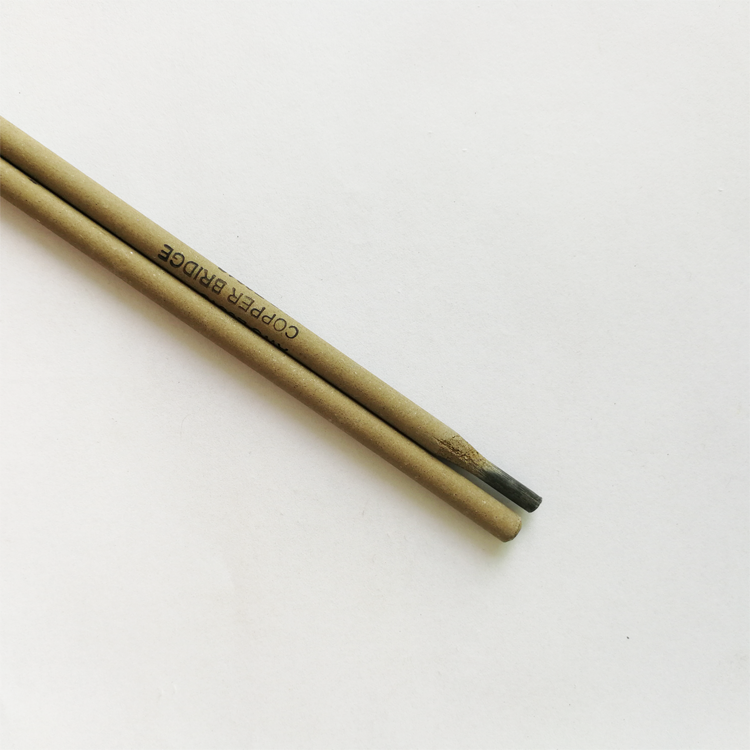
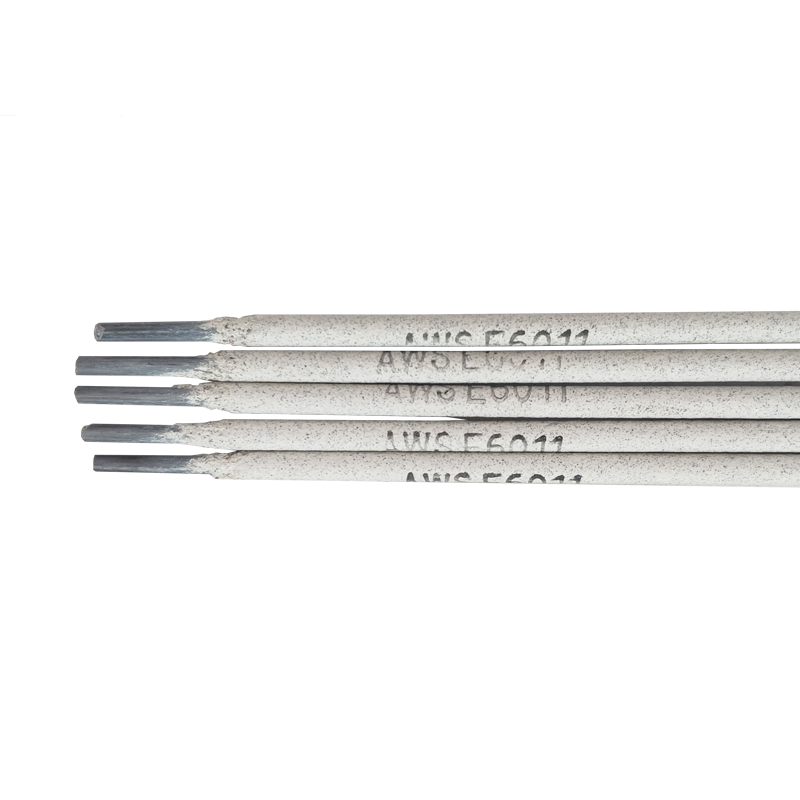
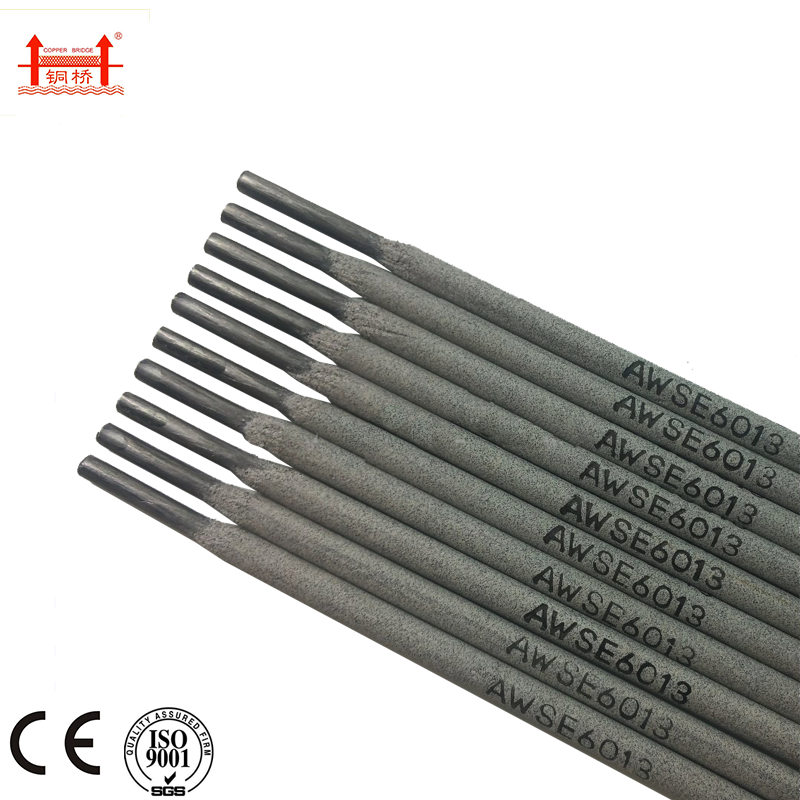
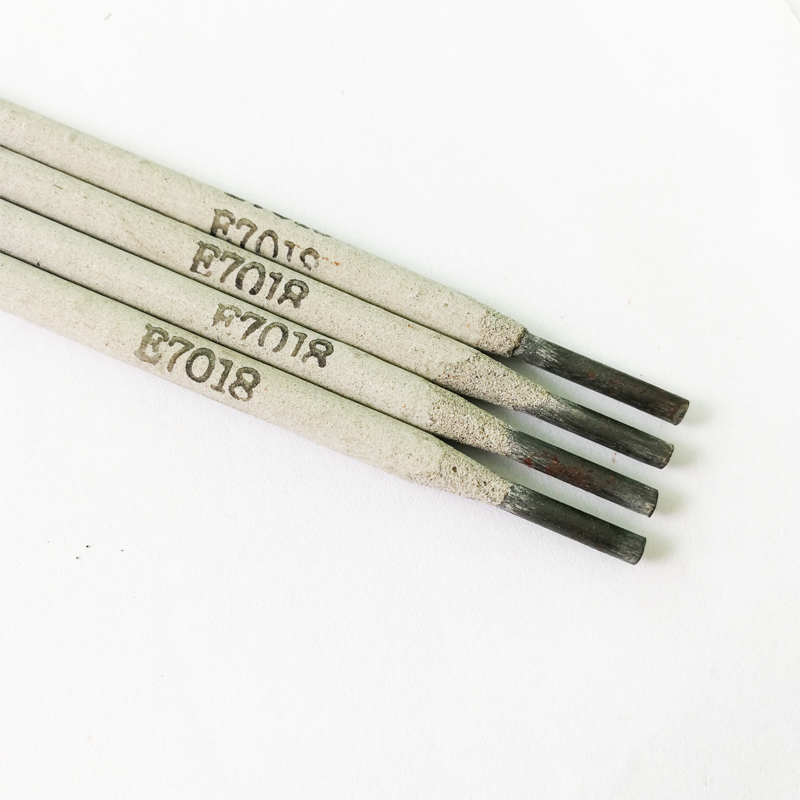
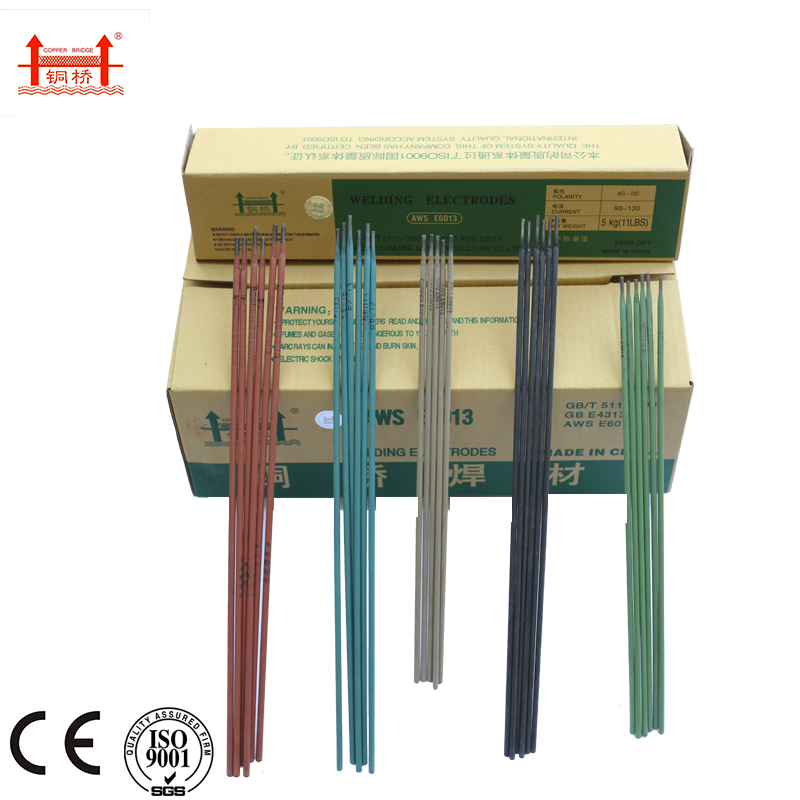
Image: High-quality stainless steel welding electrodes, ready for global distribution.
Conclusion
The aws e309 electrode classification represents a cornerstone in high-performance welding, providing robust solutions for critical applications involving dissimilar metal joining, cladding, and welding of specific stainless steels. Its balanced metallurgical properties, coupled with specialized variants like e309l 15 and e309 16, address the stringent demands of industries ranging from petrochemical and power generation to heavy manufacturing and water treatment. By consistently adhering to international quality standards, embracing meticulous manufacturing processes, and offering comprehensive technical support, we ensure that our electrodes deliver unparalleled reliability, extended service life, and tangible operational efficiencies, cementing their role as an indispensable component in modern industrial fabrication and maintenance strategies.
References
- American Welding Society. (2018). AWS A5.4/A5.4M:2018 - Specification for Stainless Steel Electrodes for Shielded Metal Arc Welding. Miami, FL: American Welding Society.
- ASM Handbook, Volume 6: Welding, Brazing, and Soldering. (1993). ASM International.
- L. S. Smith, P. M. Miller, R. D. Campbell (2020). "Metallurgical Considerations in Dissimilar Metal Welding for High-Temperature Applications." Journal of Materials Engineering and Performance, 29(7), 4123-4135.
- International Organization for Standardization. (2017). ISO 2560:2009 - Welding consumables — Covered electrodes for manual metal arc welding of non-alloy and fine grain steels — Classification.

Related Video

Related News

2026-04-16 02:35:10
Precision Guide for e312 16 welding rod and Dissimilar Steel Welding
In the demanding world of industrial fabrication and repair, selecting the correct filler metal is the difference between a structural failure and a lifetime bond. The e312 16 welding rod is specifically engineered to meet the rigorous needs of welding dissimilar steels, offering an exceptional balance of strength and corrosion resistance. Whether you are working on high-pressure pipelines or heavy machinery components, understanding the nuances of this specialized electrode is key to achieving professional-grade results. This guide explores the technical advantages and practical applications of the E312 series to help you optimize your welding workflow.
2026-04-09 02:35:17
Choosing the Right cs to ss welding rod number Professional Guide
Joining carbon steel (CS) to stainless steel (SS) is a common challenge in industrial fabrication, requiring a precise understanding of metallurgy to avoid weld failure. The most critical decision in this process is identifying the correct cs to ss welding rod number to ensure a strong, corrosion-resistant bond. Using the wrong filler metal can lead to cracking or premature oxidation due to the different thermal expansion rates of the two materials. In this comprehensive guide, we will break down the technical specifications and selection criteria to help you achieve a professional-grade weld every time.
2026-04-07 02:25:29
Comprehensive Guide to 409 Welding Rod Selection and Optimal Usage
When it comes to welding applications requiring corrosion resistance and good weldability, the 409 welding rod is a frequently chosen option. This article provides a detailed overview of this versatile welding rod, exploring its composition, applications, benefits, and considerations for optimal use. Whether you’re a seasoned professional or new to welding, understanding the properties of 409 welding rod is crucial for achieving high-quality, durable welds. We’ll cover everything you need to know to make informed decisions for your welding projects.
2026-04-04 02:35:28
Comprehensive Guide to 330 Stainless Steel Welding Rod Applications and Techniques
330 stainless steel welding rods are a crucial component in various industries, offering exceptional corrosion resistance and high-temperature strength. This article provides an in-depth look at these rods, covering their properties, applications, choosing the right rod, welding techniques, safety precautions, and where to find high-quality options. Whether you're a seasoned welding professional or new to the field, this guide will offer valuable insights.
2026-03-31 02:35:08
Comprehensive Guide to 312 Stainless Tig Rod for Superior Welding Performance
When choosing the right filler metal for your TIG welding projects, especially in demanding applications, 312 stainless steel tig rod stands out for its exceptional corrosion resistance and high-temperature strength. This comprehensive guide will explore its composition, applications, benefits, and how it compares to other stainless steel rods. We'll also point you to resources for sourcing high-quality rods.
2026-03-28 02:45:04
Comprehensive Guide to 312 17 Welding Rod Applications and Technical Details
Welding rods are essential consumables in the welding process, and selecting the right one is crucial for achieving strong, durable, and high-quality welds. The 312 17 welding rod is a popular choice for many applications due to its unique properties and versatility. This article delves into the characteristics, applications, benefits, and considerations when using 312 17 welding rods, providing a comprehensive resource for welders and engineers alike. Choosing the right rod directly impacts the success and longevity of any welding project.
2026-03-26 02:35:10
Comprehensive Guide to the 312 16 Welding Rod for Superior Steel Welding
The 312 16 welding rod is a versatile and widely-used electrode in various welding applications. Known for its excellent weldability and strong mechanical properties, it's a go-to choice for professionals and hobbyists alike. This article delves into the specifics of this electrode, covering its composition, applications, advantages, and how to choose the right one for your projects. Understanding the nuances of the 312 16 welding rod is crucial for achieving high-quality, durable welds. The designation "312 16" provides key information about the welding rod. "312" refers to the type of flux coating, specifically a low-hydrogen, iron powder coating. This coating is designed to produce welds with excellent mechanical properties and good resistance to cracking. The "16" indicates the diameter of the rod in 32nds of an inch – so a 312 16 rod has a diameter of 16/32 or 1/2 inch. This combination makes it suitable for a wide range of steel welding applications. The low-hydrogen nature of the flux minimizes hydrogen-induced cracking, a common issue in welding certain steels.
2026-03-24 02:45:07
Comprehensive Guide to 309LSI TIG Rod Welding Applications and Best Practices
The 309LSI TIG rod is a versatile welding consumable widely used across various industries for its exceptional corrosion resistance and weldability. This article will explore the properties, applications, advantages, and best practices associated with using 309LSI TIG rods. Whether you're a seasoned welding professional or new to the field, this guide will provide you with valuable insights into maximizing the performance and longevity of your welds. The 309LSI TIG rod is a stainless steel electrode specifically designed for Gas Tungsten Arc Welding (GTAW), commonly known as TIG welding. The "309LSI" designation indicates the alloy composition: 309 signifies the chromium-nickel content, 'L' denotes low carbon content for enhanced corrosion resistance, and 'SI' signifies stabilized with silicon for improved resistance to carbide precipitation during welding.

 English
  Arabic
  Bengali
  China
China  French
  German
  Hausa
Hausa  Indonesian
  Italian
  Japanese
  Javanese
  Malay
Malay  Persian
  Portuguese
  Punjabi
  Russian
  Spanish
  Swahili
  Telugu
  Vietnamese