

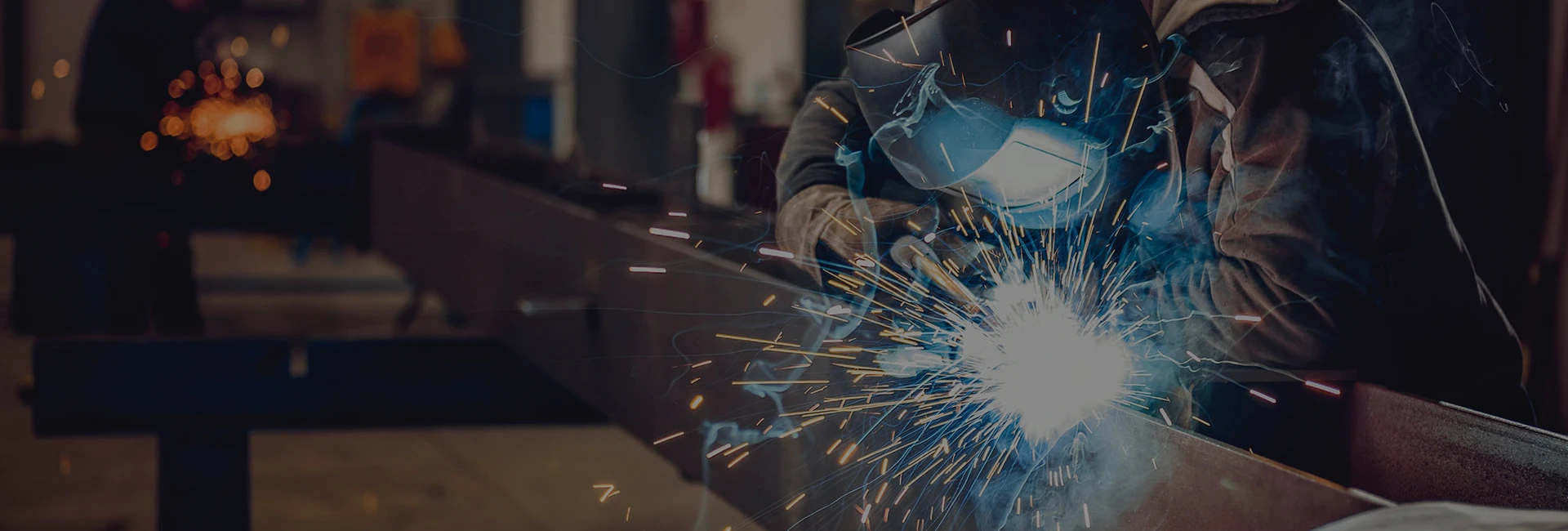
6011 vs 7018 Welding Rod: Choose the Best for Your Project

6011 vs 7018 Welding Rod: Choose the Best for Your Project
Sep . 01, 2025 06:40
Navigating Welding Electrode Choices: The Critical Role of E6011 and E7018
In the demanding world of B2B fabrication, construction, and repair, selecting the optimal welding electrode is paramount for ensuring structural integrity, operational efficiency, and long-term reliability. Two electrodes frequently encountered and debated by engineers and procurement specialists are the E6011 and E7018. Understanding the fundamental differences, ideal application scenarios, and technical specifications of these rods is crucial for making informed decisions that impact project success and profitability.
The choice between 6011 or 7018 welding rods hinges on several factors, including the base material, welding position, required mechanical properties, and environmental conditions. While both are essential tools in a welder's arsenal, their distinct characteristics cater to vastly different operational needs and performance expectations. This comprehensive overview delves into the specifics, offering a professional guide for B2B stakeholders.
Industry Trends Shaping Electrode Selection
The welding industry is continually evolving, driven by advancements in materials science, automation, and stringent safety standards. Current trends emphasize higher productivity, enhanced material performance, and greater sustainability. This translates into a demand for welding electrodes that offer superior mechanical properties, excellent operability in diverse conditions, and compliance with international standards such as AWS A5.1 and ISO 2560. The push for reduced rework and increased first-pass quality further elevates the importance of choosing the right electrode, whether it be for general-purpose fabrication or critical structural applications.
The Manufacturing Excellence Behind High-Performance Welding Electrodes
The superior performance of an E6011 or E7018 welding rod begins long before it reaches the end-user. A meticulous manufacturing process ensures each electrode meets the exacting standards required for reliable welds. This complex process involves several critical stages, from raw material selection to final inspection.
Detailed Process Flow: From Raw Materials to Finished Product
-
Raw Material Procurement & Preparation:
High-quality core wire (typically low carbon steel for E6011 and E7018) is sourced to precise metallurgical specifications. The flux ingredients, including cellulose, titanium dioxide, iron powder, and various silicates, are carefully selected, weighed, and milled to fine consistencies to ensure a homogeneous mix.
-
Flux Mixing & Blending:
The powdered flux components are precisely blended in industrial mixers. For E6011, the cellulosic content is high, providing deep penetration and a strong, forceful arc. For E7018, iron powder and low-hydrogen compounds are key to its exceptional mechanical properties and crack resistance. A binder solution is added to create a cohesive paste.
-
Extrusion:
The core wire is fed into an extrusion press, where the flux mixture is hydraulically pressed onto the wire, forming a uniform coating. This crucial step dictates the rod's diameter and coating consistency, which directly impacts arc stability and weld quality.
-
Baking & Drying:
After extrusion, the electrodes undergo a controlled baking and drying process in specialized ovens. For low-hydrogen electrodes like E7018, this step is critical to remove moisture and achieve the specified low hydrogen content, preventing hydrogen-induced cracking. E6011 rods are also dried to ensure coating integrity.
-
Tip Cleaning & Branding:
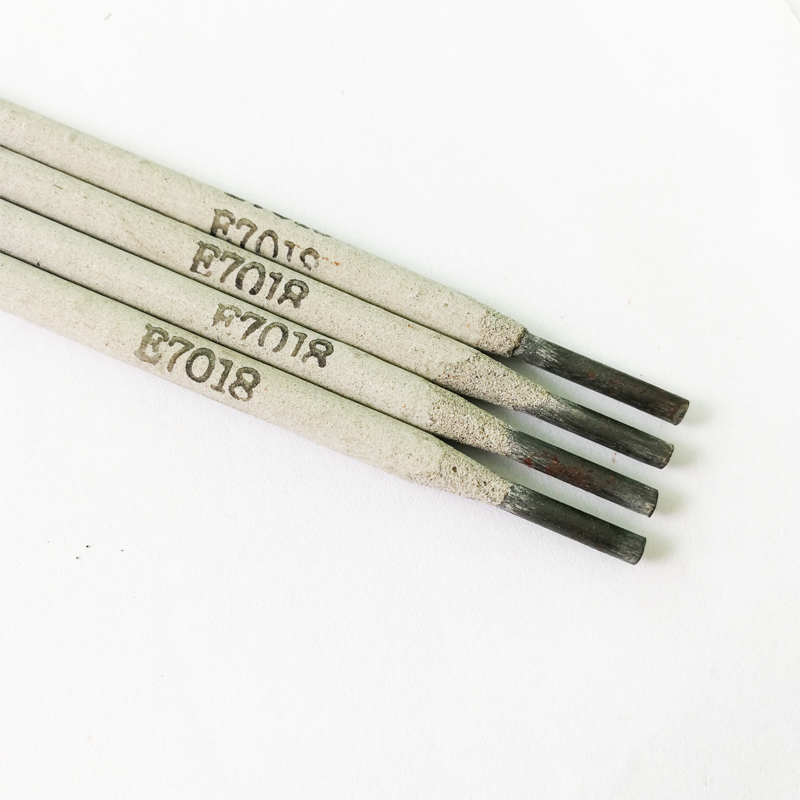
The striking end of the electrode is cleaned to ensure proper electrical contact. Each rod is then branded with its AWS classification (e.g., E6011 or E7018) and manufacturer information for traceability.
-
Quality Control & Testing:
Finished electrodes undergo rigorous testing to ensure compliance with international standards such as AWS A5.1/A5.5 and ISO 2560. This includes chemical analysis of the core wire and deposited weld metal, mechanical property tests (tensile strength, yield strength, elongation, impact toughness), radiographic inspection for internal defects, and extensive weldability tests (arc stability, slag removal, bead appearance).
-
Packaging:
Electrodes are packaged in hermetically sealed container111s or moisture-resistant packaging to protect them from environmental degradation, especially critical for low-hydrogen E7018 electrodes.
This structured approach to manufacturing guarantees the consistency and high performance expected by B2B clients, translating into superior weld quality and reduced project costs. The service life of these electrodes, when stored correctly, is extensive, ensuring material readiness when needed.
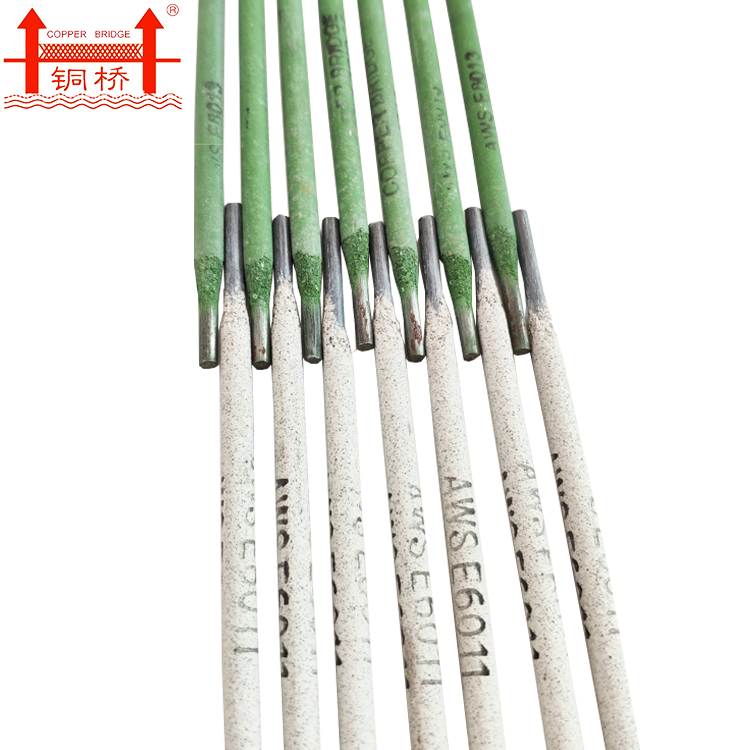
Precision manufacturing ensures the quality of every 6011 or 7018 welding rod.
Technical Specifications: E6011 vs. E7018 – A Deep Dive
Understanding the precise technical parameters of E6011 and E7018 is fundamental for professional welders and engineers. These specifications dictate their suitability for different applications and environments.
E6011 Welding Rod: Characteristics and Parameters
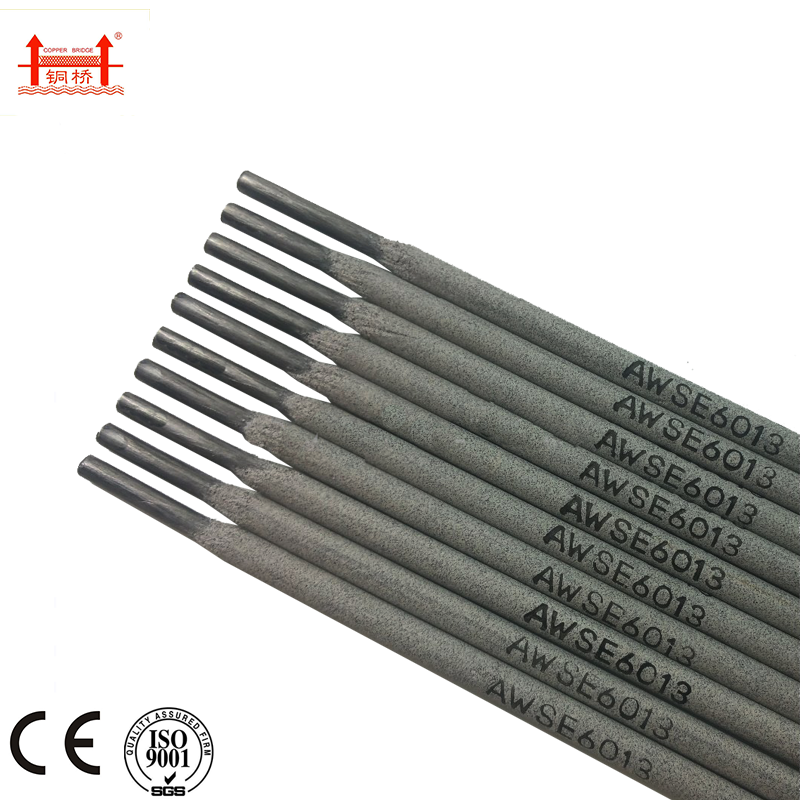
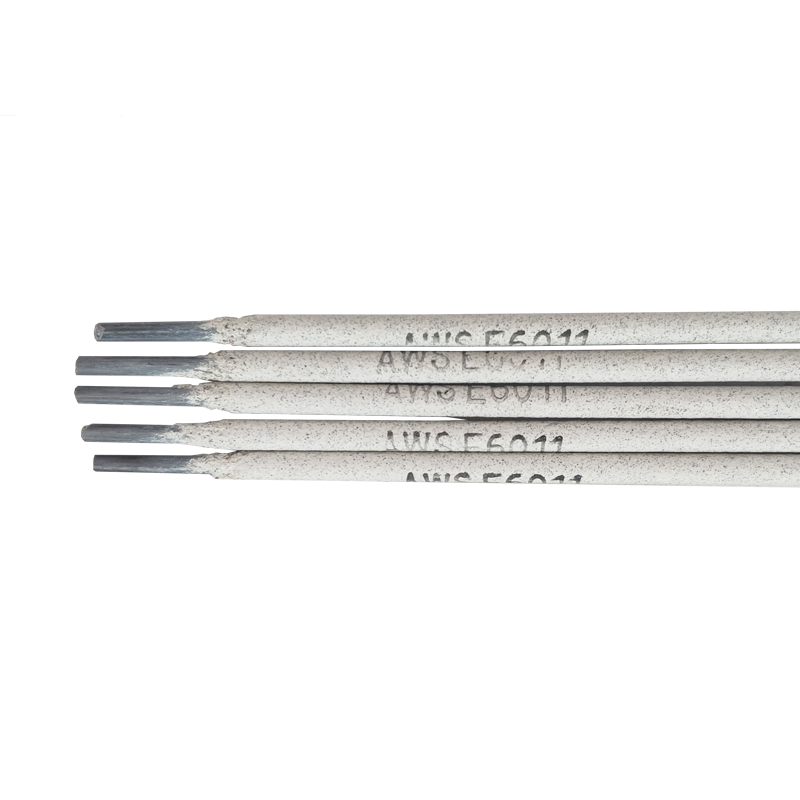
The E6011 electrode is a cellulosic, all-position, AC/DC reverse polarity rod known for its deep penetrating arc and strong, forceful spray-type transfer. It is particularly effective for welding through rust, paint, and dirt, making it ideal for field work and maintenance. Its fast-freezing slag allows for excellent control in all positions.
Copper Bridge Brand Welding Rod AWS 6011 - Typical Product Specifications
| Parameter | Specification (AWS A5.1 E6011) |
|---|---|
| Tensile Strength (min.) | 60,000 psi (410 MPa) |
| Yield Strength (min.) | 48,000 psi (330 MPa) |
| Elongation in 2" (min.) | 22% |
| Typical Current Range | AC or DC+ (DCEP) (e.g., 2.5mm: 60-90A; 3.2mm: 90-130A; 4.0mm: 130-180A) |
| Welding Positions | All positions |
| Primary Slag Type | Cellulosic, thin, easily removed |
| Typical Chemical Composition (Weld Metal %) | C: 0.10, Mn: 0.40, Si: 0.20 (approximate, varies by manufacturer) |
E7018 Welding Rod: Characteristics and Parameters
The E7018 electrode is a low-hydrogen, iron powder type, designed for producing high-quality welds in critical applications. It offers excellent mechanical properties, high ductility, and superior impact toughness at low temperatures. E7018 typically operates on DC reverse polarity (DCEP) but can also be used with AC. Its low hydrogen content minimizes the risk of hydrogen-induced cracking, making it a preferred choice for welding high-strength steels and thick sections.
Comparison: E6011 vs. E7018 Welding Rods
Understanding the difference between 6011 and 7018 welding rods is crucial for optimal project outcomes. The table below highlights key distinctions:
| Feature | E6011 (Cellulosic) | E7018 (Low-Hydrogen) |
|---|---|---|
| Flux Coating Type | High Cellulose | Rutile, Iron Powder, Low Hydrogen |
| Arc Characteristics | Forceful, Deep Penetration, Spray-type | Smooth, Stable, Medium Penetration, Fluid Puddle |
| Power Source | AC or DC+ (DCEP) | DC+ (DCEP) or AC |
| Slag Properties | Thin, easily removable, fast-freezing | Thick, heavy, good coverage, easily removable (after cooling) |
| Weld Appearance | Rougher bead, ripple effect | Smooth, uniform, clean bead |
| Mechanical Properties | Good strength, moderate ductility | Excellent strength, high ductility, superior impact toughness |
| Hydrogen Content | Higher (not low-hydrogen) | Very Low (reduces risk of cracking) |
| Radiographic Quality | Generally acceptable for general fabrication, not for critical applications | Excellent, suitable for X-ray inspection |
Application Scenarios Across Diverse Industries
The distinct properties of E6011 and E7018 electrodes dictate their preferred application environments. Understanding these scenarios is key for B2B decision-makers in project planning and material specification.
What is E6011 Welding Rod Used For? (E6011 Applications)
-
Field Erection and Repair:
Due to its deep penetration and ability to handle less-than-perfect surface conditions (rust, paint), E6011 is excellent for outdoor, on-site repairs in construction, agricultural machinery, and general maintenance where surface preparation is difficult.
-
Galvanized Steel:
Its forceful arc helps burn through the zinc coating, making it a common choice for welding galvanized materials, minimizing porosity.
-
Light to Medium Fabrication:
General shop fabrication, light structural work, and sheet metal applications where high deposition rates and good penetration are needed, but critical mechanical properties are not the absolute top priority.
-
Thin Sections and Poor Fit-up:
The fast-freezing slag and strong arc allow for better control on thin materials and when joint fit-up is less than ideal.
E7018 Welding Rod Applications
-
Heavy Fabrication and Structural Steel:
Ideal for bridges, buildings, heavy equipment, and other load-bearing structures where high strength, ductility, and impact toughness are critical.
-
Pressure Vessels and Pipelines:
Its low hydrogen content significantly reduces the risk of hydrogen-induced cracking, making it the preferred choice for applications requiring excellent radiographic quality and integrity under pressure.
-
Offshore and Marine Structures:
Used in shipbuilding and offshore platforms due to its superior mechanical properties, particularly impact toughness in cold environments, and resistance to saltwater corrosion.
-
High-Strength Low-Alloy (HSLA) Steels:
E7018 is specifically engineered to weld a variety of HSLA steels, providing compatible mechanical properties and crack resistance.
Target Industries and Demonstrated Advantages
-
Petrochemical & Energy:
E7018 is indispensable for oil and gas pipelines, refineries, and power generation facilities, where high-pressure and high-temperature environments demand utmost weld integrity and corrosion resistance.
-
Metallurgy & Heavy Manufacturing:
Both rods find use, with E7018 dominating in critical heavy machinery, crane components, and mining equipment where robust structural integrity is non-negotiable. E6011 shines in maintenance and repair of existing structures.
-
Water Supply & Drainage Infrastructure:
For water treatment plants, large diameter pipes, and pump stations, the reliability offered by 7018 vs 6011 (for critical load paths) is a key advantage. E6011 can be used for non-critical repairs or tack welding.
The demonstrated advantages include enhanced energy saving through efficient deposition, superior corrosion resistance (especially with E7018's robust weld metal), and uncompromised structural integrity, leading to extended service life and reduced maintenance costs for high-value assets.
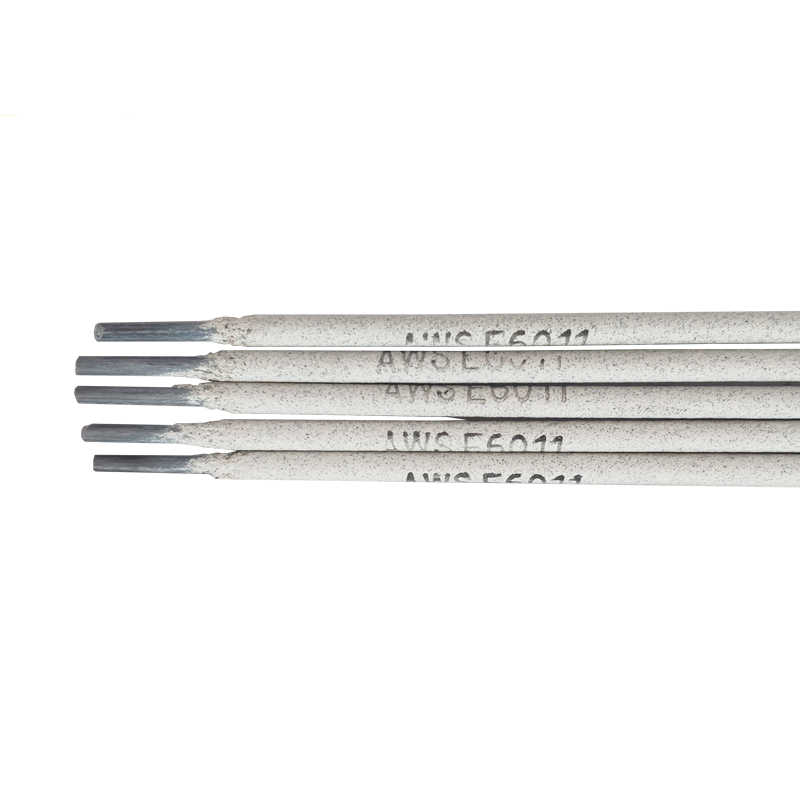
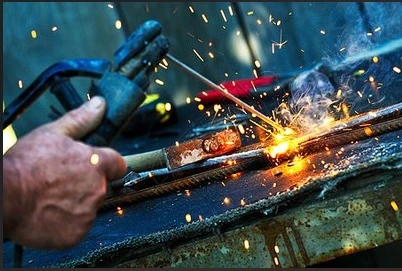
Welding applications demonstrate the versatility of 6011 or 7018 rods in various industrial settings.
Technical Advantages and Performance Metrics
A deeper understanding of the technical advantages each electrode offers clarifies why one might be chosen over the other for specific tasks. This goes beyond mere specifications to practical, on-the-job performance metrics.
Advantages of E6011 Welding Rod
-
Deep Penetration & Excellent Fusion:
The high cellulose content creates a powerful, digging arc that ensures deep penetration, making it ideal for welding through contaminated surfaces or for root passes in open butt joints. This characteristic provides strong fusion even with less-than-perfect joint preparation.
-
Versatility with AC/DC Current:
E6011 is highly versatile, performing exceptionally well on both AC and DC+ (DCEP) power sources. This flexibility is a significant advantage in field environments where power options might be limited, solidifying its role as a general-purpose, robust electrode.
-
All-Positional Capability & Fast Freezing Slag:
The fast-freezing slag allows welders to maintain control in all welding positions (flat, horizontal, vertical up/down, overhead), which is critical for complex fabrications and repairs.
Advantages of E7018 Welding Rod
-
Superior Mechanical Properties:
E7018 provides excellent tensile strength (min. 70,000 psi), high yield strength, and exceptional ductility and impact toughness, particularly at low temperatures. These properties are paramount for critical applications exposed to harsh conditions.
-
Low Hydrogen Content & Crack Resistance:
The "low-hydrogen" designation is its most significant advantage. It dramatically reduces the risk of hydrogen-induced cracking (cold cracking), a common failure mode in high-strength steels and thick sections. This makes it indispensable for critical, high-integrity welds.
-
Radiographic Quality Welds:
The high purity of the deposited weld metal, combined with excellent slag control and minimal porosity, results in welds of radiographic quality. This is a non-negotiable requirement for pressure vessels, bridges, and other structures subject to NDT (Non-Destructive Testing).
-
High Deposition Efficiency:
The iron powder in the flux coating contributes to a higher deposition rate, increasing productivity in flat and horizontal positions, making the 7018 vs 6011 comparison favorable for heavy fabrication in terms of efficiency.
Vendor Comparison and Customized Solutions
Choosing the right vendor for welding electrodes is as critical as selecting the right rod itself. B2B purchasers must evaluate vendors based on quality, reliability, technical support, and the ability to offer tailored solutions.
Key Factors in Vendor Evaluation
-
Product Quality and Consistency:
A reputable vendor consistently delivers electrodes that meet or exceed AWS and ISO standards. Batch-to-batch consistency in arc performance, mechanical properties, and slag removal is paramount.
-
Certifications and Compliance:
Vendors should hold relevant certifications (e.g., ISO 9001 for quality management, specific AWS classifications for their products) demonstrating adherence to industry best practices.
-
Technical Support and Expertise:
Access to experienced welding engineers and technical support for troubleshooting, application guidance, and training can significantly enhance operational efficiency.
-
Research and Development:
Vendors investing in R&D are more likely to offer innovative products that address emerging industry challenges, such as enhanced corrosion resistance or improved low-temperature impact toughness.
Customized Solutions for Specialized Needs
While standard E6011 and E7018 electrodes meet most requirements, some B2B projects demand highly specialized solutions. Leading manufacturers offer customization options to fine-tune electrode performance:
-
Diameter and Length Variations:
While standard sizes are common, custom diameters or lengths can be provided for specific automated processes or challenging access points.
-
Specific Flux Formulations:
Adjustments to flux chemistry can optimize characteristics like arc stability, slag removal, or even introduce alloying elements for enhanced weld metal properties (e.g., increased corrosion resistance for specific environments).
-
Packaging Solutions:
From bulk industrial packaging to moisture-resistant, hermetically sealed container111s for low-hydrogen rods like E7018, tailored packaging ensures optimal storage and readiness for diverse site conditions.
A manufacturer capable of providing such bespoke solutions demonstrates deep expertise and a commitment to partnership, offering a distinct competitive advantage for B2B clients with unique project demands.
Real-World Application Case Studies
Practical examples illustrate how the judicious selection of 6011 vs 7018 welding rod translates into tangible project benefits and overcomes complex challenges.
Case Study 1: Urgent Field Repair of Heavy Agricultural Machinery
A large agricultural enterprise faced an unexpected breakdown of a critical harvester during peak season. A structural component made of mild steel had cracked due to fatigue. The challenge was to perform a durable repair quickly, on-site, with limited preparation time and potentially dirty, rusty surfaces.
-
Solution:
The welding crew opted for E6011 electrodes (3.2mm and 4.0mm). The E6011's deep penetration and forceful arc allowed them to effectively burn through surface contaminants and achieve excellent fusion with minimal prior grinding or cleaning. Its fast-freezing slag facilitated overhead and vertical-down welding, accommodating the awkward positions encountered on the equipment.
-
Outcome:
The repair was completed within hours, restoring the harvester to operational status. The robust, deeply penetrating E6011 weld provided sufficient strength for the non-critical, yet vital, structural component, minimizing costly downtime and preventing significant crop loss. This validated the choice of what's the difference between 6011 and 7018 welding rod for field applications.
Case Study 2: Construction of a High-Rise Structural Steel Frame
A major construction project involving a new high-rise office building required the fabrication and erection of large, load-bearing structural steel beams and columns. These welds were subject to rigorous ultrasonic and radiographic inspection, and paramount importance was placed on achieving high strength, ductility, and crack resistance.
-
Solution:
E7018 electrodes (4.0mm and 5.0mm) were exclusively specified for all critical structural welds. The low-hydrogen properties of E7018 were crucial to prevent delayed hydrogen cracking in the thick steel sections, especially given the varying ambient temperatures during construction. Its excellent mechanical properties ensured the welds could withstand dynamic loads and seismic activity. Welders employed proper storage and re-baking procedures for the E7018 to maintain its low-hydrogen integrity.
-
Outcome:
All critical welds passed non-destructive testing with zero defects related to cracking or porosity, achieving the highest quality standards. The consistent performance and superior mechanical properties of E7018 contributed directly to the structural integrity and safety of the skyscraper, meeting stringent engineering specifications and regulatory requirements. This clearly demonstrated the critical role of difference between 6011 and 7018 for such demanding structural applications.
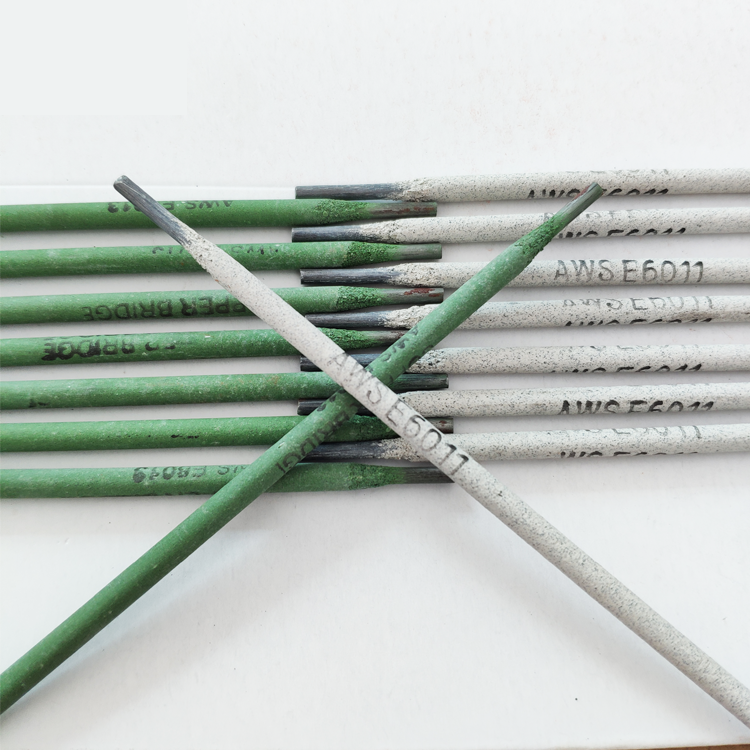
The right electrode, whether 6011 or 7018 welding rod, is essential for successful project execution.
Trust and Reliability: Our Commitment to B2B Partners
For B2B clients, trust is built on a foundation of proven quality, transparent operations, and unwavering support. Our commitment to these principles ensures that every `Copper Bridge Brand Welding Rod Aws 6011` or E7018 electrode delivered meets the highest industry standards.
Certifications and Quality Assurance
Our manufacturing facilities adhere to stringent quality management systems, evidenced by our ISO 9001 certification. Our electrodes, including the E6011 or 7018 welding rod, are consistently tested and certified to meet or exceed AWS A5.1/A5.5 and relevant international standards. This commitment to quality is continuously verified through internal audits and third-party inspections, ensuring full traceability from raw materials to the finished product.
Partner Clients and Years of Service
With over two decades in the welding industry, we have cultivated enduring partnerships with leading enterprises across petrochemical, construction, heavy machinery, and shipbuilding sectors. Our long-standing relationships are a testament to our consistent product quality and responsive service. Client testimonials frequently highlight our electrodes' reliability and the efficiency they bring to their fabrication processes.
Lead Time & Fulfillment
We understand the critical nature of timely delivery in B2B operations. Our streamlined production process and robust logistics network enable us to offer competitive lead times. Standard orders typically ship within 5-7 business days, with expedited options available for urgent requirements. We maintain strategic inventory levels of popular electrodes to ensure prompt fulfillment and minimize project delays for our clients.
Warranty Commitments
All our welding electrodes are backed by a comprehensive warranty against manufacturing defects. We guarantee that our products will perform as per their published specifications when stored and used correctly. Our dedicated quality assurance team investigates any product concerns promptly, providing resolutions that uphold our commitment to customer satisfaction.
Customer Support and After-Sales Service
Our support doesn't end with a sale. Our team of experienced welding engineers and technical specialists is available to provide expert advice, application troubleshooting, and training. Whether it's guiding you on the optimal amperage settings for a specific joint, advising on storage best practices for difference between 6011 and 7018 welding rods, or assisting with complex material combinations, our after-sales support ensures you derive maximum value from our products.
Frequently Asked Questions (FAQ)
- Q: What is the primary difference between 6011 and 7018 welding rods?
- A: The primary difference between 6011 and 7018 lies in their flux coating, arc characteristics, mechanical properties, and ideal applications. E6011 is a cellulosic electrode with a forceful, deep-penetrating arc, excellent for general-purpose welding, dirty or rusty metal, and all positions, especially for field work. E7018 is a low-hydrogen, iron powder electrode known for superior mechanical properties, high ductility, impact toughness, and crack resistance, making it ideal for critical structural applications requiring radiographic quality welds.
- Q: Can I use E6011 for critical structural welds?
- A: While E6011 offers good strength, it is generally not recommended for critical structural welds that require high impact toughness, excellent ductility, and radiographic quality, or where hydrogen-induced cracking is a concern. For such applications, E7018 is the preferred choice due to its low-hydrogen properties and superior mechanical performance.
- Q: How should E7018 electrodes be stored?
- A: E7018 electrodes are low-hydrogen and highly susceptible to moisture absorption, which can lead to hydrogen-induced cracking. They must be stored in hermetically sealed container111s or in a heated electrode oven (rod oven) at temperatures typically between 250°F and 300°F (120°C - 150°C) to maintain their low moisture content. Unused electrodes exposed to atmospheric conditions for too long may need to be re-baked as per manufacturer specifications.
- Q: Is E6011 suitable for AC welding machines?
- A: Yes, E6011 is highly versatile and performs exceptionally well on both AC and DC+ (DCEP) welding machines. This makes it a popular choice for situations where only AC power is available or for smaller, portable welding units.
- Q: What are the main benefits of using a low-hydrogen electrode like E7018?
- A: The main benefits of using E7018 include superior mechanical properties (high strength, ductility, and impact toughness), excellent resistance to hydrogen-induced cracking, and the ability to produce radiographic quality welds. These characteristics make it indispensable for welding thick sections, high-strength steels, and critical structures.
Conclusion
The strategic choice between 6011 or 7018 welding electrodes is a cornerstone of successful B2B welding operations. Each electrode, with its unique properties and advantages, addresses specific industrial challenges. The E6011 excels in field repairs and general fabrication where adaptability to imperfect conditions and deep penetration are key. In contrast, the E7018 is the undisputed champion for critical structural applications demanding exceptional mechanical properties, low hydrogen content, and radiographic integrity.
By aligning the technical requirements of a project with the precise capabilities of the welding electrode, B2B stakeholders can optimize weld quality, enhance operational efficiency, ensure compliance with stringent standards, and ultimately, safeguard the longevity and performance of their fabricated assets. Partnering with a reputable manufacturer that provides certified products, extensive technical support, and customized solutions further reinforces this strategic advantage, empowering businesses to achieve welding excellence in every endeavor.
References
- American Welding Society (AWS) A5.1/A5.1M:2017. Specification for Carbon Steel Electrodes for Shielded Metal Arc Welding.
- International Organization for Standardization (ISO) 2560:2020. Welding consumables — Covered electrodes for manual metal arc welding of non-alloy and fine grain steels — Classification.
- The Welding Institute (TWI). Understanding the Difference Between Welding Electrode Classifications.
- Lincoln Electric Company. Understanding Electrode Classifications.

Related Video

Related News
2026-04-16 02:35:10
Precision Guide for e312 16 welding rod and Dissimilar Steel Welding
In the demanding world of industrial fabrication and repair, selecting the correct filler metal is the difference between a structural failure and a lifetime bond. The e312 16 welding rod is specifically engineered to meet the rigorous needs of welding dissimilar steels, offering an exceptional balance of strength and corrosion resistance. Whether you are working on high-pressure pipelines or heavy machinery components, understanding the nuances of this specialized electrode is key to achieving professional-grade results. This guide explores the technical advantages and practical applications of the E312 series to help you optimize your welding workflow.
2026-04-09 02:35:17
Choosing the Right cs to ss welding rod number Professional Guide
Joining carbon steel (CS) to stainless steel (SS) is a common challenge in industrial fabrication, requiring a precise understanding of metallurgy to avoid weld failure. The most critical decision in this process is identifying the correct cs to ss welding rod number to ensure a strong, corrosion-resistant bond. Using the wrong filler metal can lead to cracking or premature oxidation due to the different thermal expansion rates of the two materials. In this comprehensive guide, we will break down the technical specifications and selection criteria to help you achieve a professional-grade weld every time.
2026-04-07 02:25:29
Comprehensive Guide to 409 Welding Rod Selection and Optimal Usage
When it comes to welding applications requiring corrosion resistance and good weldability, the 409 welding rod is a frequently chosen option. This article provides a detailed overview of this versatile welding rod, exploring its composition, applications, benefits, and considerations for optimal use. Whether you’re a seasoned professional or new to welding, understanding the properties of 409 welding rod is crucial for achieving high-quality, durable welds. We’ll cover everything you need to know to make informed decisions for your welding projects.
2026-04-04 02:35:28
Comprehensive Guide to 330 Stainless Steel Welding Rod Applications and Techniques
330 stainless steel welding rods are a crucial component in various industries, offering exceptional corrosion resistance and high-temperature strength. This article provides an in-depth look at these rods, covering their properties, applications, choosing the right rod, welding techniques, safety precautions, and where to find high-quality options. Whether you're a seasoned welding professional or new to the field, this guide will offer valuable insights.
2026-03-31 02:35:08
Comprehensive Guide to 312 Stainless Tig Rod for Superior Welding Performance
When choosing the right filler metal for your TIG welding projects, especially in demanding applications, 312 stainless steel tig rod stands out for its exceptional corrosion resistance and high-temperature strength. This comprehensive guide will explore its composition, applications, benefits, and how it compares to other stainless steel rods. We'll also point you to resources for sourcing high-quality rods.
2026-03-28 02:45:04
Comprehensive Guide to 312 17 Welding Rod Applications and Technical Details
Welding rods are essential consumables in the welding process, and selecting the right one is crucial for achieving strong, durable, and high-quality welds. The 312 17 welding rod is a popular choice for many applications due to its unique properties and versatility. This article delves into the characteristics, applications, benefits, and considerations when using 312 17 welding rods, providing a comprehensive resource for welders and engineers alike. Choosing the right rod directly impacts the success and longevity of any welding project.
2026-03-26 02:35:10
Comprehensive Guide to the 312 16 Welding Rod for Superior Steel Welding
The 312 16 welding rod is a versatile and widely-used electrode in various welding applications. Known for its excellent weldability and strong mechanical properties, it's a go-to choice for professionals and hobbyists alike. This article delves into the specifics of this electrode, covering its composition, applications, advantages, and how to choose the right one for your projects. Understanding the nuances of the 312 16 welding rod is crucial for achieving high-quality, durable welds. The designation "312 16" provides key information about the welding rod. "312" refers to the type of flux coating, specifically a low-hydrogen, iron powder coating. This coating is designed to produce welds with excellent mechanical properties and good resistance to cracking. The "16" indicates the diameter of the rod in 32nds of an inch – so a 312 16 rod has a diameter of 16/32 or 1/2 inch. This combination makes it suitable for a wide range of steel welding applications. The low-hydrogen nature of the flux minimizes hydrogen-induced cracking, a common issue in welding certain steels.
2026-03-24 02:45:07
Comprehensive Guide to 309LSI TIG Rod Welding Applications and Best Practices
The 309LSI TIG rod is a versatile welding consumable widely used across various industries for its exceptional corrosion resistance and weldability. This article will explore the properties, applications, advantages, and best practices associated with using 309LSI TIG rods. Whether you're a seasoned welding professional or new to the field, this guide will provide you with valuable insights into maximizing the performance and longevity of your welds. The 309LSI TIG rod is a stainless steel electrode specifically designed for Gas Tungsten Arc Welding (GTAW), commonly known as TIG welding. The "309LSI" designation indicates the alloy composition: 309 signifies the chromium-nickel content, 'L' denotes low carbon content for enhanced corrosion resistance, and 'SI' signifies stabilized with silicon for improved resistance to carbide precipitation during welding.

 English
  Arabic
  Bengali
  China
China  French
  German
  Hausa
Hausa  Indonesian
  Italian
  Japanese
  Javanese
  Malay
Malay  Persian
  Portuguese
  Punjabi
  Russian
  Spanish
  Swahili
  Telugu
  Vietnamese