

6011 vs 7018 Welding Rod: Choosing the Right Electrode

6011 vs 7018 Welding Rod: Choosing the Right Electrode
Sep . 02, 2025 06:40
Strategic Selection of Welding Electrodes: Navigating 6011 and 7018 for Industrial Excellence
In the demanding landscape of industrial fabrication and construction, the choice of welding electrodes is paramount to achieving structural integrity, operational efficiency, and long-term reliability. Among the myriad options, two classifications frequently emerge as critical considerations for engineers and procurement specialists: the AWS E6011 and E7018 electrodes. This guide delves into the technical nuances, application scenarios, and strategic advantages of selecting the appropriate 6011 or 7018 welding rod for various B2B applications. Understanding their distinct characteristics is key to optimizing welding processes, reducing rework, and ensuring compliance with stringent industry standards.
Industry Trends Shaping Welding Electrode Demand
The global welding industry is undergoing significant transformation, driven by factors such as increasing infrastructure development, the push for automation, and heightened demand for specialized materials. Key trends include the growing adoption of high-strength steels, the need for enhanced weld quality and consistency, and a rising emphasis on sustainable manufacturing practices. Manufacturers are increasingly seeking electrodes that offer superior mechanical properties, improved deposition rates, and versatility across various welding positions. Furthermore, the drive towards greater energy efficiency and reduced environmental impact influences material selection, leading to demand for electrodes that minimize spatter and fume generation. These trends underscore the critical importance of a nuanced understanding of electrode capabilities, particularly when differentiating between options like a 6011 or 7018 welding rod.
Market Insights and Forecasts
- The global welding consumables market is projected to grow at a CAGR of approximately 4.5% from 2023 to 2030, driven by the expansion of the construction, automotive, and heavy engineering sectors.
- Demand for electrodes with low hydrogen content, like E7018, is increasing due to stringent quality requirements in critical applications such as pressure vessels and offshore structures.
- Innovation in flux formulations for electrodes such as E6011 is focusing on improved arc stability and enhanced performance on less-than-ideal surface conditions, catering to maintenance and repair operations.
Technical Specifications: E6011 vs. E7018 Welding Rods
A thorough understanding of the technical specifications is fundamental to selecting the correct electrode. Both E6011 and E7018 are classified by the American Welding Society (AWS) based on their mechanical properties, usability, and coating type. The "E" signifies electrode, the first two digits indicate tensile strength (in KSI), the third digit specifies welding position, and the fourth digit describes current type and coating. The key differentiator for many applications lies in understanding the core properties that dictate their performance.
E6011 Welding Rod: Characteristics and Parameters
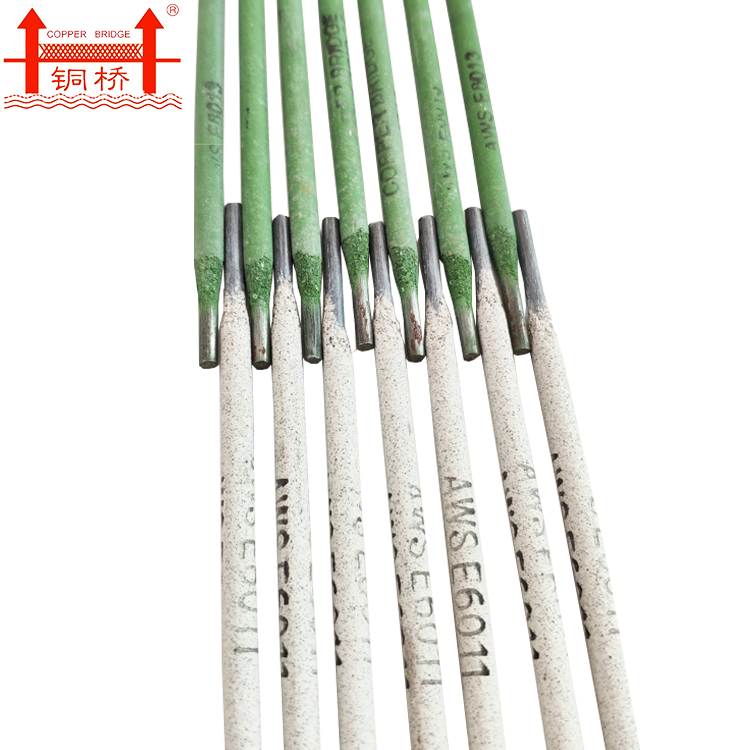
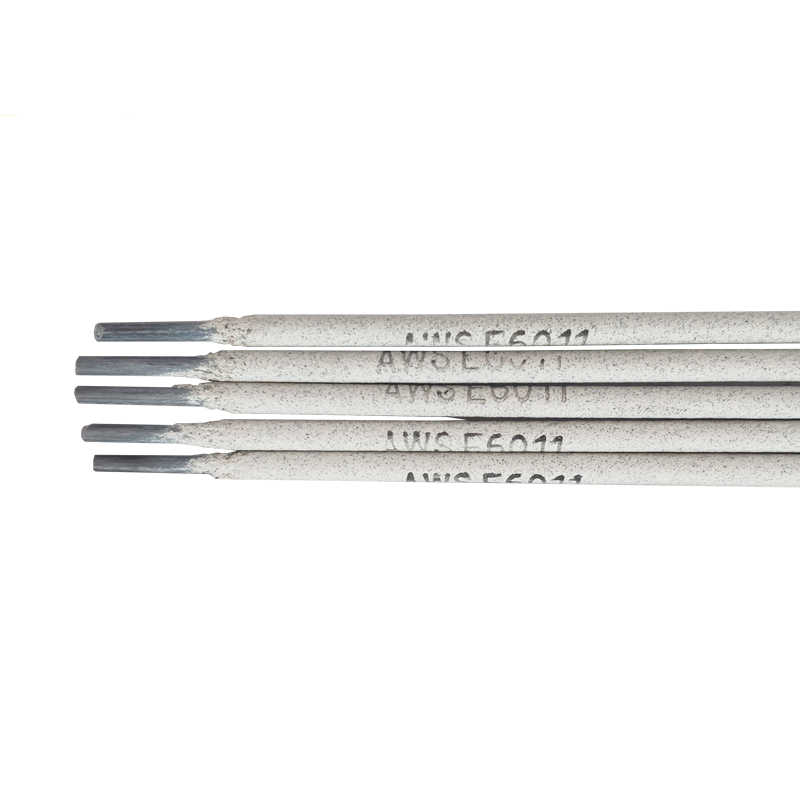
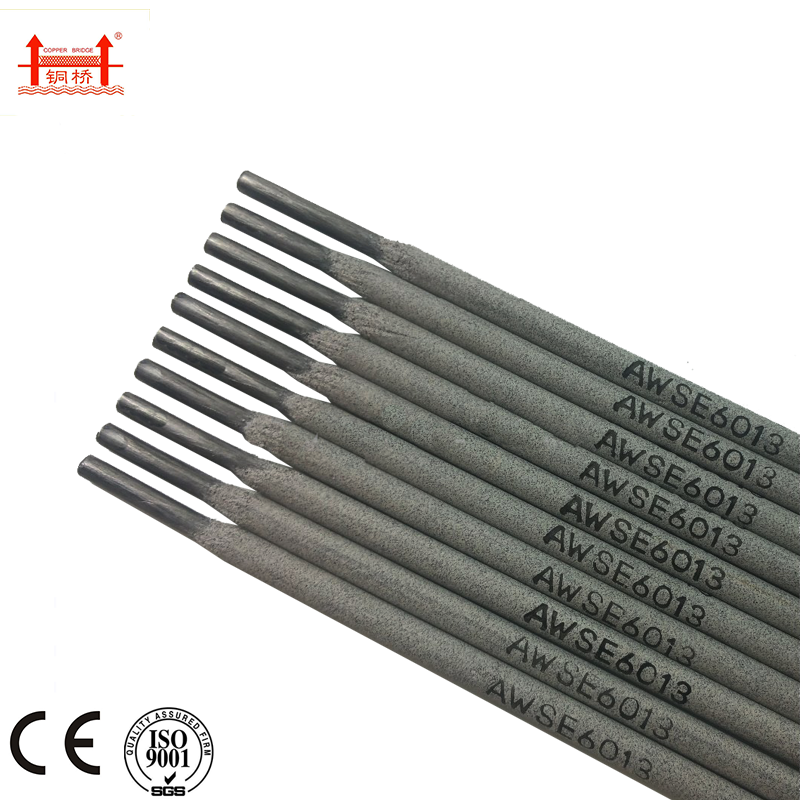
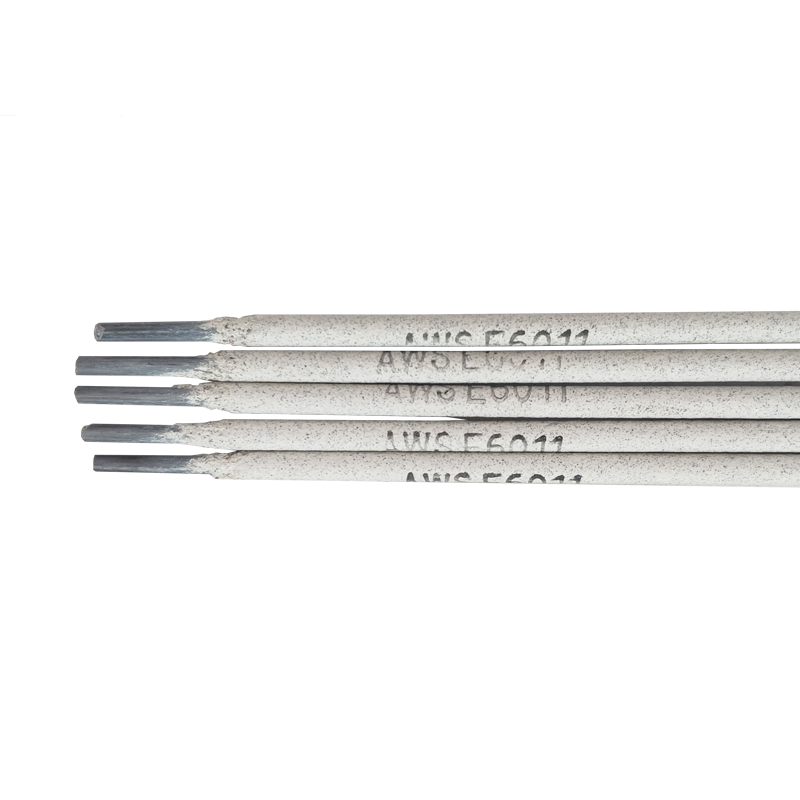
The E6011 electrode is a cellulosic-coated rod designed for all-position welding with AC or DC+ current. Its key characteristic is a deep, penetrating arc and a forceful spray, making it highly effective on dirty, rusty, or painted surfaces. This rod excels in out-of-position welding, particularly vertical-down applications, where its fast-freezing slag is advantageous. It produces a rougher, more rippled bead compared to low-hydrogen electrodes.
| Parameter | Specification (AWS A5.1) |
|---|---|
| Tensile Strength | ≥ 60,000 psi (410 MPa) |
| Yield Strength | ≥ 48,000 psi (330 MPa) |
| Elongation | ≥ 22% |
| Welding Positions | All (F, H, V-O, V-D, OH) |
| Current Type | AC or DC+ (Reverse Polarity) |
| Coating Type | High Cellulose Sodium |
| Penetration | Deep |
E7018 Welding Rod: Characteristics and Parameters
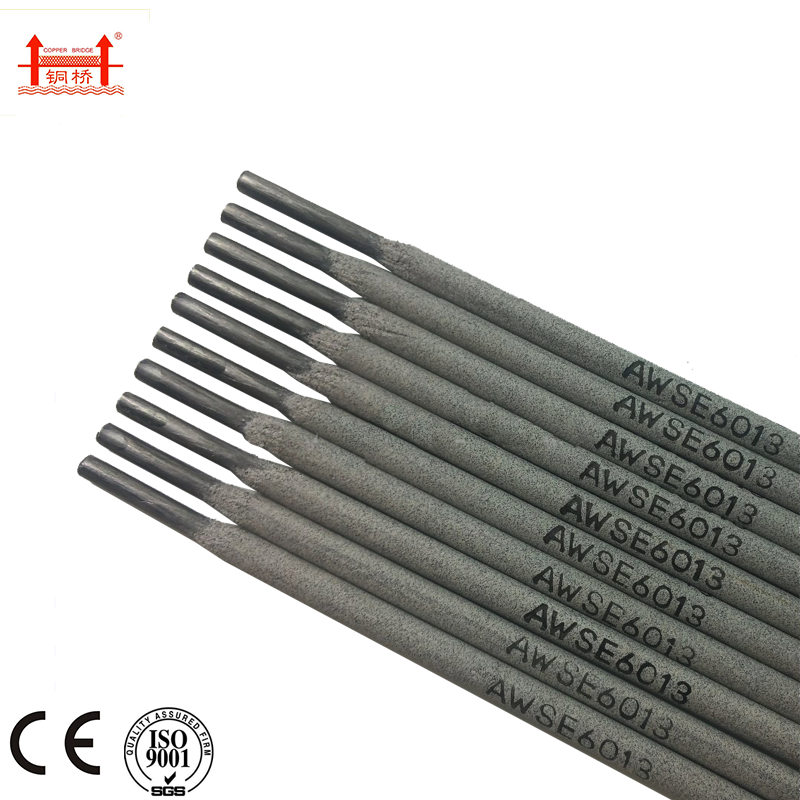
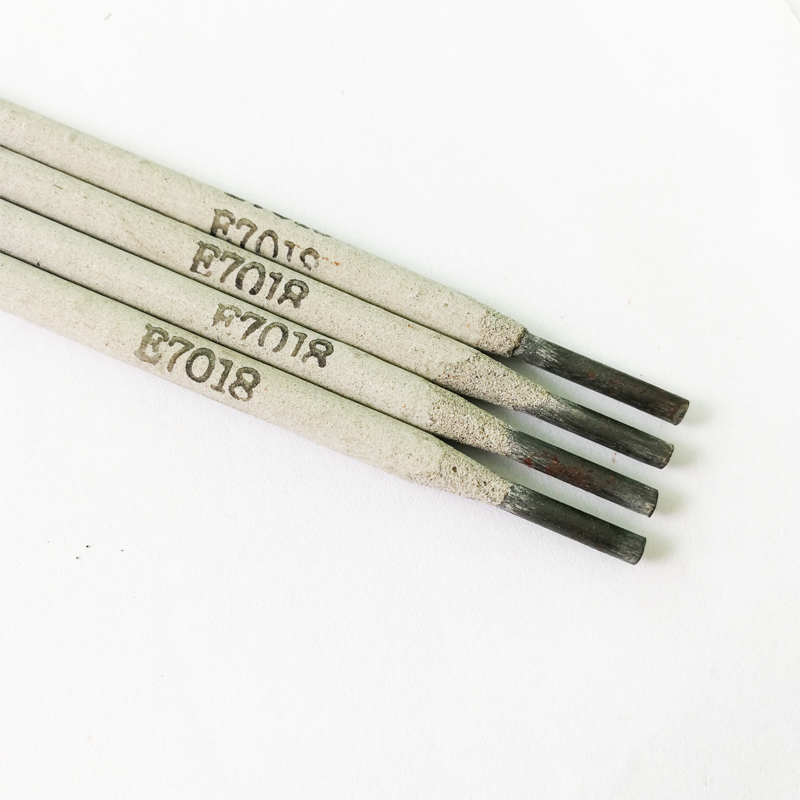
The E7018 electrode is a low-hydrogen, iron powder coated rod, also suitable for all-position welding, primarily with DC+ current, though AC is also possible with certain formulations. Its distinguishing feature is its low hydrogen content, which makes it ideal for welding critical structures, high-strength steels, and applications where hydrogen-induced cracking is a concern. E7018 produces a smooth, stable arc, excellent bead appearance, and high deposition rates, resulting in welds with superior mechanical properties and toughness.
| Parameter | Specification (AWS A5.1) |
|---|---|
| Tensile Strength | ≥ 70,000 psi (480 MPa) |
| Yield Strength | ≥ 58,000 psi (400 MPa) |
| Elongation | ≥ 22% |
| Welding Positions | All (F, H, V-O, OH) |
| Current Type | DC+ (preferred), AC |
| Coating Type | Low Hydrogen, Iron Powder |
| Penetration | Medium |
Manufacturing Process of High-Quality Welding Electrodes
The production of high-performance welding electrodes, whether a 6011 or 7018 type, involves a precise and meticulously controlled manufacturing process to ensure consistent quality and performance. This process adheres to strict international standards such as ISO 2560 and AWS A5.1, guaranteeing product reliability for critical industrial applications.
Process Flow Overview:
- Core Wire Preparation: High-quality steel wire rods are drawn to precise diameters. This core wire forms the electrical conductor and part of the filler metal. Material composition, typically low carbon steel, is strictly controlled to meet AWS specifications.
- Flux Material Formulation: The electrode's performance is largely determined by its flux coating. Raw materials (e.g., cellulose for E6011; iron powder, calcium carbonate, ferrosilicon for E7018) are carefully weighed, mixed, and blended into a homogeneous paste according to proprietary formulas. This step dictates arc stability, slag formation, and mechanical properties of the weld metal.
- Extrusion: The prepared core wire is fed through an extrusion die, where the flux paste is uniformly applied around the wire under high pressure. This ensures a concentric and consistent coating thickness, critical for arc stability and current flow.
- Drying and Baking: Electrodes are then subjected to controlled drying and baking processes. E6011 electrodes typically undergo lower temperature drying, while low-hydrogen electrodes like E7018 require high-temperature baking (e.g., 350-450°C for several hours) to reduce moisture content to extremely low levels, preventing hydrogen-induced cracking.
- Tip Cleaning and Branding: After baking, the electrodes are end-cleaned to ensure good electrical contact and stamped with identifying information (AWS classification, batch number).
- Quality Control and Testing: Throughout the entire process, rigorous testing is conducted. This includes chemical analysis of raw materials and finished welds, mechanical property testing (tensile strength, impact toughness), bend tests, and radiographic inspection of test welds. Adherence to standards like ISO 9001 and AWS A5.1 is verified.
- Packaging: Finished electrodes are packaged in moisture-resistant materials (e.g., hermetically sealed tins for E7018) to maintain their integrity and performance until use.
The service life of a welding electrode is primarily determined by its storage conditions. Properly stored electrodes, especially low-hydrogen types, can maintain their optimal performance for several years, provided they are kept in dry, controlled environments or re-baked before use according to manufacturer specifications.
Application Scenarios and Target Industries
The distinct characteristics of E6011 and E7018 electrodes dictate their suitability for different applications across various industrial sectors. Understanding these applications is crucial for optimizing weld quality and operational efficiency.
What is E6011 Welding Rod Used For?
- General Fabrication & Maintenance: Its deep penetration and ability to handle contaminated surfaces make E6011 excellent for maintenance welding, repair work on rusty or painted steel, and general fabrication where surface preparation is minimal.
- Pipelines (Root Pass): In specific pipeline applications, especially smaller diameter pipes, E6011 is favored for its forceful arc and ability to achieve deep penetration on the root pass, offering good wash-in and control.
- Sheet Metal & Light Gauge Materials: While having deep penetration, skilled welders can use E6011 for sheet metal, especially in vertical-down positions, due to its fast-freezing slag.
- Target Industries: Agriculture, general construction, automotive repair, light manufacturing, and onsite repair work in petrochemical and mining sectors.
- Advantages: Excellent arc force for cleaning through contaminants, good for out-of-position welding (especially vertical down), versatile with AC/DC current.
E7018 Welding Rod Applications:
- Heavy Structural Steel Fabrication: E7018 is the workhorse for structural steel, bridges, heavy machinery, and any application requiring high-strength, tough, and crack-resistant welds.
- Pressure Vessels & Boilers: Due to its low hydrogen content, it is mandatory for welding pressure-retaining components to prevent hydrogen embrittlement and ensure critical safety standards.
- Pipelines (Fill & Cap Passes): Often used for fill and cap passes in pipeline welding where high strength and good mechanical properties are required, typically over an E6010 or E6011 root pass.
- Shipbuilding & Offshore Structures: Critical for marine applications exposed to dynamic loads and corrosive environments.
- Target Industries: Heavy construction, energy (oil & gas, power generation), shipbuilding, heavy equipment manufacturing, nuclear facilities.
- Advantages: Superior mechanical properties (tensile strength, impact toughness), low hydrogen for crack resistance, excellent bead appearance, high deposition rates, good for radiographic quality welds.
Choosing between 6011 or 7018 ultimately depends on the specific project requirements, base material conditions, and the desired mechanical properties of the final weld. Both offer unique strengths that make them indispensable in modern industrial welding.
Key Differences: What's the Difference Between 6011 and 7018 Welding Rod?
The distinction between these two widely used electrodes is crucial for optimal welding outcomes. While both are versatile, their fundamental differences in coating, arc characteristics, and weld properties guide their application.
| Feature | AWS E6011 | AWS E7018 |
|---|---|---|
| Coating Type | High Cellulose Sodium/Potassium | Low Hydrogen Iron Powder |
| Hydrogen Content | High | Very Low (H4/H8 classification) |
| Arc Characteristics | Forceful, deep penetrating, somewhat spattery | Smooth, stable, soft arc, minimal spatter |
| Weld Penetration | Deep | Medium |
| Slag Characteristics | Thin, easily removable, fast-freezing | Heavy, easily removable, slow-freezing |
| Weld Bead Appearance | Roughened, slightly rippled | Smooth, fine ripple, excellent aesthetics |
| Mechanical Properties | Good tensile strength, adequate toughness | Superior tensile strength, excellent toughness, good impact properties |
| Base Metal Condition | Tolerant to rust, paint, and mill scale | Requires clean, well-prepared surfaces |
| Operator Skill Level | Moderate to high, requires good arc manipulation | Moderate, good puddle control needed, less forgiving if stored improperly |
This comparison highlights why the decision between 7018 vs 6011 is not arbitrary but rather a strategic choice based on project specifications, material conditions, and desired weld integrity. For critical applications demanding high strength and ductility, E7018 is generally preferred, whereas E6011 excels in conditions requiring deep penetration and tolerance for imperfect surfaces.
Technical Advantages and Performance Benefits
Both 6011 and 7018 electrodes offer distinct technical advantages that contribute to their widespread use. Leveraging these benefits ensures optimized welding performance and cost-effectiveness.
- E6011 Advantages:
- Deep Penetration: Ideal for welding through rust, scale, and other surface impurities, reducing pre-weld preparation time.
- All-Position Versatility: Excellent for out-of-position welds, particularly vertical-down, making it highly adaptable for field repairs and complex structures.
- AC/DC Compatibility: Can be used with both alternating current (AC) and direct current electrode positive (DC+), offering flexibility with various welding machines.
- Energy Saving: Efficient arc transfer minimizes power consumption for specific applications.
- E7018 Advantages:
- Superior Mechanical Properties: Delivers high tensile strength, excellent yield strength, and exceptional impact toughness, crucial for critical structural applications.
- Low Hydrogen Content: Minimizes the risk of hydrogen-induced cracking (HIC), a common issue in high-strength steels and thick sections, enhancing weld integrity and service life.
- Corrosion Resistance: Welds often exhibit improved resistance to certain corrosive environments due to cleaner weld metal.
- High Deposition Rate: The iron powder in the flux coating contributes to a higher deposition efficiency, leading to faster welding times and increased productivity.
- Excellent Weld Appearance: Produces a smooth, uniform bead with minimal spatter and easily removable slag, reducing post-weld cleaning and finishing costs.
- Radiographic Quality: Consistently produces welds with minimal porosity and inclusions, making it suitable for applications requiring radiographic inspection.
Vendor Comparison and Customized Solutions
Selecting the right supplier for welding electrodes, whether for 6011 vs 7018 welding rod, is as crucial as selecting the rod itself. A reputable vendor offers not just products but also expertise, consistency, and support.
Key Factors in Vendor Evaluation:
- Certifications and Compliance: Verify adherence to international standards like ISO 9001 (Quality Management), AWS A5.1, and other relevant industry-specific certifications (e.g., CE, Lloyd's Register).
- Product Consistency: A reliable vendor ensures batch-to-batch consistency in electrode performance, critical for maintaining weld quality and reducing operational variability.
- Technical Support: Access to expert technical assistance for troubleshooting, application guidance, and optimal parameter settings.
- Supply Chain Reliability: Timely delivery and robust inventory management are vital to prevent project delays.
- Customization Capabilities: For specialized projects, the ability to provide customized solutions, such as specific diameter/length combinations or flux formulations, is a significant advantage.
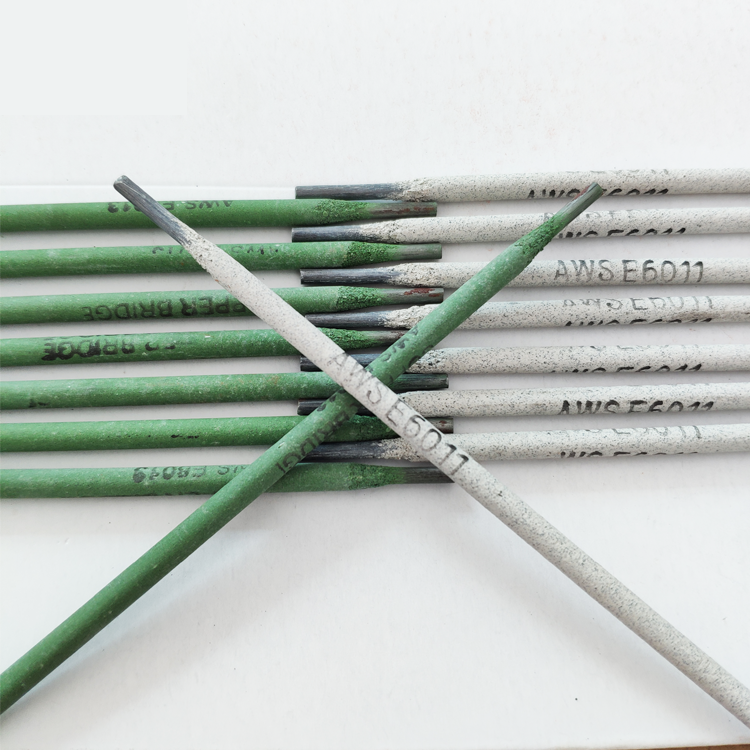
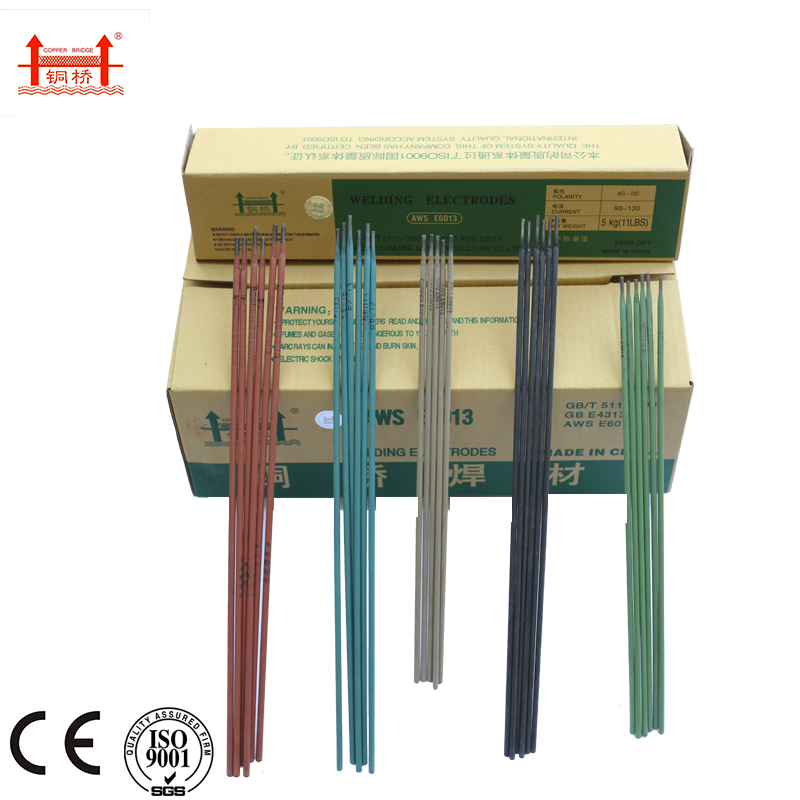
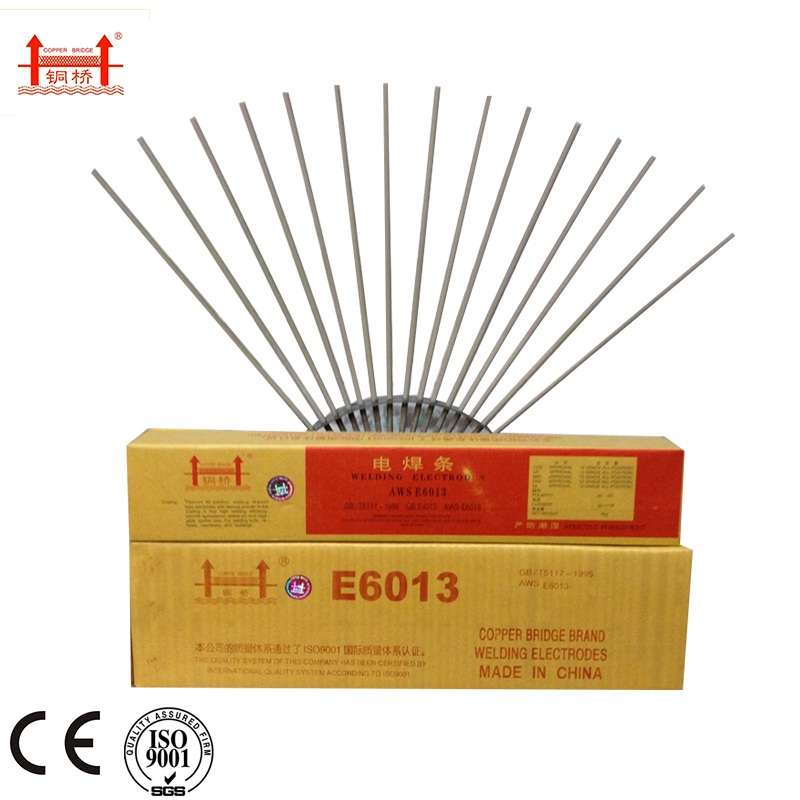
Leading manufacturers, like Jinlong Welding Electrode Co., Ltd., offer a comprehensive range of electrodes, including Copper Bridge Brand Welding Rod AWS 6011, backed by decades of experience and stringent quality control. Their ability to provide tailored solutions addresses specific project demands, ensuring optimal performance for unique challenges.
Application Case Studies: Real-World Impact
Case Study 1: Offshore Platform Repair (E7018)
A major offshore oil and gas operator faced a critical repair on a load-bearing structural component of an aging platform. The welds were subjected to extreme dynamic stresses and corrosive saltwater environments. The primary concern was preventing hydrogen-induced cracking, which could compromise the entire structure. The solution involved using AWS E7018 electrodes, specifically a batch with documented low diffusible hydrogen (H4 classification). Rigorous pre-heating and post-weld heat treatment protocols were followed. The inherent toughness and high tensile strength of the E7018 weld metal ensured the repair met stringent classification society requirements. Subsequent non-destructive testing (NDT), including ultrasonic and radiographic inspections, confirmed the absence of defects, demonstrating the critical role of the 7018 vs 6011 choice in high-stakes environments.
Case Study 2: Agricultural Equipment Fabrication (E6011)
A manufacturer of heavy-duty agricultural implements required a robust and efficient welding solution for structural components, often fabricated from mild steel with varying degrees of mill scale and occasional surface contaminants. Due to the high volume and need for speed in production, extensive surface preparation was not always feasible. The engineering team opted for AWS E6011 electrodes. The forceful arc and deep penetration characteristics of the E6011 allowed for consistent, strong welds even on less-than-perfect surfaces. The fast-freezing slag facilitated high-speed vertical-down welding, significantly reducing cycle times while maintaining adequate strength for the application. This case exemplifies how the E6011, by tolerating imperfections and offering versatile positional capabilities, can be the optimal 6011 or 7018 welding rod choice for high-volume, general fabrication where surface conditions are not pristine.
Module: Ensuring Authoritativeness and Trustworthiness
At Jinlong Welding Electrode Co., Ltd., our commitment to quality, expertise, and customer satisfaction is fundamental. We adhere to the highest industry standards to ensure every product, including our Copper Bridge Brand Welding Rod AWS 6011, meets or exceeds expectations.
Authoritativeness and Certifications:
- ISO 9001:2015 Certified: Our manufacturing processes are governed by a stringent Quality Management System, ensuring consistent product excellence.
- AWS A5.1 Compliance: All electrodes strictly conform to American Welding Society specifications, guaranteeing predictable performance and material integrity.
- Type Approvals: Our products often hold type approvals from major classification societies such as Lloyd's Register, DNV, BV, and ABS, demonstrating suitability for critical applications in shipbuilding, offshore, and heavy construction.
- Years of Service: With over two decades of dedicated service to the welding industry, our experience is embedded in every product we deliver.
- Partner Clients: We proudly serve a diverse portfolio of clients, ranging from national infrastructure projects to international heavy machinery manufacturers, reinforcing our industry standing.
Trustworthiness and Support:
- Lead Time & Fulfillment: We maintain robust production capabilities and a globally integrated logistics network to ensure reliable lead times and efficient order fulfillment, minimizing downtime for your operations. Typical lead times range from 15-30 days, depending on order volume and customization.
- Warranty Commitments: All products are covered by a standard manufacturer's warranty against defects in material and workmanship, ensuring peace of mind. Specific warranty details are available upon request.
- Customer Support: Our dedicated technical support team provides comprehensive pre-sales consultation and post-sales assistance, offering expert advice on product selection, application optimization, and troubleshooting to maximize your welding efficiency.
Frequently Asked Questions (FAQ)
Q1: Can E6011 be used on structural steel?
A1: Yes, E6011 can be used on structural steel, especially for general fabrication, repairs, and situations where the base metal surface is not perfectly clean. However, for critical structural welds requiring high toughness and resistance to hydrogen cracking, E7018 is generally preferred due to its superior mechanical properties and low hydrogen content.
Q2: What is the primary advantage of E7018 over E6011 for critical applications?
A2: The primary advantage of E7018 is its low hydrogen coating, which significantly reduces the risk of hydrogen-induced cracking in the weld metal and heat-affected zone. This makes it ideal for welding high-strength steels, thick sections, and applications subjected to high stresses or dynamic loads.
Q3: Do E7018 electrodes require special storage?
A3: Yes, E7018 electrodes are "low hydrogen" and are highly susceptible to moisture absorption. They must be stored in hermetically sealed container111s or in heated ovens (rod ovens) to maintain their low hydrogen properties. If exposed to atmosphere for extended periods, they typically need to be re-baked at specific temperatures to remove absorbed moisture before use.
Q4: Can I use AC current with a 7018 rod?
A4: While E7018 electrodes are primarily designed for DC+ (Direct Current, Electrode Positive) for optimal performance, some variations (e.g., E7018-A1) are formulated to operate with AC. Always check the manufacturer's specifications on the product packaging for AC compatibility.
Q5: Is there a significant difference in operator skill required for 6011 versus 7018?
A5: E6011's forceful arc requires good technique to manage arc length and prevent excessive spatter, especially in certain positions. E7018 offers a smoother arc and puddle, which can be somewhat more forgiving for beginners, but maintaining proper arc length and travel speed is still crucial for quality welds and to avoid slag inclusions. Both require practiced skill for optimal results, but in different ways.
Conclusion
The judicious selection between a 6011 or 7018 welding rod is a cornerstone of effective industrial welding. E6011 provides unparalleled penetration and versatility for conditions involving less-than-ideal surface preparation and out-of-position welding. Conversely, E7018 stands as the benchmark for critical applications demanding high strength, superior toughness, and meticulous control over hydrogen content to prevent cracking. By carefully assessing project requirements, material properties, and environmental factors, B2B decision-makers and engineers can strategically choose the appropriate electrode to ensure structural integrity, operational efficiency, and long-term asset reliability. Partnering with a reputable manufacturer like Jinlong Welding Electrode Co., Ltd., which offers certified products and comprehensive technical support, further enhances the capability to meet the complex demands of modern industrial fabrication.
References
- American Welding Society. (2012). AWS A5.1/A5.1M:2012 Specification for Carbon Steel Electrodes for Shielded Metal Arc Welding.
- International Organization for Standardization. (2020). ISO 2560:2020 Welding consumables — Covered electrodes for manual metal arc welding of non-alloy and fine grain steels — Classification.
- The Welding Institute (TWI). (n.d.). Welder qualifications: E6011 and E7018. Retrieved from TWI Global.
- Metal Fabrication Magazine. (2023). Trends in Welding Consumables Market.
- Journal of Materials Processing Technology. (2018). Impact of Welding Electrode Type on Mechanical Properties of Welded Joints. Vol. 252, pp. 345-356.

Related Video

Related News
2026-04-16 02:35:10
Precision Guide for e312 16 welding rod and Dissimilar Steel Welding
In the demanding world of industrial fabrication and repair, selecting the correct filler metal is the difference between a structural failure and a lifetime bond. The e312 16 welding rod is specifically engineered to meet the rigorous needs of welding dissimilar steels, offering an exceptional balance of strength and corrosion resistance. Whether you are working on high-pressure pipelines or heavy machinery components, understanding the nuances of this specialized electrode is key to achieving professional-grade results. This guide explores the technical advantages and practical applications of the E312 series to help you optimize your welding workflow.
2026-04-09 02:35:17
Choosing the Right cs to ss welding rod number Professional Guide
Joining carbon steel (CS) to stainless steel (SS) is a common challenge in industrial fabrication, requiring a precise understanding of metallurgy to avoid weld failure. The most critical decision in this process is identifying the correct cs to ss welding rod number to ensure a strong, corrosion-resistant bond. Using the wrong filler metal can lead to cracking or premature oxidation due to the different thermal expansion rates of the two materials. In this comprehensive guide, we will break down the technical specifications and selection criteria to help you achieve a professional-grade weld every time.
2026-04-07 02:25:29
Comprehensive Guide to 409 Welding Rod Selection and Optimal Usage
When it comes to welding applications requiring corrosion resistance and good weldability, the 409 welding rod is a frequently chosen option. This article provides a detailed overview of this versatile welding rod, exploring its composition, applications, benefits, and considerations for optimal use. Whether you’re a seasoned professional or new to welding, understanding the properties of 409 welding rod is crucial for achieving high-quality, durable welds. We’ll cover everything you need to know to make informed decisions for your welding projects.
2026-04-04 02:35:28
Comprehensive Guide to 330 Stainless Steel Welding Rod Applications and Techniques
330 stainless steel welding rods are a crucial component in various industries, offering exceptional corrosion resistance and high-temperature strength. This article provides an in-depth look at these rods, covering their properties, applications, choosing the right rod, welding techniques, safety precautions, and where to find high-quality options. Whether you're a seasoned welding professional or new to the field, this guide will offer valuable insights.
2026-03-31 02:35:08
Comprehensive Guide to 312 Stainless Tig Rod for Superior Welding Performance
When choosing the right filler metal for your TIG welding projects, especially in demanding applications, 312 stainless steel tig rod stands out for its exceptional corrosion resistance and high-temperature strength. This comprehensive guide will explore its composition, applications, benefits, and how it compares to other stainless steel rods. We'll also point you to resources for sourcing high-quality rods.
2026-03-28 02:45:04
Comprehensive Guide to 312 17 Welding Rod Applications and Technical Details
Welding rods are essential consumables in the welding process, and selecting the right one is crucial for achieving strong, durable, and high-quality welds. The 312 17 welding rod is a popular choice for many applications due to its unique properties and versatility. This article delves into the characteristics, applications, benefits, and considerations when using 312 17 welding rods, providing a comprehensive resource for welders and engineers alike. Choosing the right rod directly impacts the success and longevity of any welding project.
2026-03-26 02:35:10
Comprehensive Guide to the 312 16 Welding Rod for Superior Steel Welding
The 312 16 welding rod is a versatile and widely-used electrode in various welding applications. Known for its excellent weldability and strong mechanical properties, it's a go-to choice for professionals and hobbyists alike. This article delves into the specifics of this electrode, covering its composition, applications, advantages, and how to choose the right one for your projects. Understanding the nuances of the 312 16 welding rod is crucial for achieving high-quality, durable welds. The designation "312 16" provides key information about the welding rod. "312" refers to the type of flux coating, specifically a low-hydrogen, iron powder coating. This coating is designed to produce welds with excellent mechanical properties and good resistance to cracking. The "16" indicates the diameter of the rod in 32nds of an inch – so a 312 16 rod has a diameter of 16/32 or 1/2 inch. This combination makes it suitable for a wide range of steel welding applications. The low-hydrogen nature of the flux minimizes hydrogen-induced cracking, a common issue in welding certain steels.
2026-03-24 02:45:07
Comprehensive Guide to 309LSI TIG Rod Welding Applications and Best Practices
The 309LSI TIG rod is a versatile welding consumable widely used across various industries for its exceptional corrosion resistance and weldability. This article will explore the properties, applications, advantages, and best practices associated with using 309LSI TIG rods. Whether you're a seasoned welding professional or new to the field, this guide will provide you with valuable insights into maximizing the performance and longevity of your welds. The 309LSI TIG rod is a stainless steel electrode specifically designed for Gas Tungsten Arc Welding (GTAW), commonly known as TIG welding. The "309LSI" designation indicates the alloy composition: 309 signifies the chromium-nickel content, 'L' denotes low carbon content for enhanced corrosion resistance, and 'SI' signifies stabilized with silicon for improved resistance to carbide precipitation during welding.

 English
  Arabic
  Bengali
  China
China  French
  German
  Hausa
Hausa  Indonesian
  Italian
  Japanese
  Javanese
  Malay
Malay  Persian
  Portuguese
  Punjabi
  Russian
  Spanish
  Swahili
  Telugu
  Vietnamese