

Comprehensive Guide to Welding Electrode 6013 2.5 mm – Uses, Specs & Global Insights

Comprehensive Guide to Welding Electrode 6013 2.5 mm – Uses, Specs & Global Insights
Nov . 27, 2025 15:40
Understanding the Welding Electrode 6013 2.5 mm: Why It Matters Globally
At first glance, a welding electrode such as the welding electrode 6013 2.5 mm might seem like just another metal rod — but it’s so much more. This tiny piece of consumable welding equipment carries big significance across industries, regions, and projects around the world. In an era when infrastructure development, manufacturing, and post-disaster rebuilding efforts demand high-quality, versatile welding solutions, understanding what makes 6013 electrodes unique can unlock smarter choices and better outcomes.
Whether it's about constructing bridges, repairing shipping containers, or fabricating lightweight structures, the welding electrode 6013 in 2.5 mm diameter is often the unsung hero stitching it all together. As global demand for skilled fabrication rises, so does the importance of choosing the right consumables — because a weak weld can mean downtime, higher costs, or worse, safety hazards.
Mini takeaway: The humble welding electrode 6013 (2.5 mm) plays a foundational role in countless welding tasks worldwide, underpinning both economic growth and safety standards.
A Global Perspective: Welding Electrode 6013 2.5 mm in Context
Globally, the welding consumables market is expected to grow significantly, driven by industrial expansion particularly in Asia-Pacific, Europe, and North America. According to ISO and World Bank data, infrastructure projects alone consume thousands of tons of welding rods annually. The 6013 type electrode, prized for its versatility and cleanliness in operation, accommodates a broad range of metals and joint types.
One ongoing problem, especially in developing countries and remote industrial zones, is the difficulty of sourcing reliable welding consumables. Poor electrode quality can lead to weld defects and structural failures. That’s where trusted welding electrodes like the 6013 (2.5 mm) step in — they promise consistent performance and ease for the welder.
Mini takeaway: From booming urban construction to emergency repair projects, the welding electrode 6013 2.5 mm has become a trusted global staple addressing challenges of reliability and availability.
What Exactly Is a Welding Electrode 6013 2.5 mm?
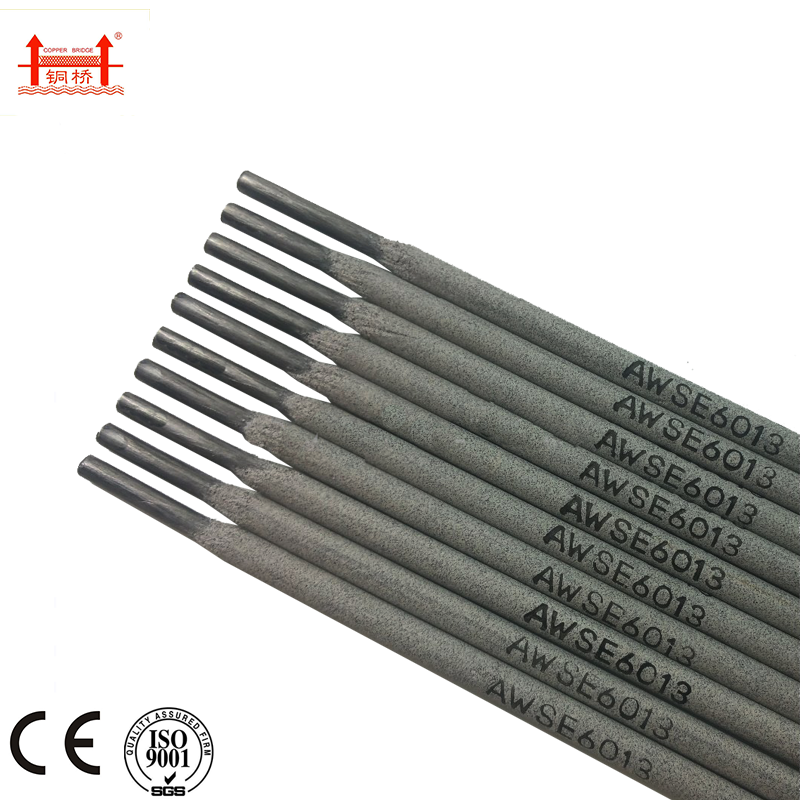
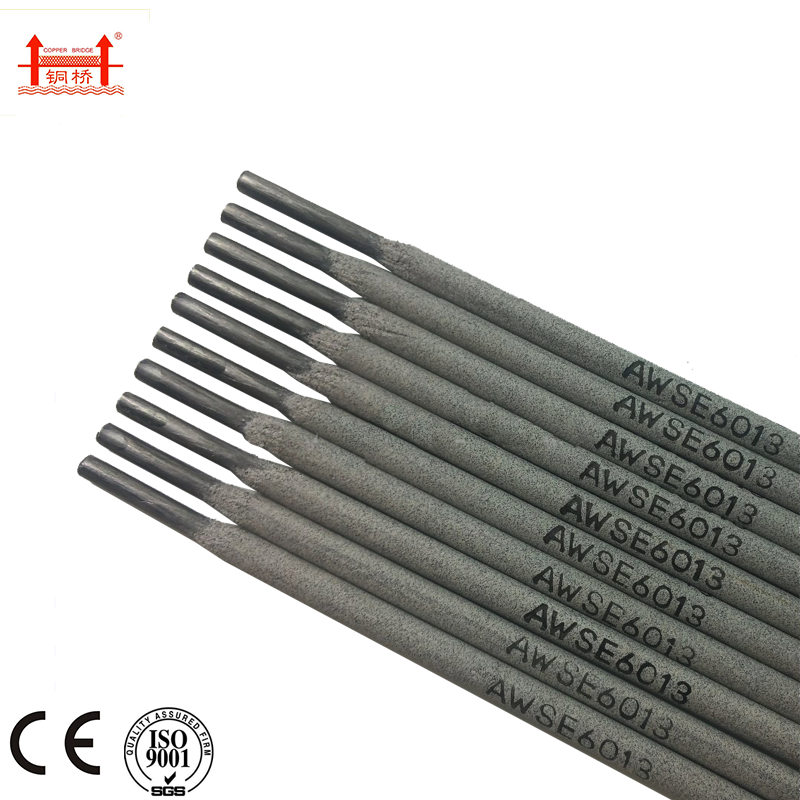
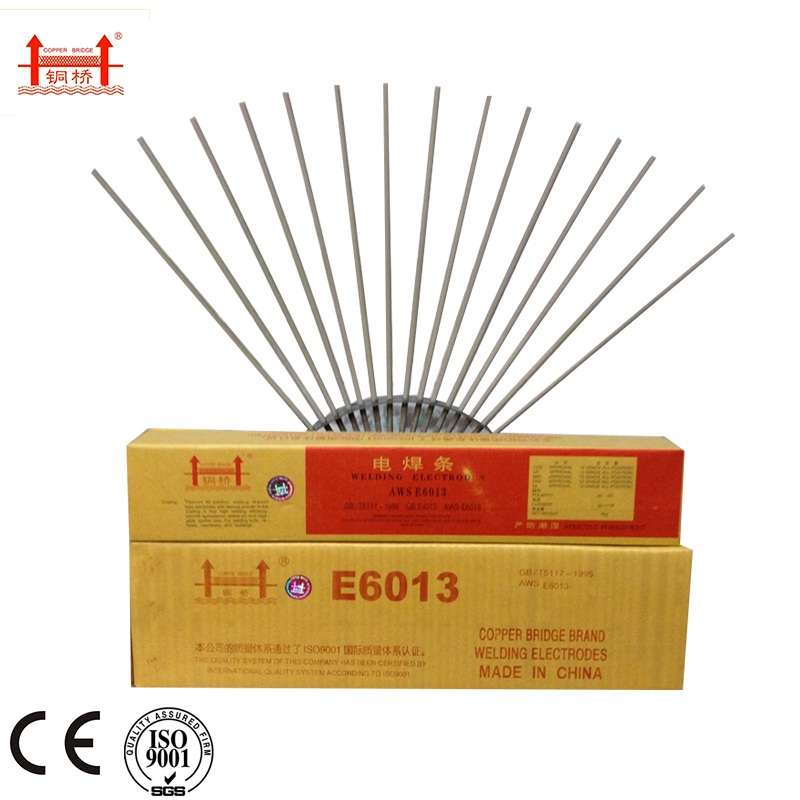
Simply put, the welding electrode 6013 is a coated stick used in shielded metal arc welding (SMAW). The “6013” code stems from American Welding Society (AWS) classification standards, where “60” indicates the tensile strength (in thousands of psi), “1” signals all-position usability, and “3” defines the coating and current types suitable for the electrode.
The “2.5 mm” part refers to the electrode diameter, which is a sweet spot for common repair and fabrication work—thin enough to give a smooth arc yet thick enough for moderate material thicknesses.
Industrially, 6013 electrodes are favored for their moderate penetration and spray-arc characteristics, yielding neat beads with less spatter. This makes them ideal for sheet metal, galvanized steel, and light structural steel welding — all vital in sectors ranging from automotive assembly lines to humanitarian infrastructure projects.
Mini takeaway: In essence, the welding electrode 6013 2.5 mm is a versatile, all-position welding rod widely adopted for reliable, clean welds in both heavy industry and more delicate applications.
Core Attributes of Welding Electrode 6013 2.5 mm
1. Ease of Use
One reason many welders gravitate towards the 6013 electrode is its forgiving nature. The coating produces a stable arc that’s easier to control than some heavy-duty alternatives. This means fewer retries, better productivity, and less fatigue — a big benefit on long projects.
2. Cleanliness and Low Spatter
Spatter can be a pain: costly to clean and a potential source of defects. The 6013’s rutile flux coating minimizes spatter, resulting in smoother weld seams and less post-weld cleanup.
3. Versatility
The “all-position” rating means the electrode can be used vertically, overhead, or flat — a flexibility that few rods in this range can boast. This is crucial for jobs where repositioning materials isn’t practical.
4. Suitable for Thin to Medium Thicknesses
With a diameter of 2.5 mm, the 6013 electrode performs best on light to medium gauge metals (roughly up to 6 mm thickness), making it perfect for sheet metal work, automotive refurbishing, and some light structural fabrications.
5. Cost Efficiency
These rods aren’t the cheapest on the market, but their balance of performance and ease-of-use tends to lower overall labor costs and rework expenses.
| Specification | Values |
|---|---|
| Diameter | 2.5 mm (3/32 inch) |
| Tensile Strength | 60,000 psi (approx. 415 MPa) |
| Current Type | AC or DC+ |
| Coating Type | Rutile |
| Position | All-position (flat, vertical, overhead) |
| Applications | Sheet metal, light structural, automotive repair |
Where Does It Get Used? Real-World Applications of Welding Electrode 6013 2.5 mm
The versatility of this electrode glues it into a diverse set of industries and geographies. In North America and Europe, it's a staple for automotive body repairs—its low spatter welds help maintain paint-ready surfaces. In developing countries, NGOs rely on 6013 electrodes during post-disaster rebuilding, where their ease of use cuts down on training time.
Oddly enough, the electrode’s role in remote industrial zones—like mining camps or pipeline maintenance in rugged terrains—is growing. Its all-position usability helps welders work in constrained spaces without swapping rods repeatedly.
Mini takeaway: Welding electrode 6013 2.5 mm bridges gaps, literally and figuratively, from advanced factory floors to emergency humanitarian shelters.
The Business Angle: Advantages and Long-Term Value
- Cost Savings: Reliable welds mean less rework, which saves money and time.
- Sustainability: Low spatter results in less metal waste and fewer chemical cleaners.
- Safety and Trust: Consistent performance builds confidence among welders and inspectors, reducing workplace accidents.
- Innovation: Supports advances in light manufacturing, including modular housing and rapid assembly products.
From an emotional perspective, a good welding job with the right electrode can be a source of pride for tradespeople. There’s nothing quite like staring at a clean bead and knowing it’ll hold strong through all the stresses ahead.
Looking Ahead: Future Trends Involving Welding Electrode 6013 2.5 mm
With rising environmental regulations worldwide, welding electrodes are being reformulated to improve their ecological footprint. Manufacturers are experimenting with green flux coatings that reduce harmful fumes and improve recyclability.
Meanwhile, digital transformation is creeping into welding too. Automated welding arms calibrated for electrodes like the 6013 are becoming more common, increasing productivity while retaining precision.
And as the electrification of transport and energy infrastructure spreads, the demand for quality welding in producing lightweight, corrosion-resistant assemblies is bound to rise.
Challenges with 6013 Electrodes & What’s Being Done
One limitation is the electrode’s moderate penetration—it’s unsuitable for very thick materials or high-strength steels requiring deeper welds. Some engineers also note its poorer performance outdoors under windy conditions due to flux sensitivity.
Solutions include pairing 6013 electrodes with appropriate surface prep and sometimes hybrid welding systems or switching to specialty rods when conditions demand it. Training welders to understand the electrode’s limits also makes a big difference.
Quick FAQ: You Asked About Welding Electrode 6013 2.5 mm
Q1: Can I use a 6013 electrode on galvanized steel without special prep?
A: While 6013 rods can weld galvanized steel, thorough cleaning to remove zinc coating and proper ventilation is critical to avoid weld contamination and health risks from fumes.
Q2: Is 2.5 mm diameter suitable for welding thin automotive panels?
A: Yes, 2.5 mm electrodes offer good control and minimal burn-through on thin metals typically found in auto body work.
Q3: What current type should I use with 6013 electrodes for best results?
A: They're designed for AC and DC+ (electrode positive). Check the manufacturer’s specs to optimize arc stability.
Q4: How long can sealed boxes of 6013 electrodes last on a jobsite?
A: If properly stored in dry conditions, sealed electrodes maintain quality for months to over a year. Moisture is the main enemy, causing arc instability.
Q5: Can NGOs import 6013 welding electrodes easily for relief projects?
A: Yes, but it’s important to coordinate with local customs and ensure the packaging meets regional shipping standards to avoid delays.
Vendor Comparison Snapshot
| Vendor | Price per Kg (USD) | Coating Quality | Availability | Typical Industries Served |
|---|---|---|---|---|
| Jinlong | $4.50 | High consistency, low spatter | Global | Automotive, construction, repair |
| Lincoln Electric | $5.25 | Premium quality | Widely available | Heavy industry, shipbuilding |
| ESAB | $4.75 | Balanced performance | Limited in small markets | Maintenance, fabrication |
Wrapping Up: Why Welding Electrode 6013 2.5 mm Still Matters
At the end of the day, the welding electrode 6013 2.5 mm strikes a rare balance of flexibility, quality, and ease that many professionals say is hard to beat. It quietly powers industries and projects that shape the world from behind the scenes — from speedy automotive repairs to emergency relief housing.
If you’re in the business of welding, fabrication, or materials supply, it’s worth getting to know this electrode well. After all, a great weld starts with a great rod.
Ready to explore more or stock up? Visit our website: https://www.jinlongweldingelectrode.com for detailed specifications and sourcing.
References

Related Video

Related News

2026-04-16 02:35:10
Precision Guide for e312 16 welding rod and Dissimilar Steel Welding
In the demanding world of industrial fabrication and repair, selecting the correct filler metal is the difference between a structural failure and a lifetime bond. The e312 16 welding rod is specifically engineered to meet the rigorous needs of welding dissimilar steels, offering an exceptional balance of strength and corrosion resistance. Whether you are working on high-pressure pipelines or heavy machinery components, understanding the nuances of this specialized electrode is key to achieving professional-grade results. This guide explores the technical advantages and practical applications of the E312 series to help you optimize your welding workflow.
2026-04-09 02:35:17
Choosing the Right cs to ss welding rod number Professional Guide
Joining carbon steel (CS) to stainless steel (SS) is a common challenge in industrial fabrication, requiring a precise understanding of metallurgy to avoid weld failure. The most critical decision in this process is identifying the correct cs to ss welding rod number to ensure a strong, corrosion-resistant bond. Using the wrong filler metal can lead to cracking or premature oxidation due to the different thermal expansion rates of the two materials. In this comprehensive guide, we will break down the technical specifications and selection criteria to help you achieve a professional-grade weld every time.
2026-04-07 02:25:29
Comprehensive Guide to 409 Welding Rod Selection and Optimal Usage
When it comes to welding applications requiring corrosion resistance and good weldability, the 409 welding rod is a frequently chosen option. This article provides a detailed overview of this versatile welding rod, exploring its composition, applications, benefits, and considerations for optimal use. Whether you’re a seasoned professional or new to welding, understanding the properties of 409 welding rod is crucial for achieving high-quality, durable welds. We’ll cover everything you need to know to make informed decisions for your welding projects.
2026-04-04 02:35:28
Comprehensive Guide to 330 Stainless Steel Welding Rod Applications and Techniques
330 stainless steel welding rods are a crucial component in various industries, offering exceptional corrosion resistance and high-temperature strength. This article provides an in-depth look at these rods, covering their properties, applications, choosing the right rod, welding techniques, safety precautions, and where to find high-quality options. Whether you're a seasoned welding professional or new to the field, this guide will offer valuable insights.
2026-03-31 02:35:08
Comprehensive Guide to 312 Stainless Tig Rod for Superior Welding Performance
When choosing the right filler metal for your TIG welding projects, especially in demanding applications, 312 stainless steel tig rod stands out for its exceptional corrosion resistance and high-temperature strength. This comprehensive guide will explore its composition, applications, benefits, and how it compares to other stainless steel rods. We'll also point you to resources for sourcing high-quality rods.
2026-03-28 02:45:04
Comprehensive Guide to 312 17 Welding Rod Applications and Technical Details
Welding rods are essential consumables in the welding process, and selecting the right one is crucial for achieving strong, durable, and high-quality welds. The 312 17 welding rod is a popular choice for many applications due to its unique properties and versatility. This article delves into the characteristics, applications, benefits, and considerations when using 312 17 welding rods, providing a comprehensive resource for welders and engineers alike. Choosing the right rod directly impacts the success and longevity of any welding project.
2026-03-26 02:35:10
Comprehensive Guide to the 312 16 Welding Rod for Superior Steel Welding
The 312 16 welding rod is a versatile and widely-used electrode in various welding applications. Known for its excellent weldability and strong mechanical properties, it's a go-to choice for professionals and hobbyists alike. This article delves into the specifics of this electrode, covering its composition, applications, advantages, and how to choose the right one for your projects. Understanding the nuances of the 312 16 welding rod is crucial for achieving high-quality, durable welds. The designation "312 16" provides key information about the welding rod. "312" refers to the type of flux coating, specifically a low-hydrogen, iron powder coating. This coating is designed to produce welds with excellent mechanical properties and good resistance to cracking. The "16" indicates the diameter of the rod in 32nds of an inch – so a 312 16 rod has a diameter of 16/32 or 1/2 inch. This combination makes it suitable for a wide range of steel welding applications. The low-hydrogen nature of the flux minimizes hydrogen-induced cracking, a common issue in welding certain steels.
2026-03-24 02:45:07
Comprehensive Guide to 309LSI TIG Rod Welding Applications and Best Practices
The 309LSI TIG rod is a versatile welding consumable widely used across various industries for its exceptional corrosion resistance and weldability. This article will explore the properties, applications, advantages, and best practices associated with using 309LSI TIG rods. Whether you're a seasoned welding professional or new to the field, this guide will provide you with valuable insights into maximizing the performance and longevity of your welds. The 309LSI TIG rod is a stainless steel electrode specifically designed for Gas Tungsten Arc Welding (GTAW), commonly known as TIG welding. The "309LSI" designation indicates the alloy composition: 309 signifies the chromium-nickel content, 'L' denotes low carbon content for enhanced corrosion resistance, and 'SI' signifies stabilized with silicon for improved resistance to carbide precipitation during welding.

 English
  Arabic
  Bengali
  China
China  French
  German
  Hausa
Hausa  Indonesian
  Italian
  Japanese
  Javanese
  Malay
Malay  Persian
  Portuguese
  Punjabi
  Russian
  Spanish
  Swahili
  Telugu
  Vietnamese