

Welding Rod 6013 2.5 mm – The Go-To Electrode for Quality, Versatility, and Global Reliability

Welding Rod 6013 2.5 mm – The Go-To Electrode for Quality, Versatility, and Global Reliability
Nov . 27, 2025 17:05
Understanding Welding Rod 6013 2.5 mm: Why It Still Matters Globally
Welding rod 6013 2.5 mm might not be a phrase that pops up in everyday conversation, but in the world of fabrication and repair, it’s a staple — both literally and figuratively. This electrode type is widely appreciated across industries for its versatility and reliable performance. Whether crafting intricate steel frames or patching broken machinery, understanding this particular welding rod’s strengths can be a real game changer. With global manufacturing and infrastructure booming, the demand for dependable welding materials like the 6013 2.5 mm rod has surged. Plus, its ease of use means it often finds itself in the hands of both seasoned professionals and newcomers alike — kind of the “go-to” in many toolkits.
So why does welding rod 6013 2.5 mm matter on a global scale? Because welding underpins so much of what we rely on: bridges, pipelines, industrial plants, agricultural equipment... you name it. A dependable electrode supports better construction quality, reduces downtime, and frankly, means safer infrastructure.
Global Context: The Role of Welding Rod 6013 2.5 mm in Industry Today
The International Organization for Standardization (ISO) notes that the global welding consumables market was valued at several billion USD in recent years, growing steadily thanks to infrastructure development in Asia, Africa, and South America. Oddly enough, this steady growth often hinges on accessible, reliable welding rods like the 6013 2.5 mm variant. According to a UNIDO report, developing regions rely heavily on medium-strength electrodes that balance performance with cost — and that’s where the 6013 rod shines.
But it’s not all smooth sailing. Many industries wrestle with issues like varying material quality, skilled labor shortages, and supply chain disruptions. Welding rod 6013 2.5 mm eases some of these challenges because it’s relatively forgiving, welds well in multiple positions, and can be used on a variety of steel types. This versatility is exactly why many workshops worldwide hold it as a staple.
What Exactly Is Welding Rod 6013 2.5 mm?
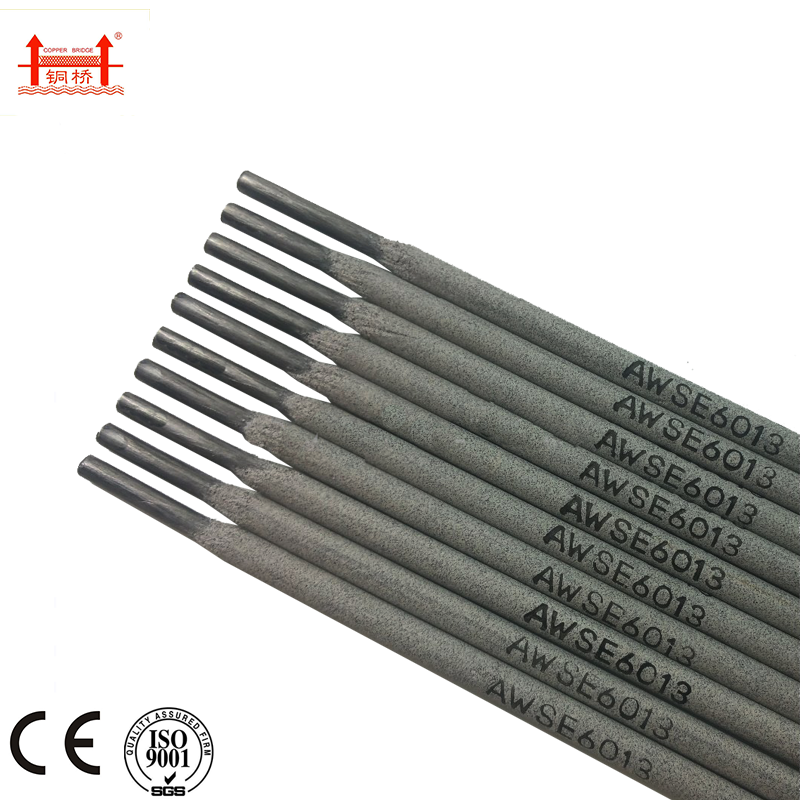
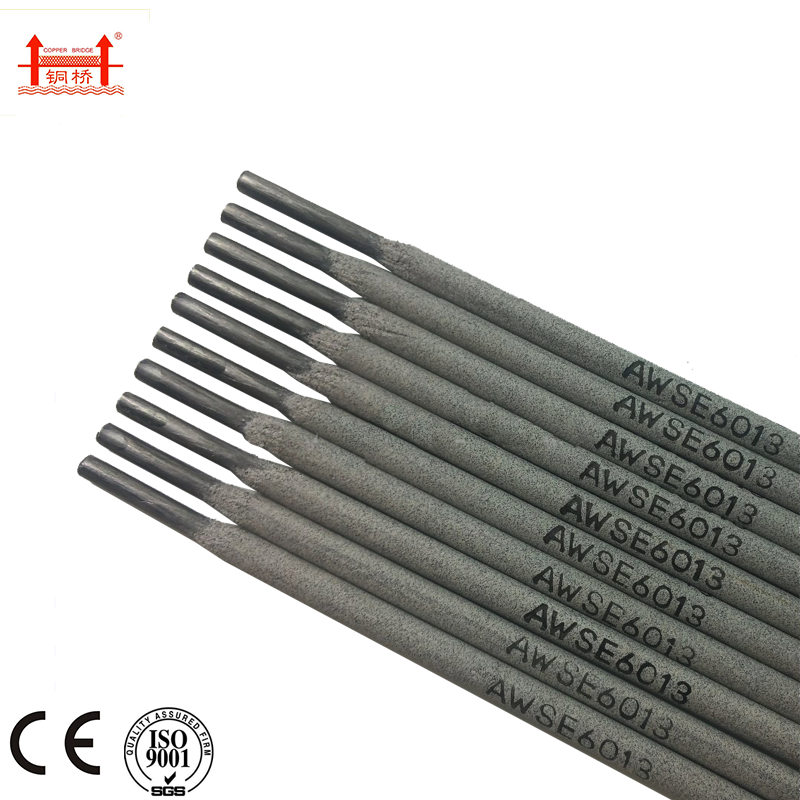
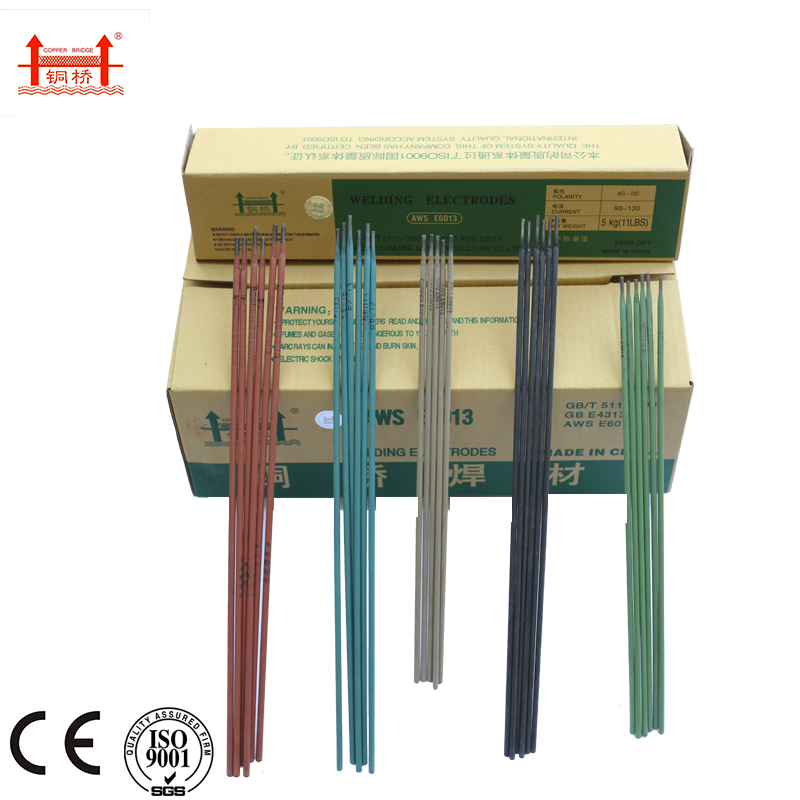
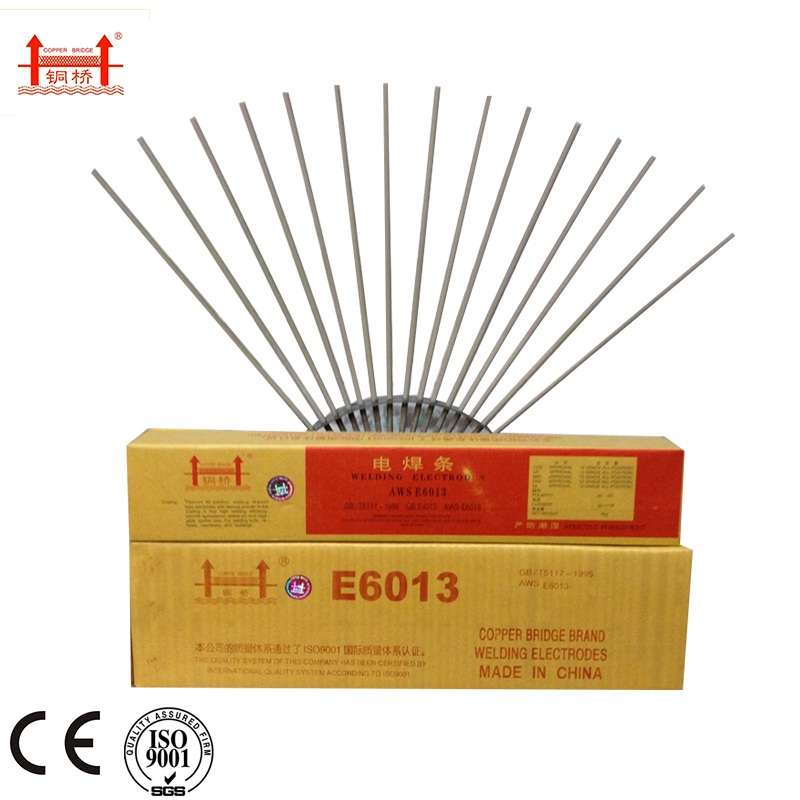
In straightforward terms, welding rod 6013 2.5 mm is an electrode coated with flux used for shielded metal arc welding (SMAW). “6013” describes its classification: it can handle up to 60,000 psi tensile strength, works in all positions, and is designed to produce smooth, medium penetration welds. The 2.5 mm diameter size strikes a balance — small enough for precise applications but sturdy for solid, structural welding.
From shipbuilding and construction to agricultural equipment repair and even humanitarian infrastructure projects, the 6013 rod plays an unassuming yet vital role. For instance, NGOs repairing damaged shelters in disaster zones rely on the rod’s easy strike and stable arc, even without the fanciest equipment or ideal conditions.
Mini Takeaway:
Simply put: welding rod 6013 2.5 mm is the workhorse of electrodes, balancing strength, precision, and accessibility. This makes it highly relevant from industrial giants to rural repair shops.
Key Characteristics of Welding Rod 6013 2.5 mm
1. Versatile Welding Positions
One of the reasons why so many welders trust the 6013 rod is its ability to work in flat, vertical, overhead, and horizontal positions. That makes it go-to gear for everything from small repairs to complex assemblies. For engineers, this flexibility saves time — no electrode swapping mid-job.
2. Smooth Arc with Low Spatter
Using this rod often means less clean-up. It produces a stable arc and smoother weld bead with minimal spatter. You’ll notice your post-weld grind time cuts down—always appreciated when facing tight deadlines.
3. Adequate Penetration on Mild Steel
With medium penetration, the 6013 electrode is ideal for joining thinner or medium-thickness steel plates, common in manufacturing and repair. It doesn’t hammer the steel as aggressively as some rods, reducing burn-through risk.
4. Cost Effectiveness
The average cost on a per-rod basis is reasonable, and since the flux lasts longer and the rod is easy to use, overall project costs often come down. It’s that reliable balance of price and performance helping industries stay lean.
5. Easy Striking and Re-striking Ability
Beginning welders particularly benefit. Sometimes, beginner welders have trouble “striking” the arc consistently, but the 6013 rod generally makes this easier than some other rod types.
Mini Takeaway:
Key traits make welding rod 6013 2.5 mm not just versatile, but a user-friendly option across many job types and skill levels.
Specifications of Welding Rod 6013 2.5 mm
| Feature | Detail |
|---|---|
| Diameter | 2.5 mm (0.098 inch) |
| Classification | AWS A5.1 E6013 |
| Tensile Strength | 60,000 psi (approx. 420 MPa) |
| Current Type | AC or DC |
| Flux Type | Titania potassium type |
| Welding Position | All positions (flat, vertical, overhead, horizontal) |
How Welding Rod 6013 2.5 mm Powers Global Projects
It’s kind of fascinating how diverse the uses for this rod really are. From massive industrial hubs in China and India to remote villages in South America and Africa, this electrode quietly enables everything from car chassis fabrication to water tank repairs.
One eye-opening example is its use in post-disaster relief. NGOs frequently deploy welding kits with 6013 rods for rebuilding damaged infrastructure quickly. In contexts where welding conditions aren’t ideal — think dusty, windy, or humid environments — this rod remains dependable. Another common arena? Agricultural machinery repair throughout rural farming communities where downtime can be costly. Reliable, robust electrodes mean farmers get back to work faster.
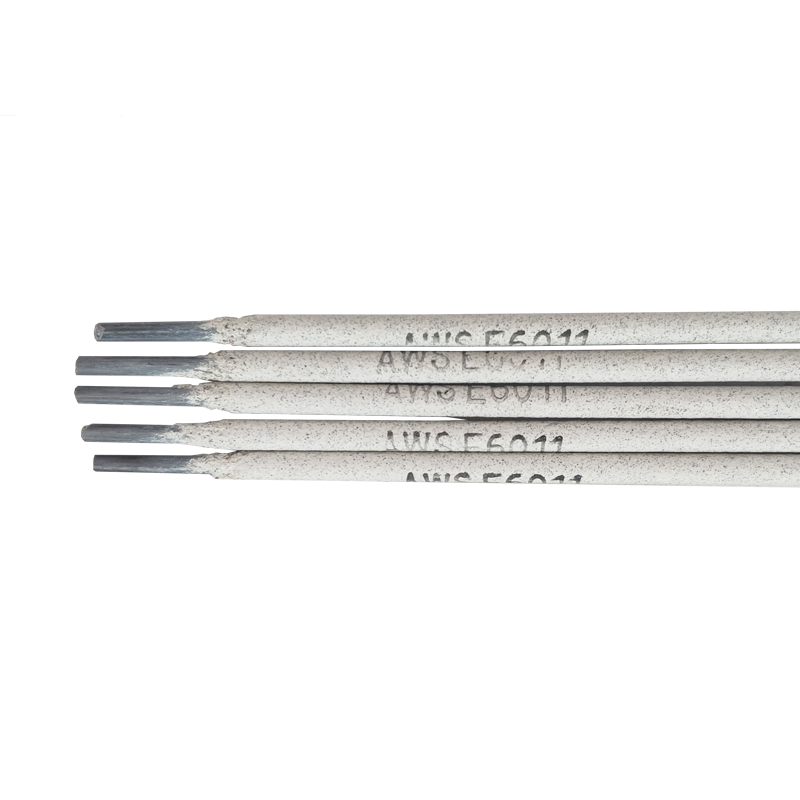
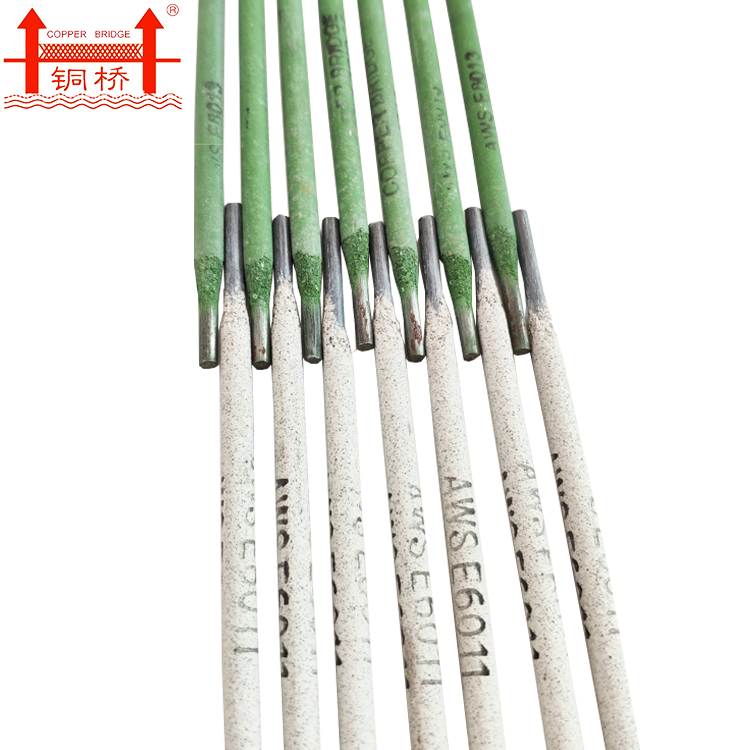
Industries like shipbuilding and general construction also favor 6013 rods for jobs requiring fewer weld imperfections but decent mechanical strength. Due to its flux coating, it’s often preferred over 6011 rods in applications requiring a cleaner finish.
Vendor Comparison: Popular Welding Rod 6013 2.5 mm Products
| Vendor | Rod Coating Type | Average Cost per Kg | Best Use Case | Availability |
|---|---|---|---|---|
| Jinlong Welding Electrodes | Titania Potassium | $12.50 | General fabrication, repair | Global shipping |
| Lincoln Electric | Titania Potassium | $14.00 | Industrial and structural welding | Widely available |
| ESAB | Titania Potassium | $13.75 | Shipbuilding, pipeline repair | Global supply chain |
Long-Term Benefits of Choosing Welding Rod 6013 2.5 mm
There’s something reassuring in knowing that the basics of welding haven’t changed much, and rods like the 6013 2.5 mm maintain a consistent, trusted performance. Cost efficiency is key — lower filament and rework costs add up, especially for medium-scale manufacturers and independent repair shops. Sustainability-wise, efficient welding reduces material waste, and reliable electrodes minimize rejects.
Socially, think about the confidence workers gain when tools respond predictably — safer work environments and better quality create tangible pride in craft. I recall talking to a technician who said the 6013 is “the electrode that never lets you down." And, in an uncertain world, that’s worth something.
Emerging Innovations and Future Trends
The welding industry is not static, mind you. New flux technologies are pushing environmental friendliness — lower smoke, less slag. Digital welding machines now allow real-time monitoring of arc stability with electrodes like the 6013, improving quality assurance.
Also, there’s rising interest in automation combined with traditional electrodes, marrying the classic rod with AI-powered welding systems. These advancements could further reduce human error and increase speed — especially on massive infrastructure projects where time is money.
Challenges and Expert Solutions
However, it’s not always roses. Some challenges with welding rod 6013 2.5 mm include sensitivity to moisture absorption — which can cause porosity — and some skill required to get a consistent weld on thicker metals. Storage in dry environments and pre-welding rod baking are common practices to mitigate these.
Training and standardizing welding procedures also help counter variability. Many companies now invest in welder certification programs ensuring consistent results even with this seemingly “easy” rod.
FAQs About Welding Rod 6013 2.5 mm
- What makes welding rod 6013 2.5 mm different from 6011 or 6010 rods?
- 6013 rods produce a smooth arc with moderate penetration suitable for thinner metals and general fabrication, while 6011 and 6010 rods offer deeper penetration and are better for dirty or rusty steel. 6013 is designed for cleaner welding applications with less spatter.
- Can welding rod 6013 2.5 mm be used with DC and AC welding machines?
- Yes, it’s compatible with both AC and DC current, which adds to its versatility on various machines and job sites.
- How should I store 6013 welding rods to maintain quality?
- They should be stored in a dry area, ideally in rod ovens or sealed containers to avoid moisture absorption that leads to weld defects.
- Is welding rod 6013 2.5 mm suitable for beginners?
- Definitely. Its ease of arc striking and stable weld pool make it friendly for welders new to SMAW techniques.
- Where can I buy high-quality 6013 2.5 mm rods?
- Leading suppliers like welding rod 6013 2.5 mm vendors offer reliable products — make sure to choose suppliers that provide consistent specs and have global shipping options.
Conclusion: Why Welding Rod 6013 2.5 mm Still Deserves Your Attention
In the grand scheme, welding rod 6013 2.5 mm is that trusty companion welding professionals reach for again and again. It bridges affordability, accessibility, and dependable welding quality, impacting industries worldwide — from high-tech manufacturing floors to frontline repair missions.
As fabrication demands evolve and technology advances, it’s comforting that some fundamental tools like the 6013 rod quietly power progress. Want to explore top-grade options or bulk buys for your next project? Visit our website — because a reliable electrode means a stable weld, and that’s where durable quality begins.
References

Related Video

Related News


2026-04-16 02:35:10
Precision Guide for e312 16 welding rod and Dissimilar Steel Welding
In the demanding world of industrial fabrication and repair, selecting the correct filler metal is the difference between a structural failure and a lifetime bond. The e312 16 welding rod is specifically engineered to meet the rigorous needs of welding dissimilar steels, offering an exceptional balance of strength and corrosion resistance. Whether you are working on high-pressure pipelines or heavy machinery components, understanding the nuances of this specialized electrode is key to achieving professional-grade results. This guide explores the technical advantages and practical applications of the E312 series to help you optimize your welding workflow.
2026-04-09 02:35:17
Choosing the Right cs to ss welding rod number Professional Guide
Joining carbon steel (CS) to stainless steel (SS) is a common challenge in industrial fabrication, requiring a precise understanding of metallurgy to avoid weld failure. The most critical decision in this process is identifying the correct cs to ss welding rod number to ensure a strong, corrosion-resistant bond. Using the wrong filler metal can lead to cracking or premature oxidation due to the different thermal expansion rates of the two materials. In this comprehensive guide, we will break down the technical specifications and selection criteria to help you achieve a professional-grade weld every time.
2026-04-07 02:25:29
Comprehensive Guide to 409 Welding Rod Selection and Optimal Usage
When it comes to welding applications requiring corrosion resistance and good weldability, the 409 welding rod is a frequently chosen option. This article provides a detailed overview of this versatile welding rod, exploring its composition, applications, benefits, and considerations for optimal use. Whether you’re a seasoned professional or new to welding, understanding the properties of 409 welding rod is crucial for achieving high-quality, durable welds. We’ll cover everything you need to know to make informed decisions for your welding projects.
2026-04-04 02:35:28
Comprehensive Guide to 330 Stainless Steel Welding Rod Applications and Techniques
330 stainless steel welding rods are a crucial component in various industries, offering exceptional corrosion resistance and high-temperature strength. This article provides an in-depth look at these rods, covering their properties, applications, choosing the right rod, welding techniques, safety precautions, and where to find high-quality options. Whether you're a seasoned welding professional or new to the field, this guide will offer valuable insights.
2026-03-31 02:35:08
Comprehensive Guide to 312 Stainless Tig Rod for Superior Welding Performance
When choosing the right filler metal for your TIG welding projects, especially in demanding applications, 312 stainless steel tig rod stands out for its exceptional corrosion resistance and high-temperature strength. This comprehensive guide will explore its composition, applications, benefits, and how it compares to other stainless steel rods. We'll also point you to resources for sourcing high-quality rods.
2026-03-28 02:45:04
Comprehensive Guide to 312 17 Welding Rod Applications and Technical Details
Welding rods are essential consumables in the welding process, and selecting the right one is crucial for achieving strong, durable, and high-quality welds. The 312 17 welding rod is a popular choice for many applications due to its unique properties and versatility. This article delves into the characteristics, applications, benefits, and considerations when using 312 17 welding rods, providing a comprehensive resource for welders and engineers alike. Choosing the right rod directly impacts the success and longevity of any welding project.
2026-03-26 02:35:10
Comprehensive Guide to the 312 16 Welding Rod for Superior Steel Welding
The 312 16 welding rod is a versatile and widely-used electrode in various welding applications. Known for its excellent weldability and strong mechanical properties, it's a go-to choice for professionals and hobbyists alike. This article delves into the specifics of this electrode, covering its composition, applications, advantages, and how to choose the right one for your projects. Understanding the nuances of the 312 16 welding rod is crucial for achieving high-quality, durable welds. The designation "312 16" provides key information about the welding rod. "312" refers to the type of flux coating, specifically a low-hydrogen, iron powder coating. This coating is designed to produce welds with excellent mechanical properties and good resistance to cracking. The "16" indicates the diameter of the rod in 32nds of an inch – so a 312 16 rod has a diameter of 16/32 or 1/2 inch. This combination makes it suitable for a wide range of steel welding applications. The low-hydrogen nature of the flux minimizes hydrogen-induced cracking, a common issue in welding certain steels.
2026-03-24 02:45:07
Comprehensive Guide to 309LSI TIG Rod Welding Applications and Best Practices
The 309LSI TIG rod is a versatile welding consumable widely used across various industries for its exceptional corrosion resistance and weldability. This article will explore the properties, applications, advantages, and best practices associated with using 309LSI TIG rods. Whether you're a seasoned welding professional or new to the field, this guide will provide you with valuable insights into maximizing the performance and longevity of your welds. The 309LSI TIG rod is a stainless steel electrode specifically designed for Gas Tungsten Arc Welding (GTAW), commonly known as TIG welding. The "309LSI" designation indicates the alloy composition: 309 signifies the chromium-nickel content, 'L' denotes low carbon content for enhanced corrosion resistance, and 'SI' signifies stabilized with silicon for improved resistance to carbide precipitation during welding.

 English
  Arabic
  Bengali
  China
China  French
  German
  Hausa
Hausa  Indonesian
  Italian
  Japanese
  Javanese
  Malay
Malay  Persian
  Portuguese
  Punjabi
  Russian
  Spanish
  Swahili
  Telugu
  Vietnamese