

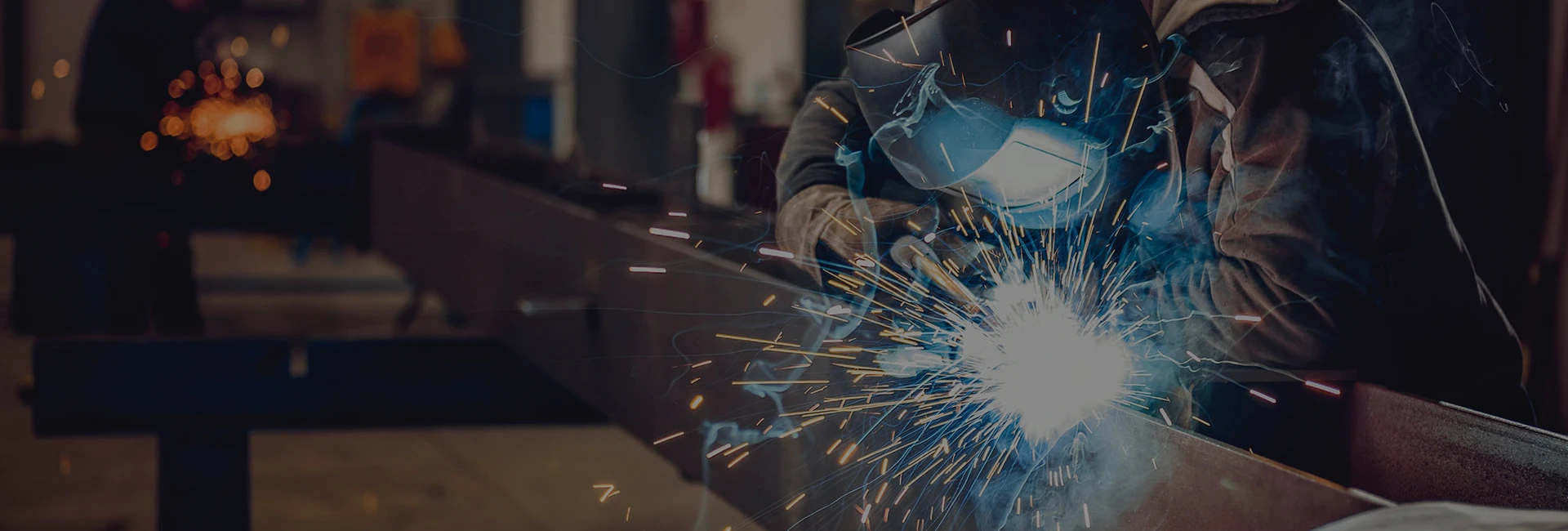
Welding Rod 6013 3.2 mm – Versatile & Reliable Welding Electrodes for Global Use

Welding Rod 6013 3.2 mm – Versatile & Reliable Welding Electrodes for Global Use
Nov . 27, 2025 18:40
Understanding Welding Rod 6013 3.2 mm: Why It Matters Globally
If you've ever peeked inside a workshop or a construction site, you've probably seen welding rods — those slender filaments that make metal parts bond as if by magic. Among them, the welding rod 6013 3.2 mm stands out as a jack-of-all-trades in the welding community worldwide. But why should anyone beyond welders care? Well, these rods help build everything from bridges and cars to emergency shelters in disaster zones. Grasping their nuances is more than a hobby; it’s about understanding a key ingredient in our modern infrastructure and humanitarian lifelines. ### Mini takeaway: Welding rod 6013 3.2 mm isn’t just a technical tool — it’s a critical player in global construction, manufacturing, and relief efforts.The Global Stage: Why Welding Rod 6013 3.2 mm is Everywhere
You might be surprised to learn that over 2 million tons of welding consumables are produced globally each year, with welding rods like the 6013 3.2 mm making up a significant portion. According to ISO standards and reports from agencies like the UN Industrial Development Organization, reliable welding materials ensure safety and durability in infrastructure projects globally. However, challenges such as supply chain issues and inconsistent quality have sparked demand for dependable products. The welding rod 6013 3.2 mm addresses a key industry pain point: versatility. It’s one of the most user-friendly rods, balancing decent penetration with clean welds — qualities vital in fast-paced environments, whether in Asia’s booming construction zones or Africa’s expanding industrial hubs. Frankly, without such rods, many projects would drag, costs would soar, and safety could be compromised. ### Mini takeaway: The 6013 3.2 mm rod’s global popularity stems from its reliability and adaptability in diverse industrial scenarios.What Exactly Is Welding Rod 6013 3.2 mm?
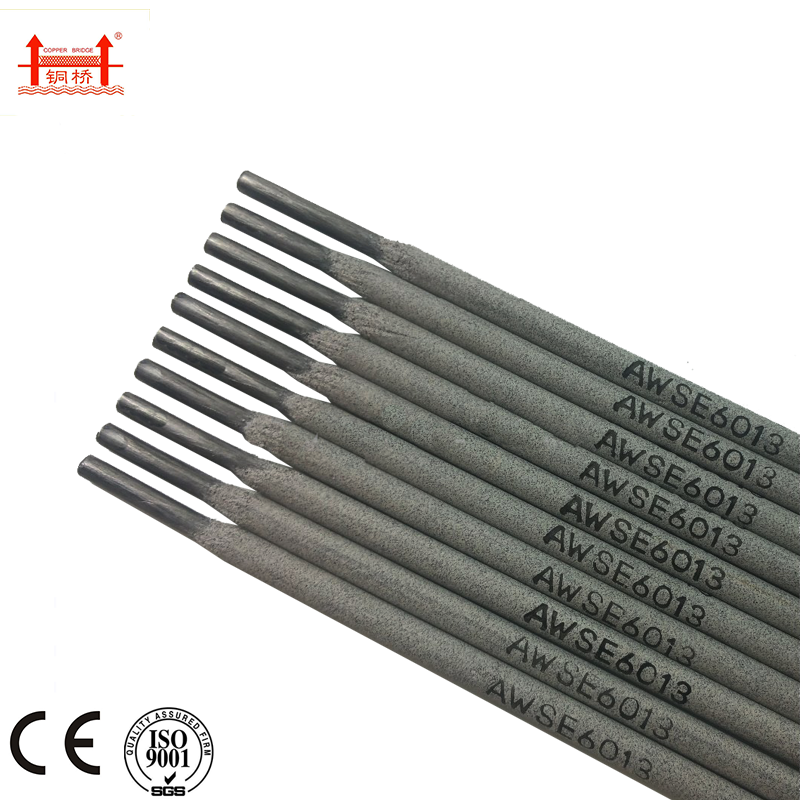
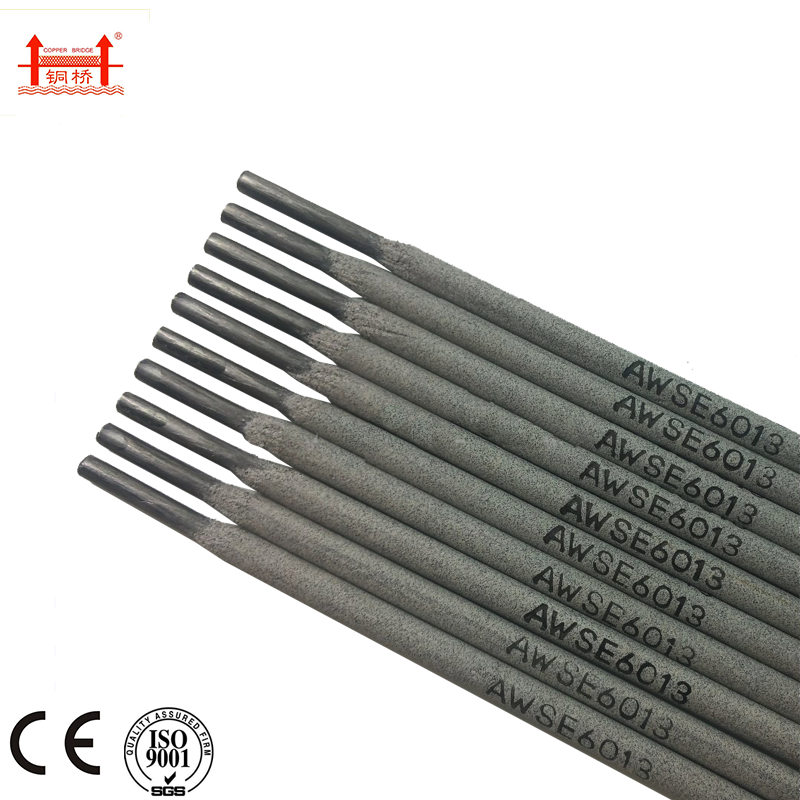
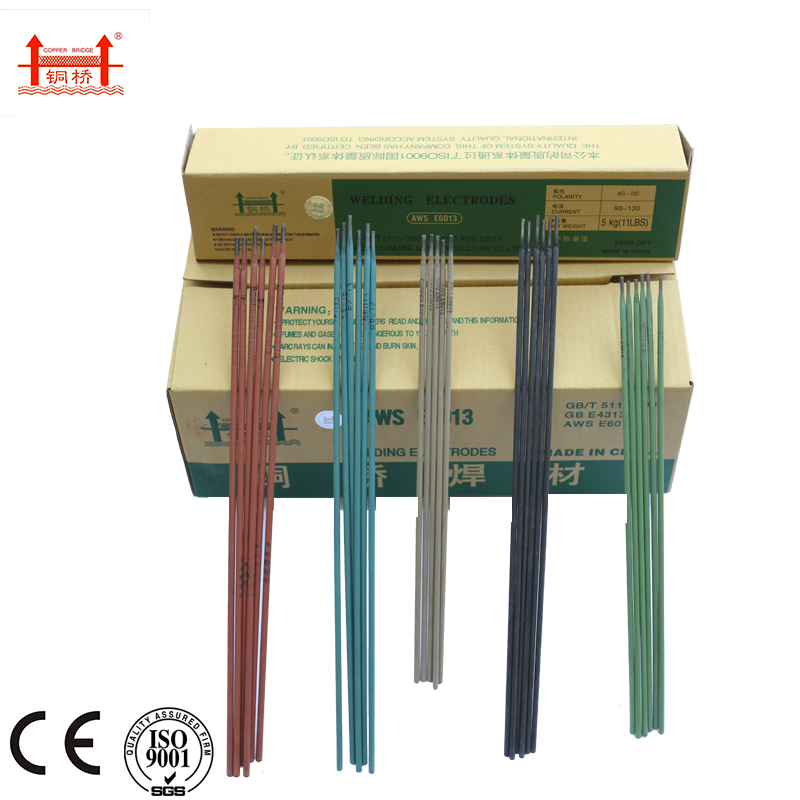
At its core, a welding rod 6013 3.2 mm is a consumable electrode coated for shielded metal arc welding (SMAW). The '6013' code refers to its classification by the American Welding Society—signifying tensile strength (60,000 psi), welding position versatility (all positions), and the rod’s specific coating and electrical characteristics. The 3.2 mm dimension relates directly to its diameter, a middle-ground size preferred for general fabrication tasks. These rods work by melting a small core wire, depositing metal that fuses two pieces together. Their coating also protects the molten weld pool from contamination, ensuring strength and aesthetic quality. Industrially, this means they are indispensable in constructing everything from pipelines to farm equipment. On a humanitarian level, they help NGOs and first responders build emergency frameworks quickly and reliably. ### Mini takeaway: It’s a versatile, all-around welding rod that suits both high-demand industry and time-sensitive relief efforts.Core Qualities That Make 6013 3.2 mm Stand Out
1. Durability and Strength
Despite its relatively thin 3.2 mm gauge, the 6013 provides welds that consistently meet strength requirements, holding up under stress but also providing slight flexibility—ideal for structures where vibrations or movement occur.2. User-Friendliness
Many welders swear by the 6013’s forgiving arc. It produces less spatter and is easier to strike and maintain, making it perfect for beginners or rapid production environments.3. Surface Finish and Cleanup
Its flux coating promotes smooth slag breakaway, meaning less time grinding or cleaning after welding—a hidden cost-saver often overlooked.4. Versatility in Position
One of the magic bits: whether flat, vertical, or overhead, this rod performs reliably—perfect for complex builds where flexibility saves time.5. Cost Efficiency
Compared to other rods with similar specs but specialized coatings, the 6013 3.2 mm strikes a balance between price and performance that fits tight project budgets. ### Mini takeaway: These core qualities make welding rod 6013 3.2 mm a trusted choice for many welders globally, cutting costs and boosting quality in one go.Global Applications: Real-World Uses of Welding Rod 6013 3.2 mm
From industrial hubs in China to remote mining communities in South America, this rod’s footprints are everywhere. In post-disaster relief missions—take the 2015 Nepal earthquake reconstruction for example—its availability and ease helped crews patch shelters and critical infrastructure quickly. In manufacturing, it joins steelframes in shipbuilding yards across Europe; in automotive repair shops in the US, it’s the go-to rod for bodywork. Governments and NGOs also rely on it for emergency infrastructures in refugee camps due to its reliable performance and ease of use by less experienced welders. Oddly enough, many small-scale artisans in rural areas use 6013 rods to fabricate durable tools and equipment that last. ### Mini takeaway: Welding rod 6013 3.2 mm’s flexibility and accessibility make it vital across industries and humanitarian efforts alike.Specification Table: Welding Rod 6013 3.2 mm
| Specification | Details |
|---|---|
| Diameter | 3.2 mm |
| Tensile Strength | 60,000 psi (approx. 420 MPa) |
| Welding Positions | All positions (flat, vertical, overhead, horizontal) |
| Coating Type | Rutile-based (easy slag removal) |
| Recommended Current | 60-120 Amps (AC/DC) |
| Primary Use | General fabrication, maintenance, repair work |
Comparing Top Vendors of 6013 3.2 mm Welding Rods
| Vendor | Price per kg (USD) | Typical Delivery Time | Quality Certification | Additional Features |
|---|---|---|---|---|
| Jinlong Welding Electrodes | $6.50 | 7-10 days | ISO 9001:2015 | Consistent coating, minimal spatter |
| ABC Welding Supplies | $6.90 | 5-7 days | AWS Certified | Fast slag removal |
| Global Weld Pro | $7.20 | 10-14 days | ISO/AWS Dual | Improved arc stability |
Advantages & Long-Term Value: What You Really Get
There’s something comforting about a welding rod that performs reliably under varied conditions. Cost-wise, the 6013 3.2 mm is efficient, reducing wasted material thanks to clean slag removal and smooth welds, which in turn cuts down labor hours. Environmentally, the rod’s rutile coating generates fewer hazardous fumes compared to some other types, promoting a safer workspace and better sustainability — a hot topic in manufacturing today. Plus, the social impact? Safer, sturdier construction means fewer accidents on sites and long-term trust between contractors and clients. Emotionally, you know that every rod well welded connects lives — literally holding up buildings, bridges, or bridges to better futures. That’s a kind of quiet innovation we don’t always celebrate enough. ### Mini takeaway: It’s not just about steel and flux; it’s about safety, efficiency, and a bit of trust in every weld.Future Trends & Innovations in Welding Rod Technology
Innovation in welding rods is marching forward — not just in fancy coatings but in sustainability. For example, eco-conscious alternatives aim to cut carbon footprints by altering flux compositions. Digital transformation tools, like welding data tracking, help optimize use of rods such as 6013 3.2 mm — tracking consumable usage and weld quality in real-time. Automation is another trend, with robot welding systems specifically calibrated to use rods like these for consistent results, increasing efficiency in manufacturing. We’re also seeing push towards ‘green welding’ compliance, driven by tighter environmental regulations globally. In short: the welding rod 6013 3.2 mm sits at a crossroads of tradition and innovation, adapting without losing its well-earned reputation.Challenges & Practical Solutions for Using 6013 3.2 mm Welding Rods
No product is perfect. For 6013 rods, a common complaint is reduced penetration compared to more aggressive rods — making it unsuitable for very thick metals alone. Sometimes novice welders overuse or underuse amperage, causing weld imperfections. The solution? Training combined with modern welding machines that provide amperage control helps. Many experts recommend pairing 6013 rods with preheating or multiple pass welds on thicker metals. Sourcing from reputable vendors (for example, welding rod 6013 3.2 mm) also reduces quality inconsistencies. ### Mini takeaway: Know the rod’s limits, and use it wisely to get the most out of it.FAQ About Welding Rod 6013 3.2 mm
Q1: What materials can I weld using a 6013 3.2 mm rod?A: The 6013 rod is primarily suited for low- and mild-carbon steels. It's excellent for thin-to-medium thickness metals used in fabrication, repair, and light structural tasks. Q2: Can I use the 6013 rod in outdoor or windy conditions?
A: Yes, to a degree. Its flux coating helps protect against contamination, but strong wind can cause weld defects. Shielded arc welding outdoors usually benefits from windbreaks or alternative welding processes. Q3: What current type works best with a 3.2 mm 6013 rod?
A: Both AC and DC currents work well, but DC with electrode positive offers a smooth arc and good penetration. Current should generally range between 60-120 amps depending on thickness and position. Q4: How should a beginner approach using the 6013 3.2 mm rod?
A: Start with flat positions, using moderate amperage. Practice arc strikes and maintaining a steady arc length. The forgiving nature of the 6013 makes it a fantastic learning rod.
Wrapping Up: Why Welding Rod 6013 3.2 mm Is Worth Your Attention
All said and done, the welding rod 6013 3.2 mm blends accessibility, reliability, and versatility into one package — which explains why it’s become a global standby. Whether you’re an industry pro or a volunteer helping rebuild after a disaster, these rods lighten the load and improve outcomes. If you want to explore what these rods can do for your projects, or source trusted supply, check out welding rod 6013 3.2 mm suppliers and see how versatile this tool really is in the real world. --- ### References: 1. American Welding Society: Welding rod classifications — https://www.aws.org 2. United Nations Industrial Development Organization: Welding consumables global market report 3. ISO Standards for Welding Electrodes (ISO 2560)
Related Video

Related News

2026-04-16 02:35:10
Precision Guide for e312 16 welding rod and Dissimilar Steel Welding
In the demanding world of industrial fabrication and repair, selecting the correct filler metal is the difference between a structural failure and a lifetime bond. The e312 16 welding rod is specifically engineered to meet the rigorous needs of welding dissimilar steels, offering an exceptional balance of strength and corrosion resistance. Whether you are working on high-pressure pipelines or heavy machinery components, understanding the nuances of this specialized electrode is key to achieving professional-grade results. This guide explores the technical advantages and practical applications of the E312 series to help you optimize your welding workflow.
2026-04-09 02:35:17
Choosing the Right cs to ss welding rod number Professional Guide
Joining carbon steel (CS) to stainless steel (SS) is a common challenge in industrial fabrication, requiring a precise understanding of metallurgy to avoid weld failure. The most critical decision in this process is identifying the correct cs to ss welding rod number to ensure a strong, corrosion-resistant bond. Using the wrong filler metal can lead to cracking or premature oxidation due to the different thermal expansion rates of the two materials. In this comprehensive guide, we will break down the technical specifications and selection criteria to help you achieve a professional-grade weld every time.
2026-04-07 02:25:29
Comprehensive Guide to 409 Welding Rod Selection and Optimal Usage
When it comes to welding applications requiring corrosion resistance and good weldability, the 409 welding rod is a frequently chosen option. This article provides a detailed overview of this versatile welding rod, exploring its composition, applications, benefits, and considerations for optimal use. Whether you’re a seasoned professional or new to welding, understanding the properties of 409 welding rod is crucial for achieving high-quality, durable welds. We’ll cover everything you need to know to make informed decisions for your welding projects.
2026-04-04 02:35:28
Comprehensive Guide to 330 Stainless Steel Welding Rod Applications and Techniques
330 stainless steel welding rods are a crucial component in various industries, offering exceptional corrosion resistance and high-temperature strength. This article provides an in-depth look at these rods, covering their properties, applications, choosing the right rod, welding techniques, safety precautions, and where to find high-quality options. Whether you're a seasoned welding professional or new to the field, this guide will offer valuable insights.
2026-03-31 02:35:08
Comprehensive Guide to 312 Stainless Tig Rod for Superior Welding Performance
When choosing the right filler metal for your TIG welding projects, especially in demanding applications, 312 stainless steel tig rod stands out for its exceptional corrosion resistance and high-temperature strength. This comprehensive guide will explore its composition, applications, benefits, and how it compares to other stainless steel rods. We'll also point you to resources for sourcing high-quality rods.
2026-03-28 02:45:04
Comprehensive Guide to 312 17 Welding Rod Applications and Technical Details
Welding rods are essential consumables in the welding process, and selecting the right one is crucial for achieving strong, durable, and high-quality welds. The 312 17 welding rod is a popular choice for many applications due to its unique properties and versatility. This article delves into the characteristics, applications, benefits, and considerations when using 312 17 welding rods, providing a comprehensive resource for welders and engineers alike. Choosing the right rod directly impacts the success and longevity of any welding project.
2026-03-26 02:35:10
Comprehensive Guide to the 312 16 Welding Rod for Superior Steel Welding
The 312 16 welding rod is a versatile and widely-used electrode in various welding applications. Known for its excellent weldability and strong mechanical properties, it's a go-to choice for professionals and hobbyists alike. This article delves into the specifics of this electrode, covering its composition, applications, advantages, and how to choose the right one for your projects. Understanding the nuances of the 312 16 welding rod is crucial for achieving high-quality, durable welds. The designation "312 16" provides key information about the welding rod. "312" refers to the type of flux coating, specifically a low-hydrogen, iron powder coating. This coating is designed to produce welds with excellent mechanical properties and good resistance to cracking. The "16" indicates the diameter of the rod in 32nds of an inch – so a 312 16 rod has a diameter of 16/32 or 1/2 inch. This combination makes it suitable for a wide range of steel welding applications. The low-hydrogen nature of the flux minimizes hydrogen-induced cracking, a common issue in welding certain steels.
2026-03-24 02:45:07
Comprehensive Guide to 309LSI TIG Rod Welding Applications and Best Practices
The 309LSI TIG rod is a versatile welding consumable widely used across various industries for its exceptional corrosion resistance and weldability. This article will explore the properties, applications, advantages, and best practices associated with using 309LSI TIG rods. Whether you're a seasoned welding professional or new to the field, this guide will provide you with valuable insights into maximizing the performance and longevity of your welds. The 309LSI TIG rod is a stainless steel electrode specifically designed for Gas Tungsten Arc Welding (GTAW), commonly known as TIG welding. The "309LSI" designation indicates the alloy composition: 309 signifies the chromium-nickel content, 'L' denotes low carbon content for enhanced corrosion resistance, and 'SI' signifies stabilized with silicon for improved resistance to carbide precipitation during welding.

 English
  Arabic
  Bengali
  China
China  French
  German
  Hausa
Hausa  Indonesian
  Italian
  Japanese
  Javanese
  Malay
Malay  Persian
  Portuguese
  Punjabi
  Russian
  Spanish
  Swahili
  Telugu
  Vietnamese