

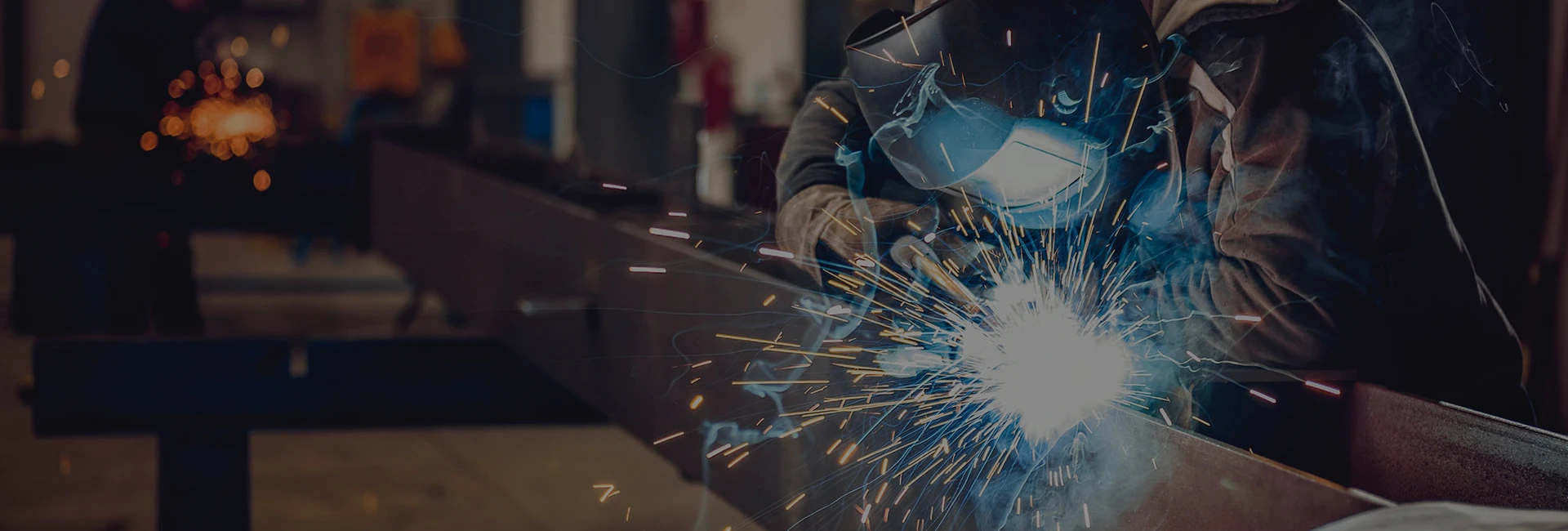
What Is the Difference Between E6013 and E7018? Comprehensive Electrode Guide

What Is the Difference Between E6013 and E7018? Comprehensive Electrode Guide
Nov . 27, 2025 20:10
Demystifying the Difference Between E6013 and E7018 Welding Electrodes
In the world of welding, choosing the right electrode can make all the difference between a structurally sound joint and a disaster waiting to happen. Oddly enough, the difference between electrodes like E6013 and E7018 often gets overlooked, yet understanding it is crucial for engineers, fabricators, and construction workers worldwide. These two popular electrode types aren’t just numbers — they represent distinct welding qualities, procedures, and ideal applications that can directly affect everything from cost-efficiency to job safety.
So why does this matter globally? Well, welding underlies the infrastructure of modern society — bridges, pipelines, tanks, heavy machinery — you name it. There’s a constant demand for high-quality, reliable welds that stand the test of time, weather, and stress. Grasping what is the difference between e6013 and e7018 isn’t just academic; it’s foundational to safe, durable engineering worldwide.
Industry Context: Welding’s Global Role and Challenges
Welding contributes approximately 46% of global manufacturing processes according to ISO 15614 stats, and the types of electrodes used have a profound effect on the end product's integrity. The World Bank estimates infrastructure investments topping $94 trillion globally by 2040 — a lot of which depends on strong welds. Yet, challenges abound: from inconsistent electrode quality to the need for environmentally friendly welding practices.
Many fabricators today struggle to balance productivity, weld quality, and cost — especially when choosing between E6013 and E7018 electrodes. The challenge is picking the right tool for the job, rather than just what's cheapest or most familiar.
What Exactly Are E6013 and E7018 Electrodes?
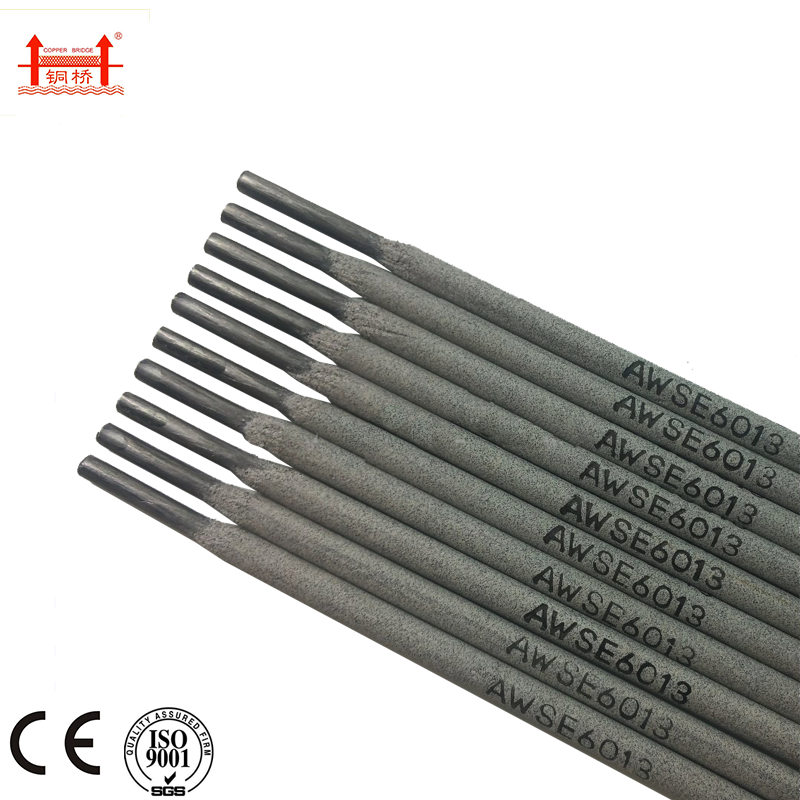
Before diving into the differences, a quick definition: both E6013 and E7018 are classifications under the AWS (American Welding Society) system. They refer to coated steel electrodes designed for Shielded Metal Arc Welding (SMAW), aka stick welding.
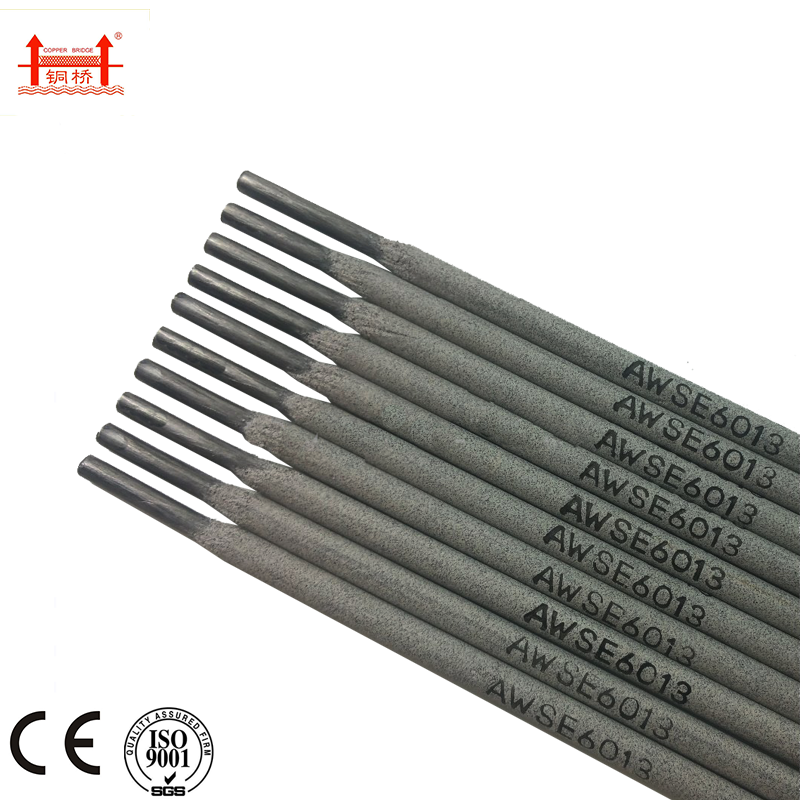
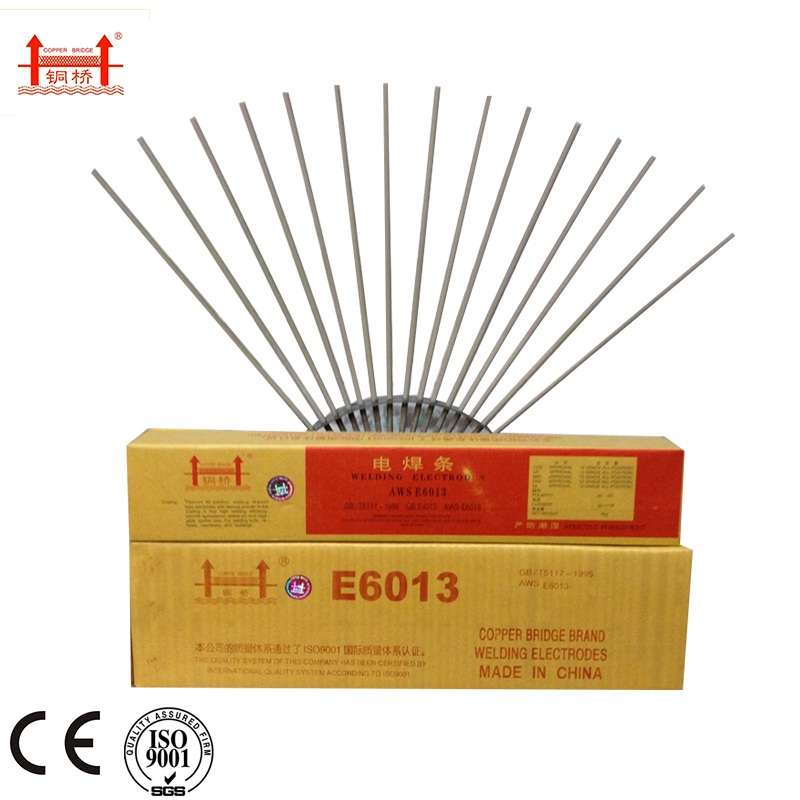
- E6013: A general-purpose, cellulose-covered electrode. It’s known for easy weld bead control, making it ideal for thin material and light penetration.
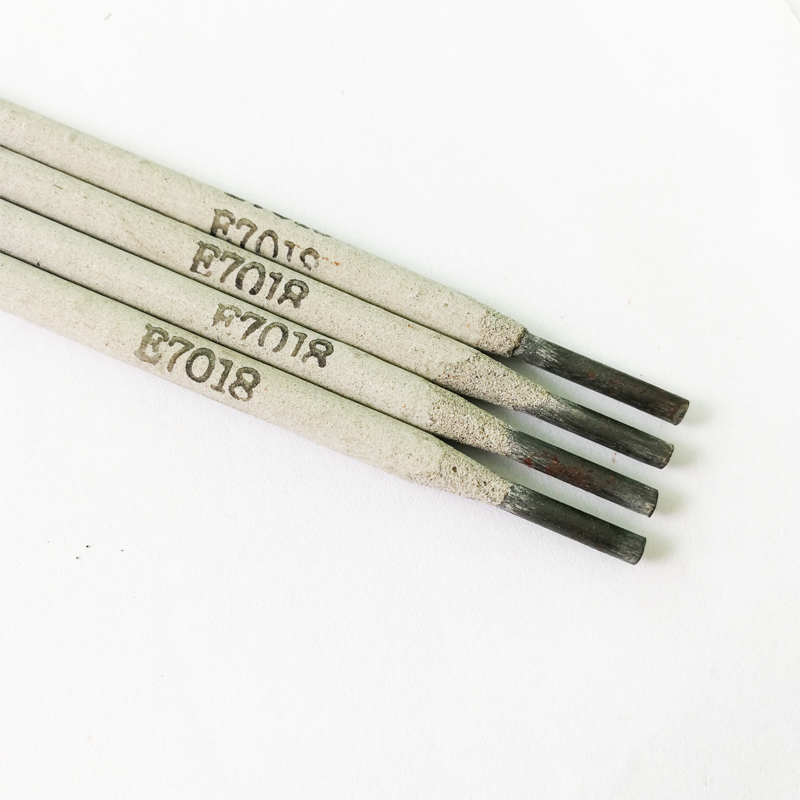
- E7018: A low-hydrogen, iron powder-coated electrode prized for deep penetration and superior mechanical properties, used in critical structural welds.
Why does this distinction matter? Because the type of coating and tensile strength both impact weld quality, crack resistance, and application usability.
Mini Takeaway:
In simple terms, E6013 is your friendly neighborhood electrode for quick, light jobs — kind of like a paintbrush — while E7018 is the professional-grade tool you trust to hold buildings and bridges together.
Key Factors that Define the Difference Between E6013 and E7018
1. Tensile Strength and Impact Resistance
The “60” in E6013 and the “70” in E7018 reference the minimum tensile strength in ksi — 60,000 psi and 70,000 psi respectively. That extra strength in E7018 makes it suitable for load-bearing structures. Plus, E7018 has better impact toughness, reducing the risk of brittle fractures.
2. Coating Type and Weld Appearance
E6013 features a cellulose-based coating, producing a smooth, easily controlled bead with moderate penetration, often less messy but less deep. E7018’s low-hydrogen iron powder coating ensures deeper penetration and a stronger, more durable weld — though it demands a little more skill to avoid contamination.
3. Welding Position and Usability
E6013 works well in all positions and is very forgiving — great for beginners or quick repairs. E7018, while also versatile, requires strict storage (to keep coatings dry) and is better suited for flat, horizontal, and vertical fillet welds.
4. Moisture Sensitivity
E7018 electrodes are moisture sensitive and can become brittle if not stored properly, leading to weld flaws. E6013 is more tolerant of moisture, making it more reliable for fieldwork in less controlled environments.
5. Current Type and Welding Parameters
E6013 typically runs on AC or DC currents and allows faster weld speeds. E7018 prefers DC currents and slower travel speeds to get that deep fusion.
Product Specification Table:
| Specification | E6013 | E7018 |
|---|---|---|
| Minimum Tensile Strength | 60,000 psi | 70,000 psi |
| Coating Type | Cellulose | Low-Hydrogen Iron Powder |
| Welding Position | All Positions | Flat, Horizontal, Vertical |
| Current Type | AC or DC | DC |
| Moisture Sensitivity | Low | High – requires dry storage |
Mini Takeaway:
Choosing between flexibility and strength really boils down to the application demands. For tack welding or thin metals? E6013. For critical infrastructure? E7018 all the way.
Where in the World Are These Electrodes Used?
You’ll find E6013 electrodes everywhere: automotive repair shops in North America, DIY workshops across Europe, and construction sites in South Asia. It’s the go-to for quick, non-structural welds where appearance and ease matter.
On the other hand, E7018 is king of the heavy-duty scene. Think oil pipelines in the Middle East, bridge construction in China, shipbuilding yards in South Korea, and heavy machinery factories throughout Germany. Its superior strength and crack resistance are favored by industries where failure costs millions.
In post-disaster infrastructure rebuilding — like after earthquakes — E7018 electrodes offer the durability needed for long-term safety. Regions recovering from such events often rely heavily on welding quality, understandably so.
Advantages & Long-Term Value of Selecting the Right Electrode
The right electrode doesn’t just affect your weld puddle — it reflects in cost savings, safety, and operational uptime. While E6013 electrodes can be cheaper upfront and easier to use for simpler jobs, the long-term value of E7018’s superior durability is hard to beat in structural projects.
- Safety: E7018 reduces the risk of weld failure, safeguarding lives and assets.
- Cost Efficiency: Although more expensive initially, it lowers repair frequency and labor costs.
- Sustainability: Stronger welds mean fewer replacements and less waste.
Frankly, many engineers say it feels like picking E7018 is investing in peace of mind. But there’s room for both, depending on needs.
Emerging Trends in Welding Electrodes
The welding industry isn’t standing still. Innovations include:
- Environmentally friendlier coatings reducing harmful fumes.
- Automated welding robots precisely controlling electrode feed and current.
- Development of electrodes compatible with renewable energy-powered welding equipment.
- Improved low-hydrogen electrodes with higher moisture resistance.
These advancements mean tomorrow’s welders might have new versions of E6013 and E7018 that are stronger and smarter.
Challenges & Solutions: Navigating Practical Realities
Moisture sensitivity of E7018 remains a headache in humid climates. Many welders use heated storage containers or vacuum packaging to keep moisture at bay. Training is also critical — improper welding technique with low-hydrogen rods can cause cracking.
For E6013, its shallower penetration limits use in thick materials. Sometimes fabricators resort to multipass welding, which adds time and cost.
One solution gaining traction is hybrid electrode technology, blending ease-of-use with strong low-hydrogen properties. That’s something worth watching.
Vendor Comparison Table: Popular E6013 and E7018 Electrodes
| Brand | E6013 Features | E7018 Features | Price Range (per kg) |
|---|---|---|---|
| Jinlong | Stable arc, easy slag removal | High tensile strength, low hydrogen | $3.80 - $5.20 |
| Lincoln Electric | Smooth bead, versatile | Excellent crack resistance | $4.50 - $6.50 |
| ESAB | Good arc stability | Consistent weld quality | $4.00 - $6.00 |
Frequently Asked Questions About What Is the Difference Between E6013 and E7018
- Q1: Can I use an E6013 electrode for structural welding?
- A1: Generally, no. E6013 electrodes lack the tensile strength and crack resistance necessary for structural welds. E7018 electrodes are recommended for such applications.
- Q2: Is E7018 harder to weld with than E6013?
- A2: Yes, E7018 requires drier storage and a bit more skill due to its low-hydrogen coating and operating parameters, but the superior weld quality justifies the effort.
- Q3: What happens if I use E7018 that has absorbed moisture?
- A3: Moisture can cause hydrogen embrittlement leading to cracking and poor weld integrity. Proper storage and baking of electrodes before use are essential to prevent this.
- Q4: Can I run E6013 electrodes on both AC and DC machines?
- A4: Absolutely. E6013 is versatile and works well with AC or DC currents, which adds to its popularity for simple jobs.
- Q5: Where can I learn more about electrode choices?
- A5: A great place to start is the what is the difference between e6013 and e7018 resource page, plus AWS and ISO welding standards.
Wrapping It Up: Why Getting the Difference Right Matters
Understanding what is the difference between e6013 and e7018 isn’t just technical jargon. It’s the foundation for making smart, safe, and cost-effective welding project decisions. Using the right electrode means fewer repairs, longer-lasting structures, and peace of mind — especially when stakes are high.
So next time you face a welding decision, think about the job’s demands and environmental conditions. Then pick your electrode wisely.
Want to learn more or source quality electrodes? Visit https://www.jinlongweldingelectrode.com for expert guidance and product details.
Final Mini Reflection:
In the end, welding is an art backed by science. The subtle but meaningful differences like those between E6013 and E7018 keep our modern world connected and standing tall.
References

Related Video


Related News

2026-04-16 02:35:10
Precision Guide for e312 16 welding rod and Dissimilar Steel Welding
In the demanding world of industrial fabrication and repair, selecting the correct filler metal is the difference between a structural failure and a lifetime bond. The e312 16 welding rod is specifically engineered to meet the rigorous needs of welding dissimilar steels, offering an exceptional balance of strength and corrosion resistance. Whether you are working on high-pressure pipelines or heavy machinery components, understanding the nuances of this specialized electrode is key to achieving professional-grade results. This guide explores the technical advantages and practical applications of the E312 series to help you optimize your welding workflow.
2026-04-09 02:35:17
Choosing the Right cs to ss welding rod number Professional Guide
Joining carbon steel (CS) to stainless steel (SS) is a common challenge in industrial fabrication, requiring a precise understanding of metallurgy to avoid weld failure. The most critical decision in this process is identifying the correct cs to ss welding rod number to ensure a strong, corrosion-resistant bond. Using the wrong filler metal can lead to cracking or premature oxidation due to the different thermal expansion rates of the two materials. In this comprehensive guide, we will break down the technical specifications and selection criteria to help you achieve a professional-grade weld every time.
2026-04-07 02:25:29
Comprehensive Guide to 409 Welding Rod Selection and Optimal Usage
When it comes to welding applications requiring corrosion resistance and good weldability, the 409 welding rod is a frequently chosen option. This article provides a detailed overview of this versatile welding rod, exploring its composition, applications, benefits, and considerations for optimal use. Whether you’re a seasoned professional or new to welding, understanding the properties of 409 welding rod is crucial for achieving high-quality, durable welds. We’ll cover everything you need to know to make informed decisions for your welding projects.
2026-04-04 02:35:28
Comprehensive Guide to 330 Stainless Steel Welding Rod Applications and Techniques
330 stainless steel welding rods are a crucial component in various industries, offering exceptional corrosion resistance and high-temperature strength. This article provides an in-depth look at these rods, covering their properties, applications, choosing the right rod, welding techniques, safety precautions, and where to find high-quality options. Whether you're a seasoned welding professional or new to the field, this guide will offer valuable insights.
2026-03-31 02:35:08
Comprehensive Guide to 312 Stainless Tig Rod for Superior Welding Performance
When choosing the right filler metal for your TIG welding projects, especially in demanding applications, 312 stainless steel tig rod stands out for its exceptional corrosion resistance and high-temperature strength. This comprehensive guide will explore its composition, applications, benefits, and how it compares to other stainless steel rods. We'll also point you to resources for sourcing high-quality rods.
2026-03-28 02:45:04
Comprehensive Guide to 312 17 Welding Rod Applications and Technical Details
Welding rods are essential consumables in the welding process, and selecting the right one is crucial for achieving strong, durable, and high-quality welds. The 312 17 welding rod is a popular choice for many applications due to its unique properties and versatility. This article delves into the characteristics, applications, benefits, and considerations when using 312 17 welding rods, providing a comprehensive resource for welders and engineers alike. Choosing the right rod directly impacts the success and longevity of any welding project.
2026-03-26 02:35:10
Comprehensive Guide to the 312 16 Welding Rod for Superior Steel Welding
The 312 16 welding rod is a versatile and widely-used electrode in various welding applications. Known for its excellent weldability and strong mechanical properties, it's a go-to choice for professionals and hobbyists alike. This article delves into the specifics of this electrode, covering its composition, applications, advantages, and how to choose the right one for your projects. Understanding the nuances of the 312 16 welding rod is crucial for achieving high-quality, durable welds. The designation "312 16" provides key information about the welding rod. "312" refers to the type of flux coating, specifically a low-hydrogen, iron powder coating. This coating is designed to produce welds with excellent mechanical properties and good resistance to cracking. The "16" indicates the diameter of the rod in 32nds of an inch – so a 312 16 rod has a diameter of 16/32 or 1/2 inch. This combination makes it suitable for a wide range of steel welding applications. The low-hydrogen nature of the flux minimizes hydrogen-induced cracking, a common issue in welding certain steels.
2026-03-24 02:45:07
Comprehensive Guide to 309LSI TIG Rod Welding Applications and Best Practices
The 309LSI TIG rod is a versatile welding consumable widely used across various industries for its exceptional corrosion resistance and weldability. This article will explore the properties, applications, advantages, and best practices associated with using 309LSI TIG rods. Whether you're a seasoned welding professional or new to the field, this guide will provide you with valuable insights into maximizing the performance and longevity of your welds. The 309LSI TIG rod is a stainless steel electrode specifically designed for Gas Tungsten Arc Welding (GTAW), commonly known as TIG welding. The "309LSI" designation indicates the alloy composition: 309 signifies the chromium-nickel content, 'L' denotes low carbon content for enhanced corrosion resistance, and 'SI' signifies stabilized with silicon for improved resistance to carbide precipitation during welding.

 English
  Arabic
  Bengali
  China
China  French
  German
  Hausa
Hausa  Indonesian
  Italian
  Japanese
  Javanese
  Malay
Malay  Persian
  Portuguese
  Punjabi
  Russian
  Spanish
  Swahili
  Telugu
  Vietnamese