

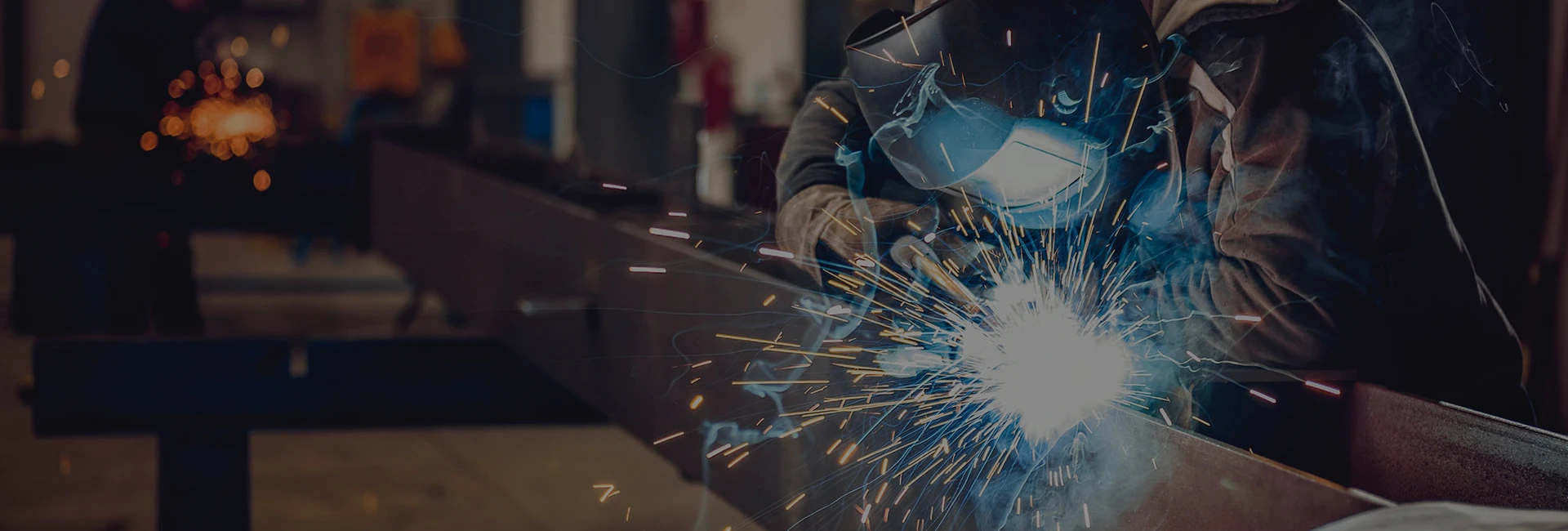
AWS E6013 Welding Electrode Specification Explained – Uses, Advantages & Vendors

AWS E6013 Welding Electrode Specification Explained – Uses, Advantages & Vendors
Nov . 27, 2025 21:40
Cracking the Code: Understanding AWS E6013 Welding Electrode Specification
Whether you’re a seasoned welder, a quality control engineer, or a procurement manager in charge of sourcing consumables, the AWS E6013 welding electrode specification is a critical piece of the puzzle. Globally, with industries ranging from automotive to infrastructure booming, welding consumables like E6013 electrodes are quietly underpinning the safety, durability, and success of countless metal fabrications.
But why exactly does this specification matter so much? For starters, understanding it reduces costly mistakes in choosing welding rods, ensures structural integrity, and harmonizes processes worldwide, especially in sectors with exacting safety standards. Plus, given the expanding industrial footprint in emerging economies and the rising need for repair-and-restore projects, leveraging electrodes with proven specs like AWS E6013 can directly impact productivity.
Mini takeaway: The AWS E6013 specification is more than letters and numbers—it’s a global language ensuring welders match the right electrode to the right task, every single time.
The Dynamics of AWS E6013 Welding Electrode Specification in a Global Context
According to the International Organization for Standardization (ISO) and data from the World Bank, global steel production passed 1.8 billion metric tons recently, driving massive demand for reliable welding materials. Welding electrodes, particularly those conforming to aws e6013 welding electrode specification, play a foundational role.
Think about the construction booms in Southeast Asia, infrastructure rebuilds in post-conflict zones, or shipbuilding in Europe. Each scenario demands electrodes that can handle varying conditions, from outdoor weather fluctuations to strict quality certifications. AWS E6013 addresses these challenges by standardizing electrical, mechanical, and chemical properties across manufacturers globally.
Oddly enough, despite advances in automated welding tech, the humble E6013 electrode remains a staple for manual and semi-automatic welding, especially in on-site jobs, thanks to its versatility and ease of use.
Mini takeaway: In a fast-changing industrial landscape, AWS E6013 electrodes form a dependable “constant” — trusted worldwide, no matter the scale of the project.
Decoding the AWS E6013 Welding Electrode Specification
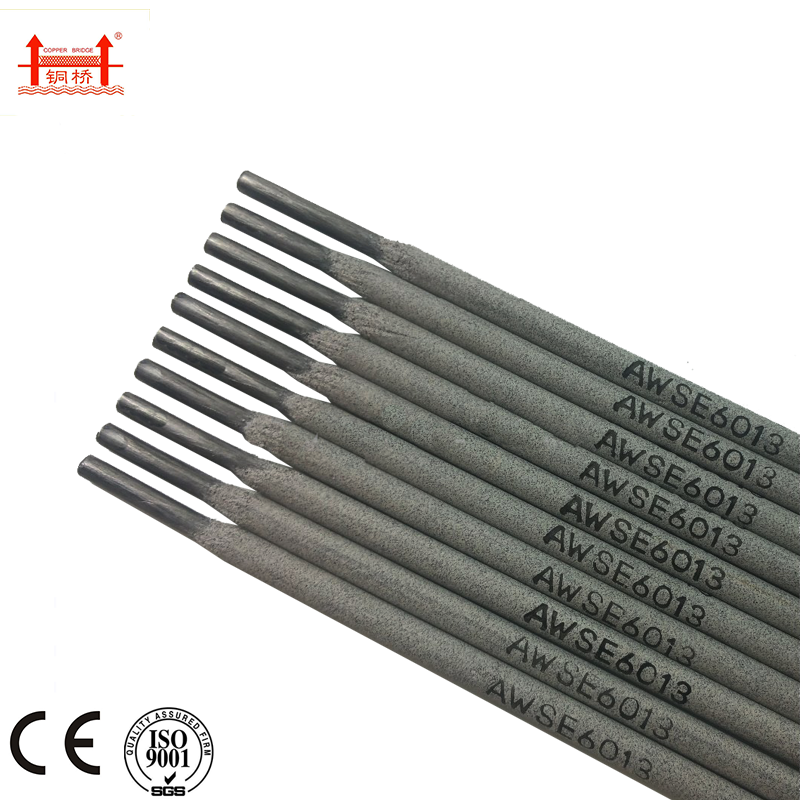
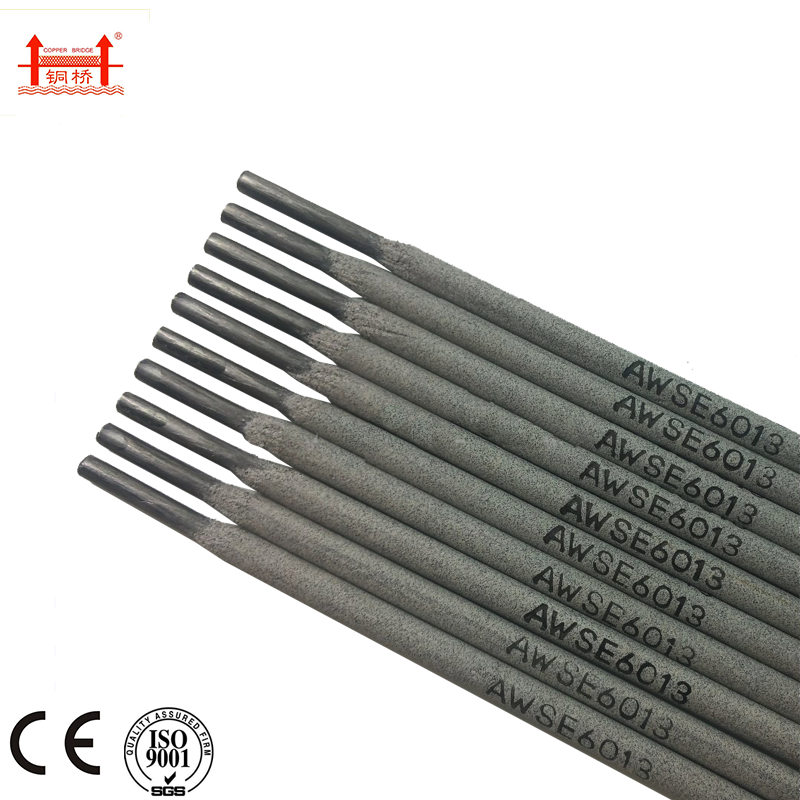
At its core, the AWS E6013 welding electrode specification is a classification defined by the American Welding Society (AWS) that dictates a particular electrode’s properties, usability, and electrical characteristics. Let’s break down the codename:
- E: Stands for “Electrode”
- 60: Indicates minimum tensile strength (60,000 psi)
- 1: Signifies a welding position versatility — all positions
- 3: Refers to the type of coating and current usability (AC or DC with electrode positive)
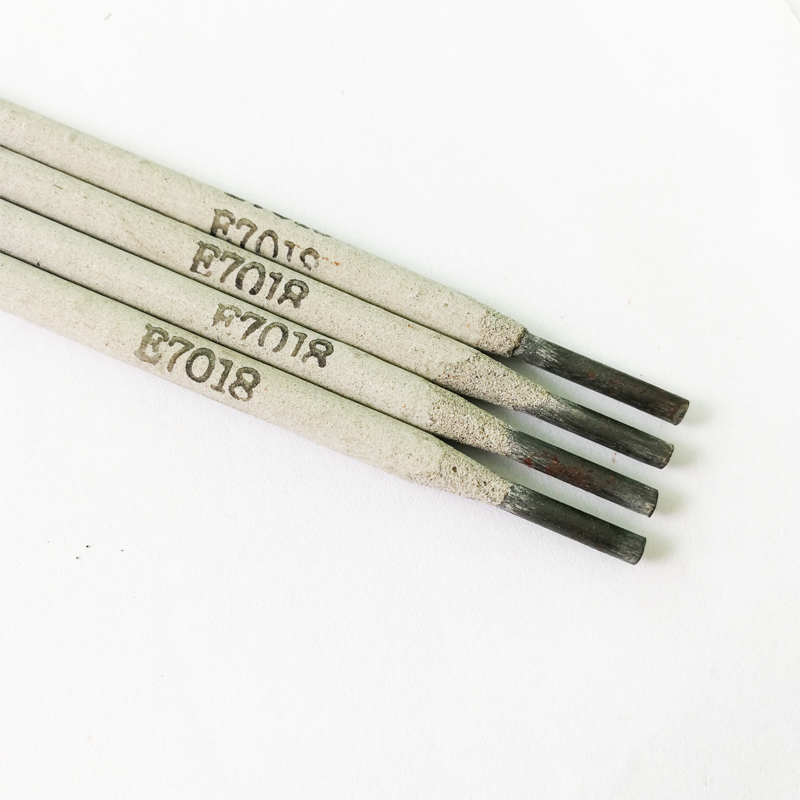
Unlike some of its siblings like E7018, which requires more skill and has specific moisture sensitivities, E6013 electrodes are designed for smooth arcs, light slag, and moderate penetration — perfect for thin to medium gauge metals.
In industries that are crucial for humanitarian needs — like building emergency shelters or making quick infrastructure repairs after natural disasters — their ease of use and reliability save time and lives.
Mini takeaway: Simply put, AWS E6013 welding electrode classification tells you how strong, versatile, and easy to use the electrode is.
Key Factors Behind AWS E6013's Versatility
1. Ease of Use
The flux coating on E6013 electrodes creates a smooth arc and stable welding environment, suitable for beginner and intermediate welders. This ease can reduce rework and improve throughput on job sites.
2. Position Flexibility
Welders can use these electrodes in flat, horizontal, vertical, and overhead positions. This makes fabrication or repair work in tight or complex spaces more practical.
3. Electrical Compatibility
E6013 electrodes work well on AC and DC+ power sources, granting flexibility with varied welding equipment—critical in remote or resource-limited areas.
4. Mild Penetration
The electrode produces a light penetration profile, which is beneficial when working with thinner materials or in layered welds where too much heat could cause defects.
5. Surface Finish
It leaves a smoother, lighter slag that’s easier to chip away, speeding up the cleanup process.
6. Cost-Effectiveness
Because of its simpler coatings and forgiving properties, E6013 rods are often more affordable than specialized electrodes, favoring budget-sensitive projects.
Mini takeaway: These factors combined make AWS E6013 electrodes a great “all-rounder” for many welding applications.
Where in the World Are AWS E6013 Electrodes Making a Difference?
From bustling factories in China assembling automotive frames to rural construction teams in Latin America repairing bridges, E6013 electrodes are everywhere. But some standout areas deserve mention.
- Disaster Relief: Teams in earthquake-hit zones use the electrode’s easy handling to rebuild shelters fast.
- Shipbuilding: Because of the electrode’s reliable weld quality and slag removal, many mid-sized shipyards depend on it for hull patching.
- Farm Equipment Repair: In agricultural areas of Africa and Asia, E6013 rods enable quick fixes of tractors and tools under challenging outdoor conditions.
- Small-Scale Fabrication: Furniture or light steel component makers prefer it for speed and decent weld strength.
Many NGOs and contractors also prefer the AWS E6013 spec to ensure purchased electrodes meet a dependable quality bar — easing cross-border logistics and inspections.
Mini takeaway: Whether for industry or emergency, AWS E6013 electrodes offer reachable quality wherever skilled or semi-skilled hands weld.
Comparing Popular AWS E6013 Welding Electrodes: Specifications Table
| Specification | Typical Values | Remarks |
|---|---|---|
| Minimum Tensile Strength | 60,000 psi (415 MPa) | As per AWS |
| Usable Positions | Flat, Horizontal, Vertical, Overhead | Great for multi-positional welding |
| Current Compatibility | AC or DC (+) | Versatile with machines |
| Flux Type | Cellulose potassium | Creates smooth arc and light slag |
| Typical Weld Metal Deposit | Smooth, easily removable slag | Speeds post-weld cleanup |
Top Vendors Compared: Which AWS E6013 Welding Electrode Fits Your Project?
| Vendor | Quality Certifications | Price Range (per kg) | Delivery Reach | Ideal Users |
|---|---|---|---|---|
| Jinlong Welding Electrode | AWS, ISO 9001 | $3.50 - $4.50 | Global | Industrial & Construction |
| Lincoln Electric | AWS, ISO 14001 | $4.00 - $5.00 | Worldwide | Heavy Industry |
| ESAB | AWS, ISO 45001 | $3.80 - $4.80 | Global | Mixed Industry use |
Advantages and Long-Term Value of AWS E6013 Electrodes
It’s not just about the specs or certifications—there’s an emotional story here too. Engineers often say that working with AWS E6013 electrodes is like “having a safety net,” because the welds are consistent, the slag manageable, and the rods forgiving under less-than-ideal conditions.
Logic backs that emotion: cost efficiency on supply chains, reduced rework, and faster project turnarounds all boost profit margins. Sustainability-wise, fewer defective welds mean less waste and energy spent on repairs. And socially, when infrastructure lasts, communities feel a bit more secure, a bit more hopeful.
Ultimately, few electrodes strike a balance between accessibility, reliability, and affordability like E6013.
Emerging Innovations and Trends Affecting AWS E6013 Electrodes
In recent years, there’s been a push toward “greener” welding consumables — less toxic flux ingredients, recycled materials, and packaging that cuts plastic waste. Automating welding processes also nudges electrode design to adapt, making rods that perform well under robotic arms.
Digitalization might soon let welders track electrode batch history via embedded codes, increasing traceability — particularly useful in aerospace or energy sectors.
Still, manual welding with E6013 rods won’t vanish anytime soon, especially in remote or underdeveloped regions. These electrodes remain a technology both old-school and future-aware.
Common Challenges with E6013 Electrodes and How to Tackle Them
Every product has its quirks, and E6013 electrodes are no exception:
- Sensitivity to Moisture: If exposed to dampness, these rods can produce poor welds. The fix? Store in dry conditions or bake electrodes before use.
- Limited Deep Penetration: Not ideal for very thick metals requiring structural-grade welds. Use higher penetration rods for such jobs.
- Slag Removal: Although light, slag still needs careful removal to ensure weld integrity in multilayer applications.
Welders often suggest pairing E6013 use with proper training and adherence to manufacturer guidelines to maximize results.
FAQs About AWS E6013 Welding Electrode Specification
Q1: What metals are best welded with E6013 electrodes?
A1: E6013 rods are ideal for mild steel and low carbon steel. They excel on thin to medium thickness sheets and plates, offering a stable arc and smooth welds.
Q2: Can I use AWS E6013 electrodes with AC welding machines?
A2: Absolutely! One of E6013’s strengths is its compatibility with both AC and DC+ power sources, making it versatile across various equipment setups.
Q3: How do I store E6013 welding rods to keep them effective?
A3: Store electrodes in a dry, sealed container at room temperature. Avoid humidity and moisture exposure, or else bake them in an electrode oven before use to restore performance.
Q4: Is E6013 suitable for outdoor welding?
A4: Yes, many welders prefer it for outdoor and fieldwork because the cellulose potassium coating produces a stable arc that tolerates occasional wind and irregular surfaces.
Q5: How does AWS E6013 compare to E7018 electrodes in terms of ease of use?
A5: E6013 is generally easier to handle with less skill required, suited for beginners. E7018 offers stronger welds and better crack resistance but demands drier storage and more expertise.
Conclusion: Why Keeping AWS E6013 Specification in Mind Pays Off
Overall, understanding the AWS E6013 welding electrode specification is essential for anyone working with mild steel fabrication, whether in a factory, a rural site, or an emergency zone. It offers the perfect blend of user-friendliness, versatility, and reliability — a true workhorse electrode.
For professionals seeking quality, spanning the globe, you can trust suppliers who maintain strict adherence to this spec — especially vendors like Jinlong Welding Electrode. It may seem like a small piece of welding puzzle, but it’s part of what keeps our steel frames standing and industries moving forward.
Remember, welding is both craft and science — and specs like AWS E6013 help weld them together.
Visit https://www.jinlongweldingelectrode.com to explore a range of AWS E6013 electrodes designed for global demands.
References:

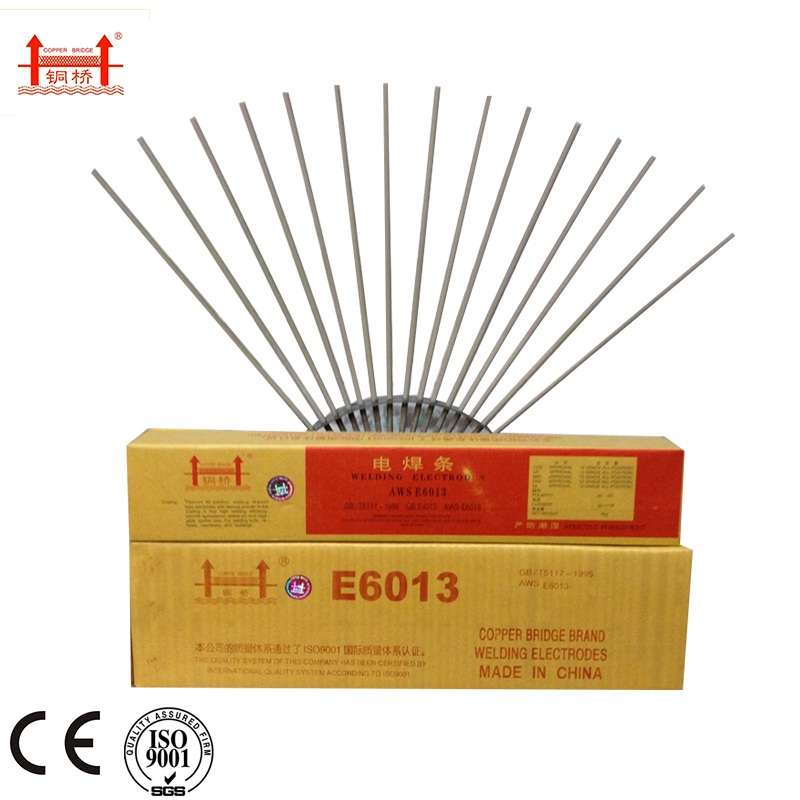
Related Video

Related News


2026-04-16 02:35:10
Precision Guide for e312 16 welding rod and Dissimilar Steel Welding
In the demanding world of industrial fabrication and repair, selecting the correct filler metal is the difference between a structural failure and a lifetime bond. The e312 16 welding rod is specifically engineered to meet the rigorous needs of welding dissimilar steels, offering an exceptional balance of strength and corrosion resistance. Whether you are working on high-pressure pipelines or heavy machinery components, understanding the nuances of this specialized electrode is key to achieving professional-grade results. This guide explores the technical advantages and practical applications of the E312 series to help you optimize your welding workflow.
2026-04-09 02:35:17
Choosing the Right cs to ss welding rod number Professional Guide
Joining carbon steel (CS) to stainless steel (SS) is a common challenge in industrial fabrication, requiring a precise understanding of metallurgy to avoid weld failure. The most critical decision in this process is identifying the correct cs to ss welding rod number to ensure a strong, corrosion-resistant bond. Using the wrong filler metal can lead to cracking or premature oxidation due to the different thermal expansion rates of the two materials. In this comprehensive guide, we will break down the technical specifications and selection criteria to help you achieve a professional-grade weld every time.
2026-04-07 02:25:29
Comprehensive Guide to 409 Welding Rod Selection and Optimal Usage
When it comes to welding applications requiring corrosion resistance and good weldability, the 409 welding rod is a frequently chosen option. This article provides a detailed overview of this versatile welding rod, exploring its composition, applications, benefits, and considerations for optimal use. Whether you’re a seasoned professional or new to welding, understanding the properties of 409 welding rod is crucial for achieving high-quality, durable welds. We’ll cover everything you need to know to make informed decisions for your welding projects.
2026-04-04 02:35:28
Comprehensive Guide to 330 Stainless Steel Welding Rod Applications and Techniques
330 stainless steel welding rods are a crucial component in various industries, offering exceptional corrosion resistance and high-temperature strength. This article provides an in-depth look at these rods, covering their properties, applications, choosing the right rod, welding techniques, safety precautions, and where to find high-quality options. Whether you're a seasoned welding professional or new to the field, this guide will offer valuable insights.
2026-03-31 02:35:08
Comprehensive Guide to 312 Stainless Tig Rod for Superior Welding Performance
When choosing the right filler metal for your TIG welding projects, especially in demanding applications, 312 stainless steel tig rod stands out for its exceptional corrosion resistance and high-temperature strength. This comprehensive guide will explore its composition, applications, benefits, and how it compares to other stainless steel rods. We'll also point you to resources for sourcing high-quality rods.
2026-03-28 02:45:04
Comprehensive Guide to 312 17 Welding Rod Applications and Technical Details
Welding rods are essential consumables in the welding process, and selecting the right one is crucial for achieving strong, durable, and high-quality welds. The 312 17 welding rod is a popular choice for many applications due to its unique properties and versatility. This article delves into the characteristics, applications, benefits, and considerations when using 312 17 welding rods, providing a comprehensive resource for welders and engineers alike. Choosing the right rod directly impacts the success and longevity of any welding project.
2026-03-26 02:35:10
Comprehensive Guide to the 312 16 Welding Rod for Superior Steel Welding
The 312 16 welding rod is a versatile and widely-used electrode in various welding applications. Known for its excellent weldability and strong mechanical properties, it's a go-to choice for professionals and hobbyists alike. This article delves into the specifics of this electrode, covering its composition, applications, advantages, and how to choose the right one for your projects. Understanding the nuances of the 312 16 welding rod is crucial for achieving high-quality, durable welds. The designation "312 16" provides key information about the welding rod. "312" refers to the type of flux coating, specifically a low-hydrogen, iron powder coating. This coating is designed to produce welds with excellent mechanical properties and good resistance to cracking. The "16" indicates the diameter of the rod in 32nds of an inch – so a 312 16 rod has a diameter of 16/32 or 1/2 inch. This combination makes it suitable for a wide range of steel welding applications. The low-hydrogen nature of the flux minimizes hydrogen-induced cracking, a common issue in welding certain steels.
2026-03-24 02:45:07
Comprehensive Guide to 309LSI TIG Rod Welding Applications and Best Practices
The 309LSI TIG rod is a versatile welding consumable widely used across various industries for its exceptional corrosion resistance and weldability. This article will explore the properties, applications, advantages, and best practices associated with using 309LSI TIG rods. Whether you're a seasoned welding professional or new to the field, this guide will provide you with valuable insights into maximizing the performance and longevity of your welds. The 309LSI TIG rod is a stainless steel electrode specifically designed for Gas Tungsten Arc Welding (GTAW), commonly known as TIG welding. The "309LSI" designation indicates the alloy composition: 309 signifies the chromium-nickel content, 'L' denotes low carbon content for enhanced corrosion resistance, and 'SI' signifies stabilized with silicon for improved resistance to carbide precipitation during welding.

 English
  Arabic
  Bengali
  China
China  French
  German
  Hausa
Hausa  Indonesian
  Italian
  Japanese
  Javanese
  Malay
Malay  Persian
  Portuguese
  Punjabi
  Russian
  Spanish
  Swahili
  Telugu
  Vietnamese