

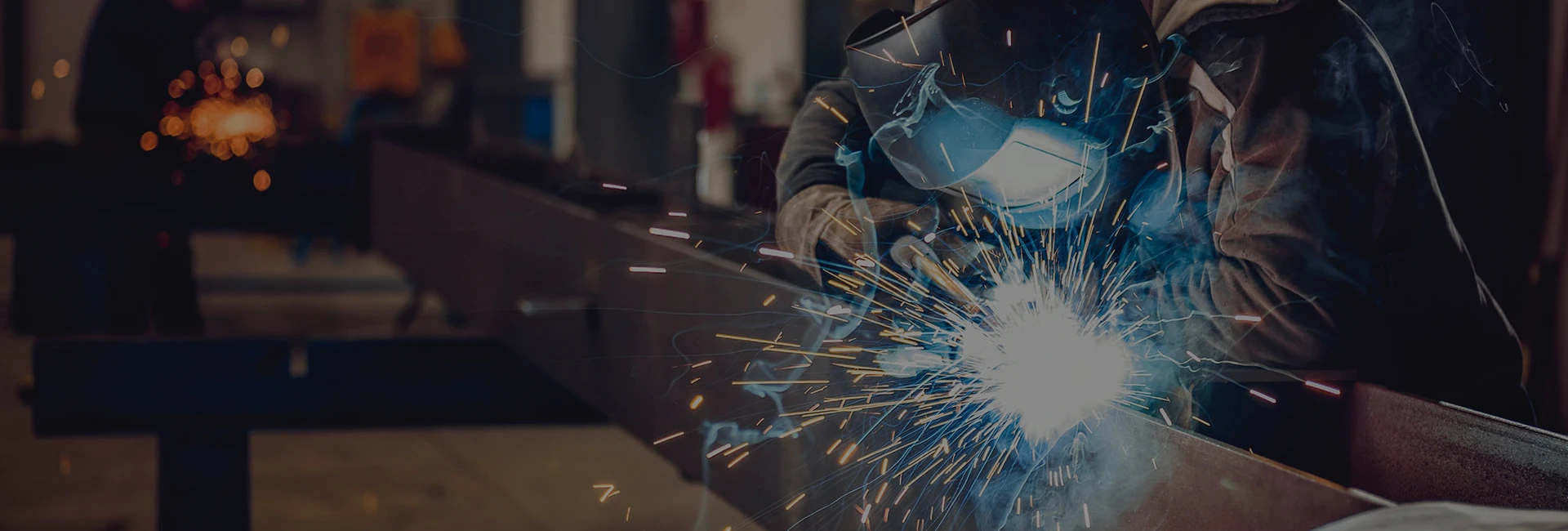
Comprehensive Guide to MS Welding Rod 7018 – Strength, Uses & Global Insights

Comprehensive Guide to MS Welding Rod 7018 – Strength, Uses & Global Insights
Nov . 30, 2025 13:45
Understanding MS Welding Rod 7018: Why It Matters Worldwide
If you’ve ever wondered about the silent unsung heroes behind the steel frameworks of skyscrapers, bridges, or industrial machinery, ms welding rod 7018 is quietly holding it all together. This welding rod type stands out as a pivotal material in construction and manufacturing sectors globally. Why does it matter so much? Because its unique characteristics not only ensure ironclad durability but also address challenges related to safety, cost-efficiency, and sustainability in infrastructure projects.
Around the world, infrastructures are aging, and demands for more robust, safer welding solutions are rising. With industries looking to balance performance with environmental and economic pressures, understanding the role of ms welding rod 7018 is increasingly valuable for engineers, contractors, and even policymakers.
Global Context: Welding Rods in an Ever-Changing Industry
The welding industry has grown alongside global infrastructure expansion. According to the International Organization for Standardization (ISO), welding consumes billions of rods annually, a figure expected to grow as fast urbanization continues. But here’s the catch: As structures around the world face increased load-bearing demands, climatic challenges, and aging issues, not every welding rod performs as reliably as it needs to.
MS welding rod 7018 addresses some of these issues by offering better strength and smoother welds, key factors in minimizing structural failures — a challenge worldwide. Industrial accidents from faulty welds cost billions annually, according to statistics collected by the U.S. Occupational Safety and Health Administration. Better rods, better safety.
What Exactly Is MS Welding Rod 7018?
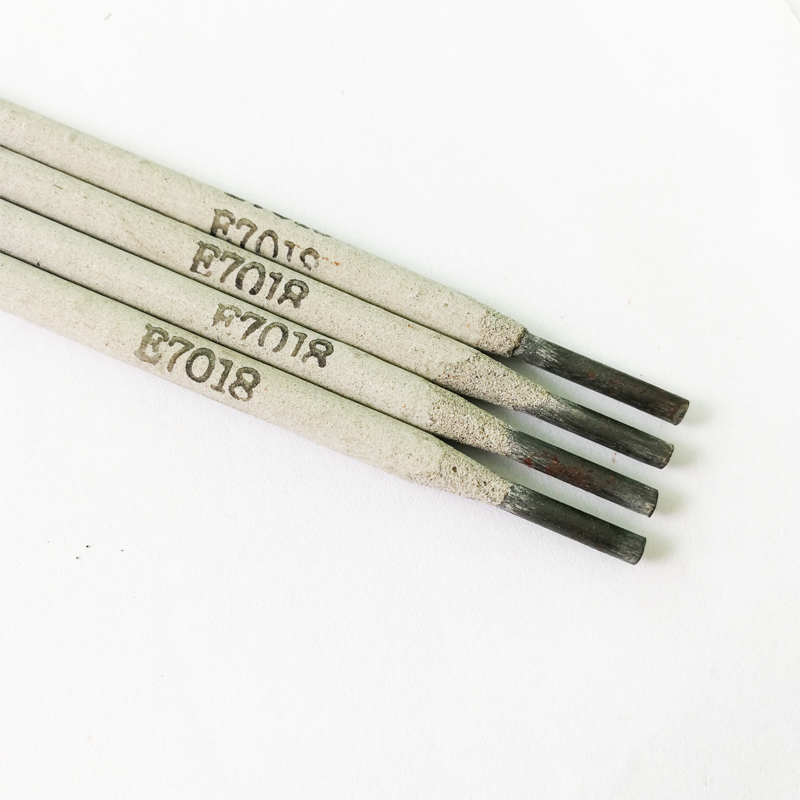
In simple terms, ms welding rod 7018 is a low-hydrogen electrode rod used primarily for welding mild steel (hence “MS”). The number “7018” itself follows an industry standard (AWS classification), meaning the rod:
- Has a tensile strength of 70,000 psi
- Is suitable for all welding positions
- Contains low hydrogen to reduce cracking
- Typically coated with a special flux for better stability
It’s the preferred choice in many industries because it creates durable, crack-resistant welds that maintain structural integrity — essential in everything from heavy construction to shipbuilding.
Mini Takeaway:
Think of ms welding rod 7018 as the "go-to" sturdy handshake ensuring your steel connections won’t let you down when it matters most.
Core Aspects of MS Welding Rod 7018
1. Durability and Strength
This rod produces consistently strong welds capable of withstanding extreme stress and fatigue. Many engineers swear by 7018 rods when safety is non-negotiable.
2. Low Hydrogen Content
Hydrogen-induced cracking is a major risk in welding. Thanks to its low-hydrogen coating, ms welding rod 7018 reduces this risk significantly, supporting tougher, longer-lasting joins.
3. Versatility in Welding Positions
The 7018 rod works well flat, vertical, overhead, or horizontal — a big advantage on complex construction sites where access can be tricky.
4. Cost Efficiency
It’s not the cheapest rod on the market, but the lowered chance of defects and rework often saves money over the lifetime of a project.
5. Improved Weld Appearance
Compared to older rods, 7018 often leads to smoother, cleaner weld beads, reducing post-weld finishing time.
6. Oxygen and Moisture Resistance
The flux coating protects the molten weld pool from atmospheric contamination — crucial for maintaining weld quality in outdoor environments.
Mini Takeaway:
It’s that combination of strength and reliability, wrapped up with ease of use, that keeps this rod top dog in tricky welding scenarios.
Specifications at a Glance
| Specification | Details |
|---|---|
| Tensile Strength | 70,000 psi |
| Current | AC/DC |
| Position | All Positions (1F, 2F, 3F, 4F) |
| Rod Diameter | 1/8", 3/32", 5/32", 1/16" |
| Flux Type | Low Hydrogen Iron Powder |
| Typical Usage | Structural Steel Welding |
Global Applications and Industry Use Cases
It’s fascinating how widespread ms welding rod 7018 usage is. In oil and gas pipelines stretching across the Middle East, welders rely on 7018 rods because cracks in welds can mean environmental disasters or lost livelihoods. Similarly, in developing economies' infrastructure boom—think African and South Asian urbanization—this rod helps build safer bridges, water tanks, and industrial plants.
During humanitarian construction projects—like rebuilding post-earthquake zones in Nepal or Indonesia—using ms welding rod 7018 ensures that hastily erected but critical facilities stand firm against aftershocks and weather.
Even remote industrial mining sites in Australia or Canada face tough conditions that demand a reliable rod to handle impurities and temperature swings without weld failures.
Mini Takeaway:
If it’s structural integrity in places spanning dusty deserts to high-altitude terrains, 7018 is often the dependable choice.
Why Choose MS Welding Rod 7018? Advantages & Long-Term Impact
- Safety: The rods significantly reduce weld cracking and failures, protecting lives and investments.
- Reliability: Consistent weld quality means fewer repairs and downtime.
- Sustainability: Durable welds mean lower material waste from rework and replacements.
- Financial: Although not the cheapest upfront, overall project cost drops thanks to efficiency and fewer defects.
- Emotional peace of mind: For engineers and builders, confidence in the joint’s integrity is priceless.
Emerging Trends & Innovations Around MS Welding Rod 7018
The welding world isn’t static. New flux formulations incorporating eco-friendly materials are in R&D stages, aiming to reduce fumes and hazardous residues. Automation and robotics increasingly use ms welding rod 7018 variants optimized for mechanized welding, improving consistency even further.
Meanwhile, digital sensors in welding helmets and equipment help real-time monitoring of weld quality — cutting down guesswork for operators.
Green energy infrastructure like wind turbines and solar farms are also driving demand for welding rods that handle stainless or high-strength steels alongside mild steel, prompting multi-purpose research enhancements.
Common Challenges & Practical Solutions
That said, ms welding rod 7018 isn’t without hurdles. The rods must be kept dry; moisture can lead to hydrogen issues defeating its low-hydrogen advantage. Storage and handling protocols need to be strict. Additionally, welders require training since incorrect amperage or poor technique can cause defects.
Solution-wise, innovations like vacuum-sealed packaging or on-site drying ovens help maintain rod quality. Industry-run certification programs improve workforce skill levels globally, which, frankly, boosts project outcomes.
Vendor Comparison: Popular MS Welding Rod 7018 Suppliers
| Vendor | Rod Diameter Range | Price (per kg) | Packaging Options | Shipping Availability |
|---|---|---|---|---|
| Jinlong Welding Electrode | 1/16" to 1/8" | $12 - $15 | 10kg, 20kg boxes | Worldwide |
| Lincoln Electric | 3/32" to 5/32" | $14 - $18 | 5kg, 10kg tubs | Regional |
| ESAB | 1/16" to 1/4" | $15 - $20 | 10kg boxes, bulk shipments available | Worldwide |
FAQ: Common Questions About MS Welding Rod 7018
Q1: What makes ms welding rod 7018 better than other mild steel rods?
A: The low hydrogen coating in 7018 rods significantly reduces weld cracking and improves toughness. It also supports usage in all welding positions and creates smooth, reliable welds preferred for critical structural applications.
Q2: Can I use ms welding rod 7018 outdoors?
A: Yes, but it’s crucial to keep the rods dry before and during use. Moisture exposure compromises the low hydrogen benefit, causing porosity and weld defects.
Q3: How long can ms welding rod 7018 be stored?
A: If stored properly in a dry environment, sealed containers can preserve rod quality for up to 6 months. Re-baking rods is recommended if exposed to humidity.
Q4: Is ms welding rod 7018 suitable for beginners?
A: Relatively yes. It’s forgiving across multiple positions, but beginners should receive training on amperage settings and electrode angles to avoid weld defects.
Q5: How do I import ms welding rod 7018 internationally?
A: Importers often coordinate with certified suppliers like ms welding rod 7018 vendors that handle documentation, certifications, and global shipping, streamlining customs clearance and compliance.
Wrapping It Up: Why MS Welding Rod 7018 Still Rules the Roost
The long-term benefits of ms welding rod 7018 are clear. It’s a reliable choice balancing strength, cost, and ease of use — tackling global infrastructure challenges from bustling cities to far-flung industrial zones. Whether you’re a seasoned welder, a project manager, or just curious about what holds metal worlds together, embracing the right rod can save lives, money, and countless headaches.
Ready to see what the best ms welding rod 7018 can do for your next project? Visit us at www.jinlongweldingelectrode.com for detailed product choices and expert advice.
References:

Related Video

Related News


2026-04-16 02:35:10
Precision Guide for e312 16 welding rod and Dissimilar Steel Welding
In the demanding world of industrial fabrication and repair, selecting the correct filler metal is the difference between a structural failure and a lifetime bond. The e312 16 welding rod is specifically engineered to meet the rigorous needs of welding dissimilar steels, offering an exceptional balance of strength and corrosion resistance. Whether you are working on high-pressure pipelines or heavy machinery components, understanding the nuances of this specialized electrode is key to achieving professional-grade results. This guide explores the technical advantages and practical applications of the E312 series to help you optimize your welding workflow.
2026-04-09 02:35:17
Choosing the Right cs to ss welding rod number Professional Guide
Joining carbon steel (CS) to stainless steel (SS) is a common challenge in industrial fabrication, requiring a precise understanding of metallurgy to avoid weld failure. The most critical decision in this process is identifying the correct cs to ss welding rod number to ensure a strong, corrosion-resistant bond. Using the wrong filler metal can lead to cracking or premature oxidation due to the different thermal expansion rates of the two materials. In this comprehensive guide, we will break down the technical specifications and selection criteria to help you achieve a professional-grade weld every time.
2026-04-07 02:25:29
Comprehensive Guide to 409 Welding Rod Selection and Optimal Usage
When it comes to welding applications requiring corrosion resistance and good weldability, the 409 welding rod is a frequently chosen option. This article provides a detailed overview of this versatile welding rod, exploring its composition, applications, benefits, and considerations for optimal use. Whether you’re a seasoned professional or new to welding, understanding the properties of 409 welding rod is crucial for achieving high-quality, durable welds. We’ll cover everything you need to know to make informed decisions for your welding projects.
2026-04-04 02:35:28
Comprehensive Guide to 330 Stainless Steel Welding Rod Applications and Techniques
330 stainless steel welding rods are a crucial component in various industries, offering exceptional corrosion resistance and high-temperature strength. This article provides an in-depth look at these rods, covering their properties, applications, choosing the right rod, welding techniques, safety precautions, and where to find high-quality options. Whether you're a seasoned welding professional or new to the field, this guide will offer valuable insights.
2026-03-31 02:35:08
Comprehensive Guide to 312 Stainless Tig Rod for Superior Welding Performance
When choosing the right filler metal for your TIG welding projects, especially in demanding applications, 312 stainless steel tig rod stands out for its exceptional corrosion resistance and high-temperature strength. This comprehensive guide will explore its composition, applications, benefits, and how it compares to other stainless steel rods. We'll also point you to resources for sourcing high-quality rods.
2026-03-28 02:45:04
Comprehensive Guide to 312 17 Welding Rod Applications and Technical Details
Welding rods are essential consumables in the welding process, and selecting the right one is crucial for achieving strong, durable, and high-quality welds. The 312 17 welding rod is a popular choice for many applications due to its unique properties and versatility. This article delves into the characteristics, applications, benefits, and considerations when using 312 17 welding rods, providing a comprehensive resource for welders and engineers alike. Choosing the right rod directly impacts the success and longevity of any welding project.
2026-03-26 02:35:10
Comprehensive Guide to the 312 16 Welding Rod for Superior Steel Welding
The 312 16 welding rod is a versatile and widely-used electrode in various welding applications. Known for its excellent weldability and strong mechanical properties, it's a go-to choice for professionals and hobbyists alike. This article delves into the specifics of this electrode, covering its composition, applications, advantages, and how to choose the right one for your projects. Understanding the nuances of the 312 16 welding rod is crucial for achieving high-quality, durable welds. The designation "312 16" provides key information about the welding rod. "312" refers to the type of flux coating, specifically a low-hydrogen, iron powder coating. This coating is designed to produce welds with excellent mechanical properties and good resistance to cracking. The "16" indicates the diameter of the rod in 32nds of an inch – so a 312 16 rod has a diameter of 16/32 or 1/2 inch. This combination makes it suitable for a wide range of steel welding applications. The low-hydrogen nature of the flux minimizes hydrogen-induced cracking, a common issue in welding certain steels.
2026-03-24 02:45:07
Comprehensive Guide to 309LSI TIG Rod Welding Applications and Best Practices
The 309LSI TIG rod is a versatile welding consumable widely used across various industries for its exceptional corrosion resistance and weldability. This article will explore the properties, applications, advantages, and best practices associated with using 309LSI TIG rods. Whether you're a seasoned welding professional or new to the field, this guide will provide you with valuable insights into maximizing the performance and longevity of your welds. The 309LSI TIG rod is a stainless steel electrode specifically designed for Gas Tungsten Arc Welding (GTAW), commonly known as TIG welding. The "309LSI" designation indicates the alloy composition: 309 signifies the chromium-nickel content, 'L' denotes low carbon content for enhanced corrosion resistance, and 'SI' signifies stabilized with silicon for improved resistance to carbide precipitation during welding.

 English
  Arabic
  Bengali
  China
China  French
  German
  Hausa
Hausa  Indonesian
  Italian
  Japanese
  Javanese
  Malay
Malay  Persian
  Portuguese
  Punjabi
  Russian
  Spanish
  Swahili
  Telugu
  Vietnamese