

Comprehensive Guide to e 7018 Welding Rod – Strength, Versatility & Global Use

Comprehensive Guide to e 7018 Welding Rod – Strength, Versatility & Global Use
Nov . 30, 2025 12:05
Unlocking the Potential of the e 7018 Welding Rod: A Global Perspective
Welding rods like the e 7018 welding rod might not be something the average person thinks about daily, but their influence on construction, infrastructure, and repairs worldwide is undeniable. From skyscraper skeletons in metropolises to repair works in remote industrial zones, the reliability and versatility of welding electrodes essentially hold many industries together.
Why should you care? Well, understanding the e 7018 welding rod offers insight not only into a critical industrial component but also into the forces that drive safer, longer-lasting metal structures everywhere.
Introduction: Why e 7018 Welding Rods Matter Globally
As the world steadily urbanizes, the demand for robust metal structures has skyrocketed. According to the United Nations, over 55% of the global population lives in urban areas—a figure set to rise to 68% by 2050 (1). This growth pressures industries to build faster yet safer, stronger yet cost-effective. Welding rods, particularly the e 7018, play a starring role here.
The e 7018 welding rod stands out because of its ability to create high-strength, low-hydrogen welds in structural steel. However, this seemingly small product addresses bigger problems like structural failure under stress, safety hazards, and the long-term integrity of critical infrastructure.
What Exactly Is an e 7018 Welding Rod?
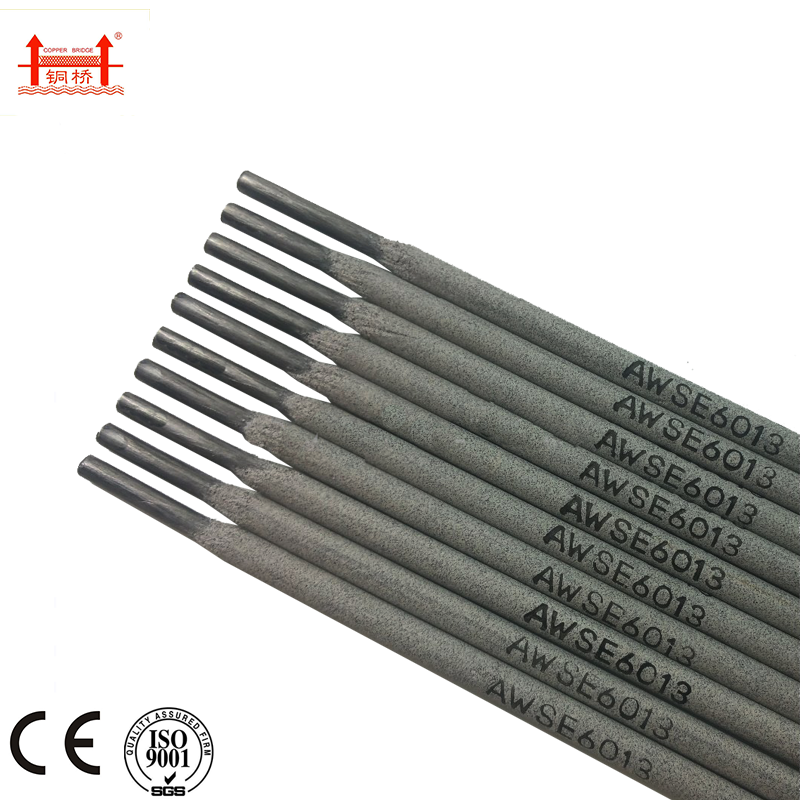
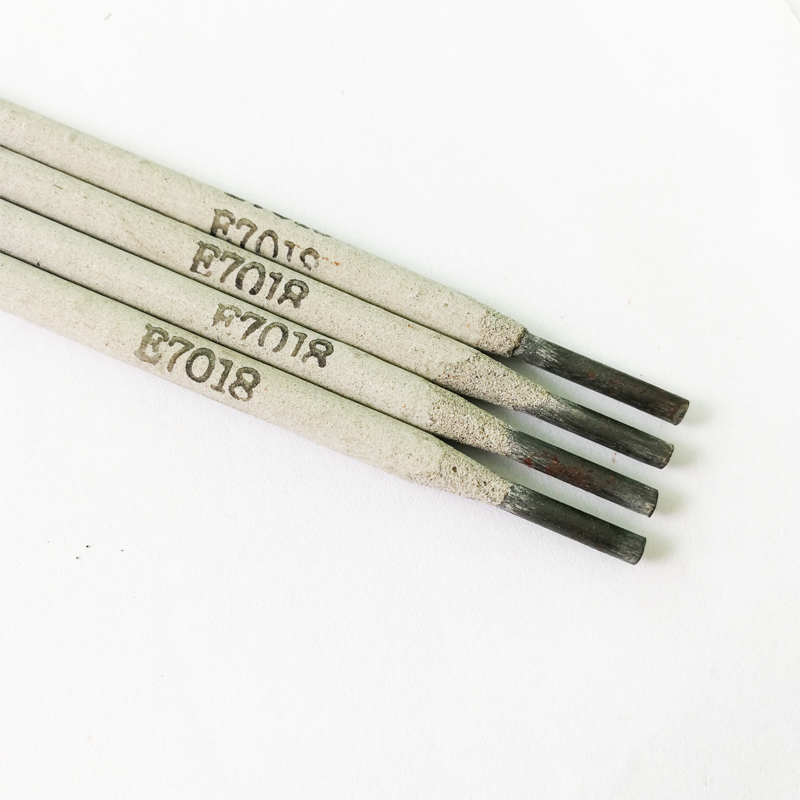
In simple terms, the e 7018 welding rod is a low-hydrogen electrode designed primarily for welding structural steel. The "E" signifies electrode, "70" represents a tensile strength of 70,000 psi, "1" indicates a all-position welding capability, and the "8" points to the specific coating (low hydrogen potassium) and current type used.
Its low-hydrogen design reduces the risk of cracks and defects during welding, making it a go-to choice in construction, shipbuilding, and pipeline industries. Oddly enough, though it's grounded in traditional metallurgy, it keeps pace with modern needs for resilient infrastructure worldwide.
Key Characteristics of the e 7018 Welding Rod
1. Durability and Strength
This electrode produces welds with excellent tensile strength—around 70,000 psi—which translates to visibly reliable joints that withstand mechanical stress. Many engineers say it’s the glue that holds infrastructure together.
2. Low Hydrogen Content
Hydrogen can cause brittle welds prone to cracking. The low hydrogen potassium coating on e 7018 rods mitigates this, enhancing longevity and safety.
3. Versatility in Welding Positions
Whether flat, vertical, overhead, or horizontal, the e 7018 electrode excels. This flexibility matters on complex structures where welds come at all kinds of angles.
4. Easy Arc Starting and Smooth Bead Appearance
In practical use, welders appreciate rods that strike easily and create aesthetically neat weld beads—both characteristics that improve efficiency and reduce rework.
5. Moisture Resistance
The coating resists moisture absorption, which is important because storing welding rods improperly could ruin their integrity. Many shops use rod ovens to keep them dry.
Mini Takeaway: The e 7018 welding rod shines for its blend of strength, reliability, versatility, and low maintenance needs, making it the workhorse in many industries worldwide.
How the e 7018 Welding Rod Is Used Around the World
From North America’s expansive pipeline networks to Asian mega infrastructure projects and European bridge repairs, e 7018 electrodes serve as silent guardians of metal integrity.
- Construction Industry: Skyscraper frames, stadiums, high-rise buildings depend heavily on these rods for welds that meet stringent safety codes.
- Shipbuilding: Durable welds are critical where saltwater corrosion threatens structural strength.
- Oil and Gas Pipelines: Welding pipelines that carry fuel across continents is precarious work, needing electrodes that won’t fail under pressure.
- Disaster Relief Reconstruction: In places with recent earthquakes or storms, quick rebuilds use e 7018 welding rods to ensure structures won’t collapse after initial repair.
Advantages and Long-Term Value of e 7018 Welding Rods
When you invest in quality electrode rods like e 7018, you’re buying peace of mind. Structures stand strong longer, maintenance costs dip, and safety incidents due to weld failure drop significantly.
Emotionally, there’s a certain pride and trust that comes from knowing welded joints won’t fail unexpectedly. This is crucial in public infrastructure—bridges, tunnels, and buildings where failure isn’t just expensive, it’s life-threatening.
Looking Ahead: Innovations and Trends in Welding Rod Technology
Interestingly, the traditional e 7018 rod is not standing still. There’s a growing emphasis on:
- Green Welding: Newer coatings reduce toxic emissions during welding.
- Automation Compatibility: Robotics require consistent electrode performance—e 7018 rods are being tweaked to meet these needs.
- Digital Quality Control: Advances allow welders to monitor arc stability and rod quality in real-time.
Challenges and Solutions When Using e 7018 Welding Rods
Of course, no product is perfect. Some challenges include moisture sensitivity and the need for careful storage to maintain rod quality. Incorrect welding technique can still cause defects.
Experts suggest using heated rod ovens and encouraging proper training to overcome these issues. It feels like a small price to pay for the benefits, but it’s critical nonetheless.
Product Specification Table: Typical e 7018 Welding Rod Details
| Specification | Typical Value |
|---|---|
| Tensile Strength | 70,000 psi (approx.) |
| Current Type | AC or DC+ |
| Available Diameters | 1/8", 3/32", 5/32", 1/16" |
| Positions | All positions |
| Coating Type | Low hydrogen potassium |
| Moisture Control | Requires dry storage |
Vendor Comparison for e 7018 Welding Rods
| Vendor | Price per kg | Product Quality | Certification | Availability |
|---|---|---|---|---|
| Jinlong Welding Electrode | $3.80 | High (IEC & ISO certified) | ISO 9001 | Global shipping |
| GlobalSteel Supplies | $4.10 | Medium | None listed | Regional only |
| United Metal Works | $3.95 | High | ISO 14001 | Worldwide |
FAQs About e 7018 Welding Rods
- Q: What exactly makes e 7018 rods better for structural steel?
- A: The low hydrogen potassium coating reduces weld cracking risk, producing stronger and more durable joints. Its high tensile strength and versatility across welding positions make it ideal for structural steel applications.
- Q: How should e 7018 rods be stored to maintain quality?
- They must be kept dry, ideally in rod ovens at around 100-120°C. Exposure to moisture results in hydrogen absorption, increasing risk of weld defects.
- Q: Can e 7018 rods be used on rusty or painted surfaces?
- Best practice is to clean the base metals before welding. Rust or paint can contaminate the weld, causing defects or weak bonds.
- Q: What types of current can be used with e 7018 electrodes?
- They can operate with AC or DC+ current, offering flexibility depending on welding machines available.
- Q: Are e 7018 rods environmentally friendly?
- Modern manufacturing strives to reduce harmful emissions, and improved coatings help minimize welding fumes. While not perfect, ongoing innovation makes them more eco-conscious over time.
Wrapping It Up: Why e 7018 Welding Rods Still Matter
After all is said and done, the humble e 7018 welding rod quietly buttresses some of the world’s most critical infrastructure. It blends durability, safety, and cost-effectiveness — qualities that industries and governments can’t afford to ignore. So whether you’re constructing a bridge or repairing a ship hull, these rods hold the promise of strength under pressure.
If you're curious to learn more or want to source premium options, consider checking out e 7018 welding rod experts for detailed specs and global delivery options.
References
- United Nations, World Urbanization Prospects, 2018 Revision: https://population.un.org/wup
- ISO Standards for Welding Consumables: https://www.iso.org/standard/53502.html
- American Welding Society - Electrode Selection Guide: https://www.aws.org/

Related Video

Related News
2026-04-16 02:35:10
Precision Guide for e312 16 welding rod and Dissimilar Steel Welding
In the demanding world of industrial fabrication and repair, selecting the correct filler metal is the difference between a structural failure and a lifetime bond. The e312 16 welding rod is specifically engineered to meet the rigorous needs of welding dissimilar steels, offering an exceptional balance of strength and corrosion resistance. Whether you are working on high-pressure pipelines or heavy machinery components, understanding the nuances of this specialized electrode is key to achieving professional-grade results. This guide explores the technical advantages and practical applications of the E312 series to help you optimize your welding workflow.
2026-04-09 02:35:17
Choosing the Right cs to ss welding rod number Professional Guide
Joining carbon steel (CS) to stainless steel (SS) is a common challenge in industrial fabrication, requiring a precise understanding of metallurgy to avoid weld failure. The most critical decision in this process is identifying the correct cs to ss welding rod number to ensure a strong, corrosion-resistant bond. Using the wrong filler metal can lead to cracking or premature oxidation due to the different thermal expansion rates of the two materials. In this comprehensive guide, we will break down the technical specifications and selection criteria to help you achieve a professional-grade weld every time.
2026-04-07 02:25:29
Comprehensive Guide to 409 Welding Rod Selection and Optimal Usage
When it comes to welding applications requiring corrosion resistance and good weldability, the 409 welding rod is a frequently chosen option. This article provides a detailed overview of this versatile welding rod, exploring its composition, applications, benefits, and considerations for optimal use. Whether you’re a seasoned professional or new to welding, understanding the properties of 409 welding rod is crucial for achieving high-quality, durable welds. We’ll cover everything you need to know to make informed decisions for your welding projects.
2026-04-04 02:35:28
Comprehensive Guide to 330 Stainless Steel Welding Rod Applications and Techniques
330 stainless steel welding rods are a crucial component in various industries, offering exceptional corrosion resistance and high-temperature strength. This article provides an in-depth look at these rods, covering their properties, applications, choosing the right rod, welding techniques, safety precautions, and where to find high-quality options. Whether you're a seasoned welding professional or new to the field, this guide will offer valuable insights.
2026-03-31 02:35:08
Comprehensive Guide to 312 Stainless Tig Rod for Superior Welding Performance
When choosing the right filler metal for your TIG welding projects, especially in demanding applications, 312 stainless steel tig rod stands out for its exceptional corrosion resistance and high-temperature strength. This comprehensive guide will explore its composition, applications, benefits, and how it compares to other stainless steel rods. We'll also point you to resources for sourcing high-quality rods.
2026-03-28 02:45:04
Comprehensive Guide to 312 17 Welding Rod Applications and Technical Details
Welding rods are essential consumables in the welding process, and selecting the right one is crucial for achieving strong, durable, and high-quality welds. The 312 17 welding rod is a popular choice for many applications due to its unique properties and versatility. This article delves into the characteristics, applications, benefits, and considerations when using 312 17 welding rods, providing a comprehensive resource for welders and engineers alike. Choosing the right rod directly impacts the success and longevity of any welding project.
2026-03-26 02:35:10
Comprehensive Guide to the 312 16 Welding Rod for Superior Steel Welding
The 312 16 welding rod is a versatile and widely-used electrode in various welding applications. Known for its excellent weldability and strong mechanical properties, it's a go-to choice for professionals and hobbyists alike. This article delves into the specifics of this electrode, covering its composition, applications, advantages, and how to choose the right one for your projects. Understanding the nuances of the 312 16 welding rod is crucial for achieving high-quality, durable welds. The designation "312 16" provides key information about the welding rod. "312" refers to the type of flux coating, specifically a low-hydrogen, iron powder coating. This coating is designed to produce welds with excellent mechanical properties and good resistance to cracking. The "16" indicates the diameter of the rod in 32nds of an inch – so a 312 16 rod has a diameter of 16/32 or 1/2 inch. This combination makes it suitable for a wide range of steel welding applications. The low-hydrogen nature of the flux minimizes hydrogen-induced cracking, a common issue in welding certain steels.
2026-03-24 02:45:07
Comprehensive Guide to 309LSI TIG Rod Welding Applications and Best Practices
The 309LSI TIG rod is a versatile welding consumable widely used across various industries for its exceptional corrosion resistance and weldability. This article will explore the properties, applications, advantages, and best practices associated with using 309LSI TIG rods. Whether you're a seasoned welding professional or new to the field, this guide will provide you with valuable insights into maximizing the performance and longevity of your welds. The 309LSI TIG rod is a stainless steel electrode specifically designed for Gas Tungsten Arc Welding (GTAW), commonly known as TIG welding. The "309LSI" designation indicates the alloy composition: 309 signifies the chromium-nickel content, 'L' denotes low carbon content for enhanced corrosion resistance, and 'SI' signifies stabilized with silicon for improved resistance to carbide precipitation during welding.

 English
  Arabic
  Bengali
  China
China  French
  German
  Hausa
Hausa  Indonesian
  Italian
  Japanese
  Javanese
  Malay
Malay  Persian
  Portuguese
  Punjabi
  Russian
  Spanish
  Swahili
  Telugu
  Vietnamese