

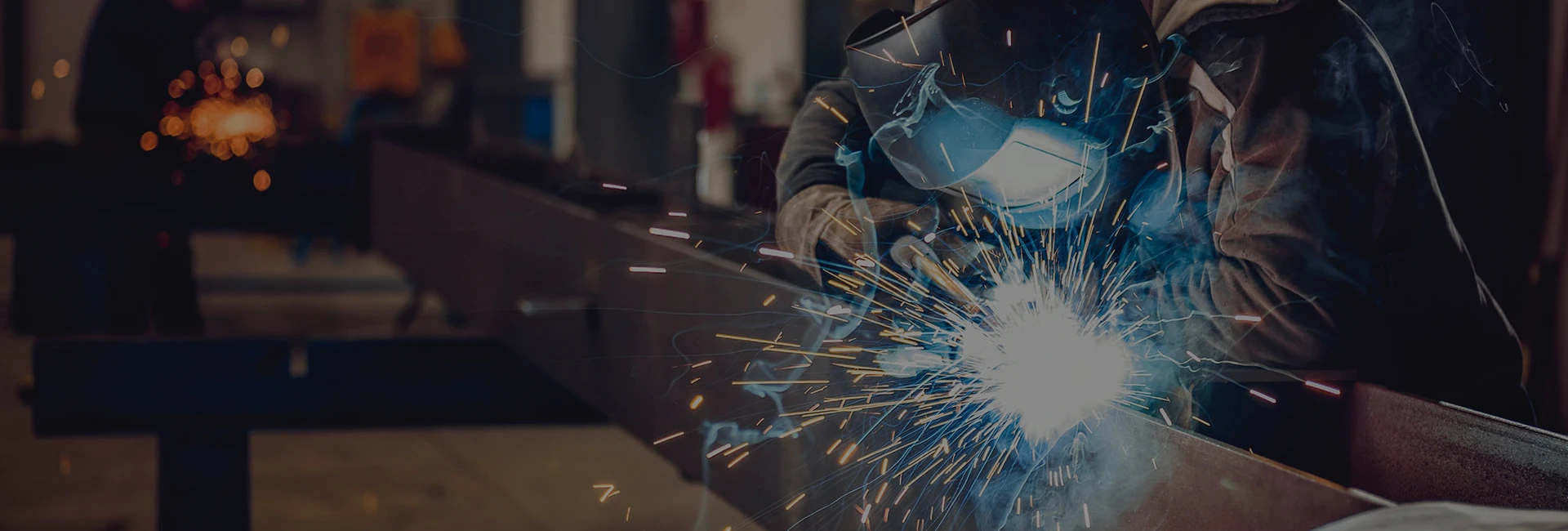
Comprehensive Guide to 7018 Welding Rod – Strength, Versatility & Global Uses

Comprehensive Guide to 7018 Welding Rod – Strength, Versatility & Global Uses
Nov . 29, 2025 00:30
Understanding the 7018 Welding Rod: Why It Matters Worldwide
In the world of welding, a seemingly small component like the 7018 welding rod packs quite a punch. It’s more than just a stick that melts metal; it’s a linchpin for industries, infrastructure, and even humanitarian efforts across the globe. Whether you’re constructing bridges in developing nations or restoring critical equipment after disasters, knowing why the 7018 rod matters can save time, improve safety, and enhance durability.
Globally, welding underpins much of the infrastructure that keeps economies moving—roads, factories, pipelines—and 7018 rods play a key role by providing reliable, all-position welds resistant to cracking and wear.
Mini takeaway: The 7018 welding rod is a quiet hero ensuring global industries build strong, safe, and lasting metal structures.
The Global Context: Why 7018 Welding Rods Are in High Demand
Did you know that according to the International Institute of Welding, over 70% of global metal joining depends on consumables like welding rods? The demand for high-quality, reliable electrodes is propelled by expanding infrastructure and the critical need for repairs, especially in regions with aging factories and post-conflict reconstruction zones.
While the World Bank reports sustained investment in steel infrastructure, many projects falter because of subpar welds leading to premature failure. This is precisely the challenge 7018 rods address by offering a robust weld with excellent mechanical strength and crack resistance.
So the big picture is… as more countries industrialize and upgrade infrastructure, the quality and performance of welding consumables become pivotal. 7018 welding rods have become a global standard, trusted from bustling Asian steel mills to isolated African repair yards.
What Exactly Is a 7018 Welding Rod?
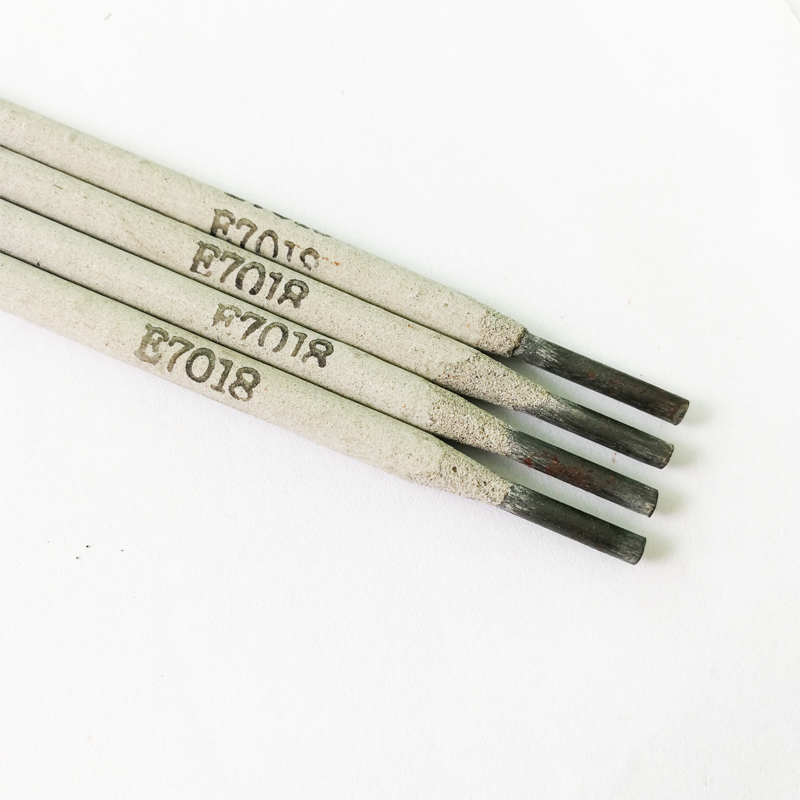
At its core, a 7018 electrode is a low-hydrogen, iron powder-coated welding rod. The “7018” code itself says a lot:
- 70: Indicates tensile strength — about 70,000 psi.
- 1: All-position welding capability, meaning it works flat, vertical, horizontal, or overhead.
- 8: Denotes the electrode coating type and current usability—iron powder and suitable for AC or DC welding machines.
This combination delivers welds with great toughness, smooth baking (the rods are often baked before use), and excellent crack resistance, especially important in structural or high-stress applications. Oddly enough, despite the technical jargon, these rods have quietly become the go-to ‘workhorse’ of welding professionals worldwide.
In humanitarian contexts, for example, they’re invaluable for repairing water pipelines or metal shelters quickly and reliably.
Core Aspects of the 7018 Welding Rod
Durability and Strength
The tensile strength (around 70 ksi) makes it ideal for heavy-duty welds—structures hold, even under high stress or impact. Many engineers swear by 7018 rods when toughness is non-negotiable.
All-Position Versatility
It works flat or overhead, which is a lifesaver on construction sites where welders work in cramped or awkward angles. This flexibility reduces the need for multiple rod types on site.
Low Hydrogen Coating
Low hydrogen means less cracking post-weld—a common fail point when moisture gets in. This attribute is why 7018 sticks are “baked” before use and sealed tightly in packaging.
Cost Efficiency
Though a bit pricier than generic rods, its durability and lower rework rate actually save money in the long term. Less cracking means fewer repairs, less downtime, and greater project trust.
Compatibility With AC/DC Power Sources
Welders don’t have to switch machines or rods if the power source fluctuates, which is common in remote or developing areas.
| Specification | Detail |
|---|---|
| Tensile Strength | ~70,000 psi (485 MPa) |
| Electrode Coating | Low-Hydrogen Iron Powder |
| Current Type | AC & DC Compatible |
| Position | All Positions (flat, vertical, overhead, horizontal) |
| Hydrogen Content | Low ( |
Mini takeaway: 7018 welding rods combine practical features that make them literally everywhere—from skyscraper skeletons to humble farm equipment repairs.
Where Do We See 7018 Welding Rods In Action Globally?
Its uses stretch far beyond factory floors. In North America and Europe, major construction and shipbuilding sectors rely on 7018 rods for critical welds. Meanwhile, developing nations actively import them to modernize their infrastructure rapidly.
Post-disaster relief efforts notably benefit: quick metal repairs on water infrastructure, bridges, and vehicles often need the strength and versatility 7018 rods offer. For instance, after the 2015 Nepal earthquake, many field welders preferred these rods due to their reliability under challenging conditions.
Even coal mining regions in Australia and China choose 7018 rods to maintain heavy machinery, highlighting durability amid vibration and stresses.
Advantages that Outlast the Price Tag
- Cost savings: Though initially more expensive than cheap rods, fewer weld defects and faster repairs lower overhead.
- Environmental impact: Less rework means less waste — a small but meaningful sustainability factor.
- Safety assurance: Strong, crack-resistant welds translate into safer structures and equipment.
- Trust and Innovation: Welders and engineers often recommend 7018 rods because they “just work”—a testament to their reputation built over decades.
Looking Ahead: What’s Next for 7018 Electrodes?
Like many mature products, the 7018 welding rod sees innovations mostly around manufacturing and sustainability. For example, manufacturers are developing low-smoke, fume-reducing coatings. There's a quiet push toward electrodes that accommodate inverter-based welding machines better, improving efficiency and reducing energy consumption.
Environmental certifications and improved baking ovens reduce the carbon footprint of 7018 rod production. Plus, many companies explore biodegradable or recyclable packaging to complement increasingly green construction goals.
Common Hurdles and How to Overcome Them
Honestly, sometimes users encounter issues related to rod storage. Moisture exposure ruins low-hydrogen coatings, rendering rods useless. The key is strict dry storage and re-baking when needed—a practice many neglect inadvertently.
Equipment compatibility can be tricky in remote areas where welding machines vary. Luckily, the 7018 rod’s versatility with AC and DC reduces these obstacles—but training welders to choose the right amperage requires attention.
FAQ: Your Burning Questions About 7018 Welding Rods
Q1: Why is baking 7018 welding rods important before use?
A: Baking removes moisture absorbed by the rod coating. Since 7018 rods are low-hydrogen, moisture can cause cracking and poor weld quality if not baked. Typically, rods are baked at ~250°C for at least an hour before use.
Q2: Can I use 7018 rods for all welding materials?
A: While great for carbon steel and low alloy steel, 7018 rods are not suitable for stainless steel or aluminum. You’ll want specialized electrodes for those metals.
Q3: How long can I store 7018 rods without losing quality?
A: If kept sealed in a moisture-free container and refrigerator, 7018 rods can last up to 6 months. After that, rebaking is recommended before usage.
Q4: Is the 7018 welding rod suitable for automated welding systems?
A: Yes, though traditionally used for manual welding, advances in coating formulations have allowed limited automated applications, mostly in heavy fabrication setups.
Quick Vendor Comparison: Choosing the Right 7018 Welding Supplier
| Vendor | Quality Assurance | Global Reach | Price Range | Special Features |
|---|---|---|---|---|
| Jinlong Welding Electrode | ISO 9001 Certified; 100% batch tested | Asia, Africa, Americas | Competitive | Moisture barrier packaging; low-smoke formulations |
| Global Weld Co. | Third-party assured; high purity coatings | Europe, North America | Premium | Eco-friendly packaging; seamless order tracking |
| TechRod Industries | In-house lab testing; limited warranty | Asia, Middle East | Budget-friendly | Custom batch sizes; short lead times |
For more info or to source quality rods, visit 7018 welding rod supplier.
Wrapping Up: Why the 7018 Welding Rod Still Holds the Crown
It feels like the 7018 welding rod is always there quietly supporting the metal backbone of our world, no matter where you are—from mega cities to forgotten outposts. Its unmatched balance of strength, versatility, and reliability keeps projects safe, costs controlled, and structures standing. Looking ahead, slight tweaks toward greener, smarter manufacturing promise to extend its legacy well beyond what we imagine now.
If you want welds that won’t quit, it’s always smart to pick the rod the pros trust. For sourcing, tips, and details, definitely check out Jinlong’s 7018 welding rod.
References:

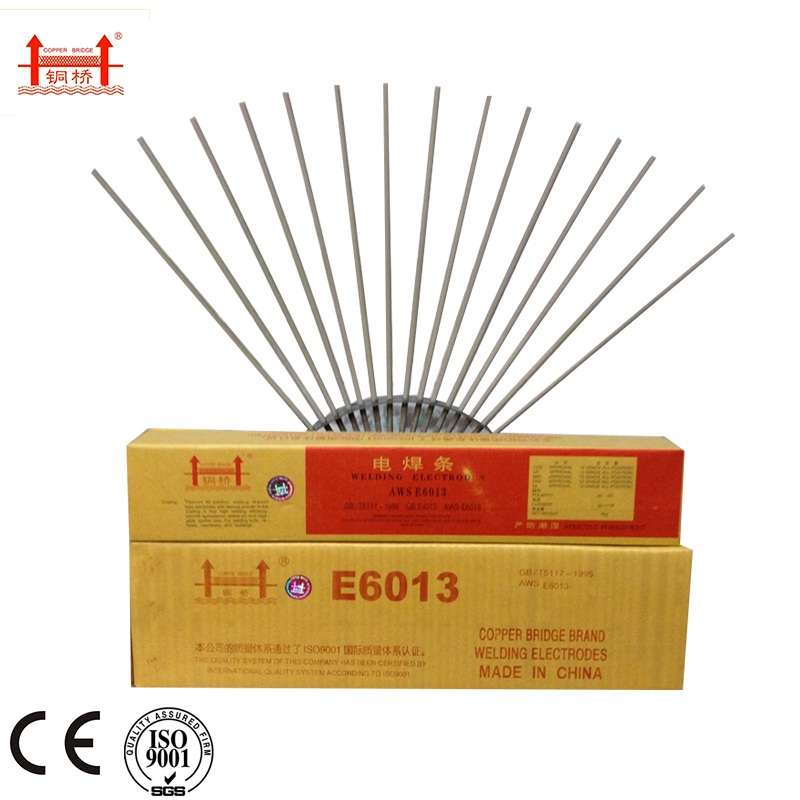
Related Video

Related News

2026-04-16 02:35:10
Precision Guide for e312 16 welding rod and Dissimilar Steel Welding
In the demanding world of industrial fabrication and repair, selecting the correct filler metal is the difference between a structural failure and a lifetime bond. The e312 16 welding rod is specifically engineered to meet the rigorous needs of welding dissimilar steels, offering an exceptional balance of strength and corrosion resistance. Whether you are working on high-pressure pipelines or heavy machinery components, understanding the nuances of this specialized electrode is key to achieving professional-grade results. This guide explores the technical advantages and practical applications of the E312 series to help you optimize your welding workflow.
2026-04-09 02:35:17
Choosing the Right cs to ss welding rod number Professional Guide
Joining carbon steel (CS) to stainless steel (SS) is a common challenge in industrial fabrication, requiring a precise understanding of metallurgy to avoid weld failure. The most critical decision in this process is identifying the correct cs to ss welding rod number to ensure a strong, corrosion-resistant bond. Using the wrong filler metal can lead to cracking or premature oxidation due to the different thermal expansion rates of the two materials. In this comprehensive guide, we will break down the technical specifications and selection criteria to help you achieve a professional-grade weld every time.
2026-04-07 02:25:29
Comprehensive Guide to 409 Welding Rod Selection and Optimal Usage
When it comes to welding applications requiring corrosion resistance and good weldability, the 409 welding rod is a frequently chosen option. This article provides a detailed overview of this versatile welding rod, exploring its composition, applications, benefits, and considerations for optimal use. Whether you’re a seasoned professional or new to welding, understanding the properties of 409 welding rod is crucial for achieving high-quality, durable welds. We’ll cover everything you need to know to make informed decisions for your welding projects.
2026-04-04 02:35:28
Comprehensive Guide to 330 Stainless Steel Welding Rod Applications and Techniques
330 stainless steel welding rods are a crucial component in various industries, offering exceptional corrosion resistance and high-temperature strength. This article provides an in-depth look at these rods, covering their properties, applications, choosing the right rod, welding techniques, safety precautions, and where to find high-quality options. Whether you're a seasoned welding professional or new to the field, this guide will offer valuable insights.
2026-03-31 02:35:08
Comprehensive Guide to 312 Stainless Tig Rod for Superior Welding Performance
When choosing the right filler metal for your TIG welding projects, especially in demanding applications, 312 stainless steel tig rod stands out for its exceptional corrosion resistance and high-temperature strength. This comprehensive guide will explore its composition, applications, benefits, and how it compares to other stainless steel rods. We'll also point you to resources for sourcing high-quality rods.
2026-03-28 02:45:04
Comprehensive Guide to 312 17 Welding Rod Applications and Technical Details
Welding rods are essential consumables in the welding process, and selecting the right one is crucial for achieving strong, durable, and high-quality welds. The 312 17 welding rod is a popular choice for many applications due to its unique properties and versatility. This article delves into the characteristics, applications, benefits, and considerations when using 312 17 welding rods, providing a comprehensive resource for welders and engineers alike. Choosing the right rod directly impacts the success and longevity of any welding project.
2026-03-26 02:35:10
Comprehensive Guide to the 312 16 Welding Rod for Superior Steel Welding
The 312 16 welding rod is a versatile and widely-used electrode in various welding applications. Known for its excellent weldability and strong mechanical properties, it's a go-to choice for professionals and hobbyists alike. This article delves into the specifics of this electrode, covering its composition, applications, advantages, and how to choose the right one for your projects. Understanding the nuances of the 312 16 welding rod is crucial for achieving high-quality, durable welds. The designation "312 16" provides key information about the welding rod. "312" refers to the type of flux coating, specifically a low-hydrogen, iron powder coating. This coating is designed to produce welds with excellent mechanical properties and good resistance to cracking. The "16" indicates the diameter of the rod in 32nds of an inch – so a 312 16 rod has a diameter of 16/32 or 1/2 inch. This combination makes it suitable for a wide range of steel welding applications. The low-hydrogen nature of the flux minimizes hydrogen-induced cracking, a common issue in welding certain steels.
2026-03-24 02:45:07
Comprehensive Guide to 309LSI TIG Rod Welding Applications and Best Practices
The 309LSI TIG rod is a versatile welding consumable widely used across various industries for its exceptional corrosion resistance and weldability. This article will explore the properties, applications, advantages, and best practices associated with using 309LSI TIG rods. Whether you're a seasoned welding professional or new to the field, this guide will provide you with valuable insights into maximizing the performance and longevity of your welds. The 309LSI TIG rod is a stainless steel electrode specifically designed for Gas Tungsten Arc Welding (GTAW), commonly known as TIG welding. The "309LSI" designation indicates the alloy composition: 309 signifies the chromium-nickel content, 'L' denotes low carbon content for enhanced corrosion resistance, and 'SI' signifies stabilized with silicon for improved resistance to carbide precipitation during welding.

 English
  Arabic
  Bengali
  China
China  French
  German
  Hausa
Hausa  Indonesian
  Italian
  Japanese
  Javanese
  Malay
Malay  Persian
  Portuguese
  Punjabi
  Russian
  Spanish
  Swahili
  Telugu
  Vietnamese