

Comprehensive Guide to 7018 Welding Electrodes – Strength, Uses & Vendors

Comprehensive Guide to 7018 Welding Electrodes – Strength, Uses & Vendors
Nov . 28, 2025 22:55
Understanding 7018 Welding Electrodes: Why They Matter Worldwide
If you're casually scrolling through manufacturing or construction forums, you’ll often bump into the term 7018 welding electrodes. But why is this particular welding rod such a big deal globally? Well, for starters, it underpins the structural integrity of countless projects—from towering skyscrapers in Dubai to vast pipelines in Siberia. The stakes are high. Knowing the ins and outs of 7018 electrodes can literally mean the difference between a job done well and a catastrophic structural failure.
Far beyond the workshop, these electrodes contribute to safety, efficiency, and durability in industries that the world depends on daily. So, whether you're a welding novice or just curious about what keeps steel working strong worldwide, understanding 7018 electrodes is pretty essential.
The Global Context: Why 7018 Welding Electrodes are Ubiquitous
On a global scale, the use of welding electrodes, especially the 7018 type, intersects heavily with industrial development and infrastructure growth. According to the International Labour Organization, construction employs over 7% of the global workforce, and a huge chunk of structural welding involves flux-coated electrodes like the 7018. The World Steel Association reports that about 1.8 billion metric tons of steel are produced annually, needing reliable welding for fabrication.
One of the challenges the industry constantly faces is balancing high-strength construction with cost and safety. 7018 welding rods step in here, offering a blend of strength and flexibility that suits many environments—from cold northern climates to humid tropical sites.
Mini Takeaway:
7018 electrodes aren't just a tool—they're a global standard that helps meet industrial demands for strong, resilient welds where it counts.
What Exactly Are 7018 Welding Electrodes?
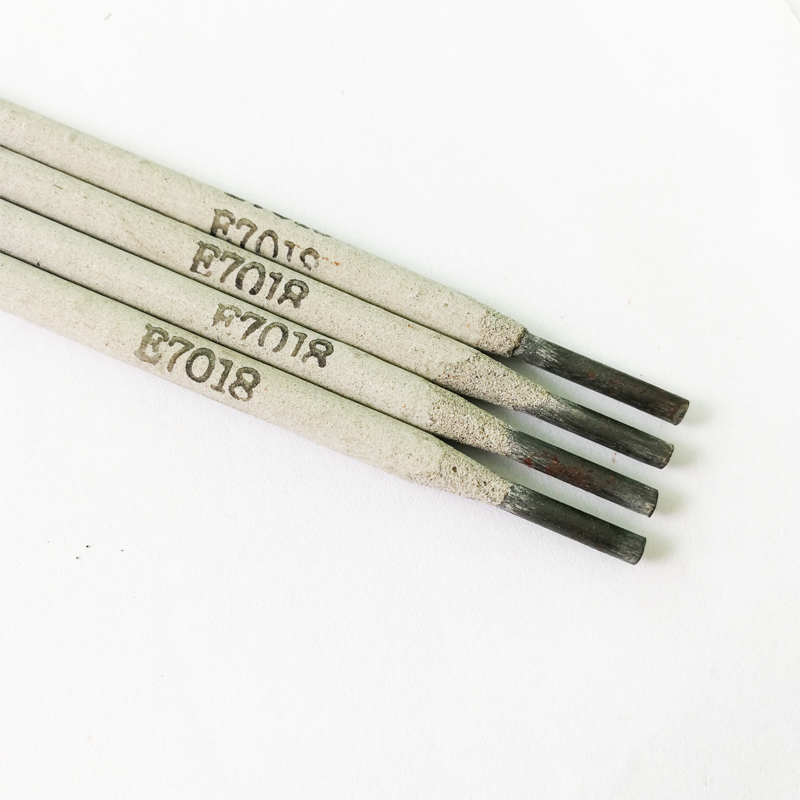
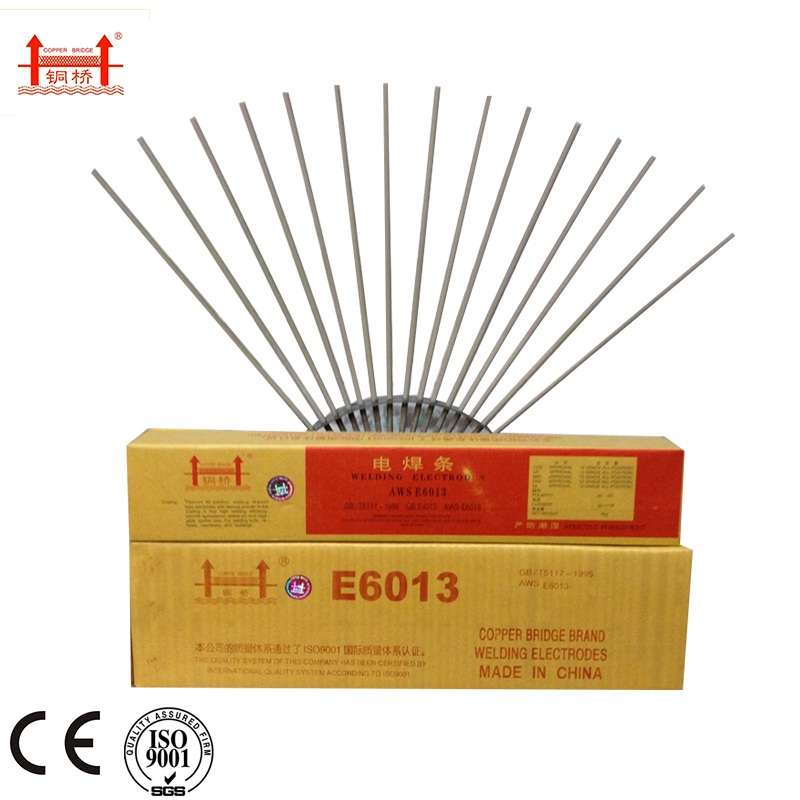
Simply put, 7018 welding electrodes are low-hydrogen, iron powder coated rods used primarily for arc welding of steel structures. The “7018” coding breaks down as follows:
- 70 – Indicates tensile strength of 70,000 psi.
- 1 – All-position welding capability (flat, vertical, overhead, etc.).
- 8 – Low hydrogen potassium iron powder coating.
These rods excel at creating strong, ductile welds with minimal cracking risk. That’s why they’re a favorite for projects where weld quality can’t be compromised, like bridges, oil rigs, or critical machinery.
Interestingly, their low hydrogen nature addresses humanitarian contexts, too—like repairing disaster-damaged infrastructure fast without sacrificing long-term stability.
Mini Takeaway:
Think of 7018 welding electrodes as the dependable workhorse rods—versatile, strong, and suited for critical welds.
Core Features Making 7018 Electrodes Ideal for Modern Welding
Durability and Strength
The tensile strength (around 70,000 psi) means weld joints can take serious stress. Many engineers have tested it in seismic zones where safety margins are razor-thin.
Low Hydrogen Coating
Hydrogen causes weld cracking, a silent killer. The graphical coating on 7018 rods minimizes hydrogen absorption, making the welds far more reliable over time.
All Position Welding
Whether overhead, vertical, or flat, 7018 rods deliver consistent results. This all-position feature reduces the need to switch rods mid-project—a practical boon.
Cost Efficiency
While slightly pricier upfront than general-purpose electrodes (like 6013), the reduced rework and longer weld life translate to lower total cost.
Easy Post-Weld Cleanup
The slag peels off cleanly, speeding subsequent finishing—no one likes spending extra hours scraping hardened slag.
Mini Takeaway:
A solid mix of strength, reliability, and work-friendly features make 7018 rods the industry's go-to rod. That said, proper storage to keep rods dry is essential—water's their nemesis.
Where 7018 Welding Electrodes Are Making an Impact
These electrodes show up everywhere—think mega infrastructure projects in Asia, shipbuilding yards in Europe, and energy pipelines in North America. Let me paint a few real-world pictures:
- Post-Disaster Relief: After earthquakes in Chile or Japan, 7018 rods help tech teams weld repairs on critical bridges fast and strong.
- Remote Industrial Zones: In Arctic oil fields, the cold-resistant welds mean fewer repairs and safer frameworks.
- Shipbuilding: Welding thick steel hulls uses 7018 sticks for their toughness and crack resistance.
- Renewable Energy: Wind turbine towers welded using 7018 rods withstand extreme stress over decades.
Mini Takeaway:
If there's a steel joint holding critical infrastructure or industrial machinery, odds are good 7018 electrodes are involved—even if you don’t see them directly.
Why Do 7018 Electrodes Offer Such Lasting Value?
- Financial Savings: Less rework and fewer weld defects save money over a structure’s lifetime.
- Reliability & Safety: Consistent weld quality reduces accidents or failures—human lives and equipment survive longer.
- Sustainability: Durable welds mean fewer replacements, less waste, and support for greener construction.
- Innovation Boost: Their compatibility with automated welding systems means faster builds with less human error.
Let’s look at typical technical specs for a popular 7018 electrode:
| Specification | Details |
|---|---|
| Type | Low hydrogen iron powder coated |
| Diameter Options | 3.2mm, 4.0mm, 5.0mm |
| Tensile Strength | 70,000 psi |
| Current Range | 70-120 amps (depends on diameter) |
| Welding Positions | All positions (flat, vertical, overhead) |
| Storage | Keep dry and sealed; moisture leads to weld defects |
Comparing Leading 7018 Welding Electrode Vendors
| Vendor | Price Range (per kg) | Coating Type | Moisture Resistance | Available Sizes (mm) |
|---|---|---|---|---|
| Jinlong Welding Electrode | $12 - $15 | Iron powder low hydrogen | Excellent (dry packing) | 3.2, 4.0, 5.0 |
| Lincoln Electric | $14 - $18 | Low hydrogen iron powder | Very Good | 3.2, 4.0 |
| ESAB | $13 - $17 | Iron powder coated | Good | 2.5, 3.2, 4.0 |
The Future of 7018 Welding Electrodes: Trends and Innovations
Oddly enough, even a tried-and-true product like the 7018 electrode is subject to ongoing innovation. Two big areas moving forward:
- Green Manufacturing: Reduced emissions in flux production and recycling consumables are increasingly in focus, aligning with global sustainability goals.
- Automation Compatibility: As welding robots become more common, rods optimized for automated feed and digital quality tracking rise in demand—7018 electrodes with enhanced coatings designed for these systems are entering test phases.
Plus, digital tracking of electrode batch quality could become a standard, helping engineers verify weld integrity before installation—a real game-changer for safety.
Common Challenges & How to Overcome Them
Despite its advantages, 7018 welding electrodes need proper handling. Moisture absorption remains the enemy, causing hydrogen inclusion and weld cracking. Experts recommend storing rods in heated ovens or dry boxes, especially in humid climates.
Furthermore, relying solely on one electrode type can be limiting—sometimes a mixed rod strategy suits different project phases better. Skilled welders also need training on ideal current ranges and welding angles to avoid slag entrapment.
FAQs About 7018 Welding Electrodes
Q1: What makes 7018 electrodes better than other stick welding rods?
A: They offer superior tensile strength, crack resistance, and versatility for all welding positions. Their low hydrogen coating reduces weld defects and increases durability compared to general-purpose rods.
Q2: How should I store 7018 electrodes to maintain quality?
A: Keep them dry and sealed in moisture-proof containers or heated ovens around 122°F (50°C). Moisture absorption compromises weld integrity.
Q3: Can I use 7018 rods for welding thin metals?
A: While possible, these rods are optimized for thicker steel sections. For thin metals, choosing electrodes designed for lighter gauge work is recommended to avoid burn-through.
Q4: Are 7018 welding electrodes suitable for automated welding machines?
A: Yes, but pay attention to specific rods designed for mechanized welding to ensure smooth feed and consistent arc characteristics.
Q5: Where can I find high-quality 7018 electrodes in bulk?
A: Reputable suppliers like 7018 welding electrodes providers offer bulk packages often with moisture-proof packing and technical support.
Conclusion: The Long-Term Edge of 7018 Welding Electrodes
Frankly, in an industry where safety and durability are king, 7018 welding electrodes continue to hold their place as a reliable workhorse. From saving money by reducing weld defects, to supporting global infrastructure growth, their value is clear. Whether you’re tackling heavy construction, maintenance, or disaster relief, these rods provide peace of mind and performance.
If you want to explore quality options and get technical advice, be sure to visit 7018 welding electrodes suppliers with a proven track record. Welding well-made steel is part science, part art—and the right electrode makes all the difference.
References

Related Video

Related News

2026-04-16 02:35:10
Precision Guide for e312 16 welding rod and Dissimilar Steel Welding
In the demanding world of industrial fabrication and repair, selecting the correct filler metal is the difference between a structural failure and a lifetime bond. The e312 16 welding rod is specifically engineered to meet the rigorous needs of welding dissimilar steels, offering an exceptional balance of strength and corrosion resistance. Whether you are working on high-pressure pipelines or heavy machinery components, understanding the nuances of this specialized electrode is key to achieving professional-grade results. This guide explores the technical advantages and practical applications of the E312 series to help you optimize your welding workflow.
2026-04-09 02:35:17
Choosing the Right cs to ss welding rod number Professional Guide
Joining carbon steel (CS) to stainless steel (SS) is a common challenge in industrial fabrication, requiring a precise understanding of metallurgy to avoid weld failure. The most critical decision in this process is identifying the correct cs to ss welding rod number to ensure a strong, corrosion-resistant bond. Using the wrong filler metal can lead to cracking or premature oxidation due to the different thermal expansion rates of the two materials. In this comprehensive guide, we will break down the technical specifications and selection criteria to help you achieve a professional-grade weld every time.
2026-04-07 02:25:29
Comprehensive Guide to 409 Welding Rod Selection and Optimal Usage
When it comes to welding applications requiring corrosion resistance and good weldability, the 409 welding rod is a frequently chosen option. This article provides a detailed overview of this versatile welding rod, exploring its composition, applications, benefits, and considerations for optimal use. Whether you’re a seasoned professional or new to welding, understanding the properties of 409 welding rod is crucial for achieving high-quality, durable welds. We’ll cover everything you need to know to make informed decisions for your welding projects.
2026-04-04 02:35:28
Comprehensive Guide to 330 Stainless Steel Welding Rod Applications and Techniques
330 stainless steel welding rods are a crucial component in various industries, offering exceptional corrosion resistance and high-temperature strength. This article provides an in-depth look at these rods, covering their properties, applications, choosing the right rod, welding techniques, safety precautions, and where to find high-quality options. Whether you're a seasoned welding professional or new to the field, this guide will offer valuable insights.
2026-03-31 02:35:08
Comprehensive Guide to 312 Stainless Tig Rod for Superior Welding Performance
When choosing the right filler metal for your TIG welding projects, especially in demanding applications, 312 stainless steel tig rod stands out for its exceptional corrosion resistance and high-temperature strength. This comprehensive guide will explore its composition, applications, benefits, and how it compares to other stainless steel rods. We'll also point you to resources for sourcing high-quality rods.
2026-03-28 02:45:04
Comprehensive Guide to 312 17 Welding Rod Applications and Technical Details
Welding rods are essential consumables in the welding process, and selecting the right one is crucial for achieving strong, durable, and high-quality welds. The 312 17 welding rod is a popular choice for many applications due to its unique properties and versatility. This article delves into the characteristics, applications, benefits, and considerations when using 312 17 welding rods, providing a comprehensive resource for welders and engineers alike. Choosing the right rod directly impacts the success and longevity of any welding project.
2026-03-26 02:35:10
Comprehensive Guide to the 312 16 Welding Rod for Superior Steel Welding
The 312 16 welding rod is a versatile and widely-used electrode in various welding applications. Known for its excellent weldability and strong mechanical properties, it's a go-to choice for professionals and hobbyists alike. This article delves into the specifics of this electrode, covering its composition, applications, advantages, and how to choose the right one for your projects. Understanding the nuances of the 312 16 welding rod is crucial for achieving high-quality, durable welds. The designation "312 16" provides key information about the welding rod. "312" refers to the type of flux coating, specifically a low-hydrogen, iron powder coating. This coating is designed to produce welds with excellent mechanical properties and good resistance to cracking. The "16" indicates the diameter of the rod in 32nds of an inch – so a 312 16 rod has a diameter of 16/32 or 1/2 inch. This combination makes it suitable for a wide range of steel welding applications. The low-hydrogen nature of the flux minimizes hydrogen-induced cracking, a common issue in welding certain steels.
2026-03-24 02:45:07
Comprehensive Guide to 309LSI TIG Rod Welding Applications and Best Practices
The 309LSI TIG rod is a versatile welding consumable widely used across various industries for its exceptional corrosion resistance and weldability. This article will explore the properties, applications, advantages, and best practices associated with using 309LSI TIG rods. Whether you're a seasoned welding professional or new to the field, this guide will provide you with valuable insights into maximizing the performance and longevity of your welds. The 309LSI TIG rod is a stainless steel electrode specifically designed for Gas Tungsten Arc Welding (GTAW), commonly known as TIG welding. The "309LSI" designation indicates the alloy composition: 309 signifies the chromium-nickel content, 'L' denotes low carbon content for enhanced corrosion resistance, and 'SI' signifies stabilized with silicon for improved resistance to carbide precipitation during welding.

 English
  Arabic
  Bengali
  China
China  French
  German
  Hausa
Hausa  Indonesian
  Italian
  Japanese
  Javanese
  Malay
Malay  Persian
  Portuguese
  Punjabi
  Russian
  Spanish
  Swahili
  Telugu
  Vietnamese