

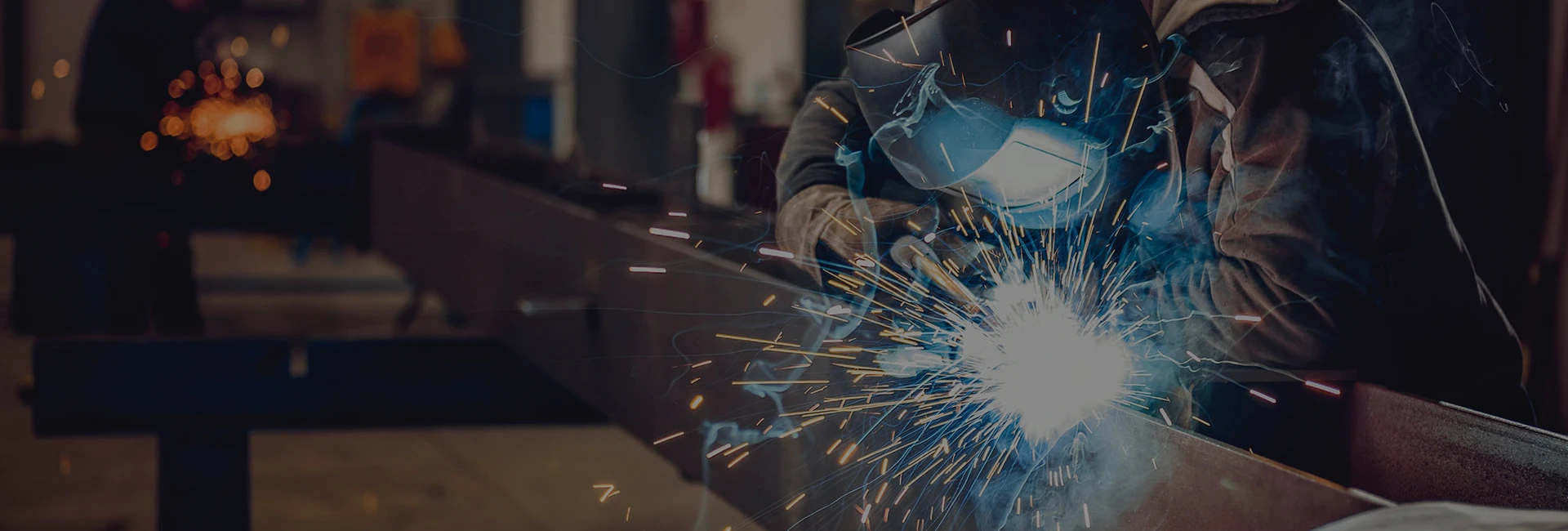
Comprehensive Guide to 6013 Weld Electrodes: Applications, Benefits & Innovations

Comprehensive Guide to 6013 Weld Electrodes: Applications, Benefits & Innovations
Dec . 02, 2025 05:35
Understanding the 6013 Weld: Essential Insights for Industry and Beyond
The term 6013 weld might not be on everyone’s lips, but across industries worldwide, it quietly plays a pivotal role. This welding electrode helps build everything from farm equipment in rural areas to structural components in urban factories. Why does it matter? Well, welding is the backbone of modern infrastructure, and knowing about the 6013 electrode means understanding a key piece of that backbone.
Introduction: Why the 6013 Weld Is Globally Relevant
Welding electrodes like the 6013 type are critical to manufacturing and repair sectors globally. According to the International Organization for Standardization (ISO), welding processes influence over 50% of the world’s metal fabrications. Specifically, 6013 electrodes, with their versatility, are widely used for light to medium steel fabrication.
In practise, industries face constant pressure to produce durable, reliable joints under variable environmental conditions. For instance, in developing regions, welding solutions must balance performance with cost-effectiveness—this is exactly where 6013 shines. That creates a challenge: How to select and utilize electrodes that perform consistently without inflating budgets or complicating operations? The 6013 weld answers this need gracefully.
What Is a 6013 Weld? A Simple Definition
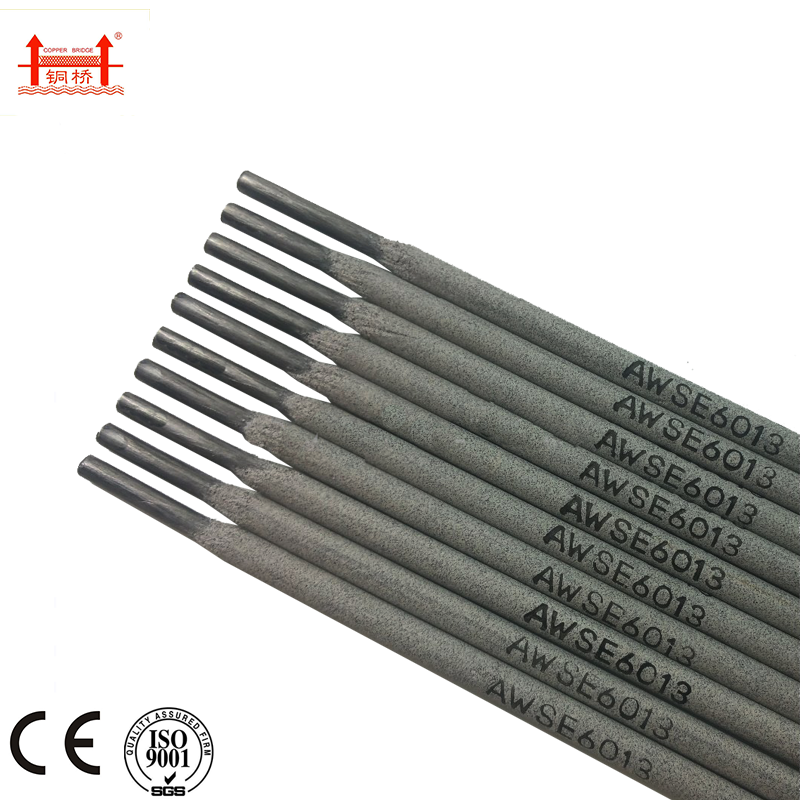
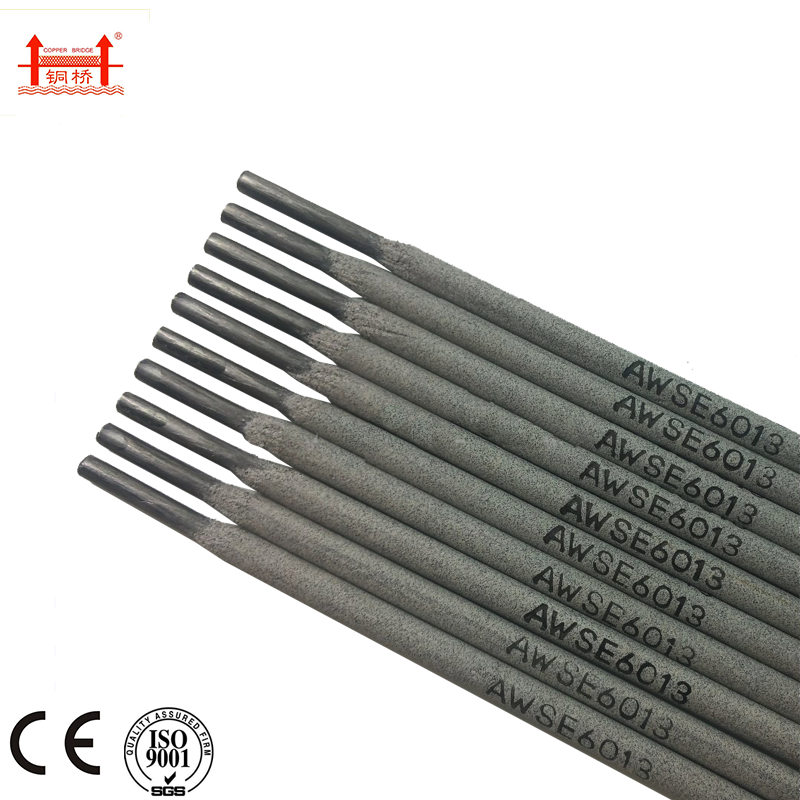
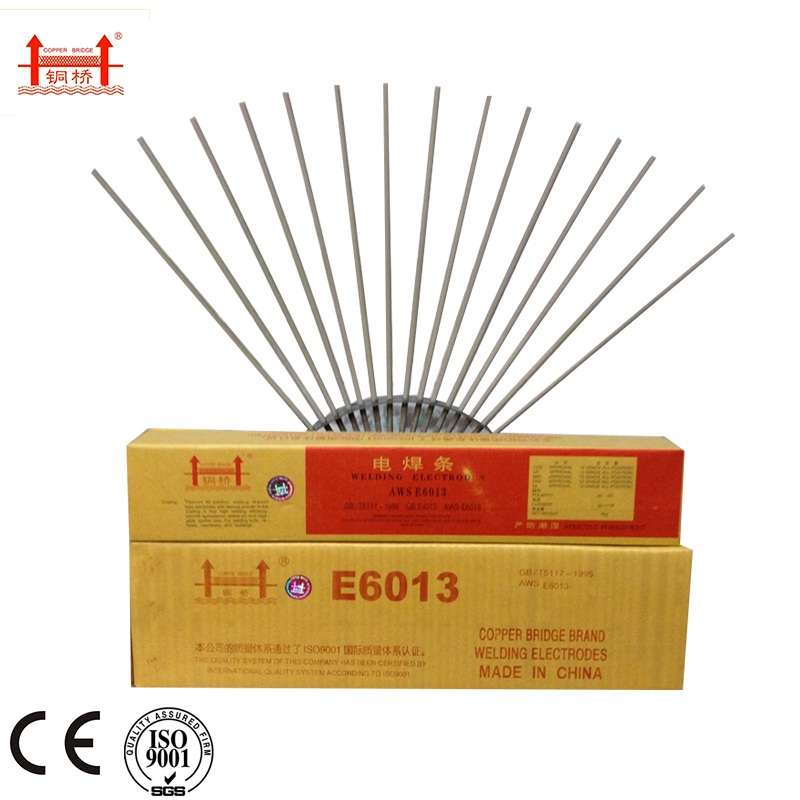
The “6013” refers to a specific type of welding electrode classified by the American Welding Society’s system. At its core, a 6013 electrode is a general-purpose stick electrode ideal for welding mild steel under a variety of current types and positions. It produces a medium penetration weld and features a rutile flux coating that results in a smooth, manageable arc and clean slag removal. You could think of it as the “jack-of-all-trades” electrode—versatile and easy to use.
Its widespread adoption is linked not just to industrial manufacturing but also humanitarian applications, where quick repairs of infrastructure or equipment are vital, such as in post-disaster rebuilding.
Key Properties That Define 6013 Welding Electrodes
1. Durability and Penetration
The 6013 electrode welds to a medium penetration depth, which offers enough strength for many applications without risking over-penetration. This balance supports durability in both maintenance and structural fabrications.
2. Versatility in Welding Positions
One of 6013’s strong suits is that it can be used flat, horizontal, vertical, or overhead. Not all electrodes manage this range. Its ease of use in awkward positions means greater flexibility onsite.
3. Compatibility with Alternating Current (AC) and Direct Current (DC)
It works well on basic AC welding machines but can also be run on DC, making it useful almost anywhere—whether a remote farmhouse or a centralized factory.
4. Smooth Arc and Low Spatter
The rutile coating allows a steady arc and minimal spatter, reducing clean-up time and improving weld appearance. Trust me, anyone who’s dealt with spattering knows how valuable this is.
5. Cost Efficiency
While not the cheapest electrode, 6013’s balance of performance and affordability makes it a favorite for projects that can’t break the bank but demand decent welding quality.
6013 Weld Typical Specifications
| Specification | Value |
|---|---|
| Classification | E6013 |
| Tensile Strength | 60,000 psi |
| Current Type | AC or DC+ |
| Welding Positions | Flat, Horizontal, Vertical, Overhead |
| Flux Type | Rutile |
| Typical Diameter | 1/8", 5/32" |
Mini Takeaway: The 6013 weld electrode blends strength, versatility, and ease of use, perfect for varied welding tasks across global settings.
Global Applications of 6013 Weld
- Construction and Infrastructure: In many emerging economies, the 6013 weld is favored for quickly assembling steel frameworks on site, helping build schools, hospitals, and bridges under tight budgets.
- Agricultural Equipment: Farmers depend on durable repairs with 6013 electrodes for tractors, plows, and tools, especially where service facilities are sparse.
- Shipbuilding and Repair: Coastal regions use 6013 electrodes for hull and machinery work, benefiting from its smooth arc in sometimes challenging wet conditions.
- Humanitarian and Disaster Recovery: When rapid rebuilding is needed—say after floods or earthquakes—lightweight and flexible welding with 6013 enables fast deployment of shelters and essential structures.
Mini Takeaway: Thanks to its adaptability and reliability, the 6013 weld sees extensive use in industries from agriculture to disaster relief worldwide.
Advantages and Long-Term Value
What sets 6013 apart isn’t just technical specs—it’s also about how it feels in daily use. Welders often praise the smooth arc and minimal slag, which means less fatigue and better output. Plus, it’s reasonably forgiving if conditions aren’t spotless—a real boon on remote projects.
Cost-wise, 6013 electrodes stretch budgets further without compromising safety or quality. That reliability builds trust among users, making it a go-to choice for companies wanting consistent results over time.
Emerging Trends & Innovations Around 6013 Weld
The welding world is changing. New coatings and flux formulas aim to reduce environmental impact, minimize welding fumes, and improve arc stability. Digital welding systems increasingly monitor amperage and arc characteristics in real-time, which helps optimize the 6013 electrode’s performance.
Green energy initiatives are driving innovations too. For example, electrodes that weld better on weathering steel used in wind turbine towers, or those compatible with solar-powered welding units, are on the horizon — and many include 6013-type electrode variants.
Challenges & Smart Solutions
Even the trusty 6013 electrode has limits. Its medium penetration means it’s not suited for critical high-strength or thick-plate welding. Also, while it’s easy to manage, improper technique still risks weld defects.
To combat this, training and proper equipment maintenance are key. On the materials side, blending 6013 with other electrode types or using enhanced flux coatings can tailor weld properties for specific challenges.
Frequently Asked Questions About 6013 Weld
- What is the main use of the 6013 welding electrode?
It’s primarily used for welding mild and low-carbon steel, ideal for sheet metal, light fabrication, and repair work across flat to overhead positions. - Can 6013 electrodes be used on AC welding machines?
Yes, they are designed to work well with both AC and DC power sources, making them flexible for various setups. - How durable are 6013 welds in outdoor applications?
They provide good durability, although for critical outdoor structures, additional protective coatings or electrodes might be recommended to resist corrosion. - Is special training needed to use 6013 electrodes?
Basic welding knowledge suffices because 6013 is user-friendly, but proper training always helps achieve optimal weld quality and safety.
Vendor Comparison: Selected 6013 Weld Electrodes
| Brand | Price/Unit | Flux Type | Suitable Materials | User Rating |
|---|---|---|---|---|
| Jinlong | $100 per 25kg | Rutile | Mild Steel, Low Carbon | 4.5/5 |
| Lincoln Electric | $120 per 25kg | Rutile | Mild Steel | 4.7/5 |
| ESAB | $110 per 25kg | Rutile | Mild, Low Carbon, Sheet Metal | 4.6/5 |
Conclusion: Why the 6013 Weld Is Still a Top Choice
In real terms, the 6013 welding electrode remains a staple for good reasons. From its balanced performance to broad usability and reasonable costs, it fits neatly into global industrial and humanitarian efforts alike. If you want to dive deeper or source quality products, visit 6013 weld supplier Jinlong.
It’s funny how something as unassuming as a welding rod can touch so many lives—from the steel substructures in your city to the emergency shelters in far-off disaster zones. Knowing the 6013 weld is not just technical know-how; it’s a bridge connecting global challenges with practical, reliable solutions.
References:
1. Welding (Wikipedia)
2. ISO Welding Standards
3. American Welding Society, AWS A5.1/A5.1M: Specification for Carbon Steel Electrodes for Shielded Metal Arc Welding

Related Video

Related News


2026-04-16 02:35:10
Precision Guide for e312 16 welding rod and Dissimilar Steel Welding
In the demanding world of industrial fabrication and repair, selecting the correct filler metal is the difference between a structural failure and a lifetime bond. The e312 16 welding rod is specifically engineered to meet the rigorous needs of welding dissimilar steels, offering an exceptional balance of strength and corrosion resistance. Whether you are working on high-pressure pipelines or heavy machinery components, understanding the nuances of this specialized electrode is key to achieving professional-grade results. This guide explores the technical advantages and practical applications of the E312 series to help you optimize your welding workflow.
2026-04-09 02:35:17
Choosing the Right cs to ss welding rod number Professional Guide
Joining carbon steel (CS) to stainless steel (SS) is a common challenge in industrial fabrication, requiring a precise understanding of metallurgy to avoid weld failure. The most critical decision in this process is identifying the correct cs to ss welding rod number to ensure a strong, corrosion-resistant bond. Using the wrong filler metal can lead to cracking or premature oxidation due to the different thermal expansion rates of the two materials. In this comprehensive guide, we will break down the technical specifications and selection criteria to help you achieve a professional-grade weld every time.
2026-04-07 02:25:29
Comprehensive Guide to 409 Welding Rod Selection and Optimal Usage
When it comes to welding applications requiring corrosion resistance and good weldability, the 409 welding rod is a frequently chosen option. This article provides a detailed overview of this versatile welding rod, exploring its composition, applications, benefits, and considerations for optimal use. Whether you’re a seasoned professional or new to welding, understanding the properties of 409 welding rod is crucial for achieving high-quality, durable welds. We’ll cover everything you need to know to make informed decisions for your welding projects.
2026-04-04 02:35:28
Comprehensive Guide to 330 Stainless Steel Welding Rod Applications and Techniques
330 stainless steel welding rods are a crucial component in various industries, offering exceptional corrosion resistance and high-temperature strength. This article provides an in-depth look at these rods, covering their properties, applications, choosing the right rod, welding techniques, safety precautions, and where to find high-quality options. Whether you're a seasoned welding professional or new to the field, this guide will offer valuable insights.
2026-03-31 02:35:08
Comprehensive Guide to 312 Stainless Tig Rod for Superior Welding Performance
When choosing the right filler metal for your TIG welding projects, especially in demanding applications, 312 stainless steel tig rod stands out for its exceptional corrosion resistance and high-temperature strength. This comprehensive guide will explore its composition, applications, benefits, and how it compares to other stainless steel rods. We'll also point you to resources for sourcing high-quality rods.
2026-03-28 02:45:04
Comprehensive Guide to 312 17 Welding Rod Applications and Technical Details
Welding rods are essential consumables in the welding process, and selecting the right one is crucial for achieving strong, durable, and high-quality welds. The 312 17 welding rod is a popular choice for many applications due to its unique properties and versatility. This article delves into the characteristics, applications, benefits, and considerations when using 312 17 welding rods, providing a comprehensive resource for welders and engineers alike. Choosing the right rod directly impacts the success and longevity of any welding project.
2026-03-26 02:35:10
Comprehensive Guide to the 312 16 Welding Rod for Superior Steel Welding
The 312 16 welding rod is a versatile and widely-used electrode in various welding applications. Known for its excellent weldability and strong mechanical properties, it's a go-to choice for professionals and hobbyists alike. This article delves into the specifics of this electrode, covering its composition, applications, advantages, and how to choose the right one for your projects. Understanding the nuances of the 312 16 welding rod is crucial for achieving high-quality, durable welds. The designation "312 16" provides key information about the welding rod. "312" refers to the type of flux coating, specifically a low-hydrogen, iron powder coating. This coating is designed to produce welds with excellent mechanical properties and good resistance to cracking. The "16" indicates the diameter of the rod in 32nds of an inch – so a 312 16 rod has a diameter of 16/32 or 1/2 inch. This combination makes it suitable for a wide range of steel welding applications. The low-hydrogen nature of the flux minimizes hydrogen-induced cracking, a common issue in welding certain steels.
2026-03-24 02:45:07
Comprehensive Guide to 309LSI TIG Rod Welding Applications and Best Practices
The 309LSI TIG rod is a versatile welding consumable widely used across various industries for its exceptional corrosion resistance and weldability. This article will explore the properties, applications, advantages, and best practices associated with using 309LSI TIG rods. Whether you're a seasoned welding professional or new to the field, this guide will provide you with valuable insights into maximizing the performance and longevity of your welds. The 309LSI TIG rod is a stainless steel electrode specifically designed for Gas Tungsten Arc Welding (GTAW), commonly known as TIG welding. The "309LSI" designation indicates the alloy composition: 309 signifies the chromium-nickel content, 'L' denotes low carbon content for enhanced corrosion resistance, and 'SI' signifies stabilized with silicon for improved resistance to carbide precipitation during welding.

 English
  Arabic
  Bengali
  China
China  French
  German
  Hausa
Hausa  Indonesian
  Italian
  Japanese
  Javanese
  Malay
Malay  Persian
  Portuguese
  Punjabi
  Russian
  Spanish
  Swahili
  Telugu
  Vietnamese