

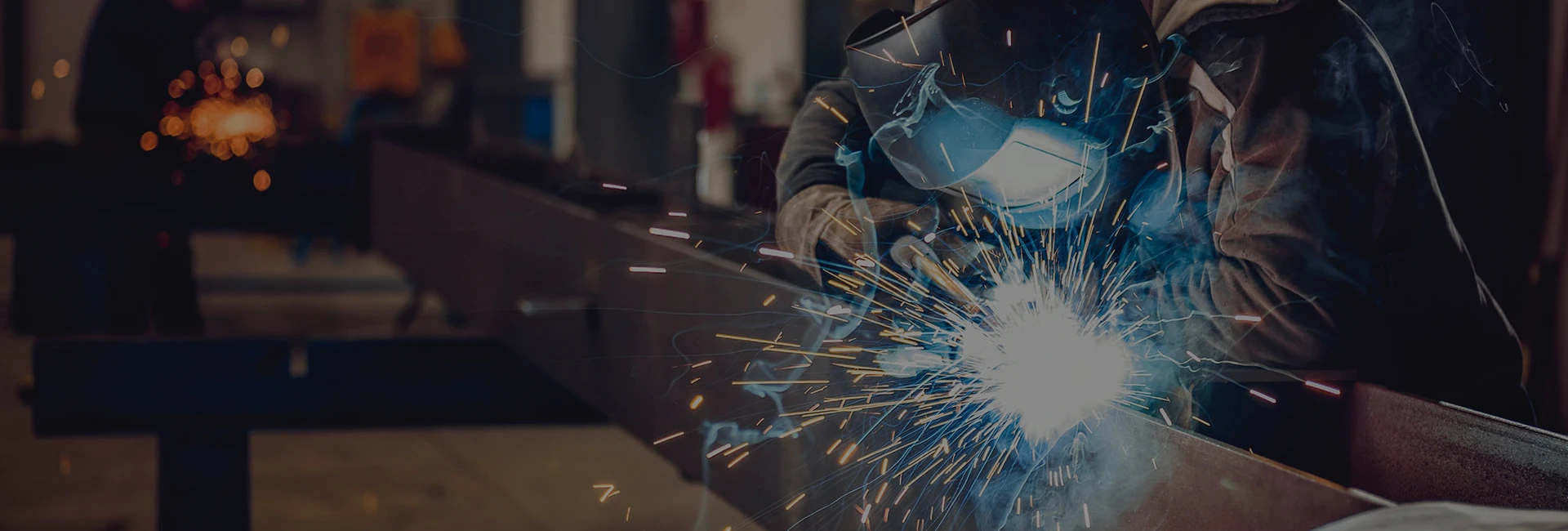
Comprehensive Guide to 6013 Stick Welding: Uses, Benefits, and Global Impact

Comprehensive Guide to 6013 Stick Welding: Uses, Benefits, and Global Impact
Dec . 02, 2025 05:00
6013 Stick Welding: What It Is and Why It Matters Globally
6013 stick welding, a term that might sound technical to some, actually plays a surprisingly vital role in modern manufacturing, infrastructure repair, and even humanitarian efforts worldwide. This welding method offers significant benefits like ease of use and versatility, making it indispensable for both industrial and emergency repair contexts. Given how much the world relies on robust metal construction—from massive bridges to rural electrical grids—understanding 6013 stick welding is more than just academic; it’s foundational knowledge for anyone involved in metalwork or construction-related fields.
Introduction: The Global Context and Why 6013 Welding Is Relevant
Globally, welding fuels the backbone of development. According to ISO standards and findings reported by the World Bank, infrastructure investments across developing and developed countries rely on efficient and reliable welding techniques. Often, the challenge lies in accessing skilled labor or sophisticated equipment in remote areas. That’s where 6013 stick welding finds its sweet spot—offering a simpler, more flexible process that workers can apply with minimal training and equipment cost. Oddly enough, stick welding pulses beneath many solutions to real-world issues, such as post-disaster rebuilding or maintaining aging infrastructure where power supplies might be limited.
Defining 6013 Stick Welding
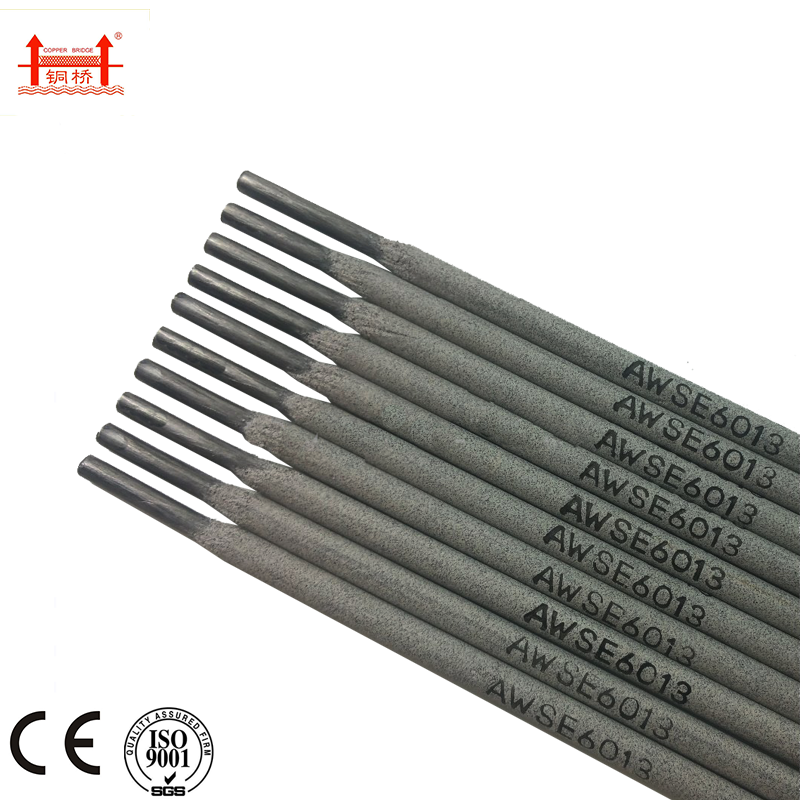
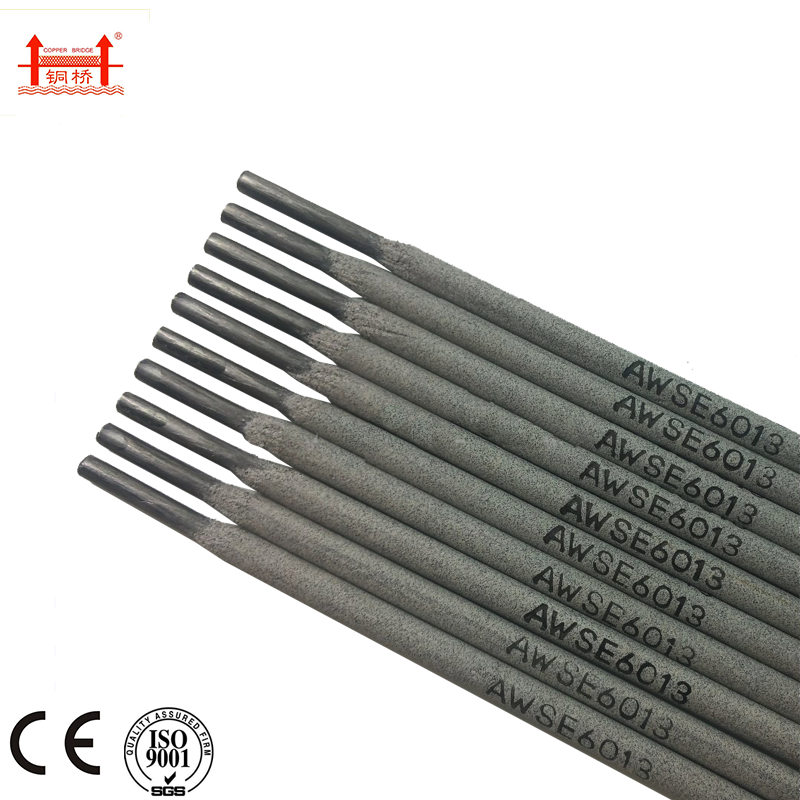
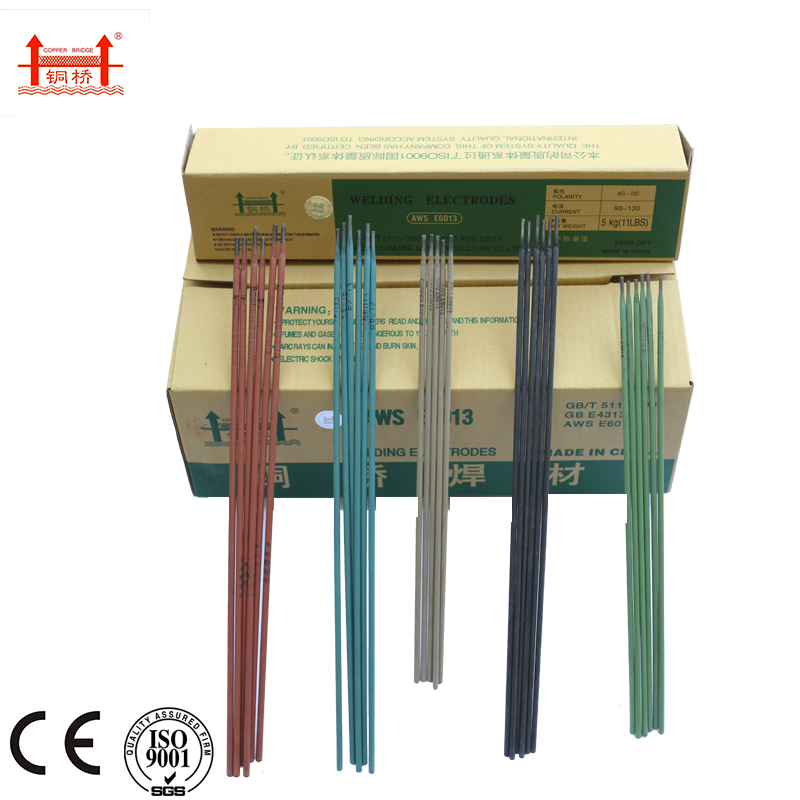
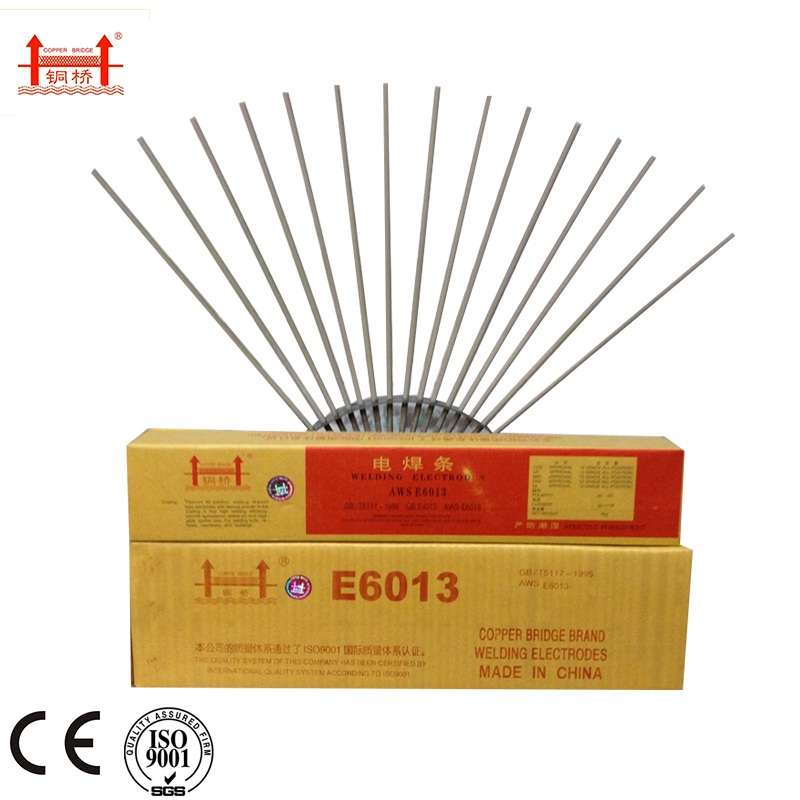
So, what exactly is 6013 stick welding? At its core, this process involves using a 6013 welding electrode—commonly called a welding rod—to create strong joins between metal pieces by melting their edges together. The "6013" designation comes from the American Welding Society’s classification system, where:
- “60” indicates the electrode’s minimum tensile strength (60,000 psi)
- “1” means it can be used in all welding positions (flat, vertical, overhead)
- “3” refers to a particular type of flux coating suitable for a soft arc and light slag
This makes 6013 electrodes especially valuable in light fabrication and repair work where a smooth bead and easy slag removal are desired.
Key Factors of 6013 Stick Welding
Durability and Strength
Despite being marketed as a general-purpose welding rod, 6013 electrodes deliver a tensile strength of about 60,000 psi. This ensures that welded joints won’t easily fail under common stress conditions in construction or sheet metal work. It’s quite remarkable, honestly, how something so accessible can still meet substantial strength requirements.
All-Position Versatility
One of the standout advantages is that 6013 can be used in virtually any position—horizontal, vertical, overhead—which means it’s exceptionally useful on-site where welders face awkward joints or tight spaces. This adaptability isn’t trivial: for field engineers and technicians, it cuts down on the need for repositioning workpieces or complex fixture setups.
Cost Efficiency
The electrodes themselves are relatively inexpensive compared to specialty rods or wire-fed options. When combined with the simplicity of stick welding equipment—which is often just a power source and cables—the upfront investment is low. Plus, it works well with recycled or low-grade metals, which can be crucial in developing regions.
Simplicity and Portability
Stick welding gear is famously compact and doesn’t require external shielding gas, unlike MIG or TIG welding. This means it’s portable and less vulnerable to environmental factors like wind or rain, which can make other methods unreliable outdoors.
| Specification | 6013 Electrode |
|---|---|
| Tensile Strength | 60,000 psi |
| Welding Positions | All positions (flat, vertical, overhead) |
| Flux Coating Type | Titania-based, produces smooth arc |
| Typical Applications | Light steel fabrication, repairs, sheet metal |
| Equipment Needed | Simple DC or AC stick welder |
Global Applications & Use Cases
In real-world terms, 6013 stick electrodes pop up in interesting—and sometimes unexpected—places. For instance:
- Post-Disaster Relief: NGOs and rescue teams often rely on 6013 welding for fast repairs of generators, transport vehicles, and temporary shelters—especially when wired gas-shielded welders are impractical.
- Rural Infrastructure: In many parts of Africa and Asia, rural electricians and maintenance crews use 6013 for repairing small-scale power distribution components or agricultural machinery.
- Light Industrial Fabrication: Workshops worldwide use this method for small batch fabrication of metal furniture, gates, or fencing.
If you follow 6013 stick welding forums or product pages, you'll find stories about how these rods enable DIY mechanics or artisans to get work done where other welding tools simply wouldn’t be feasible.
Advantages & Long-Term Value
Cost-effectiveness aside, the 6013 electrode also contributes to sustainability by extending the lifespan of metal equipment and structures. This, in turn, lowers the demand for more frequent replacements and manufacturing, which has a tangible environmental impact. From a social perspective, accessible welding technology empowers communities to maintain essential infrastructure, enhancing safety and dignity—a sort of grassroots innovation, really.
Future Trends & Innovations in 6013 Stick Welding
While 6013 electrodes might seem “old school,” they’re not immune to innovation. Manufacturers are exploring improved flux formulations that reduce spatter, produce lower smoke, or add corrosion resistance. Additionally, digital welding machines now often come with features to optimize current flow for 6013 rods, improving weld consistency even for novices. Oddly enough, we also see increasing interest in integrating welding into green energy projects and robotic automation—but for now, the tried and true 6013 remains a practical mainstay.
Challenges & Solutions
It’s not all sunshine, though. 6013 electrodes generally produce softer welds relative to some specialty rods, which can be a limitation where high-stress joints are needed. Also, while the absence of shielding gas provides portability, it exposes welds to more impurities, so cleanliness and technique matter. Many welders now pair 6013 use with pre- and post-weld inspections and sometimes alternate electrodes for critical sections to bridge these gaps.
| Vendor | Electrode Quality | Price (per kg) | Availability |
|---|---|---|---|
| Jinlong | High consistency, smooth arc | $25 | Global shipping |
| ABC Steel Supplies | Medium quality, some spatter | $20 | Regional only |
| Global Electrodes | Premium, high tensile | $30 | Limited stock |
FAQ: Frequently Asked Questions About 6013 Stick Welding
- Q: What metals can I weld using 6013 electrodes?
A: 6013 rods are best suited for mild steel and low-carbon steel; they aren't ideal for stainless steel or cast iron. Stick welding is often used in repair and light fabrication of steel components. - Q: Can beginners easily use 6013 stick welding?
A: Absolutely. The smooth arc and forgiving slag removal make 6013 a favorite for welders still gaining experience, plus it works with simple equipment. - Q: Is 6013 stick welding suitable for outdoor projects?
A: Yes, since no external shielding gas is needed, 6013 performs well outdoors, even in windy conditions where MIG or TIG welding might struggle. - Q: How do I store 6013 electrodes properly?
A: Keep them dry and stored in airtight containers or rod ovens if possible. Moisture can cause welding defects like porosity or cracks. - Q: What are the maintenance considerations for welds done with 6013?
A: Regular inspection for cracks or corrosion is advised, especially if exposed to harsh environments. Proper grinding and finish can improve lifespan.
Conclusion
In the long run, the 6013 stick welding method represents a blend of accessibility, reliability, and cost-effectiveness that uniquely suits a broad spectrum of industrial and humanitarian needs. Its role in enabling infrastructure maintenance, post-disaster recovery, and everyday metalwork cannot be overstated. For those curious or involved in welding, visiting 6013 stick welding sources and suppliers is a smart next step.
Oddly enough, sometimes the simplest tools create the biggest impact. It feels like 6013 electrodes quietly keep our world holding together.
References:

Related Video

Related News


2026-04-16 02:35:10
Precision Guide for e312 16 welding rod and Dissimilar Steel Welding
In the demanding world of industrial fabrication and repair, selecting the correct filler metal is the difference between a structural failure and a lifetime bond. The e312 16 welding rod is specifically engineered to meet the rigorous needs of welding dissimilar steels, offering an exceptional balance of strength and corrosion resistance. Whether you are working on high-pressure pipelines or heavy machinery components, understanding the nuances of this specialized electrode is key to achieving professional-grade results. This guide explores the technical advantages and practical applications of the E312 series to help you optimize your welding workflow.
2026-04-09 02:35:17
Choosing the Right cs to ss welding rod number Professional Guide
Joining carbon steel (CS) to stainless steel (SS) is a common challenge in industrial fabrication, requiring a precise understanding of metallurgy to avoid weld failure. The most critical decision in this process is identifying the correct cs to ss welding rod number to ensure a strong, corrosion-resistant bond. Using the wrong filler metal can lead to cracking or premature oxidation due to the different thermal expansion rates of the two materials. In this comprehensive guide, we will break down the technical specifications and selection criteria to help you achieve a professional-grade weld every time.
2026-04-07 02:25:29
Comprehensive Guide to 409 Welding Rod Selection and Optimal Usage
When it comes to welding applications requiring corrosion resistance and good weldability, the 409 welding rod is a frequently chosen option. This article provides a detailed overview of this versatile welding rod, exploring its composition, applications, benefits, and considerations for optimal use. Whether you’re a seasoned professional or new to welding, understanding the properties of 409 welding rod is crucial for achieving high-quality, durable welds. We’ll cover everything you need to know to make informed decisions for your welding projects.
2026-04-04 02:35:28
Comprehensive Guide to 330 Stainless Steel Welding Rod Applications and Techniques
330 stainless steel welding rods are a crucial component in various industries, offering exceptional corrosion resistance and high-temperature strength. This article provides an in-depth look at these rods, covering their properties, applications, choosing the right rod, welding techniques, safety precautions, and where to find high-quality options. Whether you're a seasoned welding professional or new to the field, this guide will offer valuable insights.
2026-03-31 02:35:08
Comprehensive Guide to 312 Stainless Tig Rod for Superior Welding Performance
When choosing the right filler metal for your TIG welding projects, especially in demanding applications, 312 stainless steel tig rod stands out for its exceptional corrosion resistance and high-temperature strength. This comprehensive guide will explore its composition, applications, benefits, and how it compares to other stainless steel rods. We'll also point you to resources for sourcing high-quality rods.
2026-03-28 02:45:04
Comprehensive Guide to 312 17 Welding Rod Applications and Technical Details
Welding rods are essential consumables in the welding process, and selecting the right one is crucial for achieving strong, durable, and high-quality welds. The 312 17 welding rod is a popular choice for many applications due to its unique properties and versatility. This article delves into the characteristics, applications, benefits, and considerations when using 312 17 welding rods, providing a comprehensive resource for welders and engineers alike. Choosing the right rod directly impacts the success and longevity of any welding project.
2026-03-26 02:35:10
Comprehensive Guide to the 312 16 Welding Rod for Superior Steel Welding
The 312 16 welding rod is a versatile and widely-used electrode in various welding applications. Known for its excellent weldability and strong mechanical properties, it's a go-to choice for professionals and hobbyists alike. This article delves into the specifics of this electrode, covering its composition, applications, advantages, and how to choose the right one for your projects. Understanding the nuances of the 312 16 welding rod is crucial for achieving high-quality, durable welds. The designation "312 16" provides key information about the welding rod. "312" refers to the type of flux coating, specifically a low-hydrogen, iron powder coating. This coating is designed to produce welds with excellent mechanical properties and good resistance to cracking. The "16" indicates the diameter of the rod in 32nds of an inch – so a 312 16 rod has a diameter of 16/32 or 1/2 inch. This combination makes it suitable for a wide range of steel welding applications. The low-hydrogen nature of the flux minimizes hydrogen-induced cracking, a common issue in welding certain steels.
2026-03-24 02:45:07
Comprehensive Guide to 309LSI TIG Rod Welding Applications and Best Practices
The 309LSI TIG rod is a versatile welding consumable widely used across various industries for its exceptional corrosion resistance and weldability. This article will explore the properties, applications, advantages, and best practices associated with using 309LSI TIG rods. Whether you're a seasoned welding professional or new to the field, this guide will provide you with valuable insights into maximizing the performance and longevity of your welds. The 309LSI TIG rod is a stainless steel electrode specifically designed for Gas Tungsten Arc Welding (GTAW), commonly known as TIG welding. The "309LSI" designation indicates the alloy composition: 309 signifies the chromium-nickel content, 'L' denotes low carbon content for enhanced corrosion resistance, and 'SI' signifies stabilized with silicon for improved resistance to carbide precipitation during welding.

 English
  Arabic
  Bengali
  China
China  French
  German
  Hausa
Hausa  Indonesian
  Italian
  Japanese
  Javanese
  Malay
Malay  Persian
  Portuguese
  Punjabi
  Russian
  Spanish
  Swahili
  Telugu
  Vietnamese