

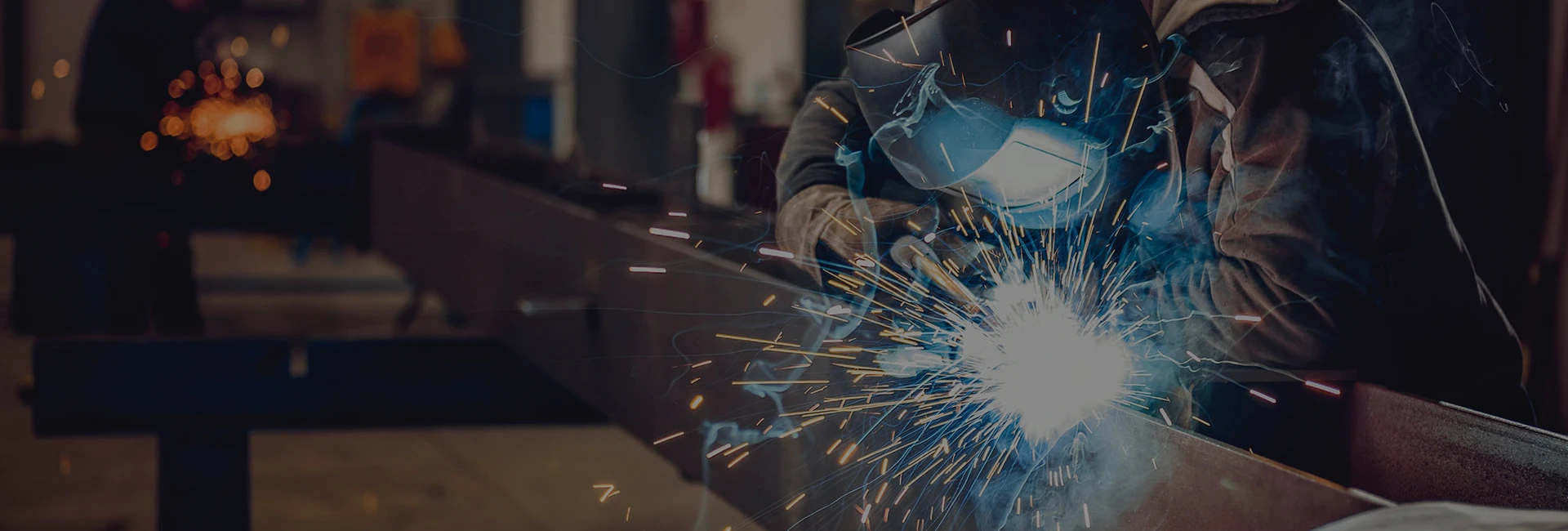
7018 Jet Rod: Global Guide to Specifications, Uses, and Suppliers

7018 Jet Rod: Global Guide to Specifications, Uses, and Suppliers
Dec . 02, 2025 16:50
Understanding the 7018 Jet Rod: Essential Insights Into a Globally Trusted Welding Electrode
Whether you're a seasoned welder, an engineer, or just someone intrigued by industrial materials, you've probably come across the term 7018 jet rod. This electrode, a staple in the welding world, quietly backstage supports everything from skyscrapers to pipelines, ships, and bridges. But why does it matter so much globally? In short, its reliability and strength have made it a linchpin in industries pushing the envelope on safety and durability. Knowing the ins and outs of the 7018 jet rod can bode well for anyone involved in construction or maintenance — it’s a material that's often behind the scenes but fundamental to modern infrastructure.
Mini takeaway: The 7018 jet rod is more than just a welding rod; it’s a globally valued component ensuring lasting structural integrity in critical industries.
Introduction: The Global Relevance of 7018 Jet Rod
If you glance at the global construction and manufacturing sectors, they’re projected to reach trillions of dollars by 2030 (World Bank data). Welding, as a core component of these industries, depends on electrodes that provide strength, precision, and safety. The 7018 jet rod has, in particular, earned its stripes due to its exceptional tensile strength and crack resistance, crucial in seismic zones or areas with harsh weather conditions. In countries with booming infrastructure projects—China, India, the US, and parts of Europe—this electrode is almost a gold standard. Oddly enough, despite advances in robotic welding and automation, the demand for quality rods like 7018 jet rods hasn’t declined but rather evolved to meet more stringent standards (ISO 2560 classification).
Yet, challenges remain. Welding defects, improper rod storage, and incorrect application can lead to costly repairs or worse—safety hazards. Hence, understanding the 7018 jet rod’s precise functions, treatment, and limitations is an ongoing industry concern.
Mini takeaway: The 7018 jet rod addresses global construction demands by offering robust performance, making it quintessential across diverse industries and regions.
What Is a 7018 Jet Rod?
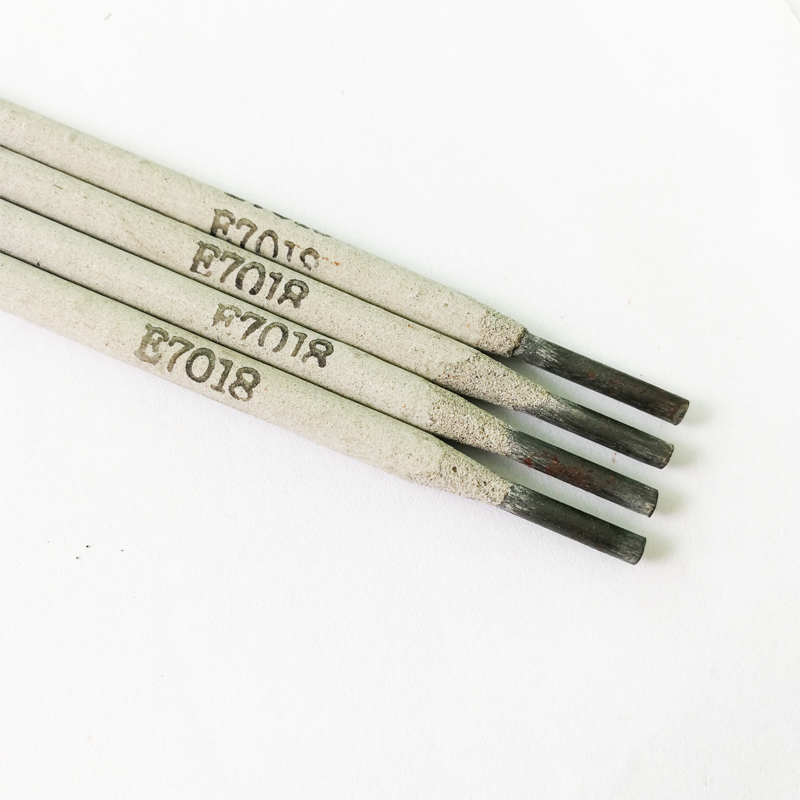
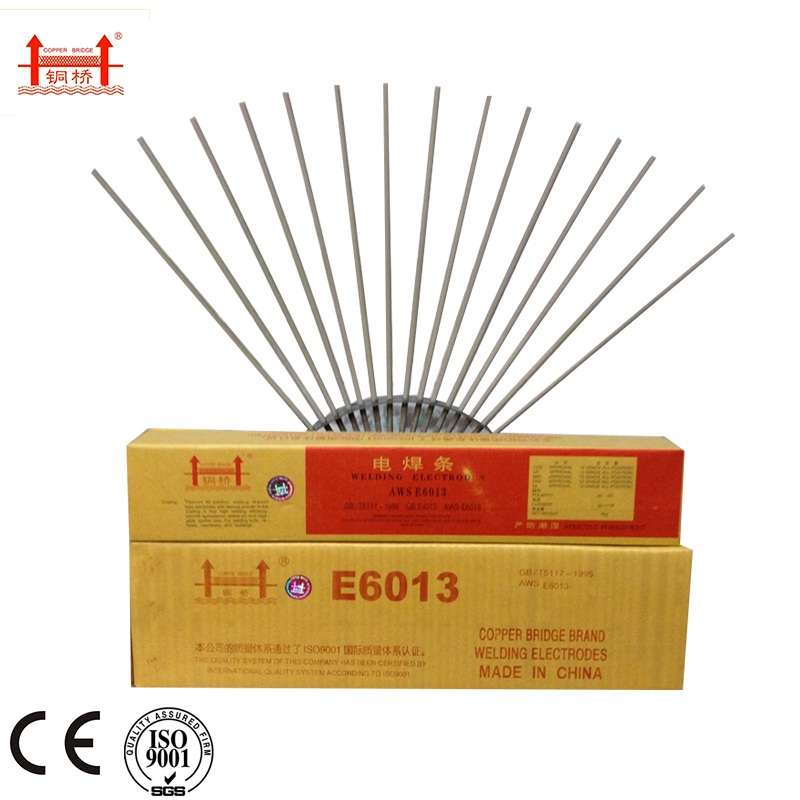
Put simply, a 7018 jet rod is a type of low-hydrogen welding electrode (or “welding rod”) used predominantly for shielded metal arc welding (SMAW). Its nomenclature breaks down as:
- 70: Minimum tensile strength of 70,000 psi
- 1: All-position welding capability
- 8: Low-hydrogen potassium iron powder coating
This specialized coating helps minimize hydrogen-induced cracking and improves weld quality—critical for safety-conscious industries.
In practical terms, the 7018 jet rod produces strong, ductile welds that can handle stress and strain in critical infrastructure. It’s often preferred when welding high-strength steels in bridges, pipelines, and heavy equipment manufacturing. Beyond industry, humanitarian sectors also benefit; for example, in rebuilding efforts following natural disasters, reliable welding materials ensure safe, lasting structures.
Mini takeaway: At its core, the 7018 jet rod is prized for reliability and versatility—a workhorse electrode that stands up to modern demands.
Key Factors of the 7018 Jet Rod
Durability
One of the primary features is the rod’s exceptional durability. The low-hydrogen coating reduces brittle welds and prevents cracking under stress. This makes it ideal for applications involving vibration or fluctuating loads.
All-position Welding
Thanks to its coating and design, this rod works in all welding positions—flat, vertical, horizontal, or overhead—offering unmatched flexibility onsite.
Cost Efficiency
Though it might cost a bit more than generic rods upfront, the 7018 jet rod pays off through reduced weld defects and downtime. Clients often remark it’s more economical in real-world terms because you avoid costly rework.
Ease of Use and Storage
This rod performs best when properly stored (airtight containers at moderate temperatures) to maintain low hydrogen levels. Some welding teams appreciate its predictable arc and smooth bead, making it user-friendly once you get the hang of it.
Compliance and Standards
It aligns with industry standards like AWS A5.1 and ISO 2560-A, giving users confidence in meeting regulatory welding codes—especially important for certifications and inspections.
| Specification | Detail |
|---|---|
| Tensile Strength | 70,000 psi minimum |
| Coating type | Low-hydrogen potassium iron powder |
| Welding Position | All position (flat, vertical, overhead, horizontal) |
| Current Type | AC or DC+ |
| Hydrogen Content | ≤5ml/100g weld metal |
Mini takeaway: The 7018 jet rod embodies robustness, user-friendly versatility, and compliance—elements highly valued in critical weld applications.
Global Applications & Use Cases
The 7018 jet rod sees action worldwide, places as different as North America’s petrochemical plants, Europe’s vast railway systems, and Asian shipyards. Its strength bridges subways in seismic zones and sustains pipelines transporting water or fuel over harsh terrains.
- Post-disaster recovery: In earthquake zones, it helps rebuild safe, crack-resistant structures fast.
- Remote industrial settings: Mines and off-shore platforms rely on its durability under extreme conditions.
- Heavy manufacturing: Producing cranes, bulldozers, and military equipment requires welding electrodes that won’t fail.
Interestingly, NGOs involved in humanitarian engineering also prefer it for durable shelters and facilities. It’s kind of a quiet hero ensuring sustainable rebuilding efforts.
Mini takeaway: Thanks to its reliability, the 7018 jet rod is a trusted partner across continents and industries.
Advantages & Long-Term Value
The benefits go well beyond the weld puddle:
- Cost savings: Less rework, longer-lasting welds equals fewer delays and expenses.
- Sustainability: Durable welds mean less frequent repairs and resource use — critical in green building standards.
- Safety & trust: Reduced risk of weld failures instilling confidence among engineers and regulatory bodies.
- Innovation support: Compatible with automation trends, including robotic welding, enhancing productivity.
The emotional satisfaction? Knowing the structure won’t crumble, that workers and users remain secure—it feels like a quiet assurance.
Future Trends & Innovations
Looking ahead, advancements aim to improve the low-hydrogen formulations even further, reducing emissions during welding and promoting greener processes. Additive manufacturing is starting to influence welding consumables, and digital traceability might tag rods to guarantee origin and specs. Some vendors are developing rods with enhanced arc stability to mesh better with automation tech, essential for large-scale industrial operations seeking efficiency and quality consistency.
Additionally, eco-friendlier coatings and packaging are on the rise, aligning with broader environmental policies encouraged by ISO standards and carbon reduction commitments worldwide.
Challenges & Solutions
No product is perfect, of course. The 7018 jet rod requires strict storage conditions — moisture can degrade performance, leading to weld defects. Training welders to handle these rods properly is another challenge; an incorrect current or angle reduces weld integrity. However, solutions exist:
- Innovative vacuum packaging extends shelf life considerably.
- Onsite baking ovens re-dry electrodes before critical welds.
- Regular upskilling: Welding certification programs now emphasize 7018-specific techniques.
With proper attention, drawbacks are manageable, and the rod’s benefits shine through.
Vendor Comparison: Leading 7018 Jet Rod Suppliers
| Vendor | Product Quality | Packaging & Storage | Price Range | Customer Support |
|---|---|---|---|---|
| Jinlong Welding Electrode | High consistency, meets AWS & ISO | Vacuum-sealed with moisture indicators | Mid-range, volume discounts | 24/7 technical assistance |
| ArcPro Electrodes | Reliable, certified low hydrogen | Standard moisture proof packaging | Competitive pricing | Limited after-sales service |
| Global Weld Supplies | Premium grade, ISO certified | Advanced moisture barrier packaging | Higher price tier | Comprehensive technical support |
FAQ: Practical Questions About 7018 Jet Rod
- Q: What makes 7018 jet rod superior for structural welding?
- A: Its low-hydrogen coating reduces cracking, combined with high tensile strength making welds durable under stress. This ensures safer, long-lasting joints in critical infrastructure.
- Q: How should 7018 welding rods be stored to maintain quality?
- Store them in low humidity environments, preferably vacuum-sealed. If rods absorb moisture, rebaking at recommended temperatures before use restores performance.
- Q: Can 7018 electrodes be used with both AC and DC welding currents?
- Yes, 7018 electrodes are versatile and typically work well with AC or DC+ (direct current electrode positive), though DC+ often provides a smoother arc.
- Q: Are 7018 jet rods suitable for robotic welding automation?
- Absolutely. Their consistent arc and low spatter characteristics make them compatible with automation systems requiring repeatable high-quality welds.
- Q: How do I choose the right 7018 vendor for my project?
- Consider product certification, packaging methods, and technical support availability. For example, companies like Jinlong Welding Electrode provide both certified quality and excellent customer assistance.
Conclusion: Why the 7018 Jet Rod Remains a Welding Essential
In real industrial terms, the 7018 jet rod is one of those unassuming heroes — reliable, versatile, and thoroughly tested. It meets evolving standards, supports critical global infrastructure, and fits into future-forward welding technologies. Whether you’re working in harsh environments or aiming for production efficiency with low defect rates, understanding and choosing quality 7018 jet rods is a smart move.
For those ready to upgrade their welding consumables, exploring specialized suppliers is key. Visit Jinlong Welding Electrode for trusted options, detailed specs, and expert advice.
Mini takeaway: The 7018 jet rod offers dependable endurance, economical value, and ongoing innovation—making it a wise investment for any welding project.
References:

Related Video

Related News
2026-04-16 02:35:10
Precision Guide for e312 16 welding rod and Dissimilar Steel Welding
In the demanding world of industrial fabrication and repair, selecting the correct filler metal is the difference between a structural failure and a lifetime bond. The e312 16 welding rod is specifically engineered to meet the rigorous needs of welding dissimilar steels, offering an exceptional balance of strength and corrosion resistance. Whether you are working on high-pressure pipelines or heavy machinery components, understanding the nuances of this specialized electrode is key to achieving professional-grade results. This guide explores the technical advantages and practical applications of the E312 series to help you optimize your welding workflow.
2026-04-09 02:35:17
Choosing the Right cs to ss welding rod number Professional Guide
Joining carbon steel (CS) to stainless steel (SS) is a common challenge in industrial fabrication, requiring a precise understanding of metallurgy to avoid weld failure. The most critical decision in this process is identifying the correct cs to ss welding rod number to ensure a strong, corrosion-resistant bond. Using the wrong filler metal can lead to cracking or premature oxidation due to the different thermal expansion rates of the two materials. In this comprehensive guide, we will break down the technical specifications and selection criteria to help you achieve a professional-grade weld every time.
2026-04-07 02:25:29
Comprehensive Guide to 409 Welding Rod Selection and Optimal Usage
When it comes to welding applications requiring corrosion resistance and good weldability, the 409 welding rod is a frequently chosen option. This article provides a detailed overview of this versatile welding rod, exploring its composition, applications, benefits, and considerations for optimal use. Whether you’re a seasoned professional or new to welding, understanding the properties of 409 welding rod is crucial for achieving high-quality, durable welds. We’ll cover everything you need to know to make informed decisions for your welding projects.
2026-04-04 02:35:28
Comprehensive Guide to 330 Stainless Steel Welding Rod Applications and Techniques
330 stainless steel welding rods are a crucial component in various industries, offering exceptional corrosion resistance and high-temperature strength. This article provides an in-depth look at these rods, covering their properties, applications, choosing the right rod, welding techniques, safety precautions, and where to find high-quality options. Whether you're a seasoned welding professional or new to the field, this guide will offer valuable insights.
2026-03-31 02:35:08
Comprehensive Guide to 312 Stainless Tig Rod for Superior Welding Performance
When choosing the right filler metal for your TIG welding projects, especially in demanding applications, 312 stainless steel tig rod stands out for its exceptional corrosion resistance and high-temperature strength. This comprehensive guide will explore its composition, applications, benefits, and how it compares to other stainless steel rods. We'll also point you to resources for sourcing high-quality rods.
2026-03-28 02:45:04
Comprehensive Guide to 312 17 Welding Rod Applications and Technical Details
Welding rods are essential consumables in the welding process, and selecting the right one is crucial for achieving strong, durable, and high-quality welds. The 312 17 welding rod is a popular choice for many applications due to its unique properties and versatility. This article delves into the characteristics, applications, benefits, and considerations when using 312 17 welding rods, providing a comprehensive resource for welders and engineers alike. Choosing the right rod directly impacts the success and longevity of any welding project.
2026-03-26 02:35:10
Comprehensive Guide to the 312 16 Welding Rod for Superior Steel Welding
The 312 16 welding rod is a versatile and widely-used electrode in various welding applications. Known for its excellent weldability and strong mechanical properties, it's a go-to choice for professionals and hobbyists alike. This article delves into the specifics of this electrode, covering its composition, applications, advantages, and how to choose the right one for your projects. Understanding the nuances of the 312 16 welding rod is crucial for achieving high-quality, durable welds. The designation "312 16" provides key information about the welding rod. "312" refers to the type of flux coating, specifically a low-hydrogen, iron powder coating. This coating is designed to produce welds with excellent mechanical properties and good resistance to cracking. The "16" indicates the diameter of the rod in 32nds of an inch – so a 312 16 rod has a diameter of 16/32 or 1/2 inch. This combination makes it suitable for a wide range of steel welding applications. The low-hydrogen nature of the flux minimizes hydrogen-induced cracking, a common issue in welding certain steels.
2026-03-24 02:45:07
Comprehensive Guide to 309LSI TIG Rod Welding Applications and Best Practices
The 309LSI TIG rod is a versatile welding consumable widely used across various industries for its exceptional corrosion resistance and weldability. This article will explore the properties, applications, advantages, and best practices associated with using 309LSI TIG rods. Whether you're a seasoned welding professional or new to the field, this guide will provide you with valuable insights into maximizing the performance and longevity of your welds. The 309LSI TIG rod is a stainless steel electrode specifically designed for Gas Tungsten Arc Welding (GTAW), commonly known as TIG welding. The "309LSI" designation indicates the alloy composition: 309 signifies the chromium-nickel content, 'L' denotes low carbon content for enhanced corrosion resistance, and 'SI' signifies stabilized with silicon for improved resistance to carbide precipitation during welding.

 English
  Arabic
  Bengali
  China
China  French
  German
  Hausa
Hausa  Indonesian
  Italian
  Japanese
  Javanese
  Malay
Malay  Persian
  Portuguese
  Punjabi
  Russian
  Spanish
  Swahili
  Telugu
  Vietnamese