

Comprehensive Guide to 7018 H4R Welding Rod: Applications, Benefits & Industry Trends

Comprehensive Guide to 7018 H4R Welding Rod: Applications, Benefits & Industry Trends
Dec . 02, 2025 16:34
Understanding the 7018 H4R Welding Rod: A Global Industrial Staple
In the vast universe of welding electrodes, the 7018 h4r welding rod holds a particularly esteemed spot. Why does this specific rod matter so much across continents and industries? Well, it’s not just about joining metals—it’s about enabling infrastructures that support everything from skyscrapers in bustling cities to critical repairs in remote regions. Understanding this rod’s properties offers insights into both the nuts-and-bolts of modern manufacturing and the wider impacts on sustainability and safety worldwide.
Global Context: Why the 7018 H4R Welding Rod Is a Big Deal
According to the International Institute of Welding, welding electrodes like the 7018 h4r are at the heart of industrial growth, infrastructure resilience, and even humanitarian efforts. The World Bank notes billions are invested annually in construction and manufacturing projects globally, many relying on welding for strength and longevity. However, challenges such as variable climate conditions, supply chain disruptions, and safety standards have pressed demand for welding rods that combine durability, flexibility, and reliability.
Oddly enough, while some welding products can fail under rigorous conditions, the 7018 h4r welding rod is favored because it tackles many of these issues head-on.
Defining 7018 H4R Welding Rod in Simple Terms
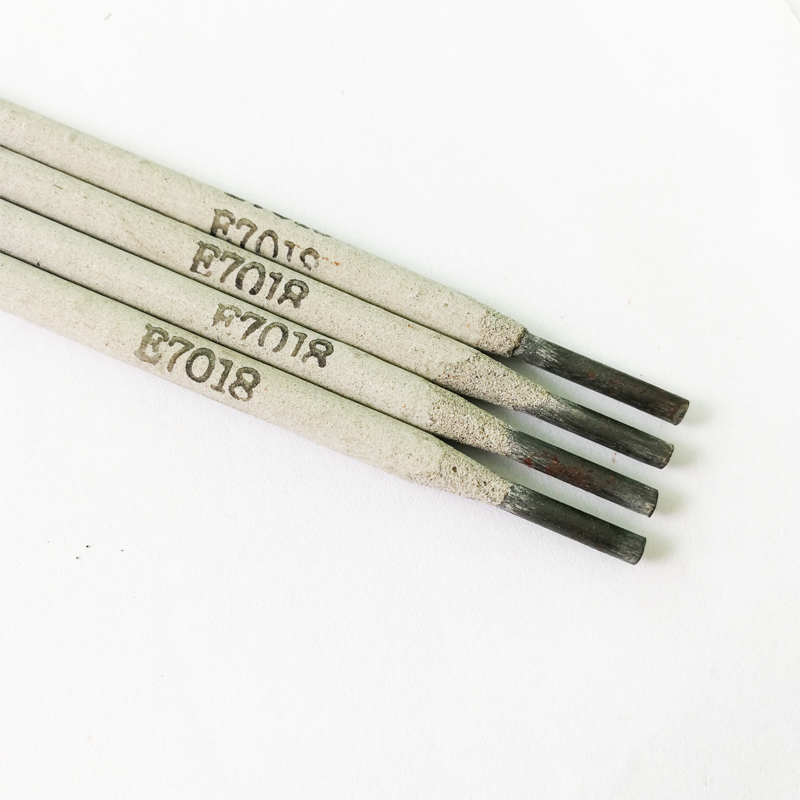
So what exactly is a 7018 h4r welding rod? Put simply, it’s a type of low-hydrogen, iron powder-coated electrode designed for shielded metal arc welding (SMAW). The “7018” designation refers to key characteristics: "70" indicates 70,000 psi tensile strength, "1" means it’s usable in all positions, and "8" designates it as a low-hydrogen rod with iron powder in the coating. The “H4R” marks enhanced moisture resistance and improved mechanical properties.
This rod is crucial where weld quality and toughness are non-negotiable—for instance, in pipelines, pressure vessels, bridges, and even military hardware. The low hydrogen content means fewer cracks and weld defects.
Core Components of the 7018 H4R Welding Rod
- Durability: The iron powder coating delivers a stable arc and smooth weld bead, reducing spatter and improving finish.
- Moisture Resistance: The H4R rating certifies its ability to maintain low hydrogen despite exposure to humidity or storage challenges. This is a game-changer in humid or coastal environments.
- Mechanical Strength: It provides excellent tensile and impact strength, ensuring long-lasting joints even under stress.
- Versatility: Usable in all welding positions (flat, vertical, overhead, horizontal), increasing job site flexibility.
- Cost Efficiency: Despite premium features, it balances cost against higher productivity and less rework.
In real terms, welders can rely on the 7018 h4r rod to fuse metals that will endure the pressures of both everyday use and extreme conditions. This is why engineers often specify it for structural steel frameworks where safety codes are strict.
Technical Specifications: 7018 H4R Welding Rod
| Specification | Detail |
|---|---|
| Tensile Strength | 70,000 psi (approx. 485 MPa) |
| Position | All Positions (1) |
| Coating Type | Iron powder, low hydrogen |
| Hydrogen Content | Per EN ISO 3580 – Low (below 5 ml/100g) |
| Operating Voltage | 20-40 V |
Global Applications and Practical Use Cases
The 7018 h4r rod’s utility stretches from the bustling shipyards of South Korea to remote oil rigs in the North Sea. In post-disaster relief operations, such as rebuilding bridges and infrastructure after earthquakes or floods, its dependable welds help restore essential transport routes. Industrial sectors in North America, Europe, and Asia rely on it for pipeline construction and pressure vessel fabrication—key to energy and manufacturing supply chains.
In remote industrial zones, where re-supply is tough and conditions are unpredictable, having moisture-resistant welding rods like the 7018 h4r ensures work doesn’t halt due to bad electrode quality or cracking welds. It’s sort of the "work-horse" of welding rods—dependable under pressure.
Vendor Comparison: Leading 7018 H4R Welding Rod Suppliers
| Vendor | Coating Quality | Price per Kg | Availability | Moisture Resistance |
|---|---|---|---|---|
| Jinlong Welding Electrode | High grade iron powder coating | $3.50 | Global shipping | Certified H4R standard |
| Vendor B | Standard coating | $3.00 | Regional | Meets industrial norm |
| Vendor C | Premium coated | $4.00 | Limited to local markets | Enhanced moisture control |
Why Choose 7018 H4R Welding Rod? The Advantages & Long-Term Value
One clear advantage is the rod’s remarkable combination of economy and performance. While the upfront cost might be a bit higher than generic rods, its durability reduces costly weld repairs and downtime. From a sustainability angle, stronger welds mean less frequent replacement of structures, which conserves resources.
Emotionally, welding professionals often express confidence and pride using 7018 h4r rods, knowing their joints will hold against rigorous demands. For industries touched by safety regulations, like nuclear or military applications, the rod’s reliable, high-impact resistance literally safeguards lives.
Looking Ahead: Future Trends & Innovations
The welding electrode landscape is evolving. Emerging green energy projects and automated welding systems increasingly call for consistent electrode performance under digital control. The 7018 h4r rod is adapting with improved coatings and manufacturing precision to reduce environmental impact and fit robotic welders’ needs.
Additionally, new moisture-resistant formulations are emerging to extend shelf life in ever-challenging climates, including tropical and polar regions. Integration with smart packaging that tracks humidity and usage is also on the horizon.
Challenges & Practical Solutions
Despite its robustness, the 7018 h4r welding rod is not without challenges. Improper storage can still lead to hydrogen pickup, causing weld cracking. To mitigate this, strict inventory rotation and onsite baking procedures are crucial. Some users may find costs higher upfront, but as mentioned, long-term savings compensate.
Technological advances such as microwave drying units and data monitoring help ensure optimal rod condition before use, boosting confidence on site.
FAQ: Common Questions About 7018 H4R Welding Rod
- Q: How does the 7018 h4r rod differ from standard 7018 rods?
A: The “h4r” rating means enhanced moisture resistance, crucial for humid environments or long storage. It reduces crack risks compared to typical 7018 rods, which may require more stringent drying. - Q: Can the 7018 h4r electrode be used on all steel types?
A: It’s mainly designed for low to medium carbon steels and is compatible with most structural steels. However, special alloys or stainless steel require different rods. - Q: What storage best practices keep 7018 h4r rods effective?
A: Store in dry, sealed containers at controlled temperatures, avoid prolonged exposure to moisture, and batch test moisture content regularly. - Q: Is this rod suitable for automated welding systems?
A: Yes. Advances in manufacturing make 7018 h4r rods compatible with mechanized and robotic welding, though machine settings may need adjustments. - Q: Where can I buy high-quality 7018 h4r welding rods?
A: Reliable suppliers like Jinlong Welding Electrode offer certified rods with global shipping and consistent quality control.
Conclusion & Call to Action
In sum, the 7018 h4r welding rod represents much more than just a consumable; it’s a critical enabler of dependable, high-strength welds in diverse environments worldwide. Its blend of mechanical strength, moisture resistance, and versatility delivers ongoing value to fabricators, engineers, and industries striving for safety and longevity. For anyone involved in welding projects—whether industrial mega-builds or critical repairs—the 7018 h4r rod warrants serious consideration.
Explore a premium range of 7018 h4r welding rods and learn more about how they can upgrade your welding operations at Jinlong Welding Electrode.
Quick takeaway: Choosing the right welding rod today could mean decades of structural integrity tomorrow.
References:
1. Wikipedia: Welding Electrode
2. International Institute of Welding: Welding Standards and Codes
3. World Bank Construction Industry Report 2023

Related Video

Related News
2026-04-16 02:35:10
Precision Guide for e312 16 welding rod and Dissimilar Steel Welding
In the demanding world of industrial fabrication and repair, selecting the correct filler metal is the difference between a structural failure and a lifetime bond. The e312 16 welding rod is specifically engineered to meet the rigorous needs of welding dissimilar steels, offering an exceptional balance of strength and corrosion resistance. Whether you are working on high-pressure pipelines or heavy machinery components, understanding the nuances of this specialized electrode is key to achieving professional-grade results. This guide explores the technical advantages and practical applications of the E312 series to help you optimize your welding workflow.
2026-04-09 02:35:17
Choosing the Right cs to ss welding rod number Professional Guide
Joining carbon steel (CS) to stainless steel (SS) is a common challenge in industrial fabrication, requiring a precise understanding of metallurgy to avoid weld failure. The most critical decision in this process is identifying the correct cs to ss welding rod number to ensure a strong, corrosion-resistant bond. Using the wrong filler metal can lead to cracking or premature oxidation due to the different thermal expansion rates of the two materials. In this comprehensive guide, we will break down the technical specifications and selection criteria to help you achieve a professional-grade weld every time.
2026-04-07 02:25:29
Comprehensive Guide to 409 Welding Rod Selection and Optimal Usage
When it comes to welding applications requiring corrosion resistance and good weldability, the 409 welding rod is a frequently chosen option. This article provides a detailed overview of this versatile welding rod, exploring its composition, applications, benefits, and considerations for optimal use. Whether you’re a seasoned professional or new to welding, understanding the properties of 409 welding rod is crucial for achieving high-quality, durable welds. We’ll cover everything you need to know to make informed decisions for your welding projects.
2026-04-04 02:35:28
Comprehensive Guide to 330 Stainless Steel Welding Rod Applications and Techniques
330 stainless steel welding rods are a crucial component in various industries, offering exceptional corrosion resistance and high-temperature strength. This article provides an in-depth look at these rods, covering their properties, applications, choosing the right rod, welding techniques, safety precautions, and where to find high-quality options. Whether you're a seasoned welding professional or new to the field, this guide will offer valuable insights.
2026-03-31 02:35:08
Comprehensive Guide to 312 Stainless Tig Rod for Superior Welding Performance
When choosing the right filler metal for your TIG welding projects, especially in demanding applications, 312 stainless steel tig rod stands out for its exceptional corrosion resistance and high-temperature strength. This comprehensive guide will explore its composition, applications, benefits, and how it compares to other stainless steel rods. We'll also point you to resources for sourcing high-quality rods.
2026-03-28 02:45:04
Comprehensive Guide to 312 17 Welding Rod Applications and Technical Details
Welding rods are essential consumables in the welding process, and selecting the right one is crucial for achieving strong, durable, and high-quality welds. The 312 17 welding rod is a popular choice for many applications due to its unique properties and versatility. This article delves into the characteristics, applications, benefits, and considerations when using 312 17 welding rods, providing a comprehensive resource for welders and engineers alike. Choosing the right rod directly impacts the success and longevity of any welding project.
2026-03-26 02:35:10
Comprehensive Guide to the 312 16 Welding Rod for Superior Steel Welding
The 312 16 welding rod is a versatile and widely-used electrode in various welding applications. Known for its excellent weldability and strong mechanical properties, it's a go-to choice for professionals and hobbyists alike. This article delves into the specifics of this electrode, covering its composition, applications, advantages, and how to choose the right one for your projects. Understanding the nuances of the 312 16 welding rod is crucial for achieving high-quality, durable welds. The designation "312 16" provides key information about the welding rod. "312" refers to the type of flux coating, specifically a low-hydrogen, iron powder coating. This coating is designed to produce welds with excellent mechanical properties and good resistance to cracking. The "16" indicates the diameter of the rod in 32nds of an inch – so a 312 16 rod has a diameter of 16/32 or 1/2 inch. This combination makes it suitable for a wide range of steel welding applications. The low-hydrogen nature of the flux minimizes hydrogen-induced cracking, a common issue in welding certain steels.
2026-03-24 02:45:07
Comprehensive Guide to 309LSI TIG Rod Welding Applications and Best Practices
The 309LSI TIG rod is a versatile welding consumable widely used across various industries for its exceptional corrosion resistance and weldability. This article will explore the properties, applications, advantages, and best practices associated with using 309LSI TIG rods. Whether you're a seasoned welding professional or new to the field, this guide will provide you with valuable insights into maximizing the performance and longevity of your welds. The 309LSI TIG rod is a stainless steel electrode specifically designed for Gas Tungsten Arc Welding (GTAW), commonly known as TIG welding. The "309LSI" designation indicates the alloy composition: 309 signifies the chromium-nickel content, 'L' denotes low carbon content for enhanced corrosion resistance, and 'SI' signifies stabilized with silicon for improved resistance to carbide precipitation during welding.

 English
  Arabic
  Bengali
  China
China  French
  German
  Hausa
Hausa  Indonesian
  Italian
  Japanese
  Javanese
  Malay
Malay  Persian
  Portuguese
  Punjabi
  Russian
  Spanish
  Swahili
  Telugu
  Vietnamese