

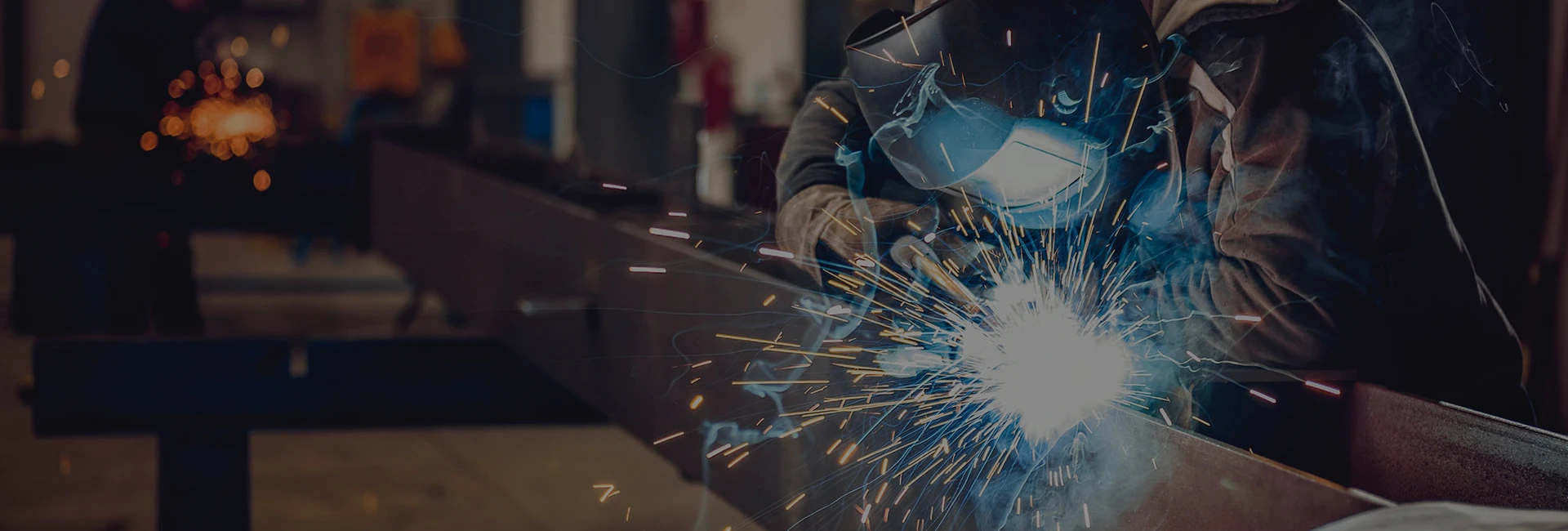
6018 Welding Rod – Reliable Low-Hydrogen Electrode for Strong, Durable Welds

6018 Welding Rod – Reliable Low-Hydrogen Electrode for Strong, Durable Welds
Nov . 29, 2025 19:55
Understanding the 6018 Welding Rod: A Backbone of Reliable Metalwork
When it comes to welding, the humble electrode often doesn’t get the spotlight it deserves. Yet, the 6018 welding rod remains a stalwart in both global industry and everyday metal fabrication — a key piece in projects ranging from modest home repairs to sprawling infrastructure initiatives. With the world relying ever more on resilient, efficient, and affordable construction materials, understanding the 6018 welding rod helps professionals and hobbyists alike grasp why this specific rod is a favorite in many sectors.
The Global Relevance of 6018 Welding Rod
In the grand scheme, welding accounts for a vital part of the global manufacturing and construction economy, valued in the billions annually. According to industry reports, the global welding consumables market is projected to grow steadily, reflecting expanding infrastructure developments and manufacturing demands, especially in Asia, Europe, and emerging markets. Welding electrodes like the 6018 rod play a starring role here as they often address on-site needs where quality, consistency, and ease of use are non-negotiable — think bridges, pipelines, and heavy equipment.
At the same time, welding challenges—such as creating strong joints quickly and safely, dealing with variable field conditions, or welding thicker materials—continually push innovation and best practices. The 6018 electrode is one that tackles many of these challenges head-on, offering a balance of performance and versatility.
Mini takeaway: The 6018 welding rod is more than just a consumable; it’s a strategic tool enabling robust, reliable metal joining in crucial global and industrial applications.
What Exactly Is a 6018 Welding Rod?
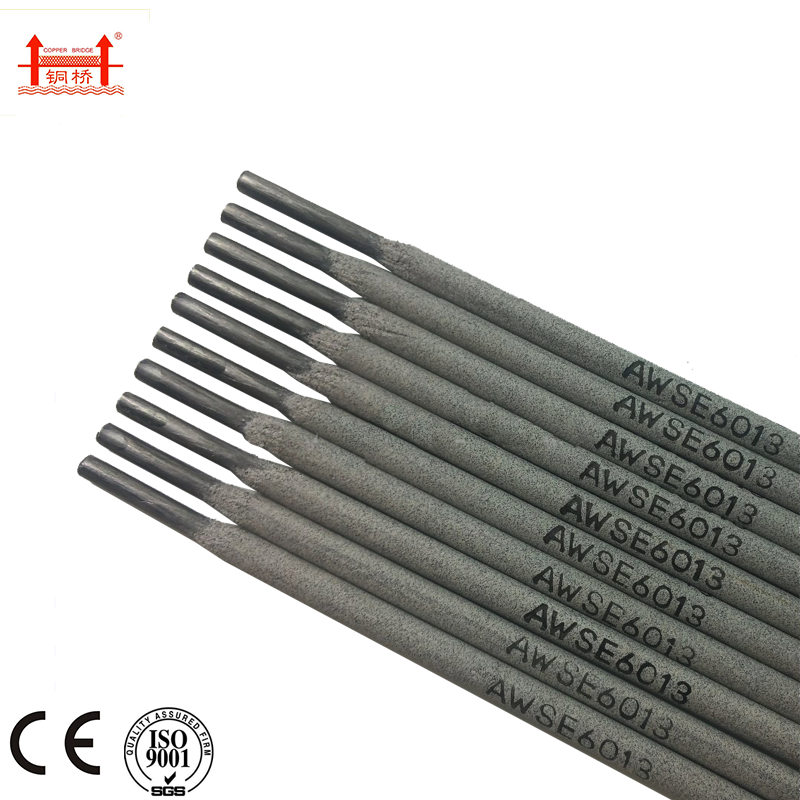
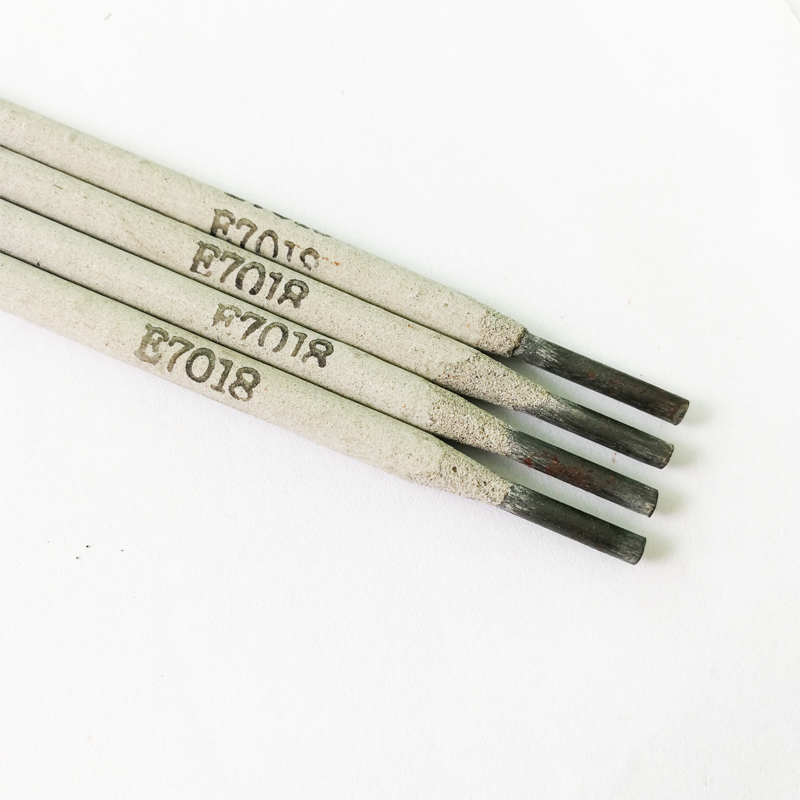
Simply put, the 6018 welding rod is a type of stick electrode known primarily for its ability to create strong, ductile welds with excellent crack resistance. Part of the “60” series (hence the '60'), it’s rated for a tensile strength of about 60,000 psi. The “1” indicates that both flat and positional welding are possible, while the “8” represents a low hydrogen potassium type of coating.
Why does low hydrogen matter? High hydrogen can cause cracking in welds, a critical failure in safety-sensitive or high-stress environments. 6018 rods help mitigate that risk by releasing hydrogen very slowly during welding, making them a favorite among engineers and welders working on critical infrastructure or heavy machinery.
Oddly enough, while advanced welding technologies like MIG or TIG continue to evolve, the 6018 remains a staple for certain jobs because of its simplicity, strong welds, and adaptability.
Mini takeaway: In essence, the 6018 welding rod is a low-hydrogen, high-strength electrode trusted globally for welds that need to stand the test of time and stress.
Core Features That Make 6018 Welding Rods What They Are
Durability and Strong Weld Characteristics
The tensile strength rating of 60,000 psi gives these rods a solid reputation for producing welds that last. They’re particularly effective on thicker steel plates and joints which might otherwise crack with weaker electrodes.
Low Hydrogen Coating
This arc electrode uses a potassium-based coating that slows hydrogen release during welding. It's why it helps prevent common issues like cold cracks or hydrogen embrittlement — major concerns in pipelines or heavy machinery repairs.
Versatility in Position
6018 rods can be used for flat, horizontal, vertical, and overhead welding — a true all-rounder for fieldwork where changing the setup frequently is common.
Moderate Deposition Rates
While these rods aren’t the fastest at laying down weld metal, their balanced deposition rate ensures good control and a clean bead, prized by craftsmen and professionals alike.
Ease of Use on Dirty or Rusty Surfaces
Unlike some specialized electrodes requiring pristine conditions, the 6018 can tackle slightly less-than-perfect surfaces, making it practical for field repairs or restoration work.
Mini takeaway: It feels like the 6018 welding rod is built for “no nonsense” reliability, perfect for rough-and-ready conditions without sacrificing weld quality.
Global Applications & Use Cases of 6018 Welding Rod
Because of its robust qualities, the 6018 welding rod shows up in a range of fascinating places:
- Infrastructure construction: Bridges, highway supports, and industrial buildings worldwide rely on welds achieved by 6018 rods to hold structural steel with confidence.
- Pipeline repair and fabrication: In harsh environments—from North American oil fields to Middle Eastern pipelines—the low hydrogen characteristic is essential to prevent leaks and failures.
- Shipbuilding & Ship repair: Saltwater exposure demands welds that resist cracking under stress; 6018 rods often come into play here.
- Post-disaster reconstruction: Workers repairing bridges or utility poles after natural calamities find them indispensable because they can work quickly and trust the welds will last.
- Manufacturing and heavy equipment maintenance: Industrial plants and mining sectors worldwide count on 6018 rods for equipment repairs that minimize downtime.
In more hands-on terms, many welders in remote sites, where fancy equipment isn't an option, swear by 6018’s reliability and broad usability. You can find it in small workshops and giant fabrication yards alike.
Mini takeaway: Whether it’s patching a pipe in Siberia or assembling a crane in Dubai, the 6018 welding rod is that dependable workhorse few talk about but many rely on.
Product Specification Table: 6018 Welding Rod Typical Specs
| Feature | Specification |
|---|---|
| Tensile Strength | 60,000 psi (approx. 420 MPa) |
| Coating Type | Low hydrogen potassium |
| Diameter Range | 2.5 mm to 5.0 mm |
| Penetration | Deep, with slag that peels easily |
| Welding Positions | Flat, horizontal, vertical, overhead |
| Current Type | AC/DC (DCEP preferred) |
Vendor Comparison: Top 3 6018 Welding Rod Suppliers
| Supplier | Price (per kg) | Certifications | Typical Packaging | Strengths |
|---|---|---|---|---|
| Jinlong Welding Electrode | $6.50 | ISO 2560-A: E6018 | 5kg Box | Consistent low hydrogen, worldwide sales, good customer support |
| GlobalWeld Supplies | $6.80 | AWS A5.1 E6018 | 10kg Tub | Strong distribution network, extensive diameter range |
| SteelPro Electrodes Inc. | $6.30 | CE, ISO Certified | 5kg Roll | Competitive pricing, good for industrial-scale orders |
Why Choose 6018 Welding Rod? Advantages & Long-Term Value
Choosing the right welding rod often means balancing cost, performance, and availability in sometimes unpredictable work conditions. The 6018 rod delivers:
- Reliability: Fewer weld defects like cracks means safer, more durable structures.
- Cost efficiency: It’s affordable yet doesn’t skimp on quality, helping keep projects on budget.
- Ease of use: Even moderately skilled welders can achieve reliable results.
- Social impact: Long-lasting welds mean safer bridges, buildings, and transport infrastructure — literally saving lives.
- Sustainability: Its long lifespan reduces the need for frequent repairs and replacements, cutting waste.
Frankly, in a world where cutting corners can cost lives, having a trusted welding rod like the 6018 in your toolbox feels like insurance you don’t want to go without.
The Road Ahead: Future Innovations in 6018 Welding Rods
While the 6018’s recipe is tried and true, the welding industry never really stops evolving. Innovations focus on:
- Eco-friendly coatings: New formulations aim to minimize environmental impact without sacrificing weld quality.
- Automation compatibility: Adapting rods to robotic arc welding technology to improve consistent output.
- Improved slag removal: Enhancements that speed up post-weld cleanup and inspection.
- Better storage and packaging: To preserve low hydrogen content over longer periods, making rods more durable on the shelf, a real boon for remote sites.
In short, the future promises rods that are cleaner, better suited for digital workflows, and greener — but the core functions of the 6018 won’t be abandoned anytime soon.
Common Challenges with 6018 Welding Rods and Practical Solutions
Of course, no product is perfect. Common challenges include:
- Storage sensitivity: The low hydrogen rods must be kept dry or risk weld contamination.
- Deposition speed: Sometimes slower deposition compared to other rods can prolong jobs.
- Skill requirement: While easier than some rods, improper electrode angle or amperage can cause poor welds.
Solutions? Keeping rods in heated storage, training welders on parameters, and mixing rod types where speed is prioritized help keep projects on track without sacrificing weld integrity.
FAQ: 6018 Welding Rod Essentials
Q1: What makes 6018 welding rods better than generic stick electrodes?
A1: The 6018’s low hydrogen coating and high tensile strength provide stronger, crack-resistant welds in multiple positions, making it a high-quality choice for critical repairs and structures.
Q2: How should 6018 rods be stored to maintain performance?
A2: Store in a dry, heated environment, ideally between 100-150°F (37-65°C), and keep rods sealed until use to prevent moisture absorption that can lead to weld defects.
Q3: Can 6018 rods be used outdoors in windy conditions?
A3: Yes, they are effective outdoors; however, wind can disrupt the welding arc, so windbreaks or shielding techniques are recommended for consistent weld quality.
Q4: Are 6018 welding rods suitable for both AC and DC currents?
A4: Yes, but DC with electrode positive (DCEP) is preferred for cleaner, smoother welds and better arc stability.
Q5: Is the 6018 electrode good for beginners?
A5: Generally, yes. It’s forgiving enough for those learning welding techniques yet robust enough for professional projects.
Conclusion: A Rod You Can Rely On
In real terms, the 6018 welding rod remains a cornerstone in welding for a reason: it offers dependable strength, user-friendly performance, and versatility across industries and geographies. Whether tackling industrial fabrication or emergency repair work, it’s an investment in quality and safety that pays dividends across the lifespan of any metal structure.
If you want to explore more or source quality 6018 welding rods tailored to your needs, visit our website at Jinlong Welding Electrode. Because in welding, trust isn’t optional—it’s the whole point.
References:

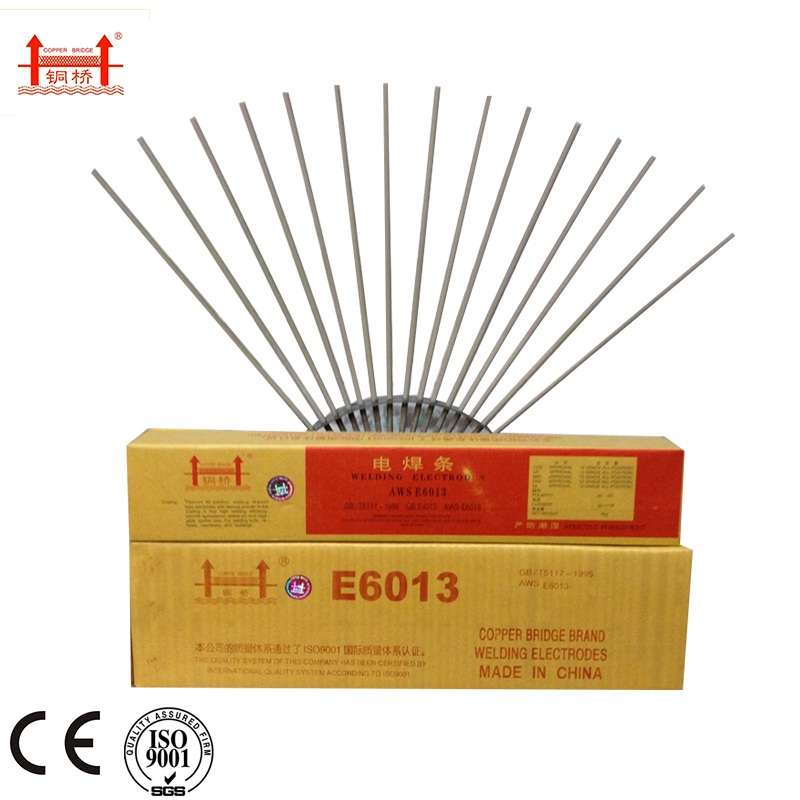
Related Video

Related News
2026-04-16 02:35:10
Precision Guide for e312 16 welding rod and Dissimilar Steel Welding
In the demanding world of industrial fabrication and repair, selecting the correct filler metal is the difference between a structural failure and a lifetime bond. The e312 16 welding rod is specifically engineered to meet the rigorous needs of welding dissimilar steels, offering an exceptional balance of strength and corrosion resistance. Whether you are working on high-pressure pipelines or heavy machinery components, understanding the nuances of this specialized electrode is key to achieving professional-grade results. This guide explores the technical advantages and practical applications of the E312 series to help you optimize your welding workflow.
2026-04-09 02:35:17
Choosing the Right cs to ss welding rod number Professional Guide
Joining carbon steel (CS) to stainless steel (SS) is a common challenge in industrial fabrication, requiring a precise understanding of metallurgy to avoid weld failure. The most critical decision in this process is identifying the correct cs to ss welding rod number to ensure a strong, corrosion-resistant bond. Using the wrong filler metal can lead to cracking or premature oxidation due to the different thermal expansion rates of the two materials. In this comprehensive guide, we will break down the technical specifications and selection criteria to help you achieve a professional-grade weld every time.
2026-04-07 02:25:29
Comprehensive Guide to 409 Welding Rod Selection and Optimal Usage
When it comes to welding applications requiring corrosion resistance and good weldability, the 409 welding rod is a frequently chosen option. This article provides a detailed overview of this versatile welding rod, exploring its composition, applications, benefits, and considerations for optimal use. Whether you’re a seasoned professional or new to welding, understanding the properties of 409 welding rod is crucial for achieving high-quality, durable welds. We’ll cover everything you need to know to make informed decisions for your welding projects.
2026-04-04 02:35:28
Comprehensive Guide to 330 Stainless Steel Welding Rod Applications and Techniques
330 stainless steel welding rods are a crucial component in various industries, offering exceptional corrosion resistance and high-temperature strength. This article provides an in-depth look at these rods, covering their properties, applications, choosing the right rod, welding techniques, safety precautions, and where to find high-quality options. Whether you're a seasoned welding professional or new to the field, this guide will offer valuable insights.
2026-03-31 02:35:08
Comprehensive Guide to 312 Stainless Tig Rod for Superior Welding Performance
When choosing the right filler metal for your TIG welding projects, especially in demanding applications, 312 stainless steel tig rod stands out for its exceptional corrosion resistance and high-temperature strength. This comprehensive guide will explore its composition, applications, benefits, and how it compares to other stainless steel rods. We'll also point you to resources for sourcing high-quality rods.
2026-03-28 02:45:04
Comprehensive Guide to 312 17 Welding Rod Applications and Technical Details
Welding rods are essential consumables in the welding process, and selecting the right one is crucial for achieving strong, durable, and high-quality welds. The 312 17 welding rod is a popular choice for many applications due to its unique properties and versatility. This article delves into the characteristics, applications, benefits, and considerations when using 312 17 welding rods, providing a comprehensive resource for welders and engineers alike. Choosing the right rod directly impacts the success and longevity of any welding project.
2026-03-26 02:35:10
Comprehensive Guide to the 312 16 Welding Rod for Superior Steel Welding
The 312 16 welding rod is a versatile and widely-used electrode in various welding applications. Known for its excellent weldability and strong mechanical properties, it's a go-to choice for professionals and hobbyists alike. This article delves into the specifics of this electrode, covering its composition, applications, advantages, and how to choose the right one for your projects. Understanding the nuances of the 312 16 welding rod is crucial for achieving high-quality, durable welds. The designation "312 16" provides key information about the welding rod. "312" refers to the type of flux coating, specifically a low-hydrogen, iron powder coating. This coating is designed to produce welds with excellent mechanical properties and good resistance to cracking. The "16" indicates the diameter of the rod in 32nds of an inch – so a 312 16 rod has a diameter of 16/32 or 1/2 inch. This combination makes it suitable for a wide range of steel welding applications. The low-hydrogen nature of the flux minimizes hydrogen-induced cracking, a common issue in welding certain steels.
2026-03-24 02:45:07
Comprehensive Guide to 309LSI TIG Rod Welding Applications and Best Practices
The 309LSI TIG rod is a versatile welding consumable widely used across various industries for its exceptional corrosion resistance and weldability. This article will explore the properties, applications, advantages, and best practices associated with using 309LSI TIG rods. Whether you're a seasoned welding professional or new to the field, this guide will provide you with valuable insights into maximizing the performance and longevity of your welds. The 309LSI TIG rod is a stainless steel electrode specifically designed for Gas Tungsten Arc Welding (GTAW), commonly known as TIG welding. The "309LSI" designation indicates the alloy composition: 309 signifies the chromium-nickel content, 'L' denotes low carbon content for enhanced corrosion resistance, and 'SI' signifies stabilized with silicon for improved resistance to carbide precipitation during welding.

 English
  Arabic
  Bengali
  China
China  French
  German
  Hausa
Hausa  Indonesian
  Italian
  Japanese
  Javanese
  Malay
Malay  Persian
  Portuguese
  Punjabi
  Russian
  Spanish
  Swahili
  Telugu
  Vietnamese