

Understanding 6013 Arc Welding Rods: Versatility and Global Applications

Understanding 6013 Arc Welding Rods: Versatility and Global Applications
Dec . 02, 2025 03:10
Understanding 6013 Arc Welding Rods: A Cornerstone of Modern Fabrication
When you think about the steel skeletons of skyscrapers or the sturdy frames of bridges, you probably imagine massive machinery and skilled workers seamlessly joining metal parts together. At the heart of many such welds — especially in light to medium fabrication — you’ll find 6013 arc welding rods. These seemingly humble electrodes enable reliable, clean welds that support structures worldwide. But what exactly makes these rods so essential? Why do industry professionals keep coming back to them, and why should you care?
In a world striving for stronger infrastructure, efficient manufacturing, and cost-effective repairs, understanding the nuances of 6013 welding rods unlocks not only practical benefits but also insights into global industrial trends. This article explores their definition, key traits, applications, and the future outlook — all backed by credible data and hands-on expertise.
Global Context: Why 6013 Arc Welding Rods Matter
Globally, welding accounts for a huge portion of manufacturing and construction costs. According to the International Institute of Welding, over 6 million welders are active worldwide, supporting industries worth trillions of dollars annually. Within this massive ecosystem, electrodes like 6013 rods are a staple, known for adaptability and ease of use. In fact, ISO’s welding standards highlight 6013 rods as versatile electrodes suitable for both AC and DC currents, making them popular across diverse regions.
Oddly enough, although newer welding technologies emerge, these rods remain steady favorites, especially in countries growing their infrastructure rapidly — think Southeast Asia or Africa — where budget and supply chain simplicity are paramount. Simultaneously, they address common challenges such as weld spatter, slag removal difficulty, and poor arc stability often faced with other electrode types.
What Are 6013 Arc Welding Rods?
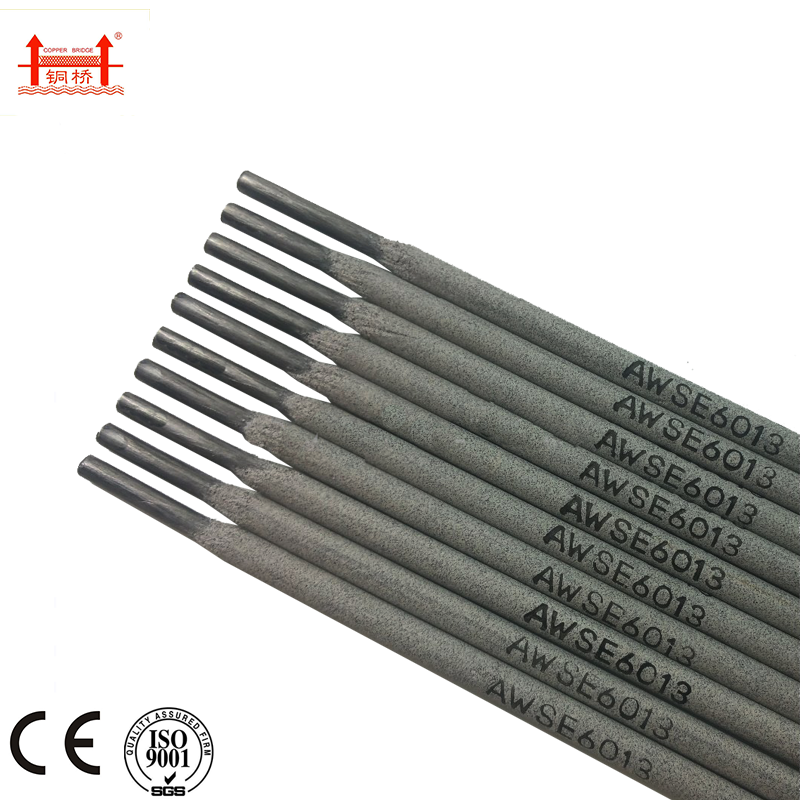
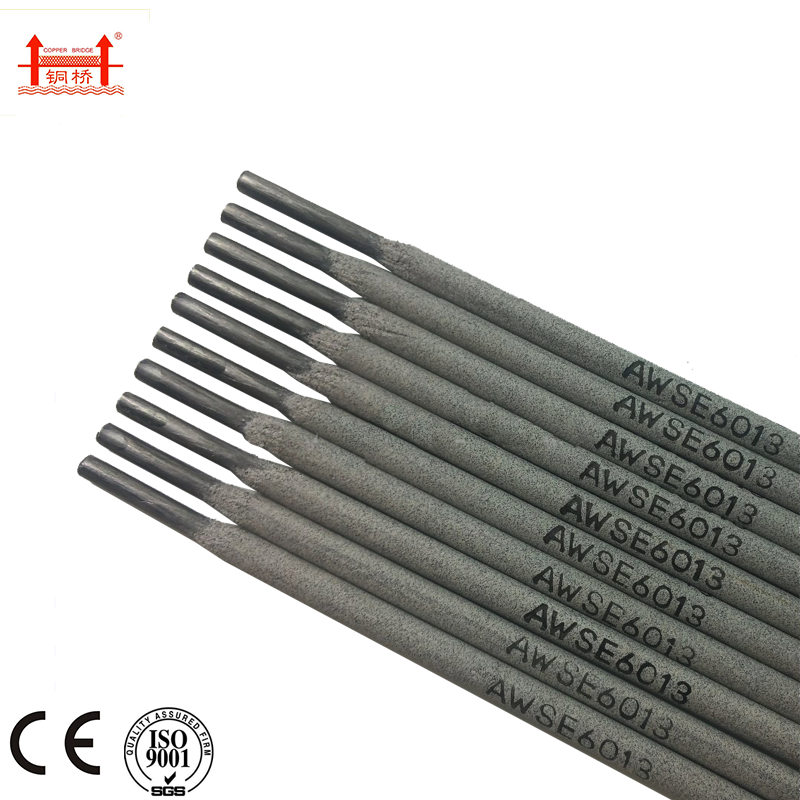
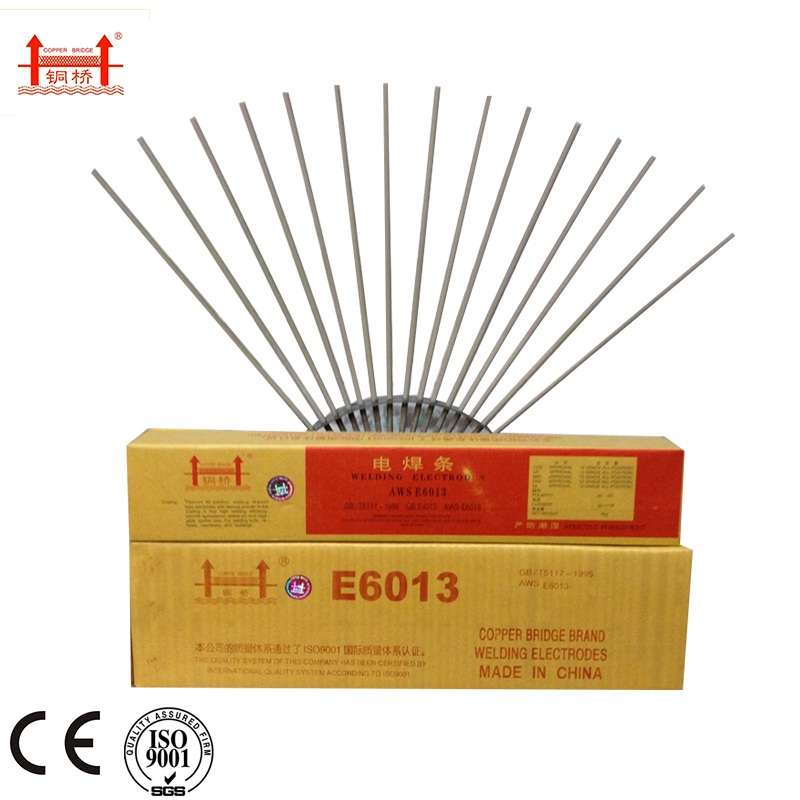
Simply put, a 6013 arc welding rod is a coated electrode designed specifically for Shielded Metal Arc Welding (SMAW). The “6013” classification breaks down as follows:
- 60: Minimum tensile strength of 60,000 psi (about 405 MPa)
- 1: Usable in all positions (vertical, horizontal, overhead, etc.)
- 3: Indicates the type of coating and current compatible (usually a rutile coated electrode suited for AC and DC)
What’s fascinating is how this rod balances smooth arc initiation with moderate penetration — traits that make it perfect for thin-gauge metals and general-purpose repair jobs. It’s kind of the “jack-of-all-trades” in arc welding rods. From small workshops to large industrial sites supporting infrastructure projects, 6013 rods find their role.
Core Components and Key Characteristics of 6013 Arc Welding Rods
Durability and Strength
Perhaps surprisingly, the 60,000 psi tensile strength ensures welded joints remain robust under everyday stress. This kind of strength supports light to moderately loaded structural elements.
Arc Stability and Smoothness
Thanks to its rutile flux coating, the 6013 rod provides a smooth arc with minimal spatter, easing cleanup and improving weld appearance — something many fabricators appreciate, especially in aesthetic or thin gauges.
Versatility Across Positions
Its ability to perform well whether welding in flat, horizontal, vertical, or overhead positions enhances usability on complex projects requiring flexibility.
Adaptability to Power Sources
Rising above some competitors, 6013 rods work flawlessly on both alternating current (AC) and direct current (DC), giving welders options depending on available equipment.
Cost Efficiency
Its coating and manufacturing process keep costs reasonable without sacrificing quality. This balance is precisely why it’s found in small fabrication shops and large-scale projects alike.
Ease of Use
New welders often start with 6013 rods because their forgiving nature reduces frustration while maintaining decent weld integrity — a subtle yet important aspect in workforce training and quality control.
Mini Takeaway:
6013 rods combine strength, versatility, and usability, making them an essential choice for a broad spectrum of welding needs worldwide.
Global Applications & Real-World Use Cases
From an engineering standpoint, the 6013 electrode pops up all over the world — literally. In Southeast Asia’s booming construction sector or in remote mining outposts in South America, these rods enable quick, reliable metal joining even under challenging conditions.
- Post-Disaster Infrastructure Repairs: Rapid restoration of bridges and pipelines often depends on electrodes that are easy to transport and use, such as 6013 rods.
- Automotive and Small Equipment Fabrication: Their fine arc and moderate penetration make them ideal for thin metals used in vehicle body repairs.
- General Maintenance in Manufacturing Plants: Reliable and flexible, they’re go-to options for repair crews maintaining machinery.
- DIY and Training Workshops: Welder newcomers gravitate toward 6013 rods as a gentle learning platform.
Regions experiencing infrastructure growth in India, Africa, and Latin America benefit from its affordability and compatibility with local power supplies.
Mini Takeaway:
Across continents and sectors, 6013 arc welding rods serve as a versatile backbone in metal fabrication and repair.
Advantages & Long-Term Value of 6013 Arc Welding Rods
- Cost & Availability: The widespread reach of 6013 electrodes and their economical price point aid projects limited by budget.
- Safety & Quality: Their predictable slag coverage and weld bead consistency offer both safety for welders and integrity for final products.
- Environmental Impact: While arc welding produces some emissions, 6013 rods emit relatively minimal spatter, reducing post-weld cleanup and associated waste.
- User Confidence: Welders often say they “trust” 6013 rods to avoid headaches, which translates to improved productivity on site.
Product Specification Table
| Specification | Details |
|---|---|
| Tensile Strength | 60,000 psi (approx. 405 MPa) |
| Usable Welding Positions | Flat, Horizontal, Vertical, Overhead |
| Current Types | AC and DC (both polarities) |
| Coating Type | Rutile (Titanium) |
| Typical Rod Diameter Range | 2.5 mm – 4 mm |
| Welding Application | Light- to medium-duty fabrication and repair |
Comparing Top Vendors for 6013 Arc Welding Rods
| Vendor | Price Range (per kg) | Product Quality | Availability | Customer Support |
|---|---|---|---|---|
| Jinlong Welding Electrode | $3.50 - $4.20 | High (ISO certified) | Global | 24/7 Technical |
| Lincoln Electric | $4.00 - $4.50 | Very High | Global | Extensive |
| ESAB | $3.80 - $4.30 | High | Global | Strong Warranty |
Future Trends & Innovations in 6013 Arc Welding Rods
Even the trusty 6013 rod isn’t immune to evolving technology. Manufacturers are exploring improved coating materials that reduce fume emissions and enhance weld strength. There’s an emerging trend toward environmentally friendlier electrodes that comply with stricter ISO and EPA standards. Related automation in arc welding — including intelligent current control — is making manual rods more efficient through electrode design improvements.
Another subtle innovation? Better flux formulations that optimize slag detachability even more, decreasing the post-weld cleanup time. And considering digital transformation, we may see smart packaging that tracks rod usage or quality data — neat, huh?
Challenges & Solutions in Using 6013 Rods
Despite its versatility, 6013 rods can struggle with high-strength or thick materials where deeper penetration is critical. Additionally, inconsistent operator technique can cause porosity or cracking, especially on dirty base metals. However, modern training programs and portable weld monitoring devices help significantly reduce these risks.
Furthermore, the ubiquity of counterfeit rods in some markets poses threats to weld integrity. That’s why sourcing from established suppliers — like Jinlong Welding Electrode — ensures quality and compliance with international standards.
FAQ: Common Questions About 6013 Arc Welding Rods
- Q: Can 6013 rods be used for outdoor welding in damp or windy conditions?
- A: While 6013 rods perform well in various positions, outdoor welding may pose challenges. Their flux coating is sensitive to moisture, which can cause weld defects. Proper storage and preheating can help mitigate these effects.
- Q: What metals are best suited for 6013 welding rods?
- A: These rods are typically used on mild steel and low-carbon steels. They’re not recommended for stainless steel or high-tensile alloys, which require specialized electrodes.
- Q: How do I choose the right diameter of 6013 rod for my project?
- A: Rod diameter depends on base metal thickness and welding positions. For thin sheet metal, 2.5mm rods are common; for thicker materials up to 6mm, 3.2mm rods work well.
- Q: Are 6013 rods suitable for beginners?
- A: Yes, many trainers prefer 6013 rods due to their smooth arc and forgiving characteristics, making them excellent for learning proper welding techniques.
- Q: How important is correct polarity when using 6013 electrodes?
- A: 6013 rods are designed for AC or DC currents, so correct polarity matters less than with other rods. That said, following equipment recommendations ensures optimal arc stability.
Conclusion: Why the 6013 Arc Welding Rod Still Reigns
In real terms, the versatility, reliability, and cost-effectiveness of 6013 arc welding rods make them a perpetual favorite in the global welding community. Whether you’re fixing a dented car panel, building a small bridge, or training new welders, these rods consistently deliver.
If you want dependable quality paired with worldwide availability, especially for projects that demand flexibility and ease of use, consider sourcing from trusted manufacturers. Visit Jinlong Welding Electrode to learn more about selection and pricing.
Oddly enough, sometimes the simplest tools have the most profound impact — and 6013 rods are a perfect example.
Stay connected, keep welding, and remember: a strong joint starts with the right rod.
Mini Takeaway:
6013 arc welding rods remain essential across industries due to their adaptability, cost efficiency, and ease of use, promising to hold their place in the future of welding.
Quick References

Related Video

Related News


2026-04-16 02:35:10
Precision Guide for e312 16 welding rod and Dissimilar Steel Welding
In the demanding world of industrial fabrication and repair, selecting the correct filler metal is the difference between a structural failure and a lifetime bond. The e312 16 welding rod is specifically engineered to meet the rigorous needs of welding dissimilar steels, offering an exceptional balance of strength and corrosion resistance. Whether you are working on high-pressure pipelines or heavy machinery components, understanding the nuances of this specialized electrode is key to achieving professional-grade results. This guide explores the technical advantages and practical applications of the E312 series to help you optimize your welding workflow.
2026-04-09 02:35:17
Choosing the Right cs to ss welding rod number Professional Guide
Joining carbon steel (CS) to stainless steel (SS) is a common challenge in industrial fabrication, requiring a precise understanding of metallurgy to avoid weld failure. The most critical decision in this process is identifying the correct cs to ss welding rod number to ensure a strong, corrosion-resistant bond. Using the wrong filler metal can lead to cracking or premature oxidation due to the different thermal expansion rates of the two materials. In this comprehensive guide, we will break down the technical specifications and selection criteria to help you achieve a professional-grade weld every time.
2026-04-07 02:25:29
Comprehensive Guide to 409 Welding Rod Selection and Optimal Usage
When it comes to welding applications requiring corrosion resistance and good weldability, the 409 welding rod is a frequently chosen option. This article provides a detailed overview of this versatile welding rod, exploring its composition, applications, benefits, and considerations for optimal use. Whether you’re a seasoned professional or new to welding, understanding the properties of 409 welding rod is crucial for achieving high-quality, durable welds. We’ll cover everything you need to know to make informed decisions for your welding projects.
2026-04-04 02:35:28
Comprehensive Guide to 330 Stainless Steel Welding Rod Applications and Techniques
330 stainless steel welding rods are a crucial component in various industries, offering exceptional corrosion resistance and high-temperature strength. This article provides an in-depth look at these rods, covering their properties, applications, choosing the right rod, welding techniques, safety precautions, and where to find high-quality options. Whether you're a seasoned welding professional or new to the field, this guide will offer valuable insights.
2026-03-31 02:35:08
Comprehensive Guide to 312 Stainless Tig Rod for Superior Welding Performance
When choosing the right filler metal for your TIG welding projects, especially in demanding applications, 312 stainless steel tig rod stands out for its exceptional corrosion resistance and high-temperature strength. This comprehensive guide will explore its composition, applications, benefits, and how it compares to other stainless steel rods. We'll also point you to resources for sourcing high-quality rods.
2026-03-28 02:45:04
Comprehensive Guide to 312 17 Welding Rod Applications and Technical Details
Welding rods are essential consumables in the welding process, and selecting the right one is crucial for achieving strong, durable, and high-quality welds. The 312 17 welding rod is a popular choice for many applications due to its unique properties and versatility. This article delves into the characteristics, applications, benefits, and considerations when using 312 17 welding rods, providing a comprehensive resource for welders and engineers alike. Choosing the right rod directly impacts the success and longevity of any welding project.
2026-03-26 02:35:10
Comprehensive Guide to the 312 16 Welding Rod for Superior Steel Welding
The 312 16 welding rod is a versatile and widely-used electrode in various welding applications. Known for its excellent weldability and strong mechanical properties, it's a go-to choice for professionals and hobbyists alike. This article delves into the specifics of this electrode, covering its composition, applications, advantages, and how to choose the right one for your projects. Understanding the nuances of the 312 16 welding rod is crucial for achieving high-quality, durable welds. The designation "312 16" provides key information about the welding rod. "312" refers to the type of flux coating, specifically a low-hydrogen, iron powder coating. This coating is designed to produce welds with excellent mechanical properties and good resistance to cracking. The "16" indicates the diameter of the rod in 32nds of an inch – so a 312 16 rod has a diameter of 16/32 or 1/2 inch. This combination makes it suitable for a wide range of steel welding applications. The low-hydrogen nature of the flux minimizes hydrogen-induced cracking, a common issue in welding certain steels.
2026-03-24 02:45:07
Comprehensive Guide to 309LSI TIG Rod Welding Applications and Best Practices
The 309LSI TIG rod is a versatile welding consumable widely used across various industries for its exceptional corrosion resistance and weldability. This article will explore the properties, applications, advantages, and best practices associated with using 309LSI TIG rods. Whether you're a seasoned welding professional or new to the field, this guide will provide you with valuable insights into maximizing the performance and longevity of your welds. The 309LSI TIG rod is a stainless steel electrode specifically designed for Gas Tungsten Arc Welding (GTAW), commonly known as TIG welding. The "309LSI" designation indicates the alloy composition: 309 signifies the chromium-nickel content, 'L' denotes low carbon content for enhanced corrosion resistance, and 'SI' signifies stabilized with silicon for improved resistance to carbide precipitation during welding.

 English
  Arabic
  Bengali
  China
China  French
  German
  Hausa
Hausa  Indonesian
  Italian
  Japanese
  Javanese
  Malay
Malay  Persian
  Portuguese
  Punjabi
  Russian
  Spanish
  Swahili
  Telugu
  Vietnamese