

Types of Stainless Steel Welding Rods | Global Guide & Product Comparisons

Types of Stainless Steel Welding Rods | Global Guide & Product Comparisons
Dec . 05, 2025 05:35
Understanding the Types of Stainless Steel Welding Rods: A Global Perspective
Welding stainless steel – it might seem like a niche subject, but oddly enough, it plays a starring role in industries across the world. The types of stainless steel welding rods used impact everything from the durability of a skyscraper to the safety of medical equipment. Understanding these rods isn’t just technical jargon; it’s a gateway to better construction, longer-lasting infrastructure, and more reliable products worldwide.
Introduction: Why the Types of Stainless Steel Welding Rods Matter Globally
Stainless steel’s global demand has surged, with the market expected to reach over $130 billion by 2027, according to recent reports by Statista. Industries like aerospace, food processing, and construction rely heavily on stainless steel for its corrosion resistance and aesthetic appeal. But the welding rods used in joining these steels? That’s where the magic happens—and where issues often arise.
Challenges like poor weld quality or corrosion at joints can lead to costly failures. Welding rods come in several types, each tailored to different stainless steel grades and applications. Choosing the right rod isn’t just a technical choice; it can save lives, prevent economic loss, and push innovation forward.
What Are Types of Stainless Steel Welding Rods?
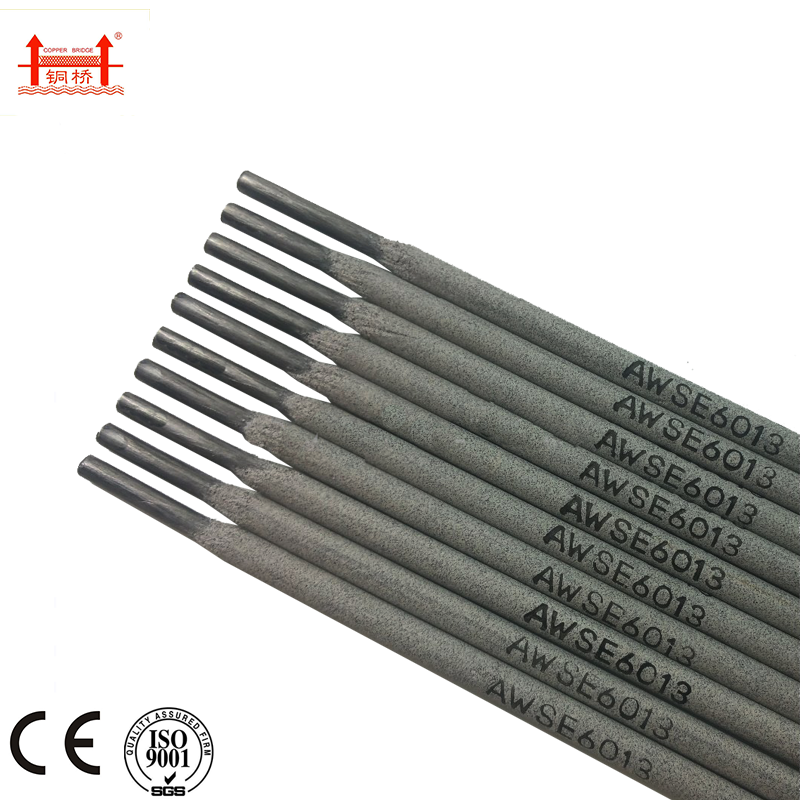
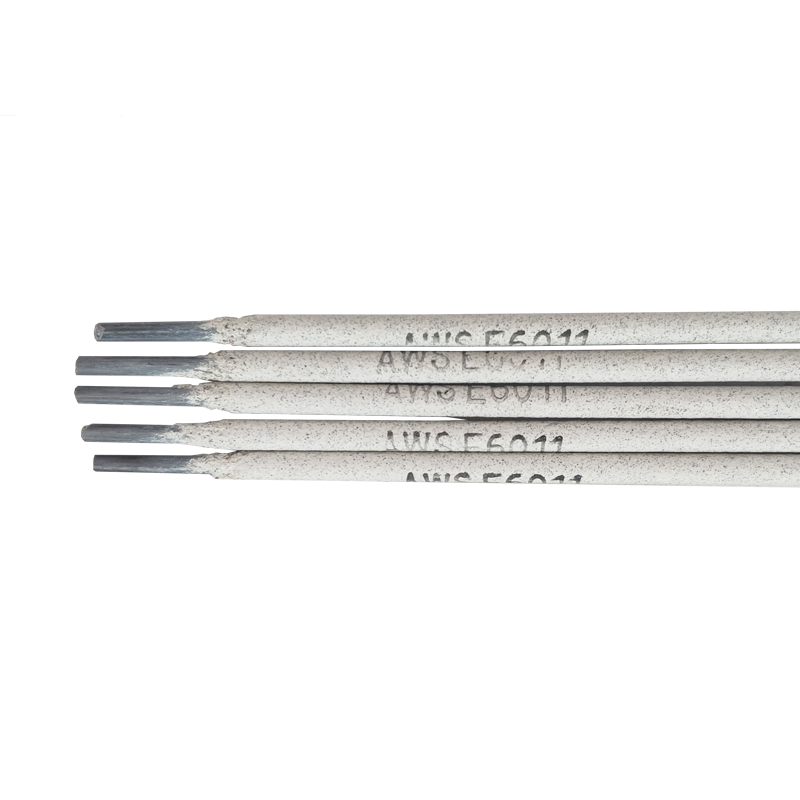
At their core, welding rods are metal filler materials used to join two pieces of stainless steel through heat. The ‘types’ refer to various alloy compositions and coatings designed to match different stainless steel grades and welding processes like TIG, MIG, or Stick welding. You might think of them as the unsung heroes of manufacturing.
The connection between these rods and modern industry is deep. Just consider stainless steel pipelines that carry drinking water or medical devices requiring sterile environments — the welding rods ensure seamless, strong joints that maintain the integrity and safety of the products.
Key Factors of Stainless Steel Welding Rods
1. Alloy Composition
The chemical makeup of welding rods varies based on the stainless steel grade being welded (304, 316, 430, etc.). Matching the alloy ensures compatibility, reduces corrosion risk, and enhances strength. For example, 316L rods include molybdenum for better corrosion resistance in salty environments.
2. Durability & Corrosion Resistance
Welding rods must provide joints that resist rust and chemical attacks. This is crucial in industries such as chemical processing or marine applications, where environmental factors are harsh.
3. Ease of Use and Weld Quality
Some rods are designed for better arc stability or easier slag removal—a practical boon for welders in the field. The ease of use affects productivity and consistency, which matter on large projects.
4. Cost Efficiency
Different rods come at different price points, but the cheapest option is not always the best. Using a rod that suits the application reduces rework and failure costs in the long term.
5. Heat Resistance & Mechanical Strength
Special rods maintain their integrity under high temperatures, vital for applications in power plants or automotive manufacturing.
Mini Takeaway: Matching the rod type to your exact stainless steel grade and usage environment is critical to balance cost, durability, and performance.
Product Specification: Popular Stainless Steel Welding Rods
| Rod Type | Typical Application | Key Alloy Elements | Welding Process | Corrosion Resistance Level |
|---|---|---|---|---|
| ER308L | General 304 Stainless Steel | Cr, Ni | TIG, MIG | Moderate |
| ER316L | Marine & Chemical Industry | Cr, Ni, Mo | TIG, MIG | High |
| ER309L | Joining Stainless Steel to Carbon Steel | Cr, Ni, Mn | TIG, MIG | Moderate |
| E309MoL-16 | High Temperature & Corrosive Environments | Cr, Ni, Mo | Stick Welding | Very High |
Global Applications & Use Cases
From the Boiling Water Reactors in Europe to food processing plants in Asia, types of stainless steel welding rods find their place globally. In post-disaster relief work, quick-fix steel structures often rely on rods like ER308L to ensure reliable welds under tough conditions. Remote industrial sites in Australia and Canada benefit from rods formulated for harsh climates, reducing maintenance cycles.
Urban infrastructure projects from pipelines to public transit also hinge on the proper use of rods. Interestingly, the medical device field demands ultra-clean, corrosion-resistant TIG welding rods, ensuring safety even for implanted devices.
For more on different grades and their welding materials, you might want to check out types of stainless steel welding rods for detailed guides.
Mini Takeaway: The versatility of stainless steel welding rods stretches from high-tech medical use to rugged outdoor infrastructure, with each application demanding specific rod types.
Vendor Comparison: Leading Stainless Steel Welding Rod Suppliers
| Supplier | Product Range | Price Competitiveness | Global Reach | Customization Options |
|---|---|---|---|---|
| Jinlong Welding Electrode | Extensive (ER308L, 316L, 309L, custom) | Very Competitive | Global (Asia, Europe, Americas) | High – OEM and custom alloys |
| Welding Supplies Co. | Moderate (Standard alloys) | Moderate | Regionally strong (North America) | Limited |
| GlobalMetals Ltd. | Wide but premium pricing | Higher | Very wide global reach | Moderate |
Advantages & Long-Term Value of Choosing the Right Welding Rods
The tangible benefits are clear—reduced defects, stronger joints, and resistance to corrosion save companies millions over time. But beyond numbers, there’s an emotional layer; welders feel more confident using consistent rods, and end-users trust products that last. Safety, dignity, and innovation all hinge on these small but mighty rods. When done well, stainless steel welding protects critical infrastructure, reduces environmental waste by extending service life, and supports social welfare, especially in sectors like healthcare and clean water.
Future Trends & Innovations in Stainless Steel Welding Rods
Looking ahead, innovations in alloy development and robotic welding are reshaping the landscape. We’re starting to see rods that enhance weld penetration while reducing carbon footprints—spurred by sustainability initiatives worldwide. Digital monitoring of welding parameters promises higher quality control. Also, the intersection of AI with welding could one day lead to rods customized in real time for the welding environment.
Challenges and Expert Solutions
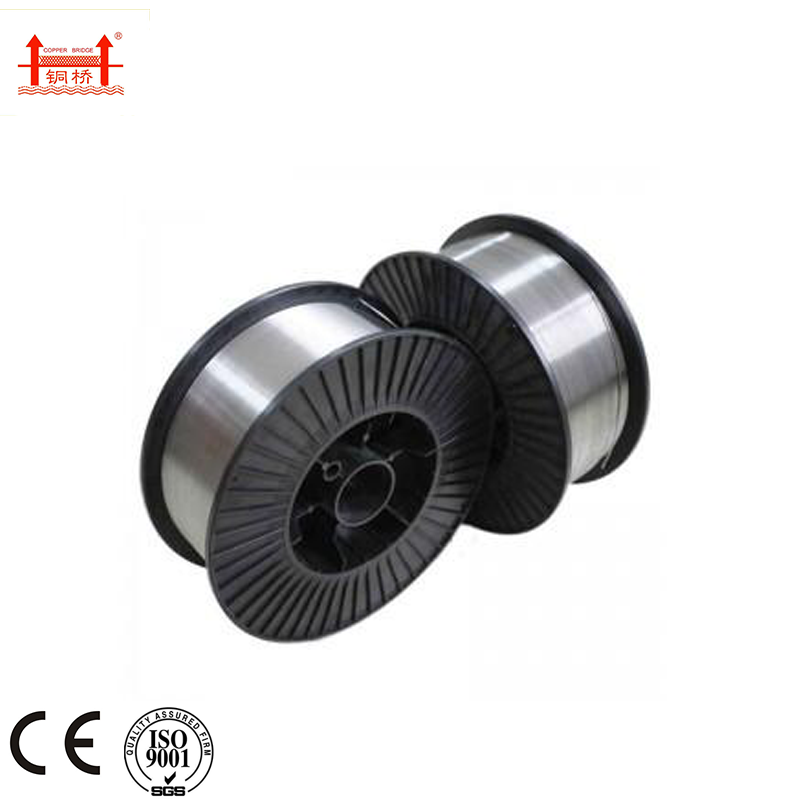
Oddly enough, despite all this progress, challenges persist. Welding dissimilar metals with available rods still poses corrosion and cracking risks. Also, some premium rods are costly or hard to source in remote locations. But ingenious solutions like flux-cored wires or hybrid metal powders are emerging to bridge these gaps. Partnering with specialized suppliers, such as Jinlong Welding Electrode, often brings tailored expertise straight to the shop floor.
FAQ: Practical Questions About Types of Stainless Steel Welding Rods
- Q: How do I choose the right stainless steel welding rod for my project?
- A: Start by identifying the base metal grade, welding process (TIG, MIG, Stick), and environmental exposure. For example, ER316L rods are ideal for marine or chemical exposure, while ER308L suits general 304 stainless steel welds.
- Q: Can I weld dissimilar stainless steel grades using a single type of rod?
- A: It’s tricky. Rods like ER309L are specifically designed for joining stainless steel to carbon steel or different stainless grades, but pre-weld testing and expert advice are strongly recommended.
- Q: Are stainless steel welding rods environmentally friendly?
- A: The rods themselves don’t have a major environmental footprint, but choosing high-quality rods reduces rework and waste. Plus, newer alloys and production methods are focusing more on sustainability.
- Q: Where can I source custom stainless steel welding rods?
- Many suppliers like Jinlong Welding Electrode offer OEM and custom alloy options, ideal if your project demands unique compositions or certifications.
Conclusion: The Long-Term Benefits of Mastering Stainless Steel Welding Rod Types
To sum it up: mastering the types of stainless steel welding rods means more than just a better weld. It means reliability in infrastructure, innovation in design, and safety in critical industries worldwide. The stakes are high, but so are the rewards. For in-depth resources or to discuss customized solutions, I encourage you to visit our website: https://www.jinlongweldingelectrode.com.
Whether you’re an engineer, fabricator, or procurement specialist, understanding these rods puts you ahead—because it’s all about the details in the weld.
Reflecting on this, I often think about how something as small as a welding rod carries the weight of massive steel structures and, by extension, the lives and economies dependent on them. It’s humbling, honestly.
References

Related Video

Related News


2026-04-16 02:35:10
Precision Guide for e312 16 welding rod and Dissimilar Steel Welding
In the demanding world of industrial fabrication and repair, selecting the correct filler metal is the difference between a structural failure and a lifetime bond. The e312 16 welding rod is specifically engineered to meet the rigorous needs of welding dissimilar steels, offering an exceptional balance of strength and corrosion resistance. Whether you are working on high-pressure pipelines or heavy machinery components, understanding the nuances of this specialized electrode is key to achieving professional-grade results. This guide explores the technical advantages and practical applications of the E312 series to help you optimize your welding workflow.
2026-04-09 02:35:17
Choosing the Right cs to ss welding rod number Professional Guide
Joining carbon steel (CS) to stainless steel (SS) is a common challenge in industrial fabrication, requiring a precise understanding of metallurgy to avoid weld failure. The most critical decision in this process is identifying the correct cs to ss welding rod number to ensure a strong, corrosion-resistant bond. Using the wrong filler metal can lead to cracking or premature oxidation due to the different thermal expansion rates of the two materials. In this comprehensive guide, we will break down the technical specifications and selection criteria to help you achieve a professional-grade weld every time.
2026-04-07 02:25:29
Comprehensive Guide to 409 Welding Rod Selection and Optimal Usage
When it comes to welding applications requiring corrosion resistance and good weldability, the 409 welding rod is a frequently chosen option. This article provides a detailed overview of this versatile welding rod, exploring its composition, applications, benefits, and considerations for optimal use. Whether you’re a seasoned professional or new to welding, understanding the properties of 409 welding rod is crucial for achieving high-quality, durable welds. We’ll cover everything you need to know to make informed decisions for your welding projects.
2026-04-04 02:35:28
Comprehensive Guide to 330 Stainless Steel Welding Rod Applications and Techniques
330 stainless steel welding rods are a crucial component in various industries, offering exceptional corrosion resistance and high-temperature strength. This article provides an in-depth look at these rods, covering their properties, applications, choosing the right rod, welding techniques, safety precautions, and where to find high-quality options. Whether you're a seasoned welding professional or new to the field, this guide will offer valuable insights.
2026-03-31 02:35:08
Comprehensive Guide to 312 Stainless Tig Rod for Superior Welding Performance
When choosing the right filler metal for your TIG welding projects, especially in demanding applications, 312 stainless steel tig rod stands out for its exceptional corrosion resistance and high-temperature strength. This comprehensive guide will explore its composition, applications, benefits, and how it compares to other stainless steel rods. We'll also point you to resources for sourcing high-quality rods.
2026-03-28 02:45:04
Comprehensive Guide to 312 17 Welding Rod Applications and Technical Details
Welding rods are essential consumables in the welding process, and selecting the right one is crucial for achieving strong, durable, and high-quality welds. The 312 17 welding rod is a popular choice for many applications due to its unique properties and versatility. This article delves into the characteristics, applications, benefits, and considerations when using 312 17 welding rods, providing a comprehensive resource for welders and engineers alike. Choosing the right rod directly impacts the success and longevity of any welding project.
2026-03-26 02:35:10
Comprehensive Guide to the 312 16 Welding Rod for Superior Steel Welding
The 312 16 welding rod is a versatile and widely-used electrode in various welding applications. Known for its excellent weldability and strong mechanical properties, it's a go-to choice for professionals and hobbyists alike. This article delves into the specifics of this electrode, covering its composition, applications, advantages, and how to choose the right one for your projects. Understanding the nuances of the 312 16 welding rod is crucial for achieving high-quality, durable welds. The designation "312 16" provides key information about the welding rod. "312" refers to the type of flux coating, specifically a low-hydrogen, iron powder coating. This coating is designed to produce welds with excellent mechanical properties and good resistance to cracking. The "16" indicates the diameter of the rod in 32nds of an inch – so a 312 16 rod has a diameter of 16/32 or 1/2 inch. This combination makes it suitable for a wide range of steel welding applications. The low-hydrogen nature of the flux minimizes hydrogen-induced cracking, a common issue in welding certain steels.
2026-03-24 02:45:07
Comprehensive Guide to 309LSI TIG Rod Welding Applications and Best Practices
The 309LSI TIG rod is a versatile welding consumable widely used across various industries for its exceptional corrosion resistance and weldability. This article will explore the properties, applications, advantages, and best practices associated with using 309LSI TIG rods. Whether you're a seasoned welding professional or new to the field, this guide will provide you with valuable insights into maximizing the performance and longevity of your welds. The 309LSI TIG rod is a stainless steel electrode specifically designed for Gas Tungsten Arc Welding (GTAW), commonly known as TIG welding. The "309LSI" designation indicates the alloy composition: 309 signifies the chromium-nickel content, 'L' denotes low carbon content for enhanced corrosion resistance, and 'SI' signifies stabilized with silicon for improved resistance to carbide precipitation during welding.

 English
  Arabic
  Bengali
  China
China  French
  German
  Hausa
Hausa  Indonesian
  Italian
  Japanese
  Javanese
  Malay
Malay  Persian
  Portuguese
  Punjabi
  Russian
  Spanish
  Swahili
  Telugu
  Vietnamese