

The Essential Guide to AWS E7018-1 Electrodes: Strength and Reliability for Modern Welding

The Essential Guide to AWS E7018-1 Electrodes: Strength and Reliability for Modern Welding
Nov . 26, 2025 03:30
Understanding AWS E7018-1: A Welding Electrode Backbone for Industry
If you’re in the welding world or even just browsing B2B industrial materials, the term AWS E7018-1 might have popped up more than once. But what makes this particular welding electrode so important? Globally, as infrastructure ages and new construction booms, the demand for reliable, consistent welds has never been higher. That’s where AWS E7018-1 electrodes come into play—not only are they known for strength and reliability, but they also respond well to a variety of environmental conditions, making them invaluable across manufacturing, construction, and repair sectors.
Understanding this electrode’s characteristics isn’t just for welders; for engineers, project managers, and even supply chain heads, knowing why and when to specify aws e7018-1 can mean the difference between smooth operations and costly rework. Let’s unpack what it is, why it’s a staple, and where its future lies.
Global Relevance of AWS E7018-1
According to the International Labour Organization, welding is a multi-billion-dollar industry engaging millions worldwide. The UN’s push for infrastructure development in emerging economies, coupled with ISO's strict quality standards in manufacturing, places welding electrodes like AWS E7018-1 at the core of safer, longer-lasting construction. The World Bank recently noted over $11 trillion investment needs in infrastructure worldwide by 2040, meaning welding quality cannot be an afterthought.
However, one problem persists globally: inconsistent weld quality leads to structural failures, leaks, or breakdowns. AWS E7018-1 helps mitigate this by offering reliable, low-hydrogen welding that enhances joint durability. In rough terms—this electrode addresses the issue of structural integrity at a fundamental level.
Defining AWS E7018-1 in Everyday Terms
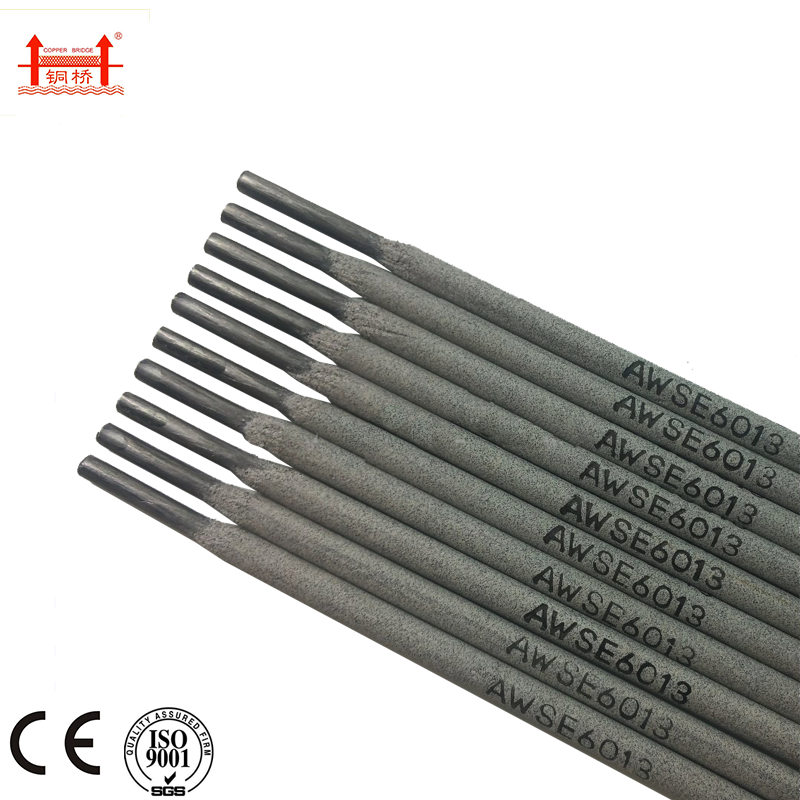
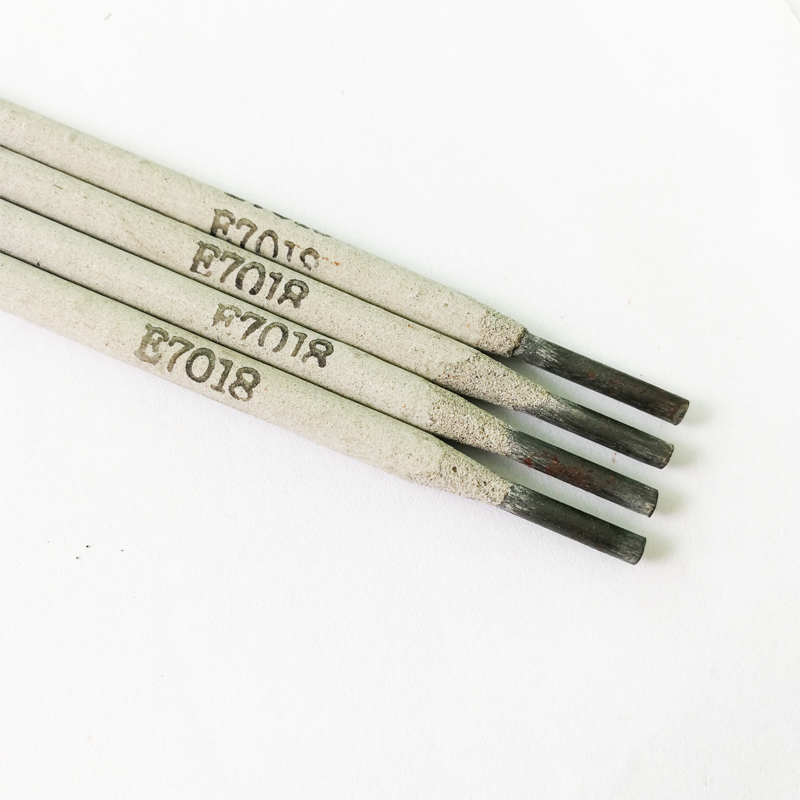
To put it simply, AWS E7018-1 is an electric welding rod covered by a specific low-hydrogen flux coating. The “E” stands for electrode, “70” indicates the tensile strength (about 70,000 psi), “18” signifies that it's low hydrogen and suitable for all-position welding, and the “-1” variant reflects a specific type of coating that improves weld properties under certain standards. Think of it as a premium pen for metal joining — reliable, smooth, and trusted globally.
Its connection to modern industries is undeniable: from pipelines stretching across continents, to heavy equipment manufacturing, to offshore drilling rigs, aws e7018-1 ensures joints stay tough, even under stress.
Core Components & Key Features of AWS E7018-1
Low Hydrogen Content
Low hydrogen helps prevent cracking, especially in thick or heat-treated metals. This is crucial when welding in cold climates or on critical components.
All-Position Welding Capability
Unlike some electrodes that require flat or horizontal positions, E7018-1 works well vertically or overhead — handy when geometry doesn’t cooperate.
High Tensile Strength
Rated for 70,000 psi tensile strength, it delivers durable results under both static and dynamic load conditions. This means structures last longer, especially important in bridges and heavy machinery.
Excellent Slag Removal
The flux creates a protective slag covering that’s easy to chip off, making subsequent finishing work more efficient.
Versatility
Compatible with various steel grades, including mild, low-alloy, and high-strength steels—AWS E7018-1 fits multiple applications.
Mini Takeaway: Whether it’s on a skyscraper or a repair job in rough terrain, these characteristics combine to create a dependable, versatile electrode.
Global Applications & Use Cases
The beauty of aws e7018-1 really shines in its adaptability worldwide:
- Infrastructure Projects: From roadways in Europe to high-rise buildings in Asia, its durability under varied climates keeps projects on track.
- Oil & Gas Industry: Petrochemical plants in the Middle East demand welds that can withstand extreme temperatures and pressures—this electrode fits the bill.
- Shipbuilding & Offshore Platforms: Seawater exposure means corrosion resistance is vital. Learned engineers rely on E7018-1’s stable welds.
- Disaster Relief & Repair: After earthquakes or hurricanes, rapid, reliable repairs using this electrode help resume infrastructure function quickly, especially in critical utilities.
Regions like North America, China, Russia, and the Middle East especially bankroll massive projects benefiting directly from these electrodes. Even remote industrial zones appreciate its forgiving nature, where setting up controlled environments is tough.
A Closer Look: Product Specifications of AWS E7018-1
| Specification | Detail |
|---|---|
| Tensile Strength | ≥ 70,000 psi (485 MPa) |
| Current Type | AC/DC |
| Welding Positions | Flat, Horizontal, Vertical, Overhead |
| Flux Type | Low hydrogen (Class 1) |
| Typical Coating | Iron powder + rutile + cellulose |
| Usual Diameters | 1/8" (3.2 mm) to 5/32" (4.0 mm) |
Comparing Vendors: Choosing Your AWS E7018-1 Source
| Vendor | Price Range | Certification | Lead Time | Custom Packaging |
|---|---|---|---|---|
| Jinlong Welding Electrode Co. | $$ | AWS, ISO 9001 | 2-3 weeks | Yes |
| Global Weld Supplies | $$$ | AWS, CE, ISO 14001 | 1-2 weeks | No |
| Industrial Weld Tech | $ | AWS | 3-4 weeks | Limited |
Advantages & Long-Term Value of AWS E7018-1 Electrodes
Frankly, reliability is king in welding, and AWS E7018-1 delivers plenty of that. Because it inhibits hydrogen-induced cracking, welds have exceptional toughness and longevity, reducing expensive downtime across industries. There’s also a strong social aspect: safer structures mean safer workplaces and communities. A bridge that holds firm under heavy use isn’t just about engineering—that’s about trust.
It’s also cost-efficient: minimized rework and lower defect rates translate into savings. Environmentally, fewer failures mean less wastage and more sustainable resource use over a structure’s lifetime. In a way, E7018-1 electrodes quietly empower innovation, safety, and peace of mind behind the scenes—things that sometimes get overlooked but matter deeply.
Future Trends & Innovations Impacting AWS E7018-1
The welding world is gradually embracing digitization, automation, and green policies. Some vendors are developing AI-assisted welding systems that optimize electrode feed rates and current settings in real-time, making aws e7018-1 usage more precise and consistent. Meanwhile, research into advanced flux coatings aims to lower environmental impact further—think less smoke, less slag, and recyclable packaging.
Also, as industries adopt lightweight, high-strength materials, there’s development towards electrodes complementing these new steels. While E7018-1 remains a mainstay, its formulations might evolve to fit the needs of hydrogen-ready infrastructure and green energy projects.
Challenges & Expert Solutions
No product is without challenges. For E7018-1, maintaining low hydrogen pickup demands strict storage and handling control—humidity is an enemy here. Also, welders need good technique to avoid porosity or slag entrapment. In remote or under-resourced sites, these factors can become real obstacles.
Experts suggest: store electrodes in heated ovens when possible, educate operators thoroughly, and combine E7018-1 with monitoring tools that check moisture and amperage continuously. Some suppliers even offer factory-sealed packaging with humidity indicators to ease storage worries.
FAQ: Your Top Questions About AWS E7018-1 Answered
Q1: What materials can I weld with AWS E7018-1?
A: AWS E7018-1 is suitable for welding mild steel, low alloy steels, and high-strength steels. It's designed to provide strong welds on carbon steels commonly used in structural, piping, and heavy fabrication projects.
Q2: How is AWS E7018-1 different from other E7018 electrodes?
A: The “-1” identifies a specific low hydrogen coating designed for better weldability and toughness per AWS standards. While closely related to E7018, the “-1” variant often emphasizes particular flux formulations approved under certain codes.
Q3: Can I use AWS E7018-1 electrodes outdoors in cold weather?
A: Yes, but you must store and dry electrodes properly before use to prevent moisture absorption, which can cause hydrogen cracking. Using a portable electrode oven is recommended on cold or humid job sites.
Q4: What current type should I use with AWS E7018-1?
A: This electrode can be used with AC or DC currents, though DC typically gives smoother arcs and better control. Your welder equipment and application will guide the choice.
Q5: Is it expensive compared to other electrodes?
A: While AWS E7018-1 may be priced slightly higher due to low hydrogen flux, its long-term cost benefits through durability and reduced defects often outweigh the initial spend.
Wrapping Up: Why AWS E7018-1 Matters for Your Projects
From cold climates in Siberia to hot deserts in the Middle East, the aws e7018-1 welding electrode has quietly held structures together for decades. Its blend of strength, versatility, and reliability makes it a staple for professionals who can’t afford to cut corners. The future looks promising too, with greener formulations and smarter welding tools on the horizon.
If you’re looking to specify or supply welding electrodes for your next project, I’d say start with a trusted source and ensure proper handling — it’s no exaggeration to call these rods unsung heroes in industrial progress.
Visit our website: https://www.jinlongweldingelectrode.com for detailed product inquiries and support.
References

Related Video

Related News
2026-04-16 02:35:10
Precision Guide for e312 16 welding rod and Dissimilar Steel Welding
In the demanding world of industrial fabrication and repair, selecting the correct filler metal is the difference between a structural failure and a lifetime bond. The e312 16 welding rod is specifically engineered to meet the rigorous needs of welding dissimilar steels, offering an exceptional balance of strength and corrosion resistance. Whether you are working on high-pressure pipelines or heavy machinery components, understanding the nuances of this specialized electrode is key to achieving professional-grade results. This guide explores the technical advantages and practical applications of the E312 series to help you optimize your welding workflow.
2026-04-09 02:35:17
Choosing the Right cs to ss welding rod number Professional Guide
Joining carbon steel (CS) to stainless steel (SS) is a common challenge in industrial fabrication, requiring a precise understanding of metallurgy to avoid weld failure. The most critical decision in this process is identifying the correct cs to ss welding rod number to ensure a strong, corrosion-resistant bond. Using the wrong filler metal can lead to cracking or premature oxidation due to the different thermal expansion rates of the two materials. In this comprehensive guide, we will break down the technical specifications and selection criteria to help you achieve a professional-grade weld every time.
2026-04-07 02:25:29
Comprehensive Guide to 409 Welding Rod Selection and Optimal Usage
When it comes to welding applications requiring corrosion resistance and good weldability, the 409 welding rod is a frequently chosen option. This article provides a detailed overview of this versatile welding rod, exploring its composition, applications, benefits, and considerations for optimal use. Whether you’re a seasoned professional or new to welding, understanding the properties of 409 welding rod is crucial for achieving high-quality, durable welds. We’ll cover everything you need to know to make informed decisions for your welding projects.
2026-04-04 02:35:28
Comprehensive Guide to 330 Stainless Steel Welding Rod Applications and Techniques
330 stainless steel welding rods are a crucial component in various industries, offering exceptional corrosion resistance and high-temperature strength. This article provides an in-depth look at these rods, covering their properties, applications, choosing the right rod, welding techniques, safety precautions, and where to find high-quality options. Whether you're a seasoned welding professional or new to the field, this guide will offer valuable insights.
2026-03-31 02:35:08
Comprehensive Guide to 312 Stainless Tig Rod for Superior Welding Performance
When choosing the right filler metal for your TIG welding projects, especially in demanding applications, 312 stainless steel tig rod stands out for its exceptional corrosion resistance and high-temperature strength. This comprehensive guide will explore its composition, applications, benefits, and how it compares to other stainless steel rods. We'll also point you to resources for sourcing high-quality rods.
2026-03-28 02:45:04
Comprehensive Guide to 312 17 Welding Rod Applications and Technical Details
Welding rods are essential consumables in the welding process, and selecting the right one is crucial for achieving strong, durable, and high-quality welds. The 312 17 welding rod is a popular choice for many applications due to its unique properties and versatility. This article delves into the characteristics, applications, benefits, and considerations when using 312 17 welding rods, providing a comprehensive resource for welders and engineers alike. Choosing the right rod directly impacts the success and longevity of any welding project.
2026-03-26 02:35:10
Comprehensive Guide to the 312 16 Welding Rod for Superior Steel Welding
The 312 16 welding rod is a versatile and widely-used electrode in various welding applications. Known for its excellent weldability and strong mechanical properties, it's a go-to choice for professionals and hobbyists alike. This article delves into the specifics of this electrode, covering its composition, applications, advantages, and how to choose the right one for your projects. Understanding the nuances of the 312 16 welding rod is crucial for achieving high-quality, durable welds. The designation "312 16" provides key information about the welding rod. "312" refers to the type of flux coating, specifically a low-hydrogen, iron powder coating. This coating is designed to produce welds with excellent mechanical properties and good resistance to cracking. The "16" indicates the diameter of the rod in 32nds of an inch – so a 312 16 rod has a diameter of 16/32 or 1/2 inch. This combination makes it suitable for a wide range of steel welding applications. The low-hydrogen nature of the flux minimizes hydrogen-induced cracking, a common issue in welding certain steels.
2026-03-24 02:45:07
Comprehensive Guide to 309LSI TIG Rod Welding Applications and Best Practices
The 309LSI TIG rod is a versatile welding consumable widely used across various industries for its exceptional corrosion resistance and weldability. This article will explore the properties, applications, advantages, and best practices associated with using 309LSI TIG rods. Whether you're a seasoned welding professional or new to the field, this guide will provide you with valuable insights into maximizing the performance and longevity of your welds. The 309LSI TIG rod is a stainless steel electrode specifically designed for Gas Tungsten Arc Welding (GTAW), commonly known as TIG welding. The "309LSI" designation indicates the alloy composition: 309 signifies the chromium-nickel content, 'L' denotes low carbon content for enhanced corrosion resistance, and 'SI' signifies stabilized with silicon for improved resistance to carbide precipitation during welding.

 English
  Arabic
  Bengali
  China
China  French
  German
  Hausa
Hausa  Indonesian
  Italian
  Japanese
  Javanese
  Malay
Malay  Persian
  Portuguese
  Punjabi
  Russian
  Spanish
  Swahili
  Telugu
  Vietnamese