

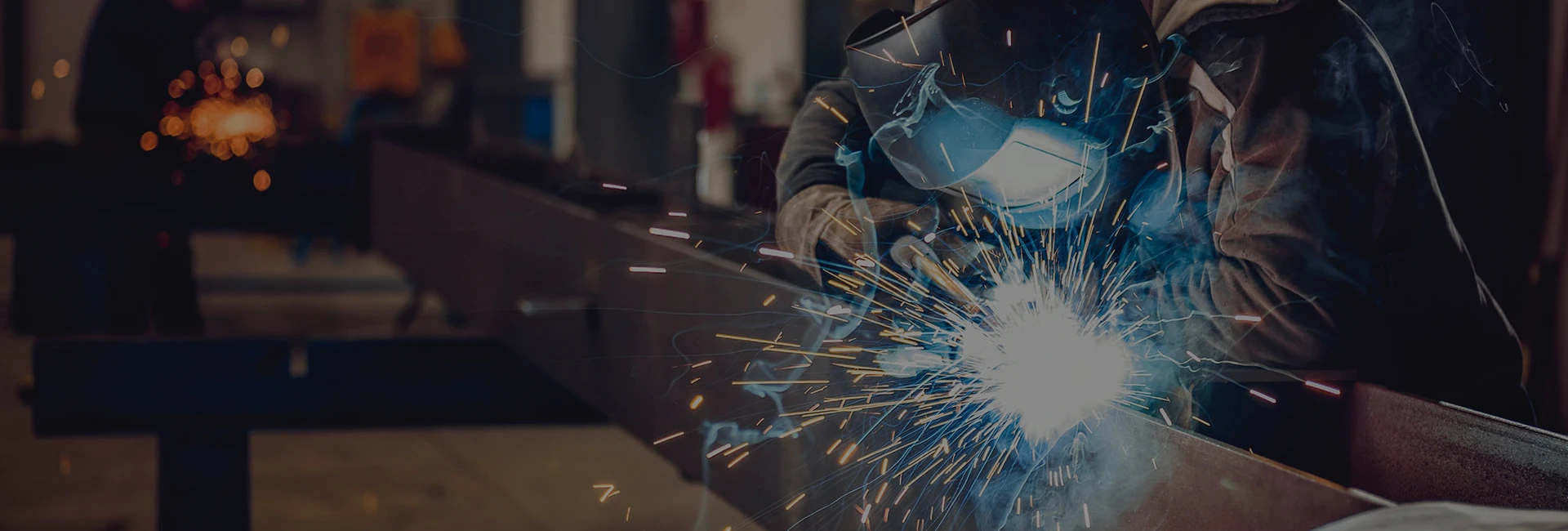
Stainless to Mild Steel TIG Rod – Reliable Welding Solutions

Stainless to Mild Steel TIG Rod – Reliable Welding Solutions
Dec . 11, 2025 10:30
Stainless to Mild Steel TIG Rod: The Unsung Hero of Reliable Welds
Having spent over a decade in the industrial equipment sector, I've come to appreciate the unsung heroes that quietly make complex fabrications reliable. One such hero—often overlooked by novices—is the stainless to mild steel TIG rod. It’s a niche product, but frankly, if you ever needed to join stainless steel to mild steel with precision and strength, this rod is your friend.
Now, before you think all welding rods are the same, let me clarify. Stainless to mild steel TIG rods are engineered specifically for cladding or joining carbon steel with stainless steel surfaces without compromising corrosion resistance or structural integrity. This isn't just mixing metals willy-nilly—it’s about careful metallurgical balance. In real terms, using the right rod means fewer weld defects, less post-weld fatigue, and a cleaner finish.
I remember working on a custom boiler project where the client insisted on combining high-corrosion-resistant stainless steel piping with mild steel supports. Without the proper TIG rod, the welds would have faced cracking and corrosion in months, not years. This rod, sourced from a trusted vendor, helped the welders deliver a reliable and aesthetically pleasing joint.
Oddly enough, many people overlook the subtle art of choosing the right TIG rod for stainless-to-mild steel work. You want a rod that offers good flow, minimal spatter, and the proper alloy composition. Typically, these rods are alloyed to include nickel and chromium, aiding corrosion resistance and maintaining ductility.
| Property | Typical Range / Value |
|---|---|
| Diameter | 1.6 mm - 3.2 mm (1/16" - 1/8") |
| Composition | Ni 9-12%, Cr 19-21%, Fe balance |
| Typical Tensile Strength | 520-620 MPa |
| Welding Current | 50-150 Amps (depending on diameter) |
| Shielding Gas | Argon or Argon + 2% Oxygen |
| Usability | Excellent arc stability and low spatters |
One thing I noticed over the years is the subtle differences vendors apply to these rods—some optimize for corrosion resistance, others prioritize weld bead smoothness or even cost-effectiveness. It’s a balance. Speaking of which, here’s a quick comparative snapshot of popular stainless to mild steel TIG rod vendors, including the one I’ve trusted most:
| Vendor | Corrosion Resistance | Arc Stability | Cost | Availability |
|---|---|---|---|---|
| Jinlong Welding Electrode | High | Excellent | Moderate | Global |
| Vendor B | Medium | Good | Low | Regional |
| Vendor C | High | Fair | High | Limited |
You’ll find that Jinlong Welding Electrode’s product stands out because it hits a sweet spot between cost, consistency, and global availability — which honestly is a rare trifecta. Their rods exhibit consistent arc stability, which is a game-changer when you’re dealing with sensitive alloys. When the weld feels smooth and dependable, it frankly cuts down rework time, which can save a ton.
From a process perspective, keep in mind that pre-weld cleaning of the base metals plays just as big a role as the rod itself. Rust, scale, or oil on the mild steel can really mess with your weld’s integrity. Using the proper shielding gas—typically argon with a small addition of oxygen—and maintaining correct amperage is par for the course. That said, having a rod engineered thoughtfully helps account for any small inconsistencies that inevitably happen in the field.
My impression, after testing and inspections across factories and shipyards, is that investing a little more in a quality stainless to mild steel TIG rod pays off. I suppose that’s obvious to any fabricator who’s experienced welding failures—but it’s still worth saying: don’t cheap out on fundamental consumables if you want long-term success.
Speaking of success, many engineers I've spoken with emphasize that familiarizing your welders with specific rods and their behaviors makes a noticeable difference over time. It’s not just about specs on paper—it’s about the hands-on feel. And if you ever want a trusted supplier with good support, it’s tough to go wrong following the trail to Jinlong Welding Electrode.
At the end of the day, stainless to mild steel TIG rods might not be the flashiest topic in the welding world, but they quietly uphold the backbone of many vital applications—from chemical plants to food processing equipment. Next time you specify your welding consumables, give these rods the thought and respect they deserve.
Takeaway: The right stainless to mild steel TIG rod is less about just joining metals—it’s about engineering reliability, weld quality, and peace of mind.
References:
1. Modern Welding Technology, 7th Edition, Howard B. Cary
2. "Welding Metallurgy," ASM International, 1991
3. Field experience and direct testing notes, Industrial Equipment Sector, 2012-2024

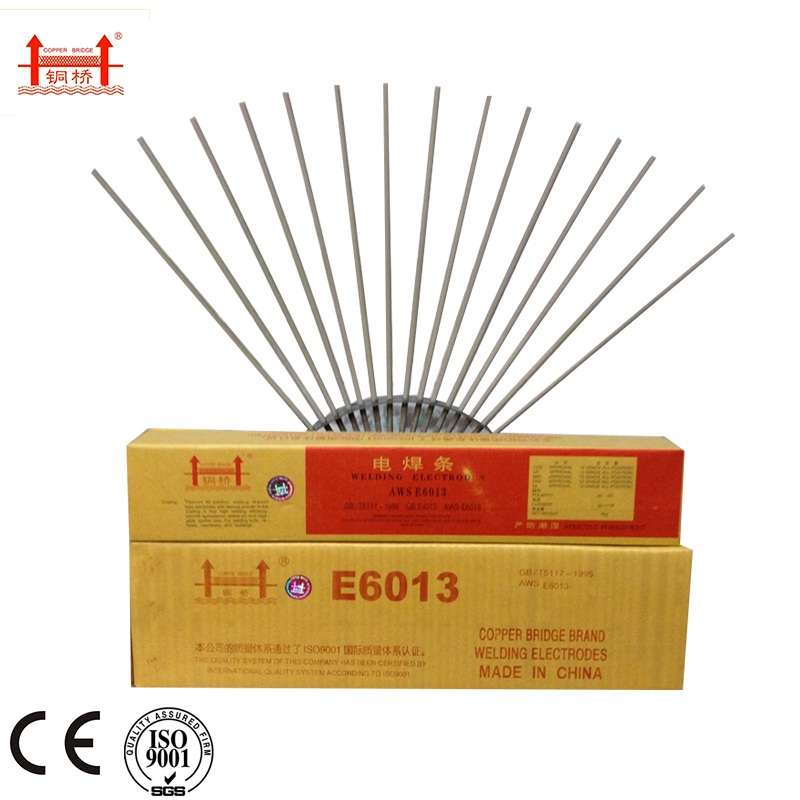
Related Video

Related News


2026-04-16 02:35:10
Precision Guide for e312 16 welding rod and Dissimilar Steel Welding
In the demanding world of industrial fabrication and repair, selecting the correct filler metal is the difference between a structural failure and a lifetime bond. The e312 16 welding rod is specifically engineered to meet the rigorous needs of welding dissimilar steels, offering an exceptional balance of strength and corrosion resistance. Whether you are working on high-pressure pipelines or heavy machinery components, understanding the nuances of this specialized electrode is key to achieving professional-grade results. This guide explores the technical advantages and practical applications of the E312 series to help you optimize your welding workflow.
2026-04-09 02:35:17
Choosing the Right cs to ss welding rod number Professional Guide
Joining carbon steel (CS) to stainless steel (SS) is a common challenge in industrial fabrication, requiring a precise understanding of metallurgy to avoid weld failure. The most critical decision in this process is identifying the correct cs to ss welding rod number to ensure a strong, corrosion-resistant bond. Using the wrong filler metal can lead to cracking or premature oxidation due to the different thermal expansion rates of the two materials. In this comprehensive guide, we will break down the technical specifications and selection criteria to help you achieve a professional-grade weld every time.
2026-04-07 02:25:29
Comprehensive Guide to 409 Welding Rod Selection and Optimal Usage
When it comes to welding applications requiring corrosion resistance and good weldability, the 409 welding rod is a frequently chosen option. This article provides a detailed overview of this versatile welding rod, exploring its composition, applications, benefits, and considerations for optimal use. Whether you’re a seasoned professional or new to welding, understanding the properties of 409 welding rod is crucial for achieving high-quality, durable welds. We’ll cover everything you need to know to make informed decisions for your welding projects.
2026-04-04 02:35:28
Comprehensive Guide to 330 Stainless Steel Welding Rod Applications and Techniques
330 stainless steel welding rods are a crucial component in various industries, offering exceptional corrosion resistance and high-temperature strength. This article provides an in-depth look at these rods, covering their properties, applications, choosing the right rod, welding techniques, safety precautions, and where to find high-quality options. Whether you're a seasoned welding professional or new to the field, this guide will offer valuable insights.
2026-03-31 02:35:08
Comprehensive Guide to 312 Stainless Tig Rod for Superior Welding Performance
When choosing the right filler metal for your TIG welding projects, especially in demanding applications, 312 stainless steel tig rod stands out for its exceptional corrosion resistance and high-temperature strength. This comprehensive guide will explore its composition, applications, benefits, and how it compares to other stainless steel rods. We'll also point you to resources for sourcing high-quality rods.
2026-03-28 02:45:04
Comprehensive Guide to 312 17 Welding Rod Applications and Technical Details
Welding rods are essential consumables in the welding process, and selecting the right one is crucial for achieving strong, durable, and high-quality welds. The 312 17 welding rod is a popular choice for many applications due to its unique properties and versatility. This article delves into the characteristics, applications, benefits, and considerations when using 312 17 welding rods, providing a comprehensive resource for welders and engineers alike. Choosing the right rod directly impacts the success and longevity of any welding project.
2026-03-26 02:35:10
Comprehensive Guide to the 312 16 Welding Rod for Superior Steel Welding
The 312 16 welding rod is a versatile and widely-used electrode in various welding applications. Known for its excellent weldability and strong mechanical properties, it's a go-to choice for professionals and hobbyists alike. This article delves into the specifics of this electrode, covering its composition, applications, advantages, and how to choose the right one for your projects. Understanding the nuances of the 312 16 welding rod is crucial for achieving high-quality, durable welds. The designation "312 16" provides key information about the welding rod. "312" refers to the type of flux coating, specifically a low-hydrogen, iron powder coating. This coating is designed to produce welds with excellent mechanical properties and good resistance to cracking. The "16" indicates the diameter of the rod in 32nds of an inch – so a 312 16 rod has a diameter of 16/32 or 1/2 inch. This combination makes it suitable for a wide range of steel welding applications. The low-hydrogen nature of the flux minimizes hydrogen-induced cracking, a common issue in welding certain steels.
2026-03-24 02:45:07
Comprehensive Guide to 309LSI TIG Rod Welding Applications and Best Practices
The 309LSI TIG rod is a versatile welding consumable widely used across various industries for its exceptional corrosion resistance and weldability. This article will explore the properties, applications, advantages, and best practices associated with using 309LSI TIG rods. Whether you're a seasoned welding professional or new to the field, this guide will provide you with valuable insights into maximizing the performance and longevity of your welds. The 309LSI TIG rod is a stainless steel electrode specifically designed for Gas Tungsten Arc Welding (GTAW), commonly known as TIG welding. The "309LSI" designation indicates the alloy composition: 309 signifies the chromium-nickel content, 'L' denotes low carbon content for enhanced corrosion resistance, and 'SI' signifies stabilized with silicon for improved resistance to carbide precipitation during welding.

 English
  Arabic
  Bengali
  China
China  French
  German
  Hausa
Hausa  Indonesian
  Italian
  Japanese
  Javanese
  Malay
Malay  Persian
  Portuguese
  Punjabi
  Russian
  Spanish
  Swahili
  Telugu
  Vietnamese