

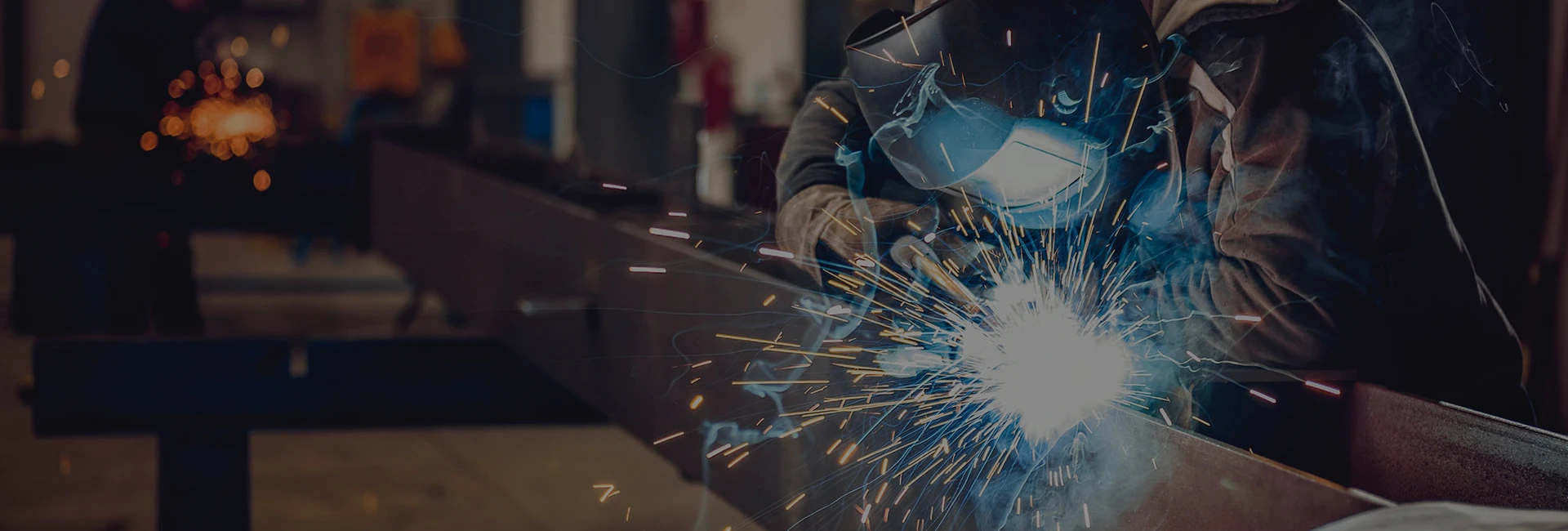
Stainless Tig Filler – Durable Welding Solutions for Industrial Excellence

Stainless Tig Filler – Durable Welding Solutions for Industrial Excellence
Dec . 10, 2025 10:15
Stainless Tig Filler is a key solution in the industry, specifically within precision welding applications. This article explores how https://www.jinlongweldingelectrode.com supports professionals with durable, high-performance products, and explains why this product is an ideal choice for businesses in sectors like aerospace, food processing, and petrochemical manufacturing.
Table of Contents
- Stainless Tig Filler Overview
- Benefits & Use Cases of Stainless Tig Filler
- Cost, Maintenance & User Experience
- Sustainability & Market Trends
- Frequently Asked Questions
- Conclusion on Stainless Tig Filler from China
Stainless Tig Filler Overview
If you’ve ever wondered what exactly Stainless Tig Filler is, at its core it’s the metal wire or rod used in TIG (Tungsten Inert Gas) welding to join stainless steel parts together. This filler is crucial for creating welds that aren’t just strong but also resistant to corrosion and high temperatures, which—as you might imagine—is vital in industries where safety and durability reign supreme.
Technically speaking, stainless TIG fillers are typically made from alloys like 308, 316, or 347 stainless steel, each tailored to match various base metals and service conditions. I’ve noticed many engineers stressing the importance of matching filler composition with base steel to avoid cracking or weak points down the line. For example, the 316 filler offers excellent resistance to chlorides, making it a favorite in chemical processing plants.
| Specification | Detail |
|---|---|
| Material Composition | 304, 308, 316, 347 Stainless Steel Alloys |
| Diameter Options | 1.0mm to 4.0mm |
| Typical Uses | Pressure vessels, food equipment, piping systems |
| Standard Compliance | AWS A5.9, EN ISO 18274 |
Benefits & Use Cases of Stainless Tig Filler
Oddly enough, despite its technical soundness, many still underestimate just how versatile stainless TIG filler can be. Its ability to produce clean, precise welds with minimal spatter is a real game-changer where hygienic surface finish is essential. For instance, in food processing factories, the filler ensures welds don’t trap bacteria — a small but crucial factor for compliance with health standards.
Another notable application is in aerospace and petrochemical sectors. These industries demand materials that can withstand extreme thermal and mechanical stress, and stainless TIG filler performs reliably under these conditions. The enhanced corrosion resistance combined with strong fusion makes it ideal for critical joints in pipelines and aircraft components.
From my conversations with several welding supervisors, the competitive edge lies in consistent quality and adaptability. Jinlong Welding Electrode’s products, for example, feature tailored alloy chemistries that reduce post-weld heat treatment needs — a cost and time saver, frankly.
Vendor Comparison: Stainless Tig Filler Providers
| Vendor | Alloy Options | Price Range | Certifications | Key Advantage |
|---|---|---|---|---|
| Jinlong Welding Electrode | 304, 308, 316, 347 | $$ | AWS, ISO | Custom alloy blends for performance |
| Competitor A | 304, 316 | $$$ | AWS | Well-established global network |
| Competitor B | 308, 309 | $ | Local certifications | Lower price but limited alloys |
Cost, Maintenance & User Experience
When it comes to cost, the upfront price of stainless TIG filler often gives pause. But, as many seasoned welders will tell you, it’s really about the total cost of ownership. Jinlong’s products, for example, tend to require fewer replacements and deliver less downtime — which means in real terms, you might spend less over the lifespan of a project.
Maintenance-wise, welds created with high-quality stainless TIG filler have lower post-weld trouble like cracking or surface rust. This can dramatically reduce inspection and refurbishment expenses. I spoke to a mid-sized food processing plant that switched to Jinlong’s filler last year— they'd noticed a distinct drop in rework rates, and frankly, they reported better product traceability as well.
Sustainability & Market Trends
Sustainability is becoming a bigger deal in welding materials, and stainless TIG filler isn’t exempt. Many manufacturers, Jinlong included, are increasingly using eco-friendlier processes and sourcing. Plus, durable, longer-lasting filler materials indirectly support sustainability goals by reducing waste—something more companies take seriously nowadays.
From a market perspective, the demand for reliable stainless TIG filler remains upward, fueled by expanding sectors like offshore wind energy and medical device manufacturing. Regulatory frameworks are tightening, too, pushing the adoption of higher-grade welding materials. So, if you ask me, investing in quality filler rods now is more than wise; it’s future-proofing your operation.
Frequently Asked Questions about Stainless Tig Filler
- What is Stainless Tig Filler and how does it work?
- It’s a metal rod or wire used in TIG welding, melted into the weld pool to join stainless steel parts. The inert gas protects the joint from contamination ensuring a clean, strong weld.
- What are the main benefits of using Stainless Tig Filler in industrial applications?
- Benefits include superior corrosion resistance, strong joints capable of withstanding extreme conditions, and a smooth finish that meets sanitary requirements in food or pharma industries.
- How does Stainless Tig Filler compare to traditional alternatives?
- Compared to generic welding fillers, stainless TIG filler offers higher durability, better heat resistance, and less contaminants, reducing rework and extending equipment life.
- What industries can benefit most from Stainless Tig Filler implementation?
- Industries like aerospace, petrochemical, food processing, and pharmaceutical manufacturing get the most from it—especially where hygiene, corrosion resistance, and strength are non-negotiable.
Conclusion on Stainless Tig Filler from china
To sum it up, stainless TIG filler—particularly when sourced from trusted manufacturers like Jinlong Welding Electrode—is a smart investment for businesses aiming to boost weld quality while cutting long-term costs. Whether you’re tackling high-stakes aerospace parts or food-grade piping, this filler combines proven alloy technology with reliability. For those weighing welding options, it really is worth looking deeper into.
- Stainless Tig Filler delivers durability, flexibility, and excellent corrosion resistance.
- Visit our website: https://www.jinlongweldingelectrode.com
Reflecting on all this, the welding filler industry is quietly evolving with new alloys and greener techniques—reminding us that even a simple rod can play a pivotal role in demanding industrial progress.
References:
1. AWS A5.9: Specification for Bare Stainless Steel Welding Electrodes and Rods
2. Industry case studies from Jinlong Welding Electrode official documentation
3. Market trends report — Global Welding Consumables, 2023

Related Video

Related News


2026-04-16 02:35:10
Precision Guide for e312 16 welding rod and Dissimilar Steel Welding
In the demanding world of industrial fabrication and repair, selecting the correct filler metal is the difference between a structural failure and a lifetime bond. The e312 16 welding rod is specifically engineered to meet the rigorous needs of welding dissimilar steels, offering an exceptional balance of strength and corrosion resistance. Whether you are working on high-pressure pipelines or heavy machinery components, understanding the nuances of this specialized electrode is key to achieving professional-grade results. This guide explores the technical advantages and practical applications of the E312 series to help you optimize your welding workflow.
2026-04-09 02:35:17
Choosing the Right cs to ss welding rod number Professional Guide
Joining carbon steel (CS) to stainless steel (SS) is a common challenge in industrial fabrication, requiring a precise understanding of metallurgy to avoid weld failure. The most critical decision in this process is identifying the correct cs to ss welding rod number to ensure a strong, corrosion-resistant bond. Using the wrong filler metal can lead to cracking or premature oxidation due to the different thermal expansion rates of the two materials. In this comprehensive guide, we will break down the technical specifications and selection criteria to help you achieve a professional-grade weld every time.
2026-04-07 02:25:29
Comprehensive Guide to 409 Welding Rod Selection and Optimal Usage
When it comes to welding applications requiring corrosion resistance and good weldability, the 409 welding rod is a frequently chosen option. This article provides a detailed overview of this versatile welding rod, exploring its composition, applications, benefits, and considerations for optimal use. Whether you’re a seasoned professional or new to welding, understanding the properties of 409 welding rod is crucial for achieving high-quality, durable welds. We’ll cover everything you need to know to make informed decisions for your welding projects.
2026-04-04 02:35:28
Comprehensive Guide to 330 Stainless Steel Welding Rod Applications and Techniques
330 stainless steel welding rods are a crucial component in various industries, offering exceptional corrosion resistance and high-temperature strength. This article provides an in-depth look at these rods, covering their properties, applications, choosing the right rod, welding techniques, safety precautions, and where to find high-quality options. Whether you're a seasoned welding professional or new to the field, this guide will offer valuable insights.
2026-03-31 02:35:08
Comprehensive Guide to 312 Stainless Tig Rod for Superior Welding Performance
When choosing the right filler metal for your TIG welding projects, especially in demanding applications, 312 stainless steel tig rod stands out for its exceptional corrosion resistance and high-temperature strength. This comprehensive guide will explore its composition, applications, benefits, and how it compares to other stainless steel rods. We'll also point you to resources for sourcing high-quality rods.
2026-03-28 02:45:04
Comprehensive Guide to 312 17 Welding Rod Applications and Technical Details
Welding rods are essential consumables in the welding process, and selecting the right one is crucial for achieving strong, durable, and high-quality welds. The 312 17 welding rod is a popular choice for many applications due to its unique properties and versatility. This article delves into the characteristics, applications, benefits, and considerations when using 312 17 welding rods, providing a comprehensive resource for welders and engineers alike. Choosing the right rod directly impacts the success and longevity of any welding project.
2026-03-26 02:35:10
Comprehensive Guide to the 312 16 Welding Rod for Superior Steel Welding
The 312 16 welding rod is a versatile and widely-used electrode in various welding applications. Known for its excellent weldability and strong mechanical properties, it's a go-to choice for professionals and hobbyists alike. This article delves into the specifics of this electrode, covering its composition, applications, advantages, and how to choose the right one for your projects. Understanding the nuances of the 312 16 welding rod is crucial for achieving high-quality, durable welds. The designation "312 16" provides key information about the welding rod. "312" refers to the type of flux coating, specifically a low-hydrogen, iron powder coating. This coating is designed to produce welds with excellent mechanical properties and good resistance to cracking. The "16" indicates the diameter of the rod in 32nds of an inch – so a 312 16 rod has a diameter of 16/32 or 1/2 inch. This combination makes it suitable for a wide range of steel welding applications. The low-hydrogen nature of the flux minimizes hydrogen-induced cracking, a common issue in welding certain steels.
2026-03-24 02:45:07
Comprehensive Guide to 309LSI TIG Rod Welding Applications and Best Practices
The 309LSI TIG rod is a versatile welding consumable widely used across various industries for its exceptional corrosion resistance and weldability. This article will explore the properties, applications, advantages, and best practices associated with using 309LSI TIG rods. Whether you're a seasoned welding professional or new to the field, this guide will provide you with valuable insights into maximizing the performance and longevity of your welds. The 309LSI TIG rod is a stainless steel electrode specifically designed for Gas Tungsten Arc Welding (GTAW), commonly known as TIG welding. The "309LSI" designation indicates the alloy composition: 309 signifies the chromium-nickel content, 'L' denotes low carbon content for enhanced corrosion resistance, and 'SI' signifies stabilized with silicon for improved resistance to carbide precipitation during welding.

 English
  Arabic
  Bengali
  China
China  French
  German
  Hausa
Hausa  Indonesian
  Italian
  Japanese
  Javanese
  Malay
Malay  Persian
  Portuguese
  Punjabi
  Russian
  Spanish
  Swahili
  Telugu
  Vietnamese