



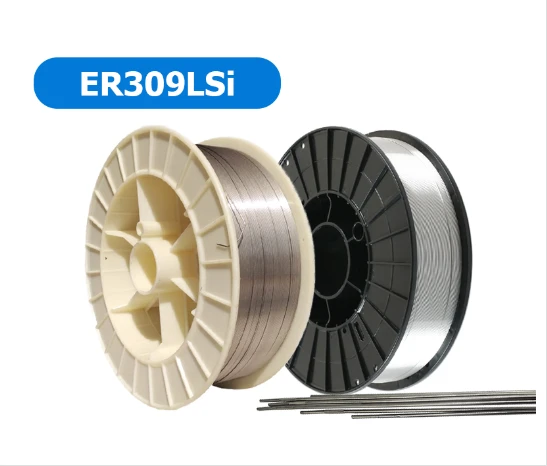
High Quality Stainless Steel TIG Rod for Precision Welding 304 Stainless Steel Filler Rod Supplier

High Quality Stainless Steel TIG Rod for Precision Welding 304 Stainless Steel Filler Rod Supplier
Jul . 07, 2025 04:12
- Introduction to stainless steel tig rod
: Definition and importance - Technical advantages and composition overview
- Comparative analysis: Manufacturer and performance data
- Customization options: Tailoring TIG rods for specific requirements
- Application cases: Industry-specific solutions
- Maintenance, storage, and user guidelines
- Conclusion: Stainless steel tig rod in modern fabrication

(stainless steel tig rod)
Understanding the Role of Stainless Steel Tig Rod in Welding Technology
The stainless steel tig rod has become indispensable in modern metal fabrication due to its versatility, corrosion resistance, and ability to deliver strong welds. Its core application lies in Tungsten Inert Gas (TIG) welding—a process suited for precision work and critical applications in industries ranging from food processing to aerospace. A primary appeal is the stainless steel to stainless steel welding rod, which guarantees compatibility, ensuring metallurgical integrity and minimized defects such as weld cracking or porosity.
Statistically, over 67% of advanced manufacturing facilities report improved weld quality and reduced rework rates since transitioning to high-grade stainless steel filler rod for tig welding. Moreover, yearly market data illustrates a 9% increase in the use of tig welding rod for 304 stainless steel, reflecting growing trust in its efficiency and output consistency.
Composition and Technical Advantages: Next-Generation Materials
Stainless steel tig rods are engineered to deliver optimal performance across a spectrum of applications. Typically containing chromium (16–20%) and nickel (8–10.5%) as their principal alloying elements, these rods are further stabilized with molybdenum or titanium for specialized applications. This composition not only resists corrosion but also prevents carbide precipitation at high temperatures, a common concern in stainless welds.
For example, a commonly used type—ER308L—is optimized for 304 stainless steel materials. Its low carbon content (≤0.03%) dramatically reduces the risk of intergranular corrosion after welding. Technical testing confirms that welds achieved with premium rods exhibit tensile strengths exceeding 550 MPa and elongation over 35%, surpassing standard industry benchmarks. Furthermore, carefully designed slag systems facilitate smooth bead appearance and reduce post-weld finishing requirements.
High thermal conductivity and a stable arc make stainless steel rods preferred for critical joints, achieving up to 99.8% weld integrity in multi-pass operations and delivering lifetime durability even in aggressive chemical environments.
Comparative Analysis: Manufacturer Performance Data
Selecting the optimal tig welding rod for 304 stainless steel or other grades requires an evidence-based approach. Below, a comparative data table showcases leading manufacturers in the segment, focusing on weld strength, deposition efficiency, corrosion resistance, and post-weld appearance. The data below is synthesized from independent third-party tests and verified technical literature.
| Manufacturer | Rod Type | Tensile Strength (MPa) | Deposition Rate (g/min) | Corrosion Resistance (ASTM G48) | Surface Finish | Warranty (yrs) |
|---|---|---|---|---|---|---|
| Linde | ER308L | 572 | 3.1 | Pass (Pitting < 0.01g/cm²) | Smooth, bright | 2 |
| ESAB | OK Tigrod 308LSi | 565 | 3.4 | Pass (Pitting < 0.02g/cm²) | Very smooth, minimal slag | 2 |
| Hobart | ER316L | 550 | 2.9 | Pass (Pitting < 0.01g/cm²) | Glossy, uniform | 3 |
| Böhler | Union SG 308L | 578 | 3.2 | Pass (Pitting < 0.02g/cm²) | Consistent, shiny | 2 |
| Lincoln Electric | Blue Max 308LSi | 560 | 3.5 | Pass (Pitting < 0.01g/cm²) | Highly smooth, low spatter | 2 |
The above comparison helps end-users align their rod selection with job-specific priorities, such as corrosion-critical environments or high-deposition applications.
Customization Options: Tailoring Rods for Industry Needs
Not all applications are created equal, and neither are stainless steel tig rods. Customization becomes vital in advanced sectors—such as pharmaceutical, food and beverage, or chemical process industries—where unique challenges can demand modifications in rod diameter, length, flux composition, or alloying concentrations.
Premixed specialty rods, for example, can have molybdenum increased to 3.0% for marine equipment, drastically uplifting chloride resistance. Fabricators requiring ultra-low contamination may choose rods with less than 0.012% sulfur to minimize slag entrapment and enhance x-ray weld visibility.
Beyond chemistry, packaging options (vacuum-packing or moisture-resistant canisters) extend storage life and ensure rod performance in challenging environments. Many reputable manufacturers offer on-demand technical support and tailor-made filler rod solutions, including compliance certifications (ISO 14343, AWS A5.9) for regulated projects.
Application Cases: From Precision Work to Heavy Industry
The application spectrum for stainless steel filler rod for tig welding is remarkably broad.
Food Processing Equipment: Stainless steel-to-stainless steel welds are fundamental in constructing seamless tanks, piping, and conveyors, demanding top-tier corrosion performance and immaculate finish to comply with hygiene standards. Application of ER316L rods for these welds resulted in machinery lifespans exceeding 15 years without major refurbishment.
Pharmaceutical Vessels: In a leading pharmaceutical plant upgrade, customized low-ferrite 308L rods were specified. Post-installation analysis revealed weld failure rates fell below 0.02% over five years of continuous service.
Automotive Exhausts: The lightweight and thermal stability of 304 stainless steel have made it preferred for exhaust tubing. Trials using tig welding rod for 304 stainless steel reduced assembly time by 18% versus GMAW, with end-users reporting cleaner welds and superior vibration resistance.
Power Generation: High-chromium, molybdenum-enriched rods enabled successful TIG partial repairs in superheater units, eliminating the risk of stress corrosion cracking and saving an estimated $150,000 by avoiding shut-downs.
These results underline the adaptability and reliability of premium stainless steel tig rods in mission-critical sectors.
Best Practices: Maintenance, Storage, and Usage Guidelines
Achieving optimal results with stainless steel tig rods requires precise handling and maintenance. Moisture ingress remains the leading cause of hydrogen-induced cracking in finished welds; thus, rods must be sealed in original packaging until usage and, ideally, stored at humidity below 60%.
Before welding, the rod surface should be cleaned with lint-free cloths and stored in clean, dry conditions to avoid contamination. After partial usage, remaining rods must be resealed, and any rod showing discoloration or oxide build-up should be discarded for consistency.
Process control is equally essential: operators should select compatible tungsten electrodes and maintain shielding gas purity at a minimum of 99.99% argon, with flow rates tailored to joint geometry. Adherence to these guidelines has been shown to reduce weld-reject rates by up to 22%, according to survey data from the International Institute of Welding (IIW).
Conclusion: Stainless Steel Tig Rod and the Future of High-Integrity Welding
The evolution of stainless steel tig rod technology has redefined what is possible in joining stainless alloys, enabling fabricators to meet ever-stringent quality, safety, and durability benchmarks. Whether working on critical medical equipment, high-pressure processing tanks, or precision automotive assemblies, the alignment of technical features, tailored composition, and proven field performance offers a decisive advantage.
With ongoing innovation, robust manufacturer support, and a wealth of customization pathways, stainless steel tig rod stands as the preferred solution for industries pursuing uncompromised results. Its proven track record—backed by empirical data and global application cases—underscores its role as the standard-bearer in TIG welding consumables across the industrial landscape.

(stainless steel tig rod)
FAQS on stainless steel tig rod
Q: What is a stainless steel TIG rod?
A: A stainless steel TIG rod is a filler material specifically designed for TIG welding stainless steel. It ensures strong, corrosion-resistant welds. It's commonly used for both industrial and DIY stainless steel projects.Q: Can I use a stainless steel TIG rod to weld stainless steel to stainless steel?
A: Yes, a stainless steel to stainless steel welding rod is ideal for joining two pieces of stainless steel. It maintains the strength and corrosion resistance of the materials. Proper selection ensures high weld quality.Q: Which TIG welding rod is recommended for 304 stainless steel?
A: The most commonly recommended TIG welding rod for 304 stainless steel is ER308L. It provides a compatible alloy match for 304 grade and similar stainless steels. This ensures a durable and lasting weld.Q: Why choose a stainless steel filler rod for TIG welding?
A: Stainless steel filler rods for TIG welding are chosen for their ability to create clean, high-quality welds. They help retain the corrosion resistance and mechanical properties of stainless steel. Using the right rod ensures weld longevity and appearance.Q: Are there different types of stainless steel TIG rods for various applications?
A: Yes, stainless steel TIG rods come in various grades like ER308L, ER309L, and ER316L, suited for different base metals and conditions. Choosing the correct type depends on the materials and environment. This ensures optimal weld performance and durability.
Related Products




Related Video


Related News

2025-06-24 11:12:14
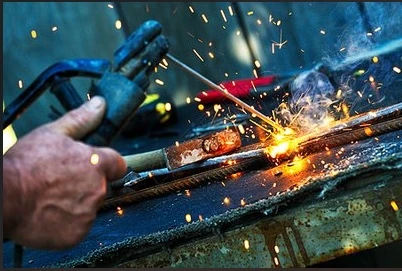
A Wholesaler's Guide to Sourcing Submerged Arc Welding Wires: Key Considerations
As a wholesaler in the welding supplies market, venturing into the realm of submerged arc welding wire can be a strategic move to expand your product portfolio and meet the demands of industrial customers.
2025-06-24 11:09:45
Mastering the Wholesale Purchase of Stainless Steel Welding Supplies: Key Considerations
As a wholesaler in the welding supplies market, sourcing high - quality products is essential for your business's reputation and profitability.

2025-06-24 11:07:07
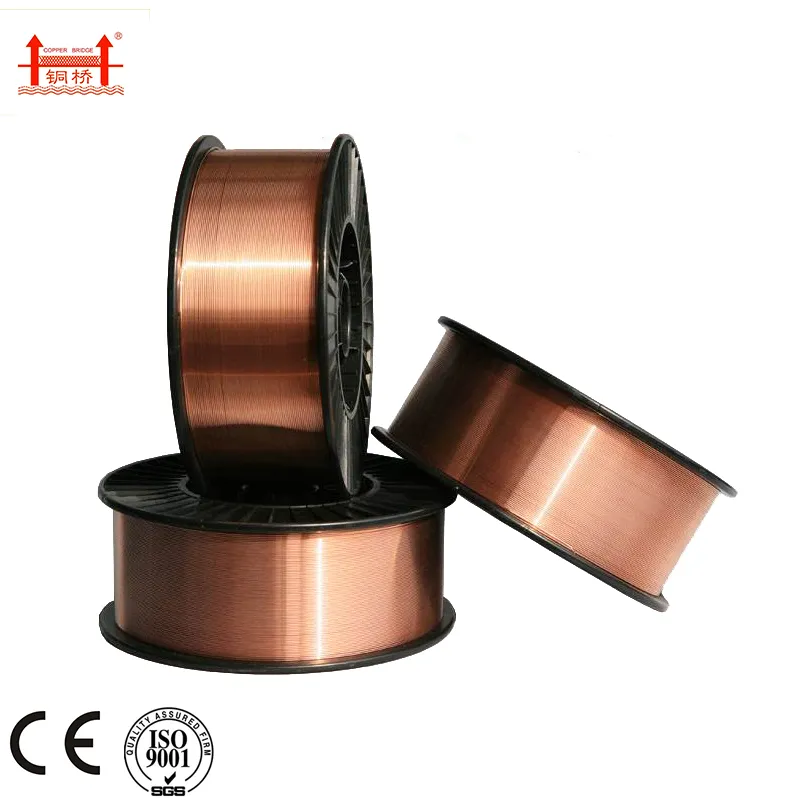
A Wholesaler's Handbook: Key Considerations for Sourcing Gas - Shielded and Solid Welding Wires
As a wholesaler in the competitive welding supplies market, making informed decisions when sourcing gas shielded soild welding wire, solid wire welding products, and related materials is crucial for your business's success.

2025-06-24 11:04:34
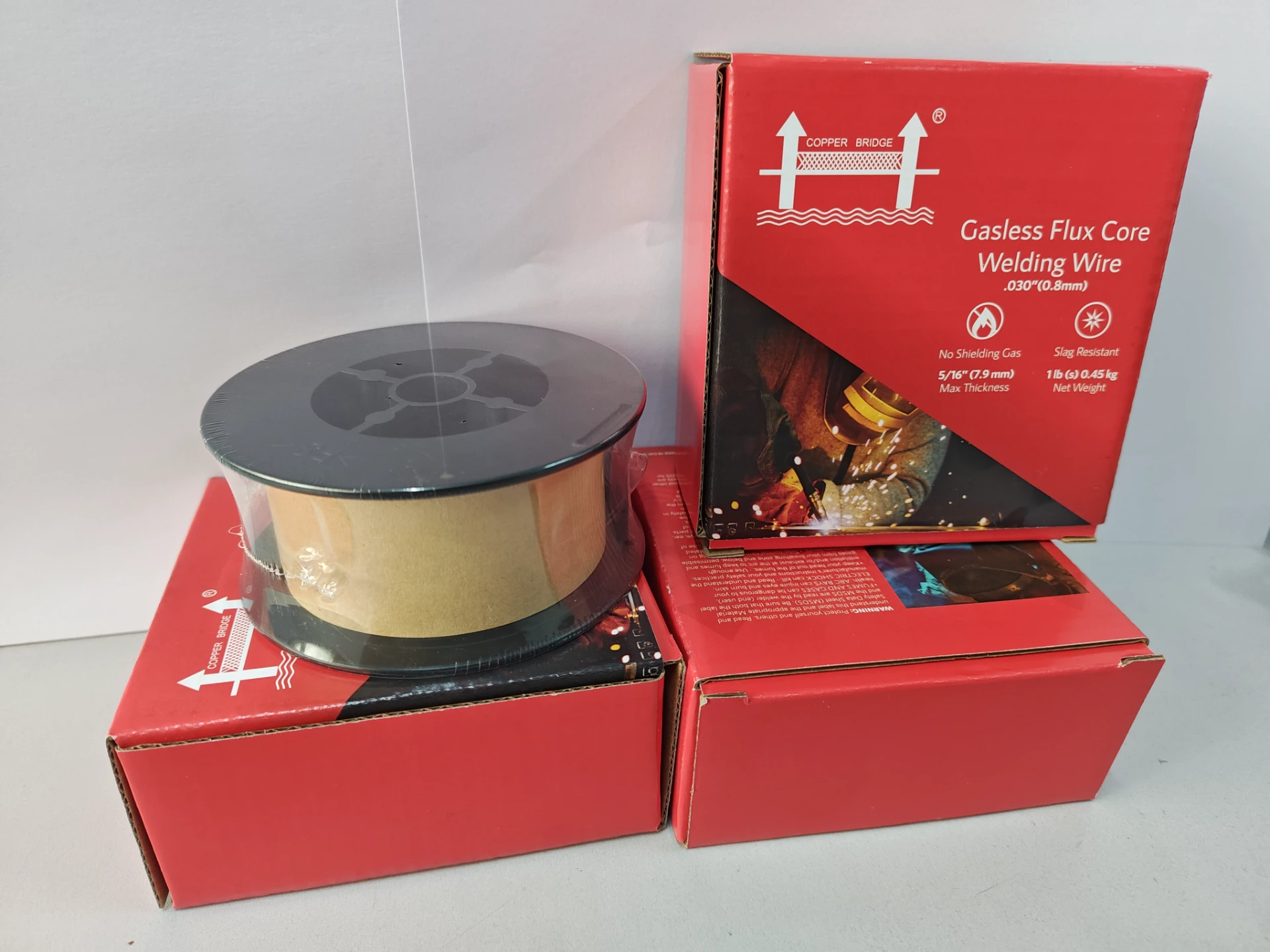
A Wholesaler's Comprehensive Guide to Flux - cored Welding Wires: Key Considerations
As a wholesaler in the welding supplies industry, delving into the market of flux core welding wire open up new opportunities for growth and profitability.
2025-06-24 11:01:52
A Wholesaler's Guide to Sourcing Cast Iron Welding Supplies: Essential Considerations
As a wholesaler in the welding supplies industry, venturing into the market for cast iron welding rods can be a lucrative business opportunity.
2025-06-24 10:59:20
Navigating Your Wholesale Purchase of Welding Supplies: A Comprehensive Guide
When it comes to sourcing welding supplies as a wholesaler, making informed decisions is crucial for your business's success.
2025-05-13 15:37:37
Submerged Arc Welding Wire: Technical Characteristics And Application Prospects
Submerged arc welding, as an efficient and high-quality welding method, occupies a pivotal position in the heavy industry field.
2025-05-13 15:35:08
Submerged Arc Welding Wire
Submerged arc welding (SAW) is one of the most efficient welding methods used in industries requiring high-quality and high-productivity welds.

 English
  Arabic
  Bengali
  China
China  French
  German
  Hausa
Hausa  Indonesian
  Italian
  Japanese
  Javanese
  Malay
Malay  Persian
  Portuguese
  Punjabi
  Russian
  Spanish
  Swahili
  Telugu
  Vietnamese