

Premium AWS E309 Rods for Dissimilar Metal Welding

Premium AWS E309 Rods for Dissimilar Metal Welding
Sep . 12, 2025 11:00
Introduction to AWS E309 Stainless Steel Welding Electrodes
In critical industrial applications requiring robust and reliable joining of dissimilar metals or high-alloy stainless steels, the choice of welding consumables is paramount. The AWS E309 stainless steel welding electrode stands out as a versatile and high-performance solution. Engineered for superior metallurgical integrity, these electrodes are crucial in environments demanding excellent corrosion resistance and elevated temperature strength. This detailed guide explores the technical intricacies, application benefits, and strategic advantages of incorporating E309 and related variants like E309L-15 and E309-16 into your fabrication processes, aiming to provide B2B decision-makers and engineering teams with comprehensive insights for informed procurement and application.
The selection of the appropriate welding electrode directly impacts the longevity, safety, and operational efficiency of welded structures. With increasing demands for specialized materials in sectors like petrochemical, power generation, and chemical processing, electrodes like the AWS E309 are indispensable. Their unique chemical composition and excellent operational characteristics allow for the joining of materials that would otherwise present significant metallurgical challenges, ensuring the integrity of critical infrastructure and high-pressure systems.
Industry Trends and Market Dynamics for Stainless Steel Welding Electrodes
The global market for stainless steel welding electrodes is experiencing steady growth, driven by expansion in infrastructure development, energy, and manufacturing sectors. Key trends include a heightened focus on high-performance alloys, increased adoption of automation in welding processes, and stringent regulatory requirements for material quality and environmental impact. Demand for electrodes such as E309 is particularly strong in Asia-Pacific and North America, fueled by significant investments in chemical plants, oil and gas pipelines, and advanced manufacturing facilities.
- Increased Demand for Dissimilar Metal Welding: The need to join stainless steels to carbon or low-alloy steels is a prevalent requirement in many industrial applications, positioning electrodes like E309 as a primary choice due to their ability to tolerate dilution from both sides.
- Focus on High-Nickel Alloys: As industries move towards more aggressive operating environments, the demand for electrodes capable of handling high-nickel alloys and their superior corrosion resistance properties is rising.
- Sustainability and Efficiency: Manufacturers are increasingly prioritizing electrodes that offer higher deposition rates, reduced slag formation, and lower fume emissions, aligning with global sustainability goals and operational efficiency targets.
- Digital Transformation in Welding: Advanced manufacturing techniques, including robotic welding and digital quality control, are pushing the demand for electrodes with consistent performance and tighter manufacturing tolerances.
The market is also witnessing a surge in specialized products, including low-hydrogen variants like E309L-15, which are critical for preventing hydrogen-induced cracking in high-strength applications. This evolution underscores the need for suppliers to offer a diverse portfolio of electrodes that meet evolving technical specifications and application requirements across various industry verticals.
Manufacturing Process of AWS E309 Welding Electrodes
The production of high-quality AWS E309 welding electrodes is a meticulous process, adhering to stringent quality control standards to ensure consistent performance and metallurgical integrity. This multi-stage process ensures that each electrode meets the specified chemical composition, mechanical properties, and operational characteristics required for demanding industrial applications.
- Core Wire Preparation:
The foundation is a high-purity stainless steel core wire, typically a chromium-nickel alloy. This wire undergoes precise drawing and cleaning to ensure a uniform diameter and surface free from contaminants. Materials are sourced from certified suppliers to guarantee compliance with chemical composition requirements, ensuring the final weld metal's integrity. Common wire grades include AISI 309 or 309L variants.
- Flux Formulation and Mixing:
The flux coating is critical for controlling arc stability, protecting the weld pool, deoxidizing the metal, and providing alloying elements. For E309, typical flux ingredients include rutile (titanium dioxide) for smooth arc and good bead appearance (for E309-16), or basic components like calcium carbonate and calcium fluoride for low-hydrogen characteristics (for E309L-15). These raw materials are accurately weighed, blended, and then mixed with a binder (e.g., sodium silicate) to form a paste.
- Extrusion and Coating:
The prepared core wire is fed into an extrusion machine, where the flux paste is uniformly applied under high pressure. This process ensures a concentric and consistent coating thickness along the entire length of the electrode. Precision CNC machining is involved in die manufacturing to achieve tight tolerances in coating thickness.
- Drying and Baking:
After extrusion, the wet electrodes are carefully dried in controlled ovens at specific temperatures and humidity levels. This removes moisture, preventing hydrogen porosity in the final weld. For low-hydrogen electrodes like E309L-15, a high-temperature baking process (e.g., 250-350°C) is crucial to minimize moisture content to extremely low levels, often below 0.1%.
- Tip Cutting and Marking:
The electrodes are then cut to standard lengths, and one end is typically cleaned to ensure good electrical contact in the electrode holder. They are marked with the AWS classification (e.g., E309-16) for easy identification.
- Quality Control and Testing:
Each batch undergoes rigorous testing. This includes chemical analysis of the weld metal, mechanical property tests (tensile strength, yield strength, elongation, impact toughness), radiographic examination for internal defects, and visual inspection of weld bead appearance. Adherence to standards such as ISO 3581, ANSI/AWS A5.4, and EN ISO 18275 is strictly enforced. Statistical process control (SPC) methods are employed throughout to ensure consistency.
- Packaging:
Finished electrodes are hermetically sealed in moisture-resistant packaging, often vacuum-packed or in sealed container111s, to prevent moisture re-absorption, especially for low-hydrogen types. This guarantees optimal performance upon arrival at the end-user facility.
This meticulous process, from raw material selection to final packaging, ensures that Jinlong Welding Electrode products, including their AWS E309 series, consistently deliver superior performance, reliability, and extended service life in demanding environments like petrochemical refining, power generation, and critical water supply & drainage infrastructure. The emphasis on high-quality materials and rigorous testing translates directly into benefits such as enhanced corrosion resistance and improved energy saving potential for end-users by reducing rework and ensuring weld integrity.
Technical Specifications and Parameters of AWS E309
Understanding the detailed technical specifications of AWS E309 electrodes is crucial for engineers and procurement specialists to ensure optimal material compatibility and performance in specific applications. These electrodes are designed to deposit a weld metal with approximately 22% Chromium and 12% Nickel, providing excellent properties for various joining tasks.
Typical Chemical Composition of Weld Metal (wt.%)
| Element | E309 (Typical) | E309L (Typical) |
|---|---|---|
| Carbon (C) | 0.08 max | 0.04 max |
| Manganese (Mn) | 0.50 - 2.50 | 0.50 - 2.50 |
| Silicon (Si) | 0.30 - 1.00 | 0.30 - 1.00 |
| Chromium (Cr) | 22.0 - 25.0 | 22.0 - 25.0 |
| Nickel (Ni) | 11.0 - 14.0 | 11.0 - 14.0 |
| Molybdenum (Mo) | 0.75 max | 0.75 max |
| Copper (Cu) | 0.75 max | 0.75 max |
| Sulphur (S) | 0.03 max | 0.03 max |
| Phosphorus (P) | 0.04 max | 0.04 max |
Typical Mechanical Properties of All-Weld Metal
| Property | Value (E309/E309L) | Testing Standard |
|---|---|---|
| Tensile Strength | ≥ 550 MPa (80 ksi) | AWS A5.4 |
| Yield Strength (0.2% Offset) | ≥ 380 MPa (55 ksi) | AWS A5.4 |
| Elongation (in 4D) | ≥ 35% | AWS A5.4 |
| Charpy V-Notch Impact Strength (at 20°C) | ≥ 60 J | ISO-V |
Key Characteristics by Coating Type (E309-16 vs. E309L-15)
- E309-16 (Rutile Type): Offers excellent operability with a stable arc, minimal spatter, and good bead appearance. Suitable for AC and DC welding in all positions, making it highly versatile for general fabrication. The '16' refers to the coating type and current usability.
- E309L-15 (Basic, Low Hydrogen Type): Characterized by a basic, low-hydrogen coating, providing superior mechanical properties and crack resistance, particularly important for critical applications involving heavy sections or high restraint. It's primarily used with DC+ polarity. The 'L' denotes low carbon content (0.04% max), crucial for mitigating intergranular corrosion, and '15' signifies its basic coating with DC+ current.
These specifications highlight the precise engineering behind AWS E309 electrodes, ensuring that they deliver consistent, high-quality welds under diverse and demanding industrial conditions. Jinlong Welding Electrode adheres to international standards like ISO and ANSI to guarantee the highest level of product quality and reliability.
Application Scenarios and Technical Advantages
The inherent versatility and superior metallurgical properties of AWS E309 electrodes make them indispensable across a wide spectrum of industrial applications, particularly where high-temperature performance, corrosion resistance, and the joining of dissimilar metals are critical.
Key Application Scenarios:
- Dissimilar Metal Welding: This is the primary strength of E309. It is widely used for joining stainless steels (like 304, 316) to carbon or low-alloy steels, often encountered in pressure vessels, heat exchangers, and piping systems in petrochemical plants and power generation facilities. Its high alloy content accommodates dilution from both base metals effectively, preventing brittle weld joints.
- Cladding and Overlay Applications: Ideal for depositing a corrosion-resistant layer on less noble steels, such as for resurfacing components in chemical processing equipment, pulp and paper machinery, and nuclear reactor components. This extends the service life and enhances the performance of critical parts without the cost of solid stainless steel.
- High-Temperature Service: The robust chromium and nickel content provides excellent oxidation resistance and strength at elevated temperatures, making it suitable for applications in furnaces, kilns, and high-temperature exhaust systems.
- Chemical and Process Industries: Used extensively in the fabrication of tanks, pipes, and reactors handling corrosive media due to its excellent resistance to various acids and alkalis. The low carbon variant, E309L-15, is particularly preferred here to minimize carbide precipitation and intergranular corrosion.
- Heavy Fabrication: For large structures and heavy section welding, especially where stringent mechanical properties are required, the robust weld metal of E309 ensures structural integrity and durability.
Technical Advantages:
- Superior Corrosion Resistance: The high chromium and nickel content in the weld metal provides exceptional resistance to oxidation and various forms of corrosion, including pitting and crevice corrosion, ensuring long-term structural integrity.
- Excellent Crack Resistance: Especially with the low-hydrogen E309L-15 variant, these electrodes offer high resistance to hot cracking and hydrogen-induced cracking, crucial for critical joints and restrained welds.
- High Strength and Ductility: The deposited weld metal exhibits excellent tensile and yield strength coupled with good ductility, allowing it to withstand significant mechanical stresses and vibrations in service.
- Versatile Operability: Depending on the coating type (e.g., rutile E309-16 for all-position welding with good aesthetic appeal, or basic E309L-15 for superior metallurgical properties), operators can achieve stable arcs, minimal spatter, and easy slag removal, contributing to higher productivity and reduced rework.
- Cost-Effectiveness and Energy Saving: By providing reliable, high-quality welds on the first pass, E309 electrodes reduce the need for costly rework and minimize material waste. Their ability to extend the service life of components through superior corrosion resistance directly translates into energy savings and reduced maintenance expenditures over the product's lifecycle.
- Metallurgical Stability: The controlled ferrite content in the weld metal contributes to good resistance against embrittlement, ensuring stability even after prolonged exposure to elevated temperatures.
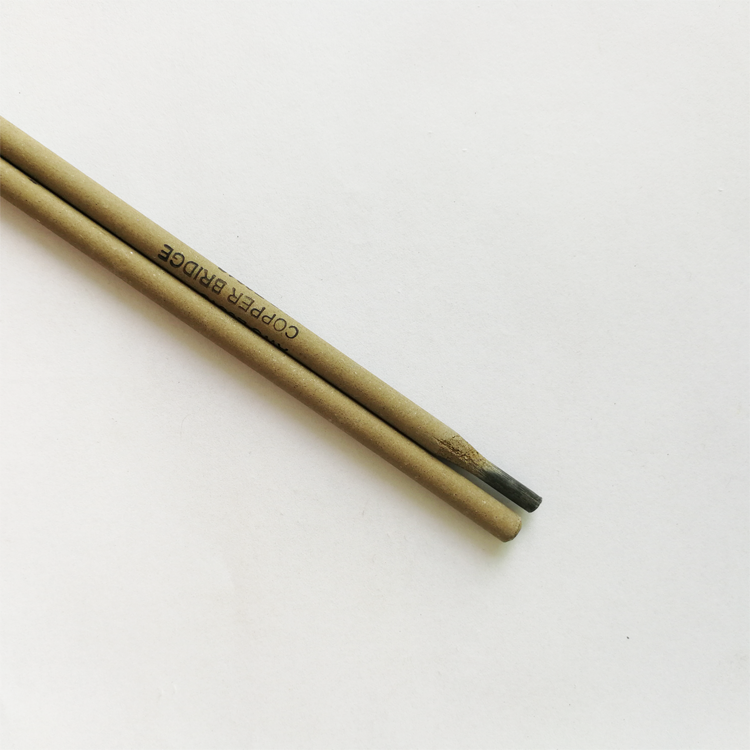
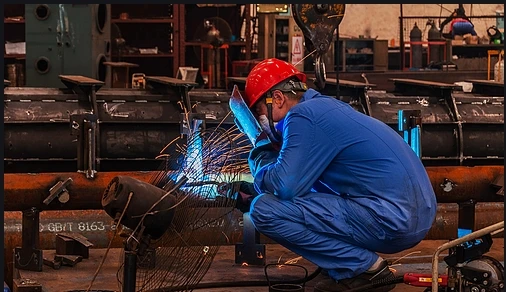
Precision welding with AWS E309 electrodes ensures robust and durable joints for critical industrial applications.
These advantages collectively position AWS E309 as a leading choice for engineers seeking reliable, long-lasting, and high-performance welding solutions for complex and demanding B2B projects.
Vendor Comparison: Choosing the Right AWS E309 Supplier
In a competitive market, selecting a reliable supplier for AWS E309 electrodes is as crucial as the product itself. While many manufacturers offer E309 variants, key differentiators in product quality, technical support, and supply chain reliability can significantly impact project outcomes.
Key Factors for Vendor Evaluation:
- Certifications and Compliance: Ensure the vendor's products comply with international standards like AWS A5.4, ISO 3581, and potentially country-specific approvals (e.g., CE, Lloyd's Register). Jinlong Welding Electrode's adherence to such global benchmarks offers assurance of quality and consistency.
- Raw Material Quality: Reputable manufacturers use only virgin, high-purity raw materials for core wires and flux ingredients, which directly impacts weld metal integrity and performance.
- Manufacturing Consistency: Advanced manufacturing processes, including automated extrusion and precise baking controls, minimize batch-to-batch variation, ensuring predictable welding characteristics.
- Technical Support and Expertise: A vendor offering strong technical support, including application specialists and troubleshooting assistance, adds significant value, especially for complex welding challenges.
- Customization Capabilities: The ability to provide tailored solutions for specific alloy combinations or unique operating conditions is a strong indicator of a flexible and customer-centric supplier.
- Logistics and Lead Times: Efficient global supply chains and reasonable lead times are critical for project scheduling and operational continuity.
Comparison Table: General Supplier Attributes for E309 Electrodes
| Attribute | Jinlong Welding Electrode | Generic Competitor A | Generic Competitor B |
|---|---|---|---|
| Product Range (E309 family) | E309, E309L, E309-16, E309L-15, Custom Fluxes | E309, E309L-16 | E309, E309L |
| Key Certifications | ISO 9001, AWS A5.4, CE, Lloyd's | ISO 9001, AWS A5.4 | ISO 9001 |
| Technical Support | Comprehensive, On-site & Remote | Standard Email/Phone | Limited |
| Customization Potential | High, R&D driven | Medium | Low |
| Global Distribution | Extensive, Partner Network | Regional | Local |
Jinlong Welding Electrode prioritizes continuous innovation and stringent quality control, demonstrated by our adherence to international standards and consistent product performance across the E309 range. This commitment ensures that our clients receive not just products, but comprehensive welding solutions that meet the highest industry benchmarks.
Customized Solutions for AWS E309 Electrodes
While standard AWS E309 electrodes offer broad applicability, specific industrial challenges often necessitate tailored welding solutions. At Jinlong Welding Electrode, we understand that unique material combinations, operating temperatures, or environmental conditions may require precise adjustments to electrode design. Our R&D capabilities allow us to collaborate with clients to develop customized variants.
- Tailored Chemical Compositions: We can fine-tune the flux chemistry to modify weld metal composition, enhancing properties like ferrite content for improved hot cracking resistance, or adjusting specific alloying elements to match unusual base metal chemistries, ensuring compatibility with even obscure stainless steel or alloy steel grades.
- Optimized Coating Characteristics: Customization extends to flux coating properties. This includes adjusting moisture resistance for high-humidity environments, enhancing arc stability for specific welding equipment (e.g., pulsed TIG applications), or modifying slag detachability for improved productivity in automated setups. We can develop proprietary rutile or basic flux formulations for specialized operability.
- Specialized Diameters and Lengths: Beyond standard sizes, we can produce electrodes in custom diameters and lengths to suit particular welding procedures or robotic applications, minimizing waste and optimizing workflow.
- Enhanced Performance for Niche Applications: For example, modifying a E309L-15 variant to provide even higher impact toughness at sub-zero temperatures for cryogenic applications, or increasing oxidation resistance for extreme high-temperature service beyond standard requirements.
Our process for customized solutions involves in-depth consultation, metallurgical analysis, prototype development, rigorous testing, and phased deployment, ensuring that the tailored E309 electrode not only meets but exceeds specific project demands. This collaborative approach underscores our commitment to partnership and innovation.
Application Case Studies: AWS E309 in Action
The proven track record of AWS E309 electrodes in challenging industrial environments underscores their reliability and performance. Here are illustrative case studies demonstrating their effective deployment.
Case Study 1: Petrochemical Heat Exchanger Fabrication
- Challenge: A leading petrochemical plant required the fabrication of new heat exchangers that involved welding 316L stainless steel tubes to carbon steel tube sheets. The joint demanded exceptional corrosion resistance and integrity under high-temperature, high-pressure conditions, with strict requirements for dissimilar metal welding.
- Solution: Jinlong Welding Electrode supplied E309L-15 electrodes due to their low carbon content (minimizing carbide precipitation) and excellent tolerance for dilution. The basic coating provided superior mechanical properties and crack resistance.
- Outcome: The project achieved 100% radiographic acceptance, with no reported failures or rework during or after hydrostatic testing. The plant reported enhanced operational lifespan of the new heat exchangers, directly contributing to reduced maintenance costs and improved energy efficiency. Customer feedback highlighted the consistent arc stability and easy slag removal of the electrodes, which facilitated high-quality welds even in challenging positions.
Case Study 2: Pulp and Paper Mill Refurbishment
- Challenge: During a major refurbishment of a pulp and paper mill's digester unit, extensive overlay welding was needed on carbon steel components to resist the aggressive chemical environment (chlorides and acidic solutions). The project required a highly corrosion-resistant and durable overlay that could be applied efficiently.
- Solution: E309-16 electrodes were selected for their excellent operability, good bead appearance, and ability to deposit a corrosion-resistant 22Cr-12Ni weld metal. The rutile coating allowed for smooth welding in multiple positions and high deposition efficiency.
- Outcome: The overlay welding was completed ahead of schedule, with consistently high-quality deposits. Post-application metallurgical testing confirmed the required corrosion resistance and bond strength. The client noted significant time savings due to the smooth operation of the electrodes and minimal post-weld cleaning, leading to faster commissioning of the digester and prolonged service life.
Case Study 3: Water Treatment Plant Piping Integration
- Challenge: A new advanced water treatment facility required the integration of various stainless steel (AISI 304) and carbon steel (ASTM A53) piping sections. The welds needed to withstand aggressive potable water chemistries, maintain hydraulic integrity, and be structurally sound for decades.
- Solution: Jinlong provided a batch of specially tested E309 electrodes with enhanced moisture resistance packaging. The general-purpose operability of E309, coupled with its ability to manage dilution effectively, made it ideal for the numerous dissimilar joints.
- Outcome: The project was completed with exceptional weld quality, meeting all stringent public utility standards. The robustness of the welds contributed to zero leakage and long-term reliability of the water supply and drainage infrastructure. The client praised Jinlong's prompt delivery and the consistent performance of the electrodes across diverse welding scenarios.
These cases exemplify how AWS E309 electrodes, particularly those from Jinlong Welding Electrode, provide indispensable solutions for complex engineering challenges, ensuring operational longevity and superior performance in critical industrial applications.
Ensuring Trustworthiness: FAQs, Lead Times, Warranty, and Support
Frequently Asked Questions (FAQs)
- Q: What is the primary difference between E309 and E309L?
- A: The 'L' in E309L denotes a lower carbon content (typically 0.04% max compared to 0.08% max for E309). This reduced carbon content minimizes the risk of intergranular corrosion, making E309L preferred for applications where the weldment will be exposed to corrosive environments or requires post-weld stress relief annealing.
- Q: Can E309-16 electrodes be used for vertical-down welding?
- A: While E309-16 electrodes (rutile type) generally offer good all-position capabilities, vertical-down welding with this classification is typically not recommended for structural passes or critical applications due to the difficulty in controlling the molten weld pool and potential for lack of fusion or slag entrapment. It's best suited for root passes in specific joint designs or thin materials. Vertical-up is generally preferred for heavier sections.
- Q: What special storage conditions are required for E309L-15 electrodes?
- A: As a low-hydrogen electrode, E309L-15 is highly susceptible to moisture absorption. It must be stored in dry, moisture-proof container111s, preferably in heated cabinets at temperatures between 100-150°C (212-302°F) after opening, and re-baked according to manufacturer specifications if exposed to atmosphere for extended periods. This prevents hydrogen-induced cracking.
- Q: What base metals can be welded with AWS E309?
- A: Primarily used for welding dissimilar metals, such as stainless steels (e.g., 304, 316, 321) to carbon steels or low-alloy steels. It's also suitable for welding 309 stainless steel to itself, cladding carbon steel, or for the first pass of a clad joint. Its high alloy content is designed to tolerate dilution from carbon steel effectively.
Lead Times and Fulfillment Details
At Jinlong Welding Electrode, we prioritize efficient order processing and delivery to support your project timelines. Standard stock items, including popular diameters of E309, E309L, E309-16, and E309L-15, typically have a lead time of 1-2 weeks for domestic shipments and 3-5 weeks for international orders, subject to customs clearance. For large volume orders or customized solutions, specific lead times will be provided during the quotation phase, factoring in production schedules and logistical requirements. We maintain robust inventory levels and leverage an optimized global supply chain to minimize delays.
Warranty Commitments
Jinlong Welding Electrode stands behind the quality and performance of all our products, including the AWS E309 electrode series. We offer a standard manufacturer's warranty covering material and workmanship defects. This warranty ensures that our electrodes meet the specified AWS A5.4 standards and published technical parameters when stored and used under recommended conditions. Any product found to be non-compliant within the warranty period will be replaced or refunded. Full details of our warranty policy are available upon request.
Customer Support and After-Sales Service
Our commitment to client success extends beyond product delivery. Jinlong Welding Electrode provides comprehensive after-sales support, including technical consultation from experienced metallurgical engineers, welding procedure optimization assistance, and prompt troubleshooting for any application challenges. Our dedicated customer service team is available via phone and email during business hours to address inquiries, process orders, and facilitate returns or exchanges. We also offer on-site technical visits for complex projects or large-scale deployments, fostering long-term partnerships built on trust and mutual success.
Conclusion
The AWS E309 stainless steel welding electrode remains a critical component in the arsenal of industrial fabricators and engineers, offering unparalleled performance in demanding applications, especially those involving dissimilar metals and corrosive environments. Its robust metallurgical properties, coupled with variants like E309L-15 and E309-16, provide tailored solutions for diverse challenges from petrochemical to water infrastructure. Choosing a trusted supplier like Jinlong Welding Electrode, with a proven track record in quality, customization, and comprehensive support, ensures not only superior weld integrity but also long-term operational efficiency and cost savings for critical projects.
References
- American Welding Society (AWS) A5.4/A5.4M:2012, Specification for Stainless Steel Electrodes for Shielded Metal Arc Welding.
- International Organization for Standardization (ISO) 3581:2016, Welding consumables — Covered electrodes for manual metal arc welding of stainless and heat-resisting steels — Classification.
- D.L. Olson, G.R. Edwards, and S.K. Singh. (1988). Weldability of Dissimilar Metals. Welding Research Council Bulletin 339, New York, NY.
- John C. Lippold and Damian J. Kotecki. (2005). Welding Metallurgy and Weldability of Stainless Steels. John Wiley & Sons, Inc., Hoboken, New Jersey.

Related Video

Related News
2026-04-16 02:35:10
Precision Guide for e312 16 welding rod and Dissimilar Steel Welding
In the demanding world of industrial fabrication and repair, selecting the correct filler metal is the difference between a structural failure and a lifetime bond. The e312 16 welding rod is specifically engineered to meet the rigorous needs of welding dissimilar steels, offering an exceptional balance of strength and corrosion resistance. Whether you are working on high-pressure pipelines or heavy machinery components, understanding the nuances of this specialized electrode is key to achieving professional-grade results. This guide explores the technical advantages and practical applications of the E312 series to help you optimize your welding workflow.
2026-04-09 02:35:17
Choosing the Right cs to ss welding rod number Professional Guide
Joining carbon steel (CS) to stainless steel (SS) is a common challenge in industrial fabrication, requiring a precise understanding of metallurgy to avoid weld failure. The most critical decision in this process is identifying the correct cs to ss welding rod number to ensure a strong, corrosion-resistant bond. Using the wrong filler metal can lead to cracking or premature oxidation due to the different thermal expansion rates of the two materials. In this comprehensive guide, we will break down the technical specifications and selection criteria to help you achieve a professional-grade weld every time.
2026-04-07 02:25:29
Comprehensive Guide to 409 Welding Rod Selection and Optimal Usage
When it comes to welding applications requiring corrosion resistance and good weldability, the 409 welding rod is a frequently chosen option. This article provides a detailed overview of this versatile welding rod, exploring its composition, applications, benefits, and considerations for optimal use. Whether you’re a seasoned professional or new to welding, understanding the properties of 409 welding rod is crucial for achieving high-quality, durable welds. We’ll cover everything you need to know to make informed decisions for your welding projects.
2026-04-04 02:35:28
Comprehensive Guide to 330 Stainless Steel Welding Rod Applications and Techniques
330 stainless steel welding rods are a crucial component in various industries, offering exceptional corrosion resistance and high-temperature strength. This article provides an in-depth look at these rods, covering their properties, applications, choosing the right rod, welding techniques, safety precautions, and where to find high-quality options. Whether you're a seasoned welding professional or new to the field, this guide will offer valuable insights.
2026-03-31 02:35:08
Comprehensive Guide to 312 Stainless Tig Rod for Superior Welding Performance
When choosing the right filler metal for your TIG welding projects, especially in demanding applications, 312 stainless steel tig rod stands out for its exceptional corrosion resistance and high-temperature strength. This comprehensive guide will explore its composition, applications, benefits, and how it compares to other stainless steel rods. We'll also point you to resources for sourcing high-quality rods.
2026-03-28 02:45:04
Comprehensive Guide to 312 17 Welding Rod Applications and Technical Details
Welding rods are essential consumables in the welding process, and selecting the right one is crucial for achieving strong, durable, and high-quality welds. The 312 17 welding rod is a popular choice for many applications due to its unique properties and versatility. This article delves into the characteristics, applications, benefits, and considerations when using 312 17 welding rods, providing a comprehensive resource for welders and engineers alike. Choosing the right rod directly impacts the success and longevity of any welding project.
2026-03-26 02:35:10
Comprehensive Guide to the 312 16 Welding Rod for Superior Steel Welding
The 312 16 welding rod is a versatile and widely-used electrode in various welding applications. Known for its excellent weldability and strong mechanical properties, it's a go-to choice for professionals and hobbyists alike. This article delves into the specifics of this electrode, covering its composition, applications, advantages, and how to choose the right one for your projects. Understanding the nuances of the 312 16 welding rod is crucial for achieving high-quality, durable welds. The designation "312 16" provides key information about the welding rod. "312" refers to the type of flux coating, specifically a low-hydrogen, iron powder coating. This coating is designed to produce welds with excellent mechanical properties and good resistance to cracking. The "16" indicates the diameter of the rod in 32nds of an inch – so a 312 16 rod has a diameter of 16/32 or 1/2 inch. This combination makes it suitable for a wide range of steel welding applications. The low-hydrogen nature of the flux minimizes hydrogen-induced cracking, a common issue in welding certain steels.
2026-03-24 02:45:07
Comprehensive Guide to 309LSI TIG Rod Welding Applications and Best Practices
The 309LSI TIG rod is a versatile welding consumable widely used across various industries for its exceptional corrosion resistance and weldability. This article will explore the properties, applications, advantages, and best practices associated with using 309LSI TIG rods. Whether you're a seasoned welding professional or new to the field, this guide will provide you with valuable insights into maximizing the performance and longevity of your welds. The 309LSI TIG rod is a stainless steel electrode specifically designed for Gas Tungsten Arc Welding (GTAW), commonly known as TIG welding. The "309LSI" designation indicates the alloy composition: 309 signifies the chromium-nickel content, 'L' denotes low carbon content for enhanced corrosion resistance, and 'SI' signifies stabilized with silicon for improved resistance to carbide precipitation during welding.

 English
  Arabic
  Bengali
  China
China  French
  German
  Hausa
Hausa  Indonesian
  Italian
  Japanese
  Javanese
  Malay
Malay  Persian
  Portuguese
  Punjabi
  Russian
  Spanish
  Swahili
  Telugu
  Vietnamese