When analyzing the e6013 electrode price, procurement professionals must look beyond the initial cost per kilogram. The AWS E6013 is a high-titania potassium type electrode designed for mild steel, offering a stable arc and a smooth weld bead that reduces the need for extensive post-weld grinding. Understanding the pricing dynamics requires a balance between material purity, coating quality, and the expected productivity on the job site.
In the metal products manufacturing industry, the cost of welding consumables is often a significant operational variable. Price fluctuations are typically driven by the raw costs of the steel core and the chemical components of the coating. For enterprises specializing in low carbon steel structures or thin plate welding, selecting a cost-effective yet high-performance electrode is critical to maintaining competitive margins without sacrificing structural integrity.
This guide provides a comprehensive analysis of the factors influencing E6013 pricing, technical specifications to verify during procurement, and a strategic approach to selecting suppliers. By the end of this article, you will be able to evaluate the total cost of ownership—incorporating labor efficiency and material waste—to make an informed purchasing decision for your welding operations.

1Fundamentals of E6013 Welding Electrodes

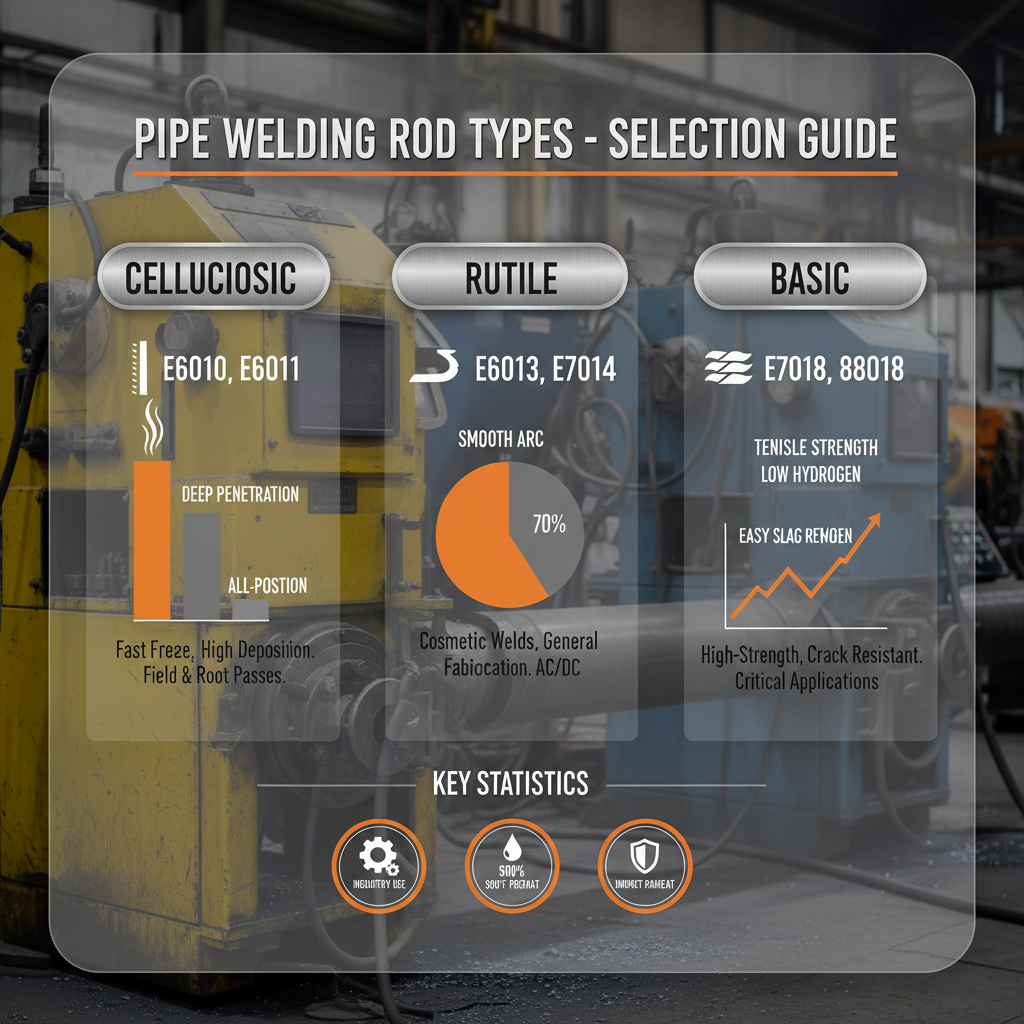
The E6013 electrode is widely recognized as a "general purpose" rod due to its versatility and ease of use. It is characterized by a titania-type coating that ensures a stable arc and minimal spatter, making it ideal for beginners and professional welders alike. From a cost perspective, these electrodes are typically more affordable than low-hydrogen alternatives, which contributes to their widespread use in light construction and repair work.
The "60" in E6013 denotes a minimum tensile strength of 60,000 psi, while the "1" indicates it can be used in all positions. The "3" refers to the coating and current requirements, meaning it is compatible with both AC and DC welding machines. This compatibility increases its value proposition by allowing users to utilize existing equipment without expensive upgrades.
For companies like Dingzhou Jinlong Metal Production Co., Ltd., maintaining high annual outputs of up to 50,000 tons allows for economies of scale that stabilize the e6013 electrode price for international markets. By utilizing advanced production lines and strict ISO9001 certification standards, manufacturers can ensure that cost-reduction does not lead to a drop in weld quality.
2Key Technical Specifications and Coating Benefits
The performance of an E6013 electrode is largely determined by its chemical composition and coating quality. A high-quality titania coating provides a smooth welding pass and easy slag removal, which directly impacts the labor cost of a project. When the slag is well-distributed and peels away easily, the time spent on cleaning between passes is significantly reduced.
The chemical composition of the deposited metal—specifically the levels of Carbon (≤0.12%), Manganese (0.3-0.6%), and Silicon (≤0.35%)—ensures that the weld remains ductile and resistant to cracking. For procurement teams, verifying these percentages is essential to ensure that the lower e6013 electrode price is not a result of inferior raw materials.
Furthermore, the stability of the arc is a primary indicator of quality. High-grade electrodes minimize "sparking" or erratic arc behavior, which prevents porosity in the weld metal. This stability is critical when welding thin plate steel, where excessive heat input can lead to burn-through or warping of the material.
3Typical Applications in Low Carbon Steel Fabrication
The AWS E6013 is the preferred choice for the welding of low carbon steel structures, particularly where aesthetics and ease of application are paramount. Its ability to produce a smooth, visually appealing bead makes it the industry standard for furniture manufacturing, automotive body repair, and light ornamental ironwork.
In industrial settings, it is frequently used for short, discontinuous welds on thin plates. Because the rod is easy to strike and maintain, it reduces the downtime associated with electrode sticking, which is common with low-hydrogen rods like E7018. This operational efficiency translates into a lower total project cost, even if the per-unit price remains constant.
Beyond light fabrication, E6013 is used in the maintenance of agricultural equipment and general warehouse shelving. Its compatibility with a wide range of current settings allows it to be used in remote field locations where power supply may be inconsistent, ensuring that repair work can continue without interruption.
4Performance Metrics and Efficiency Analysis
Evaluating the value of a welding electrode requires looking at efficiency metrics rather than just the e6013 electrode price. Key indicators include the deposition rate, the percentage of usable electrode length, and the amount of spatter produced. High-quality rods maximize the amount of metal transferred to the joint while minimizing waste.
The following chart compares the performance of a premium E6013 electrode against industry averages. In areas such as arc stability and weld smoothness, a premium rod provides a substantial increase in efficiency, which reduces the need for expensive secondary finishing processes like grinding and polishing.
e6013 electrode price Performance Metrics
While lower-cost alternatives may seem attractive, they often suffer from higher spatter rates and inconsistent arc starts. This leads to increased material waste and longer labor hours. When calculating the ROI, a slightly higher initial investment in a certified brand often results in a lower overall cost per completed weld.
5Procurement Guide: Evaluating Supplier Pricing
When sourcing E6013 electrodes, buyers should request detailed technical data sheets (TDS) and certificates of analysis (CoA). A transparent supplier will provide the exact chemical composition and mechanical properties of the deposited metal. If a supplier cannot provide these, the low e6013 electrode price may be a risk indicator for substandard quality.
Volume purchasing is the most effective way to lower the unit price. Many manufacturers offer tiered pricing based on annual tonnage. For large-scale importers, arranging direct shipments from factories—such as those in Hebei province—can eliminate middleman markups and reduce lead times for critical projects.
Additionally, consider the packaging and storage conditions. Electrodes should be packed in moisture-proof materials to prevent the coating from absorbing humidity. Improperly stored rods will suffer from hydrogen-induced cracking and porosity, effectively wasting the money spent on the purchase.
6Industry Trends in Welding Consumables
The welding industry is currently seeing a shift toward more specialized coatings that further reduce spatter and improve weldability on treated steels. While the basic E6013 formula remains a staple, innovations in coating chemistry are allowing for even smoother finishes and better arc control, especially when using inverter-based welding machines.
Sustainability is also becoming a factor in procurement. Manufacturers are optimizing their production lines to reduce energy consumption and carbon emissions. This operational efficiency helps keep the e6013 electrode price stable even as environmental regulations become more stringent in major producing regions.
Global supply chain diversification is another key trend. Companies are expanding their distribution networks, establishing regional offices in hubs like Dubai and Nairobi, to provide faster technical support and more reliable delivery schedules for international customers in Southeast Asia and Africa.
7Comparison: E6013 vs. Other Common Electrodes
Choosing the right electrode depends on the structural requirements of the joint. While the E6013 is excellent for general purpose and thin plates, it is not suitable for high-stress structural components where low-hydrogen properties are required. In those cases, an E7018 electrode would be the necessary, albeit more expensive, choice.
The following table compares E6013 with other popular options to help procurement teams align the material selection with the technical needs of the project and the budget constraints associated with the e6013 electrode price.
| Electrode Type | Primary Strength | Best Use Case | Relative Cost |
|---|---|---|---|
| AWS E6013 | Ease of Use / Finish | Thin Plates / General | Low |
| AWS E6011 | Deep Penetration | Rusty / Dirty Steel | Low-Mid |
| AWS E7018 | High Strength / Low H2 | Heavy Structures | High |
| AWS E6010 | Root Passes | Pipe Welding | Mid |
| Cast Iron Rods | Crack Resistance | Cast Iron Repair | Very High |
| Stainless Steel | Corrosion Resistance | Food/Medical Grade | High |
In summary, the E6013 offers the best balance of cost and performance for non-critical, light-to-medium duty steel fabrication. When the priority is a smooth aesthetic and rapid execution on low-carbon steel, the E6013 remains the most economical and efficient solution available.
Frequently Asked Questions
Conclusion
Optimizing the procurement of welding consumables requires a strategic balance between the upfront e6013 electrode price and the long-term operational efficiency. By selecting high-quality, certified electrodes with stable arc characteristics and smooth finishes, enterprises can significantly reduce labor costs and material waste. It is essential to verify technical specifications and supplier certifications to ensure that the chosen product meets the structural requirements of the application.
For professionals seeking reliable welding solutions that combine cost-effectiveness with industrial-grade performance, reviewing detailed product specifications is the first step. Interested parties can evaluate the full range of welding electrodes and wires at www.jinlongweldingelectrode.com to find the most suitable match for their specific fabrication needs.