

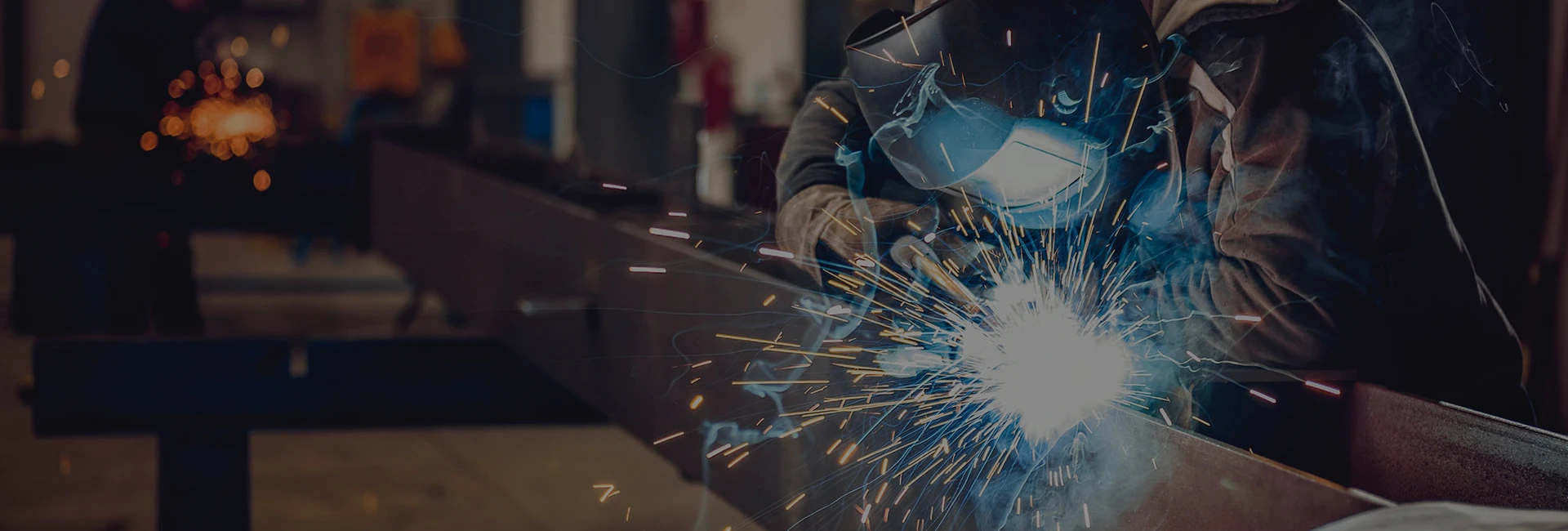
e7018 Electrode – Durable, Low-Hydrogen Welding Electrode for Structural Steel

e7018 Electrode – Durable, Low-Hydrogen Welding Electrode for Structural Steel
Nov . 30, 2025 16:55
The e7018 Electrode: The Unsung Hero of Welding Across the Globe
If you’ve ever wondered about the secret sauce behind sturdy bridges, oil pipelines, or even modern skyscrapers, it often comes down to something as seemingly simple as an e7018 electrode. Despite sounding technical and perhaps a bit obscure, this welding electrode plays a crucial role in how industries worldwide build and maintain structures we rely on daily. Its global importance stems from both its mechanical strength and versatility, making it a cornerstone in modern construction and manufacturing.
The magic of understanding the e7018 electrode lies in recognizing how quality welding directly influences safety, durability, and the lifespan of critical infrastructure — a matter that transcends borders and sectors. So, whether you’re in a remote factory in Asia or overseeing an ocean-spanning pipeline in Europe, the choice of electrodes like e7018 can be the difference between holding strong and costly failures.
Why the e7018 Electrode Matters Globally
Globally, structural failures and maintenance costs add up to billions of dollars annually. According to ISO standards and reports from the World Bank, construction and manufacturing defects often trace back to subpar welding practices. Enter the e7018 electrode, renowned for producing high-quality welds resistant to cracking and environmental stress.
For industries like shipbuilding, oil & gas, and infrastructure development, the e7018 electrode offers a reliable solution to meet strict safety and durability requirements. Plus, it responds well to automation trends, which is crucial as digital manufacturing advances.
However, challenges persist—such as inconsistent electrode quality from different suppliers or inadequate training in welders—which can limit the full benefit of e7018 electrodes worldwide.
What Exactly Is an e7018 Electrode?
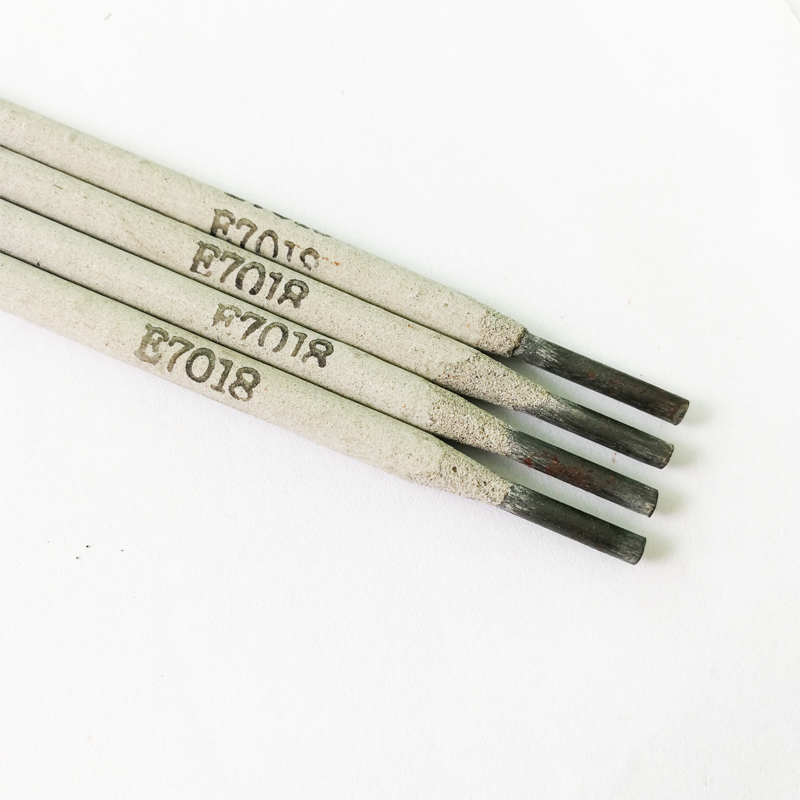
Simply put, the e7018 electrode is a stick welding rod covered with a low-hydrogen iron powder flux coating designed to produce strong, ductile welds. It’s part of the “70” series (hence the ‘70’ in the name), indicating a tensile strength around 70,000 psi, and “18” denotes its low-hydrogen, iron powder coating properties.
What makes it fascinating is its balance between strength and flexibility. In practical terms, this means structures welded using e7018 electrodes can endure stresses without cracking, which is especially important in dynamic or harsh environments.
It’s no wonder that the e7018 electrode has found its way into critical infrastructure projects, military equipment, and even humanitarian construction where high reliability and safety are non-negotiable.
Main Characteristics of the e7018 Electrode
- Low hydrogen content: Minimizes cracking in welds
- Iron powder coating: Enhances deposition rate and weld strength
- Versatility: Suitable for DC and AC welding, in various positions
- Deposits ductile weld metal: Allowing for shock and impact resistance
- Good slag removal: Ensures clean welds with less rework
Mini takeaway:
The e7018 electrode is a remarkably robust, low-hydrogen welding rod that balances ease of use with long-term structural performance.
Core Factors Elevating e7018 Electrode’s Industry Role
1. Durability & Strength
It consistently delivers tensile strengths upwards of 70,000 psi, ideal for structural steel welding where durability is paramount.
2. Cost Efficiency
Higher deposition rates mean projects move faster, reducing labor hours and overall expenses, even though it may be pricier per rod.
3. Ease of Use
While requiring some skill, many welders appreciate the smooth arc and low spatter, making cleaner, more efficient welds possible on-site.
4. Flexibility Across Environments
Whether repairing pipelines in freezing temperatures or building bridges under humid conditions, e7018 electrodes maintain their quality.
5. Consistency & Quality Control
Thanks to controlled manufacturing processes and certifications like AWS E6018 standards, users can rely on repeatable results with certified products.
| Property | Value | Notes |
|---|---|---|
| Tensile Strength | ≥70,000 psi (485 MPa) | Suitable for structural steel |
| Welding Positions | All Positions (1G, 2G, 3G, 4G) | Versatile in field conditions |
| Current Type | AC & DC+ | Widely adaptable power sources |
| Coating Type | Low Hydrogen Iron Powder | Reduced crack risk |
| Typical Diameter Range | 1/8" to 5/32" (3.2mm to 4.0mm) | Common sizes for structural work |
Global Applications & Noteworthy Use Cases
Admiring its role is easy when looking at real-world impact. In the oil sands of Canada, e7018 welding rods are the go-to choice for joining high-strength steel pipes that must withstand thermal cycling and corrosive conditions. Meanwhile, European shipbuilders use them extensively to create durable hulls designed to brave rough seas and icy waters.
In post-disaster relief efforts, rapid infrastructure repair calls for electrodes that weld reliably even in less-than-ideal conditions — here, the e7018 electrode shines by providing ductile and crack-resistant welds when lives depend on quick turnaround.
Similarly, emerging economies with booming infrastructure pipelines find this electrode vital for ensuring their new bridges and stadiums won’t just look good initially but stand the test of time.
Vendor Comparison: Common e7018 Electrode Brands
| Brand | Certification | Price Range (per lb) | Notable Features |
|---|---|---|---|
| Jinlong | AWS E7018-1 | $3.50 - $4.20 | Stable arc, low spatter, excellent slag removal |
| Lincoln Electric | AWS E7018-1 | $4.00 - $5.00 | Consistent quality, wide distributor network |
| ESAB | AWS E7018-1 | $4.20 - $5.30 | High performance in structural applications |
Why Choose an e7018 Electrode? The Advantages & Long-Term Value
Okay, so many welding rods are out there, but the long-term value of the e7018 electrode really comes down to a few intertwined reasons:
- Reliability: Once it’s down, welds resist cracking, fatigue, and corrosion much better than generic rods.
- Cost Savings: Sure, the electrode might cost more upfront, but lower rework, fewer failures, and less downtime boost savings across projects.
- Safety: Ultimately, a strong weld protects people and assets, which — frankly — is priceless.
- Sustainability: Because longer-lasting welds reduce waste and resource use, the e7018 electrode can be seen as more eco-conscious.
- Innovation: Its compatibility with modern automated and robotic welding systems supports future manufacturing trends.
Expected Future Trends for e7018 Electrodes
As the welding industry embraces green energy and automation, the humble e7018 electrode is evolving too. Research is ongoing into powder coatings that reduce hydrogen even further, minimize fumes, or enhance deposition rates. Plus, integrating AI-controlled welding machines that select ideal rods and settings based on real-time inputs means better quality welds with less human error.
Also, with a growing focus on sustainability, future standards might encourage eco-friendlier electrode manufacturing or recycling processes — which aligns nicely with e7018’s already strong durability profile.
Common Challenges & How Professionals Tackle Them
One frequently reported challenge is moisture absorption. Because low-hydrogen electrodes like e7018 are sensitive to moisture, improper storage can lead to weld defects such as cracking. Professionals typically employ oven-drying and sealed packaging to counter this.
Another limitation is that not all welders are familiar with the optimal current settings or welding techniques for e7018, which can impact results. Many companies now focus on training and certification to bridge skill gaps.
FAQs About the e7018 Electrode
- Q: What makes the e7018 electrode stand out compared to other welding rods?
- A: Its low-hydrogen iron powder coating reduces cracking risks and provides a smooth, stable arc for strong, ductile welds, making it ideal for critical structural applications.
- Q: Can the e7018 electrode be used outdoors?
- A: Yes, but it requires proper storage to keep moisture out. Also, welders should adjust their technique based on weather conditions to ensure quality.
- Q: Is the e7018 electrode suitable for automated welding systems?
- A: Absolutely — many modern robotic welders employ e7018 rods due to their consistent performance and adaptability to various current types and positions.
- Q: How should an e7018 electrode be stored?
- A: Keep it in a dry, sealed environment or rod oven at 250°F (120°C) to prevent moisture absorption, which causes weld defects.
Wrapping Up: Why the e7018 Electrode Remains a Top Choice
The e7018 electrode’s blend of strength, versatility, and reliability makes it a linchpin in welding across continents and industries. It’s quite the unsung workhorse — quietly ensuring that infrastructure lasts, that repairs hold, and that safety standards aren’t compromised. For anyone serious about producing sound, resilient welds, the e7018 electrode isn’t just an option; it’s often the best choice.
Thinking of upgrading your welding supplies or wanting to learn more about high-quality consumables? Visit our website: https://www.jinlongweldingelectrode.com — where reliable welding starts.
References

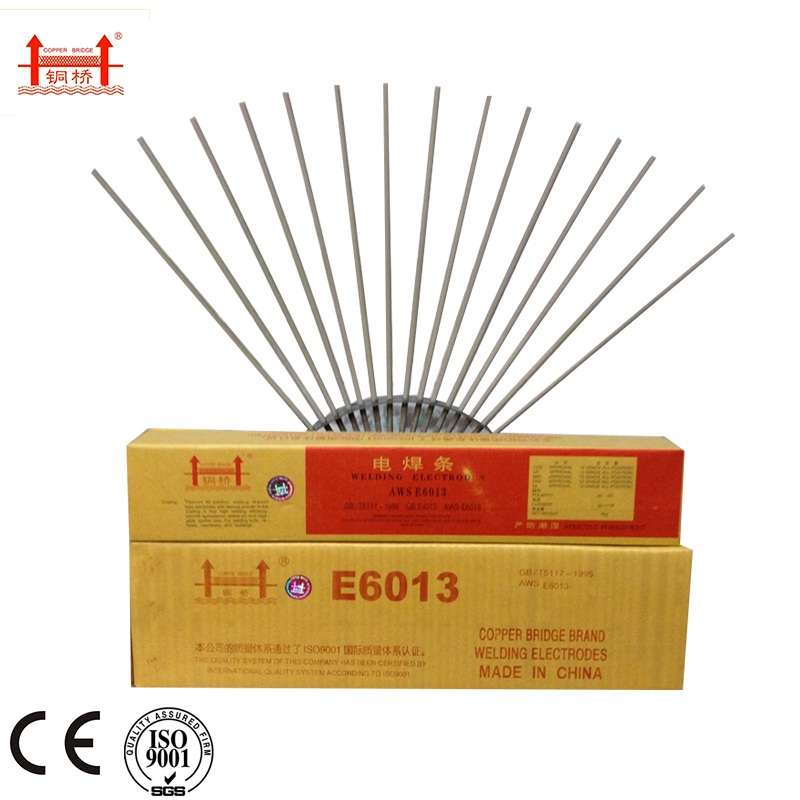
Related Video

Related News
2026-04-16 02:35:10
Precision Guide for e312 16 welding rod and Dissimilar Steel Welding
In the demanding world of industrial fabrication and repair, selecting the correct filler metal is the difference between a structural failure and a lifetime bond. The e312 16 welding rod is specifically engineered to meet the rigorous needs of welding dissimilar steels, offering an exceptional balance of strength and corrosion resistance. Whether you are working on high-pressure pipelines or heavy machinery components, understanding the nuances of this specialized electrode is key to achieving professional-grade results. This guide explores the technical advantages and practical applications of the E312 series to help you optimize your welding workflow.
2026-04-09 02:35:17
Choosing the Right cs to ss welding rod number Professional Guide
Joining carbon steel (CS) to stainless steel (SS) is a common challenge in industrial fabrication, requiring a precise understanding of metallurgy to avoid weld failure. The most critical decision in this process is identifying the correct cs to ss welding rod number to ensure a strong, corrosion-resistant bond. Using the wrong filler metal can lead to cracking or premature oxidation due to the different thermal expansion rates of the two materials. In this comprehensive guide, we will break down the technical specifications and selection criteria to help you achieve a professional-grade weld every time.
2026-04-07 02:25:29
Comprehensive Guide to 409 Welding Rod Selection and Optimal Usage
When it comes to welding applications requiring corrosion resistance and good weldability, the 409 welding rod is a frequently chosen option. This article provides a detailed overview of this versatile welding rod, exploring its composition, applications, benefits, and considerations for optimal use. Whether you’re a seasoned professional or new to welding, understanding the properties of 409 welding rod is crucial for achieving high-quality, durable welds. We’ll cover everything you need to know to make informed decisions for your welding projects.
2026-04-04 02:35:28
Comprehensive Guide to 330 Stainless Steel Welding Rod Applications and Techniques
330 stainless steel welding rods are a crucial component in various industries, offering exceptional corrosion resistance and high-temperature strength. This article provides an in-depth look at these rods, covering their properties, applications, choosing the right rod, welding techniques, safety precautions, and where to find high-quality options. Whether you're a seasoned welding professional or new to the field, this guide will offer valuable insights.
2026-03-31 02:35:08
Comprehensive Guide to 312 Stainless Tig Rod for Superior Welding Performance
When choosing the right filler metal for your TIG welding projects, especially in demanding applications, 312 stainless steel tig rod stands out for its exceptional corrosion resistance and high-temperature strength. This comprehensive guide will explore its composition, applications, benefits, and how it compares to other stainless steel rods. We'll also point you to resources for sourcing high-quality rods.
2026-03-28 02:45:04
Comprehensive Guide to 312 17 Welding Rod Applications and Technical Details
Welding rods are essential consumables in the welding process, and selecting the right one is crucial for achieving strong, durable, and high-quality welds. The 312 17 welding rod is a popular choice for many applications due to its unique properties and versatility. This article delves into the characteristics, applications, benefits, and considerations when using 312 17 welding rods, providing a comprehensive resource for welders and engineers alike. Choosing the right rod directly impacts the success and longevity of any welding project.
2026-03-26 02:35:10
Comprehensive Guide to the 312 16 Welding Rod for Superior Steel Welding
The 312 16 welding rod is a versatile and widely-used electrode in various welding applications. Known for its excellent weldability and strong mechanical properties, it's a go-to choice for professionals and hobbyists alike. This article delves into the specifics of this electrode, covering its composition, applications, advantages, and how to choose the right one for your projects. Understanding the nuances of the 312 16 welding rod is crucial for achieving high-quality, durable welds. The designation "312 16" provides key information about the welding rod. "312" refers to the type of flux coating, specifically a low-hydrogen, iron powder coating. This coating is designed to produce welds with excellent mechanical properties and good resistance to cracking. The "16" indicates the diameter of the rod in 32nds of an inch – so a 312 16 rod has a diameter of 16/32 or 1/2 inch. This combination makes it suitable for a wide range of steel welding applications. The low-hydrogen nature of the flux minimizes hydrogen-induced cracking, a common issue in welding certain steels.
2026-03-24 02:45:07
Comprehensive Guide to 309LSI TIG Rod Welding Applications and Best Practices
The 309LSI TIG rod is a versatile welding consumable widely used across various industries for its exceptional corrosion resistance and weldability. This article will explore the properties, applications, advantages, and best practices associated with using 309LSI TIG rods. Whether you're a seasoned welding professional or new to the field, this guide will provide you with valuable insights into maximizing the performance and longevity of your welds. The 309LSI TIG rod is a stainless steel electrode specifically designed for Gas Tungsten Arc Welding (GTAW), commonly known as TIG welding. The "309LSI" designation indicates the alloy composition: 309 signifies the chromium-nickel content, 'L' denotes low carbon content for enhanced corrosion resistance, and 'SI' signifies stabilized with silicon for improved resistance to carbide precipitation during welding.

 English
  Arabic
  Bengali
  China
China  French
  German
  Hausa
Hausa  Indonesian
  Italian
  Japanese
  Javanese
  Malay
Malay  Persian
  Portuguese
  Punjabi
  Russian
  Spanish
  Swahili
  Telugu
  Vietnamese