

E6013 Welding Electrodes: All-Position General Purpose Rods

E6013 Welding Electrodes: All-Position General Purpose Rods
Sep . 19, 2025 20:55
Understanding Eletrodo 6013: A Foundation for Industrial Welding Excellence
In the demanding landscape of industrial fabrication and maintenance, the selection of appropriate welding consumables is paramount to achieving structural integrity and operational longevity. Among the myriad options available, the eletrodo 6013 stands out as a versatile and widely utilized shielded metal arc welding (SMAW) electrode. This general-purpose electrode is revered for its excellent operability in all positions, making it an indispensable tool across a broad spectrum of applications, from light fabrication to repair work in critical infrastructure.
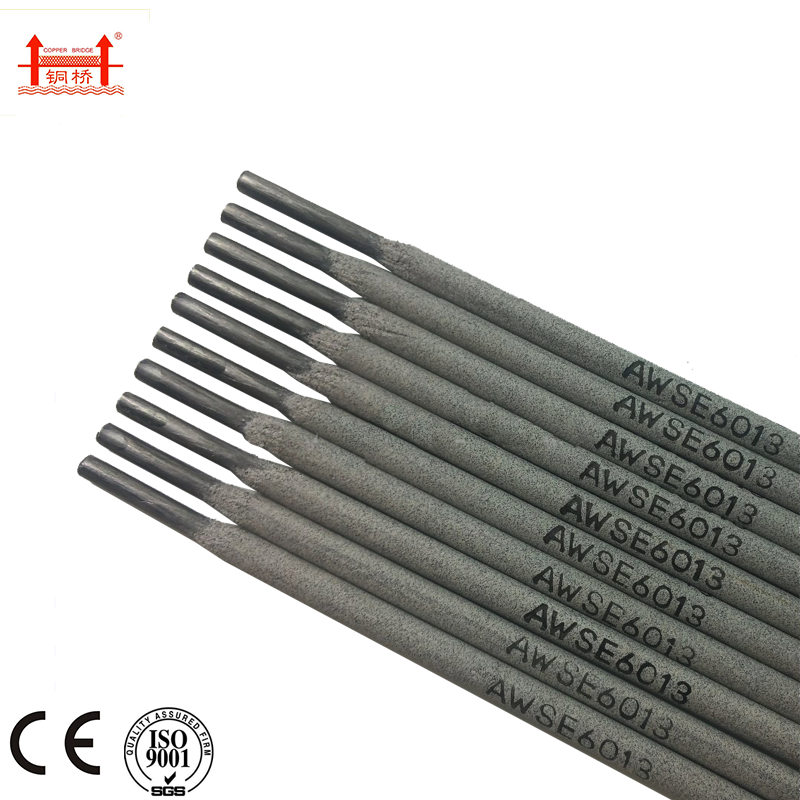
The designation "6013" itself conveys crucial technical information. As per AWS (American Welding Society) classification A5.1/A5.1M, the "60" indicates a minimum tensile strength of 60,000 psi (approximately 410 MPa) in the as-welded condition. The "1" signifies that it can be used in all welding positions (flat, horizontal, vertical, and overhead). The "3" denotes the type of coating and current capabilities, specifically a titania or rutile-type coating, allowing for use with both AC and DC welding currents, and generally providing a smooth, stable arc with easy slag removal. This combination of properties makes the eletrodo 6013 a preferred choice for numerous welding professionals seeking efficiency and quality.
Key Technical Parameters and Industry Trends
Understanding the varying diameters is essential for precise application. Common sizes include the eletrodo 6013 1 5mm, ideal for thin materials and intricate work; the eletrodo 6013 2mm and eletrodo 6013 2 5mm (also referred to as eletrodo 6013 2 5), which are workhorses for general fabrication; and the larger eletrodo 6013 4mm, suited for heavier sections requiring greater deposition rates. These variations allow for optimal material penetration and bead aesthetics across different joint configurations and material thicknesses.
Current industry trends highlight an increasing demand for welding consumables that offer enhanced productivity, improved safety, and environmental compliance. Manufacturers of eletrodo 6013 are responding by developing formulations that reduce fume emissions, provide even easier arc striking, and ensure consistent performance across diverse batches. The push for automated and robotic welding solutions also indirectly influences electrode design, with a focus on more consistent feeding and arc stability, though E6013 remains predominantly a manual welding electrode.
The Manufacturing Process of Eletrodo 6013: Precision Engineering
The production of a high-quality eletrodo revestido 6013 is a sophisticated industrial process, demanding meticulous control over material selection and manufacturing stages. Unlike processes such as casting or forging, electrode manufacturing centers on precise material blending and extrusion to achieve optimal welding characteristics.
Process Flow Overview:
- Core Wire Preparation: The process begins with high-quality steel wire, typically low carbon steel, drawn to precise diameters. This wire acts as the electrical conductor and filler metal. Strict adherence to chemical composition standards ensures consistent metallurgical properties in the finished weld.
- Flux Formulation: The flux coating is a complex mixture of minerals, binding agents, and ferroalloys. For the eletrodo 6013, a rutile (titanium dioxide) base is prominent, contributing to a smooth, stable arc, easy slag removal, and good bead appearance. Other components may include cellulose for gas shielding, silicates for slag formation, and deoxidizers. Each ingredient is weighed and blended to exact specifications.
- Extrusion (Coating Application): The flux mixture is pressed onto the core wire using high-pressure extrusion dies. This ensures a concentric and uniform coating thickness along the entire length of the electrode, critical for stable arc performance. The coating thickness is precisely controlled to meet design specifications for current capacity and arc characteristics.
- Baking/Drying: After extrusion, the electrodes undergo a controlled baking process in specialized ovens. This step removes moisture from the flux coating, preventing hydrogen-induced cracking in the weld metal, and hardens the coating to ensure durability during handling and welding. Temperature and duration are critical parameters.
- Inspection and Testing: Finished electrodes are subjected to rigorous quality control. This includes visual inspection for coating uniformity, concentricity, and freedom from defects. Welding tests are performed to verify arc stability, spatter levels, slag removal, bead appearance, and mechanical properties of the weld metal (e.g., tensile strength, impact toughness).
- Packaging: Electrodes are packaged in moisture-resistant materials to maintain their integrity until use.
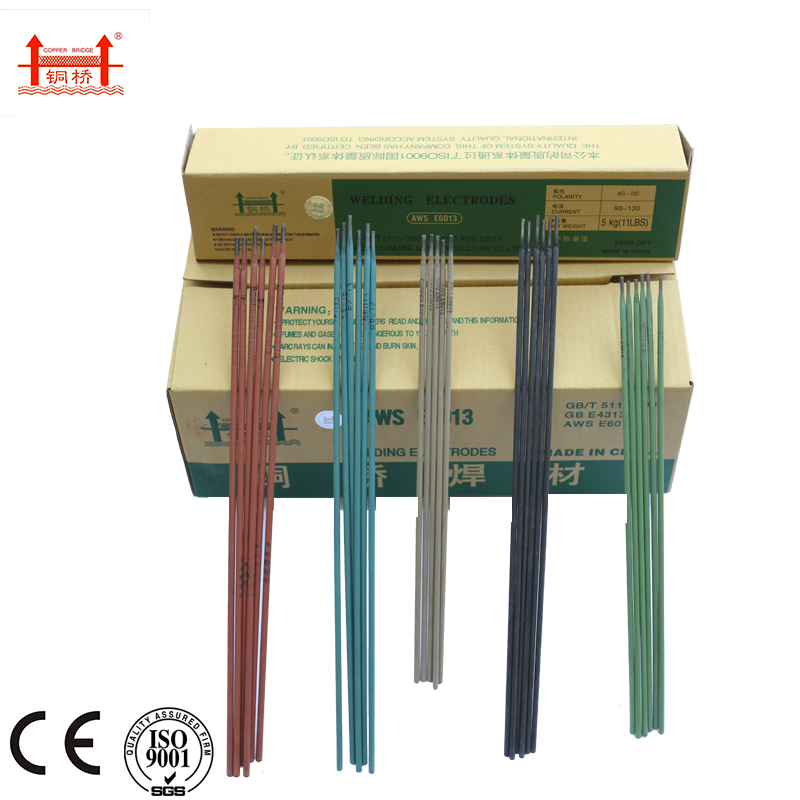
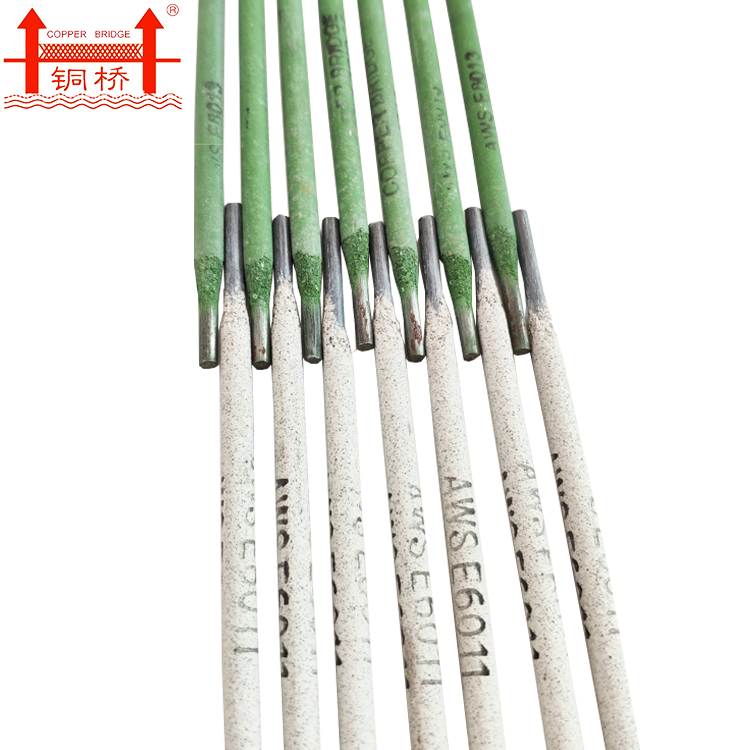
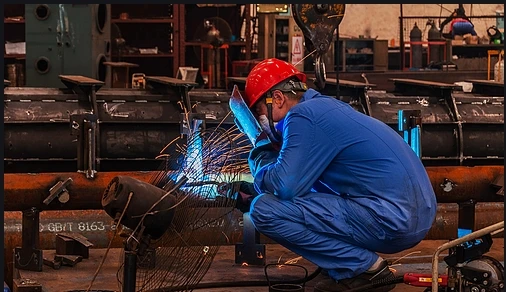
Figure 1: High-precision manufacturing ensures consistency and quality for eletrodo 6013.
Testing Standards and Quality Assurance
The quality of eletrodo 6013 is validated against stringent international standards such as AWS A5.1/A5.1M and ISO 2560. These standards define the required chemical composition of the weld metal, mechanical properties (tensile strength, yield strength, elongation, impact toughness), and operational characteristics. Adherence to ISO 9001 certified quality management systems ensures consistent product reliability, guaranteeing that each batch meets the specified performance criteria, contributing to an extended service life in critical applications.
Application Scenarios and Technical Advantages: Where E6013 Excels
When considering "eletrodo 6013 para que serve" or "what is e6013 used for", the answer lies in its exceptional versatility and ease of use. This electrode is designed for welding mild steel and is particularly well-suited for applications where excellent bead appearance, easy slag removal, and minimal spatter are desired.
Target Industries:
- General Fabrication: From workshops producing gates, fences, and metal furniture to structural components in light construction, the eletrodo 6013 is a staple due to its robust performance on sheet metal and general steel structures.
- Shipbuilding and Marine Applications: While not for highly critical structural welds, it finds use in non-structural components, fittings, and repair work where its all-position capability is invaluable.
- Automotive Repair and Maintenance: For chassis repairs, exhaust systems, and bodywork, its smooth arc and ease of control are beneficial.
- Agricultural Equipment: Repairing farm machinery, implements, and trailers where mild steel is prevalent.
- DIY and Hobbyist Welding: Its user-friendly nature makes it a popular choice for beginners and home users.
Technical Advantages and Operational Benefits:
- All-Position Welding: The primary advantage of the eletrodo 6013 is its ability to perform exceptionally well in all welding positions – flat, horizontal, vertical-up/down, and overhead. This flexibility significantly reduces the need for re-positioning workpieces, saving time and improving productivity.
- Smooth Arc and Easy Slag Removal: The rutile coating provides a very stable and smooth arc, even with low open-circuit voltage machines. The slag is typically voluminous and easily detachable, often peeling off by itself, which reduces post-weld cleaning time.
- Excellent Bead Appearance: Welds produced with E6013 typically have a fine, ripple-free appearance, making it suitable for applications where aesthetics are important.
- Good Penetration Control: While often considered a shallow penetration electrode, its control allows operators to manage penetration effectively, especially on thin materials without burn-through.
- AC/DC Compatibility: The ability to operate on both AC and DC (electrode positive or negative) welding machines offers immense flexibility, particularly in field applications where power sources may vary.
- Energy Saving and Corrosion Resistance: Modern formulations of eletrodo 6013 are optimized for energy efficiency, ensuring stable arc with lower current settings where appropriate. While not specifically a corrosion-resistant electrode for stainless steels, it provides sound, impermeable welds on mild steel, which can be further protected by coatings, enhancing the overall corrosion resistance of the fabricated assembly.
Eletrodo 6013 Product Specifications and Performance Data
For B2B decision-makers and engineering teams, detailed product specifications are critical for precise application matching and performance prediction. Below are typical parameters for quality eletrodo 6013.
Typical Chemical Composition of Weld Metal (%)
| Element | Typical Value (%) | AWS A5.1/A5.1M (E6013) |
|---|---|---|
| Carbon (C) | 0.05 - 0.12 | Max 0.20 |
| Manganese (Mn) | 0.30 - 0.60 | Max 1.25 |
| Silicon (Si) | 0.10 - 0.30 | Max 1.00 |
| Sulfur (S) | Max 0.025 | Max 0.035 |
| Phosphorus (P) | Max 0.025 | Max 0.040 |
Typical Mechanical Properties of Weld Metal (As-Welded)
| Property | Typical Value | AWS A5.1/A5.1M (E6013) Requirement |
|---|---|---|
| Tensile Strength (UTS) | 500-550 MPa (72-80 ksi) | ≥ 410 MPa (60 ksi) |
| Yield Strength (YS) | 400-450 MPa (58-65 ksi) | ≥ 330 MPa (48 ksi) |
| Elongation | 22-28% | ≥ 22% |
| Charpy V-notch Impact at 0°C (32°F) | ≥ 47 J (35 ft-lb) | Not specified by AWS for E6013, generally considered suitable for non-impact critical applications. |
Recommended Welding Current for Eletrodo 6013 (AC or DC)
The optimal current settings depend on the electrode diameter and welding position. These are general guidelines; fine-tuning may be necessary for specific applications.
| Electrode Diameter | Current Range (Amps) | Typical Use Cases |
|---|---|---|
| eletrodo 6013 1 5mm (1/16") | 20-40 A | Very thin sheet metal, intricate work, root passes. |
| eletrodo 6013 2mm (5/64") | 30-60 A | Thin sheet metal, small repair jobs, hobby welding. |
| eletrodo 6013 2 5mm (3/32") | 50-90 A | General fabrication, medium sheet metal, common for most workshops. |
| 3.2mm (1/8") | 80-130 A | Structural components, thicker sections, general construction. |
| eletrodo 6013 4mm (5/32") | 120-170 A | Heavy fabrication, high deposition rates on thicker materials. |
Customized Solutions and Strategic Vendor Comparison
While the standard eletrodo 6013 offers exceptional versatility, specific industrial applications often benefit from customized solutions. Leading manufacturers understand that unique project requirements—such as specialized operating conditions, environmental considerations, or specific mechanical property targets—may necessitate tailor-made welding consumables.
The Value of Customization:
Customization can involve modifications to flux composition to enhance specific characteristics, such as improved low-temperature impact toughness, reduced fume generation, or even color coding for easier identification in complex fabrication environments. Partnering with a manufacturer capable of delivering such bespoke solutions ensures optimal performance and efficiency for highly specialized welding tasks, reducing rework and increasing the longevity of welded structures.
Strategic Vendor Comparison:
Choosing the right supplier for welding electrodes is as crucial as selecting the electrode itself. B2B purchasers should evaluate vendors based on several key criteria:
- Quality and Consistency: Verified by certifications (e.g., ISO 9001, CE, TUV) and consistent batch-to-batch performance.
- Technical Support: Availability of application engineers and technical documentation.
- Logistics and Lead Time: Reliable supply chain, prompt delivery, and ability to fulfill large orders.
- Customization Capabilities: As discussed, the ability to tailor products for unique requirements.
- Cost-Effectiveness: Balancing initial purchase price with long-term performance, productivity, and reduced rework.
E6013 vs. Other General-Purpose Electrodes: A Brief Comparison
Understanding "what is the meaning of 6013 electrode" often involves comparing it to other common choices like E6010 and E7018. While all serve general purposes, their characteristics differ.
| Characteristic | E6013 (Rutile) | E6010 (Cellulosic) | E7018 (Low-Hydrogen) |
|---|---|---|---|
| Arc Type | Soft, Smooth, Stable | Forceful, Digging | Smooth, Penetrating |
| Penetration | Medium | Deep | Medium to Deep |
| Slag Removal | Very Easy, Self-Peeling | Moderate, Sometimes Stubborn | Moderate, Compact |
| Bead Appearance | Excellent, Smooth | Rough, Rippled | Smooth, Uniform |
| Welding Position | All positions | All positions (especially vertical-up) | All positions |
| Current Type | AC or DC | DC+ only | AC or DC+ |
| Hydrogen Content | Medium to High | High | Very Low (resists cracking) |
| Applications | General fabrication, sheet metal, good aesthetics | Pipe welding, dirty/rusty steel, root passes | Heavy fabrication, high-strength steels, critical applications |
This comparison highlights why eletrodo 6013 remains a go-to for many general applications, while E6010 is favored for penetration on unprepared surfaces, and E7018 for high-integrity, heavy structural welds requiring low hydrogen.
Real-World Application Case Studies and Customer Trust
The practical utility of eletrodo 6013 is best exemplified through its successful deployment in various industrial settings. These case studies underscore its reliability and the tangible benefits it brings to diverse B2B operations.
Case Study 1: Light Structural Fabrication for Commercial Buildings
A major construction firm fabricating non-load-bearing architectural elements for commercial complexes standardized on eletrodo 6013 2 5mm and 3.2mm for their workshop operations. The decision was driven by the need for high-quality aesthetics, minimal post-weld cleaning, and the ability to train new welders quickly due to the electrode's ease of use. The firm reported a 15% reduction in grinding and finishing time, coupled with consistent weld quality that passed visual inspections effortlessly, directly impacting project timelines and labor costs.
Case Study 2: Maintenance and Repair in a Petrochemical Plant
During a routine shutdown, a petrochemical facility needed to perform numerous non-critical repairs on platforms, pipe supports, and access ladders. Given the varied positions and sometimes restricted access, the all-position capability of the eletrodo 6013 was crucial. Welding crews utilized both eletrodo 6013 2mm and 3.2mm for effective and rapid repairs, minimizing downtime. The easy arc strike and stable arc even with less experienced personnel ensured safety and efficiency in a challenging environment.
Customer Feedback:
"Our fabrication shop has been using Jinlong Welding Electrode's eletrodo 6013 for years. The consistency in quality, coupled with their reliable supply chain, has made them an invaluable partner. The welders appreciate the smooth arc and easy slag removal, which translates directly into higher productivity and better finished products."
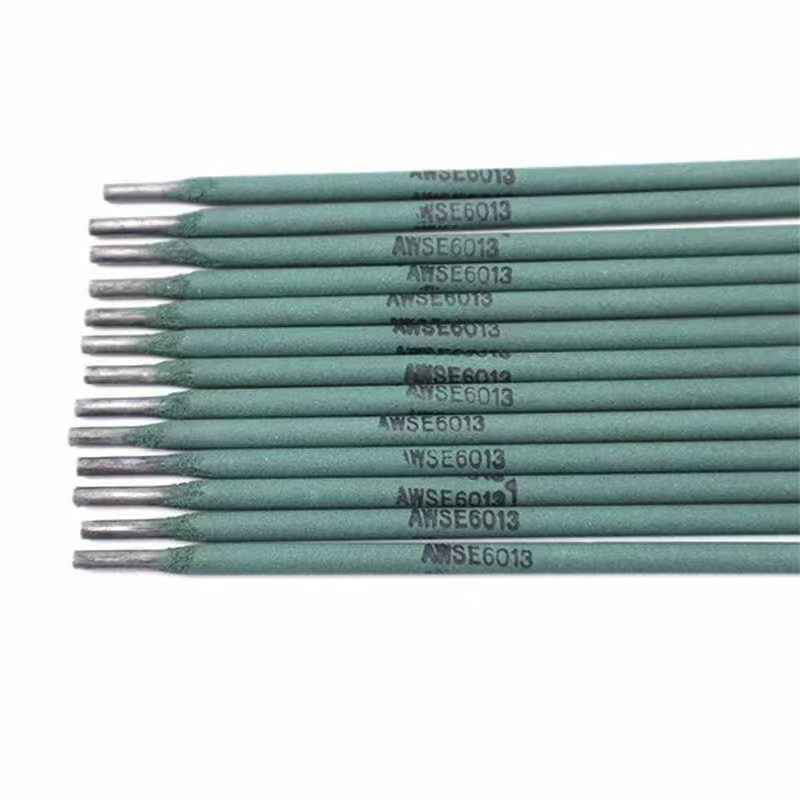
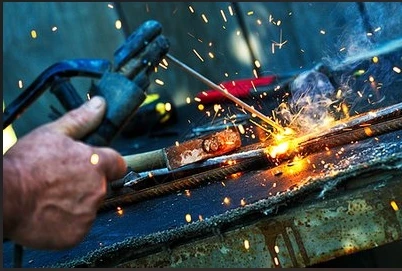
Figure 2: Eletrodo 6013 in action, demonstrating its versatility across various applications.
Ensuring Trust and Reliability: Your Partner in Welding Consumables
Building lasting B2B relationships requires unwavering commitment to quality, transparency, and robust support infrastructure. As a provider of high-quality eletrodo 6013, our approach is built on principles that ensure trust and deliver value to our clients.
Authoritativeness & Certifications:
Our manufacturing processes and products, including the entire range of eletrodo 6013 sizes, are rigorously certified to international standards. This includes ISO 9001 for quality management systems, CE marking for European conformity, and adherence to specific AWS A5.1/A5.1M standards. These certifications are not merely badges but represent a commitment to consistent quality, safety, and performance, verified by independent authoritative bodies. With extensive years of service in the welding industry, we have cultivated partnerships with leading enterprises globally, solidifying our reputation as a trusted supplier.
Trustworthiness & Support Infrastructure:
Frequently Asked Questions (FAQ):
- Q: What is the primary difference between E6013 and E7018 electrodes?
- A: The eletrodo 6013 is a rutile-type electrode offering a smooth arc, easy slag removal, and excellent aesthetics, suitable for general fabrication and light structural work. E7018 is a low-hydrogen, iron powder electrode designed for higher strength, crack resistance, and critical structural applications, especially on thicker materials. E7018 typically has better impact properties.
- Q: Can eletrodo 6013 be used for vertical-down welding?
- A: Yes, eletrodo 6013 is suitable for vertical-down welding, particularly with smaller diameters (e.g., eletrodo 6013 2 5mm), due to its fluid puddle and quick-freezing slag. However, vertical-up typically provides better penetration and mechanical properties for structural welds.
- Q: How should eletrodo 6013 be stored to maintain its quality?
- A: E6013 electrodes should be stored in dry conditions, ideally in sealed packaging or a heated cabinet (oven) at approximately 10-50°C (50-120°F) to prevent moisture absorption, though they are less susceptible to hydrogen cracking than low-hydrogen electrodes.
Lead Time and Fulfillment:
We maintain efficient production lines and robust inventory management to ensure timely fulfillment of orders, from standard stock items to customized batches. Our typical lead times for standard eletrodo 6013 orders range from 2-4 weeks, with expedited options available for urgent requirements. Detailed logistics planning and global shipping capabilities ensure that products reach our clients efficiently, minimizing project delays.
Warranty Commitments:
All our eletrodo 6013 products are backed by a comprehensive quality warranty, guaranteeing performance in accordance with published specifications and international standards for a period of [e.g., 12 months] from the date of purchase, provided proper storage and usage conditions are met. Our commitment extends to addressing any manufacturing defects swiftly and effectively.
Customer Support:
Our dedicated technical support team comprises experienced welding engineers ready to assist with product selection, application guidance, troubleshooting, and custom solution development. We offer multi-channel support via phone, email, and on-site visits where necessary, ensuring that our clients receive expert assistance whenever needed.
Conclusion
The eletrodo 6013 remains a cornerstone in the world of industrial welding, offering unparalleled versatility, ease of use, and dependable performance for a multitude of mild steel applications. Its consistent quality, supported by rigorous manufacturing standards and comprehensive technical specifications across various sizes like eletrodo 6013 2 5mm and eletrodo 6013 4mm, makes it an intelligent choice for B2B professionals. By understanding its capabilities, leveraging customized solutions, and partnering with a reputable vendor, industries can enhance productivity, ensure weld integrity, and achieve superior operational outcomes.
References
- American Welding Society. (2012). AWS A5.1/A5.1M:2012 Specification for Carbon Steel Electrodes for Shielded Metal Arc Welding. Miami, FL: American Welding Society.
- International Organization for Standardization. (2004). ISO 2560:2004 Welding consumables — Covered electrodes for manual metal arc welding of non-alloy and fine grain steels — Classification. Geneva, Switzerland: ISO.
- The Welding Institute (TWI). (n.d.). Welding Consumables: Carbon Steel Electrodes. Retrieved from TWI Global.

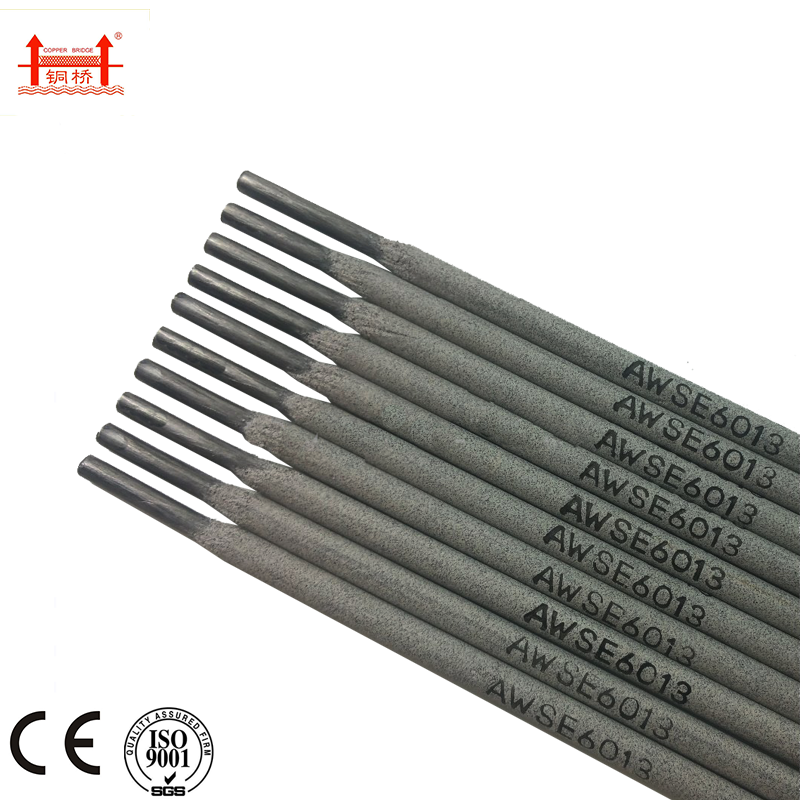
Related Video

Related News

2026-04-16 02:35:10
Precision Guide for e312 16 welding rod and Dissimilar Steel Welding
In the demanding world of industrial fabrication and repair, selecting the correct filler metal is the difference between a structural failure and a lifetime bond. The e312 16 welding rod is specifically engineered to meet the rigorous needs of welding dissimilar steels, offering an exceptional balance of strength and corrosion resistance. Whether you are working on high-pressure pipelines or heavy machinery components, understanding the nuances of this specialized electrode is key to achieving professional-grade results. This guide explores the technical advantages and practical applications of the E312 series to help you optimize your welding workflow.
2026-04-09 02:35:17
Choosing the Right cs to ss welding rod number Professional Guide
Joining carbon steel (CS) to stainless steel (SS) is a common challenge in industrial fabrication, requiring a precise understanding of metallurgy to avoid weld failure. The most critical decision in this process is identifying the correct cs to ss welding rod number to ensure a strong, corrosion-resistant bond. Using the wrong filler metal can lead to cracking or premature oxidation due to the different thermal expansion rates of the two materials. In this comprehensive guide, we will break down the technical specifications and selection criteria to help you achieve a professional-grade weld every time.
2026-04-07 02:25:29
Comprehensive Guide to 409 Welding Rod Selection and Optimal Usage
When it comes to welding applications requiring corrosion resistance and good weldability, the 409 welding rod is a frequently chosen option. This article provides a detailed overview of this versatile welding rod, exploring its composition, applications, benefits, and considerations for optimal use. Whether you’re a seasoned professional or new to welding, understanding the properties of 409 welding rod is crucial for achieving high-quality, durable welds. We’ll cover everything you need to know to make informed decisions for your welding projects.
2026-04-04 02:35:28
Comprehensive Guide to 330 Stainless Steel Welding Rod Applications and Techniques
330 stainless steel welding rods are a crucial component in various industries, offering exceptional corrosion resistance and high-temperature strength. This article provides an in-depth look at these rods, covering their properties, applications, choosing the right rod, welding techniques, safety precautions, and where to find high-quality options. Whether you're a seasoned welding professional or new to the field, this guide will offer valuable insights.
2026-03-31 02:35:08
Comprehensive Guide to 312 Stainless Tig Rod for Superior Welding Performance
When choosing the right filler metal for your TIG welding projects, especially in demanding applications, 312 stainless steel tig rod stands out for its exceptional corrosion resistance and high-temperature strength. This comprehensive guide will explore its composition, applications, benefits, and how it compares to other stainless steel rods. We'll also point you to resources for sourcing high-quality rods.
2026-03-28 02:45:04
Comprehensive Guide to 312 17 Welding Rod Applications and Technical Details
Welding rods are essential consumables in the welding process, and selecting the right one is crucial for achieving strong, durable, and high-quality welds. The 312 17 welding rod is a popular choice for many applications due to its unique properties and versatility. This article delves into the characteristics, applications, benefits, and considerations when using 312 17 welding rods, providing a comprehensive resource for welders and engineers alike. Choosing the right rod directly impacts the success and longevity of any welding project.
2026-03-26 02:35:10
Comprehensive Guide to the 312 16 Welding Rod for Superior Steel Welding
The 312 16 welding rod is a versatile and widely-used electrode in various welding applications. Known for its excellent weldability and strong mechanical properties, it's a go-to choice for professionals and hobbyists alike. This article delves into the specifics of this electrode, covering its composition, applications, advantages, and how to choose the right one for your projects. Understanding the nuances of the 312 16 welding rod is crucial for achieving high-quality, durable welds. The designation "312 16" provides key information about the welding rod. "312" refers to the type of flux coating, specifically a low-hydrogen, iron powder coating. This coating is designed to produce welds with excellent mechanical properties and good resistance to cracking. The "16" indicates the diameter of the rod in 32nds of an inch – so a 312 16 rod has a diameter of 16/32 or 1/2 inch. This combination makes it suitable for a wide range of steel welding applications. The low-hydrogen nature of the flux minimizes hydrogen-induced cracking, a common issue in welding certain steels.
2026-03-24 02:45:07
Comprehensive Guide to 309LSI TIG Rod Welding Applications and Best Practices
The 309LSI TIG rod is a versatile welding consumable widely used across various industries for its exceptional corrosion resistance and weldability. This article will explore the properties, applications, advantages, and best practices associated with using 309LSI TIG rods. Whether you're a seasoned welding professional or new to the field, this guide will provide you with valuable insights into maximizing the performance and longevity of your welds. The 309LSI TIG rod is a stainless steel electrode specifically designed for Gas Tungsten Arc Welding (GTAW), commonly known as TIG welding. The "309LSI" designation indicates the alloy composition: 309 signifies the chromium-nickel content, 'L' denotes low carbon content for enhanced corrosion resistance, and 'SI' signifies stabilized with silicon for improved resistance to carbide precipitation during welding.

 English
  Arabic
  Bengali
  China
China  French
  German
  Hausa
Hausa  Indonesian
  Italian
  Japanese
  Javanese
  Malay
Malay  Persian
  Portuguese
  Punjabi
  Russian
  Spanish
  Swahili
  Telugu
  Vietnamese