

Comprehensive Guide to SS Welding Rods: Applications, Benefits & Innovations

Comprehensive Guide to SS Welding Rods: Applications, Benefits & Innovations
Dec . 07, 2025 14:46
Understanding SS Welding Rod: Essential Insights for Industry and Innovation
At first glance, the term “ss welding rod” might just sound like another industrial jargon. But, honestly, this tool is a fundamental piece in modern manufacturing and construction, impacting global development in ways many don’t realize. Stainless steel welding rods enable durable and corrosion-resistant joints critical in everything from skyscrapers to medical devices. Grasping what ss welding rods are — why they matter and how they’re evolving — is key for engineers, fabricators, and even humanitarian agencies reliant on robust infrastructure.
Introduction: Why ss Welding Rods Matter Globally
Stainless steel, or SS, is celebrated worldwide for its corrosion resistance and strength. According to the International Stainless Steel Forum (ISSF), global stainless steel production reached around 54 million tonnes in 2022, underpinning sectors like construction, transportation, and healthcare. Welding rods specifically designed for stainless steel, often called SS welding rods, ensure the integrity of welded joints under extreme environmental conditions.
Yet, challenges persist—fabricating joints that are both strong and resistant to chemical breakdown is complex. Industrial sectors, especially in harsh climates or demanding chemical environments, rely on precisely formulated welding rods to meet these needs. This makes ss welding rods indispensable globally, where reliability is non-negotiable.
Defining ss Welding Rod
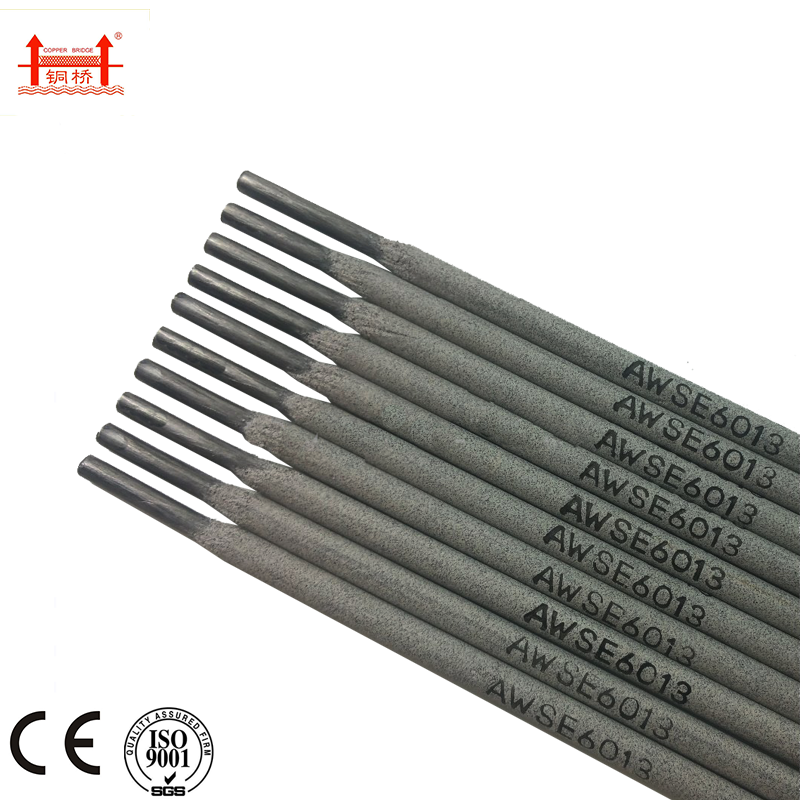
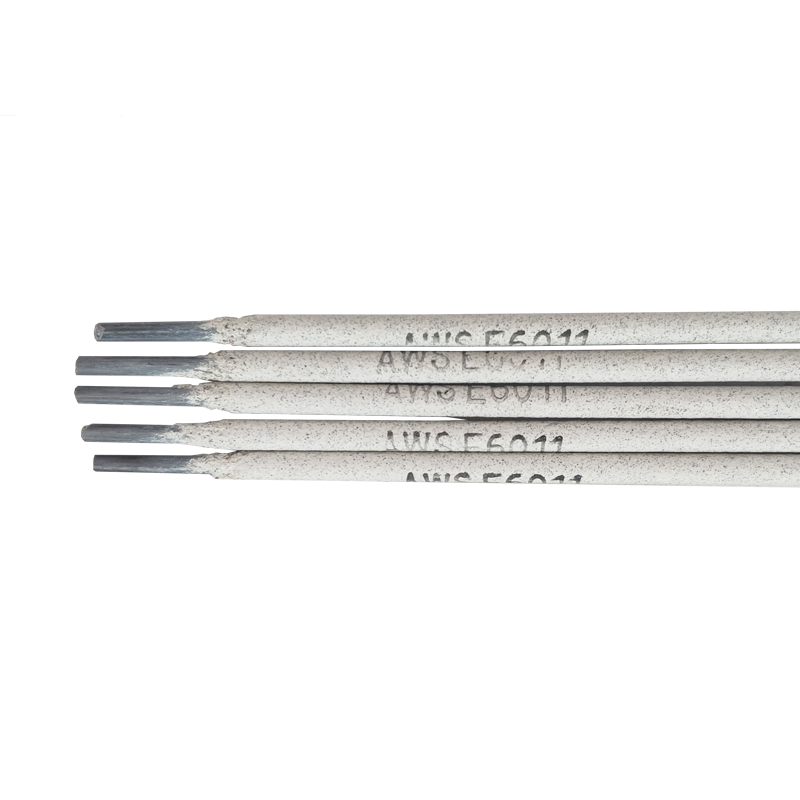
Simply put, an ss welding rod is a consumable used in arc welding stainless steel. It acts much like a filler, melting into the joint to bond metal parts seamlessly. Their alloys are designed to match or complement the base stainless steel's properties—typically chromium-nickel blends providing corrosion resistance and strength. This connection between rod composition and base metal ensures that welds withstand mechanical stress and environmental attack.
These rods are central in industries such as chemical processing, food production, maritime engineering, and medical equipment manufacturing — domains where the stakes for material performance and hygiene are high.
Core Components and Key Factors in ss Welding Rods
1. Alloy Composition
The core alloy usually includes chromium (≥12%), nickel, and sometimes molybdenum for enhanced corrosion resistance. The specific formulation depends on the stainless steel grade being welded (like 304, 316). This impacts the weld's durability and chemical resistance.
2. Welding Process Compatibility
SS welding rods come tailored for processes such as TIG (Tungsten Inert Gas) or MMA (Manual Metal Arc) welding. Selecting the appropriate rod ensures smooth operation and high-quality welds.
3. Mechanical Strength and Flexibility
An ideal ss rod provides balanced tensile strength and some ductility to absorb stress, preventing brittle weld fractures that compromise safety.
4. Corrosion Resistance
Since stainless steels are prized mainly for corrosion resistance, the rod must maintain this trait, especially in aggressive environments like seawater or acidic atmospheres.
5. Surface Finish
The ease of producing clean, smooth welds affects not only aesthetics but also practical outcomes like food-grade surface finish or architectural design flushness.
Mini Takeaway: The choice and formulation of an ss welding rod is a precise science vital to building strong, lasting, and corrosion-resistant joints in critical applications.
Global Applications of SS Welding Rods
The range of ss welding rod applications is broad. For instance:
- Oil & Gas Industry: Pipelines endure harsh, corrosive conditions; ss welding rods help ensure leak-proof welds.
- Food & Beverage: Hygienic maintenance in stainless steel tanks and conveyors depends on proper welding rods to avoid contamination.
- Infrastructure: Bridges, railways, and high-rise buildings require welds that resist weathering and stress.
- Healthcare: Instruments and surgical equipment need flawless welds for both durability and sterility.
- Humanitarian Relief: In post-disaster reconstruction or remote industrial setups, ss rods enable fast, reliable fabrication of shelters or equipment.
Regions with coastal industries, like Southeast Asia and the Gulf, increasingly depend on ss welding rods to withstand salty, corrosive air. Meanwhile, manufacturers in Europe and North America drive innovation to produce rods that reduce environmental impact.
Advantages and Long-Term Value of SS Welding Rods
Using the right ss welding rods isn’t just a technical choice; it bears tangible benefits:
- Cost-Effectiveness: Strong welds last longer, cutting down repair and replacement expenses.
- Sustainability: Durable stainless steel structures minimize waste and promote circular economy principles.
- Safety and Trust: Industrial failures due to weld faults can be catastrophic—reliable rods ensure safety confidence.
- Innovation: High-quality rods enable complex architectures and new product designs.
- Social Impact: Proper construction and manufacturing elevate community resilience and livelihoods.
Technical Specs of a Representative SS Welding Rod
| Property | Specification |
|---|---|
| Alloy Type | 304 Stainless Steel |
| Diameter | 2.5 mm |
| Welding Type | MIG & TIG Compatible |
| Tensile Strength | 540 MPa |
| Corrosion Resistance | Excellent in marine environments |
Vendor Comparison: Major SS Welding Rod Manufacturers
| Vendor | Product Range | Price (per kg) | Quality Certifications | Delivery Options |
|---|---|---|---|---|
| Jinlong Welding Electrode | Wide (304, 316 grades) | $15 – $22 | ISO 9001, ISO 14001 | Global shipping & express |
| Lincoln Electric | Extensive, specialized rods | $20 – $28 | ASME, AWS Certified | Domestic & international |
| ESAB | Broad, including green welding rods | $18 – $25 | ISO 9001, RoHS | Global network |
Future Trends and Innovations in SS Welding Rods
Looking forward, ss welding rods are evolving with industry demands. For example, eco-friendly rods with lower emissions during welding are gaining traction, aligning with green manufacturing goals. Manufacturers experiment with nano-alloys to improve weld toughness and corrosion resistance further. There's also a digital shift—for instance, sensors embedded in welding equipment to optimize rod feed and angles, reducing human errors and improving joint quality.
Automation and robotic welding insist on rods that provide consistent quality across millions of repetitive welds. This will accelerate quality uniformity, especially in automotive and shipbuilding industries.
Challenges and Their Solutions
Despite their advantages, ss welding rods have challenges. Improper storage can lead to moisture absorption causing weld defects like porosity. Also, mismatched rod grades can cause cracking or corrosion at the joint. Training and standard adherence are sometimes lacking in fast-paced manufacturing environments.
Innovative solutions include pre-packaged, vacuum-sealed rods for moisture control and improved training programs using augmented reality (AR) to help welders understand rod choice and techniques better. The focus continues to improve predictability, traceability, and weld integrity.
FAQ: Frequently Asked Questions About ss Welding Rod
- What is the best ss welding rod for marine applications?
- The 316 grade stainless steel welding rods are generally preferred for marine environments due to their higher molybdenum content, providing superior corrosion resistance against saltwater.
- Can ss welding rods be used on non-stainless steel metals?
- Not typically. SS welding rods are designed to match stainless steel alloys. Using them on carbon steel risks weld defects and reduced corrosion resistance.
- How should ss welding rods be stored to maintain quality?
- Storing in dry, low-humidity environments is crucial. Vacuum-sealed packaging or rod ovens can prevent moisture uptake and porosity in welds.
- Is it difficult to weld with ss rods compared to carbon steel rods?
- Yes, somewhat. Stainless steel demands more precise control of heat input and shielding gas to avoid weld discoloration and cracking, so proper training and equipment help.
Conclusion
In the big picture, an ss welding rod isn’t just metal—it’s a bridge between structural integrity and longevity, between functionality and resilience. Choosing the right stainless steel welding rod for your applications translates into reliable, corrosion-resistant projects that stand the test of time, environment, and use.
For more information on premium quality ss welding rods and expert guidance, visit ss welding rod.
Fredric Johnson, Senior Metallurgical Engineer and Industry Consultant
References:
In essence, the humble ss welding rod carries the weight of global manufacture and innovation—pretty impressive for something so small, don't you think?

Related Video

Related News


2026-04-16 02:35:10
Precision Guide for e312 16 welding rod and Dissimilar Steel Welding
In the demanding world of industrial fabrication and repair, selecting the correct filler metal is the difference between a structural failure and a lifetime bond. The e312 16 welding rod is specifically engineered to meet the rigorous needs of welding dissimilar steels, offering an exceptional balance of strength and corrosion resistance. Whether you are working on high-pressure pipelines or heavy machinery components, understanding the nuances of this specialized electrode is key to achieving professional-grade results. This guide explores the technical advantages and practical applications of the E312 series to help you optimize your welding workflow.
2026-04-09 02:35:17
Choosing the Right cs to ss welding rod number Professional Guide
Joining carbon steel (CS) to stainless steel (SS) is a common challenge in industrial fabrication, requiring a precise understanding of metallurgy to avoid weld failure. The most critical decision in this process is identifying the correct cs to ss welding rod number to ensure a strong, corrosion-resistant bond. Using the wrong filler metal can lead to cracking or premature oxidation due to the different thermal expansion rates of the two materials. In this comprehensive guide, we will break down the technical specifications and selection criteria to help you achieve a professional-grade weld every time.
2026-04-07 02:25:29
Comprehensive Guide to 409 Welding Rod Selection and Optimal Usage
When it comes to welding applications requiring corrosion resistance and good weldability, the 409 welding rod is a frequently chosen option. This article provides a detailed overview of this versatile welding rod, exploring its composition, applications, benefits, and considerations for optimal use. Whether you’re a seasoned professional or new to welding, understanding the properties of 409 welding rod is crucial for achieving high-quality, durable welds. We’ll cover everything you need to know to make informed decisions for your welding projects.
2026-04-04 02:35:28
Comprehensive Guide to 330 Stainless Steel Welding Rod Applications and Techniques
330 stainless steel welding rods are a crucial component in various industries, offering exceptional corrosion resistance and high-temperature strength. This article provides an in-depth look at these rods, covering their properties, applications, choosing the right rod, welding techniques, safety precautions, and where to find high-quality options. Whether you're a seasoned welding professional or new to the field, this guide will offer valuable insights.
2026-03-31 02:35:08
Comprehensive Guide to 312 Stainless Tig Rod for Superior Welding Performance
When choosing the right filler metal for your TIG welding projects, especially in demanding applications, 312 stainless steel tig rod stands out for its exceptional corrosion resistance and high-temperature strength. This comprehensive guide will explore its composition, applications, benefits, and how it compares to other stainless steel rods. We'll also point you to resources for sourcing high-quality rods.
2026-03-28 02:45:04
Comprehensive Guide to 312 17 Welding Rod Applications and Technical Details
Welding rods are essential consumables in the welding process, and selecting the right one is crucial for achieving strong, durable, and high-quality welds. The 312 17 welding rod is a popular choice for many applications due to its unique properties and versatility. This article delves into the characteristics, applications, benefits, and considerations when using 312 17 welding rods, providing a comprehensive resource for welders and engineers alike. Choosing the right rod directly impacts the success and longevity of any welding project.
2026-03-26 02:35:10
Comprehensive Guide to the 312 16 Welding Rod for Superior Steel Welding
The 312 16 welding rod is a versatile and widely-used electrode in various welding applications. Known for its excellent weldability and strong mechanical properties, it's a go-to choice for professionals and hobbyists alike. This article delves into the specifics of this electrode, covering its composition, applications, advantages, and how to choose the right one for your projects. Understanding the nuances of the 312 16 welding rod is crucial for achieving high-quality, durable welds. The designation "312 16" provides key information about the welding rod. "312" refers to the type of flux coating, specifically a low-hydrogen, iron powder coating. This coating is designed to produce welds with excellent mechanical properties and good resistance to cracking. The "16" indicates the diameter of the rod in 32nds of an inch – so a 312 16 rod has a diameter of 16/32 or 1/2 inch. This combination makes it suitable for a wide range of steel welding applications. The low-hydrogen nature of the flux minimizes hydrogen-induced cracking, a common issue in welding certain steels.
2026-03-24 02:45:07
Comprehensive Guide to 309LSI TIG Rod Welding Applications and Best Practices
The 309LSI TIG rod is a versatile welding consumable widely used across various industries for its exceptional corrosion resistance and weldability. This article will explore the properties, applications, advantages, and best practices associated with using 309LSI TIG rods. Whether you're a seasoned welding professional or new to the field, this guide will provide you with valuable insights into maximizing the performance and longevity of your welds. The 309LSI TIG rod is a stainless steel electrode specifically designed for Gas Tungsten Arc Welding (GTAW), commonly known as TIG welding. The "309LSI" designation indicates the alloy composition: 309 signifies the chromium-nickel content, 'L' denotes low carbon content for enhanced corrosion resistance, and 'SI' signifies stabilized with silicon for improved resistance to carbide precipitation during welding.

 English
  Arabic
  Bengali
  China
China  French
  German
  Hausa
Hausa  Indonesian
  Italian
  Japanese
  Javanese
  Malay
Malay  Persian
  Portuguese
  Punjabi
  Russian
  Spanish
  Swahili
  Telugu
  Vietnamese