

Comprehensive Guide to 6013 Welding Rod Applications and Global Use Cases

Comprehensive Guide to 6013 Welding Rod Applications and Global Use Cases
Dec . 03, 2025 18:38
Understanding 6013 Welding Rod Applications: Versatility in Modern Welding
If you’re in the metal fabrication or construction world, chances are you’ve come across 6013 welding rods. But what are their applications exactly, and why should anyone beyond welders care? Oddly enough, these rods have a surprisingly broad global impact—touching everything from infrastructure repair in remote regions to emergency metalwork in disaster relief. Understanding 6013 welding rod applications is crucial for industries that count on reliability, affordability, and adaptability in welding materials.
Globally, welding remains a backbone of manufacturing and infrastructure development. According to the International Labour Organization (ILO), millions worldwide work in manufacturing, many relying on effective welding solutions to build or maintain the skeletons of modern society. The 6013 welding rod is one such solution, offering balance between usability and performance. Before we dive deeper, it’s worth noting: this rod type handles both thin and medium materials well, making it a preferred choice in many sectors including construction, shipbuilding, and agricultural equipment repair.
Introduction: Global Context of 6013 Welding Rod Applications
The world is increasingly interconnected and industrialized, which demands efficient welding options. For instance, the World Bank reports expanding infrastructure projects in Asia and Africa, where cost-effective welding rods can save both time and money. Also, industries like automotive repair, pipelines, and ship repairs depend heavily on reliable welding consumables that do not require intensive operator skill. 6013 rods fill that niche well.
However, a challenge arises: not all welding rods suit every environment or metal type. In places with limited power supply or where working conditions are far from ideal, there’s a need for rods that adapt without sacrificing quality. This is precisely where 6013 rods shine—fairly forgiving with less-than-ideal conditions, which matters a lot when you can’t afford rework or weld failure.
What Are 6013 Welding Rod Applications?
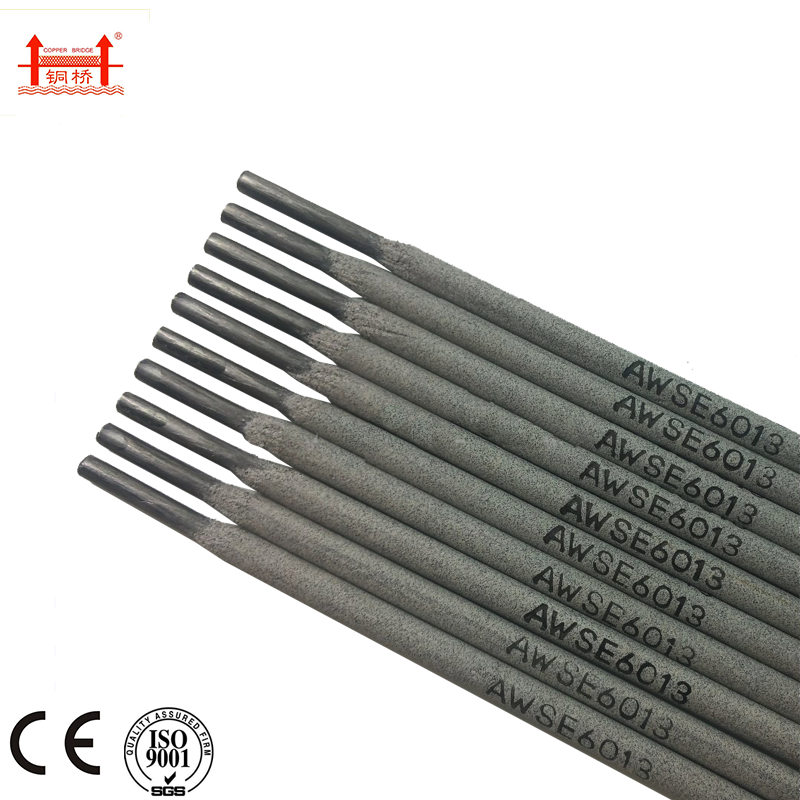
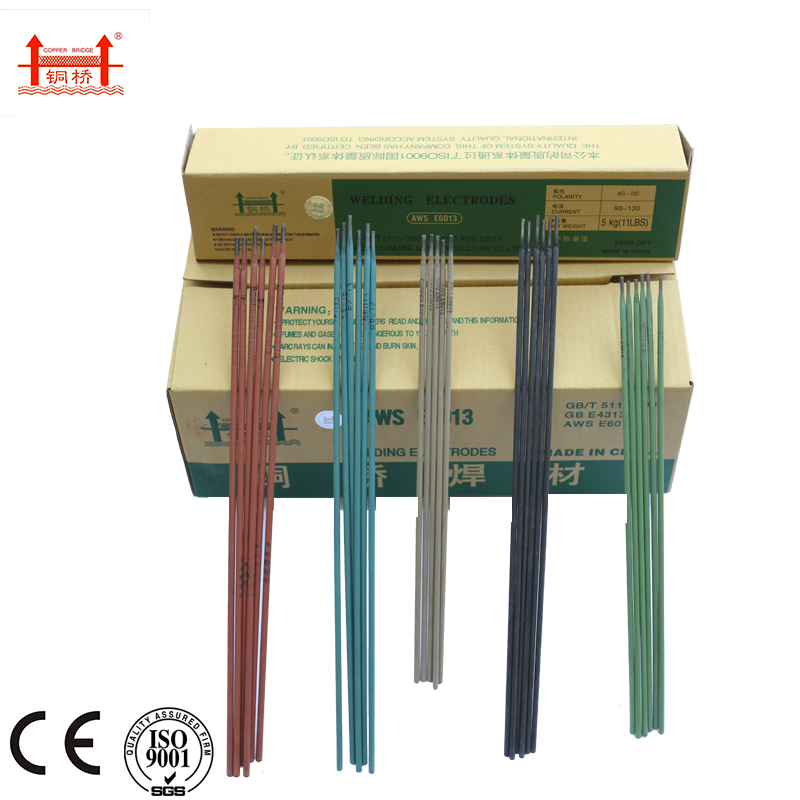
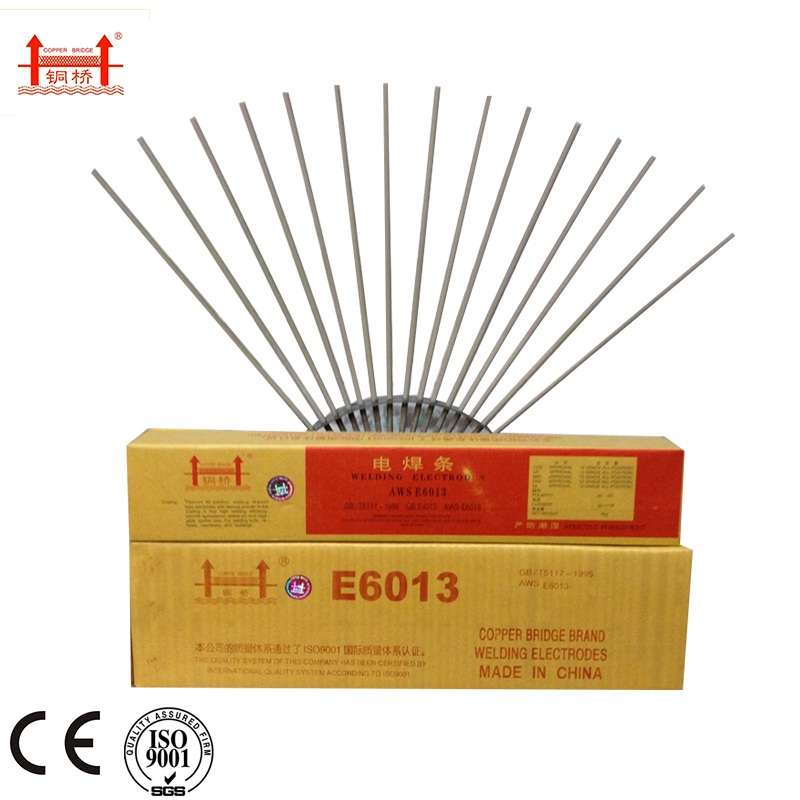
In simple terms, the 6013 welding rod is a type of coated electrode used primarily in shielded metal arc welding (SMAW). They are flux-coated rods designed for AC or DC welding, offering smooth, spatter-free welds. Their composition makes them well suited for welding galvanized steel, sheet metal, and thin or medium materials. These rods often find use in light structural work, farm machinery repairs, automotive bodywork, and general maintenance tasks.
Connecting this to broader industry or humanitarian needs, 6013 rods present a solution for rapid repairs and fabrications, especially in remote or resource-scarce environments. Their ability to work reliably at lower amperages and produce easy-to-remove slag makes them practical for a range of applications—from everyday workshop fixes to emergency shelter repairs.
Key Factors Influencing 6013 Welding Rod Applications
1. Durability and Weld Quality
6013 rods produce welds that have good strength for light to medium-duty applications. While not meant for critical structural welding, they provide excellent corrosion resistance when properly coated, which extends the life of welded components.
2. Ease of Use and Operator Skill
One standout feature is how beginner-friendly these rods are. Many welders note that 6013 rods require less angle precision and amperage control compared to other rods, making them versatile for both pros and novices.
3. Cost Efficiency
Compared to other electrodes, 6013 rods strike a good balance between price and performance. They are inexpensive yet reliable enough for frequently needed repairs. This makes them widely adopted across industries sensitive to budget constraints.
4. Versatility Across Metal Types
These rods work well with mild steel, galvanized steel, and can be used on rusty or painted surfaces—a distinct practical advantage in field conditions where ideal prep isn’t always possible.
5. Weld Appearance
The low spatter and fine bead appearance mean less post-weld cleanup, especially important when appearance matters, like in automotive body or decorative metalwork.
6013 Welding Rod Product Specifications
| Specification | Detail |
|---|---|
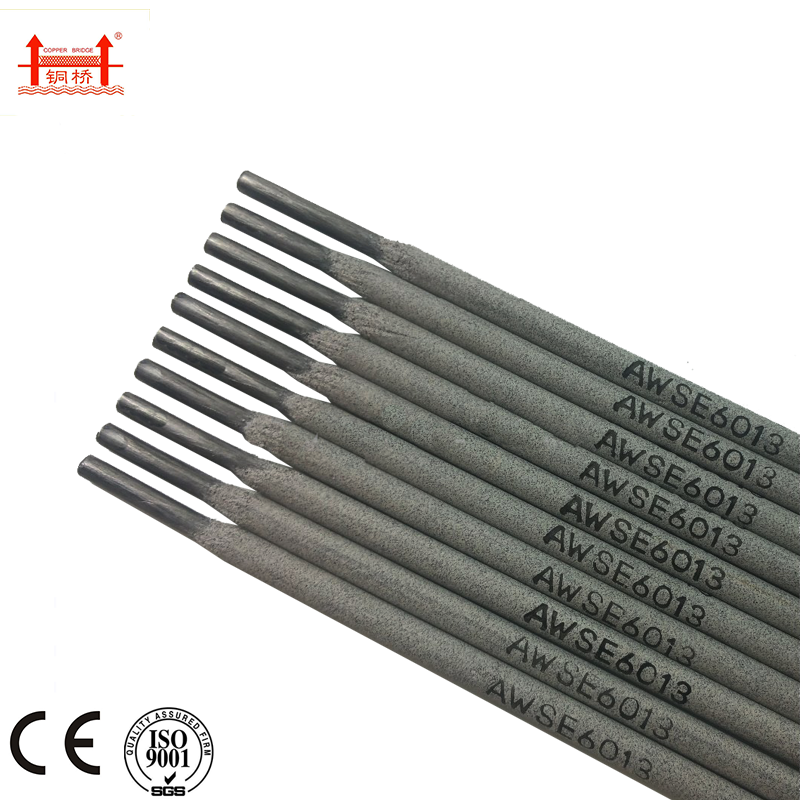
| Classification | AWS A5.1 E6013 |
| Current Type | AC / DC+ |
| Diameter | 1.6mm to 5.0mm |
| Tensile Strength | ~49,000 psi (340 MPa) |
| Typical Use | Sheet metal, mild steel, farm equipment, automotive |
Global Applications & Use Cases
Here’s where it gets interesting. Across continents, the 6013 welding rod proves a go-to choice. In South Asia, where agricultural equipment often sustains heavy wear, farmers rely on these rods to keep tractors and plows running. Meanwhile, in Latin America’s shipyards, welders prefer 6013 for non-critical bodywork because of the rod’s good arc stability.
In post-disaster relief, NGOs use 6013 electrodes to quickly assemble shelters or repair essential metal structures, thanks to their simple use and decent bond quality even on galvanized metals. It’s not just industry; humanitarian operations exploit these rods’ practicality in tough environments.
For industrial zones in Eastern Europe with intermittent power supplies, 6013 electrodes’ compatibility with AC welding machines marks a big advantage—allowing work to continue despite fluctuating electricity.
Vendor Comparison for 6013 Welding Rods
| Vendor | Price per kg | Average User Rating | Key Feature |
|---|---|---|---|
| Jinlong Welding Electrode | $3.50 | 4.7/5 | High arc stability & minimal slag |
| Lincoln Electric | $4.20 | 4.5/5 | Consistent bead profile |
| ESAB | $3.80 | 4.6/5 | Good flux coating for smoother arc |
Advantages & Long-Term Value of 6013 Welding Rod Applications
Choosing 6013 welding rods brings tangible benefits: cost savings, better weld aesthetics without extra cleanup, and durability for light structural work. But it’s not just about numbers—or is it? There’s something comforting about knowing you can depend on your electrode when fixing a farm gate or sealing a leaking tank under unpredictable conditions.
Safety-wise, fewer welding defects translate to less risk of structural failures, instilling more trust between fabricators and their clients. Plus, lower spatter keeps the workspace cleaner and technicians safer from hot metal particles.
Future Trends & Innovations in 6013 Welding Rods
The welding industry is evolving, and 6013 rods are adapting too. Green manufacturing initiatives focus on rods that produce less smoke and fumes, making welding cabins less hazardous. Digital arc controls and intelligent welding machines promise better consistency with rods like 6013, even in novice hands.
Moreover, new flux formulations may improve weld strength and reduce slag even more, allowing 6013 rods to handle borderline heavier applications or rougher metal. Sustainability efforts will also drive demand for electrodes manufactured with fewer harmful chemicals.
Challenges & Solutions in 6013 Welding Rod Applications
Despite many strengths, 6013 rods have their limits. They aren’t ideal for thick steel or high-stress structures, and their welds can lack penetration if used improperly. Oddly enough, the rod can be unforgiving in very cold or wet conditions, which plague many outdoor welders.
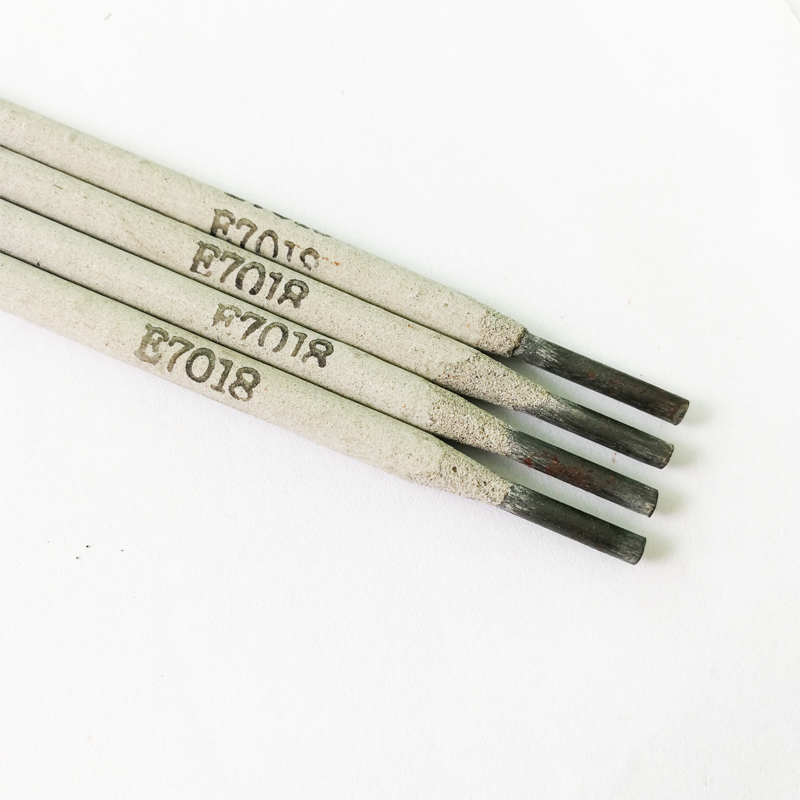
Experts recommend pairing 6013 rods with proper training, good surface prep, and occasionally switching to complementary rods (like 7018) when higher strength is required. Also, recent advances in electrode coatings help counter moisture sensitivity—boosting reliability in harsher conditions.
FAQ: Frequently Asked Questions About 6013 Welding Rod Applications
- Q: What materials can I weld with 6013 rods?
A: Mainly mild steel and galvanized steel. 6013 is great for sheet metal, farm equipment, and general maintenance tasks. - Q: Are 6013 rods suitable for beginners?
A: Absolutely. They require less strict control over amperage and angle, making them user-friendly for welders starting out. - Q: Can 6013 rods be used with AC welding machines?
A: Yes, they work well on both AC and DC+ welding machines, adding flexibility especially where power supply varies. - Q: How long do finished welds from 6013 rods last?
A: For light to medium-duty uses, these welds can reliably last years if the joint is properly made and inspected regularly. - Q: Where can I source high-quality 6013 welding rods?
A: Many suppliers exist, but brands like Jinlong Welding Electrode are known for consistent quality and good value.
Conclusion
In sum, 6013 welding rod applications offer a blend of reliability, cost-effectiveness, and ease of use that make them indispensable for a wide range of sectors worldwide. Whether you’re patching up farm equipment in rural Asia, building emergency shelters in disaster zones, or simply maintaining automotive bodies, these rods make the job feasible and affordable. For anyone looking to optimize welding tasks without breaking the bank, exploring 6013 rods is a smart move.
Want to learn more or purchase quality 6013 welding rods? Visit our website and discover what works best for your welding projects.
It feels like the more you know about your welding rod options, the more confident and creative you become on the job – and 6013 rods offer just that kind of versatility.
Quick Takeaways:
- 6013 rods are versatile, beginner-friendly, and cost-effective.
- They serve a global need, from industrial settings to humanitarian uses.
- Future improvements focus on sustainability and performance.
References:

Related Video

Related News


2026-04-16 02:35:10
Precision Guide for e312 16 welding rod and Dissimilar Steel Welding
In the demanding world of industrial fabrication and repair, selecting the correct filler metal is the difference between a structural failure and a lifetime bond. The e312 16 welding rod is specifically engineered to meet the rigorous needs of welding dissimilar steels, offering an exceptional balance of strength and corrosion resistance. Whether you are working on high-pressure pipelines or heavy machinery components, understanding the nuances of this specialized electrode is key to achieving professional-grade results. This guide explores the technical advantages and practical applications of the E312 series to help you optimize your welding workflow.
2026-04-09 02:35:17
Choosing the Right cs to ss welding rod number Professional Guide
Joining carbon steel (CS) to stainless steel (SS) is a common challenge in industrial fabrication, requiring a precise understanding of metallurgy to avoid weld failure. The most critical decision in this process is identifying the correct cs to ss welding rod number to ensure a strong, corrosion-resistant bond. Using the wrong filler metal can lead to cracking or premature oxidation due to the different thermal expansion rates of the two materials. In this comprehensive guide, we will break down the technical specifications and selection criteria to help you achieve a professional-grade weld every time.
2026-04-07 02:25:29
Comprehensive Guide to 409 Welding Rod Selection and Optimal Usage
When it comes to welding applications requiring corrosion resistance and good weldability, the 409 welding rod is a frequently chosen option. This article provides a detailed overview of this versatile welding rod, exploring its composition, applications, benefits, and considerations for optimal use. Whether you’re a seasoned professional or new to welding, understanding the properties of 409 welding rod is crucial for achieving high-quality, durable welds. We’ll cover everything you need to know to make informed decisions for your welding projects.
2026-04-04 02:35:28
Comprehensive Guide to 330 Stainless Steel Welding Rod Applications and Techniques
330 stainless steel welding rods are a crucial component in various industries, offering exceptional corrosion resistance and high-temperature strength. This article provides an in-depth look at these rods, covering their properties, applications, choosing the right rod, welding techniques, safety precautions, and where to find high-quality options. Whether you're a seasoned welding professional or new to the field, this guide will offer valuable insights.
2026-03-31 02:35:08
Comprehensive Guide to 312 Stainless Tig Rod for Superior Welding Performance
When choosing the right filler metal for your TIG welding projects, especially in demanding applications, 312 stainless steel tig rod stands out for its exceptional corrosion resistance and high-temperature strength. This comprehensive guide will explore its composition, applications, benefits, and how it compares to other stainless steel rods. We'll also point you to resources for sourcing high-quality rods.
2026-03-28 02:45:04
Comprehensive Guide to 312 17 Welding Rod Applications and Technical Details
Welding rods are essential consumables in the welding process, and selecting the right one is crucial for achieving strong, durable, and high-quality welds. The 312 17 welding rod is a popular choice for many applications due to its unique properties and versatility. This article delves into the characteristics, applications, benefits, and considerations when using 312 17 welding rods, providing a comprehensive resource for welders and engineers alike. Choosing the right rod directly impacts the success and longevity of any welding project.
2026-03-26 02:35:10
Comprehensive Guide to the 312 16 Welding Rod for Superior Steel Welding
The 312 16 welding rod is a versatile and widely-used electrode in various welding applications. Known for its excellent weldability and strong mechanical properties, it's a go-to choice for professionals and hobbyists alike. This article delves into the specifics of this electrode, covering its composition, applications, advantages, and how to choose the right one for your projects. Understanding the nuances of the 312 16 welding rod is crucial for achieving high-quality, durable welds. The designation "312 16" provides key information about the welding rod. "312" refers to the type of flux coating, specifically a low-hydrogen, iron powder coating. This coating is designed to produce welds with excellent mechanical properties and good resistance to cracking. The "16" indicates the diameter of the rod in 32nds of an inch – so a 312 16 rod has a diameter of 16/32 or 1/2 inch. This combination makes it suitable for a wide range of steel welding applications. The low-hydrogen nature of the flux minimizes hydrogen-induced cracking, a common issue in welding certain steels.
2026-03-24 02:45:07
Comprehensive Guide to 309LSI TIG Rod Welding Applications and Best Practices
The 309LSI TIG rod is a versatile welding consumable widely used across various industries for its exceptional corrosion resistance and weldability. This article will explore the properties, applications, advantages, and best practices associated with using 309LSI TIG rods. Whether you're a seasoned welding professional or new to the field, this guide will provide you with valuable insights into maximizing the performance and longevity of your welds. The 309LSI TIG rod is a stainless steel electrode specifically designed for Gas Tungsten Arc Welding (GTAW), commonly known as TIG welding. The "309LSI" designation indicates the alloy composition: 309 signifies the chromium-nickel content, 'L' denotes low carbon content for enhanced corrosion resistance, and 'SI' signifies stabilized with silicon for improved resistance to carbide precipitation during welding.

 English
  Arabic
  Bengali
  China
China  French
  German
  Hausa
Hausa  Indonesian
  Italian
  Japanese
  Javanese
  Malay
Malay  Persian
  Portuguese
  Punjabi
  Russian
  Spanish
  Swahili
  Telugu
  Vietnamese