

Comprehensive Guide to 6013 Welding Electrodes: Specs, Uses & Vendors

Comprehensive Guide to 6013 Welding Electrodes: Specs, Uses & Vendors
Nov . 28, 2025 19:50
Understanding 6013 Welding Electrodes: Why They Matter Globally
6013 welding electrodes might sound like another technical term tossed around in welding workshops, but they carry a global significance that stretches far beyond workshop walls. In an industry that powers infrastructure, repair, and innovation worldwide, grasping the core benefits of these electrodes can unlock efficiencies and durability in metal joining, with ripple effects in construction, manufacturing, and even humanitarian efforts.
Roughly put, understanding 6013 welding electrodes means unlocking better welds, fewer reworks, and safer structures—from bridges in bustling cities to emergency repairs after natural disasters. And yes, this might seem like a niche point for some, but consider the critical role of reliable joints in everything from shipping containers to power plants. The stakes are higher than ever.
Global Context: Why 6013 Welding Electrodes Are Industry Staples
According to the World Steel Association, global steel production surpassed 1.8 billion metric tons recently — an indicator that heavy industry and infrastructure projects are booming worldwide. Here’s where 6013 welding electrodes step in, offering welders versatile, dependable filler metals that keep pace with demand. ISO standards confirm 6013 electrodes’ balance of usability and performance, suiting them for everything from light fabrication to maintenance welding.
But beyond industry, there’s a challenge: weld quality under varied environmental conditions. Many developing regions face high humidity or inconsistent power supplies that can complicate welding processes. 6013 electrodes provide a forgiving approach here—they’re designed for smooth arc starts and less spatter, which reduces material wastage and downtime. This isn’t just a technical win but an economic one, especially in less-controlled environments.
Mini takeaway: In a world where infrastructure development is urgent and complex, 6013 electrodes help bridge the gap between precision welding and real-world challenges.
What Exactly Are 6013 Welding Electrodes?
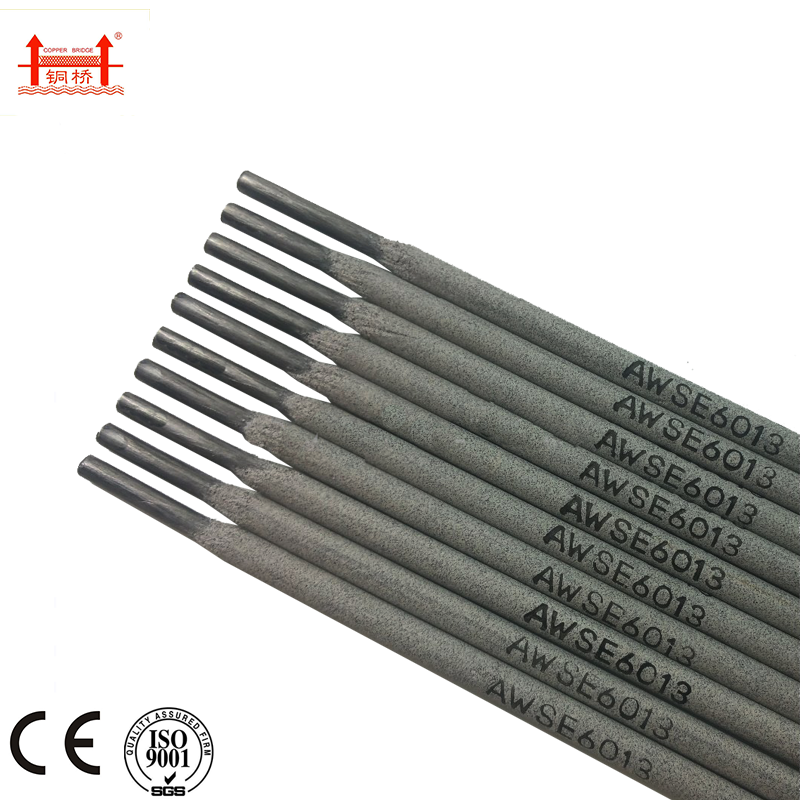
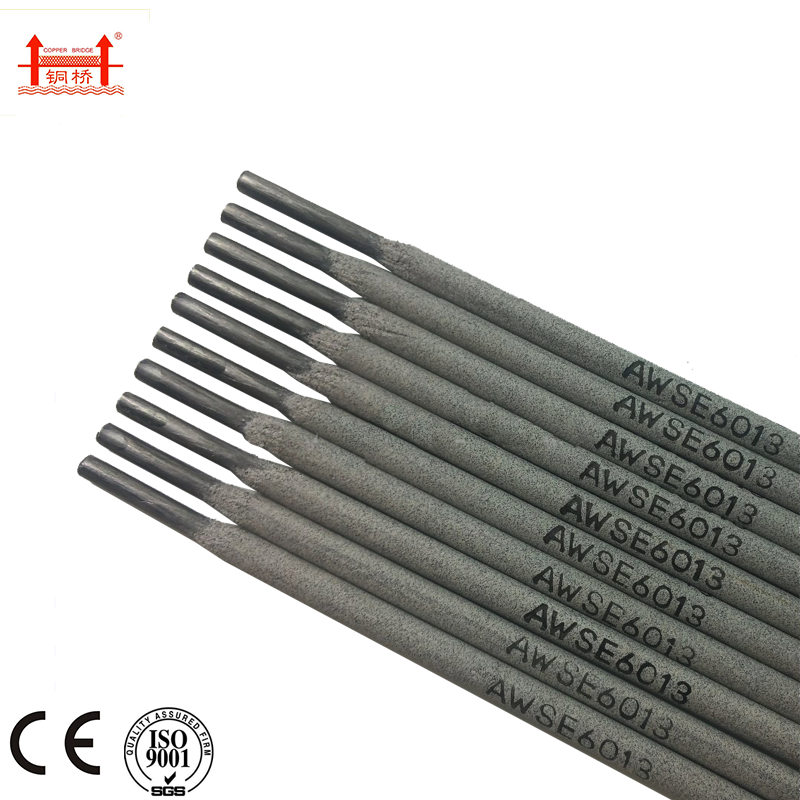
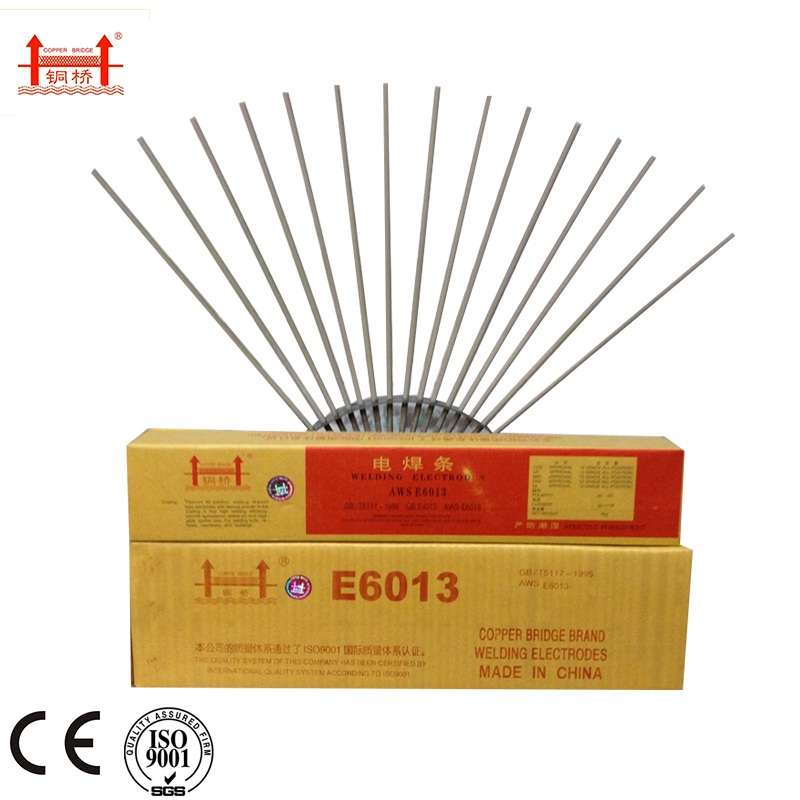
In simple terms, 6013 welding electrodes are consumable rods coated with flux, used primarily for Shielded Metal Arc Welding (SMAW). The “6013” classification references their mechanical properties and welding characteristics—60 stands for 60,000 psi tensile strength, 1 indicates all-position usability, and 3 describes the flux and current type (AC or DC with smooth arc).
These electrodes are prized for their light- to medium-penetration welds, relatively low smoke, and neat bead appearance. This combination made them popular historically with farm equipment repair and ship maintenance — basically wherever welders needed fast, clean, and forgiving electrodes.
On a larger scale, they fit modern industry’s call for semi-automatic, low-spatter, and cost-effective weld solutions that are easy to handle, especially when exact power controls might be lacking. Not to mention, the electrodes’ flux coatings help protect the weld from oxidation and contamination, vital in outdoor or dusty environments.
Core Features of 6013 Electrodes
1. Versatility
One of the biggest draws for 6013 welding electrodes is their all-position capability. Whether you’re welding horizontal beams, vertical columns, or overhead joints, these electrodes flex to the job. This means fewer electrode changes and greater efficiency onsite.
2. Smooth Arc and Low Spatter
Many welders appreciate how 6013 rods deliver a smooth and controllable arc, producing less spatter than more aggressive electrodes. This not only keeps the work area cleaner but also reduces the finishing work after welding.
3. Moderate Penetration with Good Bead Appearance
Their moderate penetration ensures the weld fuse is strong enough for light to medium gauge metals without risking burn-through. The resulting welds have an attractive “rippled” bead, which often requires less grinding.
4. Cost Efficiency
Compared to alternatives, 6013 electrodes generally remain affordable while reducing rework due to easier handling, making them ideal for training and high-volume welding needs.
5. Adaptability in Varied Conditions
The electrodes tolerate slightly damp or less-than-ideal welding environments better than most, reducing rejection rates in real-world field repairs. That’s a key advantage many professionals notice in remote industrial sites or humanitarian contexts.
Mini takeaway: These characteristics make 6013 electrodes a reliable "go-to" choice across many industry segments.
Global Applications & Use Cases
Globally, 6013 welding electrodes find homes across diverse industries:
- Construction & Infrastructure: In fast-paced construction markets like Southeast Asia and Africa, these electrodes speed up small-scale fabrication and maintenance.
- Automotive and Farm Equipment Repair: In rural America and Europe, farm machinery gets fixed on the spot using 6013 rods following weathered seasons.
- Post-Disaster Emergency Repairs: In disaster zones where quick restoration is needed, welders use 6013 rods for temporary fixes to damaged bridges or utility poles.
- Shipbuilding and Marine Repairs: Their flux’s protective qualities shine in coastal zones where saltwater corrosion is a threat.
- Small Fabrication Shops Worldwide: Affordable, easy-to-use 6013 electrodes help up-and-coming welders hone skills without costly overhead.
Interestingly, aid agencies in humanitarian construction projects sometimes opt for 6013 rods because they work well with less-sophisticated power grids — meaning essential medical or shelter structures can be welded quickly and safely even under resource constraints.
Advantages & Long-Term Value of 6013 Welding Electrodes
When you break it down, the advantages are both practical and human: reliability for craftsmen, cost savings for projects, and overall safer structures. At scale, fewer weld failures translate to fewer accidents, less downtime, and fewer materials wasted. That’s a sustainability win, too.
A bit beyond the numbers: welders who use these electrodes often mention a sense of trust in their work. The neat beads and minimal clean-up make them feel professional, which admittedly affects motivation and pride on the job.
Future Trends and Innovations
Welding technology isn’t standing still. The future for 6013 electrodes will likely see improvements in flux formulations aimed at greener production and lower emissions. There’s buzz about coatings incorporating nano-additives to enhance arc stability and weld strength — some pilot projects hint at electrodes better suited for robotic welding systems.
Digital welding machines increasingly support more refined control over current, meaning the 6013 rods’ already-smooth arc could become even more predictable and efficient. Coupled with Industry 4.0 trends, remote welders could see real-time feedback on electrode health and performance.
Common Challenges and Fixes
Though versatile, 6013 welding electrodes do have shortcomings. They aren't ideal for welding thick materials needing deep penetration or critical structural seams subject to severe stress. Overcoming this involves pairing the electrodes with complementary products, or upgrading to low-hydrogen electrodes for tougher jobs.
Additionally, since 6013 rods prefer AC or low-amperage DC, variability in power supply can sometimes affect arc stability. Modern inverter welders with adaptive controls help mitigate this, enhancing consistency on-site.
FAQ: Answering Your Burning Questions About 6013 Welding Electrodes
Q1: What welding positions can 6013 electrodes be used in?
A1: 6013 electrodes are “all-position” rods, which means they are effective for flat, horizontal, vertical, and overhead welding. This versatility makes them very popular on job sites where accessibility varies.
Q2: Can 6013 welding electrodes be used with both AC and DC?
A2: Yes. 6013 electrodes are designed to work well on AC and DCEP (Direct Current Electrode Positive) with smooth, stable arcs. They do not perform as well on DCEN but AC compatibility makes them especially handy for older or portable welding machines.
Q3: Are 6013 electrodes good for structural steel?
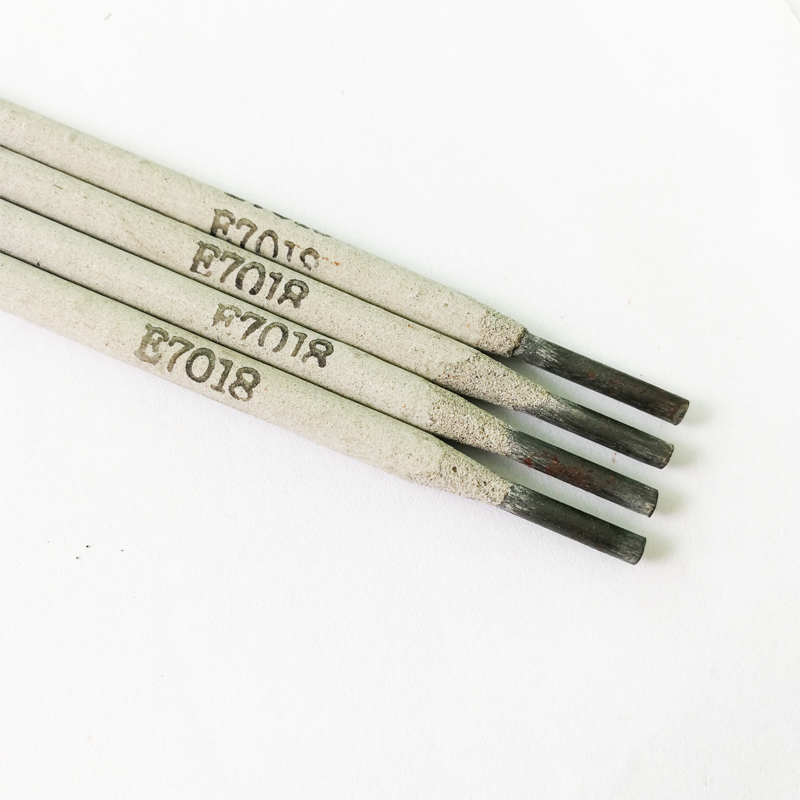
A3: For light to medium structural steel work, 6013 rods can be appropriate, especially for repairs or non-critical welds. However, for heavy-duty structural components, low-hydrogen electrodes like 7018 are often preferred.
Q4: How important is electrode storage for 6013 welding rods?
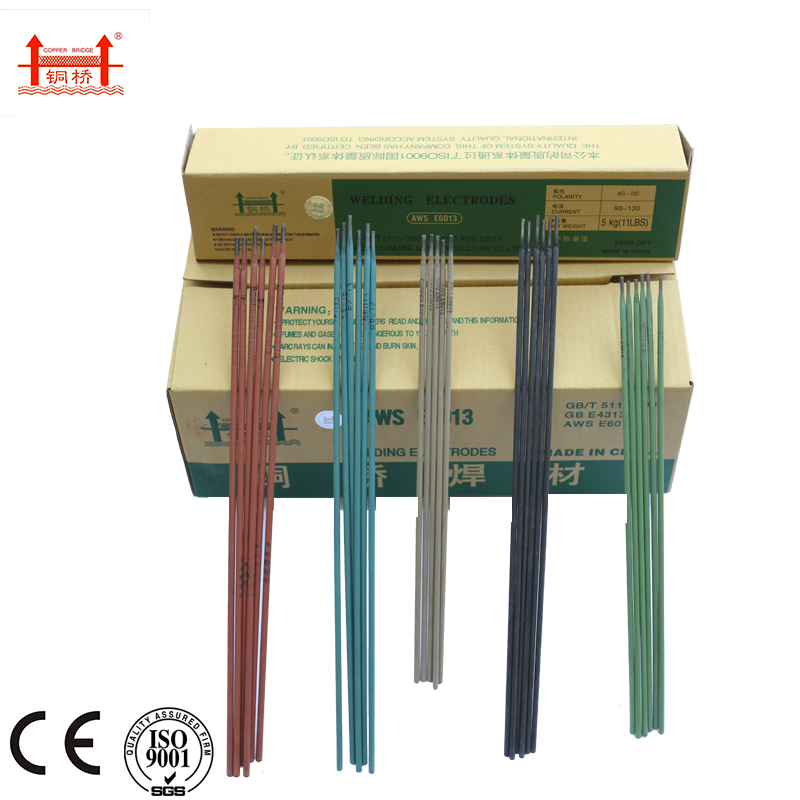
A4: Proper storage is important to prevent moisture absorption which can cause weld defects. While 6013 rods are somewhat tolerant of slight dampness, dry and sealed storage extends shelf life and weld quality.
Q5: Can beginners learn welding with 6013 electrodes?
A5: Absolutely. 6013 rods are often recommended for novices due to their forgiving arc and easy slag removal. They help beginners practice steady hand control without too much spatter or smoke.
Product Specification Table
| Specification | 6013 Welding Electrode |
|---|---|
| Tensile Strength | 60,000 psi (414 MPa) |
| Welding Positions | All positions (flat, horizontal, vertical, overhead) |
| Current Type | AC and DCEP (DC+) recommended |
| Flux Coating | Rutile-based (for smooth arc and aesthetic bead) |
| Typical Applications | Light to medium sheet metal, repair work, general fabrication |
| Electrode Diameter Range | 1/16” to 5/32” (1.6mm to 4.0mm) |
Vendor Comparison: 6013 Welding Electrodes Overview
| Feature | Brand A | Brand B | Brand C |
|---|---|---|---|
| Arc Stability | Excellent | Good | Very Good |
| Spatter Control | Low | Moderate | Low |
| Smooth Bead Finish | Yes | Partial | Yes |
| Price per kg | $4.50 | $4.00 | $4.75 |
| Shelf Life (dry storage) | 12 months | 9 months | 12 months |
Wrapping Up: Why 6013 Welding Electrodes Are Still Worth Your Attention
All said and done, the humble 6013 welding electrode remains a cornerstone in many welding operations worldwide. Their blend of versatility, ease of use, and dependable performance have secured them a loyal following from novice hobbyists to seasoned industry pros. They perfectly fill the gap between high-end specialty rods and entry-level needs.
If you’re hunting for reliable welding consumables that won’t blow your budget but will keep your projects humming along, 6013 electrodes deserve a serious look. For more detailed specs, bulk purchasing, or technical support, I highly recommend checking out 6013 welding electrodes from trusted suppliers. Welding smarter today means building stronger for tomorrow.
Mini takeaway: A good electrode isn't just a tool, it's a partner in craftsmanship. Choose wisely.
References

Related Video

Related News


2026-04-16 02:35:10
Precision Guide for e312 16 welding rod and Dissimilar Steel Welding
In the demanding world of industrial fabrication and repair, selecting the correct filler metal is the difference between a structural failure and a lifetime bond. The e312 16 welding rod is specifically engineered to meet the rigorous needs of welding dissimilar steels, offering an exceptional balance of strength and corrosion resistance. Whether you are working on high-pressure pipelines or heavy machinery components, understanding the nuances of this specialized electrode is key to achieving professional-grade results. This guide explores the technical advantages and practical applications of the E312 series to help you optimize your welding workflow.
2026-04-09 02:35:17
Choosing the Right cs to ss welding rod number Professional Guide
Joining carbon steel (CS) to stainless steel (SS) is a common challenge in industrial fabrication, requiring a precise understanding of metallurgy to avoid weld failure. The most critical decision in this process is identifying the correct cs to ss welding rod number to ensure a strong, corrosion-resistant bond. Using the wrong filler metal can lead to cracking or premature oxidation due to the different thermal expansion rates of the two materials. In this comprehensive guide, we will break down the technical specifications and selection criteria to help you achieve a professional-grade weld every time.
2026-04-07 02:25:29
Comprehensive Guide to 409 Welding Rod Selection and Optimal Usage
When it comes to welding applications requiring corrosion resistance and good weldability, the 409 welding rod is a frequently chosen option. This article provides a detailed overview of this versatile welding rod, exploring its composition, applications, benefits, and considerations for optimal use. Whether you’re a seasoned professional or new to welding, understanding the properties of 409 welding rod is crucial for achieving high-quality, durable welds. We’ll cover everything you need to know to make informed decisions for your welding projects.
2026-04-04 02:35:28
Comprehensive Guide to 330 Stainless Steel Welding Rod Applications and Techniques
330 stainless steel welding rods are a crucial component in various industries, offering exceptional corrosion resistance and high-temperature strength. This article provides an in-depth look at these rods, covering their properties, applications, choosing the right rod, welding techniques, safety precautions, and where to find high-quality options. Whether you're a seasoned welding professional or new to the field, this guide will offer valuable insights.
2026-03-31 02:35:08
Comprehensive Guide to 312 Stainless Tig Rod for Superior Welding Performance
When choosing the right filler metal for your TIG welding projects, especially in demanding applications, 312 stainless steel tig rod stands out for its exceptional corrosion resistance and high-temperature strength. This comprehensive guide will explore its composition, applications, benefits, and how it compares to other stainless steel rods. We'll also point you to resources for sourcing high-quality rods.
2026-03-28 02:45:04
Comprehensive Guide to 312 17 Welding Rod Applications and Technical Details
Welding rods are essential consumables in the welding process, and selecting the right one is crucial for achieving strong, durable, and high-quality welds. The 312 17 welding rod is a popular choice for many applications due to its unique properties and versatility. This article delves into the characteristics, applications, benefits, and considerations when using 312 17 welding rods, providing a comprehensive resource for welders and engineers alike. Choosing the right rod directly impacts the success and longevity of any welding project.
2026-03-26 02:35:10
Comprehensive Guide to the 312 16 Welding Rod for Superior Steel Welding
The 312 16 welding rod is a versatile and widely-used electrode in various welding applications. Known for its excellent weldability and strong mechanical properties, it's a go-to choice for professionals and hobbyists alike. This article delves into the specifics of this electrode, covering its composition, applications, advantages, and how to choose the right one for your projects. Understanding the nuances of the 312 16 welding rod is crucial for achieving high-quality, durable welds. The designation "312 16" provides key information about the welding rod. "312" refers to the type of flux coating, specifically a low-hydrogen, iron powder coating. This coating is designed to produce welds with excellent mechanical properties and good resistance to cracking. The "16" indicates the diameter of the rod in 32nds of an inch – so a 312 16 rod has a diameter of 16/32 or 1/2 inch. This combination makes it suitable for a wide range of steel welding applications. The low-hydrogen nature of the flux minimizes hydrogen-induced cracking, a common issue in welding certain steels.
2026-03-24 02:45:07
Comprehensive Guide to 309LSI TIG Rod Welding Applications and Best Practices
The 309LSI TIG rod is a versatile welding consumable widely used across various industries for its exceptional corrosion resistance and weldability. This article will explore the properties, applications, advantages, and best practices associated with using 309LSI TIG rods. Whether you're a seasoned welding professional or new to the field, this guide will provide you with valuable insights into maximizing the performance and longevity of your welds. The 309LSI TIG rod is a stainless steel electrode specifically designed for Gas Tungsten Arc Welding (GTAW), commonly known as TIG welding. The "309LSI" designation indicates the alloy composition: 309 signifies the chromium-nickel content, 'L' denotes low carbon content for enhanced corrosion resistance, and 'SI' signifies stabilized with silicon for improved resistance to carbide precipitation during welding.

 English
  Arabic
  Bengali
  China
China  French
  German
  Hausa
Hausa  Indonesian
  Italian
  Japanese
  Javanese
  Malay
Malay  Persian
  Portuguese
  Punjabi
  Russian
  Spanish
  Swahili
  Telugu
  Vietnamese