

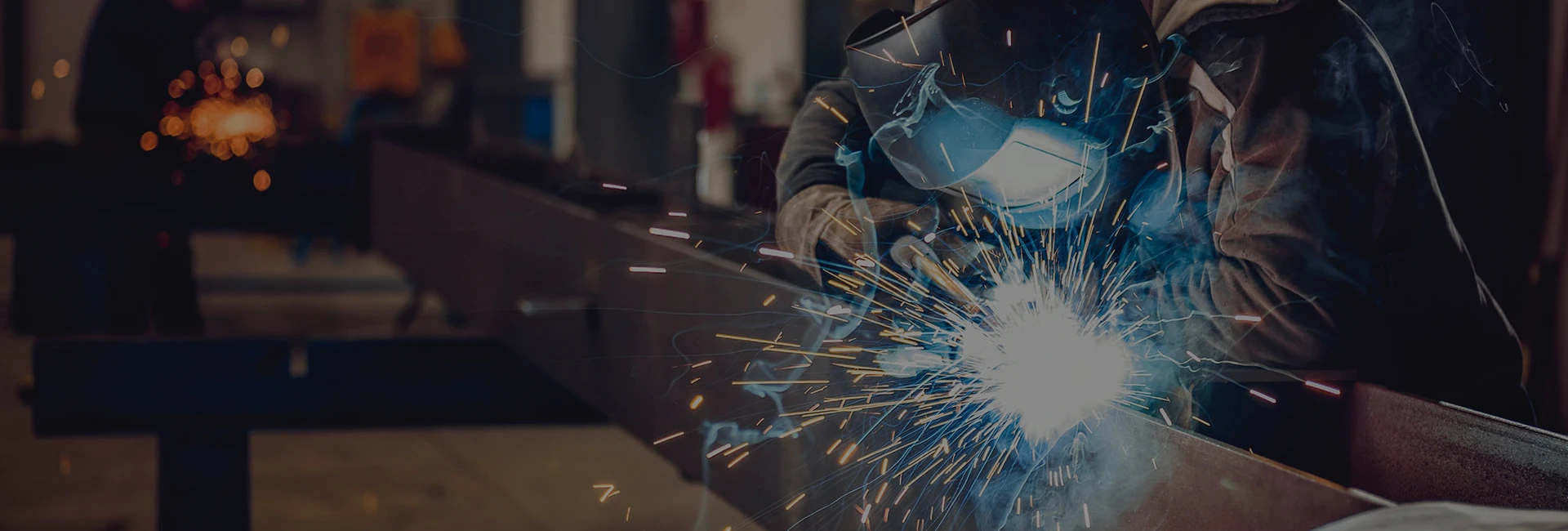
Comprehensive Guide to 6013 1.6 mm Welding Rods – Specs, Uses & Suppliers

Comprehensive Guide to 6013 1.6 mm Welding Rods – Specs, Uses & Suppliers
Dec . 02, 2025 01:20
Understanding 6013 1.6 mm Welding Rods: A Global Pillar in Light Industrial Welding
When it comes to welding consumables, few products have stood the test of time quite like 6013 1.6 mm welding rods. For decades, these electrodes have provided a versatile, user-friendly solution for a variety of welding tasks worldwide. But why does this seemingly modest welding rod matter on a global scale? And what makes it so widely adopted across industries and countries?
Well, welding is a foundational technology — repairing, fabricating, and building everything from infrastructure to vehicles to household appliances. The right welding rod can mean the difference between a project’s long-term success or costly rework. Let’s dive deeper into the global relevance and key benefits of understanding these rods.
Global Context: Why 6013 1.6 mm Welding Rods Matter
The welding industry is a critical part of manufacturing and construction worldwide. The International Organization for Standardization (ISO) notes that over 50 million tons of welded products are produced annually, underpinning billions in economic output. Yet, in many emerging markets, access to reliable, affordable welding materials remains a challenge.
That’s where 6013 rods come in. With their balanced performance traits, they are often the first choice in light to medium fabrication, maintenance work, and even in humanitarian applications like emergency repairs after natural disasters. According to industry reports, 6013 welding electrodes command around 20% of the global stick electrode segment, making them a staple in workshops from Asia to Latin America.
However, a key challenge they address is ease of use. Novices and professionals alike find 6013 rods forgiving against variable positions and different steel types, easing quality control in diverse settings.
Defining 6013 1.6 mm Welding Rods
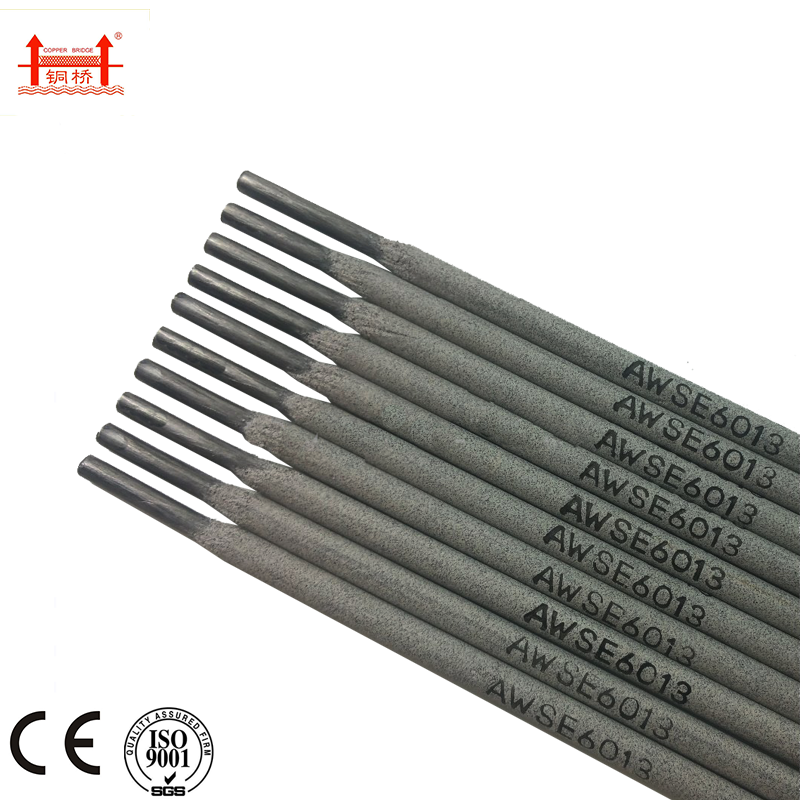
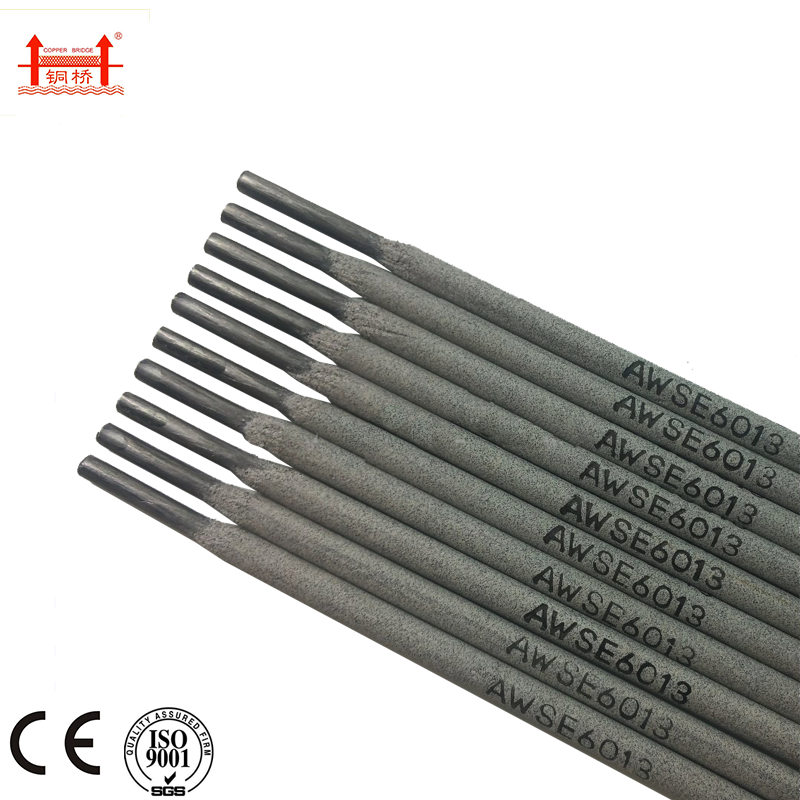
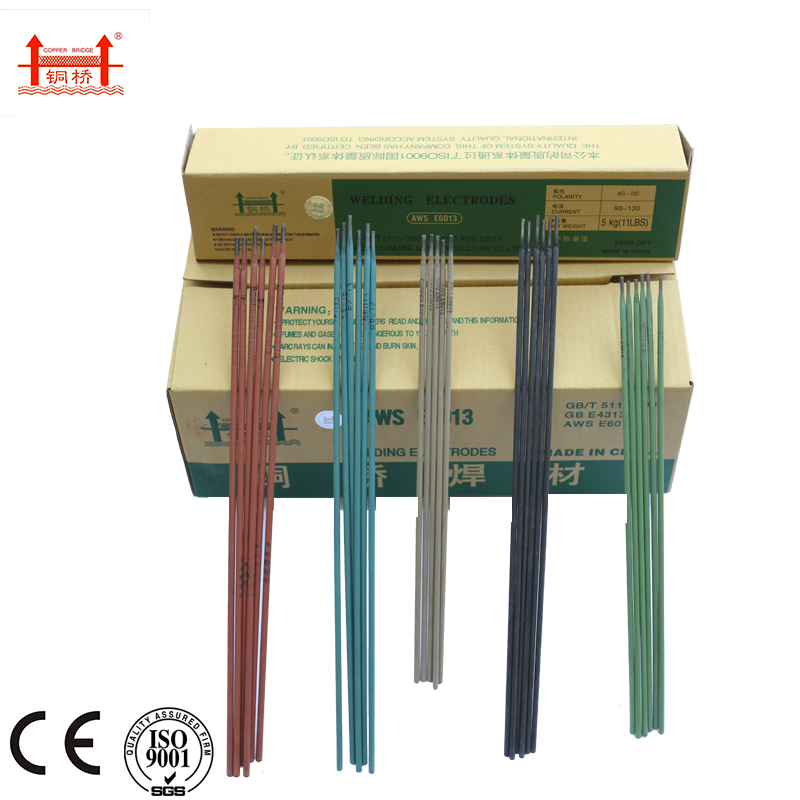
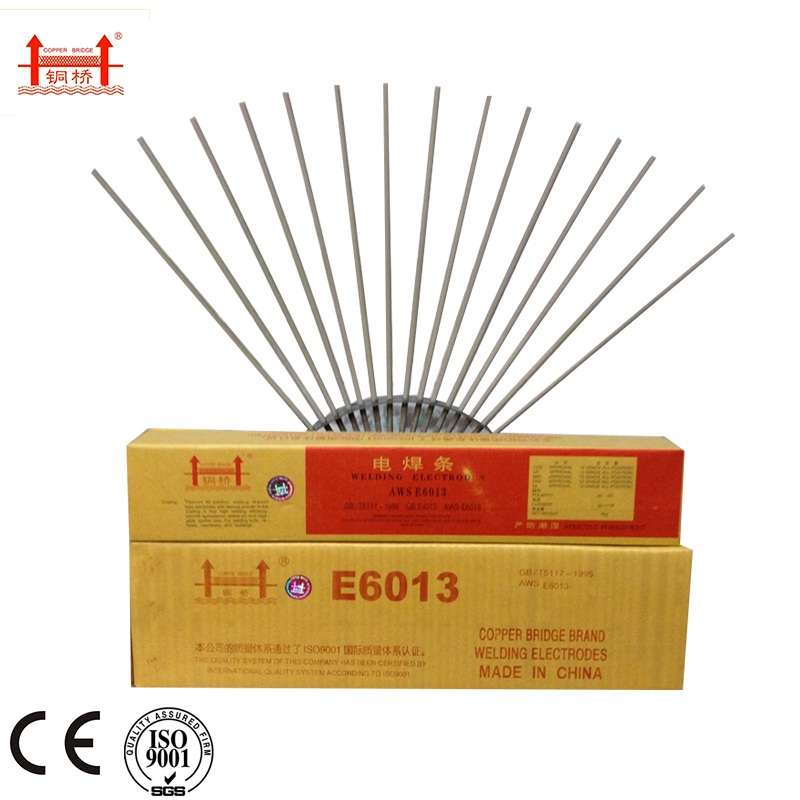
So, what exactly are 6013 1.6 mm welding rods? Simply put, these are flux-coated electrodes designed primarily for mild steel welding. The “6013” class refers to the rod’s tensile strength (~60,000 psi), welding position suitability (all except vertical down), and the type of coating that facilitates a smooth, shallow penetration weld with moderate spatter.
The 1.6 mm diameter size is quite popular because it offers a good balance: thin enough for precision and light fabrication, yet thick enough for reasonably quick deposition. You’ll find these rods used in everything from automotive body repair to light structural assembly.
On a bigger scale, these rods align well with industrial needs for efficient, cost-effective welding solutions without demanding highly specialized equipment or environments.
Core Features of 6013 1.6 mm Welding Rods
1. Versatility
6013 rods work in various welding positions—flat, horizontal, vertical up (not vertical down), and even overhead. This flexibility allows welders to tackle jobs with minimal electrode changes.
2. Smooth Weld Appearance
The proprietary flux coating produces a light slag that peels off easily, resulting in clean weld beads with low spatter. For welders mindful of aesthetics or post-weld finishing time, this is a big plus.
3. Moderate Penetration
Unlike deeper-penetrating rods such as 6010, 6013 rods offer a shallower penetration profile, which is ideal when welding thinner metals to reduce burn-through.
4. Ease of Ignition and Stable Arc
These rods start up quickly and maintain a steady arc, which is especially helpful for novice welders or those working in fluctuating conditions.
5. Cost-Effective
Generally, 6013 rods strike a perfect balance between quality and price, making them accessible for small shops, hobbyists, and large-scale contractors alike.
| Specification | Details |
|---|---|
| Diameter | 1.6 mm (1/16 inch) |
| Tensile Strength | 60,000 psi (approximately) |
| Welding Positions | Flat, horizontal, vertical up, overhead |
| Current Type | AC or DC+ |
| Flux Type | Rutillated |
Mini Takeaway: The 6013 1.6 mm welding rod is an affordable and versatile electrode widely used in general fabrication and repair, prized for its smooth welds and easy handling.
Global Applications of 6013 1.6 mm Welding Electrodes
You’ll see these welding rods deployed all over the world with remarkable consistency:
- Emerging Economies: In countries across Southeast Asia and Africa, where small workshops perform metal repair and fabrication, 6013 rods are often the go-to product due to their user-friendliness and price.
- Post-Disaster Relief: NGOs and emergency response teams use these electrodes to rebuild infrastructure quickly after floods or earthquakes because the rods don’t demand extensive training or high-end power sources.
- Manufacturing SMEs: Light manufacturing plants—think furniture frames, agricultural machinery, and small vehicles—rely heavily on 6013 rods.
- Artisanal and Hobbyist Welding: Many metal artists and DIY enthusiasts favor 6013 for its clean slag removal and controllable weld pool.
One might say it's odd, but despite being an "old-school" welding rod, 6013 keeps impressing new generations of welders.
Advantages and Long-Term Value
The advantages of using 6013 1.6 mm welding rods extend beyond just material properties:
- Cost savings: Low spatter reduces clean-up, saving labor time and post-weld finishing costs.
- Sustainability: The flux coating and consistent arc reduce wasted rods and consumables.
- Safety: Stable arc reduces risk of arc blow or erratic welds which can cause defects and safety concerns.
- Reliability: Trusted weld quality ensures structural integrity in everyday applications.
- Social impact: Enables local fabricators to develop skills and livelihoods due to ease of use.
Future Trends & Innovations
Although the 6013 rod formula is well-established, the industry never stands still. Innovations include:
- Eco-friendly flux coatings: New low-hydrogen or reduced fume versions to meet stricter environmental regulations.
- Digital welding machines: Integration with arc monitoring systems that optimize settings precisely for 6013 rods, enhancing weld consistency.
- Automation: Advances that allow these rods to be fed in semi-automated welding equipment for light robotic use.
- Supply chain enhancements: Improved packaging to protect rods better in humid or tropical climates, extending shelf life.
Challenges & Solutions
Like any product, 6013 rods have their quirks. For instance, they aren’t ideal for heavy structural welds requiring deep penetration or highly dynamic loads. Plus, in wet or corrosive environments, welds might need additional treatment.
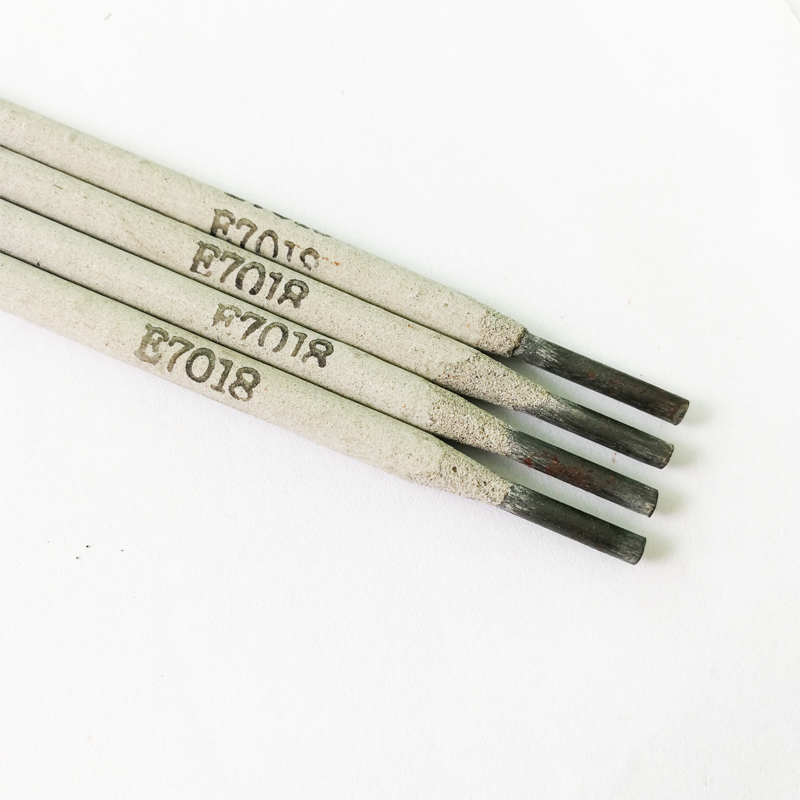
Experts often recommend combining 6013 rods with other electrodes (like 7018) depending on project demands. Also, using proper storage and drying techniques can mitigate flux moisture issues that cause weld defects.
Vendor Comparison: Leading 6013 1.6 mm Welding Rod Suppliers
| Supplier | Price (per kg) | Flux Quality | Shelf Life | Region Availability |
|---|---|---|---|---|
| Jinlong Welding Electrode | $4.50 | High-grade rutile | 24 months (dry storage) | Global |
| Global Arc Supplies | $4.80 | Standard rutile | 18 months | North America, Europe |
| MetroWeld Enterprises | $4.30 | Premium rutile | 20 months | Asia Pacific |
Frequently Asked Questions About 6013 1.6 mm Welding Rods
- Q: What is the best welding current for 6013 1.6 mm rods?
- A: Typically, these rods perform well on AC or DC+ currents, with amperage between 65-90 amps depending on application thickness and welding position. Starting with 75 amps is often recommended for beginners.
- Q: Can 6013 rods be used for structural steel repairs?
- A: While 6013 rods provide decent strength and appearance, for critical structural welds, electrodes like 7018 with higher tensile strength and low hydrogen content are preferred to ensure durability under stress.
- Q: How should I store 6013 electrodes to maintain optimal quality?
- A: Keeping rods dry is vital. Store in sealed bags or cabinets with low humidity. If rods absorb moisture, they should be re-baked to avoid weld porosity or cracking.
- Q: Are Jinlong Welding Electrode’s 6013 rods suitable for beginners?
- A: Absolutely. Jinlong’s 6013 rods are known for stable arc characteristics and easy slag removal, making them excellent for welders just starting out.
Conclusion
In the long run, 6013 1.6 mm welding rods remain an essential part of the welding landscape. Their balance of affordability, usability, and versatility helps welders globally meet everyday fabrication and repair needs confidently and efficiently. Oddly enough, despite advances in welding technology, the trusty 6013 rod still holds its place.
For those seeking a reliable supplier and more detailed product info, I suggest checking out 6013 1.6 mm welding rods. Jinlong Welding Electrode is recognized worldwide for quality and excellent customer support.
It feels like no matter how high-tech our world becomes, some trusted basics—like 6013 welding rods—just keep their value because they empower people everywhere to build, repair, and create.

Related Video

Related News


2026-04-16 02:35:10
Precision Guide for e312 16 welding rod and Dissimilar Steel Welding
In the demanding world of industrial fabrication and repair, selecting the correct filler metal is the difference between a structural failure and a lifetime bond. The e312 16 welding rod is specifically engineered to meet the rigorous needs of welding dissimilar steels, offering an exceptional balance of strength and corrosion resistance. Whether you are working on high-pressure pipelines or heavy machinery components, understanding the nuances of this specialized electrode is key to achieving professional-grade results. This guide explores the technical advantages and practical applications of the E312 series to help you optimize your welding workflow.
2026-04-09 02:35:17
Choosing the Right cs to ss welding rod number Professional Guide
Joining carbon steel (CS) to stainless steel (SS) is a common challenge in industrial fabrication, requiring a precise understanding of metallurgy to avoid weld failure. The most critical decision in this process is identifying the correct cs to ss welding rod number to ensure a strong, corrosion-resistant bond. Using the wrong filler metal can lead to cracking or premature oxidation due to the different thermal expansion rates of the two materials. In this comprehensive guide, we will break down the technical specifications and selection criteria to help you achieve a professional-grade weld every time.
2026-04-07 02:25:29
Comprehensive Guide to 409 Welding Rod Selection and Optimal Usage
When it comes to welding applications requiring corrosion resistance and good weldability, the 409 welding rod is a frequently chosen option. This article provides a detailed overview of this versatile welding rod, exploring its composition, applications, benefits, and considerations for optimal use. Whether you’re a seasoned professional or new to welding, understanding the properties of 409 welding rod is crucial for achieving high-quality, durable welds. We’ll cover everything you need to know to make informed decisions for your welding projects.
2026-04-04 02:35:28
Comprehensive Guide to 330 Stainless Steel Welding Rod Applications and Techniques
330 stainless steel welding rods are a crucial component in various industries, offering exceptional corrosion resistance and high-temperature strength. This article provides an in-depth look at these rods, covering their properties, applications, choosing the right rod, welding techniques, safety precautions, and where to find high-quality options. Whether you're a seasoned welding professional or new to the field, this guide will offer valuable insights.
2026-03-31 02:35:08
Comprehensive Guide to 312 Stainless Tig Rod for Superior Welding Performance
When choosing the right filler metal for your TIG welding projects, especially in demanding applications, 312 stainless steel tig rod stands out for its exceptional corrosion resistance and high-temperature strength. This comprehensive guide will explore its composition, applications, benefits, and how it compares to other stainless steel rods. We'll also point you to resources for sourcing high-quality rods.
2026-03-28 02:45:04
Comprehensive Guide to 312 17 Welding Rod Applications and Technical Details
Welding rods are essential consumables in the welding process, and selecting the right one is crucial for achieving strong, durable, and high-quality welds. The 312 17 welding rod is a popular choice for many applications due to its unique properties and versatility. This article delves into the characteristics, applications, benefits, and considerations when using 312 17 welding rods, providing a comprehensive resource for welders and engineers alike. Choosing the right rod directly impacts the success and longevity of any welding project.
2026-03-26 02:35:10
Comprehensive Guide to the 312 16 Welding Rod for Superior Steel Welding
The 312 16 welding rod is a versatile and widely-used electrode in various welding applications. Known for its excellent weldability and strong mechanical properties, it's a go-to choice for professionals and hobbyists alike. This article delves into the specifics of this electrode, covering its composition, applications, advantages, and how to choose the right one for your projects. Understanding the nuances of the 312 16 welding rod is crucial for achieving high-quality, durable welds. The designation "312 16" provides key information about the welding rod. "312" refers to the type of flux coating, specifically a low-hydrogen, iron powder coating. This coating is designed to produce welds with excellent mechanical properties and good resistance to cracking. The "16" indicates the diameter of the rod in 32nds of an inch – so a 312 16 rod has a diameter of 16/32 or 1/2 inch. This combination makes it suitable for a wide range of steel welding applications. The low-hydrogen nature of the flux minimizes hydrogen-induced cracking, a common issue in welding certain steels.
2026-03-24 02:45:07
Comprehensive Guide to 309LSI TIG Rod Welding Applications and Best Practices
The 309LSI TIG rod is a versatile welding consumable widely used across various industries for its exceptional corrosion resistance and weldability. This article will explore the properties, applications, advantages, and best practices associated with using 309LSI TIG rods. Whether you're a seasoned welding professional or new to the field, this guide will provide you with valuable insights into maximizing the performance and longevity of your welds. The 309LSI TIG rod is a stainless steel electrode specifically designed for Gas Tungsten Arc Welding (GTAW), commonly known as TIG welding. The "309LSI" designation indicates the alloy composition: 309 signifies the chromium-nickel content, 'L' denotes low carbon content for enhanced corrosion resistance, and 'SI' signifies stabilized with silicon for improved resistance to carbide precipitation during welding.

 English
  Arabic
  Bengali
  China
China  French
  German
  Hausa
Hausa  Indonesian
  Italian
  Japanese
  Javanese
  Malay
Malay  Persian
  Portuguese
  Punjabi
  Russian
  Spanish
  Swahili
  Telugu
  Vietnamese