

Comprehensive Guide to 3 16 7018 Welding Electrodes | Specifications & Uses

Comprehensive Guide to 3 16 7018 Welding Electrodes | Specifications & Uses
Dec . 01, 2025 18:50
Understanding 3 16 7018: Why It’s a Game-Changer in Welding
If you’ve ever dealt with structural welding, you might have come across a number like 3 16 7018 and wondered why it keeps popping up in specs sheets, workshop chatter, or supplier catalogs. Spoiler: it’s not just some arbitrary code. This designation points directly to a type of welding electrode — a humble-looking rod with a huge role in construction, infrastructure, manufacturing, and even humanitarian engineering projects worldwide. Grasping what 3 16 7018 means can save you headaches, improve weld quality, and even save lives in critical builds.
Let’s break it down into its nuts and bolts, check out where it’s used globally, and peek into what the future holds for this workhorse of an electrode.
Why the Fuss? Global Relevance of 3 16 7018
The industrial world relies on standards to keep things safe, repeatable, and scalable. The 3 16 7018 electrode, governed under the American Welding Society (AWS) A5.1 standard, is widely trusted for high-strength, low-hydrogen welds, particularly on critical infrastructure such as bridges, pipelines, and power plants. According to industry reports, welding failures cause nearly 15% of all structural failures globally, making the choice of electrodes — like the 3 16 7018 — crucial for safety and durability.
Developing countries investing billions into infrastructure, like roadworks and rail, need reliable, cost-effective welding that won’t degrade in the harsh environments. The 3 16 7018 weld rod fills this important niche. Plus, with the UN pushing standards for resilient infrastructure in places hit by climate disasters, having electrodes that deliver strong, crack-resistant welds isn’t just about money — it’s about lives.
3 16 7018 is more than jargon — it’s a fundamental piece of a global puzzle that links engineering precision to real-world durability.What Exactly Is 3 16 7018? A Simple Definition
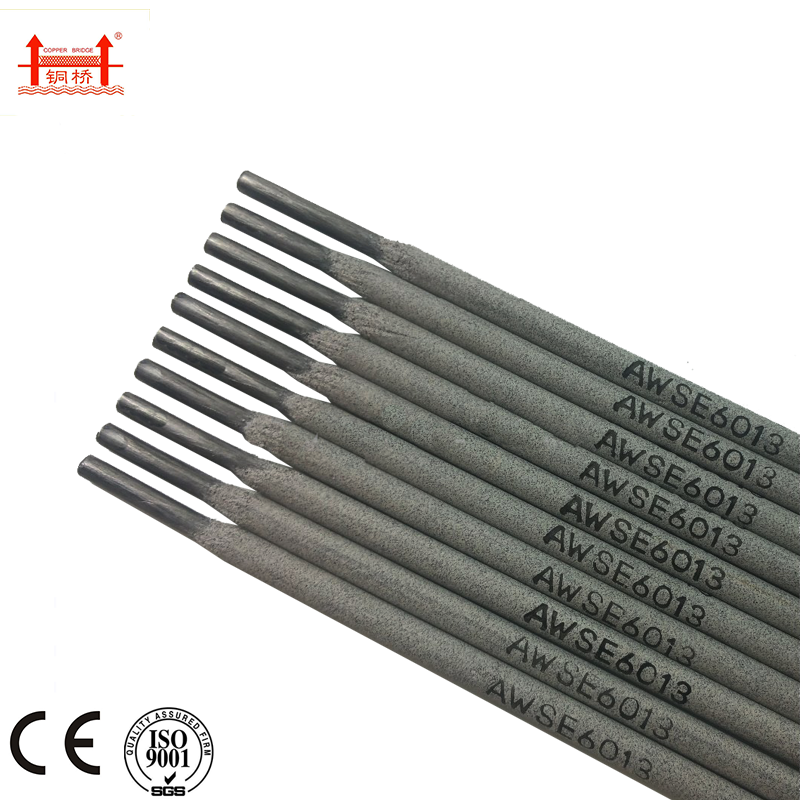
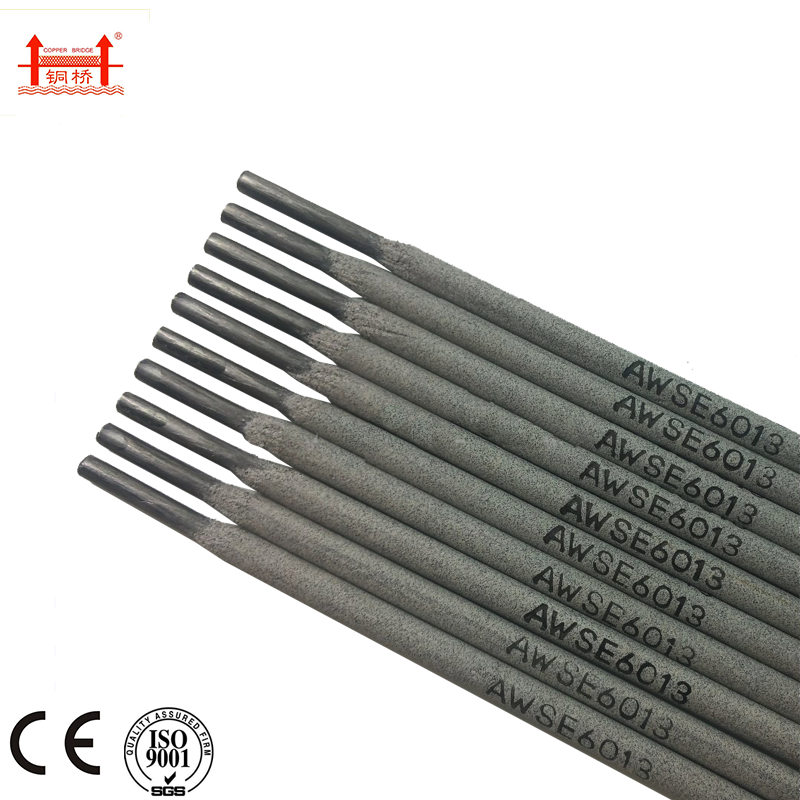
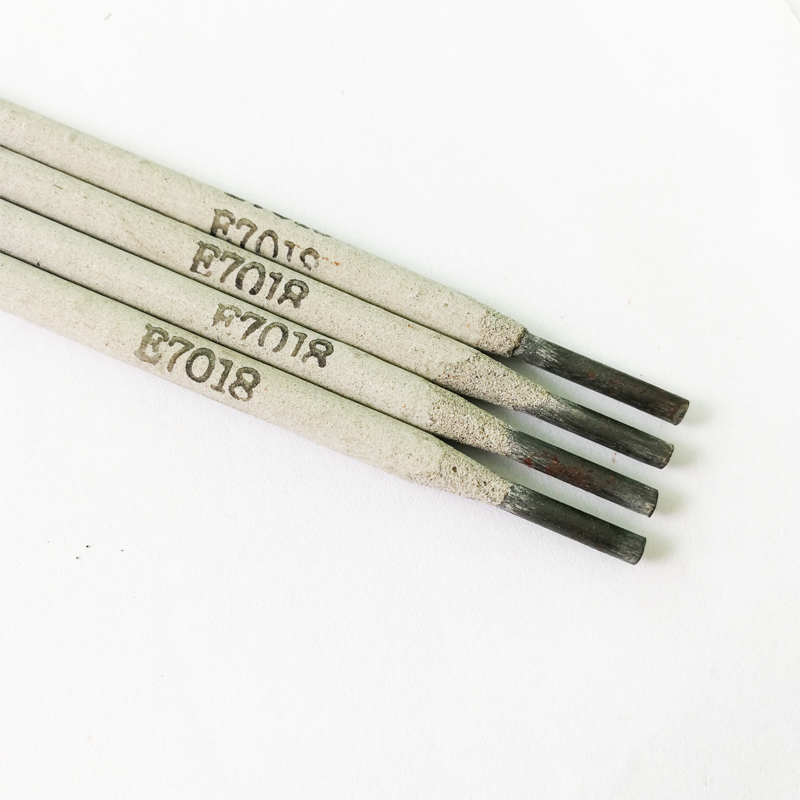
Simply put, 3 16 7018 refers to a welding electrode with a diameter of 3/16 inch, classified as type E7018 under AWS standards. Let me unpack that a little: the “E” stands for electrode, “70” represents the minimum tensile strength (70 ksi, or thousand pounds per square inch), the “1” flags usability in all positions (flat, vertical, overhead, horizontal), and the “8” indicates that it is a low-hydrogen rod with a specific coating to reduce weld cracking.
The result? An electrode suited for tough, stress-prone applications including construction, shipbuilding, and even complex industrial machinery welding. Plus, the low hydrogen property means fewer weld defects and longer-lasting joints, which matter in longevity-critical builds like dams or skyscraper frames.
Core Components of 3 16 7018 That Matter
1. Durability and Strength
The tensile strength of 70,000 psi means if you weld structural steel with a 3 16 7018 electrode, you’re betting on strength that meets or exceeds the parent metal. It’s sort of an insurance policy for infrastructure — strong, resilient joints that can handle vibrations, heavy loads, and even seismic shifts without compromising.
2. Low-Hydrogen Electrode Coating
This is a biggie. Low hydrogen means less chance of weld cracking, especially in thicker metals or colder conditions. The specific cellulose and iron powder coating on 7018 rods controls moisture and hydrogen release during welding, reducing failure rates significantly. Frankly, it’s why so many welders keep 7018 rods dry in ovens to maintain performance.
3. Versatility: All-Position Welding
Whether it’s horizontal, vertical, or overhead, 3 16 7018 electrodes let you work flexibly without adapting strategies completely. That versatility often reduces labor costs and speeds up projects — practical for fieldwork where conditions aren’t always perfect.
4. Smooth Arc and Clean Finish
Many welders like 7018 because it produces a stable arc with minimal spatter and a smooth bead appearance. This somewhat aesthetic factor means less post-weld cleanup and better adhesion, ultimately boosting productivity.
5. Ease of Storage and Handling
While welding rods might sound mundane, the fact that 3 16 7018 demands dry storage (due to low hydrogen) means there’s a small but crucial logistic layer. It’s often stored in heated boxes or dry cabinets on-site to keep quality high. Poorly handled 7018 rods can lead to weld failure — a costly mistake.
Product Specifications for 3 16 7018 Electrodes
| Specification | Detail |
|---|---|
| Diameter | 3/16 inch (4.8 mm) |
| Classification | E7018 (AWS A5.1) |
| Tensile Strength | 70,000 psi (480 MPa) |
| Current Type | AC/DC (mostly DC) |
| Coating Type | Low hydrogen potassium |
| Usability Positions | Flat, Horizontal, Vertical, Overhead |
How Does 3 16 7018 Fare Across Suppliers?
| Vendor | Typical Price per kg | Availability | Quality Grade | Additional Notes |
|---|---|---|---|---|
| Jinlong Welding Electrode | $12–15 | Global, with local warehouses | Certified AWS E7018 low hydrogen | Strict moisture control packaging |
| Lincoln Electric | $16–18 | North America, Europe | Premium grade E7018 | Strong brand with tech support |
| ESAB | $14–17 | Worldwide | Consistent quality, ISO certified | Focus on innovative coating tech |
Where in the World is 3 16 7018 Making an Impact?
Look around infrastructure-critical regions — be it the rail extensions in Southeast Asia, the rebuilding efforts after hurricanes in the Caribbean, or oil pipeline maintenance in the Middle East — and you’ll find 3 16 7018 electrodes playing a quiet but vital role. In post-disaster relief operations, nearly every temporary steel frame or repair weld involves low-hydrogen rods like these to prevent rapid joint failures under stress.
In heavy industries such as shipyards in South Korea, Europe, and the U.S., this electrode is standard fare. It meets the rigorous demands of marine and offshore welding, withstanding saltwater corrosion and mechanical stress for decades.
Even in remote industrial zones in Africa and Latin America, where logistics and storage may be challenging, the robustness of 3 16 7018 rods makes them the electrode of choice — provided proper storage is managed.
Mini takeaway: 3 16 7018 electrodes are global staples for any steel welding that demands durability, safety, and longevity in diverse conditions.
Advantages & Long-Term Value of Using 3 16 7018
- Cost Efficiency: Though slightly pricier upfront than some electrodes, 3 16 7018’s low defect rate leads to fewer repairs and rework costs.
- Sustainability: Strong, lasting welds reduce material waste and extend infrastructure life cycles.
- Social Impact: Reliable welds help maintain structural integrity in hospitals, schools, and emergency buildings, affecting human lives directly.
- Trust and Safety: It’s an electrode widely specified by engineers for safety-critical projects—no small thing when you consider lives depend on proper welding.
- Innovation Friendly: It adapts well with modern welding machines, including AC/DC and inverter tech.
Looking Ahead: Future Trends in Welding & 3 16 7018 Usage
The electric arc isn’t going anywhere, but we’re seeing changes. Digital welding monitoring systems now ensure consistent heat and deposition rates, reducing human error with electrodes like 3 16 7018. Automation is creeping into heavy fabrication plants, leveraging robotic arms for consistent application — 3 16 7018’s versatility ensures it fits these new workflows.
Material science advances are promising even lower hydrogen coatings and environmentally friendly flux compositions, aligning with sustainability goals. Considering global pushes from ISO and the UN on resilient infrastructure standards, electrodes with consistent strength and weld quality — like the 3 16 7018 — will remain front runners.
Common Challenges & How Pros Tackle Them
Sure, handling 3 16 7018 electrodes isn’t without small headaches:
- Moisture Sensitivity: Keep rods dry — welding shops use rod ovens or heated cabinets. Re-drying wet rods isn’t always perfect but sometimes necessary.
- Skill Required: While versatile, welders need training to manage arc lengths and correct positioning with 7018 rods to avoid slag inclusion.
- Storage Logistics: Remote sites sometimes struggle with consistent rod storage, so planning ahead and investing in protective packaging and containers is key.
Innovations like moisture indicator packaging and smaller batch deliveries are easing these challenges.
FAQ: Practical Questions About 3 16 7018
- Q: What makes 3 16 7018 better than other standard electrodes?
- A: Its low hydrogen coating reduces weld cracking, and its high tensile strength ensures durability. Perfect for critical structures that need long-term reliability.
- Q: Can I use 3 16 7018 electrodes in all welding positions?
- A: Yes, that’s one of the major benefits. Its design supports flat, horizontal, vertical, and overhead welding, making it highly versatile.
- Q: How to properly store 3 16 7018 rods on a remote construction site?
- A: Use rod ovens or heated cabinets to maintain dry conditions. Keep the rods in sealed moisture-barrier packaging and avoid exposure to humidity.
- Q: Is 3 16 7018 suitable for welding thin materials?
- A: It can be used but isn’t always the best choice for very thin metals due to heat input. Other lightweight electrode types or TIG welding usually work better there.
Wrapping Up: Why 3 16 7018 Matters for Your Next Project
In the end, the 3 16 7018 electrode is more than just a number on a spool. It symbolizes a trusted balance of strength, versatility, and reliability that engineers and welders worldwide bank on for critical builds. If you’re aiming for structural integrity and safety — be it bridges, buildings, or ships — equipping your toolkit with 3 16 7018 rods is a strategic move.
Considering a purchase or simply want to learn more? Feel free to visit our website for detailed specs, pricing, and expert advice to match your welding needs.
After all, it’s these kinds of choices — the quality of your welding electrodes — that often define whether a project stands tall for decades or falls apart too soon.
References:

Related Video

Related News

2026-04-16 02:35:10
Precision Guide for e312 16 welding rod and Dissimilar Steel Welding
In the demanding world of industrial fabrication and repair, selecting the correct filler metal is the difference between a structural failure and a lifetime bond. The e312 16 welding rod is specifically engineered to meet the rigorous needs of welding dissimilar steels, offering an exceptional balance of strength and corrosion resistance. Whether you are working on high-pressure pipelines or heavy machinery components, understanding the nuances of this specialized electrode is key to achieving professional-grade results. This guide explores the technical advantages and practical applications of the E312 series to help you optimize your welding workflow.
2026-04-09 02:35:17
Choosing the Right cs to ss welding rod number Professional Guide
Joining carbon steel (CS) to stainless steel (SS) is a common challenge in industrial fabrication, requiring a precise understanding of metallurgy to avoid weld failure. The most critical decision in this process is identifying the correct cs to ss welding rod number to ensure a strong, corrosion-resistant bond. Using the wrong filler metal can lead to cracking or premature oxidation due to the different thermal expansion rates of the two materials. In this comprehensive guide, we will break down the technical specifications and selection criteria to help you achieve a professional-grade weld every time.
2026-04-07 02:25:29
Comprehensive Guide to 409 Welding Rod Selection and Optimal Usage
When it comes to welding applications requiring corrosion resistance and good weldability, the 409 welding rod is a frequently chosen option. This article provides a detailed overview of this versatile welding rod, exploring its composition, applications, benefits, and considerations for optimal use. Whether you’re a seasoned professional or new to welding, understanding the properties of 409 welding rod is crucial for achieving high-quality, durable welds. We’ll cover everything you need to know to make informed decisions for your welding projects.
2026-04-04 02:35:28
Comprehensive Guide to 330 Stainless Steel Welding Rod Applications and Techniques
330 stainless steel welding rods are a crucial component in various industries, offering exceptional corrosion resistance and high-temperature strength. This article provides an in-depth look at these rods, covering their properties, applications, choosing the right rod, welding techniques, safety precautions, and where to find high-quality options. Whether you're a seasoned welding professional or new to the field, this guide will offer valuable insights.
2026-03-31 02:35:08
Comprehensive Guide to 312 Stainless Tig Rod for Superior Welding Performance
When choosing the right filler metal for your TIG welding projects, especially in demanding applications, 312 stainless steel tig rod stands out for its exceptional corrosion resistance and high-temperature strength. This comprehensive guide will explore its composition, applications, benefits, and how it compares to other stainless steel rods. We'll also point you to resources for sourcing high-quality rods.
2026-03-28 02:45:04
Comprehensive Guide to 312 17 Welding Rod Applications and Technical Details
Welding rods are essential consumables in the welding process, and selecting the right one is crucial for achieving strong, durable, and high-quality welds. The 312 17 welding rod is a popular choice for many applications due to its unique properties and versatility. This article delves into the characteristics, applications, benefits, and considerations when using 312 17 welding rods, providing a comprehensive resource for welders and engineers alike. Choosing the right rod directly impacts the success and longevity of any welding project.
2026-03-26 02:35:10
Comprehensive Guide to the 312 16 Welding Rod for Superior Steel Welding
The 312 16 welding rod is a versatile and widely-used electrode in various welding applications. Known for its excellent weldability and strong mechanical properties, it's a go-to choice for professionals and hobbyists alike. This article delves into the specifics of this electrode, covering its composition, applications, advantages, and how to choose the right one for your projects. Understanding the nuances of the 312 16 welding rod is crucial for achieving high-quality, durable welds. The designation "312 16" provides key information about the welding rod. "312" refers to the type of flux coating, specifically a low-hydrogen, iron powder coating. This coating is designed to produce welds with excellent mechanical properties and good resistance to cracking. The "16" indicates the diameter of the rod in 32nds of an inch – so a 312 16 rod has a diameter of 16/32 or 1/2 inch. This combination makes it suitable for a wide range of steel welding applications. The low-hydrogen nature of the flux minimizes hydrogen-induced cracking, a common issue in welding certain steels.
2026-03-24 02:45:07
Comprehensive Guide to 309LSI TIG Rod Welding Applications and Best Practices
The 309LSI TIG rod is a versatile welding consumable widely used across various industries for its exceptional corrosion resistance and weldability. This article will explore the properties, applications, advantages, and best practices associated with using 309LSI TIG rods. Whether you're a seasoned welding professional or new to the field, this guide will provide you with valuable insights into maximizing the performance and longevity of your welds. The 309LSI TIG rod is a stainless steel electrode specifically designed for Gas Tungsten Arc Welding (GTAW), commonly known as TIG welding. The "309LSI" designation indicates the alloy composition: 309 signifies the chromium-nickel content, 'L' denotes low carbon content for enhanced corrosion resistance, and 'SI' signifies stabilized with silicon for improved resistance to carbide precipitation during welding.

 English
  Arabic
  Bengali
  China
China  French
  German
  Hausa
Hausa  Indonesian
  Italian
  Japanese
  Javanese
  Malay
Malay  Persian
  Portuguese
  Punjabi
  Russian
  Spanish
  Swahili
  Telugu
  Vietnamese