

Comprehensive Guide to 3 16 7018 Welding Rod: Applications, Advantages & Specs

Comprehensive Guide to 3 16 7018 Welding Rod: Applications, Advantages & Specs
Dec . 01, 2025 19:30
Why the 3 16 7018 Welding Rod Matters in a Global Industrial Landscape
When working with metals, especially in sectors like construction, shipbuilding, and infrastructure repair, selecting the right welding rod is crucial. The 3 16 7018 welding rod holds a special place in this lineup due to its versatility, strength, and dependability. You might wonder, why should anyone care about this specific electrode? Well, globally, industries depend on welding solutions that ensure safety and longevity — and the 7018 rod is often a top pick. It’s more than just a stick; it’s a technical marvel that supports everything from skyscrapers to pipelines, sometimes in the harshest environments.
Understanding the key benefits and global impact of the 3 16 7018 welding rod can arm engineers, construction firms, and even humanitarian agencies with practical knowledge to choose smarter, safer solutions.
A Global Introduction: Tackling Industrial Challenges One Weld at a Time
According to the International Organization for Standardization, welding materials like the 7018 electrode meet strict quality and safety regulations worldwide. The World Bank data indicates that infrastructure spending is on the rise, driven by urbanization in developing economies. This means more bridges, buildings, and pipelines are being assembled—all reliant on trustworthy welding rods.
But the big challenge? Welding electrodes need to adapt to increasingly diverse environments: from temperamental weather zones to seismic areas requiring high-strength welding. The 3 16 7018 rod, thus, isn’t just about joining metal; it’s about securing futures and lives.
What Exactly is a 3 16 7018 Welding Rod?
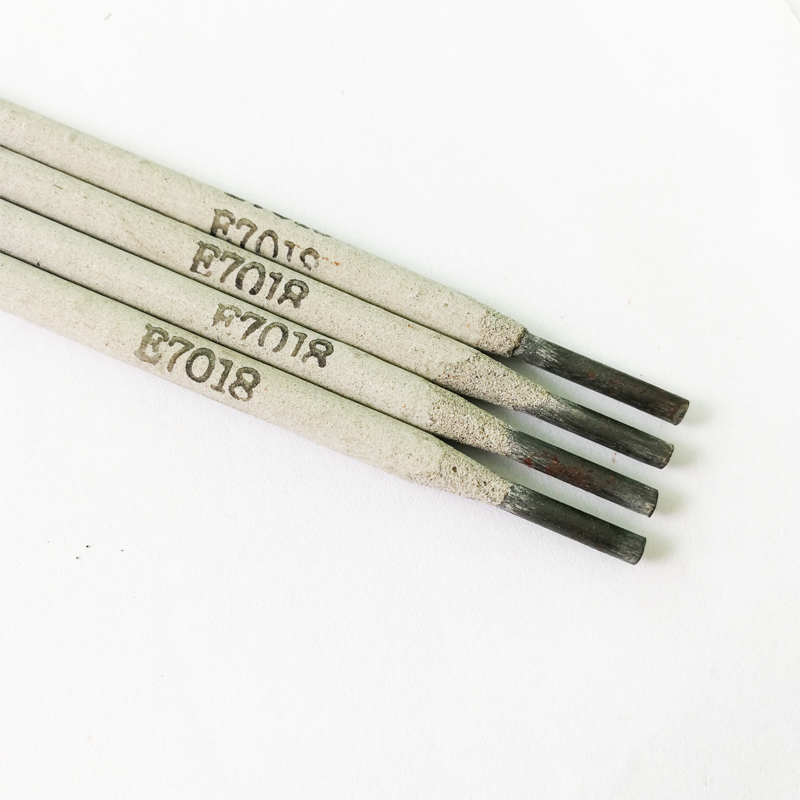
In simple terms, the “3 16” refers to the diameter of the welding rod, 3/16 of an inch — a standard size for moderate-thickness steel materials. The 7018 is a classification number that basically says: this electrode produces a strong, low-hydrogen weld with great tensile strength (about 70,000 psi), low splatter, and a smooth finish.
Its strong, all-position welds make it a favorite for both heavy industry and fieldwork. Oddly enough, it’s often used in humanitarian projects, like rebuilding after natural disasters, where weld integrity can’t be compromised.
Key Aspects of the 3 16 7018 Welding Rod
1. Durability and Strength
The 7018 rod is known for its rugged toughness. It’s designed with a low hydrogen potassium iron powder coating that minimizes weld cracking and maximizes durability—ideal for pipelines, bridges, and structural steel.
2. Versatility in Welding Positions
Whether you’re welding vertical, horizontal, flat, or overhead, the 3 16 7018 delivers consistent performance. Its “all position” capability means fewer welders need to carry multiple rod types, simplifying the workflow.
3. Clean Welding Process
The rod produces minimal spatter and slag, which makes post-weld cleanup quicker and reduces defects. This matters especially on-site, where time and access are limited.
4. Cost Effectiveness
While it might be a bit pricier upfront compared to generic rods, the long-term savings from fewer weld repairs and enhanced structural integrity easily pay off.
5. Compliance and Certification
7018 electrodes often comply with AWS (American Welding Society) standards, giving engineers confidence that their projects meet industry benchmarks.
Global Use Cases: Where Does 3 16 7018 Welding Rod Shine?
This rod sees action across continents and industries. In North America and Europe, it’s a staple for heavy machinery assembly and bridge construction. Meanwhile, in Asia and Africa, it’s often chosen for pipeline infrastructure and repairs—key sectors in developing economies.
NGOs involved in post-disaster reconstruction rely heavily on it to rebuild damaged buildings and facilities quickly without compromising safety. For example, after the 2010 Haiti earthquake, many temporary braces and infrastructure supports were welded using 7018 rods because of their reliable toughness.
Likewise, in remote industrial zones—from oil fields in the Middle East to mining operations in Australia—the rod’s reliability under challenging conditions has earned it praise.
Product Specifications: What’s Inside the 3 16 7018 Welding Rod?
| Specification | Description |
|---|---|
| Diameter | 3/16 inch (4.8 mm) |
| Tensile Strength | 70,000 psi (approximately 485 MPa) |
| Type | Low Hydrogen Iron Powder Electrode |
| Welding Positions | Flat, Horizontal, Vertical, Overhead |
| Current Type | AC or DC (Electrode Positive or Negative) |
| Applications | Structural steel welding, bridges, pressure vessels, pipelines |
How Does the 3 16 7018 Welding Rod Stack Up Against Competitors?
| Feature | 7018 (3/16 inch) | 6013 (3/16 inch) | E7016 (3/16 inch) |
|---|---|---|---|
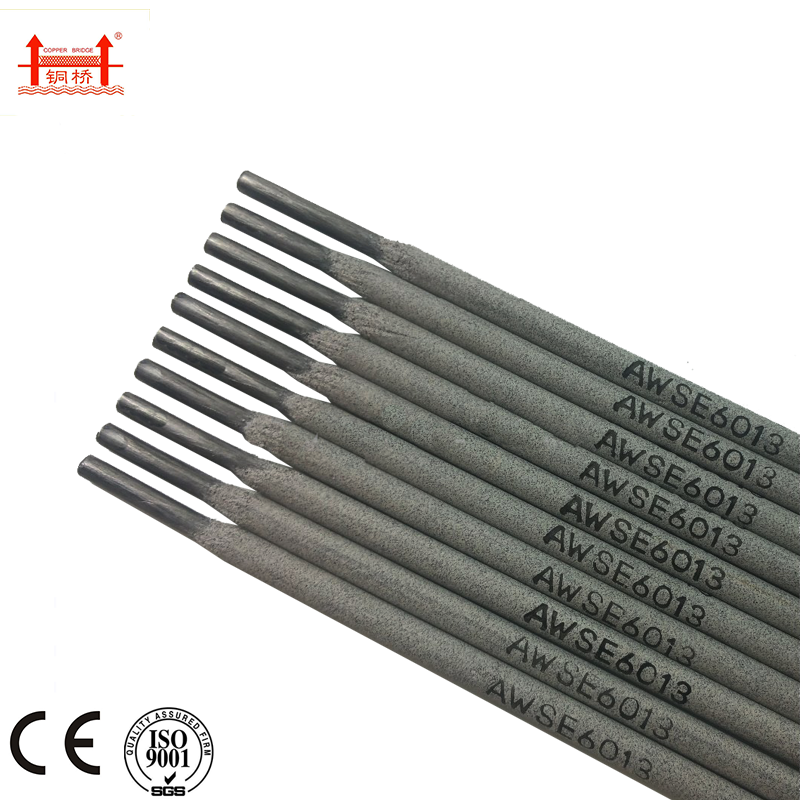
| Strength | 70,000 psi | 60,000 psi | 70,000 psi |
| Hydrogen Content | Low (minimizes cracking) | Moderate | Low |
| Best Use | Pressure vessels, bridges, structural steel | Sheet metal, light structural | High crack resistance, high strength |
| Ease of Use | Moderate (slightly more skill needed) | Easy to use | Moderate |
| Cost | Higher | Lower | Moderate |
Advantages and the Long-Term Value of the 3 16 7018 Welding Rod
Choosing the 7018 rod is often like an investment rather than a cost. Because of its low hydrogen coating, it reduces weld defects and cracking — this means fewer reworks, better safety on the job, and longer-lasting structures.
Engineers often note that although it demands a bit more skill, the end result is a strong weld that can withstand harsh stresses and environmental factors. On a social level, that reliability translates to safer bridges, cleaner pipelines, and better-built homes — which, frankly, we all want.
It’s also more environmentally friendly in a subtle way: fewer repairs and replacements mean less waste and energy used over a structure’s lifespan.
Looking Forward: Trends and Innovations in Welding Rod Technology
Technology doesn’t stand still — new low-hydrogen coatings and faster welding rods are hitting the market to support automation and robotic welding. Some companies are experimenting with more sustainable materials and eco-friendly coatings to reduce chemical emissions during welding operations.
Digital integration in welding machines now allows welders to monitor arc stability in real-time, ensuring the best use of rods like the 3 16 7018 with less trial and error. China, the U.S., and Germany are leading innovations here, pushing both performance and sustainability.
Overcoming Limitations: Challenges and Solutions
Despite its strengths, the 7018 welding rod requires dry storage because moisture can ruin its low hydrogen coating. So, if you’re working in humid or rainy environments, carrying a proper rod oven or sealed storage comes with the territory.
Training welders is also a challenge, since preheating and controlled cooling are recommended, particularly for thick materials. Many firms are tackling this with hands-on workshops and increasingly smart welding rigs.
Frequently Asked Questions About 3 16 7018 Welding Rod
- Q: What makes the 3 16 7018 welding rod preferable for structural steel welding?
- A: Its low hydrogen coating reduces the risk of weld cracking, and it delivers high tensile strength (around 70,000 psi), making it ideal for load-bearing parts like beams and bridges.
- Q: Can the 3 16 7018 rod be used with both AC and DC welding machines?
- A: Yes. One major advantage is its compatibility with both AC and DC (electrode positive or negative), offering flexibility in different welding setups.
- Q: How important is rod storage for 7018 electrodes?
- Extremely important. Exposure to moisture can degrade the rod’s flux coating, so it's recommended to store these rods in a rod oven or moisture-proof container.
- Q: How do I know if the 3 16 7018 welding rod suits my project?
- If your project involves medium to heavy structural steel work or requires strong, crack-resistant welds in all positions, then this rod is likely a top candidate.
- Q: Is the 7018 rod suitable for beginners?
- While it provides excellent weld quality, it requires moderate skill due to specific handling and storage needs. Beginners may want to start with easier rods before moving on.
Final Thoughts: Why 3 16 7018 Welding Rod Continues to Be a Top Choice
In the realm of welding, the 3 16 7018 rod stands out because it brings together strength, versatility, and reliability — a combination that many engineers say is hard to beat in real-world use. Its global adoption in critical infrastructure and disaster recovery projects speaks volumes about its value beyond mere specs.
Whether you’re upgrading your welding toolkit, planning a construction project, or involved in humanitarian rebuild efforts, understanding the strengths and limitations of the 3 16 7018 welding rod can make a real difference.
Want to learn more or get your hands on quality rods? Visit our website: 3 16 7018 welding rod
References

Related Video

Related News


2026-04-16 02:35:10
Precision Guide for e312 16 welding rod and Dissimilar Steel Welding
In the demanding world of industrial fabrication and repair, selecting the correct filler metal is the difference between a structural failure and a lifetime bond. The e312 16 welding rod is specifically engineered to meet the rigorous needs of welding dissimilar steels, offering an exceptional balance of strength and corrosion resistance. Whether you are working on high-pressure pipelines or heavy machinery components, understanding the nuances of this specialized electrode is key to achieving professional-grade results. This guide explores the technical advantages and practical applications of the E312 series to help you optimize your welding workflow.
2026-04-09 02:35:17
Choosing the Right cs to ss welding rod number Professional Guide
Joining carbon steel (CS) to stainless steel (SS) is a common challenge in industrial fabrication, requiring a precise understanding of metallurgy to avoid weld failure. The most critical decision in this process is identifying the correct cs to ss welding rod number to ensure a strong, corrosion-resistant bond. Using the wrong filler metal can lead to cracking or premature oxidation due to the different thermal expansion rates of the two materials. In this comprehensive guide, we will break down the technical specifications and selection criteria to help you achieve a professional-grade weld every time.
2026-04-07 02:25:29
Comprehensive Guide to 409 Welding Rod Selection and Optimal Usage
When it comes to welding applications requiring corrosion resistance and good weldability, the 409 welding rod is a frequently chosen option. This article provides a detailed overview of this versatile welding rod, exploring its composition, applications, benefits, and considerations for optimal use. Whether you’re a seasoned professional or new to welding, understanding the properties of 409 welding rod is crucial for achieving high-quality, durable welds. We’ll cover everything you need to know to make informed decisions for your welding projects.
2026-04-04 02:35:28
Comprehensive Guide to 330 Stainless Steel Welding Rod Applications and Techniques
330 stainless steel welding rods are a crucial component in various industries, offering exceptional corrosion resistance and high-temperature strength. This article provides an in-depth look at these rods, covering their properties, applications, choosing the right rod, welding techniques, safety precautions, and where to find high-quality options. Whether you're a seasoned welding professional or new to the field, this guide will offer valuable insights.
2026-03-31 02:35:08
Comprehensive Guide to 312 Stainless Tig Rod for Superior Welding Performance
When choosing the right filler metal for your TIG welding projects, especially in demanding applications, 312 stainless steel tig rod stands out for its exceptional corrosion resistance and high-temperature strength. This comprehensive guide will explore its composition, applications, benefits, and how it compares to other stainless steel rods. We'll also point you to resources for sourcing high-quality rods.
2026-03-28 02:45:04
Comprehensive Guide to 312 17 Welding Rod Applications and Technical Details
Welding rods are essential consumables in the welding process, and selecting the right one is crucial for achieving strong, durable, and high-quality welds. The 312 17 welding rod is a popular choice for many applications due to its unique properties and versatility. This article delves into the characteristics, applications, benefits, and considerations when using 312 17 welding rods, providing a comprehensive resource for welders and engineers alike. Choosing the right rod directly impacts the success and longevity of any welding project.
2026-03-26 02:35:10
Comprehensive Guide to the 312 16 Welding Rod for Superior Steel Welding
The 312 16 welding rod is a versatile and widely-used electrode in various welding applications. Known for its excellent weldability and strong mechanical properties, it's a go-to choice for professionals and hobbyists alike. This article delves into the specifics of this electrode, covering its composition, applications, advantages, and how to choose the right one for your projects. Understanding the nuances of the 312 16 welding rod is crucial for achieving high-quality, durable welds. The designation "312 16" provides key information about the welding rod. "312" refers to the type of flux coating, specifically a low-hydrogen, iron powder coating. This coating is designed to produce welds with excellent mechanical properties and good resistance to cracking. The "16" indicates the diameter of the rod in 32nds of an inch – so a 312 16 rod has a diameter of 16/32 or 1/2 inch. This combination makes it suitable for a wide range of steel welding applications. The low-hydrogen nature of the flux minimizes hydrogen-induced cracking, a common issue in welding certain steels.
2026-03-24 02:45:07
Comprehensive Guide to 309LSI TIG Rod Welding Applications and Best Practices
The 309LSI TIG rod is a versatile welding consumable widely used across various industries for its exceptional corrosion resistance and weldability. This article will explore the properties, applications, advantages, and best practices associated with using 309LSI TIG rods. Whether you're a seasoned welding professional or new to the field, this guide will provide you with valuable insights into maximizing the performance and longevity of your welds. The 309LSI TIG rod is a stainless steel electrode specifically designed for Gas Tungsten Arc Welding (GTAW), commonly known as TIG welding. The "309LSI" designation indicates the alloy composition: 309 signifies the chromium-nickel content, 'L' denotes low carbon content for enhanced corrosion resistance, and 'SI' signifies stabilized with silicon for improved resistance to carbide precipitation during welding.

 English
  Arabic
  Bengali
  China
China  French
  German
  Hausa
Hausa  Indonesian
  Italian
  Japanese
  Javanese
  Malay
Malay  Persian
  Portuguese
  Punjabi
  Russian
  Spanish
  Swahili
  Telugu
  Vietnamese