

1.6 mm 6013 Welding Electrode – Versatile, Reliable, and Cost-Effective Choice

1.6 mm 6013 Welding Electrode – Versatile, Reliable, and Cost-Effective Choice
Dec . 01, 2025 18:15
Understanding 1.6 mm 6013: Welding Electrode Essentials in Today’s World
If you’ve ever peeked behind the scenes of construction, automotive repair, or manufacturing, chances are you’ve come across references to welding electrodes like the 1.6 mm 6013. It’s a surprisingly unassuming little component, yet globally, it plays a part in holding our infrastructure together — literally.
Why does this matter? Well, welding electrodes all but vanish into the background of daily life, but their quality and specifications can make or break everything from bridges to basic metal fabrications. The 1.6 mm 6013, in particular, is a versatile choice beloved for its ease of use and adaptability. Understanding it better isn’t just a technical exercise; it’s about appreciating a key tool that supports industries worldwide — from bustling urban centers to remote humanitarian projects.
Why Global Industry Cares About 1.6 mm 6013
Globally, welding activity affects billions of dollars in infrastructure and manufacturing annually. According to the ISO welding standards, electrodes like the 6013 variant remain critical for ensuring welding quality and safety. Indeed, welding electrodes represent about 25% of the consumables market in manufacturing industries, with steady growth thanks to urban expansion and industrial upgrades.
Yet challenges persist: poor welding quality can mean costly delays, catastrophic failures, and even human risk. This makes choosing the right electrode, such as the 1.6 mm 6013, more than a technical choice — it’s a global imperative for safety and efficiency that even post-disaster recovery efforts depend on.
What Exactly Is 1.6 mm 6013?
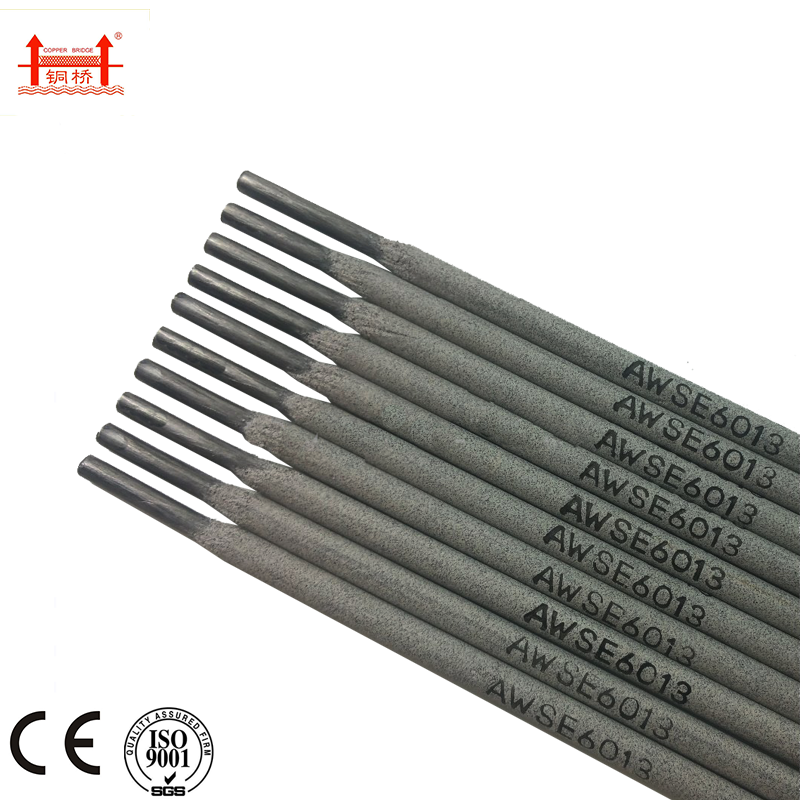
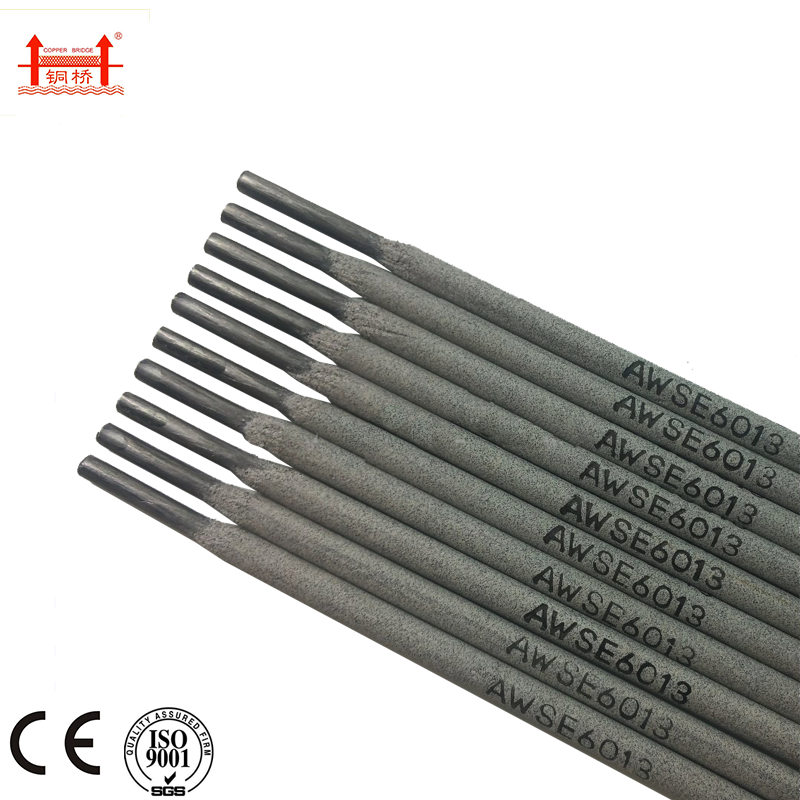
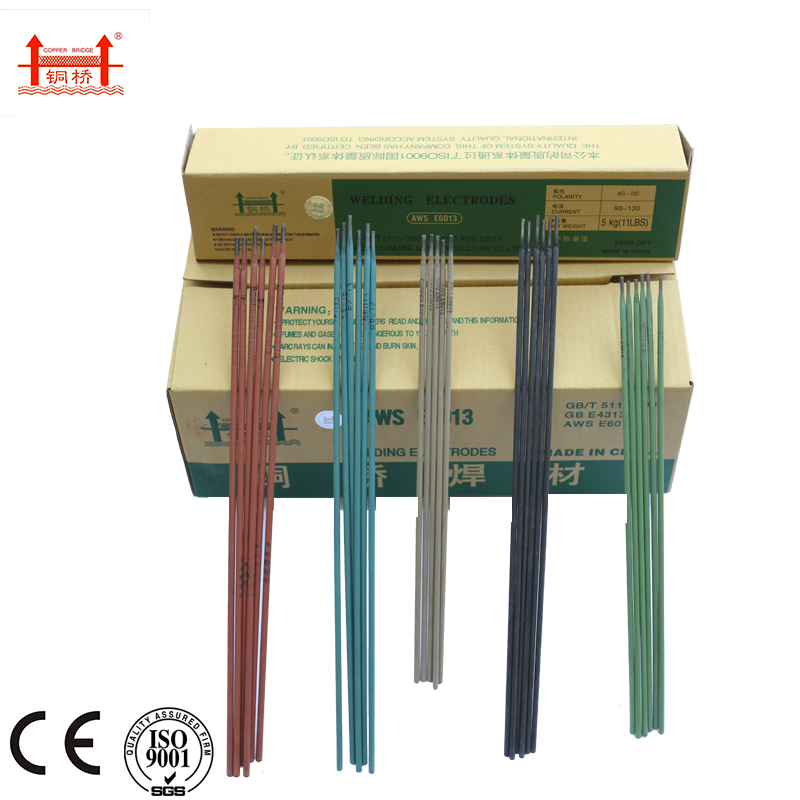
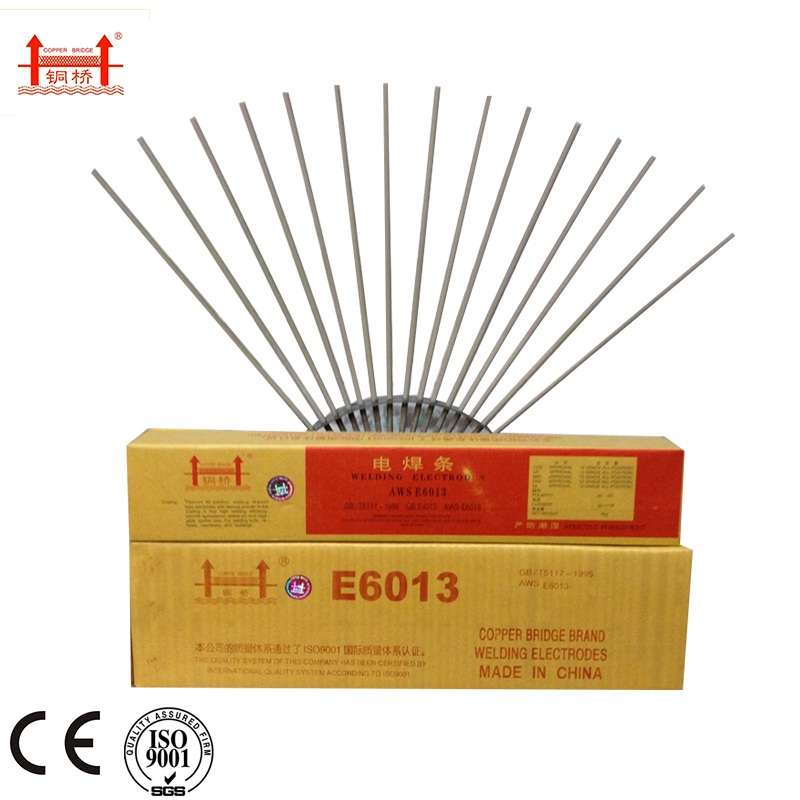
In simple terms, the “1.6 mm 6013” refers to a welding electrode that is 1.6 millimeters in diameter, classified under the AWS (American Welding Society) E6013 standard. It’s coated with a specific flux manufacturing mix that facilitates smooth, stable arc characteristics — making it fairly user-friendly for beginners and handy for tougher, general-purpose welding tasks.
This electrode type connects deeply with many industries — automotive bodywork, farm machinery repair, even artistic metal sculpture — because it balances ease of use with reasonable strength and appearance. In humanitarian contexts, this electrode helps repair critical infrastructure fast, enabling communities to bounce back quicker from disruptions.
Core Features of the 1.6 mm 6013 Electrode
Durability and Strength
The coated electrode creates welds that can stand up to moderate stress and some corrosion. While it’s not designed for the most heavy-duty industrial needs, it’s incredibly reliable for everyday structural repair and fabrication.
Versatility
One of the hallmarks of the 1.6 mm 6013 is how well it adapts to different metals — mild steel, galvanized steel, and even thin sheet metals. This makes it a favored choice across industries that require flexible welding options.
User-Friendliness
Many engineers and welders praise the 6013 electrode for its smooth arc and low spatter, meaning less cleanup and easier handling. For craftsmen who may still be learning, the 1.6 mm diameter balances portability with control.
Cost-Efficiency
Compared to other electrodes, the 6013 tends to be budget-friendly — especially in the 1.6 mm size, which suits many repair and light construction applications without waste.
Appearance of Weld Beads
Welders often note that 6013 electrodes produce tidy, convex weld beads, which are aesthetically pleasing in visible joints, adding value where looks matter, not just function.
Where Is 1.6 mm 6013 Used Around the World?
The practical applications of 1.6 mm 6013 electrodes range broadly. In Southeast Asia’s manufacturing hubs, factories depend on these electrodes daily to assemble lightweight steel frames and machinery. In Europe, maintenance teams use them to patch up aging infrastructure efficiently.
Post-disaster zones are another significant area. For example, after the 2015 Nepal earthquake, NGOs and local technicians often reached for reliable, easy-to-use electrodes like the 6013 to repair water tanks, fences, and transportation vehicles—critical for quick recovery.
Even in rugged mining operations in Africa and Australia, the balance of weld quality and ease makes this electrode a standby for on-site repairs where downtime can cost thousands.
Advantages & Long-Term Value of Choosing 1.6 mm 6013
- Reliability: Produces consistent welds that stand the test of time under everyday stresses.
- Safety: Fewer welding defects lead to fewer structural failures, a huge plus where human safety is paramount.
- Sustainability: Good efficiency means less material waste — especially important for companies aiming to cut environmental footprints.
- Cost Savings: Easy welding reduces labor hours and rework costs.
- Empowerment: Makes complex welding jobs accessible to less experienced operators, supporting skill development in emerging markets.
Product Specification Table: 1.6 mm 6013 Welding Electrode
| Specification | Details |
|---|---|
| Diameter | 1.6 mm (approx. 1/16") |
| AWS Classification | E6013 |
| Current Type | AC or DC (Electrode Positive) |
| Coating Type | Cellulosic-Rutile |
| Typical Applications | Light fabrication, pipe welding, sheet metal, maintenance |
| Storage Recommendations | Keep dry and sealed, avoid humidity |
Comparing Top Vendors Supplying 1.6 mm 6013 Electrodes
| Vendor | Price Per Kg (USD) | Typical Delivery Time | Special Features |
|---|---|---|---|
| Jinlong Welding Electrode Co. | $4.50 | 3-7 business days | Consistent coating quality, moisture-resistant packaging |
| Global Weld Supplies | $4.75 | 5-10 business days | Bulk order discounts, eco-friendly flux |
| SteelPro Industrial | $5.00 | 2-5 business days (priority shipping) | Custom diameter availability, premium coating materials |
Looking Ahead: Emerging Trends and Innovations for 1.6 mm 6013
Innovations in welding electrodes, including the 1.6 mm 6013, are leaning strongly toward sustainability and digitization. New flux formulas reduce toxic fumes, and packaging improvements improve shelf life, reducing waste — which frankly feels overdue given environmental pressures.
At the same time, automation and welding robots increasingly rely on electrodes with consistent electrical characteristics. The 6013’s stable arc performance makes it a candidate for integration into more automated processes, though it’s not necessarily the first choice for all robotic welding applications due to its flux composition.
Green energy initiatives are also shifting demands; with stronger emphasis on lighter, corrosion-resistant materials, the 1.6 mm 6013 electrodes are expected to evolve alongside alloys and coatings. It’s a fascinating period where tradition meets innovation.
Challenges and Expert Solutions
Despite its popularity, the 1.6 mm 6013 electrode isn’t perfect. Because it’s optimized for general use rather than specialized heavy-duty welds, it can struggle in very thick steel or high-corrosion environments.
Experts suggest pairing it with pre-weld cleaning, correct amperage settings, and sometimes post-weld treatments to extend weld life. Proper storage to avoid moisture absorption is also key; wet electrodes can lead to poor arc quality and weld defects.
For your peace of mind: always source electrodes from trusted vendors (1.6 mm 6013 specialists like Jinlong ensure product consistency).
FAQs About 1.6 mm 6013 Welding Electrodes
1. Can the 1.6 mm 6013 electrode be used on galvanized steel?
Yes, it’s one of the 6013’s strengths. Its flux coating handles thinner metals like galvanized steel well, producing smooth welds with minimal spatter. However, proper ventilation is a must when welding galvanized metals.
2. What welding current works best with 1.6 mm 6013 electrodes?
This electrode typically operates well on AC or DC (Electrode Positive), with amperage ranging around 40-70 amps. Adapting the settings depending on material thickness and weld position optimizes results.
3. How long can 1.6 mm 6013 electrodes be stored?
When kept dry and sealed, they can last several months. Exposure to humidity compromises flux quality, so sealed storage boxes or low-humidity environments are best.
4. Are 1.6 mm 6013 electrodes suitable for beginner welders?
Absolutely. Because they create a smooth arc and produce minimal spatter, these electrodes are often recommended for those learning shielded metal arc welding (SMAW).
5. How can companies import 1.6 mm 6013 electrodes efficiently?
Partnering with reputable suppliers who handle international logistics simplifies the process. Using certified vendors like Jinlong ensures compliance with quality and documentation standards, easing customs clearance worldwide.
Wrapping Up: The Quiet Importance of 1.6 mm 6013 Electrode
From humble repair jobs in remote regions to more polished manufacturing tasks, the 1.6 mm 6013 electrode quietly underpins countless metal works globally. It strikes a balance — accessible to novices yet effective enough for many industry needs. Its ongoing evolution hints at a bright future where sustainability joins hands with craftsmanship.
Thinking about your next project? Consider how the 1.6 mm 6013 might make your welding smoother, safer, and more cost-effective. To explore product lines and order details, don’t hesitate to visit our website — you might be surprised what this little electrode can do.
Mini Takeaways:
- The 1.6 mm 6013 is a versatile, easy-to-use welding electrode, suitable for a broad range of general welding tasks.
- Its balance of performance, cost, and handling makes it a staple in industries worldwide, from construction to repair.
- Choosing quality suppliers and proper storage profoundly impacts weld quality and longevity.
References

Related Video

Related News


2026-04-16 02:35:10
Precision Guide for e312 16 welding rod and Dissimilar Steel Welding
In the demanding world of industrial fabrication and repair, selecting the correct filler metal is the difference between a structural failure and a lifetime bond. The e312 16 welding rod is specifically engineered to meet the rigorous needs of welding dissimilar steels, offering an exceptional balance of strength and corrosion resistance. Whether you are working on high-pressure pipelines or heavy machinery components, understanding the nuances of this specialized electrode is key to achieving professional-grade results. This guide explores the technical advantages and practical applications of the E312 series to help you optimize your welding workflow.
2026-04-09 02:35:17
Choosing the Right cs to ss welding rod number Professional Guide
Joining carbon steel (CS) to stainless steel (SS) is a common challenge in industrial fabrication, requiring a precise understanding of metallurgy to avoid weld failure. The most critical decision in this process is identifying the correct cs to ss welding rod number to ensure a strong, corrosion-resistant bond. Using the wrong filler metal can lead to cracking or premature oxidation due to the different thermal expansion rates of the two materials. In this comprehensive guide, we will break down the technical specifications and selection criteria to help you achieve a professional-grade weld every time.
2026-04-07 02:25:29
Comprehensive Guide to 409 Welding Rod Selection and Optimal Usage
When it comes to welding applications requiring corrosion resistance and good weldability, the 409 welding rod is a frequently chosen option. This article provides a detailed overview of this versatile welding rod, exploring its composition, applications, benefits, and considerations for optimal use. Whether you’re a seasoned professional or new to welding, understanding the properties of 409 welding rod is crucial for achieving high-quality, durable welds. We’ll cover everything you need to know to make informed decisions for your welding projects.
2026-04-04 02:35:28
Comprehensive Guide to 330 Stainless Steel Welding Rod Applications and Techniques
330 stainless steel welding rods are a crucial component in various industries, offering exceptional corrosion resistance and high-temperature strength. This article provides an in-depth look at these rods, covering their properties, applications, choosing the right rod, welding techniques, safety precautions, and where to find high-quality options. Whether you're a seasoned welding professional or new to the field, this guide will offer valuable insights.
2026-03-31 02:35:08
Comprehensive Guide to 312 Stainless Tig Rod for Superior Welding Performance
When choosing the right filler metal for your TIG welding projects, especially in demanding applications, 312 stainless steel tig rod stands out for its exceptional corrosion resistance and high-temperature strength. This comprehensive guide will explore its composition, applications, benefits, and how it compares to other stainless steel rods. We'll also point you to resources for sourcing high-quality rods.
2026-03-28 02:45:04
Comprehensive Guide to 312 17 Welding Rod Applications and Technical Details
Welding rods are essential consumables in the welding process, and selecting the right one is crucial for achieving strong, durable, and high-quality welds. The 312 17 welding rod is a popular choice for many applications due to its unique properties and versatility. This article delves into the characteristics, applications, benefits, and considerations when using 312 17 welding rods, providing a comprehensive resource for welders and engineers alike. Choosing the right rod directly impacts the success and longevity of any welding project.
2026-03-26 02:35:10
Comprehensive Guide to the 312 16 Welding Rod for Superior Steel Welding
The 312 16 welding rod is a versatile and widely-used electrode in various welding applications. Known for its excellent weldability and strong mechanical properties, it's a go-to choice for professionals and hobbyists alike. This article delves into the specifics of this electrode, covering its composition, applications, advantages, and how to choose the right one for your projects. Understanding the nuances of the 312 16 welding rod is crucial for achieving high-quality, durable welds. The designation "312 16" provides key information about the welding rod. "312" refers to the type of flux coating, specifically a low-hydrogen, iron powder coating. This coating is designed to produce welds with excellent mechanical properties and good resistance to cracking. The "16" indicates the diameter of the rod in 32nds of an inch – so a 312 16 rod has a diameter of 16/32 or 1/2 inch. This combination makes it suitable for a wide range of steel welding applications. The low-hydrogen nature of the flux minimizes hydrogen-induced cracking, a common issue in welding certain steels.
2026-03-24 02:45:07
Comprehensive Guide to 309LSI TIG Rod Welding Applications and Best Practices
The 309LSI TIG rod is a versatile welding consumable widely used across various industries for its exceptional corrosion resistance and weldability. This article will explore the properties, applications, advantages, and best practices associated with using 309LSI TIG rods. Whether you're a seasoned welding professional or new to the field, this guide will provide you with valuable insights into maximizing the performance and longevity of your welds. The 309LSI TIG rod is a stainless steel electrode specifically designed for Gas Tungsten Arc Welding (GTAW), commonly known as TIG welding. The "309LSI" designation indicates the alloy composition: 309 signifies the chromium-nickel content, 'L' denotes low carbon content for enhanced corrosion resistance, and 'SI' signifies stabilized with silicon for improved resistance to carbide precipitation during welding.

 English
  Arabic
  Bengali
  China
China  French
  German
  Hausa
Hausa  Indonesian
  Italian
  Japanese
  Javanese
  Malay
Malay  Persian
  Portuguese
  Punjabi
  Russian
  Spanish
  Swahili
  Telugu
  Vietnamese