

Buy Quality 7018 Welding Rod for Sale – Durable, Low-Hydrogen Electrodes

Buy Quality 7018 Welding Rod for Sale – Durable, Low-Hydrogen Electrodes
Nov . 28, 2025 15:15
Understanding 7018 Welding Rod for Sale: Why It Matters Worldwide
When it comes to welding electrodes, the 7018 welding rod has earned a reputation as a reliable workhorse — extensively used in construction, fabrication, and repair. But beyond the factory floors of industrial powerhouses, it quietly powers infrastructures that keep the world moving. Whether it’s bridges, pipelines, or offshore platforms, the strength and dependability of 7018 rods are crucial.
Globally, industries face the challenge of building durable, safe metal structures that can withstand both heavy use and harsh environments. That’s where understanding the core benefits of the 7018 welding rod for sale becomes important. Knowing its attributes, applications, and long-term value helps engineers, procurement professionals, and small-scale welders alike make smarter, more cost-effective choices in a competitive market.
Global Impact: Why 7018 Welding Rods Are In Demand
According to the International Organization for Standardization (ISO), quality and consistency in welding materials are essential for structural integrity across sectors like automotive, energy, and infrastructure.[1] The global market for welding electrodes is projected to grow steadily, accelerated by expanding urbanization and industrial development. Places like Asia-Pacific and the Middle East are driving demand due to infrastructure booms.
Yet, the challenge is sourcing a welding rod that offers not only strength but also minimizes post-weld repairs and downtime. The 7018 rod, known for its low hydrogen coating and superior weld quality, responds well to these demands, reducing cracking and enhancing life expectancy of welded joints.
What Exactly Is a 7018 Welding Rod?
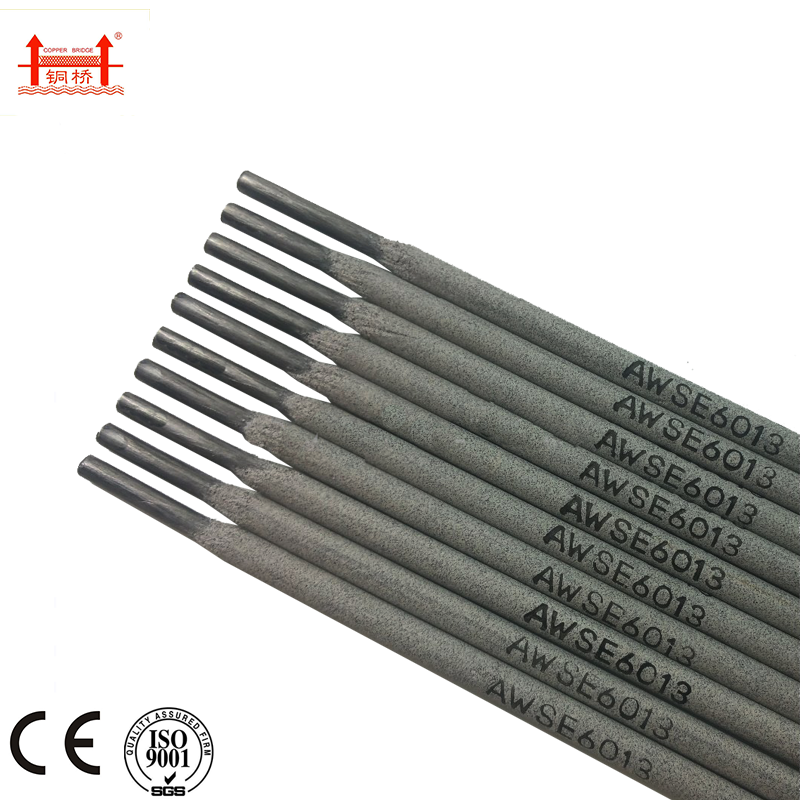
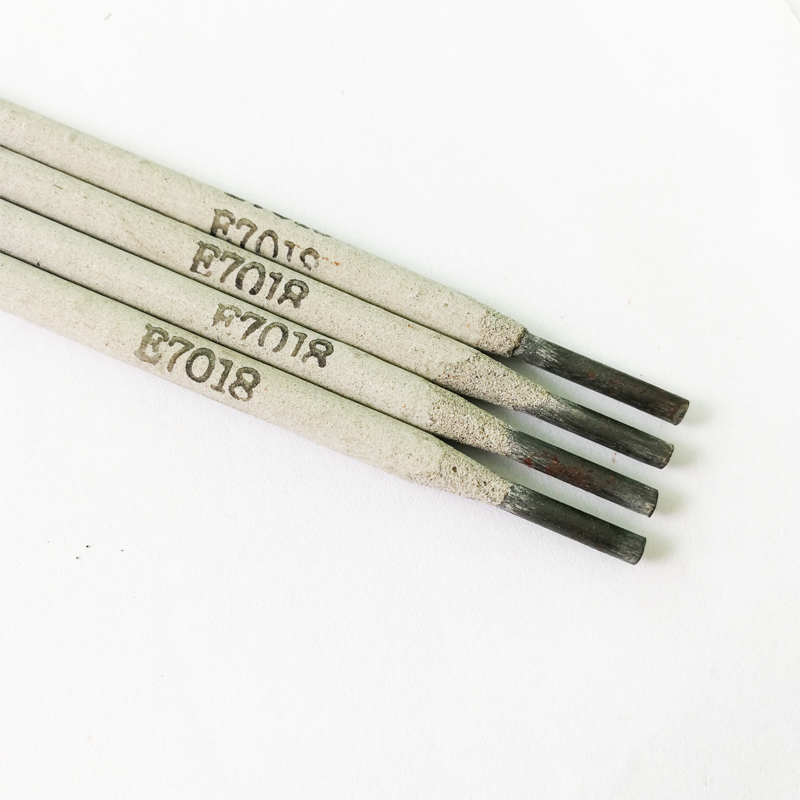
Simply put, a 7018 welding rod is a type of low-hydrogen, iron powder electrode used for shielded metal arc welding (SMAW). The “70” means it can handle 70,000 psi tensile strength, and the “18” indicates it has a low-hydrogen potassium iron powder coating. This composition makes it especially resistant to cracking, an advantage crucial in both heavy structural steel and repair works.
In modern industry, 7018 electrodes form the backbone of jobs where weld quality is non-negotiable — think offshore oil rigs, skyscrapers, or railway maintenance. Humanitarian efforts also benefit, especially in post-disaster rebuilding — welding strong connections quickly and reliably can save time and lives.
Core Components That Make 7018 Rods Stand Out
Durability
The low-hydrogen flux coating drastically reduces hydrogen embrittlement risks — which is basically weld cracking caused by absorbed hydrogen. This means structures welded with 7018 rods tend to last longer in demanding environments, such as coastal regions with salt spray or cold weather where brittleness often leads to failure.
Arc Stability and Smooth Welding
Many welders appreciate the consistent, smooth arc 7018 rods produce. Less spatter, minimal smoke — it feels like the rod almost guides itself along the joint, making it easier to maintain neat and strong weld beads even during long shifts.
Versatility
This type of welding rod works well on both AC and DC currents and can be used in all positions — flat, vertical, overhead, or horizontal. That flexibility provides cost savings and operational efficiency in the field.
Repair and Maintenance Friendliness
Since 7018 rods create a strong, ductile weld, repairs performed with them hold up better under cyclic stresses. This is essential for infrastructure like bridges, which face constant dynamic loads.
Cost Efficiency
While sometimes more expensive than basic rods, the long-term savings are clear: fewer defects, less rework, and extended equipment lifespan.
A Closer Look: Global Applications of 7018 Welding Rod
7018 electrodes are everywhere — and not just in factories. In Asia, the rapid expansion of transport networks from China’s high-speed rails to India’s highway projects heavily depend on welders using this rod for critical joints. In post-disaster disaster zones like Indonesia and the Philippines, repair teams rely on durable weld rods to quickly restore damaged metal infrastructure.
The oil & gas sector in the Gulf region, often contending with extreme temperatures and corrosive environments, also commits to the quality 7018 offers. Less obvious but important are manufacturing plants in Europe that need ultra-reliable welding for machinery and tools operating nonstop in lean production lines.
Mini takeaway:
7018 welding rods are truly global workhorses, bridging rugged industrial needs with the delicate demands of repair and maintenance.
Advantages & Long-Term Value of Choosing 7018 Rods
- Reliability: Consistent weld quality reduces safety risks.
- Cost Savings: Less downtime and fewer rejects improve profitability.
- Environmental Impact: Using long-lasting welds means fewer replacements, less waste.
- Social Impact: Supports safer infrastructure in fragile communities or disaster-stricken regions.
- Innovation Friendly: Compatible with modern welding machines and techniques.
Product Specification Table: Typical 7018 Welding Rod
| Specification | Detail |
|---|---|
| Tensile Strength | 70,000 psi (480 MPa) |
| Current Type | AC & DC+ |
| Coating | Low Hydrogen, Potassium Iron Powder |
| Diameter Options | 1/8”, 5/32”, 3/16”, 1/4” |
| Usable Positions | All (Flat, Horizontal, Vertical, Overhead) |
| Typical Applications | Structural Steel, Pipelines, Pressure Vessels |
Comparing Top Vendors of 7018 Welding Rods
| Vendor | Quality Certification | Price Range (per kg) | Product Variety | Global Delivery |
|---|---|---|---|---|
| Jinlong Welding Electrode | ISO 9001, AWS Certified | $12 - $18 | Multiple Diameters & Coatings | Yes, Worldwide |
| Lincoln Electric | AWS & ISO Certified | $15 - $22 | Wide Variety | Global |
| ESAB | ISO 9001, AWS Accredited | $14 - $20 | Standard Sizes & Specialty Rods | Yes, Select Regions |
| Bohler Welding | ISO 9001 | $13 - $19 | Limited Range | Regional |
What’s on the Horizon? Future Trends and Innovations
The welding industry is quietly evolving with smart automation, and 7018 welding rods aren't exempt. Innovations include low-fume coatings to improve welder safety, and electrodes designed for robotic welding arms — improving repeatability and reducing errors.
Eco-friendly manufacturing processes are gaining traction. A push toward sustainability means sourcing materials responsibly and reducing waste during welding. Certain new hybrid rods promise improved energy efficiency without sacrificing weld strength.
Digital welding monitoring tools are popping up, pairing with electrodes to provide real-time feedback — an exciting leap toward minimizing defects, particularly on critical infrastructure.
Common Challenges & How to Address Them
Despite their popularity, 7018 rods require careful storage to maintain low hydrogen levels. Moisture exposure ruins them fast, causing weld brittleness. Keeping rods dry can sometimes be tricky onsite in tough weather conditions.
Another hurdle is the skill level needed to master 7018 welding — some beginners find the technique less forgiving than general-purpose rods. Training programs and on-the-job mentorship can ease this curve, ensuring better consistency.
Frequently Asked Questions About 7018 Welding Rod for Sale
Q1: Why is the 7018 welding rod preferred for structural steel projects?
A: The 7018 rod offers high tensile strength and low hydrogen content that prevent cracking in structural welds, making it ideal for steel beams, bridges, and buildings where safety margins are critical.
Q2: Can 7018 rods be used with AC current?
A: Yes, 7018 electrodes are designed to function with both AC and DC currents, though many welders prefer DC+ for smoother arc performance.
Q3: How should I store 7018 welding rods to preserve quality?
A: Store rods in a moisture-proof container or rod oven at recommended temperatures (usually 250°F to 300°F) to maintain the low-hydrogen coating’s integrity.
Q4: Are 7018 welding rods suitable for repair work in cold climates?
A: Absolutely. Their welds resist brittleness and cracking, which are common problems at low temperatures, making them a favorite for pipeline and heavy equipment repairs in cold regions.
Q5: Where can I buy quality 7018 welding rods for sale?
A: Trusted vendors like Jinlong Welding Electrode offer certified 7018 rods suitable for global shipping and large or small orders.
Wrapping Up
So, when you think about robust, reliable welds that keep the world’s critical steel structures together, the 7018 welding rod for sale is among the top contenders. Thanks to its durability, versatility, and the global footprint, it remains an industry favorite. If you’re sourcing welding materials that combine longevity with cost-effectiveness, 7018 rods should definitely be on your radar.
Ready to stock up or learn more? Visit our website for the latest products and expert support.
Key Takeaway:
Investing in 7018 welding rods isn’t just buying metal sticks — it’s buying peace of mind for decades of service. In fact, sometimes I think of them as the welders’ secret handshake, signaling quality and trustworthiness in a world that demands nothing less.
References

Related Video

Related News
2026-04-16 02:35:10
Precision Guide for e312 16 welding rod and Dissimilar Steel Welding
In the demanding world of industrial fabrication and repair, selecting the correct filler metal is the difference between a structural failure and a lifetime bond. The e312 16 welding rod is specifically engineered to meet the rigorous needs of welding dissimilar steels, offering an exceptional balance of strength and corrosion resistance. Whether you are working on high-pressure pipelines or heavy machinery components, understanding the nuances of this specialized electrode is key to achieving professional-grade results. This guide explores the technical advantages and practical applications of the E312 series to help you optimize your welding workflow.
2026-04-09 02:35:17
Choosing the Right cs to ss welding rod number Professional Guide
Joining carbon steel (CS) to stainless steel (SS) is a common challenge in industrial fabrication, requiring a precise understanding of metallurgy to avoid weld failure. The most critical decision in this process is identifying the correct cs to ss welding rod number to ensure a strong, corrosion-resistant bond. Using the wrong filler metal can lead to cracking or premature oxidation due to the different thermal expansion rates of the two materials. In this comprehensive guide, we will break down the technical specifications and selection criteria to help you achieve a professional-grade weld every time.
2026-04-07 02:25:29
Comprehensive Guide to 409 Welding Rod Selection and Optimal Usage
When it comes to welding applications requiring corrosion resistance and good weldability, the 409 welding rod is a frequently chosen option. This article provides a detailed overview of this versatile welding rod, exploring its composition, applications, benefits, and considerations for optimal use. Whether you’re a seasoned professional or new to welding, understanding the properties of 409 welding rod is crucial for achieving high-quality, durable welds. We’ll cover everything you need to know to make informed decisions for your welding projects.
2026-04-04 02:35:28
Comprehensive Guide to 330 Stainless Steel Welding Rod Applications and Techniques
330 stainless steel welding rods are a crucial component in various industries, offering exceptional corrosion resistance and high-temperature strength. This article provides an in-depth look at these rods, covering their properties, applications, choosing the right rod, welding techniques, safety precautions, and where to find high-quality options. Whether you're a seasoned welding professional or new to the field, this guide will offer valuable insights.
2026-03-31 02:35:08
Comprehensive Guide to 312 Stainless Tig Rod for Superior Welding Performance
When choosing the right filler metal for your TIG welding projects, especially in demanding applications, 312 stainless steel tig rod stands out for its exceptional corrosion resistance and high-temperature strength. This comprehensive guide will explore its composition, applications, benefits, and how it compares to other stainless steel rods. We'll also point you to resources for sourcing high-quality rods.
2026-03-28 02:45:04
Comprehensive Guide to 312 17 Welding Rod Applications and Technical Details
Welding rods are essential consumables in the welding process, and selecting the right one is crucial for achieving strong, durable, and high-quality welds. The 312 17 welding rod is a popular choice for many applications due to its unique properties and versatility. This article delves into the characteristics, applications, benefits, and considerations when using 312 17 welding rods, providing a comprehensive resource for welders and engineers alike. Choosing the right rod directly impacts the success and longevity of any welding project.
2026-03-26 02:35:10
Comprehensive Guide to the 312 16 Welding Rod for Superior Steel Welding
The 312 16 welding rod is a versatile and widely-used electrode in various welding applications. Known for its excellent weldability and strong mechanical properties, it's a go-to choice for professionals and hobbyists alike. This article delves into the specifics of this electrode, covering its composition, applications, advantages, and how to choose the right one for your projects. Understanding the nuances of the 312 16 welding rod is crucial for achieving high-quality, durable welds. The designation "312 16" provides key information about the welding rod. "312" refers to the type of flux coating, specifically a low-hydrogen, iron powder coating. This coating is designed to produce welds with excellent mechanical properties and good resistance to cracking. The "16" indicates the diameter of the rod in 32nds of an inch – so a 312 16 rod has a diameter of 16/32 or 1/2 inch. This combination makes it suitable for a wide range of steel welding applications. The low-hydrogen nature of the flux minimizes hydrogen-induced cracking, a common issue in welding certain steels.
2026-03-24 02:45:07
Comprehensive Guide to 309LSI TIG Rod Welding Applications and Best Practices
The 309LSI TIG rod is a versatile welding consumable widely used across various industries for its exceptional corrosion resistance and weldability. This article will explore the properties, applications, advantages, and best practices associated with using 309LSI TIG rods. Whether you're a seasoned welding professional or new to the field, this guide will provide you with valuable insights into maximizing the performance and longevity of your welds. The 309LSI TIG rod is a stainless steel electrode specifically designed for Gas Tungsten Arc Welding (GTAW), commonly known as TIG welding. The "309LSI" designation indicates the alloy composition: 309 signifies the chromium-nickel content, 'L' denotes low carbon content for enhanced corrosion resistance, and 'SI' signifies stabilized with silicon for improved resistance to carbide precipitation during welding.

 English
  Arabic
  Bengali
  China
China  French
  German
  Hausa
Hausa  Indonesian
  Italian
  Japanese
  Javanese
  Malay
Malay  Persian
  Portuguese
  Punjabi
  Russian
  Spanish
  Swahili
  Telugu
  Vietnamese