

AWS E6013 Welding Rod – Smooth Arc, Low Spatter, Easy Slag

AWS E6013 Welding Rod – Smooth Arc, Low Spatter, Easy Slag
Oct . 23, 2025 17:55
AWS E6013 Universal Carbon Steel Welding Rods: Field Notes, Specs, and Real-World Uses
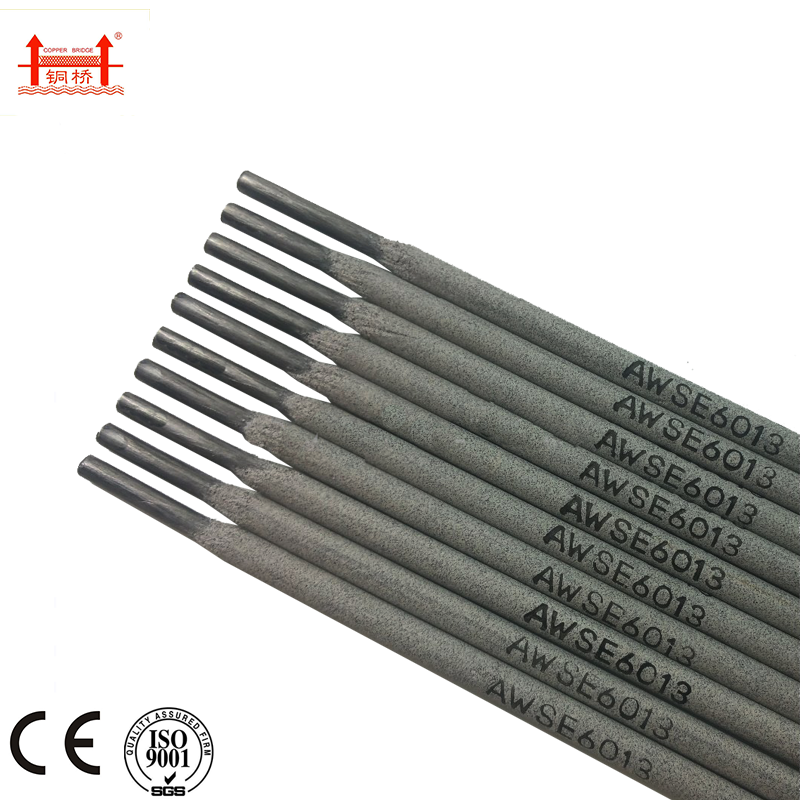
If you’re shopping for an Aws E6013 Welding Rod, here’s what actually matters: consistent arc starts, a forgiving puddle, and clean-looking beads without babysitting the slag. The J421 rutile-coated electrodes from Dingzhou, Hebei (Liusu Industrial Area, to be exact) have been quietly popular with fab shops that run mixed AC/DC machines and want a reliable all-position rod for light structures, sheet metal, and day-to-day repairs.
Industry trend check
Two currents, one direction: shops are standardizing on multi-process inverters while still keeping a stash of rutile 6013s for mild steel fit-up, tack-heavy work, and training. Why? Because they’re easy to run, AC-friendly, and—surprisingly—still faster on thin gauge material than many flux-cored wires when the setup time is included. Many customers say the bead aesthetic from a good 6013 is just “butter-smooth.” Can’t argue with that.
Core specs and what they mean on the floor
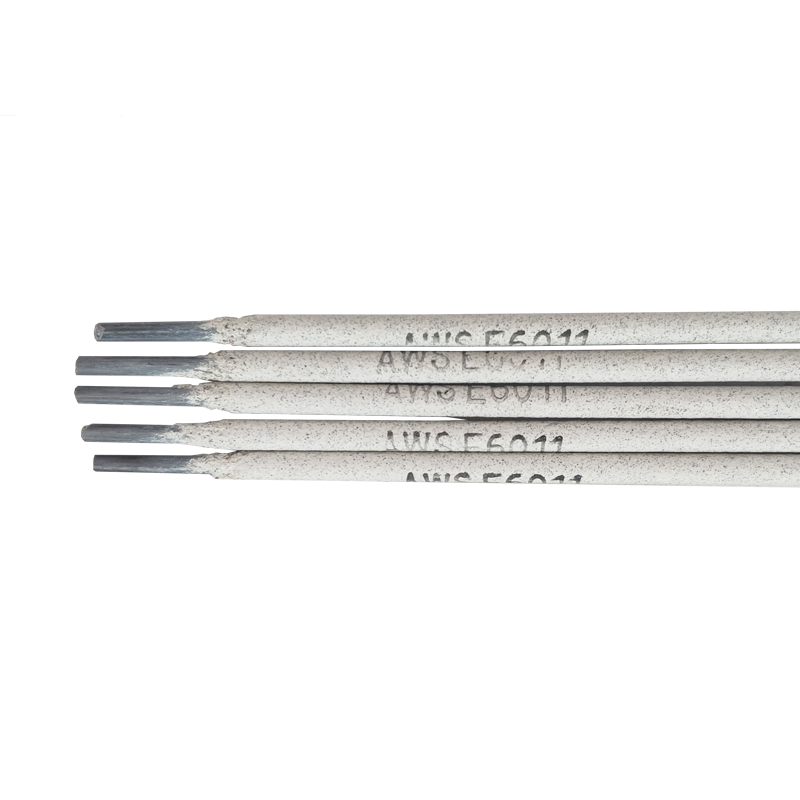
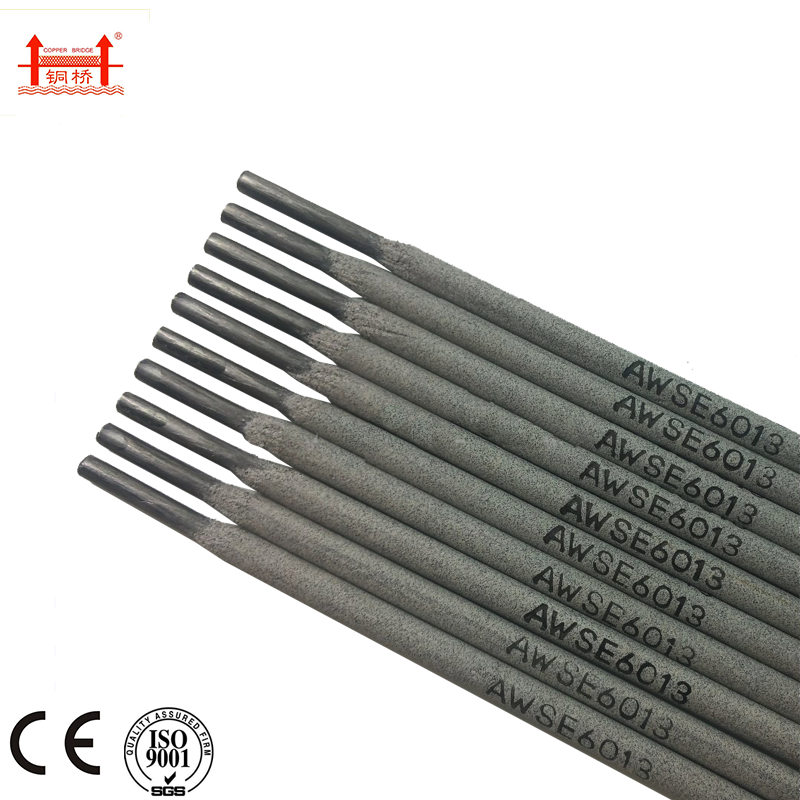
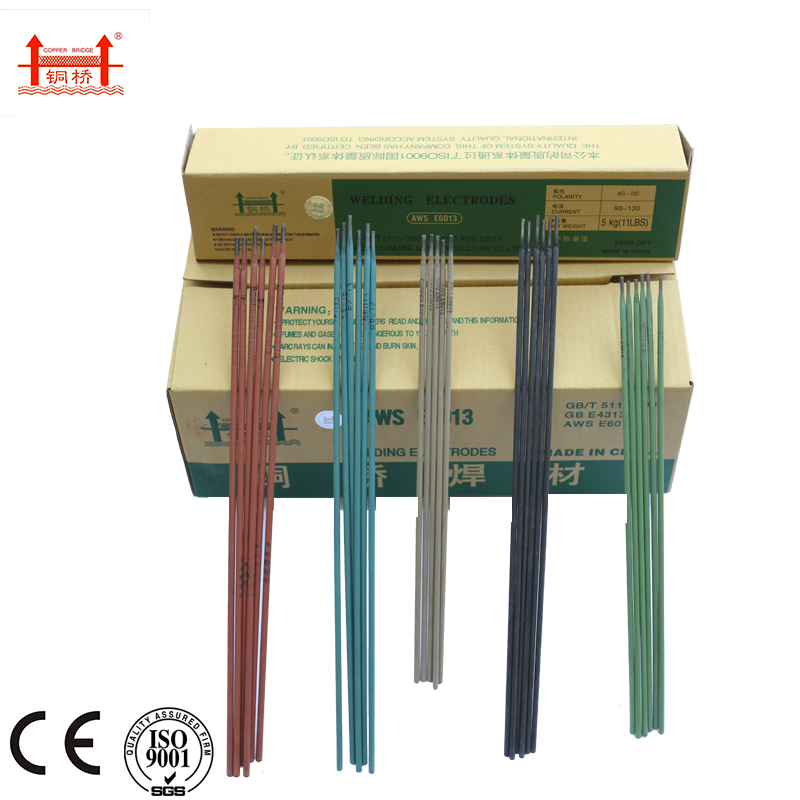
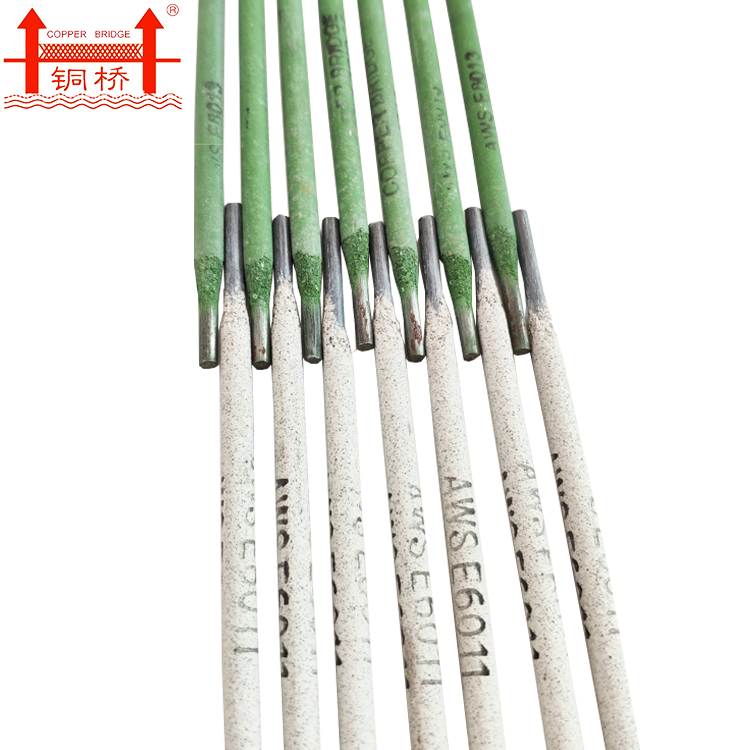
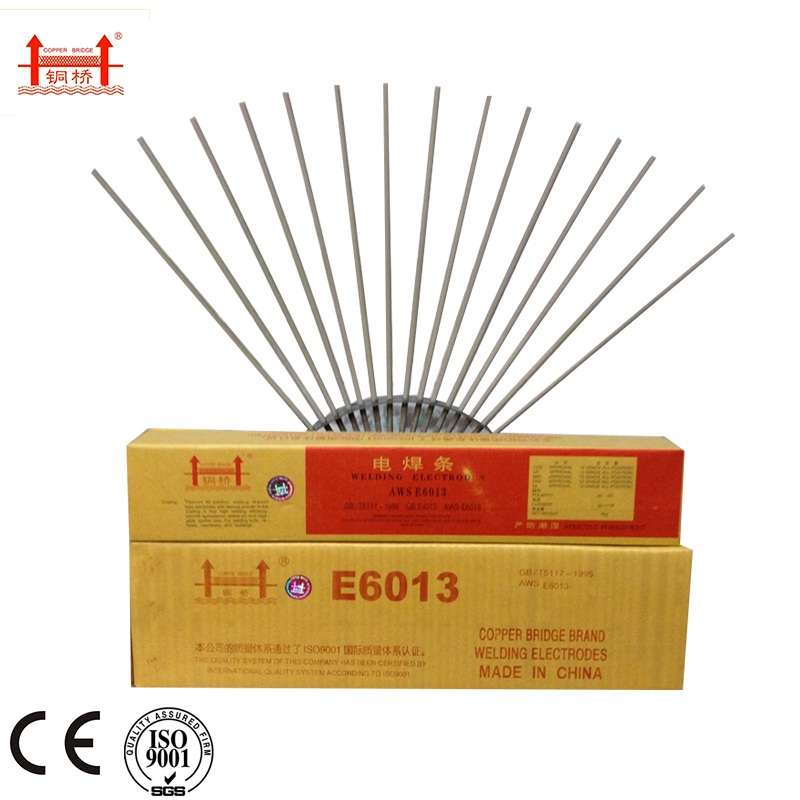
This J421 is a rutile-coated carbon steel electrode rated for all-position welding, AC/DC. Easy arc starts, stable arc, small spatter, and very tidy slag release. In practice, that means less grinding and happier supervisors.
| Item | Details (≈, around; real-world use may vary) |
|---|---|
| Classification | AWS A5.1 E6013; ISO 2560-A approx. E 38 0 R 12 |
| Coating / Polarity | Rutile; AC or DC (straight or reverse) |
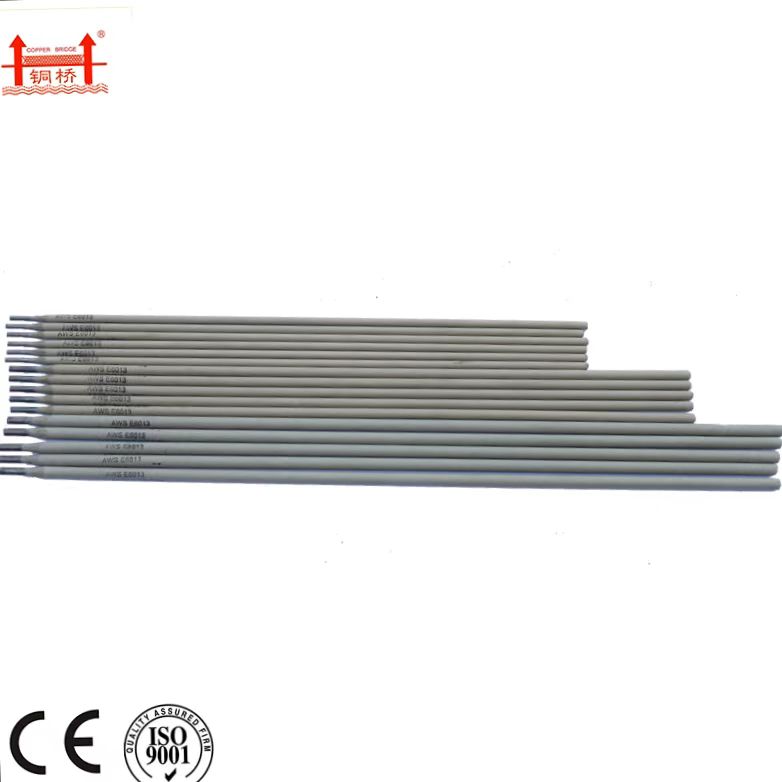
| Diameters | 2.5 / 3.2 / 4.0 / 5.0 mm |
| Typical currents | 2.5 mm: 60–90 A; 3.2 mm: 90–130 A; 4.0 mm: 130–170 A; 5.0 mm: 170–220 A |
| Mechanical targets | UTS ≥ 60 ksi (≈ 410 MPa), YS ≥ 48 ksi (≈ 330 MPa), El. ≈ 22–28% |
| Positions | All-position (flat, horizontal, vertical-up/down, overhead) |
| Arc behavior | Easy to start; stable; low spatter; smooth bead appearance |
Process flow, materials, and testing
Materials and prep: mild/carbon steels around 1.5–12 mm. Clean to bright metal (oil/paint off), 30–60° joint prep when needed. Preheat usually not required; consider 50–120°C for thicker or higher carbon work. Rod storage: keep dry; if moisture picked up, re-dry ≈ 110–150°C for 1 hour.
Method: SMAW with short arc length. For sheet, I prefer DCEN with a slight whip; for fillets, steady travel with minimal weave. Interpass temp under 200°C keeps HAZ tame.
Testing standards commonly used: WPS/PQR per ASME IX; acceptance to AWS D1.1 (structural) or ISO 5817 Quality Level B/C. NDT: VT always, plus PT/MT where needed; RT/UT on critical joints.
Quick lab snapshot (internal, 3.2 mm, DCEN, 100 A): UTS 64 ksi, YS 52 ksi, El. 26%, impact 27 J at 0°C; deposition rate ≈ 0.8–1.0 kg/h. To be honest, your machine settings and technique can swing these numbers.
Where it shines
- Light structural and shop fabrication
- Automotive sheet repair, frames, racks, ductwork
- Ag/farm equipment, fencing, handrails
- Training booths and test coupons (forgiveness helps)
Vendor comparison (pragmatic take)
| Vendor / Model | Coating | Sizes | Certs & Notes | Price level |
|---|---|---|---|---|
| J421 (Jinlong) Aws E6013 Welding Rod | Rutile | 2.5–5.0 mm | Meets AWS A5.1; AC/DC; all-position | Value |
| Lincoln Fleetweld 6013 | Rutile | Common metric/imperial | AWS A5.1; strong brand support | Premium |
| ESAB OK 46.00 | Rutile | Common metric/imperial | AWS/ISO listed; smooth arc | Premium |
Note: specs approximate; real-world use may vary with machine, settings, and joint design.
Customization and support
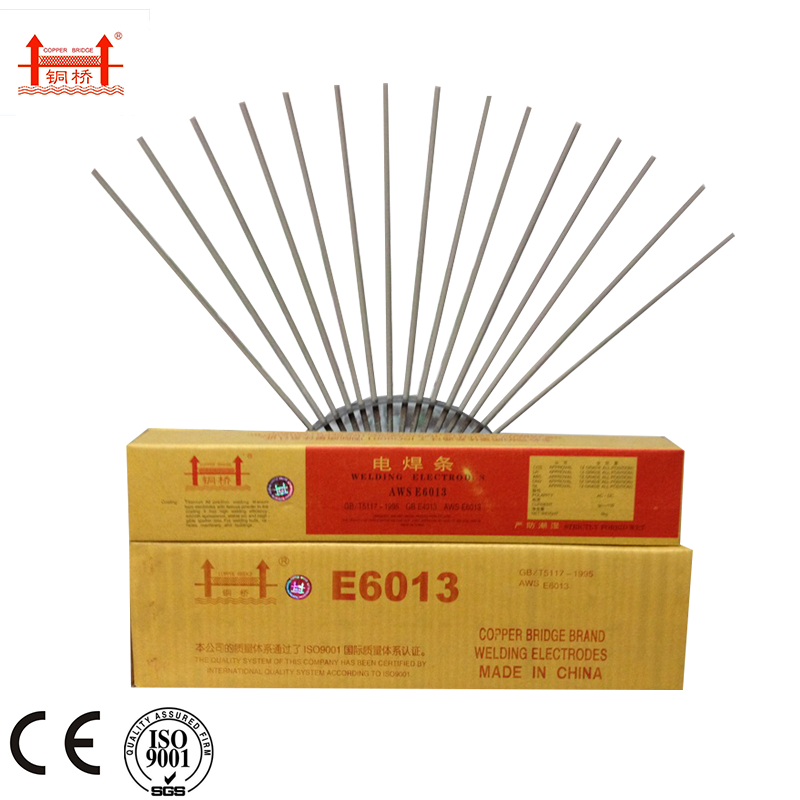
Private-label boxes, diameter/length mixes, moisture-resistant packaging, batch COAs, MSDS, and RoHS statements are typically available on request. Origin: Dingzhou City, Hebei Province, China. Lead times have been stable lately—even with shipping hiccups elsewhere.
Mini case study
A school-furniture fabricator in Southeast Asia switched to J421 3.2 mm for desk frames. After a two-week trial, rework reportedly dropped ≈18% and spatter cleanup time fell ≈22%. The foreman told me, “Operators stopped chasing the arc—beads just laid in.” Not bad for a simple Aws E6013 Welding Rod.
Service life and care
In normal, painted indoor service, joints made with a Aws E6013 Welding Rod on mild steel can last decades. Outdoors, prioritize fit-up, sealing passes, and protective coatings. Store rods dry; reseal opened cartons, and re-bake if damp pickup is suspected.
Standards and references
- AWS A5.1/A5.1M: Specification for Carbon Steel Electrodes for Shielded Metal Arc Welding
- AWS D1.1/D1.1M: Structural Welding Code—Steel
- ASME Boiler & Pressure Vessel Code, Section IX: Welding Qualifications
- ISO 2560-A: Covered electrodes for manual metal arc welding of non-alloy and fine grain steels
- ISO 5817: Welding—Fusion-welded joints in steel, nickel, titanium and their alloys—Quality levels

Related Video

Related News


2026-04-16 02:35:10
Precision Guide for e312 16 welding rod and Dissimilar Steel Welding
In the demanding world of industrial fabrication and repair, selecting the correct filler metal is the difference between a structural failure and a lifetime bond. The e312 16 welding rod is specifically engineered to meet the rigorous needs of welding dissimilar steels, offering an exceptional balance of strength and corrosion resistance. Whether you are working on high-pressure pipelines or heavy machinery components, understanding the nuances of this specialized electrode is key to achieving professional-grade results. This guide explores the technical advantages and practical applications of the E312 series to help you optimize your welding workflow.
2026-04-09 02:35:17
Choosing the Right cs to ss welding rod number Professional Guide
Joining carbon steel (CS) to stainless steel (SS) is a common challenge in industrial fabrication, requiring a precise understanding of metallurgy to avoid weld failure. The most critical decision in this process is identifying the correct cs to ss welding rod number to ensure a strong, corrosion-resistant bond. Using the wrong filler metal can lead to cracking or premature oxidation due to the different thermal expansion rates of the two materials. In this comprehensive guide, we will break down the technical specifications and selection criteria to help you achieve a professional-grade weld every time.
2026-04-07 02:25:29
Comprehensive Guide to 409 Welding Rod Selection and Optimal Usage
When it comes to welding applications requiring corrosion resistance and good weldability, the 409 welding rod is a frequently chosen option. This article provides a detailed overview of this versatile welding rod, exploring its composition, applications, benefits, and considerations for optimal use. Whether you’re a seasoned professional or new to welding, understanding the properties of 409 welding rod is crucial for achieving high-quality, durable welds. We’ll cover everything you need to know to make informed decisions for your welding projects.
2026-04-04 02:35:28
Comprehensive Guide to 330 Stainless Steel Welding Rod Applications and Techniques
330 stainless steel welding rods are a crucial component in various industries, offering exceptional corrosion resistance and high-temperature strength. This article provides an in-depth look at these rods, covering their properties, applications, choosing the right rod, welding techniques, safety precautions, and where to find high-quality options. Whether you're a seasoned welding professional or new to the field, this guide will offer valuable insights.
2026-03-31 02:35:08
Comprehensive Guide to 312 Stainless Tig Rod for Superior Welding Performance
When choosing the right filler metal for your TIG welding projects, especially in demanding applications, 312 stainless steel tig rod stands out for its exceptional corrosion resistance and high-temperature strength. This comprehensive guide will explore its composition, applications, benefits, and how it compares to other stainless steel rods. We'll also point you to resources for sourcing high-quality rods.
2026-03-28 02:45:04
Comprehensive Guide to 312 17 Welding Rod Applications and Technical Details
Welding rods are essential consumables in the welding process, and selecting the right one is crucial for achieving strong, durable, and high-quality welds. The 312 17 welding rod is a popular choice for many applications due to its unique properties and versatility. This article delves into the characteristics, applications, benefits, and considerations when using 312 17 welding rods, providing a comprehensive resource for welders and engineers alike. Choosing the right rod directly impacts the success and longevity of any welding project.
2026-03-26 02:35:10
Comprehensive Guide to the 312 16 Welding Rod for Superior Steel Welding
The 312 16 welding rod is a versatile and widely-used electrode in various welding applications. Known for its excellent weldability and strong mechanical properties, it's a go-to choice for professionals and hobbyists alike. This article delves into the specifics of this electrode, covering its composition, applications, advantages, and how to choose the right one for your projects. Understanding the nuances of the 312 16 welding rod is crucial for achieving high-quality, durable welds. The designation "312 16" provides key information about the welding rod. "312" refers to the type of flux coating, specifically a low-hydrogen, iron powder coating. This coating is designed to produce welds with excellent mechanical properties and good resistance to cracking. The "16" indicates the diameter of the rod in 32nds of an inch – so a 312 16 rod has a diameter of 16/32 or 1/2 inch. This combination makes it suitable for a wide range of steel welding applications. The low-hydrogen nature of the flux minimizes hydrogen-induced cracking, a common issue in welding certain steels.
2026-03-24 02:45:07
Comprehensive Guide to 309LSI TIG Rod Welding Applications and Best Practices
The 309LSI TIG rod is a versatile welding consumable widely used across various industries for its exceptional corrosion resistance and weldability. This article will explore the properties, applications, advantages, and best practices associated with using 309LSI TIG rods. Whether you're a seasoned welding professional or new to the field, this guide will provide you with valuable insights into maximizing the performance and longevity of your welds. The 309LSI TIG rod is a stainless steel electrode specifically designed for Gas Tungsten Arc Welding (GTAW), commonly known as TIG welding. The "309LSI" designation indicates the alloy composition: 309 signifies the chromium-nickel content, 'L' denotes low carbon content for enhanced corrosion resistance, and 'SI' signifies stabilized with silicon for improved resistance to carbide precipitation during welding.

 English
  Arabic
  Bengali
  China
China  French
  German
  Hausa
Hausa  Indonesian
  Italian
  Japanese
  Javanese
  Malay
Malay  Persian
  Portuguese
  Punjabi
  Russian
  Spanish
  Swahili
  Telugu
  Vietnamese