

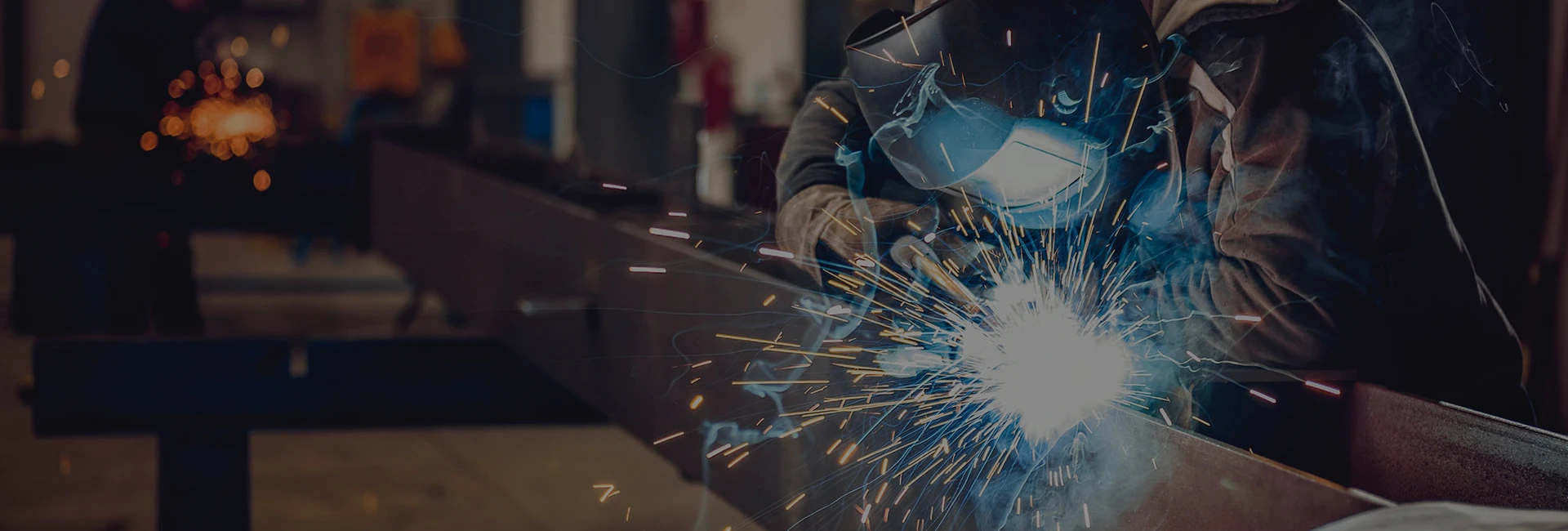
5 32 Welding Rod 6011 – Durable & Deep Penetration Electrode

5 32 Welding Rod 6011 – Durable & Deep Penetration Electrode
Dec . 03, 2025 13:10
5 32 Welding Rod 6011: A Veteran’s Take on a Classic Electrode
Having spent over a decade in the industrial welding world, I’ve come to appreciate certain products that simply stand the test of time. The 5 32 welding rod 6011 is definitely one of those. It’s like the reliable old truck of electrodes — rugged, versatile, and relatively forgiving.
Now, rods marked 6011 aren’t new by any stretch. Their reputation precedes even modern flux-cored variants. Frankly, I’ve always found the 6011 type to be essential when working on root passes in pipe welding or when striking through surface rust or paint is necessary — conditions that don’t excuse weak arc performance.
What makes the 5/32” diameter particularly popular? Oddly enough, that size strikes a nice balance between control and deposition rate. It feels manageable for many hand welders, especially in field conditions where control is king but you don’t want to sacrifice too much welding speed.
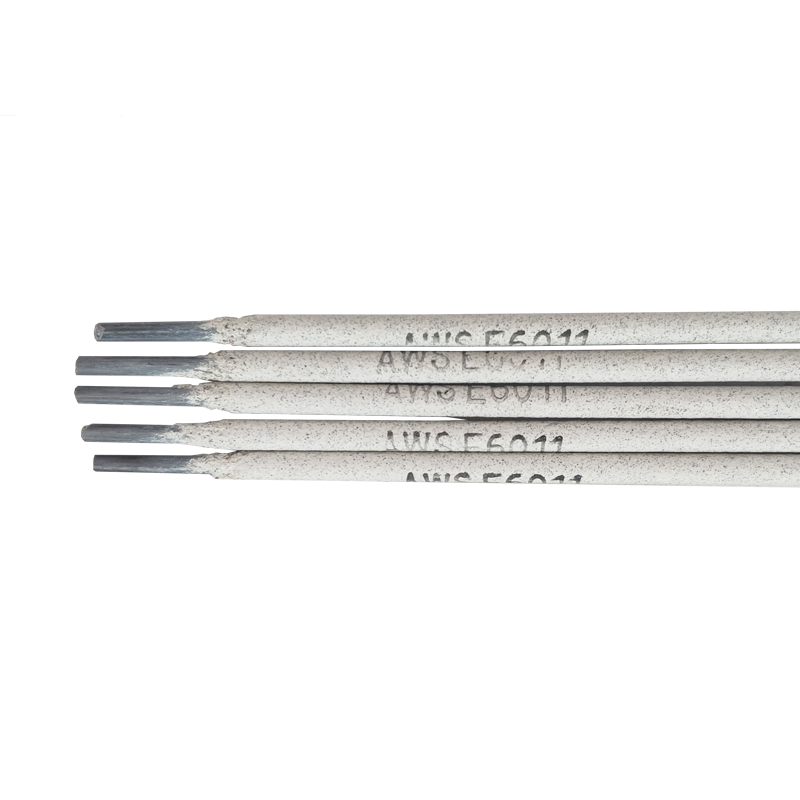
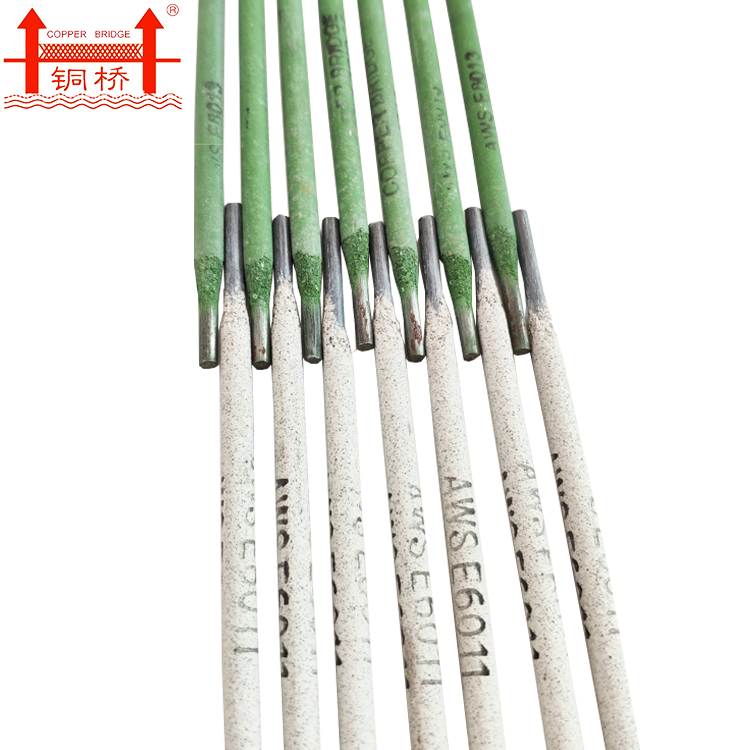
For those unfamiliar, type 6011 rods are cellulose-coated, which gives them several advantages. The coating produces a forceful arc that digs deep into the base metal, which is why many engineers swear by it for deeper penetration on dirty or galvanized steel. The cellulose flux also creates a vigorous gas shield, though it tends to produce more smoke and slag than some low-hydrogen rods — so keep ventilation in mind!
As a practical test, I've seen 5 32 welding rod 6011 perform remarkably well in repairing agricultural equipment — tractors and plows that have seen better days. One customer once told me that with just a handful of those rods, he managed to make solid, long-lasting repairs without needing post-weld cleaning beyond a quick slag chip. That kind of efficiency is gold in the field.
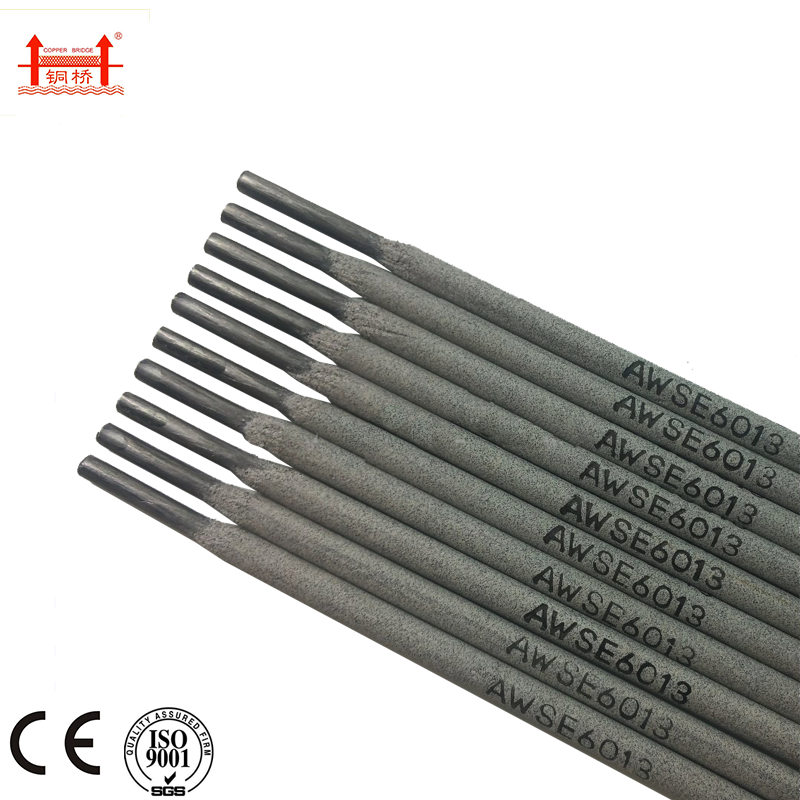
Below is a quick overview of the key specs of this rod that every welder ought to know:
| Specification | Detail |
|---|---|
| Diameter | 5/32 inch (4.0 mm) |
| Classification | AWS A5.1 E6011 |
| Current Type | AC or DC+ |
| Metal Type | Mild and low alloy steel |
| Penetration | Deep penetration, ideal for dirty/rusty surfaces |
| Typical Use | Pipe and structural welding, maintenance repairs |
Of course, the market offers various brands and qualities of 5 32 welding rods 6011. Knowing this, I've seen firsthand how choice of vendor can influence consistency, arc stability, and slag removal ease.
Let’s peek at some typical vendor comparisons — the kind of nuances I learned only after switching suppliers a few years ago. The differences can be subtle, but your weld quality depends on them:
| Vendor | Arc Stability | Slag Removal | Availability | Price |
|---|---|---|---|---|
| Jinlong Welding Electrode | Excellent | Clean, easy chip-off | Wide distribution | Competitive |
| Brand X | Moderate | Slag tends to stick | Limited | Higher |
| Brand Y | Good | Average | Average | Moderate |
From what I gather, Jinlong’s rods have really earned their stripes — pun intended — by combining consistent quality and pricing that doesn’t hurt the wallet for bulk purchases. Plus, the feedback loop from usability in the field to manufacturing quality control seems pretty tight with them.
To sum up: If you’re looking for a rod that handles tough, rusty, or painted metals without fuss, the 5 32 welding rod 6011 stands out. It’s not flashy, but it’s dependable; familiar yet consistently capable. Whether you’re welding pipelines, farm machinery, or doing maintenance welding, this rod delivers depth and control with a relatively stable arc once you get used to its characteristics.
For newcomers, a quick tip: treat your amperage settings carefully. Too low, and you risk sticking; too high, and you might burn through. I often advise starting in the middle of the recommended range and then adjust according to weld pool behavior.
It’s little nuances like these — born from experience and a lot of trial and error — that separate a decent weld from a great one… and the 5 32 welding rod 6011 is a key tool I keep in the kit for just this reason.
So, you know, next time you reach for a rod to tackle something that’s “less than perfect” on the surface, you might find this one just fits the bill.
In real terms, it’s the welding equivalent of a good pair of boots that just won’t quit.
References:
- AWS Specification A5.1 for Carbon Steel Electrodes
- Welding Handbook, 9th Edition, American Welding Society
- Field reports from industrial maintenance facilities, 2010–2023

Related Video

Related News


2026-04-16 02:35:10
Precision Guide for e312 16 welding rod and Dissimilar Steel Welding
In the demanding world of industrial fabrication and repair, selecting the correct filler metal is the difference between a structural failure and a lifetime bond. The e312 16 welding rod is specifically engineered to meet the rigorous needs of welding dissimilar steels, offering an exceptional balance of strength and corrosion resistance. Whether you are working on high-pressure pipelines or heavy machinery components, understanding the nuances of this specialized electrode is key to achieving professional-grade results. This guide explores the technical advantages and practical applications of the E312 series to help you optimize your welding workflow.
2026-04-09 02:35:17
Choosing the Right cs to ss welding rod number Professional Guide
Joining carbon steel (CS) to stainless steel (SS) is a common challenge in industrial fabrication, requiring a precise understanding of metallurgy to avoid weld failure. The most critical decision in this process is identifying the correct cs to ss welding rod number to ensure a strong, corrosion-resistant bond. Using the wrong filler metal can lead to cracking or premature oxidation due to the different thermal expansion rates of the two materials. In this comprehensive guide, we will break down the technical specifications and selection criteria to help you achieve a professional-grade weld every time.
2026-04-07 02:25:29
Comprehensive Guide to 409 Welding Rod Selection and Optimal Usage
When it comes to welding applications requiring corrosion resistance and good weldability, the 409 welding rod is a frequently chosen option. This article provides a detailed overview of this versatile welding rod, exploring its composition, applications, benefits, and considerations for optimal use. Whether you’re a seasoned professional or new to welding, understanding the properties of 409 welding rod is crucial for achieving high-quality, durable welds. We’ll cover everything you need to know to make informed decisions for your welding projects.
2026-04-04 02:35:28
Comprehensive Guide to 330 Stainless Steel Welding Rod Applications and Techniques
330 stainless steel welding rods are a crucial component in various industries, offering exceptional corrosion resistance and high-temperature strength. This article provides an in-depth look at these rods, covering their properties, applications, choosing the right rod, welding techniques, safety precautions, and where to find high-quality options. Whether you're a seasoned welding professional or new to the field, this guide will offer valuable insights.
2026-03-31 02:35:08
Comprehensive Guide to 312 Stainless Tig Rod for Superior Welding Performance
When choosing the right filler metal for your TIG welding projects, especially in demanding applications, 312 stainless steel tig rod stands out for its exceptional corrosion resistance and high-temperature strength. This comprehensive guide will explore its composition, applications, benefits, and how it compares to other stainless steel rods. We'll also point you to resources for sourcing high-quality rods.
2026-03-28 02:45:04
Comprehensive Guide to 312 17 Welding Rod Applications and Technical Details
Welding rods are essential consumables in the welding process, and selecting the right one is crucial for achieving strong, durable, and high-quality welds. The 312 17 welding rod is a popular choice for many applications due to its unique properties and versatility. This article delves into the characteristics, applications, benefits, and considerations when using 312 17 welding rods, providing a comprehensive resource for welders and engineers alike. Choosing the right rod directly impacts the success and longevity of any welding project.
2026-03-26 02:35:10
Comprehensive Guide to the 312 16 Welding Rod for Superior Steel Welding
The 312 16 welding rod is a versatile and widely-used electrode in various welding applications. Known for its excellent weldability and strong mechanical properties, it's a go-to choice for professionals and hobbyists alike. This article delves into the specifics of this electrode, covering its composition, applications, advantages, and how to choose the right one for your projects. Understanding the nuances of the 312 16 welding rod is crucial for achieving high-quality, durable welds. The designation "312 16" provides key information about the welding rod. "312" refers to the type of flux coating, specifically a low-hydrogen, iron powder coating. This coating is designed to produce welds with excellent mechanical properties and good resistance to cracking. The "16" indicates the diameter of the rod in 32nds of an inch – so a 312 16 rod has a diameter of 16/32 or 1/2 inch. This combination makes it suitable for a wide range of steel welding applications. The low-hydrogen nature of the flux minimizes hydrogen-induced cracking, a common issue in welding certain steels.
2026-03-24 02:45:07
Comprehensive Guide to 309LSI TIG Rod Welding Applications and Best Practices
The 309LSI TIG rod is a versatile welding consumable widely used across various industries for its exceptional corrosion resistance and weldability. This article will explore the properties, applications, advantages, and best practices associated with using 309LSI TIG rods. Whether you're a seasoned welding professional or new to the field, this guide will provide you with valuable insights into maximizing the performance and longevity of your welds. The 309LSI TIG rod is a stainless steel electrode specifically designed for Gas Tungsten Arc Welding (GTAW), commonly known as TIG welding. The "309LSI" designation indicates the alloy composition: 309 signifies the chromium-nickel content, 'L' denotes low carbon content for enhanced corrosion resistance, and 'SI' signifies stabilized with silicon for improved resistance to carbide precipitation during welding.

 English
  Arabic
  Bengali
  China
China  French
  German
  Hausa
Hausa  Indonesian
  Italian
  Japanese
  Javanese
  Malay
Malay  Persian
  Portuguese
  Punjabi
  Russian
  Spanish
  Swahili
  Telugu
  Vietnamese