

What is 7018 b2l? Comprehensive Guide to This Welding Electrode

What is 7018 b2l? Comprehensive Guide to This Welding Electrode
Dec . 02, 2025 14:52
Understanding 7018 B2L: A Welding Electrode Essential in Modern Fabrication
If you’ve ever peeked behind the scenes of those massive steel structures, pipelines, or heavy machinery, you might have come across the term 7018 b2l. This is not just some obscure technical jargon but a core element—literally—that ensures strength and longevity in welded joints. Worldwide, industries from construction to shipbuilding rely on quality welding consumables to maintain safety and durability, and 7018 b2l electrodes play a vital role here. It matters because poor welds can spell disaster, costing billions and impacting human lives. Understanding what 7018 b2l is and why it works well can help engineers, fabricators, and specifiers make smarter choices for their projects.
Global Context: Why 7018 B2L Matters
On a global scale, the welding market is booming—Industries from infrastructure in Asia to energy projects in the US and Europe depend heavily on reliable welding consumables. The International Organization for Standardization (ISO) notes that standardized electrodes like 7018 b2l help ensure consistent quality and performance internationally. The World Bank estimates that around $6 trillion in infrastructure investments are planned globally by 2030, much of which involves welding steel components. With such vast volumes, welding failures are not just costly but dangerous. Enter 7018 b2l, a twist on a classic welding electrode designed to meet modern demands for higher strength and less cracking risk.
In short, 7018 b2l isn’t just a small stick of metal; it’s a frontline solution to global engineering challenges.
Defining 7018 B2L: What Exactly Is It?
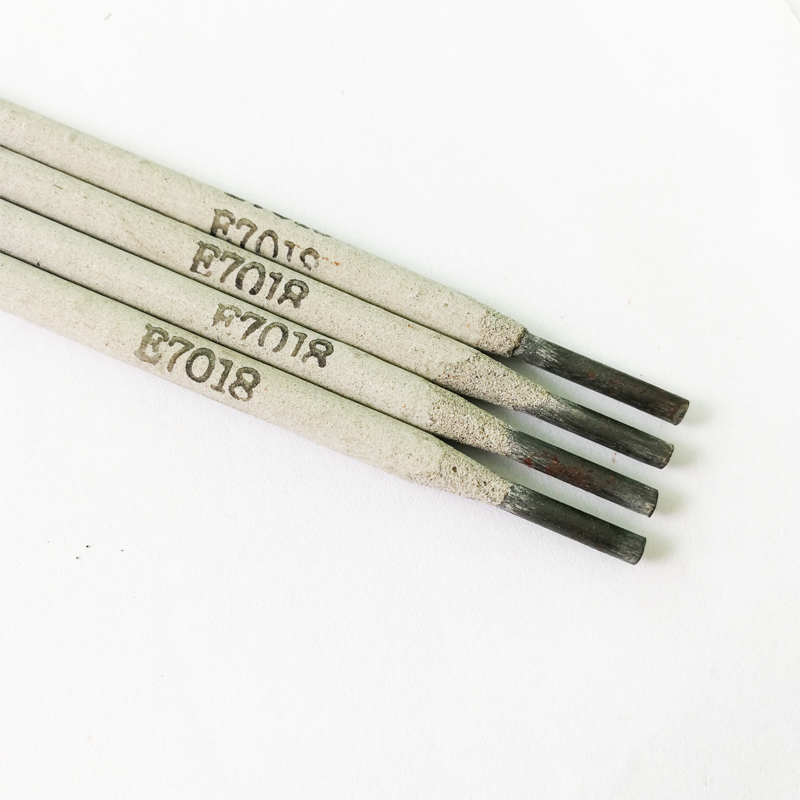
7018 b2l is a type of low-hydrogen, iron powder coated welding electrode. In welding parlance, the “7018” means it’s good for welding 70,000 psi tensile strength steel with a low-hydrogen flux coating to prevent brittle welds. The “b2l” suffix indicates a specific type of low-hydrogen coating and certain mechanical properties—particularly that it delivers superior toughness and crack resistance even on less-than-ideal steel.
Put simply, it’s a welding rod designed to keep welds strong and resilient, especially in critical steelwork prone to stress or harsh environments. It’s wildly popular in oil and gas pipelines, bridges, and nuclear plants—anywhere long-term durability is non-negotiable.
Core Aspects of 7018 B2L Electrodes
1. Durability and Low Hydrogen Content
The big selling point is its low-hydrogen coating that reduces the risk of hydrogen-induced cracking. Hydrogen embrittlement is a silent enemy in welds and 7018 b2l minimizes it, making it reliable for critical structures.
2. Arc Stability and Smooth Bead Appearance
Users often praise its steady arc and excellent slag removal without excessive spatter. This keeps the welding process efficient and the finished weld neat—important for aesthetics and inspection.
3. Mechanical Strength
The 70 ksi tensile strength rating indicates it can handle heavy-duty structural components, making it viable for everything from steel bridges to storage tanks.
4. Versatility in Positioning
It supports all welding positions—flat, vertical, overhead—you name it. This flexibility simplifies fieldwork where position conditions are always changing.
5. Moisture Tolerance with Proper Storage
While sensitive to moisture like all low-hydrogen rods, with proper baking and storage, operators notice fewer weld defects compared to other types.
Mini-Takeaway:
- 7018 b2l rods blend toughness, arc quality, and versatility into one dependable electrode.
- Understanding these core properties helps specify the right electrode for critical fabrication jobs.
Global Applications and Real-World Use Cases
In oil & gas pipeline construction, especially in cold climates, 7018 b2l electrodes are often the gold standard. Engineers in northern Canada, Siberia, and Alaska credit their reliability to this specific low-hydrogen classification, which helps withstand freeze-thaw cycles.
Infrastructure projects in Asia—think skyscrapers or metro systems—also turn to 7018 b2l for structural welding to meet rigorous national standards and ASTM certifications. And oddly enough, you'd find it in shipyards where hull integrity is paramount amid corrosive environments.
In humanitarian contexts, too, such as rebuilding storm-damaged bridges or critical infrastructure post-disaster, fast deployment with dependable welding means safer communities sooner.
Advantages and Long-Term Value
Using 7018 b2l electrodes contributes to long-term cost savings by reducing the frequency of repairs, lowering downtime, and improving worker safety through reliable weld joints. It’s not just a technical advantage; it impacts human lives by preventing failures that can lead to accidents.
Environmentally, fewer defective welds mean less scrap and wastage, edging towards more sustainable fabrication practices. It feels reassuring to know the electrode carries such a holistic set of benefits...
Future Trends and Innovations
There’s ongoing research to improve low-hydrogen electrodes like 7018 b2l with nanomaterials to boost toughness even further. Integration with automated welding systems and AI-powered diagnostics is on the horizon, promising better process control.
Sustainability trends push for electrodes with reduced environmental impact during manufacturing and disposal. Oddly enough, these humble rods are becoming smarter and greener.
Challenges and Practical Solutions
Sure, 7018 b2l electrodes require careful handling—they must be baked and stored at proper temperatures to maintain low-hydrogen performance. Field welders often struggle with maintaining these conditions on remote sites.
Innovations like portable baking ovens and improved moisture-resistant packaging are helping to bridge this gap. Training and certification also ensure operators use the rods correctly, minimizing defects.
Technical Specifications of 7018 B2L Electrode
| Parameter | Value |
|---|---|
| Tensile Strength | ≥70,000 psi (485 MPa) |
| Hydrogen Content | ≤5 ml/100g weld metal |
| Coating Type | Low hydrogen iron powder flux |
| Welding Positions | Flat, horizontal, vertical, overhead |
| Typical Current Type | AC/DC (+) |
Vendor Comparison: Top 3 7018 B2L Electrode Suppliers
| Supplier | Coating Consistency | Packaging | Price Range | Moisture Protection |
|---|---|---|---|---|
| Alpha Weld Inc. | Excellent | Vacuum sealed | $$$ | High |
| Global Arc Solutions | Very good | Resealable tubs | $$ | Moderate |
| Sunrise Weld | Good | Plastic wrapped | $ | Low |
FAQ: Common Questions about 7018 B2L
- What makes 7018 b2l different from standard 7018 electrodes?
7018 b2l is a specialized low hydrogen iron powder coated variant that provides enhanced toughness and reduced cracking risks, suitable for more demanding applications than standard 7018 rods. - Can 7018 b2l electrodes be used on all types of steel?
They are primarily designed for structural carbon and low-alloy steels but should be matched with proper base metal specifications for best results. - How should 7018 b2l electrodes be stored for optimal performance?
Store electrodes in dry conditions, ideally in an oven at 250°F (121°C) to prevent moisture absorption which can cause weld defects. - Is 7018 b2l suitable for welding in cold temperatures?
Yes, this electrode performs well in cold climates, resisting hydrogen-induced cracking, making it ideal for arctic or mountainous regions. - Where can I find reputable suppliers of 7018 b2l electrodes?
Reputable suppliers include 7018 b2l specialists and internationally certified welding product manufacturers.
Conclusion: Why 7018 B2L Is a Welders’ Trusted Ally
In the end, 7018 b2l is a proven solution that balances mechanical strength, weld quality, and versatility. It stands as a silent guardian of infrastructure worldwide—from bridges to pipelines—where failure is not an option. If you want to ensure your steelwork lasts decades and withstands tough environments, specifying 7018 b2l electrodes is a savvy choice. For more technical specs and procurement, visit the website and discover how these electrodes can elevate your next project.
Oddly enough, the strength of many enormous projects on Earth truly rests in the quality of small rods like this.
References

Related Video

Related News
2026-04-16 02:35:10
Precision Guide for e312 16 welding rod and Dissimilar Steel Welding
In the demanding world of industrial fabrication and repair, selecting the correct filler metal is the difference between a structural failure and a lifetime bond. The e312 16 welding rod is specifically engineered to meet the rigorous needs of welding dissimilar steels, offering an exceptional balance of strength and corrosion resistance. Whether you are working on high-pressure pipelines or heavy machinery components, understanding the nuances of this specialized electrode is key to achieving professional-grade results. This guide explores the technical advantages and practical applications of the E312 series to help you optimize your welding workflow.
2026-04-09 02:35:17
Choosing the Right cs to ss welding rod number Professional Guide
Joining carbon steel (CS) to stainless steel (SS) is a common challenge in industrial fabrication, requiring a precise understanding of metallurgy to avoid weld failure. The most critical decision in this process is identifying the correct cs to ss welding rod number to ensure a strong, corrosion-resistant bond. Using the wrong filler metal can lead to cracking or premature oxidation due to the different thermal expansion rates of the two materials. In this comprehensive guide, we will break down the technical specifications and selection criteria to help you achieve a professional-grade weld every time.
2026-04-07 02:25:29
Comprehensive Guide to 409 Welding Rod Selection and Optimal Usage
When it comes to welding applications requiring corrosion resistance and good weldability, the 409 welding rod is a frequently chosen option. This article provides a detailed overview of this versatile welding rod, exploring its composition, applications, benefits, and considerations for optimal use. Whether you’re a seasoned professional or new to welding, understanding the properties of 409 welding rod is crucial for achieving high-quality, durable welds. We’ll cover everything you need to know to make informed decisions for your welding projects.
2026-04-04 02:35:28
Comprehensive Guide to 330 Stainless Steel Welding Rod Applications and Techniques
330 stainless steel welding rods are a crucial component in various industries, offering exceptional corrosion resistance and high-temperature strength. This article provides an in-depth look at these rods, covering their properties, applications, choosing the right rod, welding techniques, safety precautions, and where to find high-quality options. Whether you're a seasoned welding professional or new to the field, this guide will offer valuable insights.
2026-03-31 02:35:08
Comprehensive Guide to 312 Stainless Tig Rod for Superior Welding Performance
When choosing the right filler metal for your TIG welding projects, especially in demanding applications, 312 stainless steel tig rod stands out for its exceptional corrosion resistance and high-temperature strength. This comprehensive guide will explore its composition, applications, benefits, and how it compares to other stainless steel rods. We'll also point you to resources for sourcing high-quality rods.
2026-03-28 02:45:04
Comprehensive Guide to 312 17 Welding Rod Applications and Technical Details
Welding rods are essential consumables in the welding process, and selecting the right one is crucial for achieving strong, durable, and high-quality welds. The 312 17 welding rod is a popular choice for many applications due to its unique properties and versatility. This article delves into the characteristics, applications, benefits, and considerations when using 312 17 welding rods, providing a comprehensive resource for welders and engineers alike. Choosing the right rod directly impacts the success and longevity of any welding project.
2026-03-26 02:35:10
Comprehensive Guide to the 312 16 Welding Rod for Superior Steel Welding
The 312 16 welding rod is a versatile and widely-used electrode in various welding applications. Known for its excellent weldability and strong mechanical properties, it's a go-to choice for professionals and hobbyists alike. This article delves into the specifics of this electrode, covering its composition, applications, advantages, and how to choose the right one for your projects. Understanding the nuances of the 312 16 welding rod is crucial for achieving high-quality, durable welds. The designation "312 16" provides key information about the welding rod. "312" refers to the type of flux coating, specifically a low-hydrogen, iron powder coating. This coating is designed to produce welds with excellent mechanical properties and good resistance to cracking. The "16" indicates the diameter of the rod in 32nds of an inch – so a 312 16 rod has a diameter of 16/32 or 1/2 inch. This combination makes it suitable for a wide range of steel welding applications. The low-hydrogen nature of the flux minimizes hydrogen-induced cracking, a common issue in welding certain steels.
2026-03-24 02:45:07
Comprehensive Guide to 309LSI TIG Rod Welding Applications and Best Practices
The 309LSI TIG rod is a versatile welding consumable widely used across various industries for its exceptional corrosion resistance and weldability. This article will explore the properties, applications, advantages, and best practices associated with using 309LSI TIG rods. Whether you're a seasoned welding professional or new to the field, this guide will provide you with valuable insights into maximizing the performance and longevity of your welds. The 309LSI TIG rod is a stainless steel electrode specifically designed for Gas Tungsten Arc Welding (GTAW), commonly known as TIG welding. The "309LSI" designation indicates the alloy composition: 309 signifies the chromium-nickel content, 'L' denotes low carbon content for enhanced corrosion resistance, and 'SI' signifies stabilized with silicon for improved resistance to carbide precipitation during welding.

 English
  Arabic
  Bengali
  China
China  French
  German
  Hausa
Hausa  Indonesian
  Italian
  Japanese
  Javanese
  Malay
Malay  Persian
  Portuguese
  Punjabi
  Russian
  Spanish
  Swahili
  Telugu
  Vietnamese