


3月 . 05, 2026
Comprehensive Guide to Welding Steel Rods and Their Applications
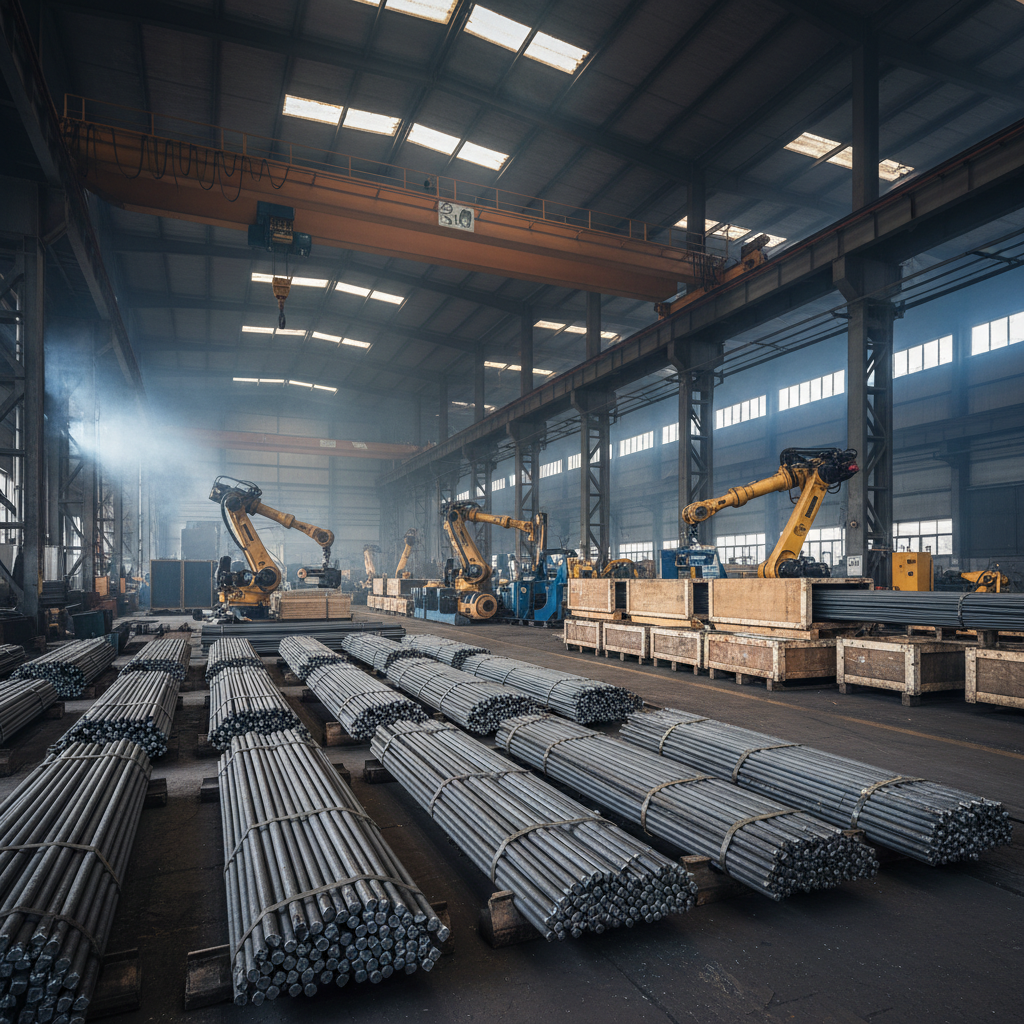
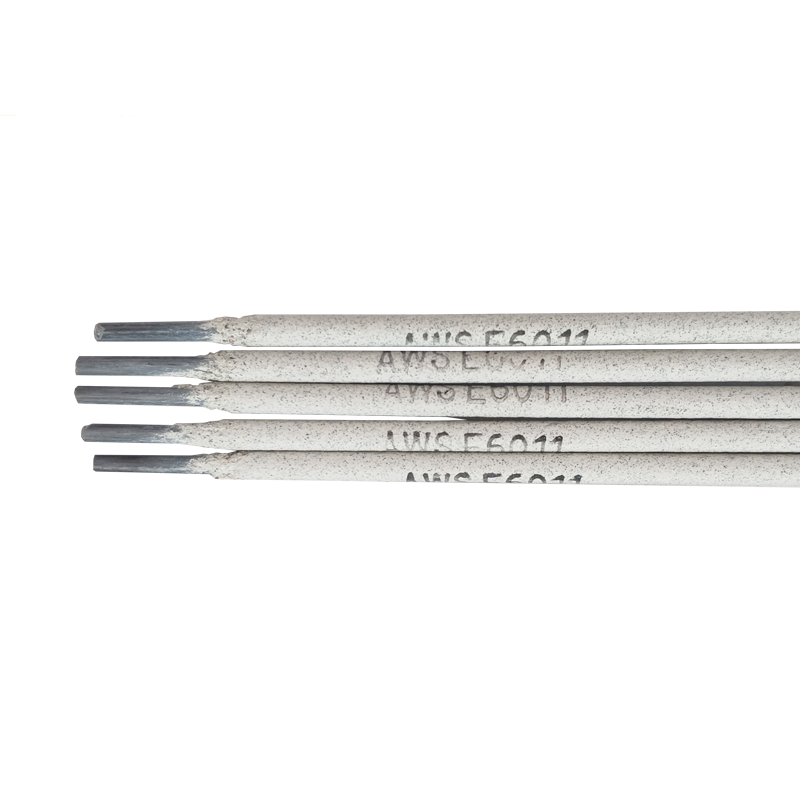
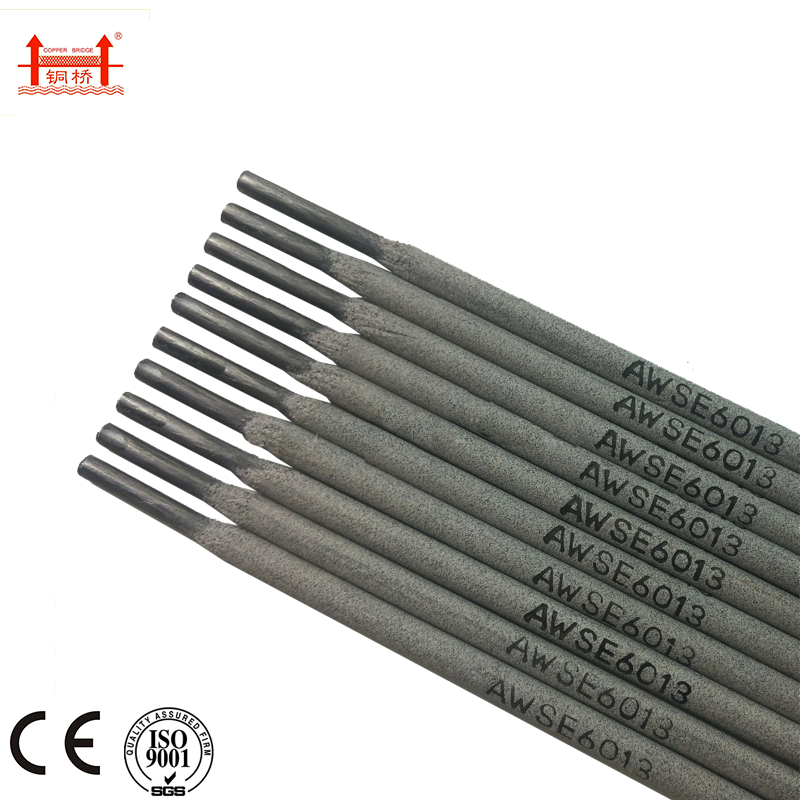
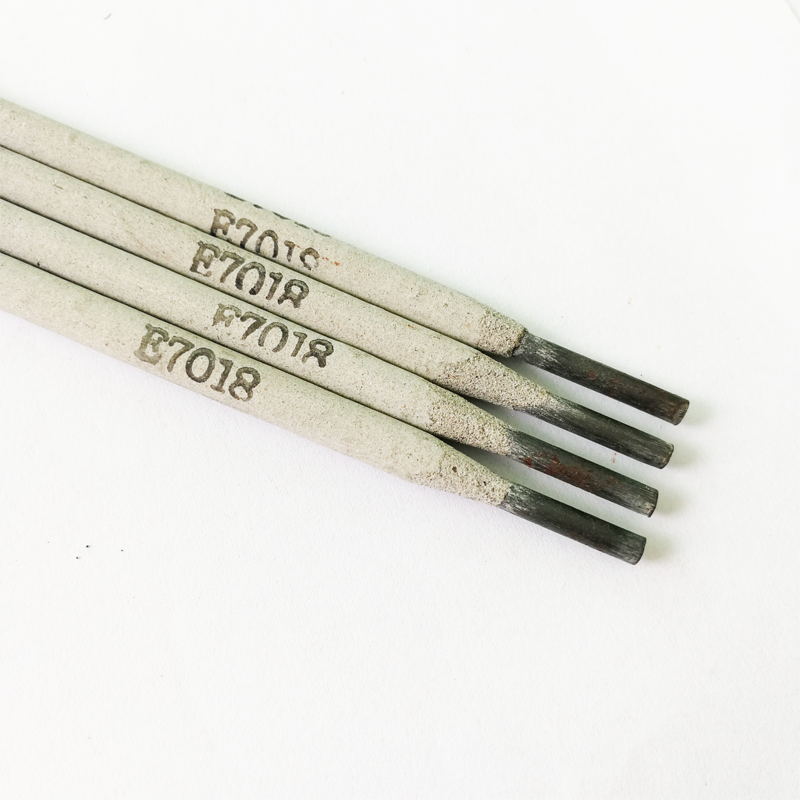
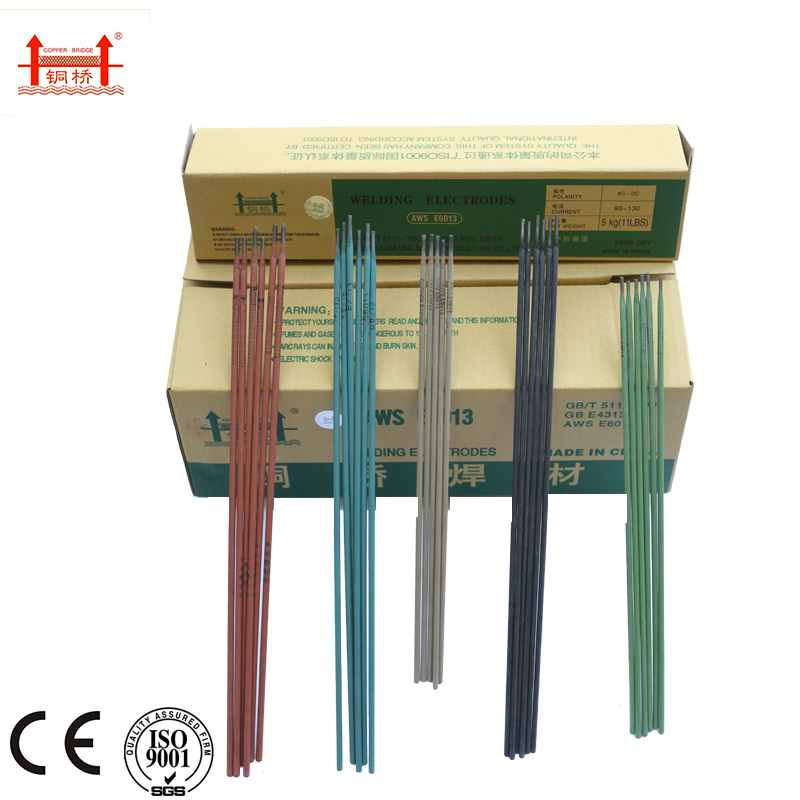
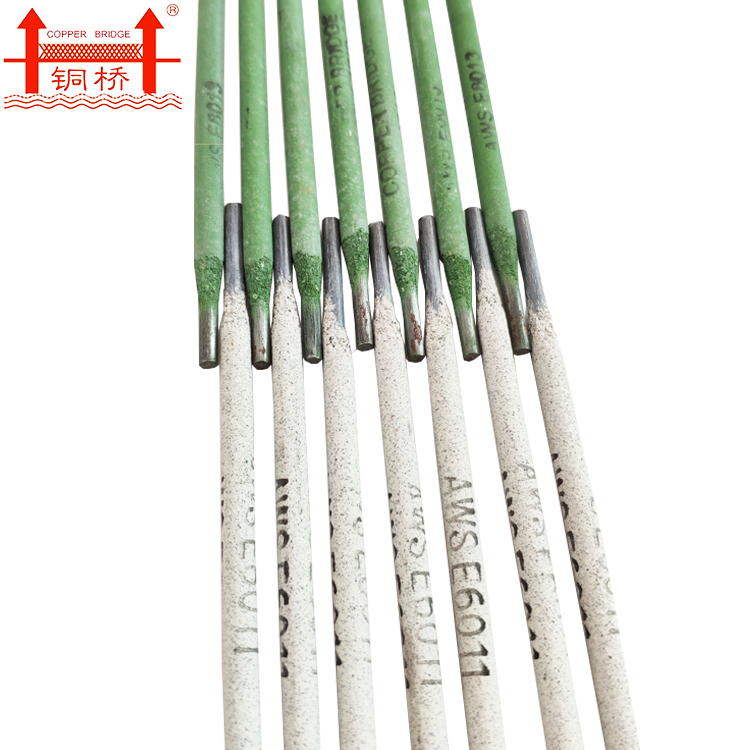
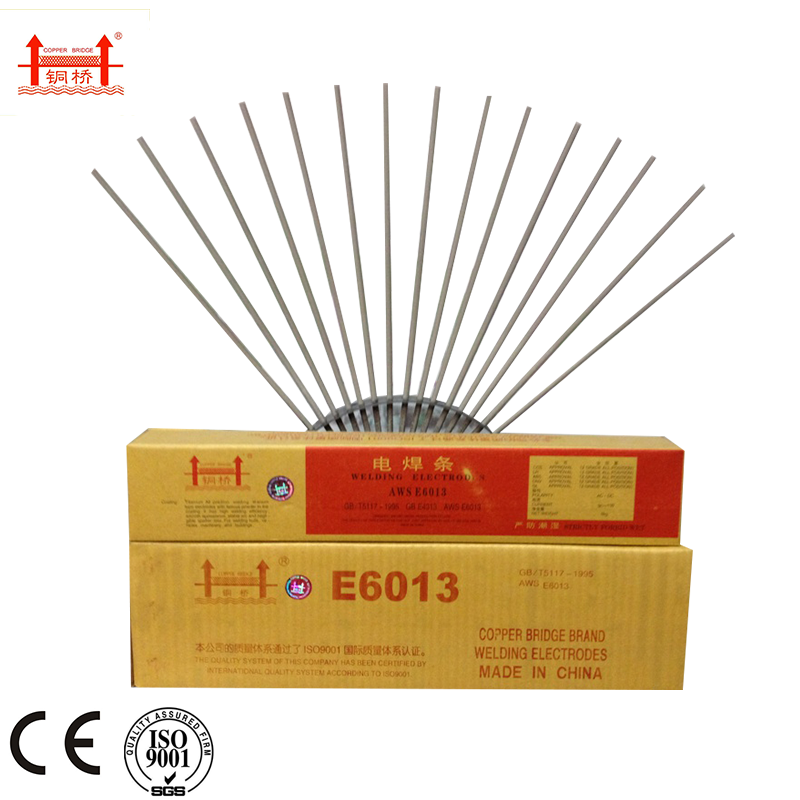
Welding steel rods, also known as welding electrodes, are essential consumables in various fabrication and repair applications. Choosing the right rod is crucial for achieving strong, durable, and high-quality welds. This article provides an in-depth exploration of welding steel rods, covering types, applications, selection criteria, and best practices. Whether you're a seasoned professional or new to welding, this guide will equip you with the knowledge to select the optimal welding steel rods for your specific needs. Understanding the nuances of different rods can significantly improve the efficiency and quality of your welding projects. Welding steel rods come in a variety of types, each designed for specific applications and welding processes. Some of the most common types include: E6010: A cellulose-covered electrode suitable for deep penetration welds in all positions, commonly used for root passes and dirty, rusty metal. E6011: Similar to E6010 but with higher potassium content, making it more forgiving and better suited for DC+ polarity. E6013: A mild-steel electrode with a smooth, quiet arc, ideal for general-purpose welding and producing clean welds. E7018: A low-hydrogen electrode that produces high-quality, ductile welds with excellent toughness, often used for critical applications.
3月 . 04, 2026
Choosing the Right Welding SS Rod for Durable and Corrosion Resistant Welds
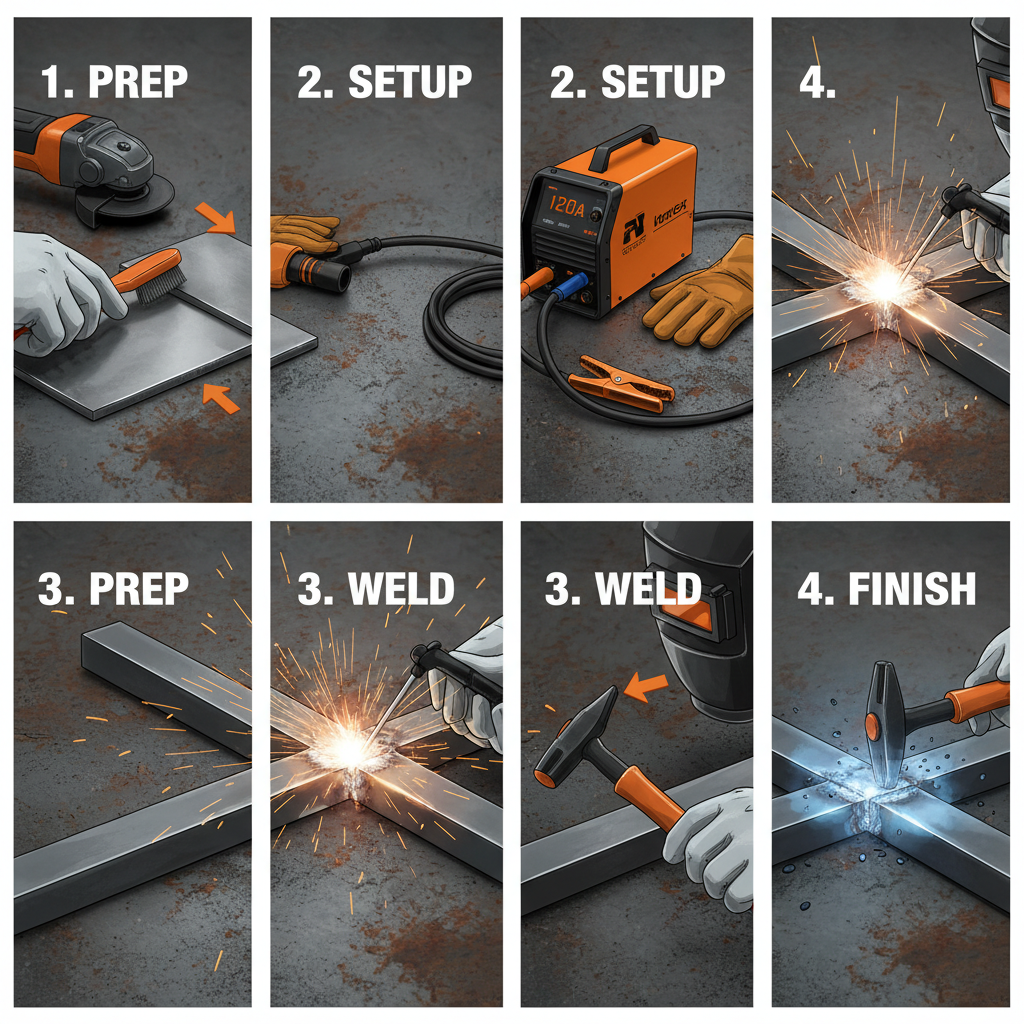
Selecting the appropriate welding ss rod is crucial for achieving strong, durable, and aesthetically pleasing welds. Stainless steel welding requires specialized rods to maintain corrosion resistance and mechanical properties. This article will provide a comprehensive guide to understanding different types of stainless steel welding rods, their applications, and how to choose the best one for your specific welding project. We'll explore factors like alloy composition, welding position, and the type of stainless steel being welded to ensure optimal results. Investing in the right rod significantly impacts the longevity and quality of your welds. Stainless steel welding rods are categorized based on their alloy composition, indicated by numbers like 304, 308, 309, 316, and more. These numbers denote the specific percentage of chromium, nickel, and other alloying elements within the rod. For example, 304 and 308 rods are commonly used for welding austenitic stainless steels, while 309 and 316 are suitable for more demanding applications requiring higher corrosion resistance.
3月 . 03, 2026
Expert Guide to Selecting the Right Welding Rod Used for Stainless Steel
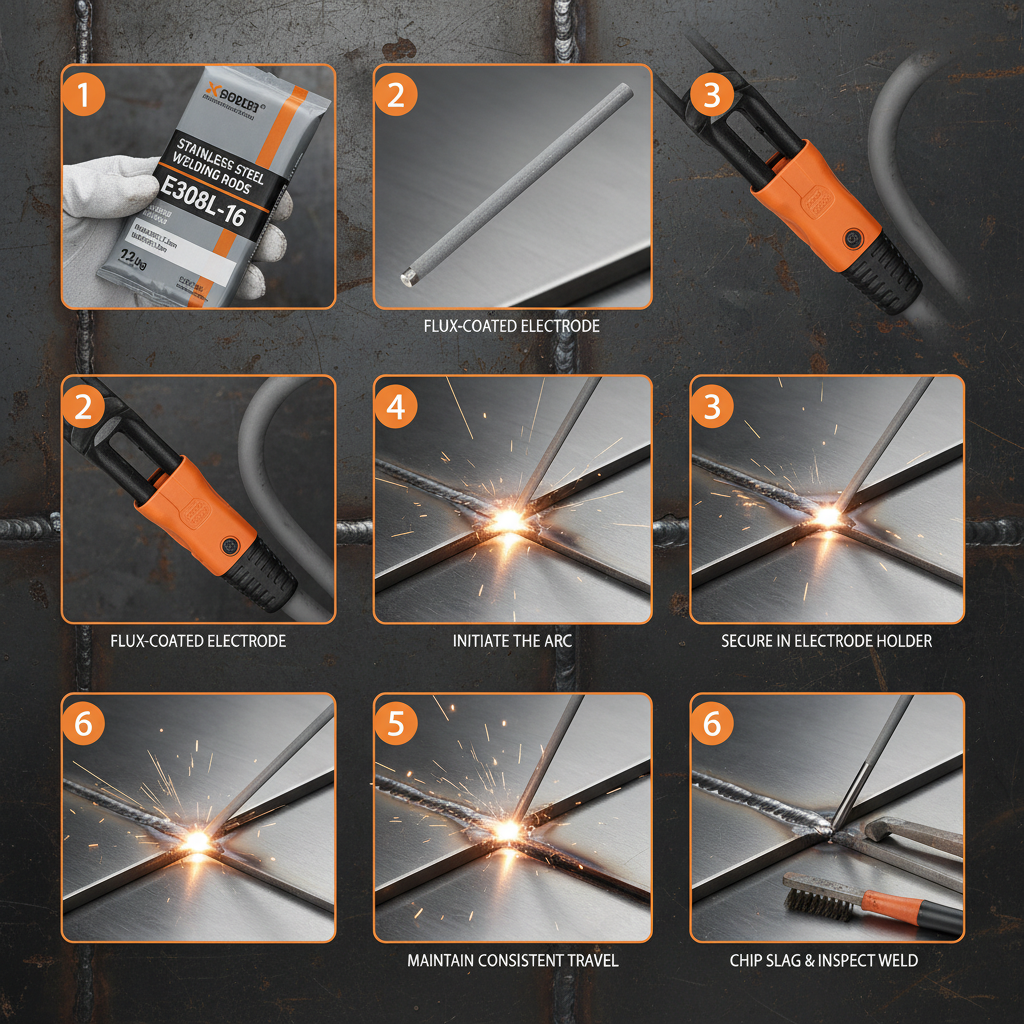
Selecting the appropriate welding rod used for stainless steel is critical for achieving strong, corrosion-resistant welds. Stainless steel’s unique properties necessitate specific filler metals to maintain its integrity. This guide explores the different types of welding rods, their applications, and key considerations for optimal results. We'll delve into the nuances of selecting the best rod for your specific project, ensuring long-lasting and high-quality welds. Understanding these aspects is vital for both professional welders and DIY enthusiasts.
2月 . 28, 2026
Expert Guide to Selecting a Welding Rod for Stainless to Carbon Steel Applications
Successfully joining stainless steel to carbon steel requires careful selection of a welding rod. These dissimilar metals present unique challenges due to differences in their chemical composition and thermal expansion rates. This guide will explore the crucial factors to consider, recommended rod types, techniques for a strong and durable weld, and potential issues to avoid. Proper welding is vital to prevent cracking, corrosion, and ensure the structural integrity of the joined components. We'll discuss how to achieve optimal results in various applications. The primary challenges when welding stainless steel to carbon steel stem from their differing properties. Stainless steel has a higher chromium content, which forms a passive layer that resists corrosion. Carbon steel, on the other hand, is prone to rusting. The welding process can disrupt this passive layer and introduce carbon into the stainless steel, potentially reducing its corrosion resistance. Furthermore, the different melting points and thermal expansion coefficients can lead to residual stresses and cracking. Choosing the correct welding rod and employing appropriate techniques are paramount to overcome these obstacles.
2月 . 27, 2026
Expert Guide to Selecting a Welding Rod for Stainless Steel to Mild Steel Applications
Welding stainless steel to mild steel presents unique challenges due to the differing metallurgical properties of the two metals. Selecting the appropriate welding rod for stainless steel to mild steel is crucial for achieving a strong, corrosion-resistant, and durable weld. This article will explore the factors to consider, common rod types, best practices, and potential issues, offering a comprehensive guide for welders of all levels. Understanding these nuances ensures successful joining of these dissimilar metals. The primary challenge when welding stainless steel to mild steel lies in the formation of a brittle intermetallic layer. Stainless steel contains chromium, which can diffuse into the mild steel, creating iron-chromium compounds that are hard and prone to cracking. This is exacerbated by differences in thermal expansion coefficients. Careful rod selection and welding techniques can mitigate these problems. Maintaining a low heat input and using a buffering layer are key strategies. Furthermore, understanding the specific grades of both stainless and mild steel is vital for optimal results.
2月 . 26, 2026
Optimal Welding Rod Selection for Stainless Steel to Carbon Steel Applications
Selecting the appropriate welding rod for stainless steel to carbon steel is crucial for ensuring strong, corrosion-resistant welds. Dissimilar metal welding presents unique challenges, requiring careful consideration of filler metal composition, welding technique, and application requirements. This article will provide a comprehensive guide to understanding the key factors involved in choosing the best welding rod for this application, focusing on achieving optimal weld quality and longevity. We'll explore common challenges, suitable rod types, and best practices for achieving successful welds. Welding stainless steel to carbon steel introduces several complexities. The significant differences in thermal expansion coefficients between the two metals can lead to high residual stresses in the weld, potentially causing cracking or distortion. Furthermore, the formation of brittle intermetallic compounds at the weld interface can compromise the joint's strength and ductility. The differing corrosion potentials also pose a risk of galvanic corrosion in certain environments.
2月 . 25, 2026
Comprehensive Guide to Tig Welding Stainless Steel Electrode Selection and Techniques
TIG (Tungsten Inert Gas) welding of stainless steel demands precision and the right electrode. Selecting the correct stainless steel TIG welding electrode is crucial for achieving high-quality, durable welds. This guide will delve into the nuances of these electrodes, covering types, selection criteria, best practices, and where to source premium options. We'll explore how choosing the right electrode directly impacts weld quality, corrosion resistance, and overall project success. TIG welding electrodes are typically made of tungsten, a metal with a very high melting point. However, not all tungsten electrodes are created equal. Different alloys and levels of purity are suited to specific applications. For stainless steel, the most common choices are pure tungsten, 2% thoriated tungsten, ceriated tungsten, and lanthanated tungsten. Each offers unique characteristics in terms of arc starting, arc stability, burn-back resistance, and weld deposit quality. Understanding these differences is key to optimizing your welding process. Proper electrode preparation, including tapering and grinding the tip, is also essential for consistent results.
2月 . 24, 2026
Choosing the Right Tig Welding Electrode for Stainless Steel Applications
Selecting the correct tig welding electrode for stainless steel is crucial for achieving high-quality, durable, and corrosion-resistant welds. Stainless steel’s unique properties demand specific electrode compositions to prevent issues like sensitization and maintain its protective chromium oxide layer. This article will guide you through the key considerations, types of electrodes, and best practices for stainless steel TIG welding. We’ll explore how the right electrode selection can optimize your welding process and ensure long-lasting results. Stainless steel presents unique welding challenges compared to carbon steel. The primary concern is maintaining corrosion resistance. Heating stainless steel can cause chromium carbides to precipitate at grain boundaries, a process called sensitization. This reduces chromium availability, making the weld susceptible to intergranular corrosion. Choosing the right tig welding electrode and employing appropriate welding techniques are essential to avoid sensitization.
2月 . 11, 2026
Comprehensive Guide to Stainless Steel to Stainless Steel Welding Rod Selection and Techniques
Selecting the appropriate welding rod is critical for achieving strong, corrosion-resistant welds when joining stainless steel. A stainless steel to stainless steel welding rod must match the base metal’s composition and the welding process to ensure optimal results. This article will explore the types of rods available, key considerations for choosing the right one, proper welding techniques, and common applications. We'll provide practical insights for both experienced welders and those new to stainless steel welding, helping you achieve durable and high-quality welds every time. There are several types of stainless steel welding rods available, each formulated for specific applications and stainless steel grades. The most common types include E308L, E309L, and E316L. ‘E’ denotes electrode, followed by the alloy designation and ‘L’ indicates low carbon content, which minimizes carbide precipitation and enhances corrosion resistance. Choosing the right type depends on the base metal's composition and the desired weld characteristics. For example, E308L is commonly used for welding 304 and 304L stainless steels, while E316L is preferred for welding 316 and 316L stainless steels due to its increased molybdenum content, improving resistance to pitting corrosion.
1月 . 30, 2026
Expert Guide to Stainless Steel to Mild Steel Welding Rod Selection and Techniques
Successfully welding stainless steel to mild steel requires careful consideration of the welding rod selection. Due to the dissimilar metal properties, choosing the correct rod is crucial for achieving a strong, corrosion-resistant, and structurally sound weld. This article will delve into the challenges and best practices for stainless steel to mild steel welding rod selection, covering different rod types, techniques, and factors to ensure optimal results. Understanding these aspects will significantly improve weld quality and longevity. Welding stainless steel to mild steel presents unique challenges stemming from their differing metallurgical properties. Stainless steel’s higher chromium content forms a passive layer, resisting corrosion, while mild steel is prone to rusting. The differing thermal expansion rates can create stress during the cooling process, potentially leading to cracks. Furthermore, the dissimilar compositions can result in the formation of brittle intermetallic compounds, weakening the weld joint.
1月 . 28, 2026
Expert Guide to Tig Welding Mild Steel with Stainless Rod for Quality Results
TIG (Tungsten Inert Gas) welding is a versatile process, but selecting the right consumables is critical for optimal results. Many welders find themselves in a situation where they need to weld mild steel but only have stainless steel TIG rods available. Is this a viable option? This article dives deep into the practice of TIG welding mild steel with stainless rod, exploring the pros, cons, techniques, and considerations to ensure strong, quality welds. We will cover everything from material compatibility to potential drawbacks and how to mitigate them. Stainless steel rods, generally composed of alloys containing chromium, nickel, and molybdenum, have different metallurgical properties than mild steel. Mild steel, primarily iron with a small percentage of carbon, is comparatively simpler in composition. The reason you can weld mild steel with a stainless rod stems from the fact that the stainless steel will fuse with the mild steel, creating a mixed weld metal.
1月 . 27, 2026
A Detailed Guide to Successfully TIG Welding 1.6 mm Stainless Steel
TIG welding (Tungsten Inert Gas) 1.6 mm stainless steel requires precision, skill, and the right equipment. This method is favored for its clean, high-quality welds, making it ideal for applications in industries like food processing, pharmaceuticals, and automotive exhaust systems. Understanding the nuances of this process is crucial for achieving strong, corrosion-resistant joints. We'll delve into the key parameters, techniques, and considerations for successfully TIG welding 1.6 mm stainless steel, ensuring optimal results. Welding 1.6 mm stainless steel presents unique challenges due to its thinness. The material is prone to distortion, burn-through, and heat input issues. Maintaining a consistent arc length and controlling the heat are paramount. Using the wrong settings or technique can easily lead to weld defects. Choosing the right filler metal and shielding gas is also critical to ensuring the integrity of the weld. Proper joint preparation – including cleaning and beveling – also contributes to a successful outcome.
関連製品

関連ニュース

2026-11-04 02:40:06
How to Choose Copper Coated Mild Steel Wire for MIG Welding
Choose copper coated mild steel wire by base metal, AWS ER70S-6 diameter, welding setup, feedability, and spatter requirements.
2026-10-30 11:59:25
Is Flux Core Better Than MIG? FAQ for E71T-GS Welding Wire
Is flux core better than MIG? Compare documented E71T-GS self-shielded flux core wire with gas-shielded MIG solid wire by application, polarity, diameters, shielding, and mechanical data.
2026-10-27 23:20:02
Gas Shielded Welding Wire Selection Guide: Application Fit and Specification Checks
Compare CB-ER50-3 through CB-ER60-G gas shielded welding wire grades by tensile class, plate thickness, and industry application. Specification tables and a pre-order checklist included.
2026-10-27 23:18:34
Choosing Copper Bridge Welding Electrodes 6013 6011 7018: Application Fit and Specification Checks
Compare application fit and specifications for Copper Bridge Welding Electrodes 6013 6011 7018. Learn which diameter suits your plate thickness, position requirements, and material grade before ordering from Dingzhou Jinlong Metal Production Co., Ltd.
2026-10-22 23:27:30
Stainless Steel Electrode Price Comparisons: Choosing E316L-16 by Application Fit and Specification Checks
Compare stainless steel electrode price quotes like-for-like: check the published E316L-16 classification, 2.5 to 5.0 mm diameters, AC/DC use, chemistry and strength, and when E347-16 fits instead.
2026-07-01 09:32:39
Comprehensive Guide to Selection of Types of Welding Rods PDF
Selecting the correct filler metal is the cornerstone of any successful welding project. Whether you are working on heavy-duty carbon steel pipelines or intricate structural components, understanding the various types of welding rods pdf resources is essential for ensuring weld integrity and structural safety. The choice of electrode affects not only the strength of the joint but also the ease of penetration and the final appearance of the bead. In this comprehensive guide, we will explore the technical specifications of high-performance rods, such as the CB-J425, to help you optimize your manufacturing process.
2026-06-29 16:50:39
Comprehensive Guide to Types of Welding Rods and Uses PDF
Comprehensive Guide to Types of Welding Rods and Uses PDF Selecting the correct filler metal is the most critical step in ensuring the structural integrity and corrosion resistance of any welded joint. For professionals seeking a detailed types of welding rods and uses pdf , understanding the distinction between various alloys is essential. Whether you are working with chromium stainless steel for power plants or chromium-nickel variations for medical machinery, the choice of electrode directly impacts the welds longevity. In this guide, we analyze the technical specifications and industrial applications of high-performance welding electrodes to help you achieve precision and durability in every bead.
2026-06-27 15:42:52
Guide to Types of Welding Electrodes and Their Uses PDF Manual
Understanding Types of Welding Electrodes and Their Uses PDF Guide Selecting the correct filler metal is critical for the structural integrity and longevity of any welded joint. Whether you are working in power plants, chemical processing, or petroleum equipment, knowing the types of welding electrodes and their uses pdf documentation provides the necessary technical foundation to avoid common failures like cracking or corrosion. Chromium stainless steel and chromium-nickel alloys offer specialized resistance to oxidizing acids and high temperatures, but they require precise handling. This guide explores the technical specifications and application methods for high-performance electrodes to ensure professional-grade welding results.

 Japanese
 Arabic
 Bengali
 China
 English
 French
 German
 Hausa
 Indonesian
 Italian
 Javanese
 Malay
 Persian
 Portuguese
 Punjabi
 Russian
 Spanish
 Swahili
 Telugu
 Vietnamese