

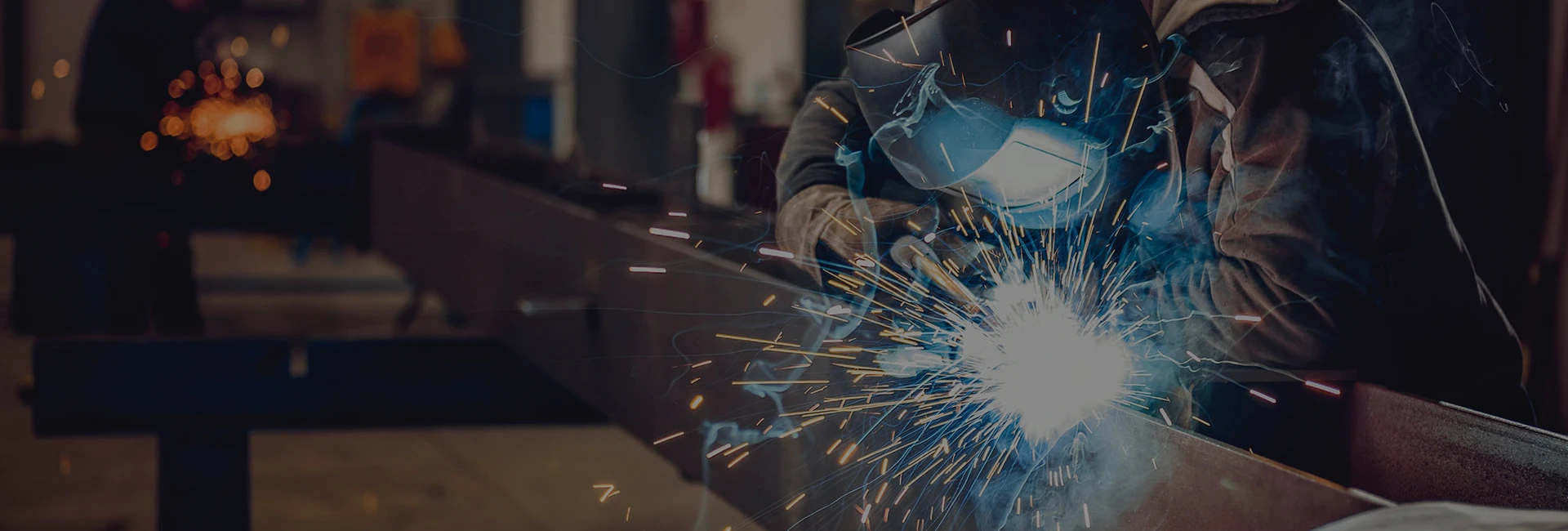
Comprehensive Guide to e6011 Welding Electrodes | Applications & Benefits

Comprehensive Guide to e6011 Welding Electrodes | Applications & Benefits
Nov . 29, 2025 16:45
Understanding e6011: What It Is and Why It Matters in Welding Today
Whether you’re deep in the field welding beams for a skyscraper or patching up pipelines in remote locations, the e6011 electrode is one tool that reliably pops up in conversations. It might sound like just another alphanumeric code, but this welding electrode is a world-class player in structural and repair welding. Globally, the use of e6011 electrodes goes beyond just construction. They form a backbone in industries where durability, versatility, and speed are non-negotiable. Let’s explore why knowing about e6011 matters, how it works, and why it’s worth keeping an eye on as welding technology continues evolving.
The Global Context: Why e6011 is Relevant in Industry and Beyond
Across the globe, the welding sector powers the skeleton of our industrial progress. The International Labour Organization estimates millions work in welding-related roles worldwide, contributing to infrastructure, manufacturing, and energy (ILO). The solid reliability of electrodes like e6011 supports everything from offshore oil rigs in the Gulf of Mexico, to vast pipelines snaking across Siberia, to urgent repairs after natural disasters.
But here’s an interesting angle: welding isn’t always done in pristine factory settings. Often, it’s performed in muddy terrains, exposed to wind, rain, or rust-inviting conditions. The challenge? Finding an electrode like e6011 that can handle less-than-ideal setup conditions without burning through time or quality.
What Exactly is the e6011 Electrode?
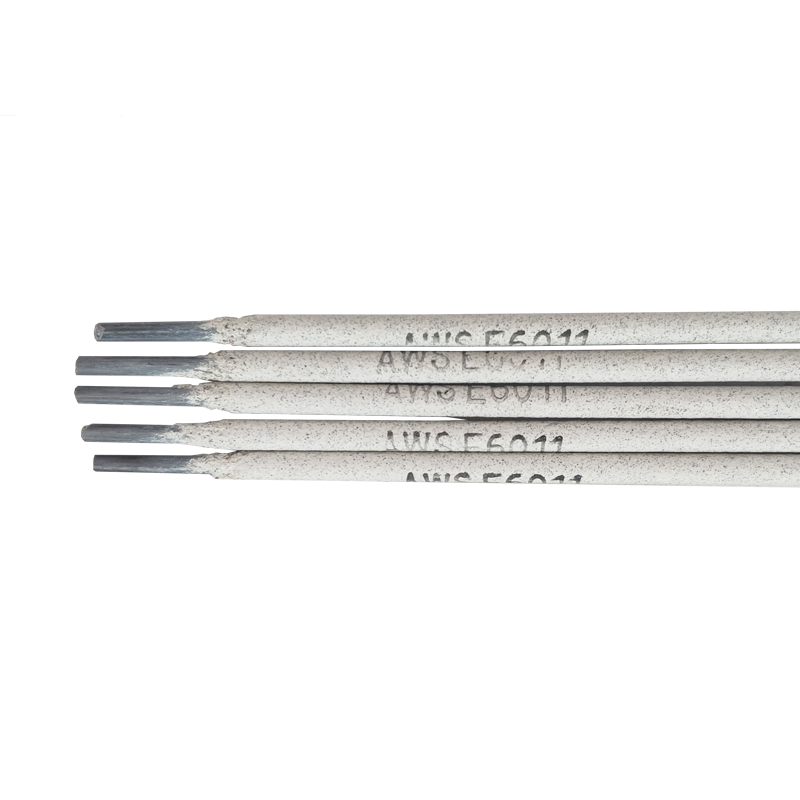
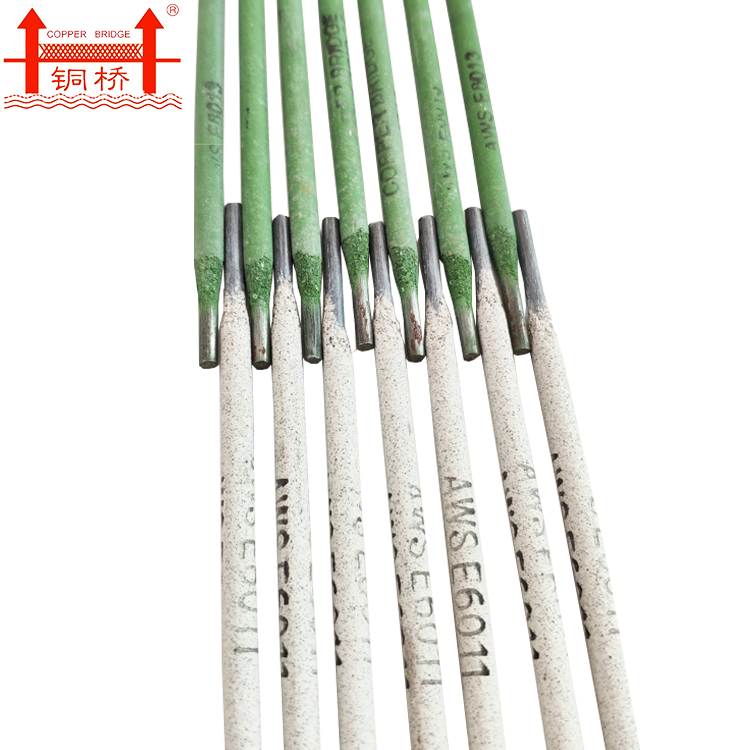
Simply put, e6011 is a type of shielded metal arc welding (SMAW) electrode known for its ability to create deep penetrating welds. Compared to some other rods, it’s often favored on “dirty” or painted metals because it works with direct current (usually DC positive) and is less sensitive to surface contamination.
It’s a staple in pipelines, farm equipment, and basic repairs—places where welders might not fuss over perfectly clean metals or ideal weather. It’s quite literally a “go-to” welding stick for jobs demanding durability coupled with versatility.
Mini takeaway:
- e6011 is a versatile, deep-penetrating welding electrode known for handling less-than-perfect surfaces.
- It supports industries where speed, reliability, and adaptability matter.
Core Features of e6011 That Make It Special
Deep Penetration and Weld Strength
One main reason professionals reach for e6011 rods is their ability to deliver deep weld penetration. This means the weld pools soak into the base metal thoroughly for a stronger joint. In rough conditions or thick metals, this is a lifesaver.
Ease of Use on Dirty or Rusty Surfaces
Unlike some electrodes that require meticulously cleaned metal, e6011 can work well on surfaces with light rust, oil, or paint. It’s forgiving in real-world setups, which is why it’s popular on field and repair jobs.
Compatibility with AC and DC Power Sources
Oddly enough, one versatility factor is that e6011 can run on both alternating current and direct current with proper polarity, giving flexibility especially where power supply might be unstable or limited.
Spray Arc and Slag Properties
e6011 produces a spray type arc and a fast-freezing slag which is easy to chip off, making the welding process faster and cleaner once the weld sets. It accelerates turnaround times on projects.
Cost Efficiency
When budgets get tight, e6011 electrodes remain affordable compared to some alloyed electrodes. This makes them economically useful in large-scale or repeated welding tasks.
Practical Impact Summary:
- Strong, deep welds suitable for structural integrity.
- Use on less-than-ideal surfaces minimizes prep time.
- Flexible power source compatibility for diverse job sites.
- Cost-effective solution for both new builds and repairs.
Global Applications & Real-World Use of e6011
From the pipelines of Alaska to agricultural repair shops in rural India, you’ll find e6011 electrodes making solid, long-lasting connections. Its adaptability shines in:
- Infrastructure Projects: Bridges, highway guardrails, and steel frameworks often require fast, reliable welding where dirt and weather demands make this electrode a favorite.
- Post-Disaster Repairs: After floods or earthquakes, quick rebuilding efforts rely on e6011 for speedy and rugged restoration of vital structures.
- Remote Industrial Worksites: Offshore rigs or remote mining camps often lack pristine resources—welders appreciate the forgiving nature of this electrode.
- Maintenance and Farming Equipment: Regular wear and tear patches are expedited by e6011’s strong welds without fussing over perfect cleanliness.
Regional Highlight:
Studies show welding electrode demand in Asia-Pacific is growing annually by roughly 8%, led by construction and manufacturing, where e6011 rods belong among the basic toolkit (ISO data).
Advantages & Long-Term Benefits of e6011 Welding
One could say the emotional satisfaction in welding with e6011 comes from the trust it builds. For welders and project managers alike, knowing your joint isn’t going to crack or fail — even if conditions got a bit messy — creates confidence that allows teams to focus on deadlines and safety.
- Reliable Weld Quality: Keeps critical structures safe under stress and over time.
- Time-Saving: Minimal prep and faster slag removal mean projects finish sooner.
- Cost-Effective: Balances performance with affordability, a critical factor for large scale infrastructure.
- Environmental Resilience: Performs well outdoors and in adverse conditions, making it sustainable for many climates.
Product Specification Table: e6011 Electrode at a Glance
| Feature | Specification |
|---|---|
| Welding Current | AC or DC (DIN + recommended) |
| Welding Position | All positions (flat, horizontal, vertical, overhead) |
| Minimum Tensile Strength | 60,000 psi (420 MPa) |
| Typical Rod Diameter | 1/8”, 3/32” (3.2mm, 2.4mm) |
| Flux Type | Cellulosic (high cellulose) |
| Typical Usage | Utility repair, pipeline welding, shipbuilding |
Vendor Comparison for e6011 Electrodes
| Brand | Price per kg | Weld Quality | Packaging Options | Field Popularity |
|---|---|---|---|---|
| Jinlong Welding Electrodes | $8.50 | Excellent, smooth arc & slag removal | 1, 5, and 25 kg boxes | High |
| Brand X | $7.90 | Good but less slag coverage | 5 and 20 kg drums | Medium |
| Global Welds Co. | $9.20 | Very consistent arc, slower slag removal | 2 and 10 kg boxes | Medium-High |
Future Trends & Innovations Around e6011 and Welding
Welding tech isn’t standing still. Developers are experimenting with eco-friendlier flux coatings and automated current regulators that optimize e6011 rod performance. Oddly enough, while robotic welders are rising, there’s still a strong call for manual SMAW in certain environments where human adaptability beats machines.
Growing interest in renewable energy structures also means robust and reliable electrode options like e6011 will be critical in wind turbine maintenance and solar frame assembly. Plus, enhancements in arc stability are helping reduce spatter, making cleanup less of a chore and boosting environmental friendliness.
Challenges with e6011 Usage (And How to Overcome Them)
Nothing’s perfect in the welding world. With e6011, some operators find that it requires a steady hand and consistent travel speed — if you go too slow, you risk excess slag, too fast and the weld suffers. But well-trained welders get this rhythm down quickly.
Another minor hiccup can be sensitivity to power source polarity — while e6011 can run on AC, optimal penetration often needs DC+ polarity, which not every site readily supplies. Contingency plans and proper equipment checks can reduce downtime.
Frequently Asked Questions About e6011 Electrodes
- What metals can I weld with e6011 electrodes?
- e6011 electrodes are primarily designed for mild and low alloy steel. They are not recommended for stainless steel or non-ferrous metals since their flux coating and penetration properties are suited for steel's specific weld characteristics.
- Can e6011 be used outdoors in windy conditions?
- Yes, one of e6011’s key benefits is its ability to maintain a stable arc in environments with drafts or wind. Its cellulose-based flux helps shield the weld pool effectively, making it popular for field work.
- Is e6011 suitable for vertical or overhead welding?
- Absolutely. e6011 is versatile and designed to perform in all welding positions. Its fast-freezing slag helps control the molten metal during vertical or overhead applications.
- How does e6011 differ from e6010 electrodes?
- Both share similar applications and flux chemistry, but e6011 rods are usually better suited for AC current while e6010 favors DC. Their weld characteristics overlap, but availability and power source sometimes dictate the choice.
- How do I store e6011 electrodes to keep them from deteriorating?
- Keep e6011 rods dry and ideally stored in a rod oven or sealed container to prevent moisture absorption, which can cause porosity and hydrogen cracking in the weld.
Final Thoughts: Why e6011 Remains a Welding Staple
I suppose if you take away just one thing, it’s that the e6011 electrode is one of those simple, yet remarkably adaptive tools that welders, engineers, and field technicians keep reaching for. Its blend of strong penetration, versatility with power sources, and tolerance for less-than-ideal conditions keeps it relevant even in an age of fancy welding alternatives.
To explore a reliable source for quality e6011 welding electrodes, visit Jinlong Welding Electrode. Their products combine affordability with consistency—a balance that’s frankly rare these days.
References

Related Video

Related News


2026-04-16 02:35:10
Precision Guide for e312 16 welding rod and Dissimilar Steel Welding
In the demanding world of industrial fabrication and repair, selecting the correct filler metal is the difference between a structural failure and a lifetime bond. The e312 16 welding rod is specifically engineered to meet the rigorous needs of welding dissimilar steels, offering an exceptional balance of strength and corrosion resistance. Whether you are working on high-pressure pipelines or heavy machinery components, understanding the nuances of this specialized electrode is key to achieving professional-grade results. This guide explores the technical advantages and practical applications of the E312 series to help you optimize your welding workflow.
2026-04-09 02:35:17
Choosing the Right cs to ss welding rod number Professional Guide
Joining carbon steel (CS) to stainless steel (SS) is a common challenge in industrial fabrication, requiring a precise understanding of metallurgy to avoid weld failure. The most critical decision in this process is identifying the correct cs to ss welding rod number to ensure a strong, corrosion-resistant bond. Using the wrong filler metal can lead to cracking or premature oxidation due to the different thermal expansion rates of the two materials. In this comprehensive guide, we will break down the technical specifications and selection criteria to help you achieve a professional-grade weld every time.
2026-04-07 02:25:29
Comprehensive Guide to 409 Welding Rod Selection and Optimal Usage
When it comes to welding applications requiring corrosion resistance and good weldability, the 409 welding rod is a frequently chosen option. This article provides a detailed overview of this versatile welding rod, exploring its composition, applications, benefits, and considerations for optimal use. Whether you’re a seasoned professional or new to welding, understanding the properties of 409 welding rod is crucial for achieving high-quality, durable welds. We’ll cover everything you need to know to make informed decisions for your welding projects.
2026-04-04 02:35:28
Comprehensive Guide to 330 Stainless Steel Welding Rod Applications and Techniques
330 stainless steel welding rods are a crucial component in various industries, offering exceptional corrosion resistance and high-temperature strength. This article provides an in-depth look at these rods, covering their properties, applications, choosing the right rod, welding techniques, safety precautions, and where to find high-quality options. Whether you're a seasoned welding professional or new to the field, this guide will offer valuable insights.
2026-03-31 02:35:08
Comprehensive Guide to 312 Stainless Tig Rod for Superior Welding Performance
When choosing the right filler metal for your TIG welding projects, especially in demanding applications, 312 stainless steel tig rod stands out for its exceptional corrosion resistance and high-temperature strength. This comprehensive guide will explore its composition, applications, benefits, and how it compares to other stainless steel rods. We'll also point you to resources for sourcing high-quality rods.
2026-03-28 02:45:04
Comprehensive Guide to 312 17 Welding Rod Applications and Technical Details
Welding rods are essential consumables in the welding process, and selecting the right one is crucial for achieving strong, durable, and high-quality welds. The 312 17 welding rod is a popular choice for many applications due to its unique properties and versatility. This article delves into the characteristics, applications, benefits, and considerations when using 312 17 welding rods, providing a comprehensive resource for welders and engineers alike. Choosing the right rod directly impacts the success and longevity of any welding project.
2026-03-26 02:35:10
Comprehensive Guide to the 312 16 Welding Rod for Superior Steel Welding
The 312 16 welding rod is a versatile and widely-used electrode in various welding applications. Known for its excellent weldability and strong mechanical properties, it's a go-to choice for professionals and hobbyists alike. This article delves into the specifics of this electrode, covering its composition, applications, advantages, and how to choose the right one for your projects. Understanding the nuances of the 312 16 welding rod is crucial for achieving high-quality, durable welds. The designation "312 16" provides key information about the welding rod. "312" refers to the type of flux coating, specifically a low-hydrogen, iron powder coating. This coating is designed to produce welds with excellent mechanical properties and good resistance to cracking. The "16" indicates the diameter of the rod in 32nds of an inch – so a 312 16 rod has a diameter of 16/32 or 1/2 inch. This combination makes it suitable for a wide range of steel welding applications. The low-hydrogen nature of the flux minimizes hydrogen-induced cracking, a common issue in welding certain steels.
2026-03-24 02:45:07
Comprehensive Guide to 309LSI TIG Rod Welding Applications and Best Practices
The 309LSI TIG rod is a versatile welding consumable widely used across various industries for its exceptional corrosion resistance and weldability. This article will explore the properties, applications, advantages, and best practices associated with using 309LSI TIG rods. Whether you're a seasoned welding professional or new to the field, this guide will provide you with valuable insights into maximizing the performance and longevity of your welds. The 309LSI TIG rod is a stainless steel electrode specifically designed for Gas Tungsten Arc Welding (GTAW), commonly known as TIG welding. The "309LSI" designation indicates the alloy composition: 309 signifies the chromium-nickel content, 'L' denotes low carbon content for enhanced corrosion resistance, and 'SI' signifies stabilized with silicon for improved resistance to carbide precipitation during welding.

 English
  Arabic
  Bengali
  China
China  French
  German
  Hausa
Hausa  Indonesian
  Italian
  Japanese
  Javanese
  Malay
Malay  Persian
  Portuguese
  Punjabi
  Russian
  Spanish
  Swahili
  Telugu
  Vietnamese