

Comprehensive Guide to 7018 Rod – Strength & Reliability in Welding Electrodes

Comprehensive Guide to 7018 Rod – Strength & Reliability in Welding Electrodes
Nov . 29, 2025 15:10
Understanding the 7018 Rod: Why It Matters Globally
When you hear “7018 rod,” you might immediately think of welding shops, construction sites, or heavy industries. But this little piece of equipment actually plays a surprisingly big role worldwide, shaping infrastructures, economies, and even disaster recovery efforts. The 7018 rod is a welding electrode known for its strength, reliability, and versatility. Understanding it means appreciating how steel structures across continents hold together — safely and efficiently.
Why bother? Globally, infrastructure needs are booming. According to the World Bank, trillions of dollars are spent annually on roads, bridges, pipelines, and energy projects — all welded into place, quite often, with rods like the 7018. Learning about this welding rod is a bit like understanding a secret ingredient that makes modern life possible.
Mini takeaway: The 7018 rod isn’t just a welding tool; it’s a global pillar in construction and industrial resilience.
A Closer Look at the 7018 Rod
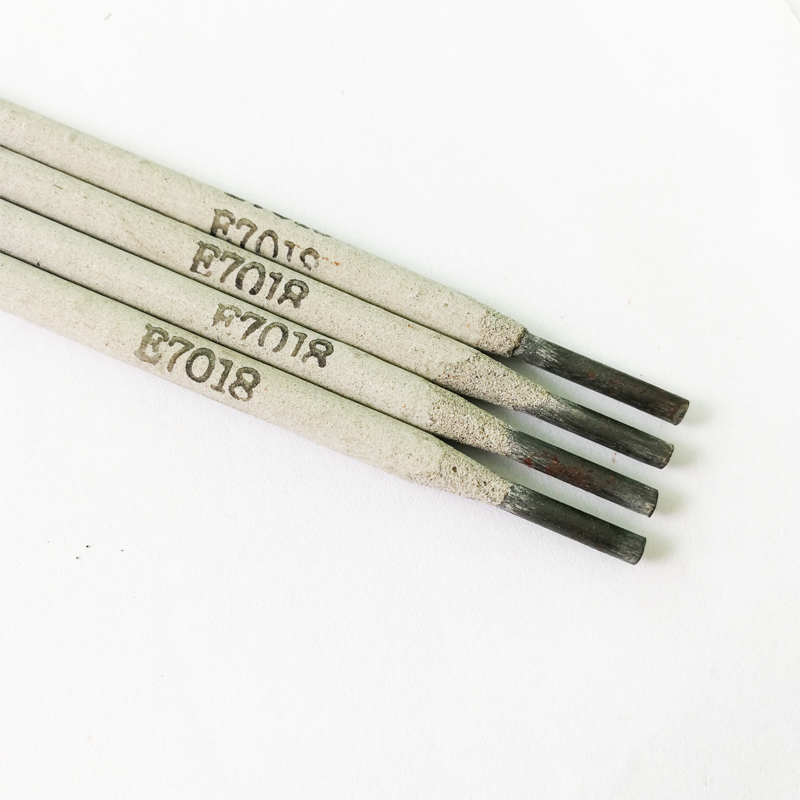
The ANSI/AWS classification 'E7018' describes a specific low-hydrogen stick electrode. In simple terms, it’s a welding rod covered with a special flux coating that helps produce a strong, crack-resistant weld. This rod is prized for creating welds that stand up to stress, weather, and wear — crucial for everything from oil rigs to bridges.
Oddly enough, this rod’s development ties back to the mid-20th century when demands for stronger, safer welds soared alongside the industrial boom. Today, many humanitarian projects and infrastructure rebuilds in remote or developing areas rely extensively on its dependability.
Main components of a 7018 rod:
- Low hydrogen flux coating to reduce cracking
- Iron powder core for deep penetration
- Alloy steel core wire for strength
- Flux ingredients enhancing slag formation and weld consistency
Mini takeaway: Knowing what makes a 7018 rod tick demystifies why its welds are so durable and trusted worldwide.
Key Features of the 7018 Rod — Why Engineers Choose It
Durability and Strength
The 7018 rod is celebrated for producing welds that are tough enough to endure heavy loads, vibration, and corrosion. Its low-hydrogen nature minimizes weld cracking, a common dilemma in structural steelwork. This keeps bridges from sprouting hairline fractures or pressure vessels from faltering when you least expect it.
Versatility Across Materials
Whether you’re joining carbon steel, alloy steel, or even going vertical on pipe welds, the 7018 rod can handle it. Its flexibility across welding positions makes it invaluable on-site — from flat surfaces to overhead spots.
Cost Efficiency
When you factor in less rework, fewer weld defects, and the rod’s relative affordability, it tends to make financial sense, especially for large-scale projects where downtime is costly.
Ease of Use
While it needs to be stored properly to prevent moisture pickup (which can ruin weld quality), many welders find the 7018 rod relatively straightforward to manipulate once prepped, offering a nice “smooth” arc and weld bead.
Compatibility with Automation
Increasingly, 7018 electrodes are used in robotic and semi-automatic welding setups, helping boost repeatability and production speed.
| Specification | Typical Value |
|---|---|
| Current Type | AC/DC+ |
| Tensile Strength | 70,000 psi (approx. 480 MPa) |
| Hydrogen Level | |
| Flux Type | Low hydrogen potassium |
| Coating Weight | 15-20% of total electrode weight |
| Storage | Keep dry, |
Mini takeaway: The 7018 rod’s blend of strength, flexibility, and user-friendliness makes it an industry favorite.
Global Applications of the 7018 Rod: Real-World Impact
Across North America, Europe, and Asia-Pacific, the 7018 rod welds critical infrastructure such as:
- Bridges and highways resisting high traffic loads and weather extremes
- Oil, gas, and chemical pipelines requiring leak-proof joints
- Shipbuilding, ensuring hulls withstand ocean pressure
- Wind turbines and clean energy projects demanding durability and safety
In developing countries, NGOs and infrastructure projects in post-disaster areas lean on 7018 rod for rebuilding homes and community centers that need lasting stability quickly. Oddly enough, the same rod that’s holding up skyscrapers in Shanghai also helps during emergency relief in cyclone-hit Bangladesh.
For example: In an earthquake recovery effort in Nepal, teams used 7018 rods to weld steel reinforcements that increased building resilience — reducing collapse risks in aftershocks.
Advantages and Long-Term Value of Using 7018 Rod
- Enhanced safety: Fewer weld failures mean fewer accidents.
- Cost-effective: Longevity reduces repair frequency and downtime.
- Sustainability: Reliable welds mean structures last longer, reducing waste.
- Trust: Engineers and contractors often prefer 7018 rods due to proven track records.
It’s not just about dollars or strength, though — using a 7018 rod feels like a measured, caring choice. You’re putting something in place that will hold people’s lives and livelihoods, sometimes for decades.
Future Trends and Innovations in 7018 Rods
Looking ahead, manufacturers are tweaking the formulations of 7018 rods to further reduce environmental impact by lowering emissions during welding and improving recyclability of residues. Some innovation areas include:
- Eco-friendly flux compositions that cut down smoke and fumes
- Electrodes designed for enhanced arc stability, easing robotic welding
- Better packaging and storage solutions to extend shelf life, especially in humid climates
- Integration with digital welding machines to optimize amperage and travel speed
Such advancements hint at a future where welding is cleaner, faster, and even more reliable — while staying true to the timeless benefits of the humble 7018 rod.
Challenges and Solutions in Working with 7018 Rods
No product is perfect, and 7018 rods have their quirks. Storing them properly to avoid moisture contamination is vital — otherwise, weld cracking can become a headache. Also, the electrode needs a suitable DC+ or AC welding machine to maximize its performance, which not all field sites may have.
However, many shops now invest in low-humidity ovens or sealed containers to keep rods dry — a small upfront cost that pays off big by avoiding rework. Training welders on optimal techniques also reduces potential failures.
Frankly, the rod isn’t meant for exotic alloys or super-thin metals, but for traditional steelwork it remains top-tier.
| Vendor | Flux Composition | Price per KG | Dry Storage Warranty | Quality Certifications |
|---|---|---|---|---|
| Jinlong Welding Electrode | Low hydrogen potassium type | $3.50 | 6 months sealed | ISO 9001, AWS A5.1 |
| Generic Brand A | Standard low hydrogen | $3.00 | 3 months open air | AWS basic approval |
| Premium Welding Co. | Enhanced flux with rust inhibitor | $4.20 | 12 months sealed | ISO 14001, AWS A5.1 |
FAQ: Frequently Asked Questions About 7018 Rod
Q1: What makes 7018 rods better for structural steel than other electrodes?
A1: 7018 rods feature a low-hydrogen flux that minimizes weld cracking and provides high tensile strength (about 70,000 psi). This combination results in robust, long-lasting welds ideal for heavy-duty structural applications where safety is paramount.
Q2: How should I store 7018 rods to maintain quality?
A2: Store 7018 rods in a dry environment, preferably in oven-heated cabinets at temperatures around 100-150°C (212-302°F). Moisture exposure leads to hydrogen absorption and potential weld defects. Proper storage can extend rod usability for months.
Q3: Can 7018 electrodes be used with AC power sources?
A3: While 7018 rods perform best on DC+ power, they can be used with AC machines, especially with modern inverter welders designed for stable arcs. However, weld quality and electrode life may vary.
Q4: Are 7018 rods suitable for automated welding systems?
A4: Yes, many robotic welding systems use 7018 electrodes, although flux formulation and electrode handling must be matched to automation parameters to ensure optimal results.
Q5: How long does a 7018 welded joint last in outdoor infrastructure?
A5: With correct welding and maintenance, 7018 welded joints can last several decades, resisting corrosion and mechanical stresses common in outdoor environments.
Conclusion and Call to Action
In real terms, the 7018 rod is the unsung hero behind global infrastructure’s strength and resilience. It offers the perfect blend of reliability, safety, and cost-effectiveness, making it a go-to choice for many industries worldwide. Whether you’re involved in building bridges or disaster relief structures, choosing quality 7018 rods means investing in performance you can trust.
Interested in learning more or ordering high-quality 7018 rod? Visit our website today for detailed specs, pricing, and expert advice.
References

Related Video

Related News


2026-04-16 02:35:10
Precision Guide for e312 16 welding rod and Dissimilar Steel Welding
In the demanding world of industrial fabrication and repair, selecting the correct filler metal is the difference between a structural failure and a lifetime bond. The e312 16 welding rod is specifically engineered to meet the rigorous needs of welding dissimilar steels, offering an exceptional balance of strength and corrosion resistance. Whether you are working on high-pressure pipelines or heavy machinery components, understanding the nuances of this specialized electrode is key to achieving professional-grade results. This guide explores the technical advantages and practical applications of the E312 series to help you optimize your welding workflow.
2026-04-09 02:35:17
Choosing the Right cs to ss welding rod number Professional Guide
Joining carbon steel (CS) to stainless steel (SS) is a common challenge in industrial fabrication, requiring a precise understanding of metallurgy to avoid weld failure. The most critical decision in this process is identifying the correct cs to ss welding rod number to ensure a strong, corrosion-resistant bond. Using the wrong filler metal can lead to cracking or premature oxidation due to the different thermal expansion rates of the two materials. In this comprehensive guide, we will break down the technical specifications and selection criteria to help you achieve a professional-grade weld every time.
2026-04-07 02:25:29
Comprehensive Guide to 409 Welding Rod Selection and Optimal Usage
When it comes to welding applications requiring corrosion resistance and good weldability, the 409 welding rod is a frequently chosen option. This article provides a detailed overview of this versatile welding rod, exploring its composition, applications, benefits, and considerations for optimal use. Whether you’re a seasoned professional or new to welding, understanding the properties of 409 welding rod is crucial for achieving high-quality, durable welds. We’ll cover everything you need to know to make informed decisions for your welding projects.
2026-04-04 02:35:28
Comprehensive Guide to 330 Stainless Steel Welding Rod Applications and Techniques
330 stainless steel welding rods are a crucial component in various industries, offering exceptional corrosion resistance and high-temperature strength. This article provides an in-depth look at these rods, covering their properties, applications, choosing the right rod, welding techniques, safety precautions, and where to find high-quality options. Whether you're a seasoned welding professional or new to the field, this guide will offer valuable insights.
2026-03-31 02:35:08
Comprehensive Guide to 312 Stainless Tig Rod for Superior Welding Performance
When choosing the right filler metal for your TIG welding projects, especially in demanding applications, 312 stainless steel tig rod stands out for its exceptional corrosion resistance and high-temperature strength. This comprehensive guide will explore its composition, applications, benefits, and how it compares to other stainless steel rods. We'll also point you to resources for sourcing high-quality rods.
2026-03-28 02:45:04
Comprehensive Guide to 312 17 Welding Rod Applications and Technical Details
Welding rods are essential consumables in the welding process, and selecting the right one is crucial for achieving strong, durable, and high-quality welds. The 312 17 welding rod is a popular choice for many applications due to its unique properties and versatility. This article delves into the characteristics, applications, benefits, and considerations when using 312 17 welding rods, providing a comprehensive resource for welders and engineers alike. Choosing the right rod directly impacts the success and longevity of any welding project.
2026-03-26 02:35:10
Comprehensive Guide to the 312 16 Welding Rod for Superior Steel Welding
The 312 16 welding rod is a versatile and widely-used electrode in various welding applications. Known for its excellent weldability and strong mechanical properties, it's a go-to choice for professionals and hobbyists alike. This article delves into the specifics of this electrode, covering its composition, applications, advantages, and how to choose the right one for your projects. Understanding the nuances of the 312 16 welding rod is crucial for achieving high-quality, durable welds. The designation "312 16" provides key information about the welding rod. "312" refers to the type of flux coating, specifically a low-hydrogen, iron powder coating. This coating is designed to produce welds with excellent mechanical properties and good resistance to cracking. The "16" indicates the diameter of the rod in 32nds of an inch – so a 312 16 rod has a diameter of 16/32 or 1/2 inch. This combination makes it suitable for a wide range of steel welding applications. The low-hydrogen nature of the flux minimizes hydrogen-induced cracking, a common issue in welding certain steels.
2026-03-24 02:45:07
Comprehensive Guide to 309LSI TIG Rod Welding Applications and Best Practices
The 309LSI TIG rod is a versatile welding consumable widely used across various industries for its exceptional corrosion resistance and weldability. This article will explore the properties, applications, advantages, and best practices associated with using 309LSI TIG rods. Whether you're a seasoned welding professional or new to the field, this guide will provide you with valuable insights into maximizing the performance and longevity of your welds. The 309LSI TIG rod is a stainless steel electrode specifically designed for Gas Tungsten Arc Welding (GTAW), commonly known as TIG welding. The "309LSI" designation indicates the alloy composition: 309 signifies the chromium-nickel content, 'L' denotes low carbon content for enhanced corrosion resistance, and 'SI' signifies stabilized with silicon for improved resistance to carbide precipitation during welding.

 English
  Arabic
  Bengali
  China
China  French
  German
  Hausa
Hausa  Indonesian
  Italian
  Japanese
  Javanese
  Malay
Malay  Persian
  Portuguese
  Punjabi
  Russian
  Spanish
  Swahili
  Telugu
  Vietnamese