

Comprehensive Guide to 7018 Electrode – Features, Uses, and Global Insights

Comprehensive Guide to 7018 Electrode – Features, Uses, and Global Insights
Nov . 29, 2025 13:35
Understanding the 7018 Electrode: A Backbone of Welding Worldwide
In the vast industrial landscape, the 7018 electrode often flies under the radar for casual observers but stands as a cornerstone in construction, manufacturing, and repair sectors globally. Whether you're aware or not, this welding electrode shapes infrastructure, industrial equipment, and even humanitarian aid efforts. Understanding it isn't just for engineers or welders; in fact, the global economy relies on its trusted performance every day.
Why does this matter? Well, a reliable welding electrode like the 7018 dramatically influences safety, cost efficiency, and durability in countless projects worldwide — from skyscrapers in Shanghai to pipelines in the Middle East. As global demand for infrastructure surges alongside sustainability concerns, the choice and deployment of electrodes like 7018 are vital.
Global Context: Why 7018 Electrode Keeps Industry Moving
According to the International Organization for Standardization (ISO), the demand for welding consumables has steadily increased by 3-5% annually, reflecting expanding infrastructure development and repair needs. The World Bank reports that nearly 60% of global infrastructure spending flows towards construction sectors requiring heavy-duty welding solutions.
However, one major challenge is the durability of welded joints under harsh conditions — think extreme weather, industrial stress, or mechanical load. That's where the 7018 electrode shines, offering a dependable, low-hydrogen solution that minimizes cracking risks while ensuring high strength.
Defining the 7018 Electrode in Plain Terms
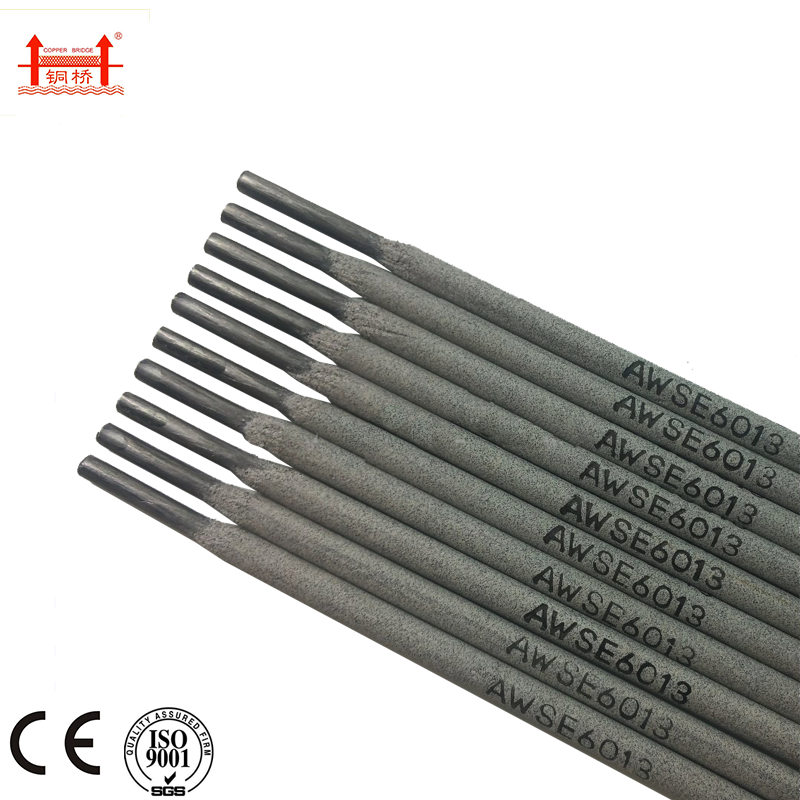
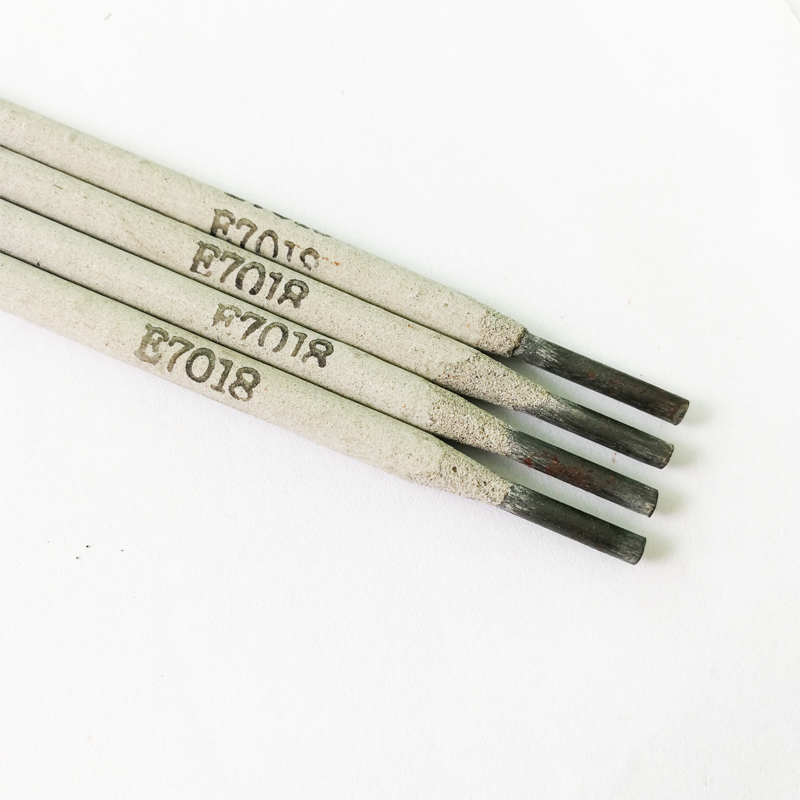
The 7018 electrode is a type of low-hydrogen, iron powder-coated welding rod designed primarily for shielded metal arc welding (SMAW). The “70” indicates its tensile strength (~70,000 PSI), the “1” denotes that it's suitable for all positions, and the “8” means it has a low-hydrogen potassium iron powder coating, critical for producing clean, crack-resistant welds.
In other words, it’s a “tough guy” in the welding arena — the go-to stick when lasting strength and reliability matter most. This makes it widely favored across industries building or maintaining safety-critical structures such as bridges, ships, and oil rigs.
Mini Takeaway:
The 7018 electrode is essentially a high-strength rod designed for versatile welding in demanding environments, combining reliable performance with durability.
Core Components & Key Aspects of the 7018 Electrode
Durability
Perhaps the biggest draw is the electrode’s excellent resistance to cracking after the weld cools. Low hydrogen content reduces porosity and brittleness — a feature that’s essential in structural welds that must endure tension and vibration.
Weld Quality & Appearance
Many welders prefer 7018 for its smooth, stable arc and clean slag removal. The resulting bead is typically smooth and uniform, which reduces rework and inspection costs.
All-Position Capability
Whether you’re welding flat, vertical, overhead, or horizontal, the 7018 rod’s coating design ensures consistent penetration and proper deposition rates. This flexibility reduces downtime when switching work angles.
Cost Efficiency
Although slightly pricier than some basic electrodes, its reduced defect rate and repair frequency often balance initial costs in real-world applications.
Safety
Low hydrogen means fewer weld failures that could lead to catastrophic structural issues — so it’s a safeguard for both workers and end-users.
Specification Table
| Specification | Details |
|---|---|
| Tensile Strength | ≥ 70,000 PSI (480 MPa) |
| Coating Type | Low hydrogen potassium iron powder |
| Recommended Current | DC Electrode Positive (DCEP) |
| Positions | All positions (flat, horizontal, vertical, overhead) |
| Typical Diameter Range | 1/16” to 1/4” (1.6mm to 6.4mm) |
| Applications | Structural steel, pipelines, shipbuilding, machinery repair |
Mini Takeaway:
Each feature of the 7018 electrode — from coating to tensile strength — is tuned to maximize weld quality and job site flexibility.
Global Applications & Use Cases of 7018 Electrode
Around the world, in post-disaster relief operations for instance, the 7018 is commonly specified to rebuild critical infrastructure fast and safely. NGOs and governments rely on it to restore bridges and shelters where human lives hang in the balance.
In industrial zones across North America and Europe, the potency of 7018 electrodes supports pipelines and pressure vessels that must comply with strict codes for safety and leak prevention. Oddly enough, even remote mining operations in Australia choose 7018 rods for on-site repairs because of their durability and low-slag cleanup — meaning less downtime.
Vendor Comparison Table
| Vendor | Price per kg (USD) | Quality Certification | Global Reach | Delivery Speed |
|---|---|---|---|---|
| Jinlong Welding Electrodes | $4.50 | ISO 2560-A: E 7018 | Worldwide (website) | Fast (3-7 days) |
| Lincoln Electric | $5.20 | AWS Certified | Global | Moderate (7-10 days) |
| ESAB | $5.00 | ISO & AWS | Global | Moderate (7-10 days) |
| Generic Local Supplier | $3.80 | Varies | Regional | Fast |
Advantages & Long-Term Value of the 7018 Electrode
Tangibly, choosing the 7018 electrode means maximum structural integrity with minimized failure rates, which translates into long-term savings. Many contractors say it pays off to spend a bit more upfront to avoid costly rework or downtime.
From a sustainability angle, longer-lasting welds reduce raw material waste and the need for repeat manufacturing — an oddly satisfying win for eco-conscious engineers and companies.
Emotionally, users report a sense of trust investing in 7018 electrodes. Whether it’s a bridge or an oil rig, safety feels non-negotiable. The reliability it offers preserves human life, industrial continuity, and even dignity in reconstruction efforts.
Future Trends & Innovations in 7018 Welding
Looking ahead, the welding industry is quietly shifting towards greener manufacturing and digital quality control. Advanced coatings infused with additives that further reduce hydrogen absorption are on the R&D table. Automation paired with AI-powered inspection might soon minimize human error in electrode application or welding technique.
Global policies promoting sustainable construction will likely push manufacturers to refine 7018 electrode production for lower carbon footprints and recyclable packaging.
Challenges & Solutions
One common limitation is the sensitivity to moisture — 7018 rods must stay dry to maintain their low hydrogen advantages, which can be tricky in humid or wet environments. But sensible storage solutions like oven drying or moisture-proof packaging effectively solve this.
Also, welders sometimes find the 7018 electrode a bit less forgiving during initial training, requiring steady hand control and proper current settings. Investing in better training programs and digital welding simulators can bridge this gap.
FAQ: Frequently Asked Questions About 7018 Electrode
- Q: What makes 7018 electrodes preferred for structural welding?
A: Their low hydrogen coating reduces cracking risk and produces strong, consistent welds, vital for structural safety and longevity. - Q: How should 7018 electrodes be stored on job sites?
A: Store them in a dry, heated oven at 250°F (121°C) or sealed containers to keep moisture out and preserve welding quality. - Q: Can 7018 electrodes be used with AC welding machines?
A: They’re primarily designed for DC current (DCEP), but some variations allow limited AC use; however, DC is preferred for best results. - Q: Is 7018 suitable for welding all types of steel?
A: Generally yes, especially mild and low-alloy steels used in construction, shipbuilding, and pipeline fabrication. - Q: Where can I buy 7018 electrodes with global shipping?
A: Trusted vendors like Jinlong Welding Electrodes offer certified rods with worldwide delivery options.
Conclusion: The Long-Term Payoff of Choosing 7018 Electrode
In sum, the 7018 welding electrode remains a reliable, versatile, and cost-effective choice for industries demanding strong weld integrity and lasting results. Whether building critical infrastructure or conducting emergency repairs, it’s an unsung hero that ensures projects hold up to tomorrow’s trials.
If you’ve found this insight useful, visit our website to explore high-quality 7018 electrodes tailored for your needs. Sometimes the difference between success and failure comes down to the right rod in hand.
References

Related Video

Related News
2026-04-16 02:35:10
Precision Guide for e312 16 welding rod and Dissimilar Steel Welding
In the demanding world of industrial fabrication and repair, selecting the correct filler metal is the difference between a structural failure and a lifetime bond. The e312 16 welding rod is specifically engineered to meet the rigorous needs of welding dissimilar steels, offering an exceptional balance of strength and corrosion resistance. Whether you are working on high-pressure pipelines or heavy machinery components, understanding the nuances of this specialized electrode is key to achieving professional-grade results. This guide explores the technical advantages and practical applications of the E312 series to help you optimize your welding workflow.
2026-04-09 02:35:17
Choosing the Right cs to ss welding rod number Professional Guide
Joining carbon steel (CS) to stainless steel (SS) is a common challenge in industrial fabrication, requiring a precise understanding of metallurgy to avoid weld failure. The most critical decision in this process is identifying the correct cs to ss welding rod number to ensure a strong, corrosion-resistant bond. Using the wrong filler metal can lead to cracking or premature oxidation due to the different thermal expansion rates of the two materials. In this comprehensive guide, we will break down the technical specifications and selection criteria to help you achieve a professional-grade weld every time.
2026-04-07 02:25:29
Comprehensive Guide to 409 Welding Rod Selection and Optimal Usage
When it comes to welding applications requiring corrosion resistance and good weldability, the 409 welding rod is a frequently chosen option. This article provides a detailed overview of this versatile welding rod, exploring its composition, applications, benefits, and considerations for optimal use. Whether you’re a seasoned professional or new to welding, understanding the properties of 409 welding rod is crucial for achieving high-quality, durable welds. We’ll cover everything you need to know to make informed decisions for your welding projects.
2026-04-04 02:35:28
Comprehensive Guide to 330 Stainless Steel Welding Rod Applications and Techniques
330 stainless steel welding rods are a crucial component in various industries, offering exceptional corrosion resistance and high-temperature strength. This article provides an in-depth look at these rods, covering their properties, applications, choosing the right rod, welding techniques, safety precautions, and where to find high-quality options. Whether you're a seasoned welding professional or new to the field, this guide will offer valuable insights.
2026-03-31 02:35:08
Comprehensive Guide to 312 Stainless Tig Rod for Superior Welding Performance
When choosing the right filler metal for your TIG welding projects, especially in demanding applications, 312 stainless steel tig rod stands out for its exceptional corrosion resistance and high-temperature strength. This comprehensive guide will explore its composition, applications, benefits, and how it compares to other stainless steel rods. We'll also point you to resources for sourcing high-quality rods.
2026-03-28 02:45:04
Comprehensive Guide to 312 17 Welding Rod Applications and Technical Details
Welding rods are essential consumables in the welding process, and selecting the right one is crucial for achieving strong, durable, and high-quality welds. The 312 17 welding rod is a popular choice for many applications due to its unique properties and versatility. This article delves into the characteristics, applications, benefits, and considerations when using 312 17 welding rods, providing a comprehensive resource for welders and engineers alike. Choosing the right rod directly impacts the success and longevity of any welding project.
2026-03-26 02:35:10
Comprehensive Guide to the 312 16 Welding Rod for Superior Steel Welding
The 312 16 welding rod is a versatile and widely-used electrode in various welding applications. Known for its excellent weldability and strong mechanical properties, it's a go-to choice for professionals and hobbyists alike. This article delves into the specifics of this electrode, covering its composition, applications, advantages, and how to choose the right one for your projects. Understanding the nuances of the 312 16 welding rod is crucial for achieving high-quality, durable welds. The designation "312 16" provides key information about the welding rod. "312" refers to the type of flux coating, specifically a low-hydrogen, iron powder coating. This coating is designed to produce welds with excellent mechanical properties and good resistance to cracking. The "16" indicates the diameter of the rod in 32nds of an inch – so a 312 16 rod has a diameter of 16/32 or 1/2 inch. This combination makes it suitable for a wide range of steel welding applications. The low-hydrogen nature of the flux minimizes hydrogen-induced cracking, a common issue in welding certain steels.
2026-03-24 02:45:07
Comprehensive Guide to 309LSI TIG Rod Welding Applications and Best Practices
The 309LSI TIG rod is a versatile welding consumable widely used across various industries for its exceptional corrosion resistance and weldability. This article will explore the properties, applications, advantages, and best practices associated with using 309LSI TIG rods. Whether you're a seasoned welding professional or new to the field, this guide will provide you with valuable insights into maximizing the performance and longevity of your welds. The 309LSI TIG rod is a stainless steel electrode specifically designed for Gas Tungsten Arc Welding (GTAW), commonly known as TIG welding. The "309LSI" designation indicates the alloy composition: 309 signifies the chromium-nickel content, 'L' denotes low carbon content for enhanced corrosion resistance, and 'SI' signifies stabilized with silicon for improved resistance to carbide precipitation during welding.

 English
  Arabic
  Bengali
  China
China  French
  German
  Hausa
Hausa  Indonesian
  Italian
  Japanese
  Javanese
  Malay
Malay  Persian
  Portuguese
  Punjabi
  Russian
  Spanish
  Swahili
  Telugu
  Vietnamese