

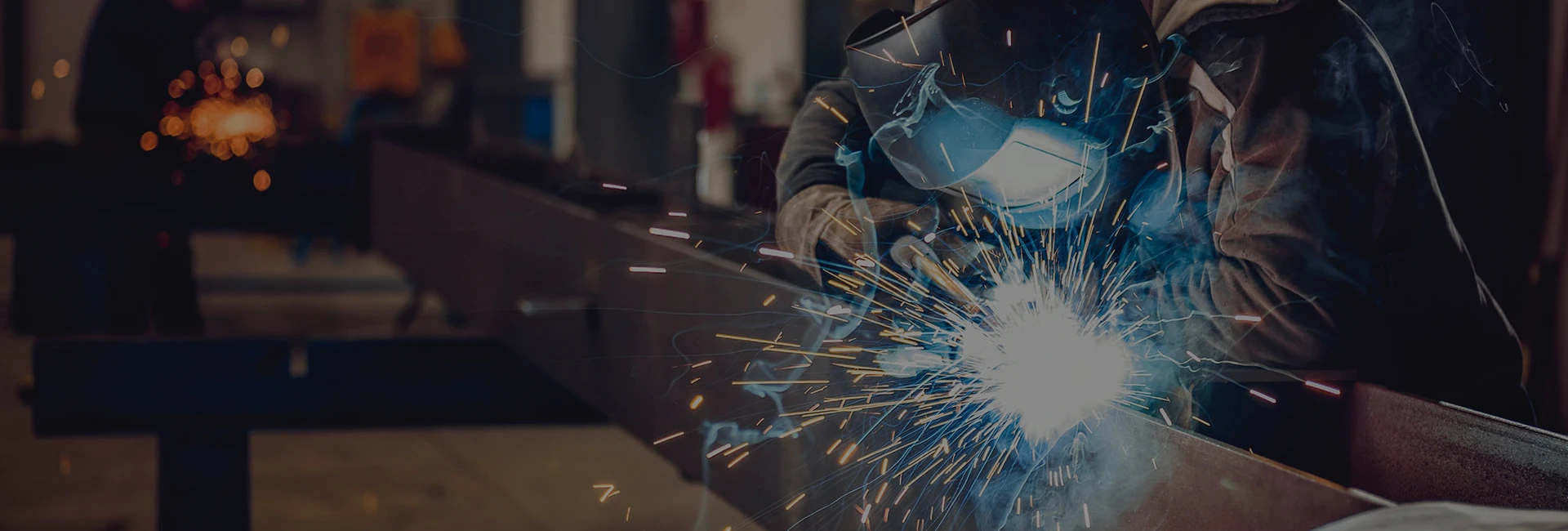
Understanding 6011 Stick Welding: Versatility & Strength for Global Challenges

Understanding 6011 Stick Welding: Versatility & Strength for Global Challenges
Dec . 01, 2025 23:15
Understanding 6011 Stick Welding: Why It Matters Globally
When you hear about 6011 stick welding, it might sound like just another welding code in a sea of numbers. But in reality, this welding electrode classification punches way above its weight in versatility and reliability worldwide. From rebuilding infrastructure in remote regions to patching up industrial gear on the fly, knowing your 6011 electrode inside out is crucial. It’s an unsung hero in scenarios where speed, quality, and portability matter — and frankly, this little rod has saved countless projects (and sometimes lives) around the globe.
Globally, the welding industry is expected to grow steadily, with infrastructure development and maintenance leading the charge, particularly in emerging markets. According to reports by the International Organization for Standardization (ISO) and statistical data from the World Bank, millions rely on welding for everything from building pipelines to community shelters. Having a solid grasp on 6011 stick welding means understanding a tool that’s instrumental in such efforts.
Why 6011 Stick Welding Holds Its Ground in Industry
Let me step back a bit first: why is this particular electrode so relevant across industries and regions? Well, according to welding experts and field engineers, the 6011 stick electrode is prized for its deep penetration, ability to weld through rust and dirt, and its adaptability—qualities that often make or break a project in difficult settings. The electrode’s aggressive arc action means you don’t waste time prepping every surface perfectly before you spark up. That’s a huge deal, especially in humanitarian and disaster relief situations where time is scarce, and conditions are far from ideal.
In fact, with the World Bank estimating over 1.5 billion people living in inadequate housing, the ability to quickly fabricate or repair metal structures using robust electrodes like 6011 is a vital component of sustainable infrastructure development worldwide.
What Exactly Is 6011 Stick Welding?
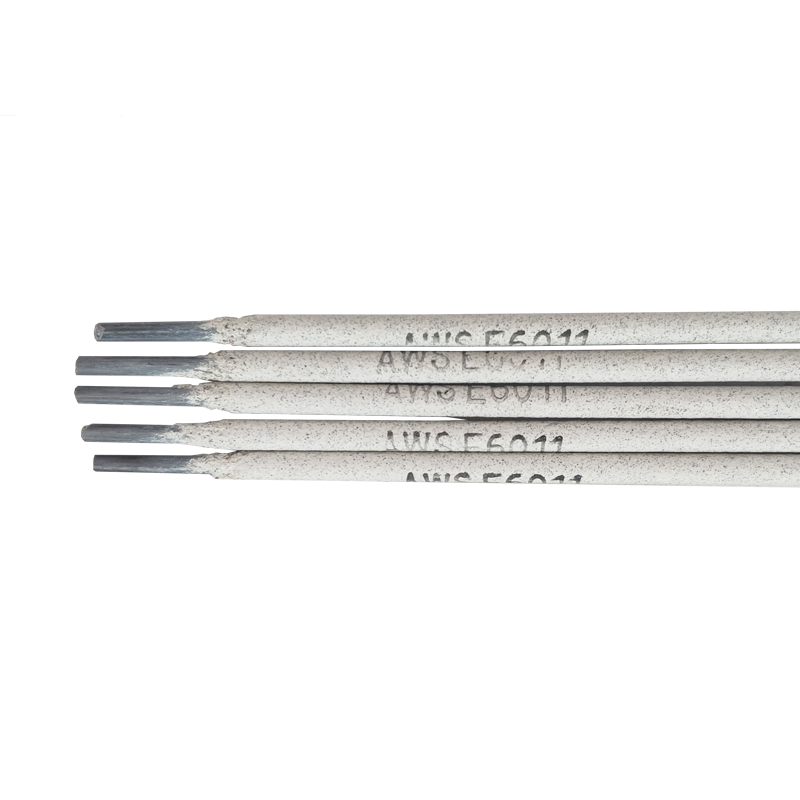
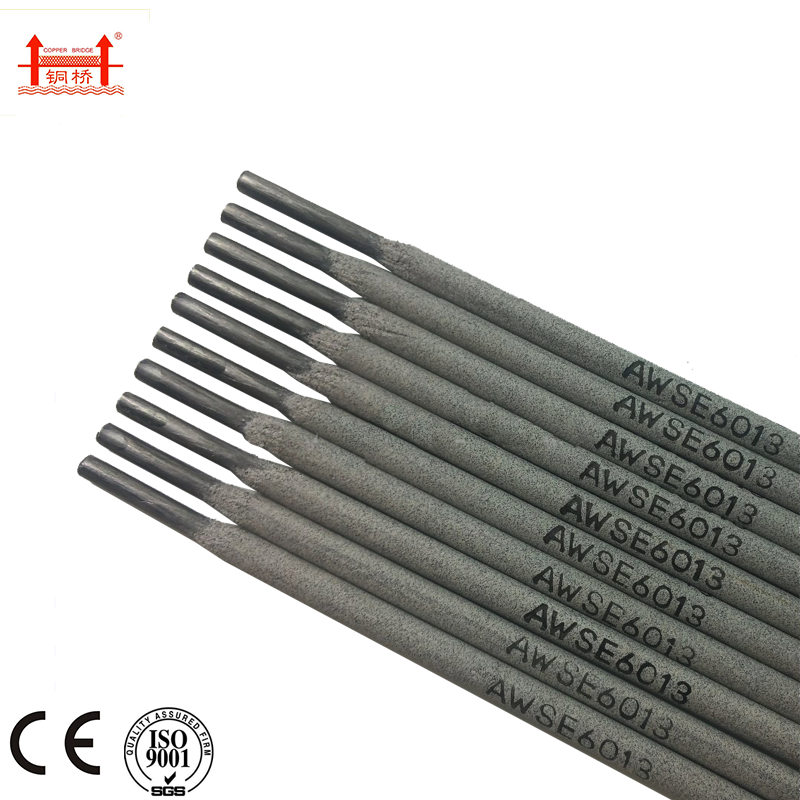
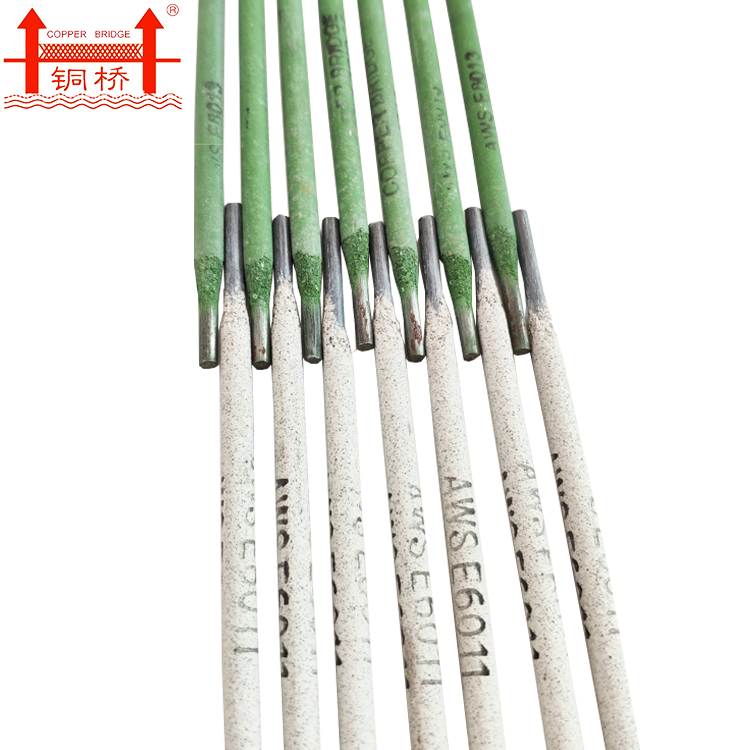
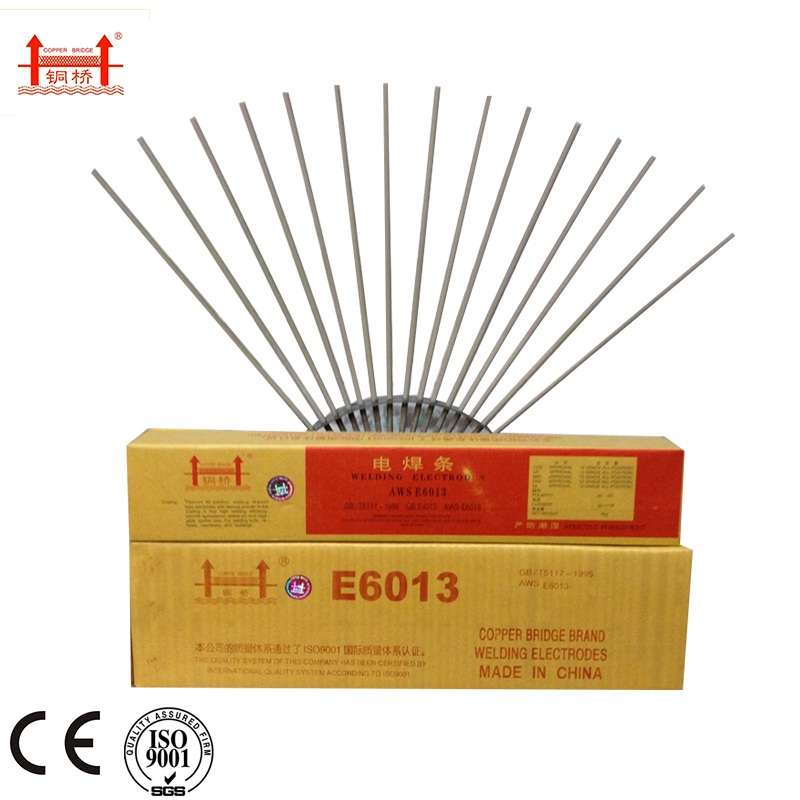
Here’s the simple scoop: 6011 stick welding refers to using a specific type of welding electrode classified under the AWS (American Welding Society) as “6011.” The “60” denotes the minimum tensile strength (60,000 psi), the “1” refers to usability positions (all position welding), and the last “1” indicates the electrode’s characteristics — specifically that it's cellulose-based, producing an aggressive arc that penetrates deeply.
In plain speak, this means the 6011 welding rod lets welders work easily in all positions (vertical, overhead, flat), and through dirt, mill scale, or rust. This makes it perfect not just for factory settings but also rural or field work where metal’s rarely pristine.
This electrode is crucial in modern industries like shipbuilding, pipeline construction, and even emergency repairs in humanitarian missions, where speed and reliability are non-negotiable.
Key Factors That Define 6011 Stick Welding
1. Deep Penetration
(This is the real magic.) The cellulose coating produces hydrogen gas during the weld, which forces the molten metal deep into the joint. That’s why many technicians rely on 6011 rods to weld through less-than-ideal surfaces — think old pipes or farm equipment. Deep penetration means stronger welds and fewer weak points.
2. Versatility Across Positions
Whether you’re welding flat on a bench or overhead on a scaffold, 6011 electrodes adapt well. This flexibility means welders don’t have to stop and swap rods when conditions change — which often happens in the field.
3. Smooth, Easy Arc
Ironically, despite their deep penetration power, 6011 rods create a fairly stable and smooth welding arc that’s forgiving for newer welders. The arc striking is quick, which reduces spatter and helps with cleaner joints.
4. Cost Efficiency
The rod itself is economical compared to other specialty electrodes, and its capacity to weld over dirty or rusty materials reduces costly prep time.
5. Electrical Characteristics
6011 electrodes are typically used with AC and DC+ currents, which adds to their versatility. Choosing the right power source can help tailor penetration and bead profile, depending on job demands.
Mini Takeaway:
6011 stick welding is all about adaptability and strength where conditions are less than perfect. Its properties suit real-world environments — from makeshift repairs to heavy industrial maintenance.
Global Applications & Real-World Use Cases
6011 electrodes find themselves at the heart of critical projects across the globe:
- Post-disaster infrastructure repair: In earthquake-prone zones like Nepal, welders use 6011 rods to fix damaged pipes and metal frameworks rapidly, restoring essential services.
- Remote mining and pipeline projects: In the Australian Outback or the Canadian north, harsh environments make 6011’s tolerance to dirty surfaces invaluable.
- Agricultural equipment maintenance: For farmers worldwide, quick fixes on rusted machinery made easier with 6011 electro technology can mean the difference between a good season or a lost harvest.
Organizations from NGOs to construction firms appreciate how 6011 stick welding empowers on-the-spot fixes—without the fancy gear or lab conditions.
Product Specification: 6011 Welding Electrode Key Features
| Feature | Specification | Details |
|---|---|---|
| Tensile Strength | 60,000 psi (minimum) | Strong welds suitable for structural applications |
| Current Type | AC / DC+ (Electrode Positive) | Flexible power source compatibility |
| Coating Type | Cellulose-based | Aggressive arc for deep penetration |
| Positions | All positions (flat, horizontal, vertical, overhead) | Maximum versatility on job sites |
| Typical Diameter | 1/8” to 5/32” (3.2 mm to 4.0 mm) | Standard sizes for most welding jobs |
Comparing Leading 6011 Electrode Vendors
| Vendor | Price per lb | Available Sizes | Packaging | Notes |
|---|---|---|---|---|
| Jinlong Welding | $3.80 | 1/8", 5/32" | Box of 10 lbs | Consistent arc quality, trusted globally |
| Lincoln Electric | $4.20 | 1/8", 3/32", 5/32" | 5 lb & 10 lb tubs | Premium brand, widely available |
| ESAB | $4.00 | 1/8", 5/32" | 10 lb boxes | Good arc stability and penetration |
Advantages and Long-Term Value of Using 6011 Electrodes
Choosing 6011 stick welding rods means betting on durability, adaptability, and cost-efficiency. The deep penetration ensures strong welds that last decades, which is paramount for infrastructure safety. Also, since these rods tolerate dirty or painted surfaces, you save time and money on preparatory cleaning.
Beyond numbers, there’s a certain peace of mind. Many welders say the consistency of the 6011 arc builds trust — because when working high on unstable platforms or in the field, you want your welds to hold without guesswork. This electrode helps bring a little dignity to welders’ daily task: reliable, professional joints, no matter the challenge.
Emerging Trends and Innovations in 6011 Stick Welding
While the basics of 6011 stick welding remain reliable, innovation hasn’t left the scene. Recent developments include better cellulose coatings that reduce fumes, making welding safer on-site. Some vendors also innovate in wire core compositions to improve weld toughness in cold climates — which is a bonus for northern operations.
Meanwhile, the rise of digital welding machines and AI-aided welding quality inspection is helping welders optimize current settings for 6011 rods, balancing penetration and spatter in real time. Plus, sustainable manufacturing practices for electrodes are gaining attention — reducing environmental impact while keeping performance high.
Challenges Faced and Practical Solutions
Despite its many benefits, 6011 stick welding isn’t flawless. The aggressive arc can sometimes lead to undercut if not carefully controlled — meaning the weld edges become thinner, risking cracks over time. Also, the electrode consumes faster than others, requiring frequent rod changes, which can slow productivity.
The good news? Experienced welders use pulsed welding techniques or tailored amperage controls to reduce undercut, while some vendors now offer 6011 variants with improved coating formulas for slower consumption. Ensuring proper training and equipment calibration can smooth out these common hiccups.
FAQ: Common Questions About 6011 Stick Welding
- Q: Is 6011 stick welding suitable for beginner welders?
- A: Yes, the smooth arc and easy striking make 6011 rods beginner-friendly, though new welders should practice controlling the arc to avoid undercut.
- Q: Can 6011 rods weld on rusty or painted surfaces directly?
- A: Absolutely. One of the core strengths is welding over dirty or rusted metals, making onsite repairs faster and easier.
- Q: What current type is best for 6011 electrodes?
- A: 6011 rods work well on AC and DC+ polarity, with DC+ often providing even deeper penetration, but AC is commonly used in portable setups.
- Q: How do I store 6011 rods to maintain quality?
- A: Keep them dry in a sealed container; exposure to moisture can degrade the coating and reduce weld quality.
- Q: Can 6011 electrodes be used for structural welding?
- A: Yes, with a tensile strength of 60,000 psi, they're suited for a broad range of structural applications, especially when deep penetration is needed.
In Conclusion: Why 6011 Stick Welding Will Continue to Be a Go-To Choice
6011 stick welding electrodes blend practicality, efficiency, and strong weld performance in a uniquely dependable way. Whether you’re an industrial fabricator, a field welder in a remote village, or a relief worker rebuilding homes after disaster, these rods stand out for delivering solid, trustworthy results under real-world conditions.
Want to dive deeper or get some of the best 6011 welding rods on the market? Head over to 6011 stick welding for product details, expert advice, and global shipping options.
Mini Reflection:
The humble 6011 rod might not get the glamour, but it deserves a spot in your welding toolkit — a dependable partner whenever conditions aren’t perfect but results must be.
References

Related Video

Related News


2026-04-16 02:35:10
Precision Guide for e312 16 welding rod and Dissimilar Steel Welding
In the demanding world of industrial fabrication and repair, selecting the correct filler metal is the difference between a structural failure and a lifetime bond. The e312 16 welding rod is specifically engineered to meet the rigorous needs of welding dissimilar steels, offering an exceptional balance of strength and corrosion resistance. Whether you are working on high-pressure pipelines or heavy machinery components, understanding the nuances of this specialized electrode is key to achieving professional-grade results. This guide explores the technical advantages and practical applications of the E312 series to help you optimize your welding workflow.
2026-04-09 02:35:17
Choosing the Right cs to ss welding rod number Professional Guide
Joining carbon steel (CS) to stainless steel (SS) is a common challenge in industrial fabrication, requiring a precise understanding of metallurgy to avoid weld failure. The most critical decision in this process is identifying the correct cs to ss welding rod number to ensure a strong, corrosion-resistant bond. Using the wrong filler metal can lead to cracking or premature oxidation due to the different thermal expansion rates of the two materials. In this comprehensive guide, we will break down the technical specifications and selection criteria to help you achieve a professional-grade weld every time.
2026-04-07 02:25:29
Comprehensive Guide to 409 Welding Rod Selection and Optimal Usage
When it comes to welding applications requiring corrosion resistance and good weldability, the 409 welding rod is a frequently chosen option. This article provides a detailed overview of this versatile welding rod, exploring its composition, applications, benefits, and considerations for optimal use. Whether you’re a seasoned professional or new to welding, understanding the properties of 409 welding rod is crucial for achieving high-quality, durable welds. We’ll cover everything you need to know to make informed decisions for your welding projects.
2026-04-04 02:35:28
Comprehensive Guide to 330 Stainless Steel Welding Rod Applications and Techniques
330 stainless steel welding rods are a crucial component in various industries, offering exceptional corrosion resistance and high-temperature strength. This article provides an in-depth look at these rods, covering their properties, applications, choosing the right rod, welding techniques, safety precautions, and where to find high-quality options. Whether you're a seasoned welding professional or new to the field, this guide will offer valuable insights.
2026-03-31 02:35:08
Comprehensive Guide to 312 Stainless Tig Rod for Superior Welding Performance
When choosing the right filler metal for your TIG welding projects, especially in demanding applications, 312 stainless steel tig rod stands out for its exceptional corrosion resistance and high-temperature strength. This comprehensive guide will explore its composition, applications, benefits, and how it compares to other stainless steel rods. We'll also point you to resources for sourcing high-quality rods.
2026-03-28 02:45:04
Comprehensive Guide to 312 17 Welding Rod Applications and Technical Details
Welding rods are essential consumables in the welding process, and selecting the right one is crucial for achieving strong, durable, and high-quality welds. The 312 17 welding rod is a popular choice for many applications due to its unique properties and versatility. This article delves into the characteristics, applications, benefits, and considerations when using 312 17 welding rods, providing a comprehensive resource for welders and engineers alike. Choosing the right rod directly impacts the success and longevity of any welding project.
2026-03-26 02:35:10
Comprehensive Guide to the 312 16 Welding Rod for Superior Steel Welding
The 312 16 welding rod is a versatile and widely-used electrode in various welding applications. Known for its excellent weldability and strong mechanical properties, it's a go-to choice for professionals and hobbyists alike. This article delves into the specifics of this electrode, covering its composition, applications, advantages, and how to choose the right one for your projects. Understanding the nuances of the 312 16 welding rod is crucial for achieving high-quality, durable welds. The designation "312 16" provides key information about the welding rod. "312" refers to the type of flux coating, specifically a low-hydrogen, iron powder coating. This coating is designed to produce welds with excellent mechanical properties and good resistance to cracking. The "16" indicates the diameter of the rod in 32nds of an inch – so a 312 16 rod has a diameter of 16/32 or 1/2 inch. This combination makes it suitable for a wide range of steel welding applications. The low-hydrogen nature of the flux minimizes hydrogen-induced cracking, a common issue in welding certain steels.
2026-03-24 02:45:07
Comprehensive Guide to 309LSI TIG Rod Welding Applications and Best Practices
The 309LSI TIG rod is a versatile welding consumable widely used across various industries for its exceptional corrosion resistance and weldability. This article will explore the properties, applications, advantages, and best practices associated with using 309LSI TIG rods. Whether you're a seasoned welding professional or new to the field, this guide will provide you with valuable insights into maximizing the performance and longevity of your welds. The 309LSI TIG rod is a stainless steel electrode specifically designed for Gas Tungsten Arc Welding (GTAW), commonly known as TIG welding. The "309LSI" designation indicates the alloy composition: 309 signifies the chromium-nickel content, 'L' denotes low carbon content for enhanced corrosion resistance, and 'SI' signifies stabilized with silicon for improved resistance to carbide precipitation during welding.

 English
  Arabic
  Bengali
  China
China  French
  German
  Hausa
Hausa  Indonesian
  Italian
  Japanese
  Javanese
  Malay
Malay  Persian
  Portuguese
  Punjabi
  Russian
  Spanish
  Swahili
  Telugu
  Vietnamese